MAK Vienna
Stubenring, First District
© Leonhard Hilzensauer/MAK
© MAK/Mika K. Wisskirchen
© Leonhard Hilzensauer/MAK
© MAK/Mika K. Wisskirchen
© Leonhard Hilzensauer/MAK
© Gerald Zugmann/MAK
© MAK
© Stefan Lux/MAK

© Leonhard Hilzensauer/MAK
© Gerald Zugmann/MAK
© MAK
© MAK
Previous Image
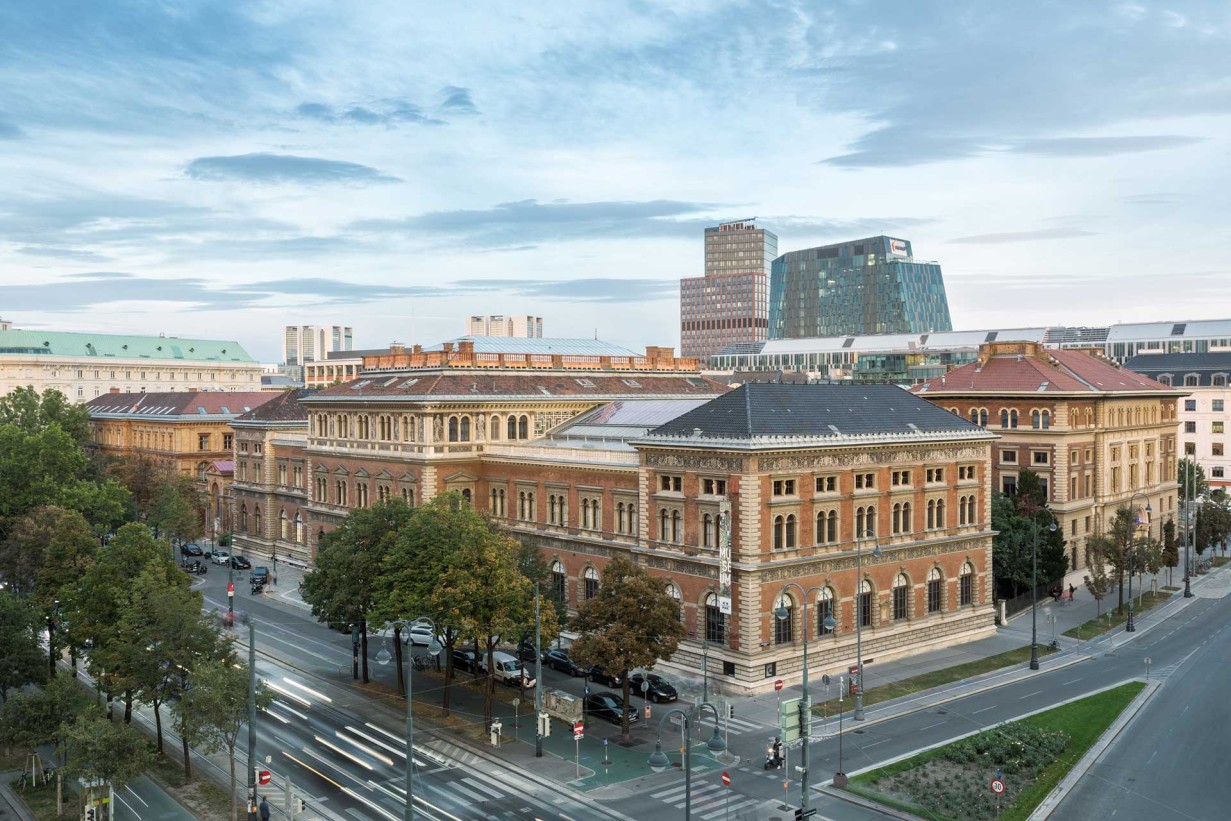
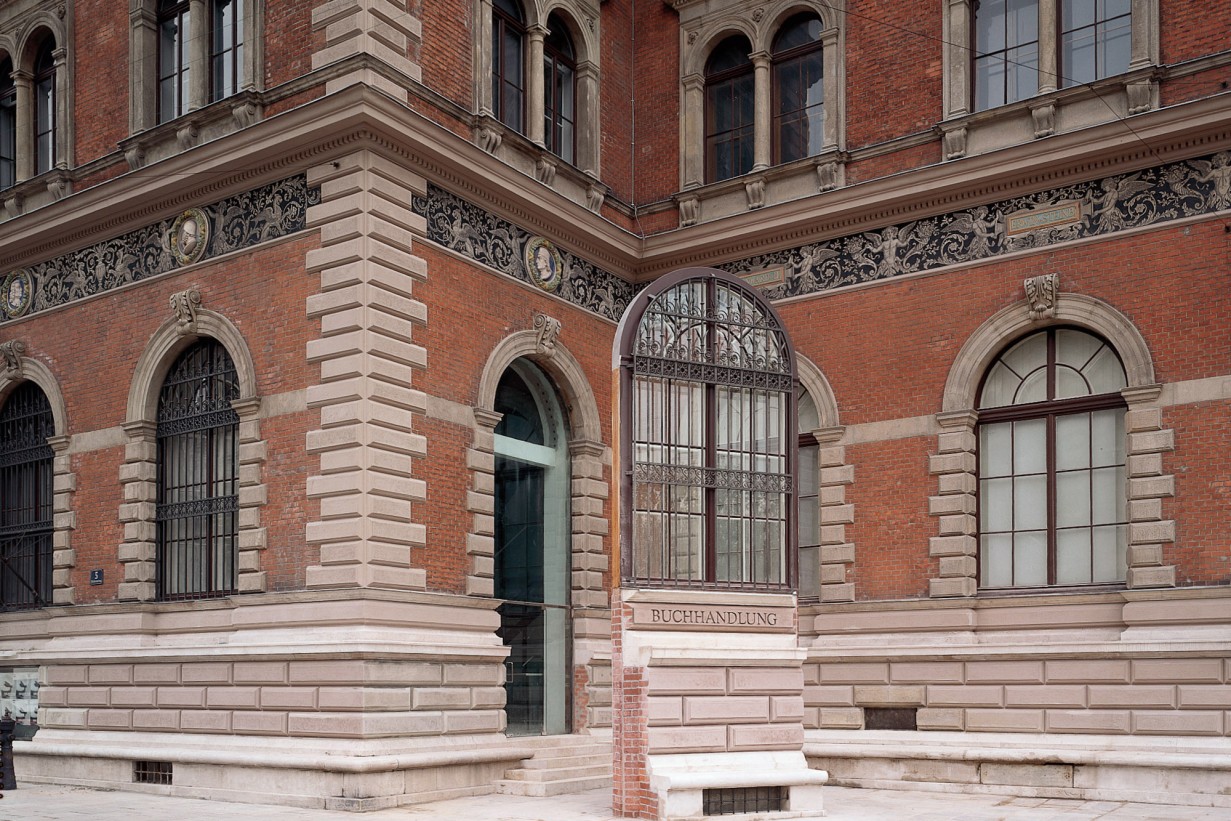
In a way that is virtually unparalleled by any other institution, the MAK – Museum of Applied Arts stands for the fruitful combination of the past with the future, something which can be clearly sensed and experienced when visiting its extensive collection, large exhibition halls, themed special exhibitions and discourse-centered program of events. Bringing together applied arts, design, architecture, and contemporary art is one of the museum’s core competencies.
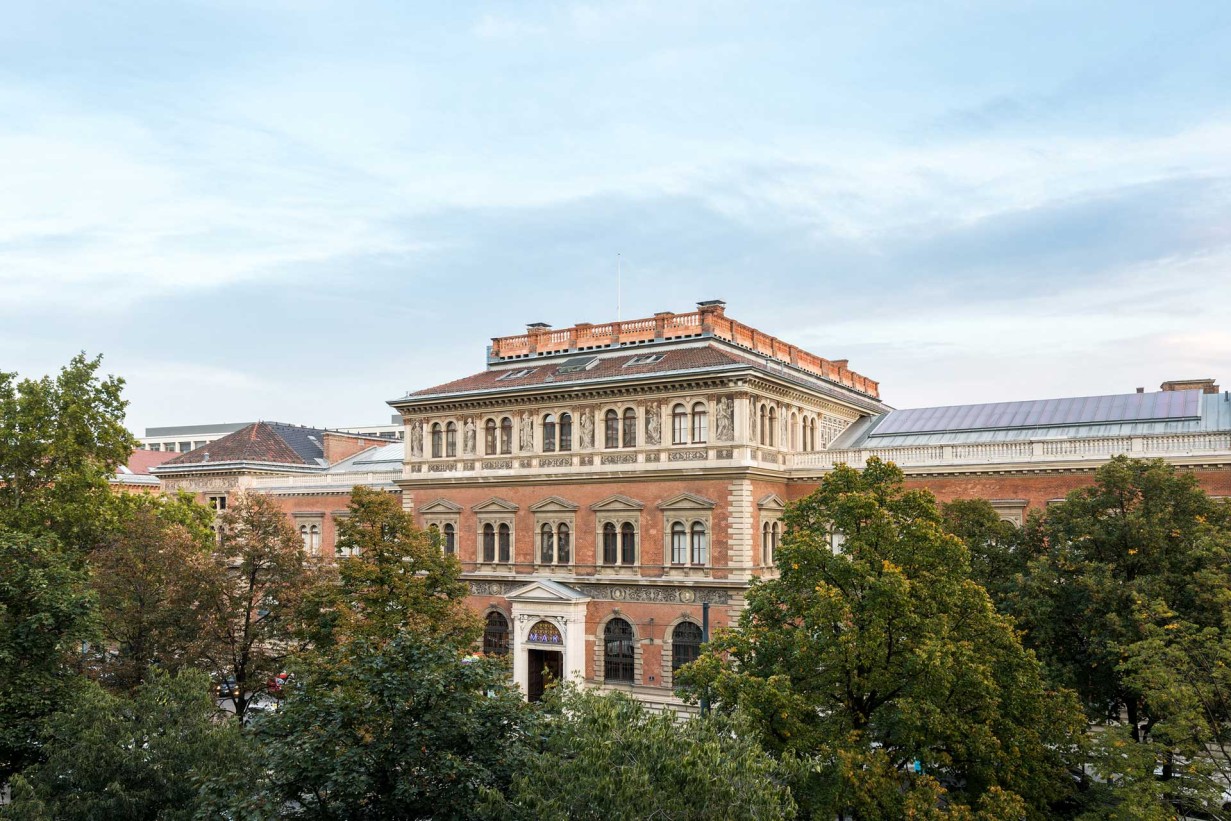
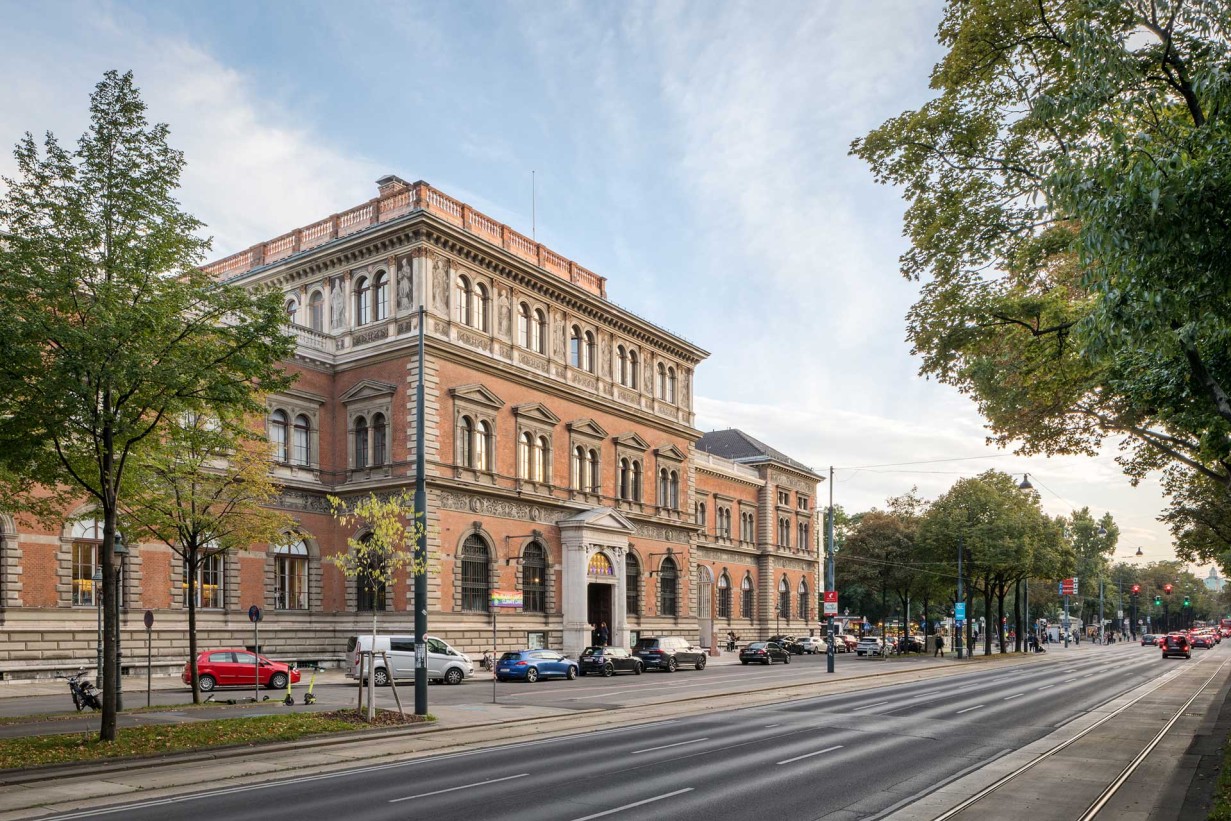
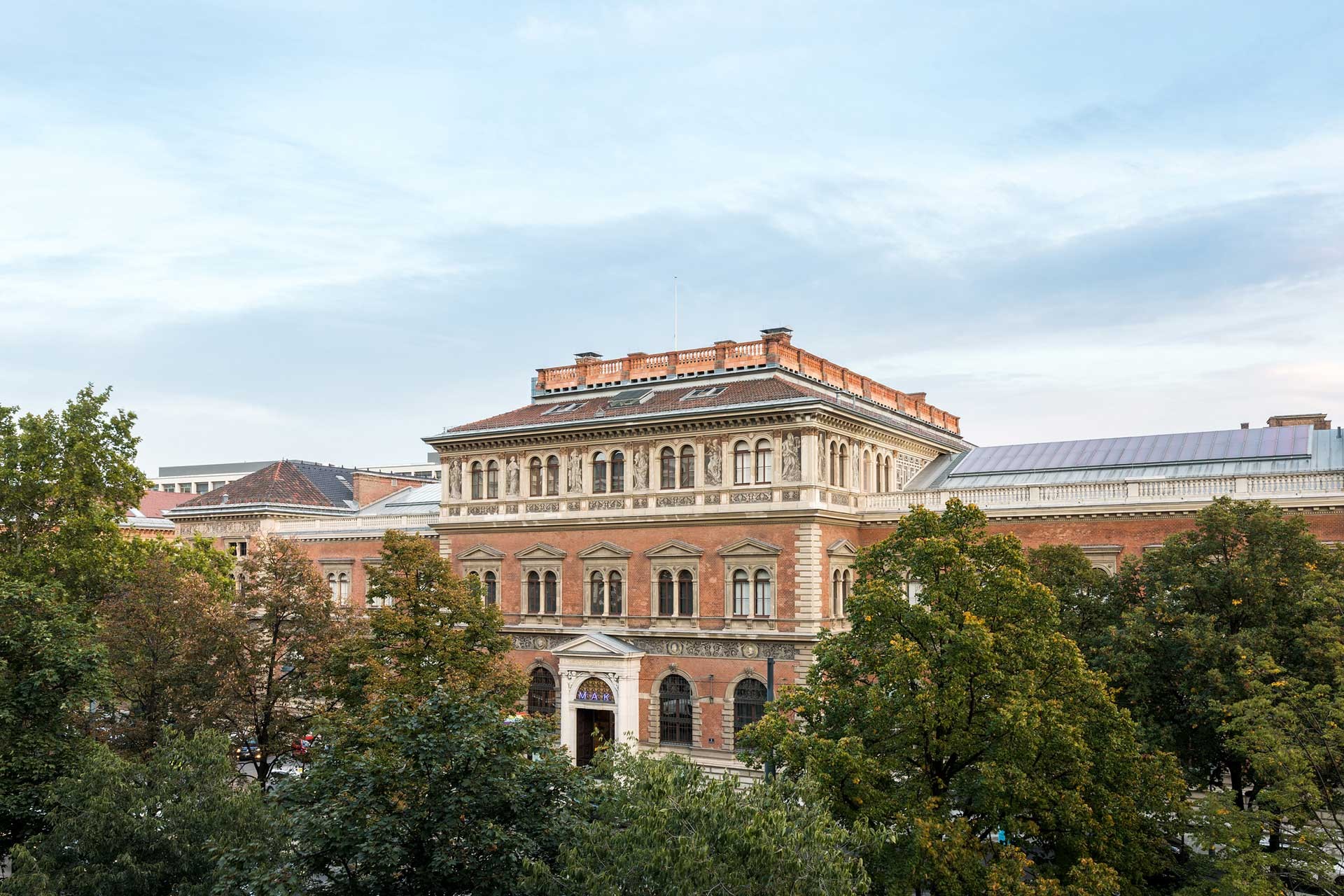
The MAK – Museum of Applied Arts is one of the most important museums of its kind worldwide. Founded as the Imperial Royal Austrian Museum of Art and Industry in 1863, today’s museum—with its unique collection of applied arts and as a first-class address for contemporary art—can boast an incomparable identity. Originally established as an exemplary source collection, today’s MAK Collection continues to stand for an extraordinary union of applied art, design, contemporary art and architecture.
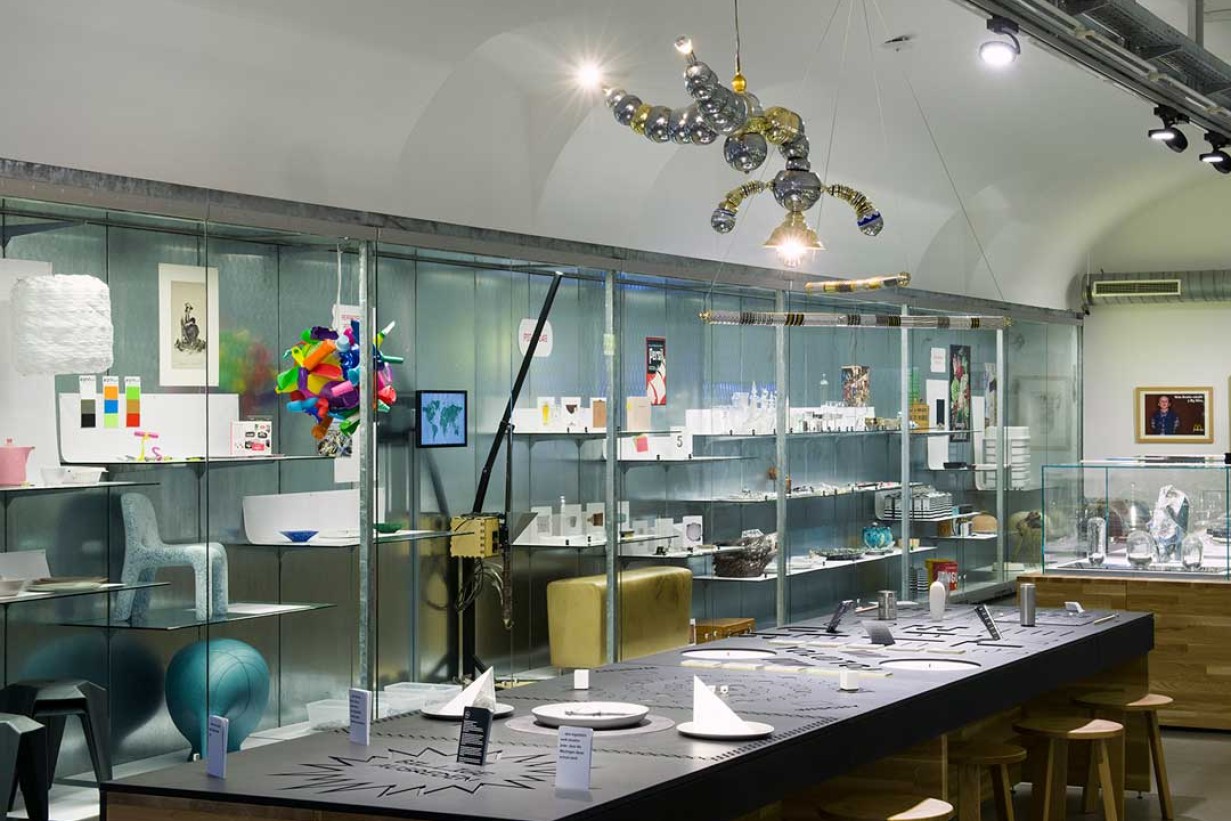
With the MAK DESIGN LAB, the museum has undertaken in 2014 a redesign of the former MAK Study Collection, and the design concept of the LAB has been consciously chosen as a contrast to the MAK Permanent Collection. The MAK DESIGN LAB expands our understanding of design—a term that is traditionally grounded in the 20th and 21st centuries—by including previous centuries, thereby enabling a better evaluation of the concept of design today. In context of the VIENNA BIENNALE FOR CHANGE 2019 the MAK DESIGN LAB was reinstalled.
In temporary exhibitions, the MAK presents various artistic stances from the fields of applied arts, design, architecture, contemporary art, and new media, with the mutual relationships between them being a consistently emphasized theme. The institution’s multifaceted mission allows for varied approaches, opening up new perspectives from which to regard historical relationships and offering frequent glimpses at artistically and societally relevant developments that are just beginning to appear on the horizon.
The MAK, which defines itself as a laboratory of societal knowledge, is a place of collecting, research, preservation, education, and interactive learning, as well as a site of human encounters, interaction, and intercreativity. Thanks not least to its international branches and cross-border activities, the museum is also a forum of intercultural and artistic exchange as well as of fruitful dialog with designers, artists, and architects.
In the MAK Reading Room, likewise located in the Stubenring building, user-friendly opening hours and free admission even afford visitors weekend access to books from Austria’s largest art library, home to an archive of societal and cultural knowledge that is constantly being updated.
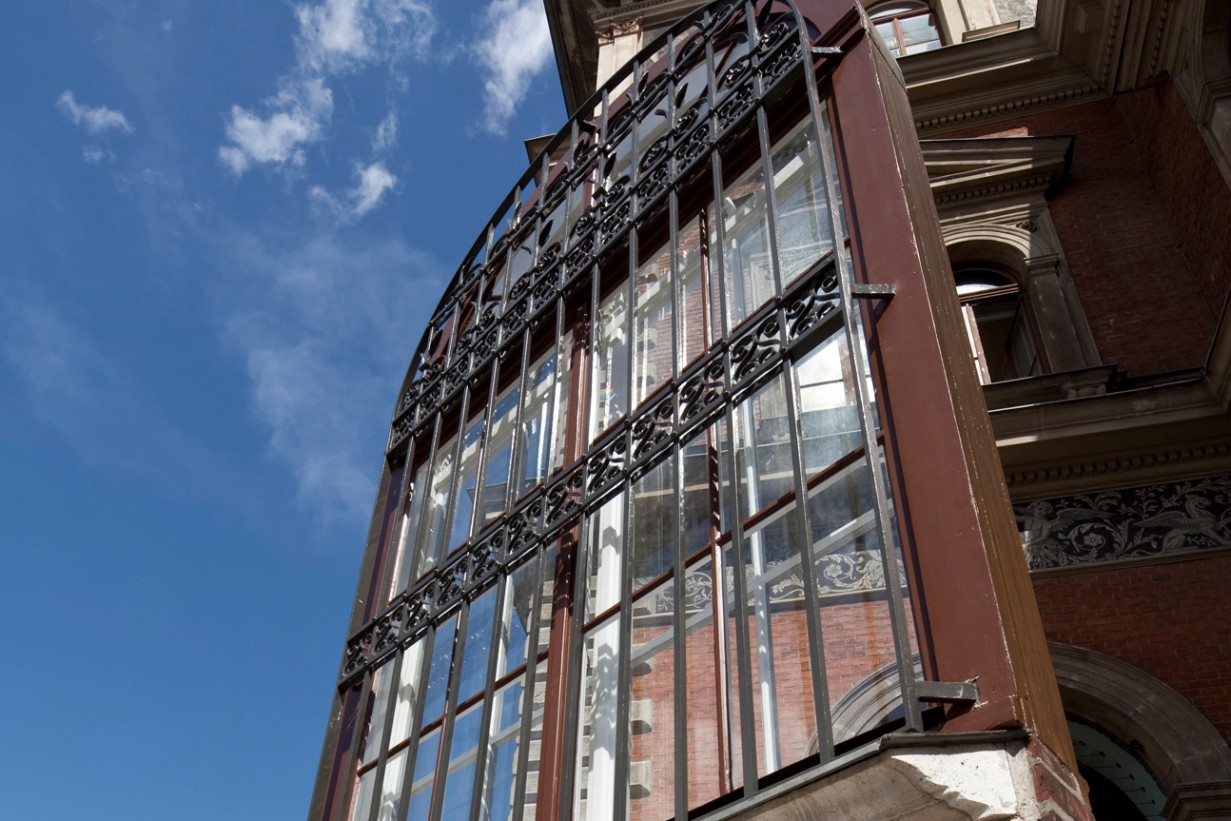
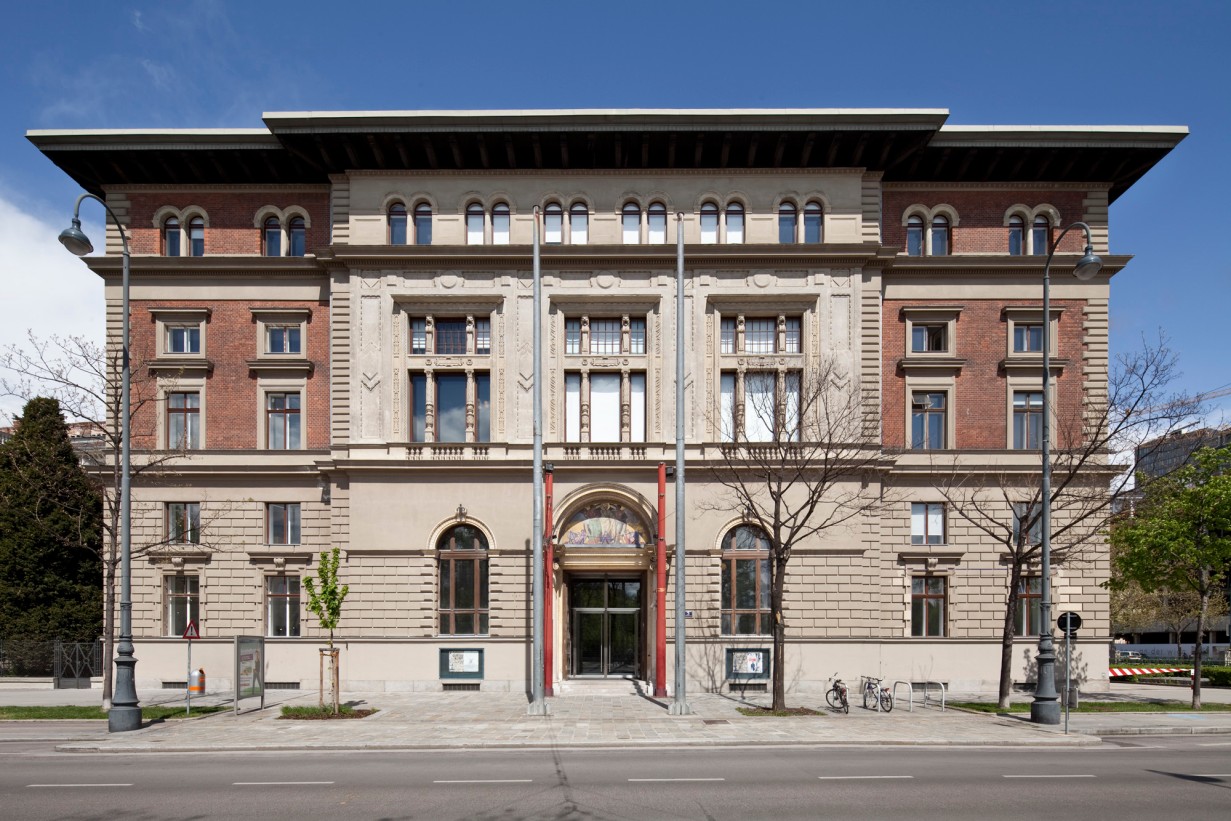
The large exhibition halls were built between 1906 and 1909 according to plans by architect Ludwig Baumann; with a total floor space of 2,700 m2, they are among Austria’s largest such facilities. The exhibition halls are connected with the Stubenring building by a glass wing designed by Sepp Müller in 1991, and they can also be accessed separately via their own entrance on Weiskirchnerstraße. Stepping through the latter, one is impressed by the generosity of the magnificent late-historicist entrance foyer, behind which lie the exhibition halls and the MAK Lecture Hall. Two levels play host to regularly changing temporary exhibitions covering a wide range of approaches to the diverse themes encompassed by the MAK’s mission.
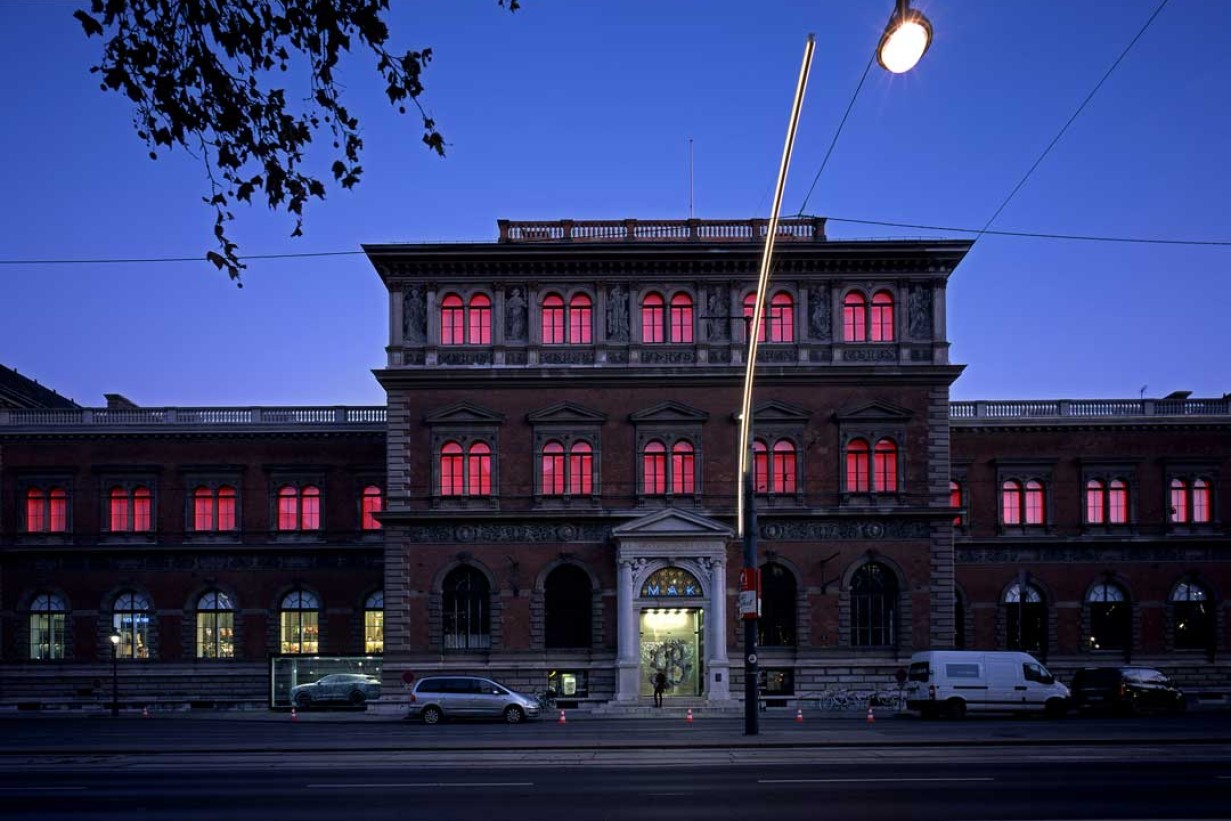
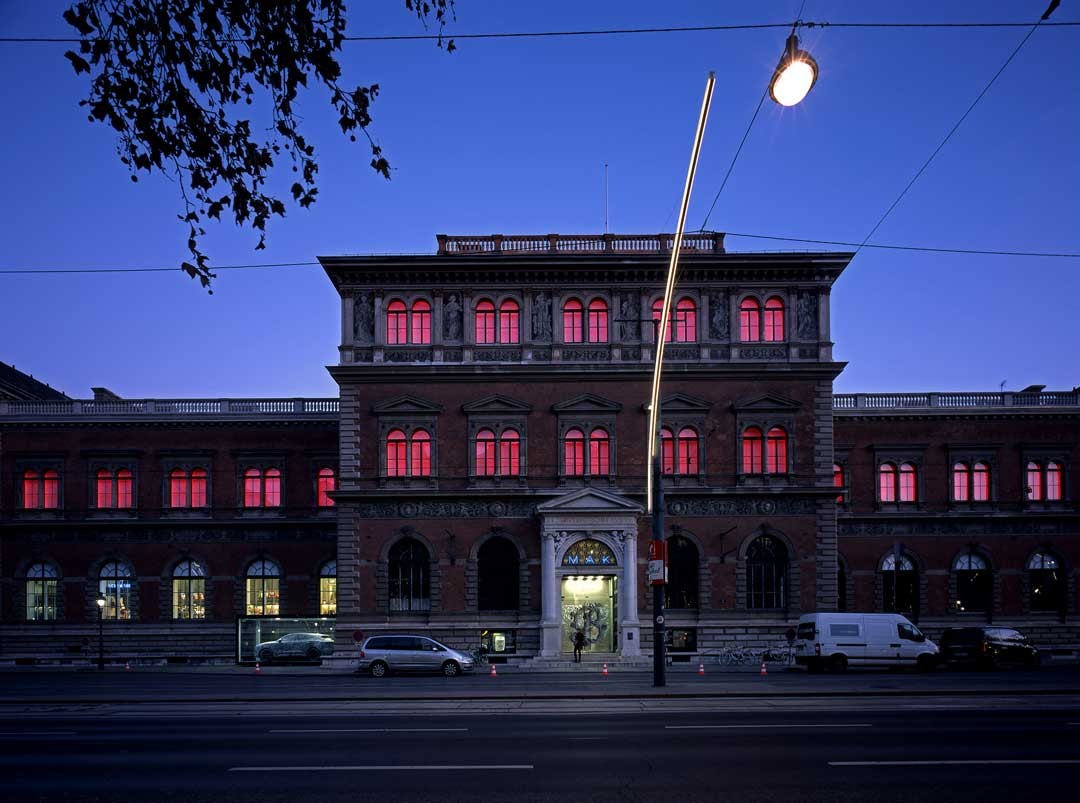
James Turrell’s light sculpture MAKlite causes intense, variously colored light to pulse in the windows of the MAK, thus communicating the complex situations generated within the museum to the urban environment outside. Permanently installed since 2004, this installation releases the building’s brick façade from its urban uniformity.
Somewhat further afield, at the intersection of Franz-Josefs-Kai and Schottenring, one sees the Wiener Trio by Philip Johnson, conceived for the exhibition Turning Point (1996). The Stadtpark, one of the city’s green oases, lies just adjacent to the MAK and beckons refreshingly to museum visitors. The park has played host to Donald Judd’s sculpture Stage Set since 1996; this public artwork, as well, was created specifically for an exhibition at the MAK.
The MAK – Museum of Applied Arts is one of the most important museums of its kind worldwide. Founded as the Imperial Royal Austrian Museum of Art and Industry in 1863, today’s museum—with its unique collection of applied arts and as a first-class address for contemporary art—can boast an incomparable identity. Originally established as an exemplary source collection, today’s MAK Collection continues to stand for an extraordinary union of applied art, design, contemporary art and architecture.
The exhibition program of the MAK
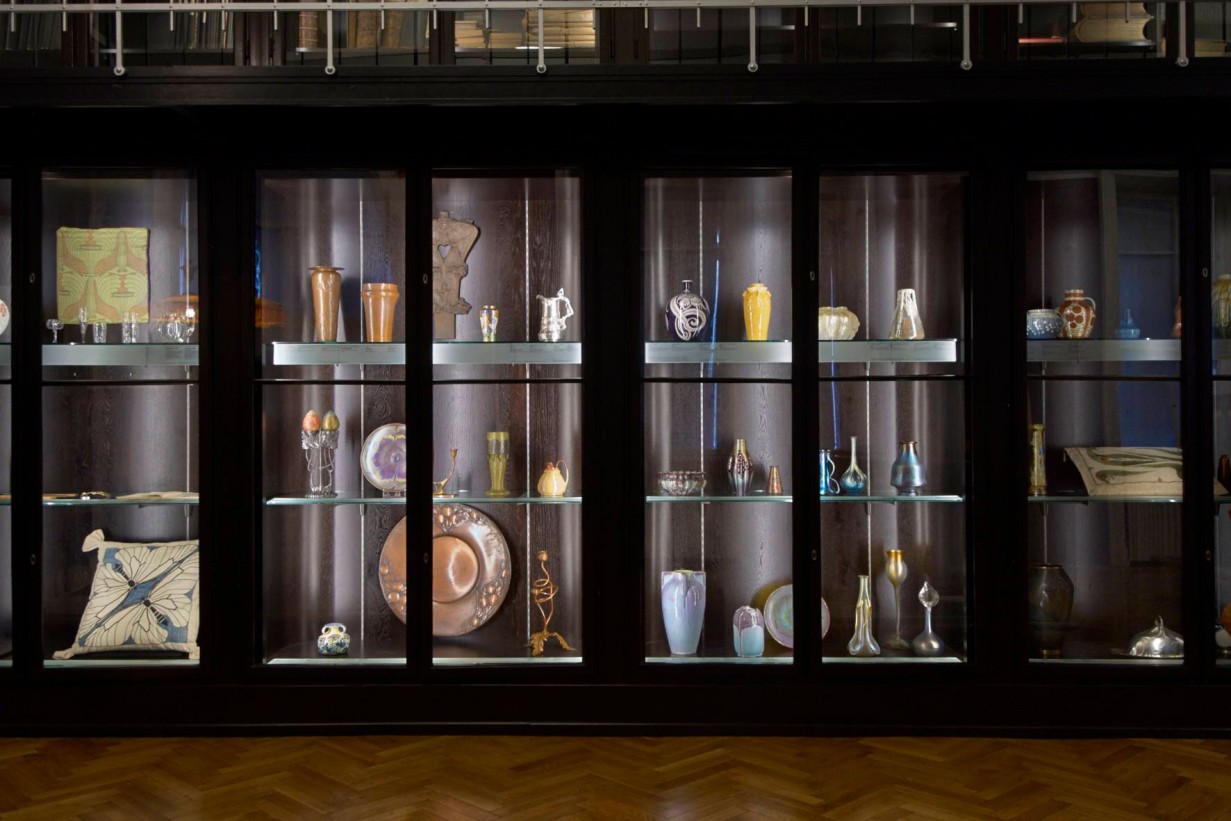
The spacious halls of the Permanent Collection in the magnificent Ringstraße building by Heinrich von Ferstel were later redesigned by contemporary artists in order to present selected highlights from the MAK Collection. In a unique interplay of artistic heritage and contemporary interventions, the historical holdings have been staged in a way that invites close examination of the individual exhibits.With the MAK DESIGN LAB, the museum has undertaken in 2014 a redesign of the former MAK Study Collection, and the design concept of the LAB has been consciously chosen as a contrast to the MAK Permanent Collection. The MAK DESIGN LAB expands our understanding of design—a term that is traditionally grounded in the 20th and 21st centuries—by including previous centuries, thereby enabling a better evaluation of the concept of design today. In context of the VIENNA BIENNALE FOR CHANGE 2019 the MAK DESIGN LAB was reinstalled.
In temporary exhibitions, the MAK presents various artistic stances from the fields of applied arts, design, architecture, contemporary art, and new media, with the mutual relationships between them being a consistently emphasized theme. The institution’s multifaceted mission allows for varied approaches, opening up new perspectives from which to regard historical relationships and offering frequent glimpses at artistically and societally relevant developments that are just beginning to appear on the horizon.
The MAK, which defines itself as a laboratory of societal knowledge, is a place of collecting, research, preservation, education, and interactive learning, as well as a site of human encounters, interaction, and intercreativity. Thanks not least to its international branches and cross-border activities, the museum is also a forum of intercultural and artistic exchange as well as of fruitful dialog with designers, artists, and architects.
The building
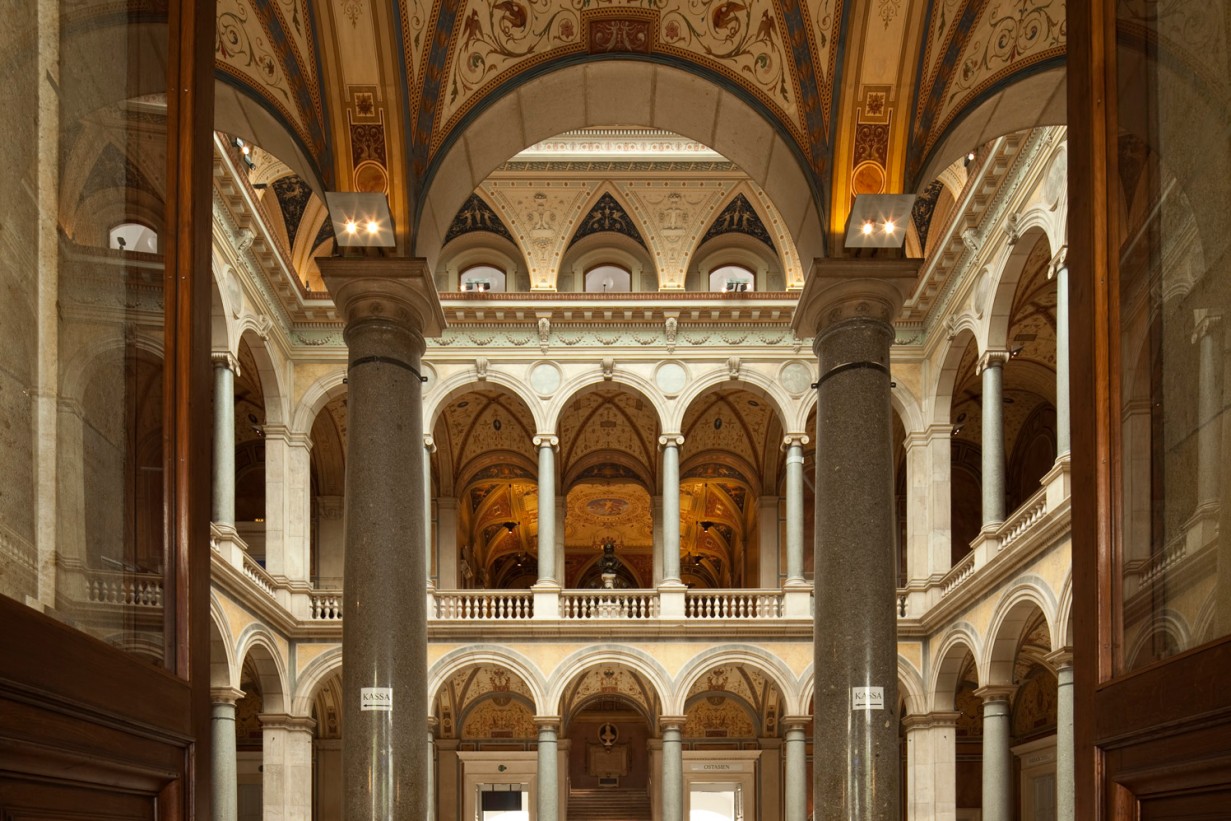
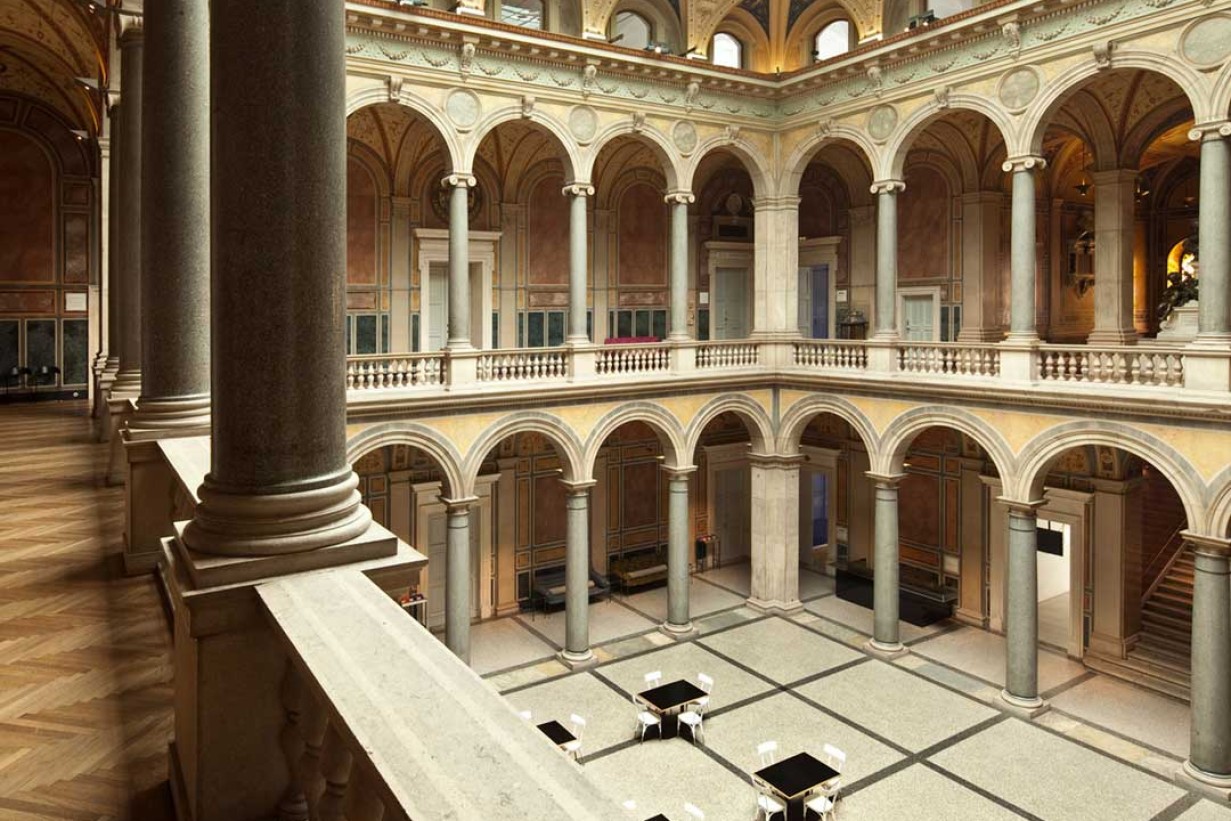
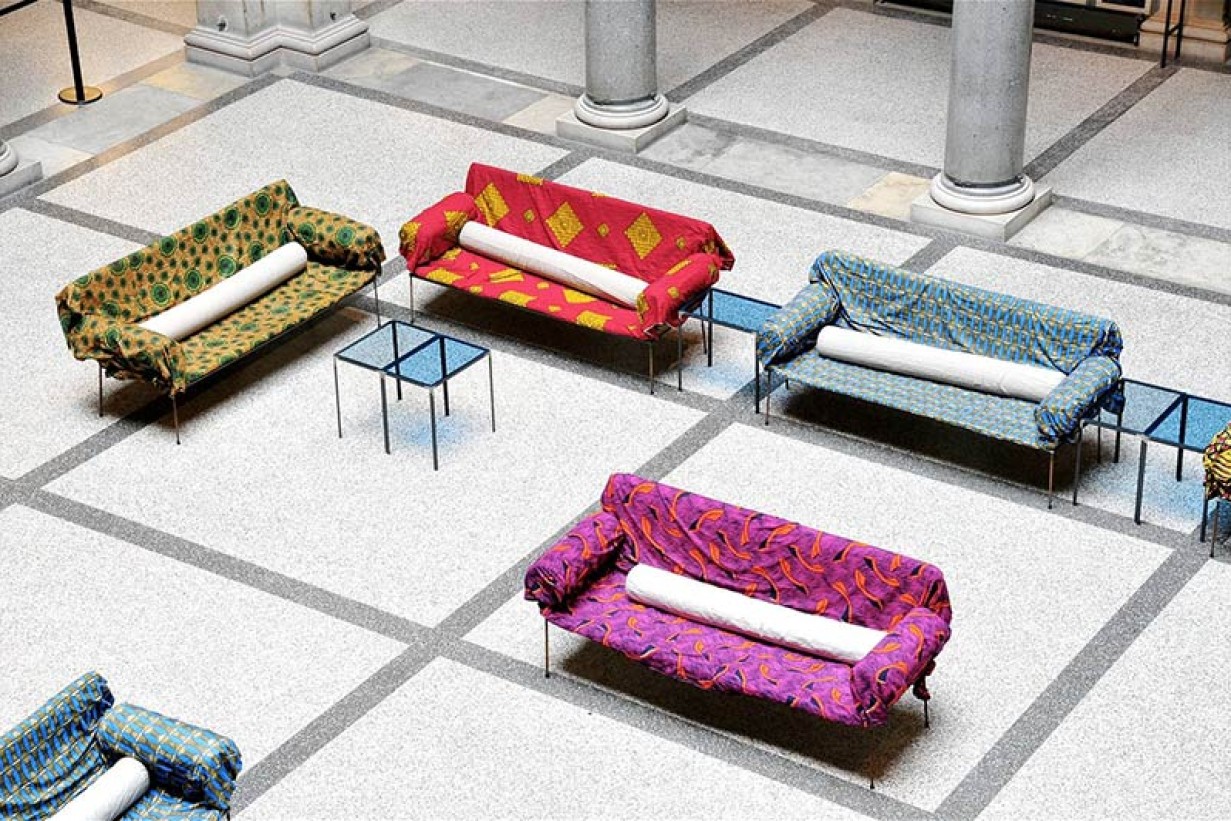
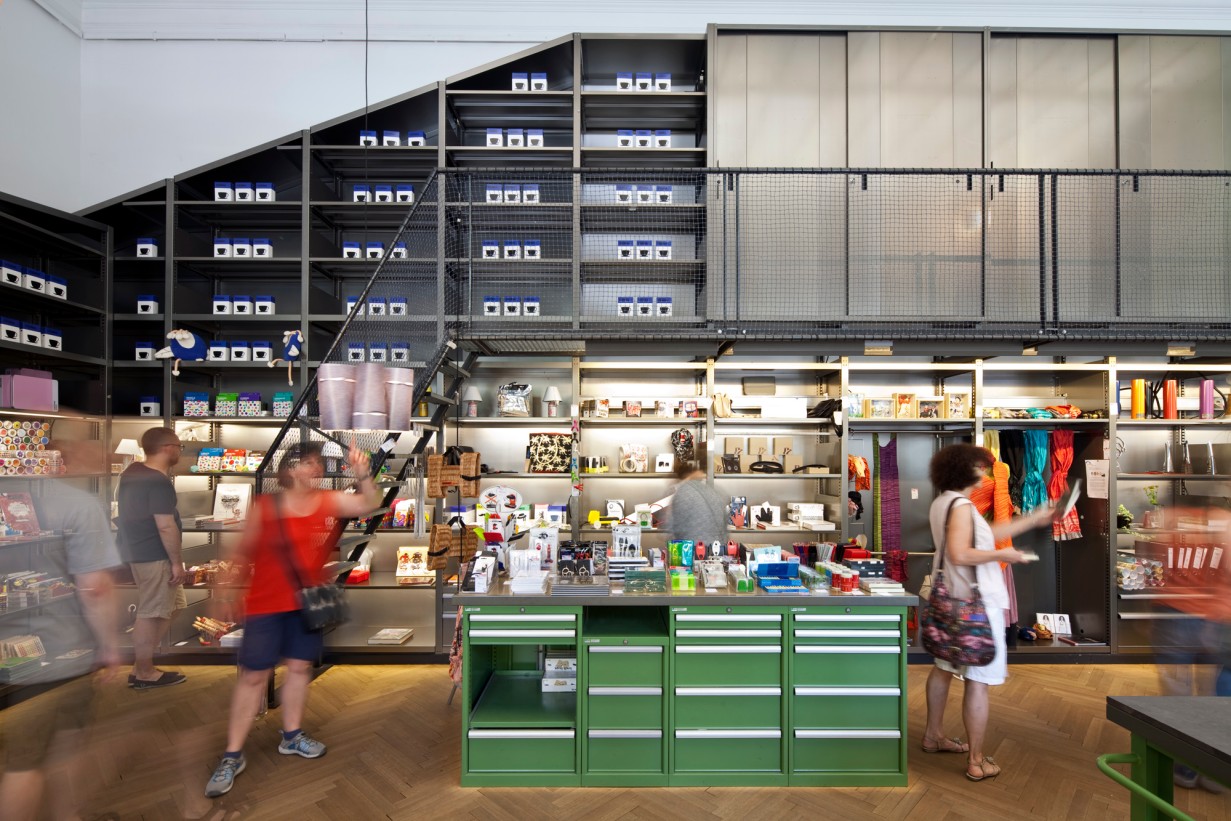
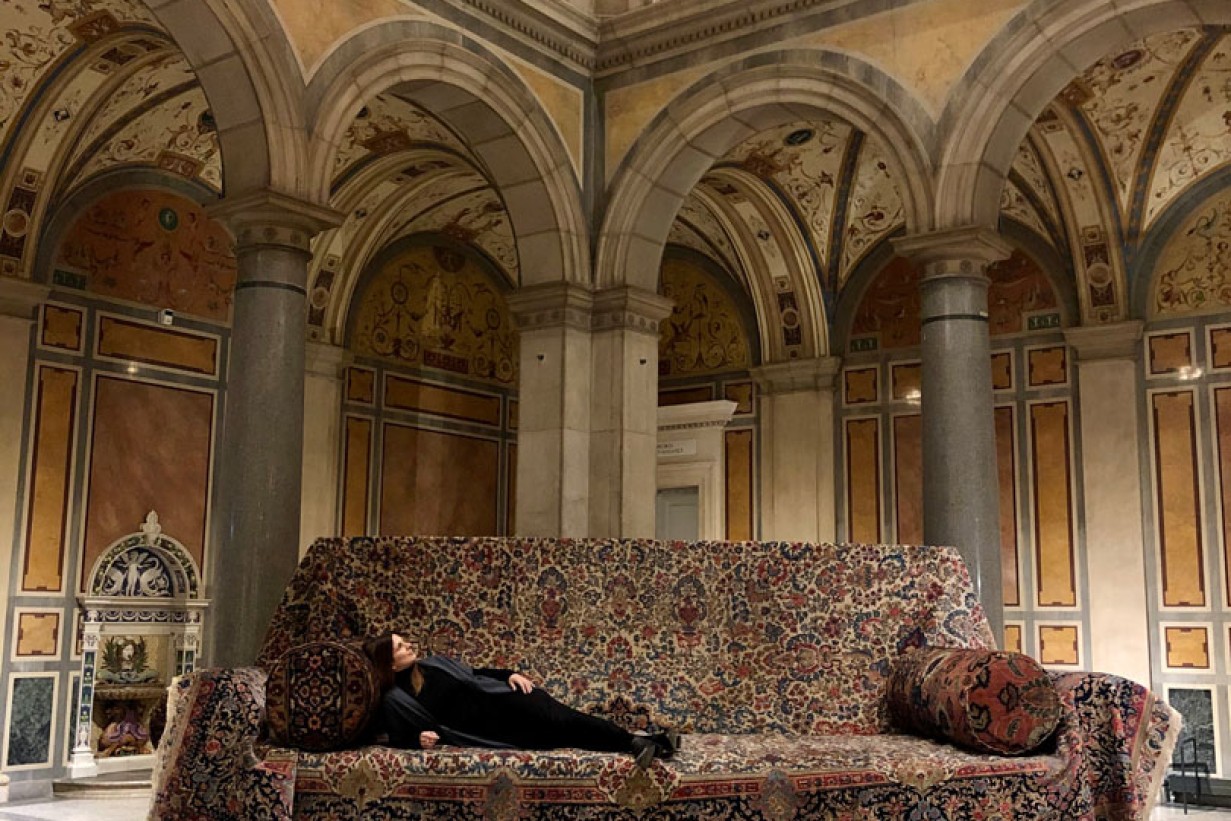
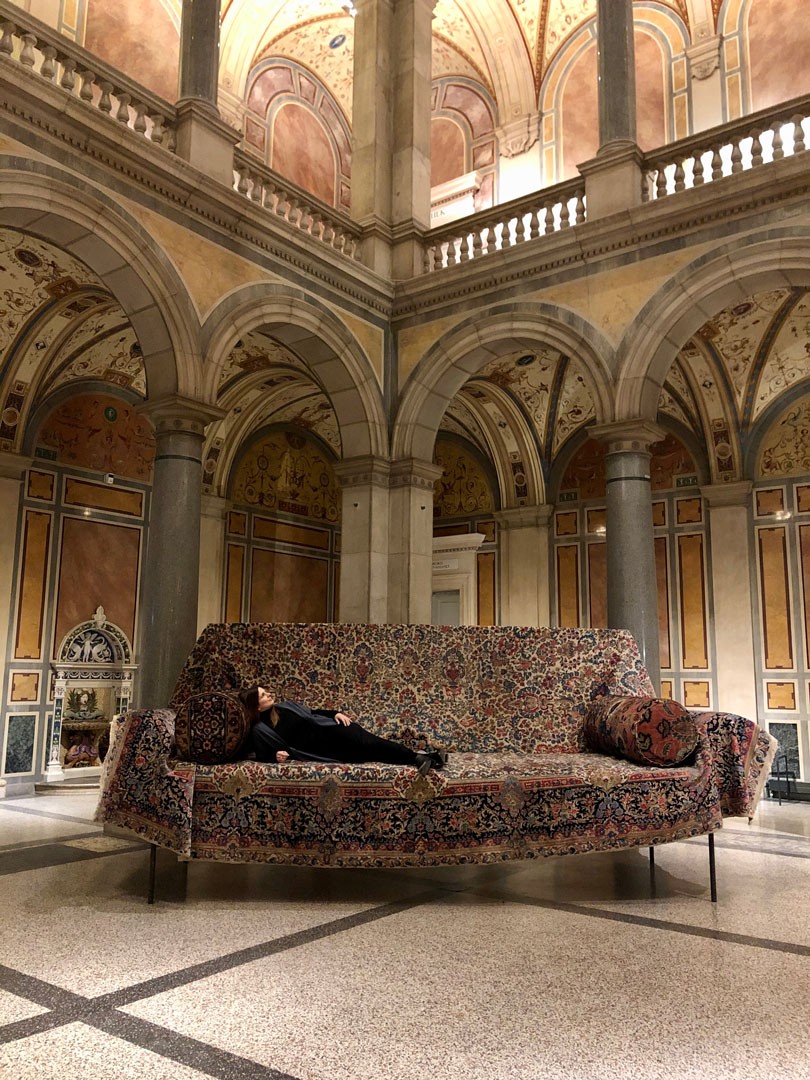
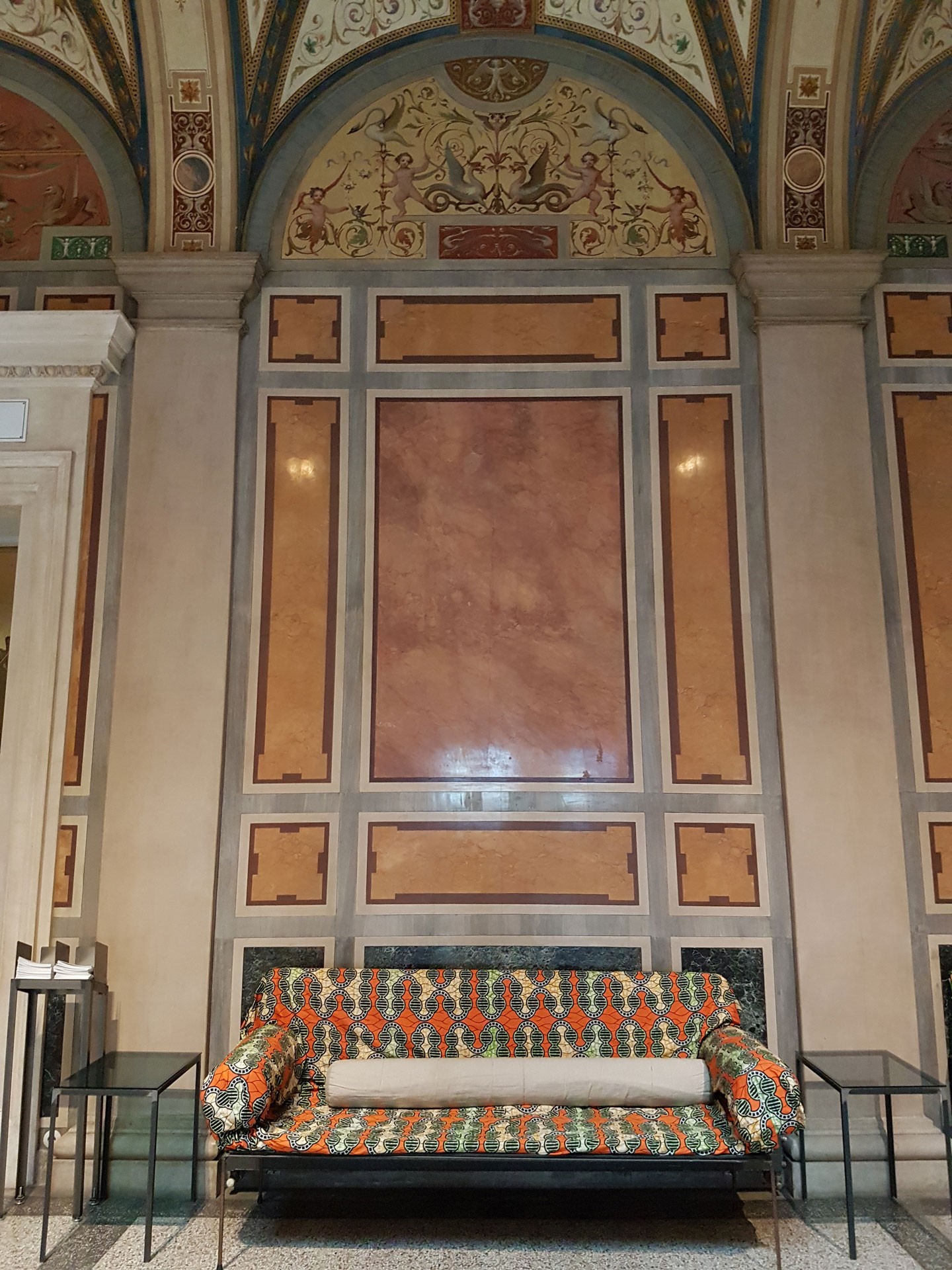
Sofas by Franz West invite visitors to sit down, take a break and perhaps page through today’s papers; this can also be said of the seating elements by Hermann Czech in the MAK’s central, neo-Renaissance Columned Main Hall. Culinary delights can be found at the restaurant Salonplafond. With its interior design by architect Michael Embacher, the restaurant is another great opportunity for a break—try its outdoor dining area in the MAK Garden for a particularly relaxing experience. Immediately adjacent is the MAK Design Shop, whose range of offerings includes gifts both extraordinary and practical as well as publications, design objects and artists’ editions.In the MAK Reading Room, likewise located in the Stubenring building, user-friendly opening hours and free admission even afford visitors weekend access to books from Austria’s largest art library, home to an archive of societal and cultural knowledge that is constantly being updated.
The large exhibition halls were built between 1906 and 1909 according to plans by architect Ludwig Baumann; with a total floor space of 2,700 m2, they are among Austria’s largest such facilities. The exhibition halls are connected with the Stubenring building by a glass wing designed by Sepp Müller in 1991, and they can also be accessed separately via their own entrance on Weiskirchnerstraße. Stepping through the latter, one is impressed by the generosity of the magnificent late-historicist entrance foyer, behind which lie the exhibition halls and the MAK Lecture Hall. Two levels play host to regularly changing temporary exhibitions covering a wide range of approaches to the diverse themes encompassed by the MAK’s mission.
The MAK in public space
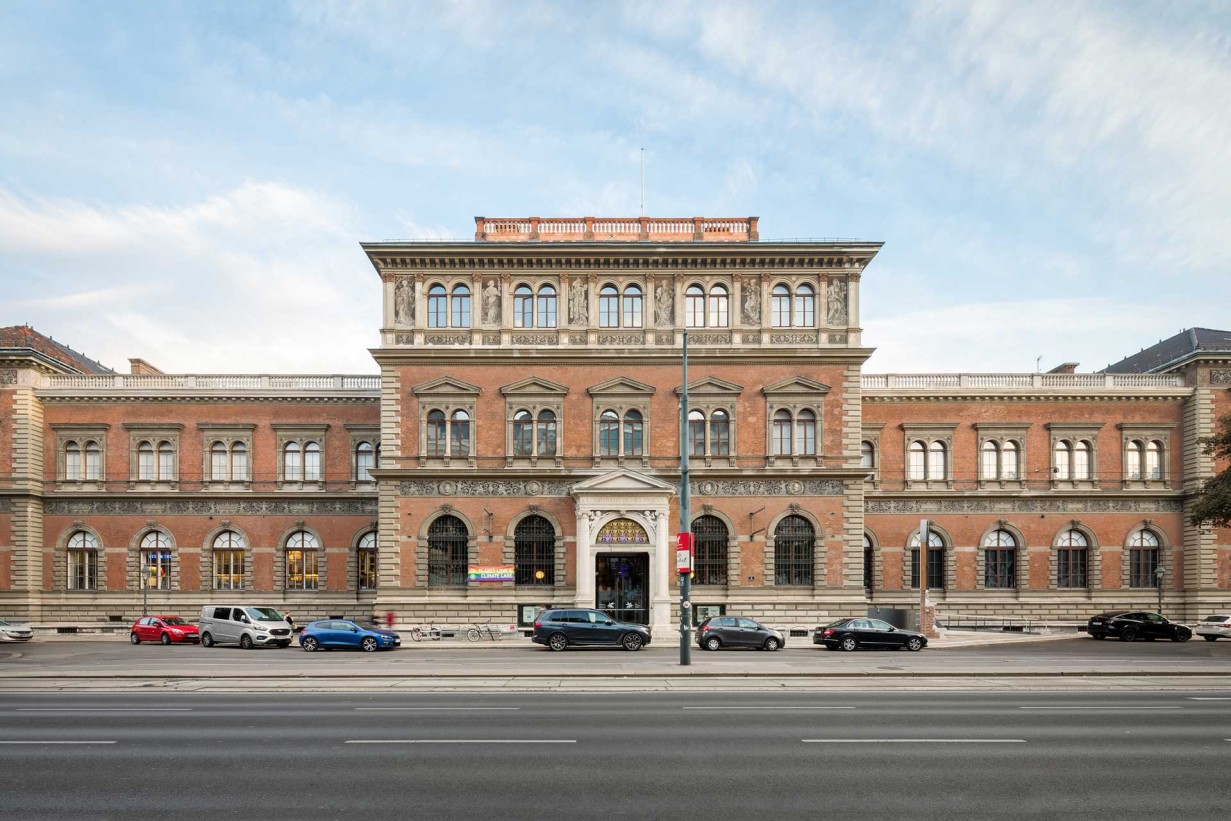
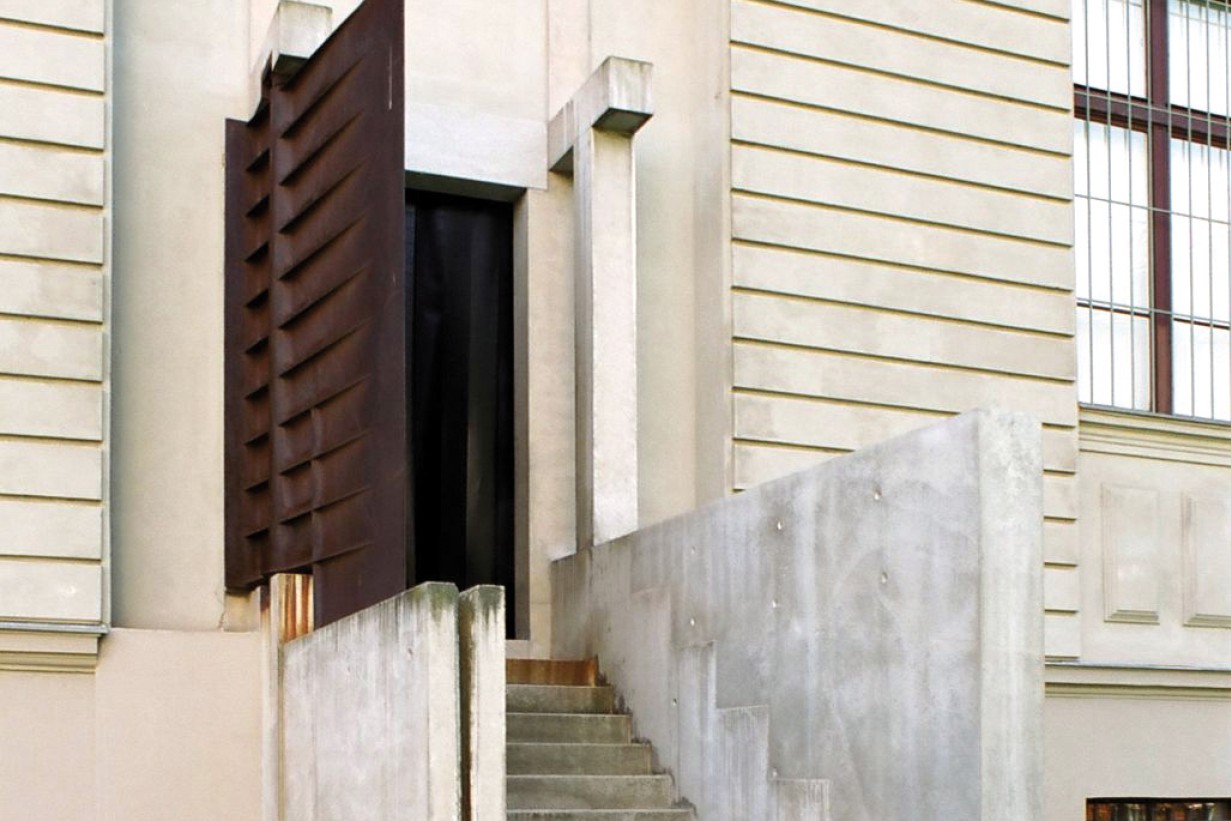
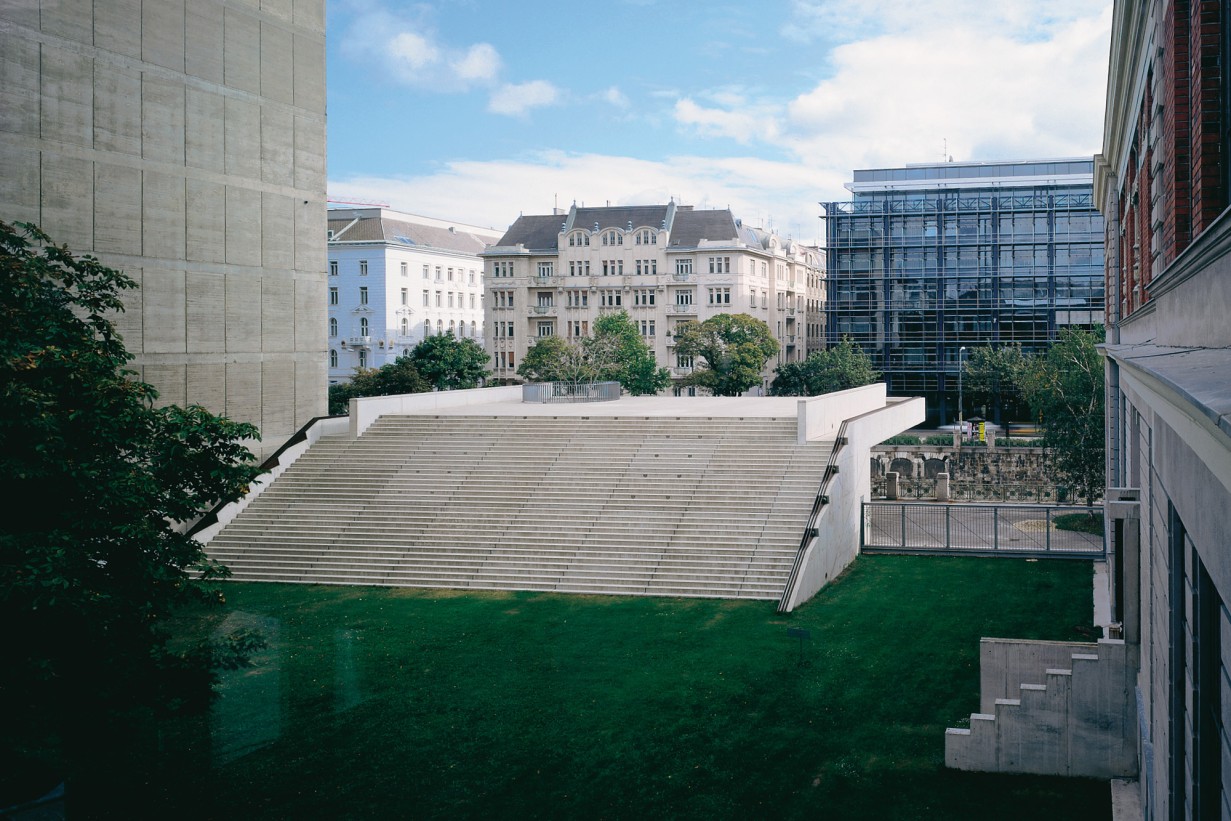
The MAK is also present in the public sphere, leaving its visible mark on the city’s urban order. Directly in front of the Stubenring building is the Tor zum Ring [Gate to the Ring] constructed by James Wines/SITE in 1992, which physically shifts a piece of the building's outer wall into the urban space, leaving behind a new point of access to the museum. A counterpart to this is Walter Pichler’s artistic and architectural intervention Tor zum Garten [Gate to the Garden] (1990), which opens the museum to its garden on the other side. Also in the MAK Garden is the MAK Terrace Plateau, constructed between 1991 and 1993 after a design by Peter Noever; it is oriented toward the Wien River and provides the museum with a further architectonic axis. Stylit by Michael Kienzer, located at the intersection Stubenring / Weiskirchnerstraße, was created in 2004: On the end of a several meter long rod or pipe, which grows out of a pot-like pedestal, he mounts a well pump which—unreachable for pedestrians passing by—sits at the height of the treetops and street lights.James Turrell’s light sculpture MAKlite causes intense, variously colored light to pulse in the windows of the MAK, thus communicating the complex situations generated within the museum to the urban environment outside. Permanently installed since 2004, this installation releases the building’s brick façade from its urban uniformity.
Somewhat further afield, at the intersection of Franz-Josefs-Kai and Schottenring, one sees the Wiener Trio by Philip Johnson, conceived for the exhibition Turning Point (1996). The Stadtpark, one of the city’s green oases, lies just adjacent to the MAK and beckons refreshingly to museum visitors. The park has played host to Donald Judd’s sculpture Stage Set since 1996; this public artwork, as well, was created specifically for an exhibition at the MAK.
Map
Media
MAK Vienna © Leonhard Hilzensauer/MAK
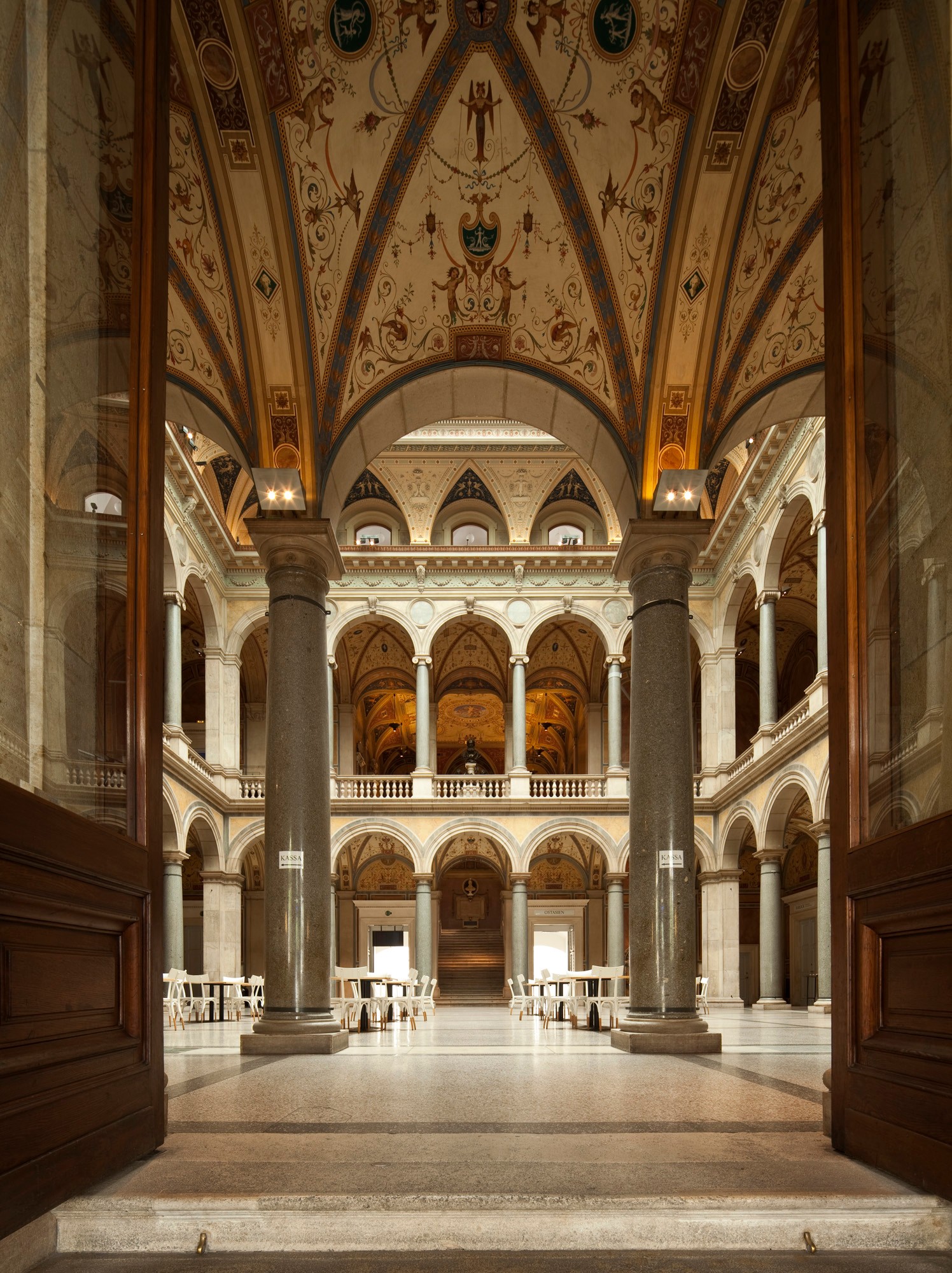
MAK Columned Main Hall © MAK/Mika K. Wisskirchen
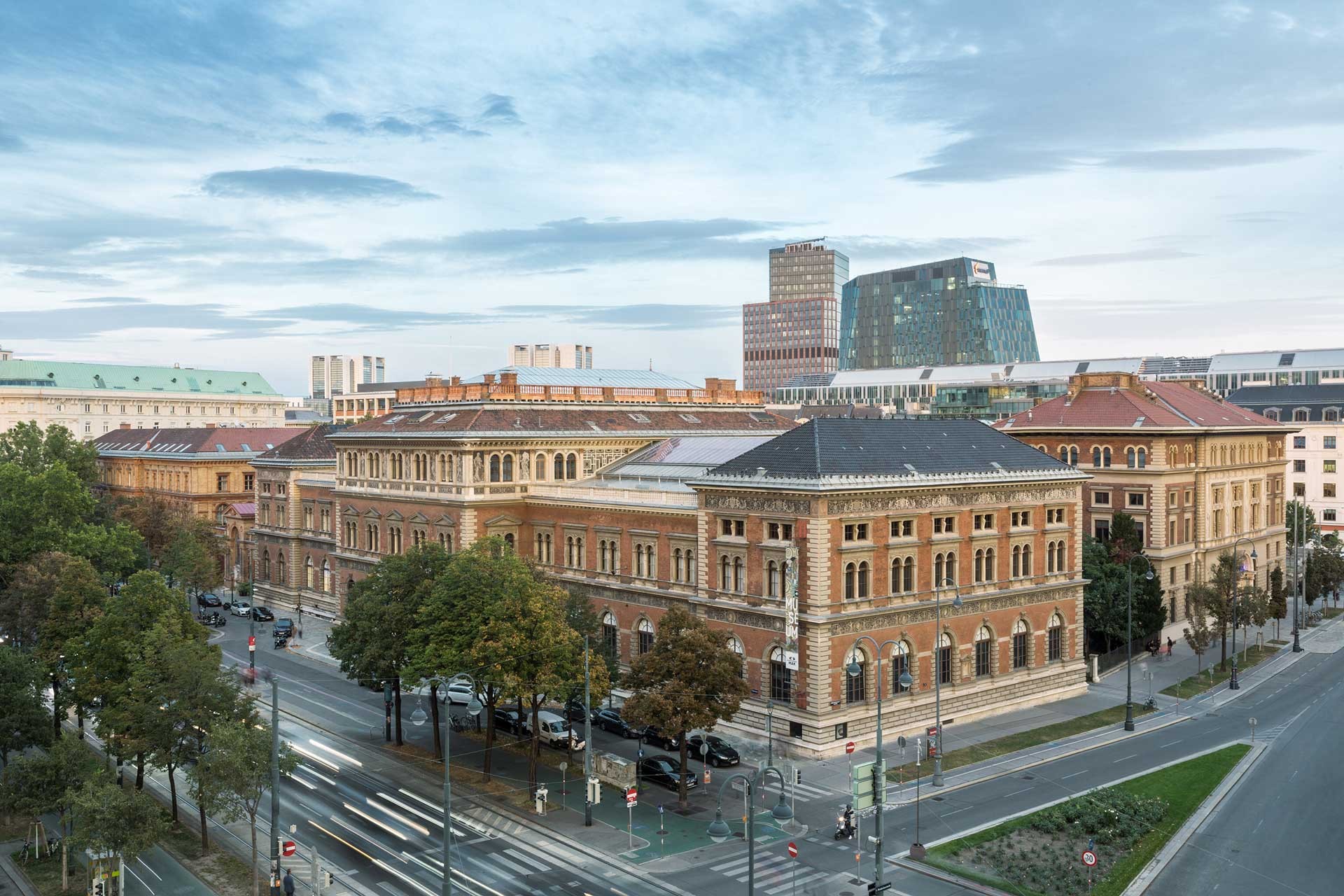
MAK Vienna © Leonhard Hilzensauer/MAK
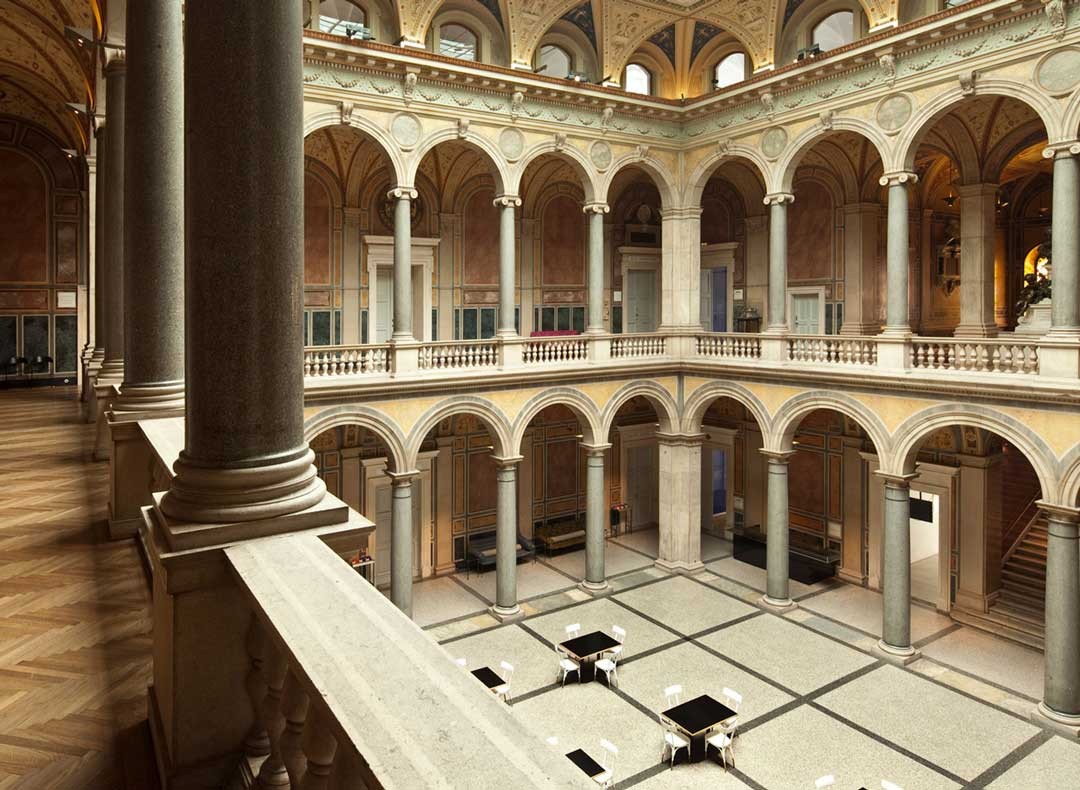
MAK Columned Main Hall © MAK/Mika K. Wisskirchen
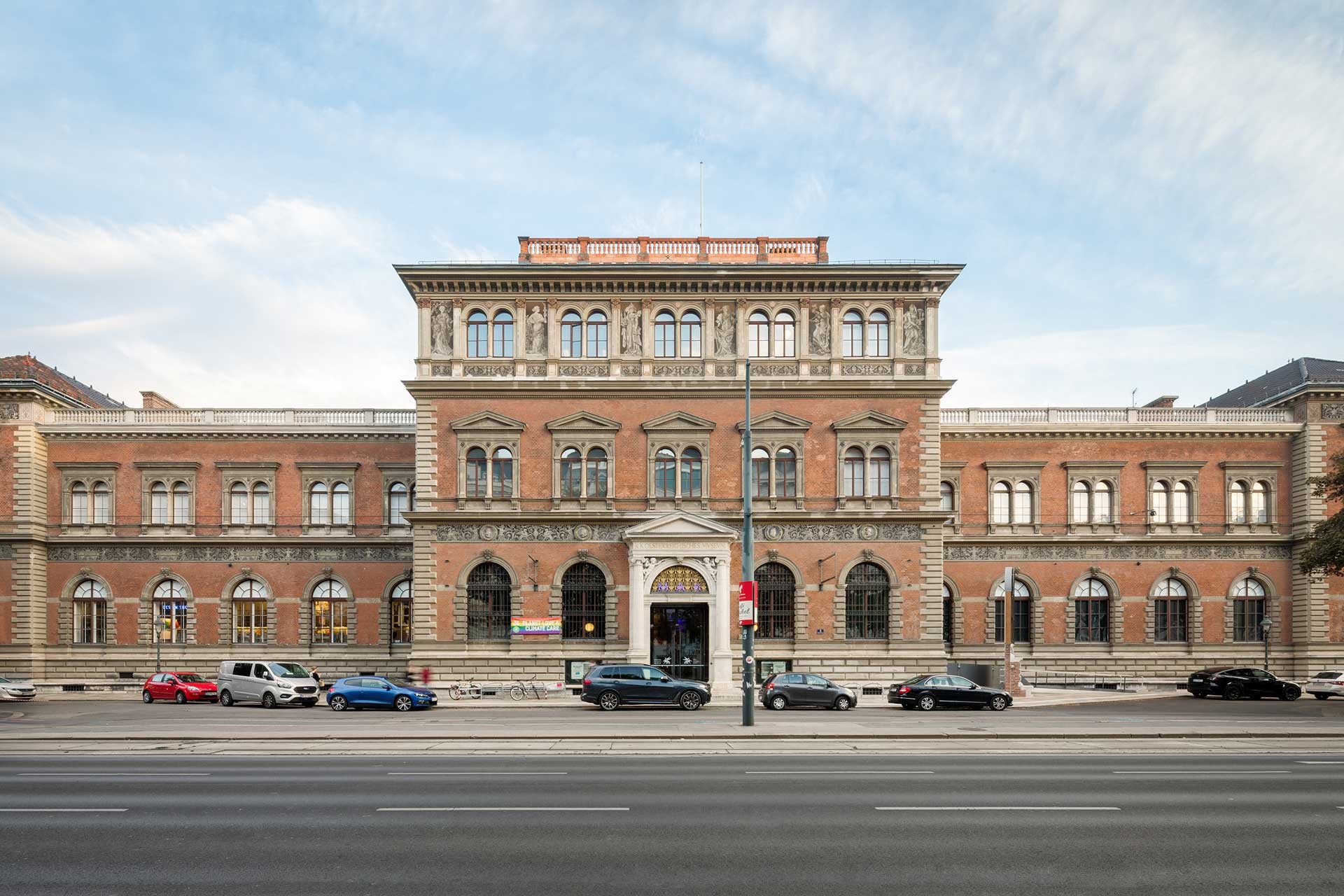
MAK Vienna © Leonhard Hilzensauer/MAK
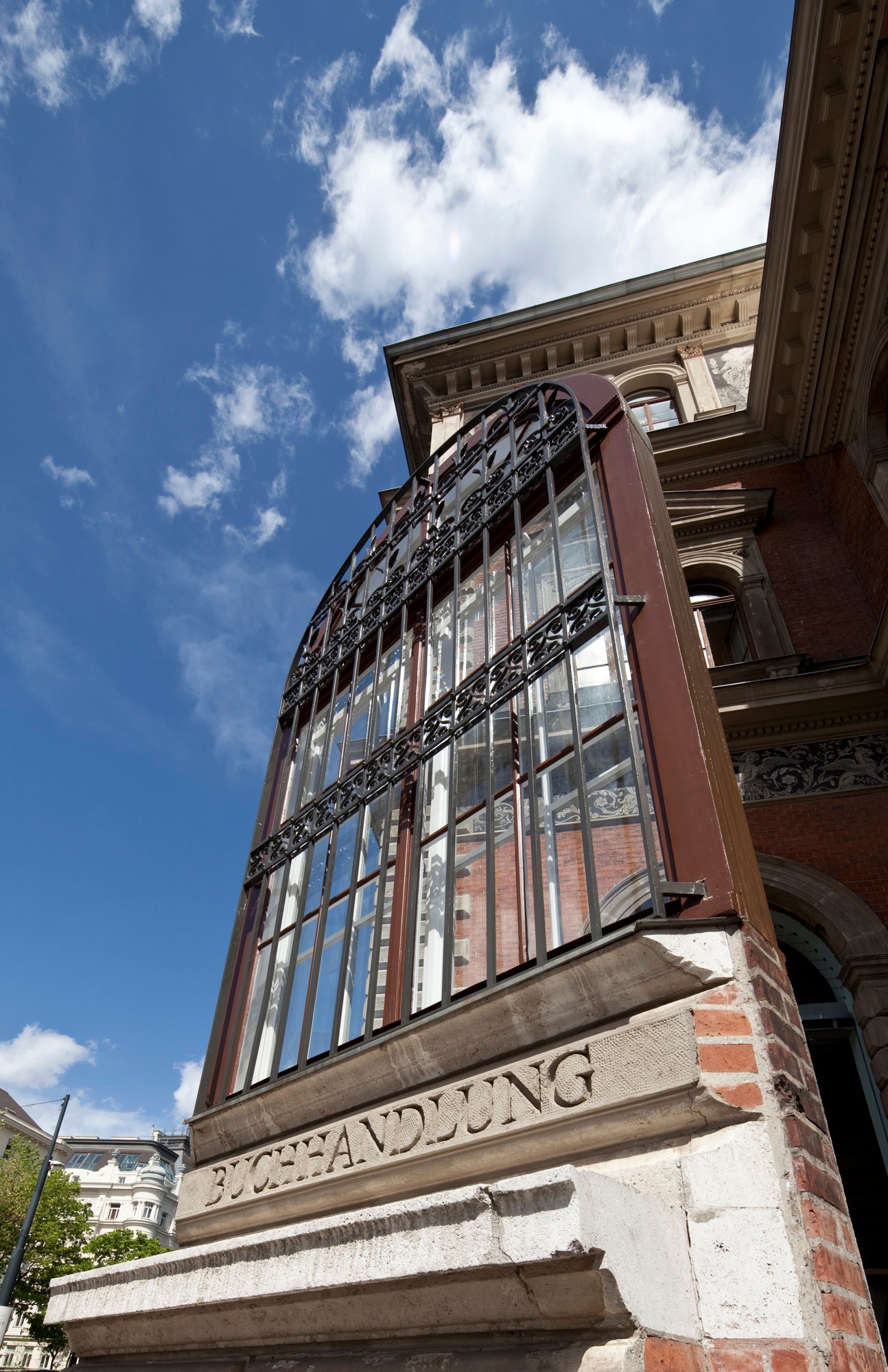
James Wines / SITE, Tor zum Ring, 1992 ©
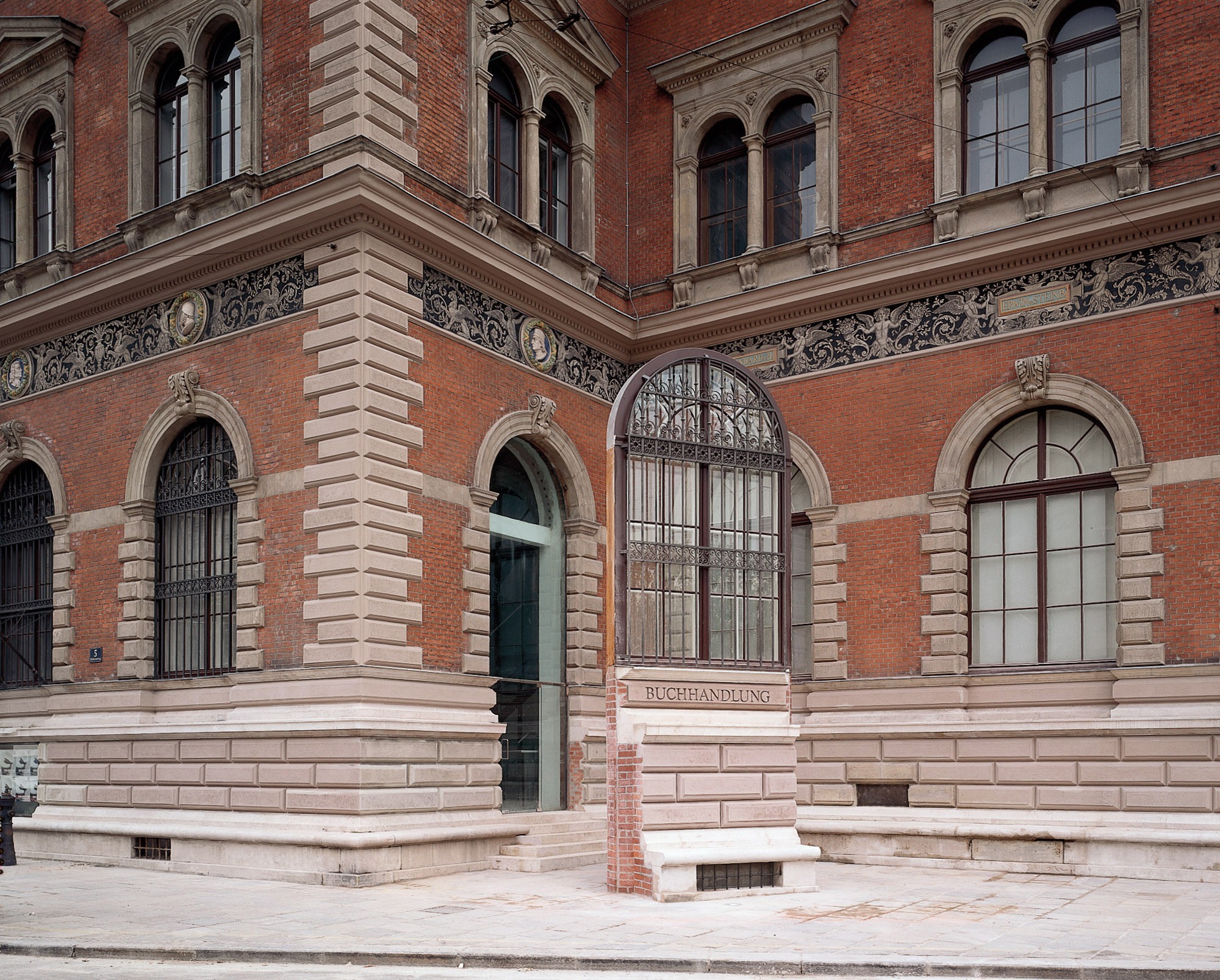
James Wines / SITE
GATE TO THE RING, 1992
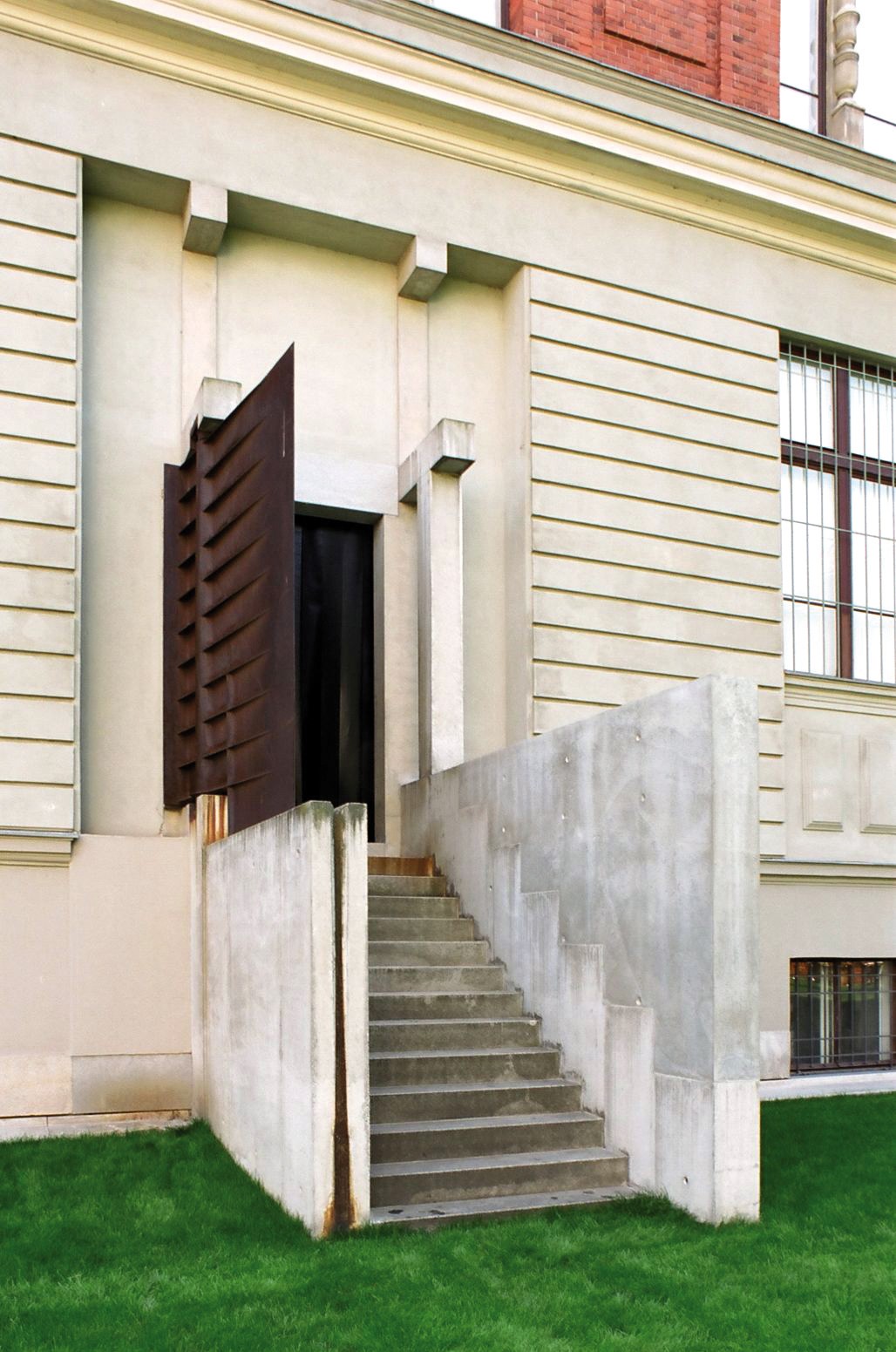
Walter Pichler, Tor zum Garten, 1990 © Gerald Zugmann/MAK
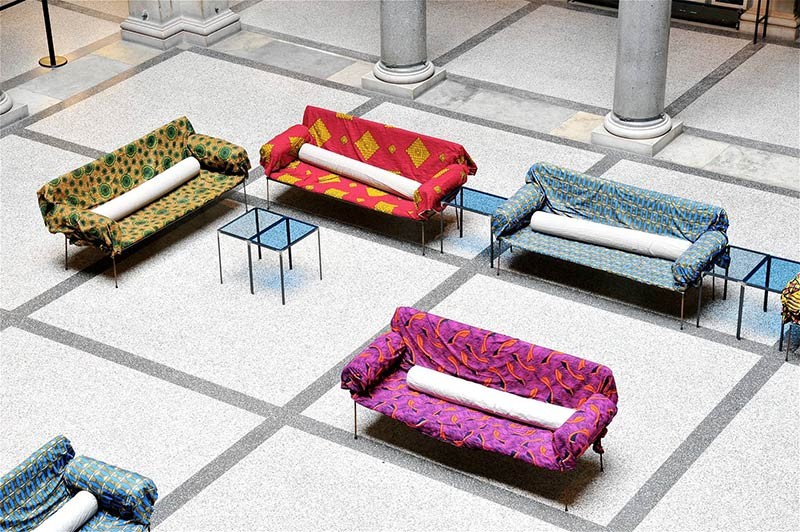
Sofas by Franz West
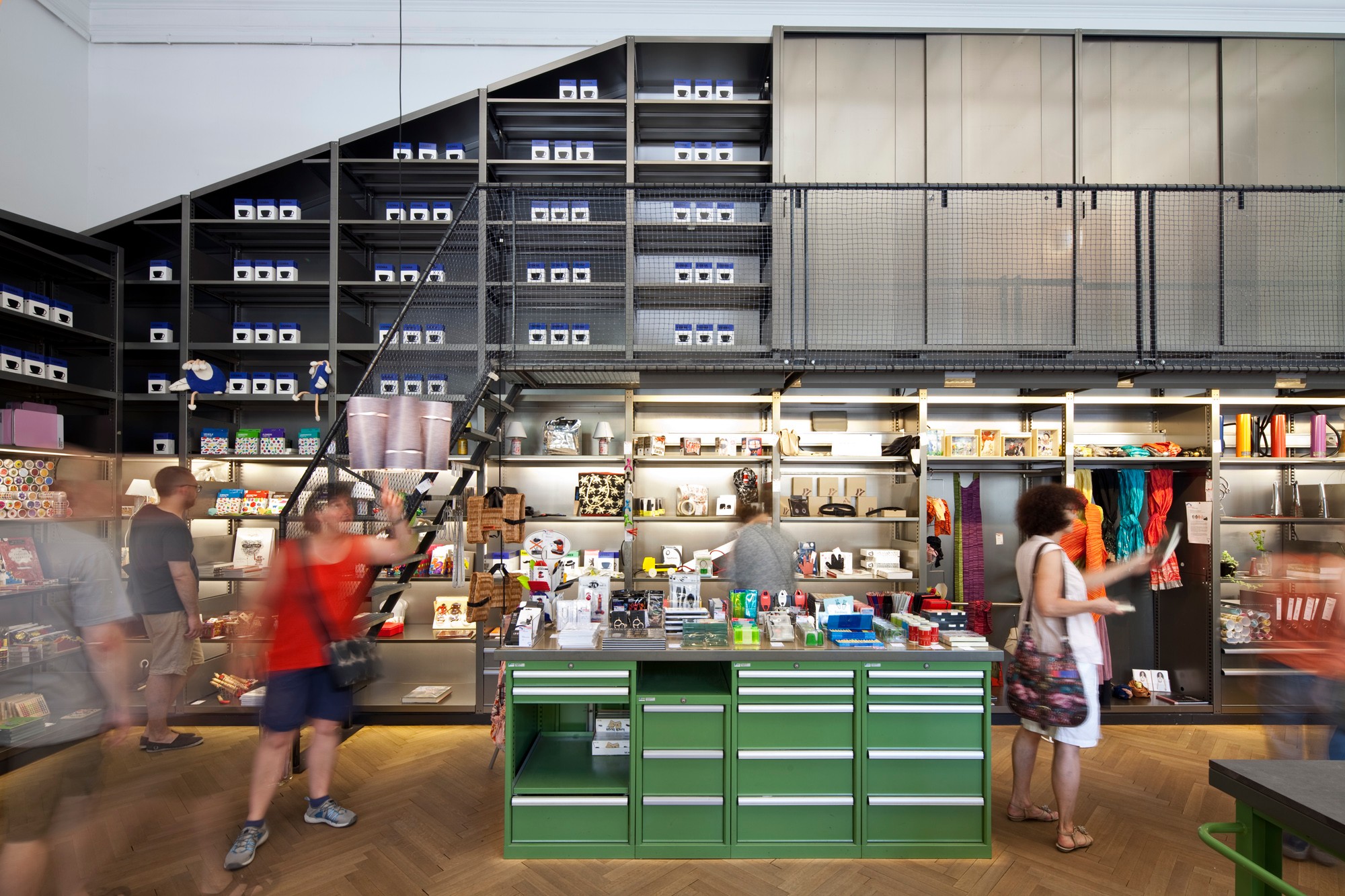
MAK Design Shop © MAK

MAK Design Lab © Stefan Lux/MAK
MAK Reading Room
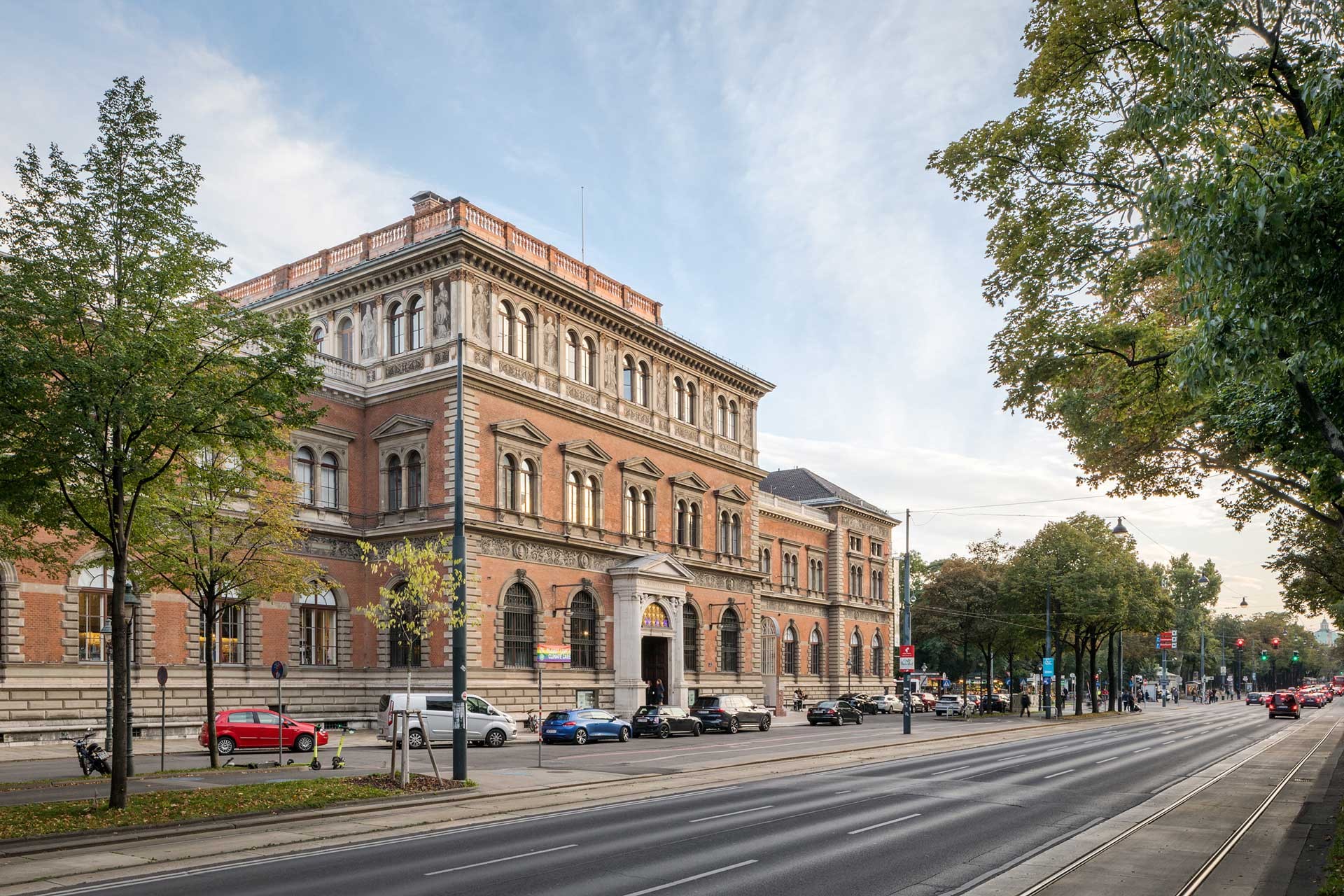
MAK Vienna © Leonhard Hilzensauer/MAK
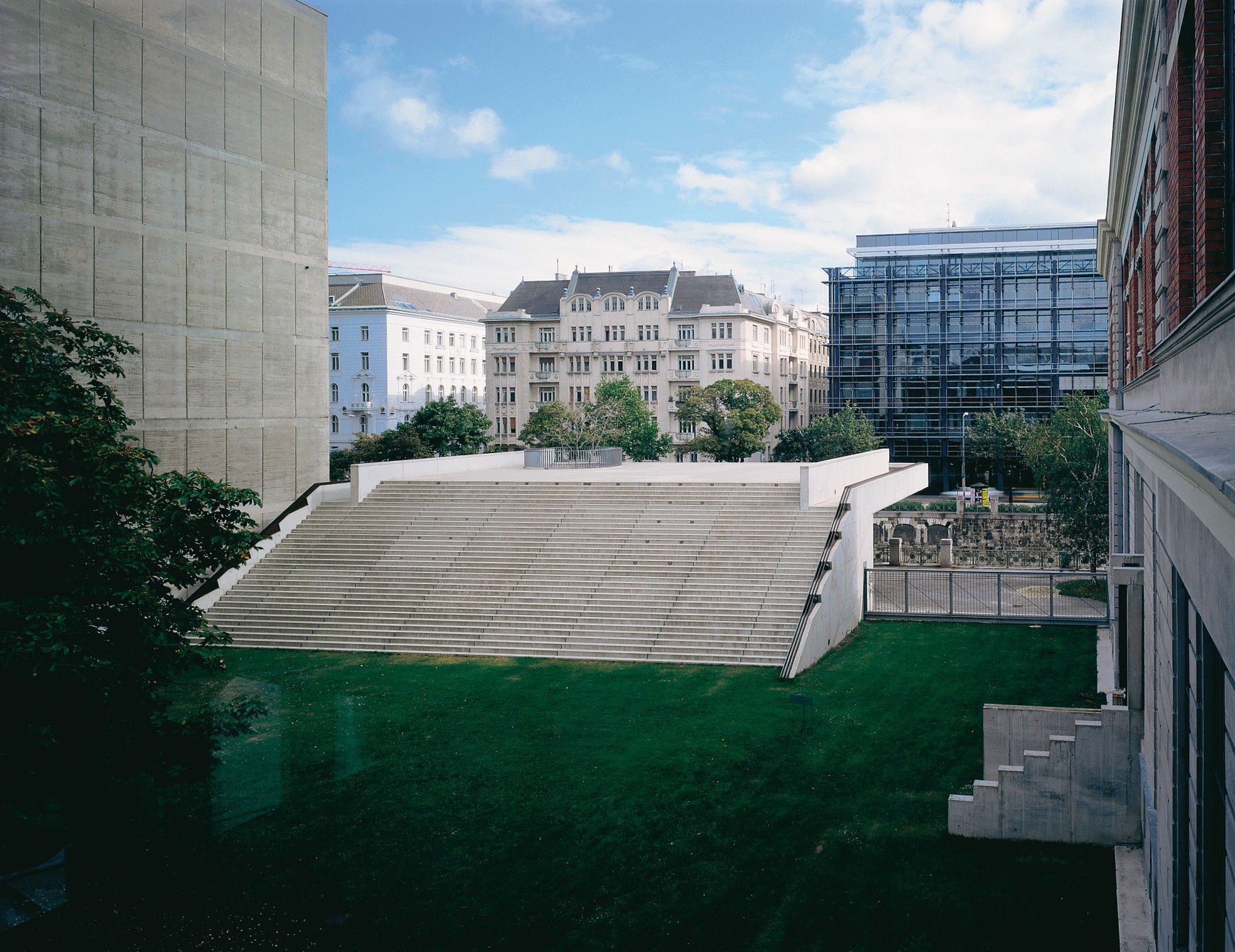
MAK Terrace Plateau © Gerald Zugmann/MAK
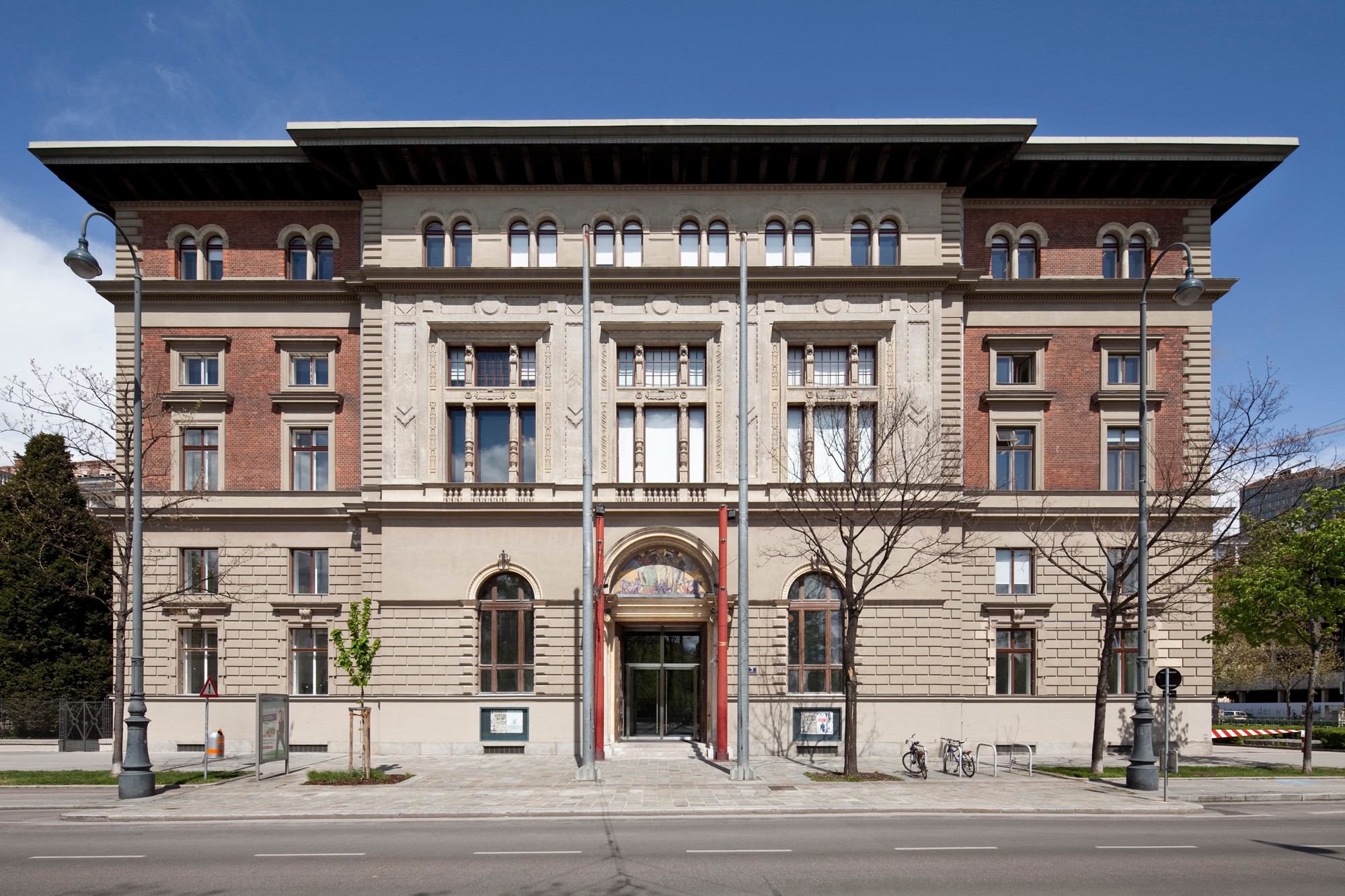
MAK
Weiskirchnerstraße 3, Vienna 1
James Turrell
MAKlite
Gelatin, Sofa, 2019 © MAK
Franz West, Sofa © MAK