
As the first museum on the Ringstraße, the MAK assumed a very special role. Right now, you might be standing in the Columned Main Hall of this building by architect Heinrich von Ferstel, completed in 1871. The MAK had already been founded eight years before, in 1863, by Rudolf von Eitelberger, the first professor of art history in Vienna. Until the completion of the building in the style of Italian Early Renaissance on the Ringstraß in 1871, the so-called Ballhaus on the Ballhausplatz served as a provisional location. As nobody today will deny, the model for the museum was the great Victoria & Albert Museum in London that had been founded eleven years before as the South Kensington Museum.
The MAK
In a way that is virtually unparalleled by any other institution, the MAK – Museum of Applied Arts stands for the fruitful combination of the past with the future, something which can be clearly sensed and experienced when visiting its extensive collection, large exhibition halls, themed special exhibitions and discourse-centered program of events. Bringing together applied arts, design, architecture, and contemporary art is one of the museum’s core competencies.
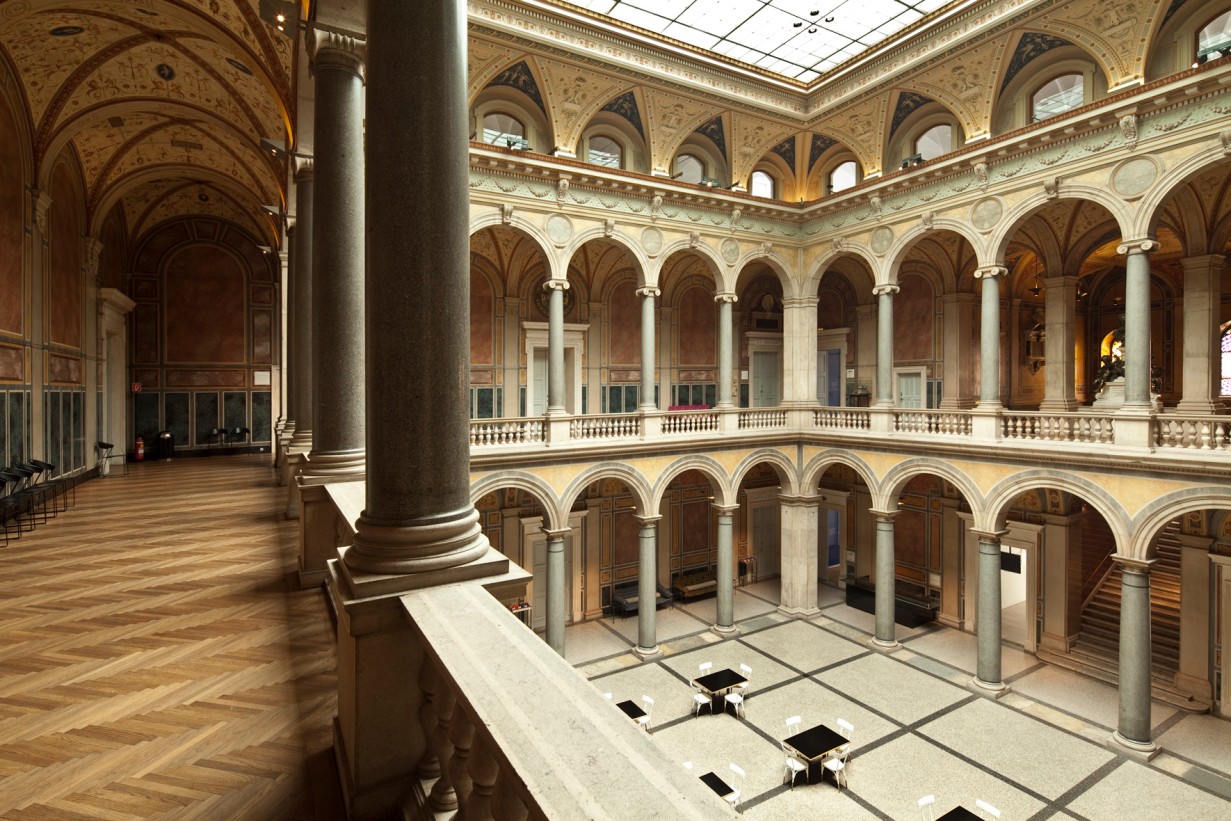
© MAK/Mika K. Wisskirchen
The MAK is the second oldest museum of applied art in the world. Founded in 1863 as the Imperial Royal Austrian Museum of Art and Industry with the aim of serving as both a sample collection and an educational and training institution, it represents the fruitful combination of past and future, of applied and fine art. Ranging from the Middle Ages to the present day, our collection’s outstanding examples of artistic creativity run the gamut from applied art, design, architecture, and fashion to contemporary fine and digital art.
We believe in the power of creativity.
The MAK approaches its core missions–collecting, researching, and educatingin the context of the forward-thinking and sustainable development of our society and environment. Our narrative revolves around the impact and power of art and design, and how our understanding of history can enable us to tap into this in response to the challenges of both the present and the future.
We stand for diversity, inclusion, and sustainability.
With our wide range of topics and educational formats we aim to start a socially relevant and lively dialogue with a broad and diverse public, whom we welcome to our museum. We encourage reflection related to everyday life, with the aspiration that every time visitors come to the MAK they find enrichment, inspiration, and guidance.
To this end, we are in constant communication with the most interesting creatives of our age, at home and abroad, visionary and interdisciplinary. We want to keep an open mind about the future and make these ideas accessible to all.
We believe in the power of creativity.
The MAK approaches its core missions–collecting, researching, and educatingin the context of the forward-thinking and sustainable development of our society and environment. Our narrative revolves around the impact and power of art and design, and how our understanding of history can enable us to tap into this in response to the challenges of both the present and the future.
We stand for diversity, inclusion, and sustainability.
With our wide range of topics and educational formats we aim to start a socially relevant and lively dialogue with a broad and diverse public, whom we welcome to our museum. We encourage reflection related to everyday life, with the aspiration that every time visitors come to the MAK they find enrichment, inspiration, and guidance.
To this end, we are in constant communication with the most interesting creatives of our age, at home and abroad, visionary and interdisciplinary. We want to keep an open mind about the future and make these ideas accessible to all.
The MAK is committed to sustainability and, to the best of its ability, strives to make an effective contribution to overcoming the global crisis threatening our climate and ecology. We wish to communicate this commitment to both our staff members and our partners-and especially to you, our Austrian and international visitors-both in the museum itself and online. The MAK has set itself the goal of being climate-neutral by 2040.
We have taken a significant step in this direction through our acquisition of the Austrian Ecolabel-the independent seal of approval with which not only business enterprises but also cultural institutions pledge themselves to quality and environmental protection.
The MAK is centrally located and is easily reached on foot, by bike, or by public transport. In the immediate vicinity you will find a number of different public transport stops. In addition, there are plenty of bike stands by the entrance to the MAK. And in an emergency, our porter can help you out with a bicycle repair kit.
More about the Green Museum
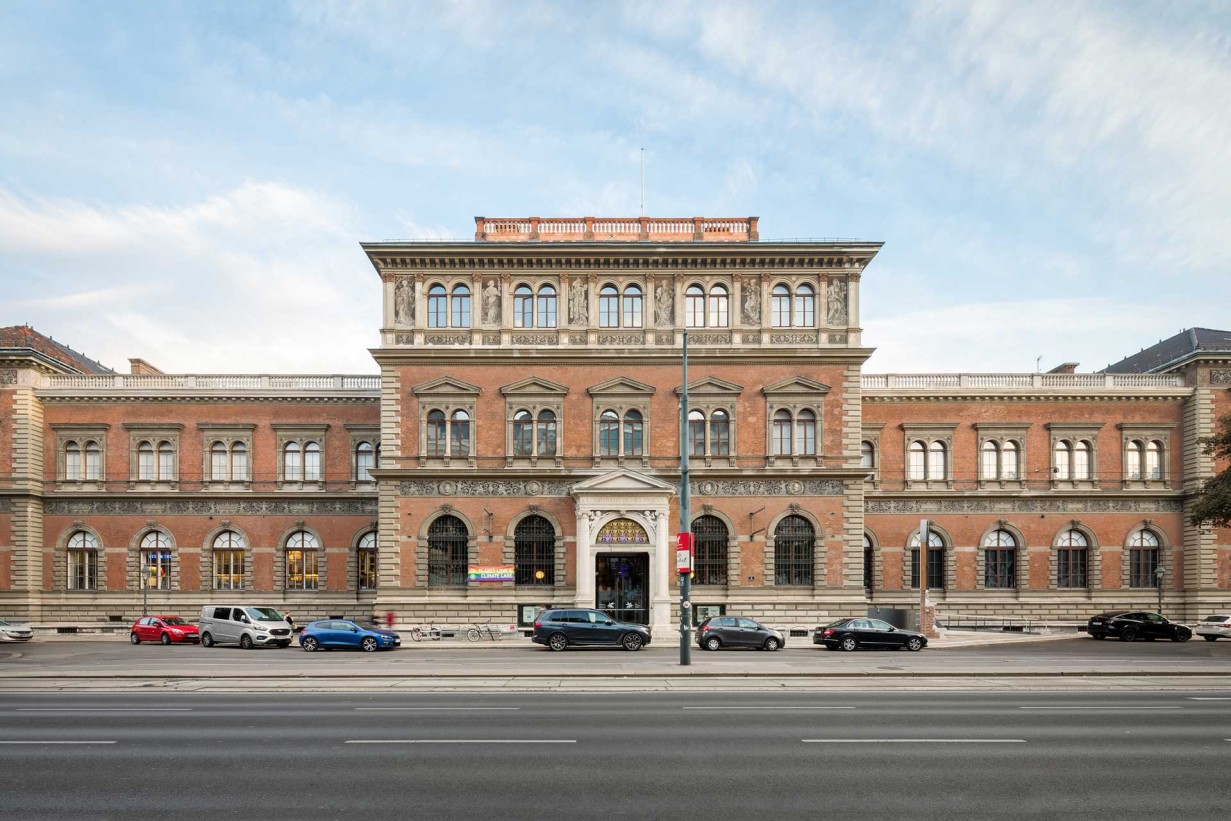
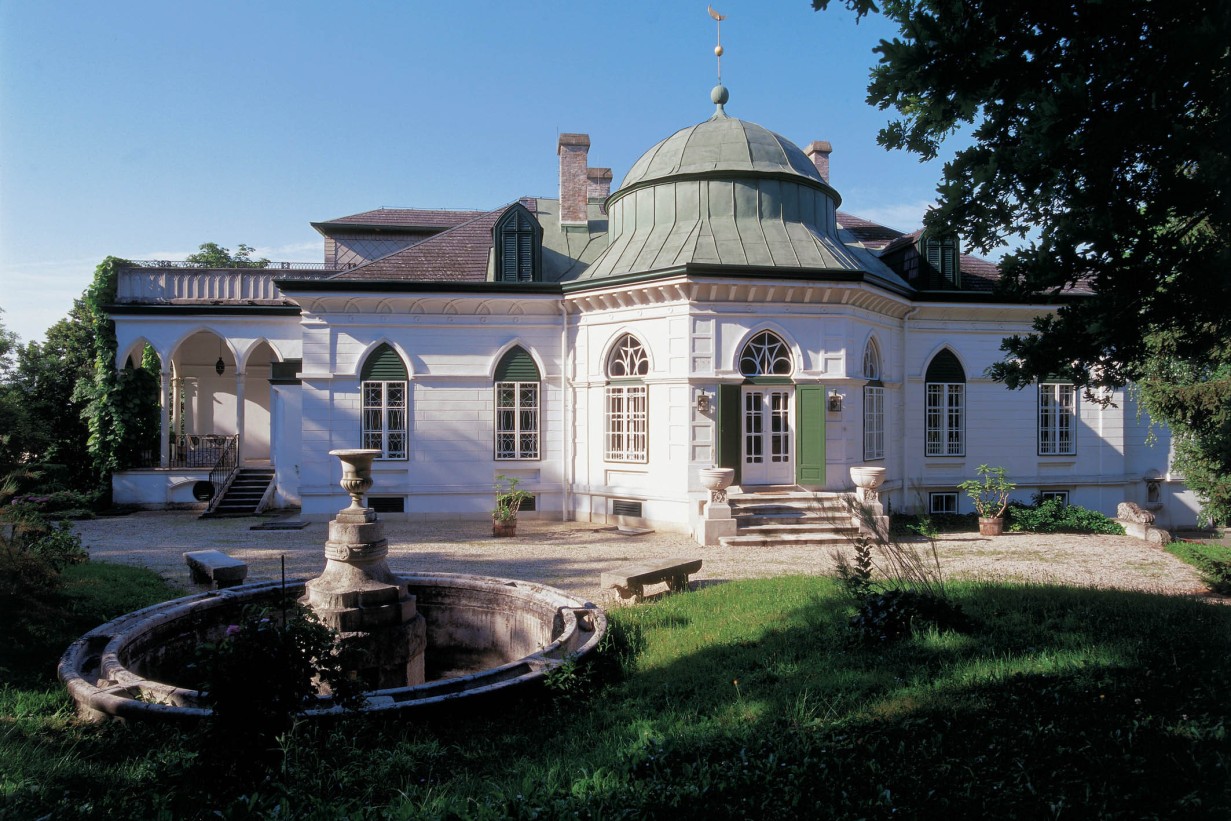
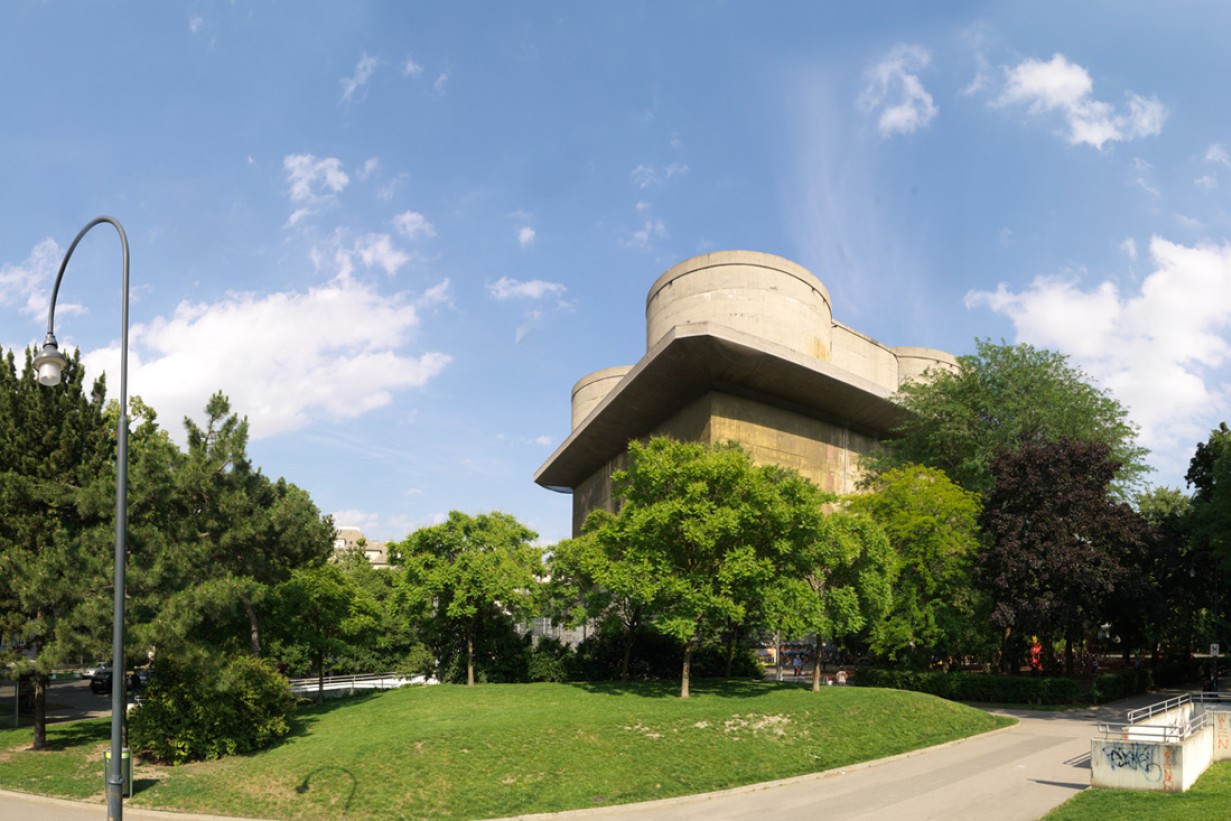
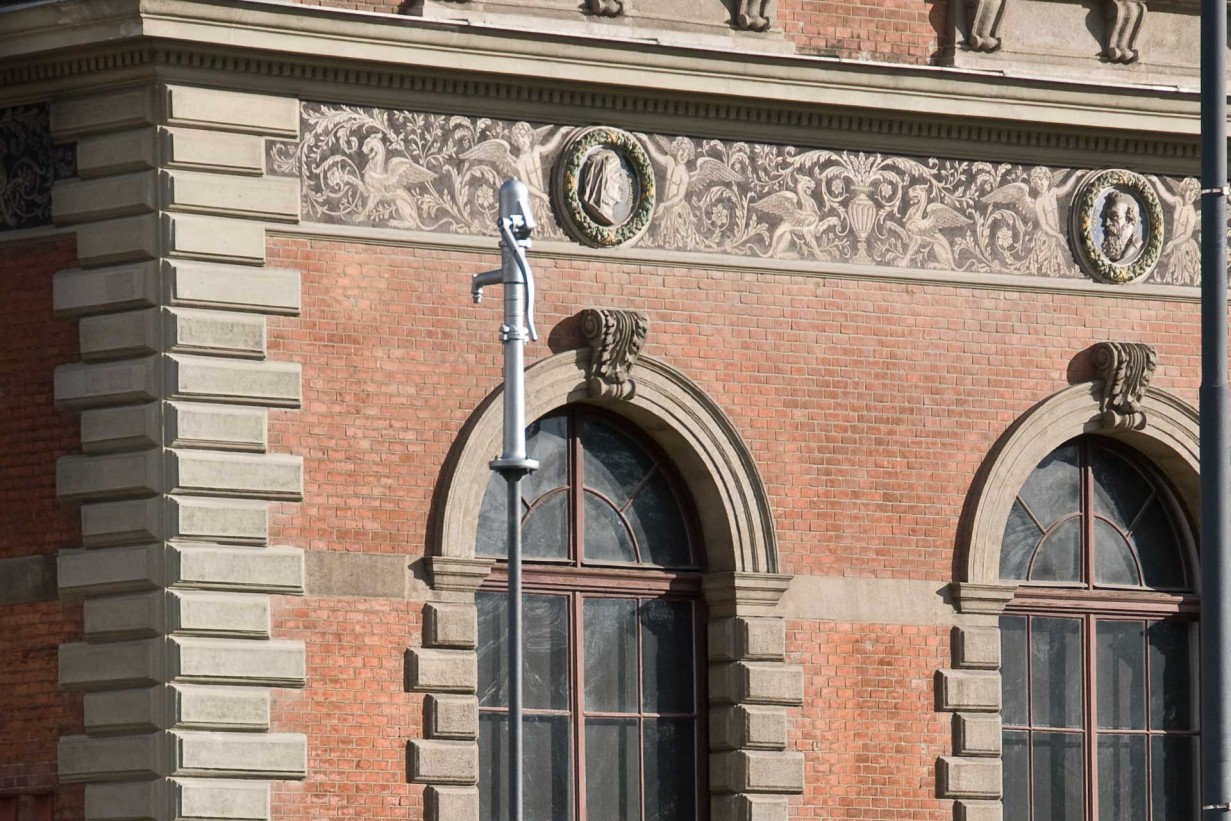
The MAK is also present in the public sphere, leaving its visible mark on the city’s urban order. Directly in front of the Stubenring building is the Tor zum Ring [Gate to the Ring] constructed by James Wines/SITE in 1992, which physically shifts a piece of the building's outer wall into the urban space, leaving behind a new point of access to the museum. A counterpart to this is Walter Pichler’s artistic and architectural intervention Tor zum Garten [Gate to the Garden] (1990), which opens the museum to its garden on the other side. Also in the MAK Garden is the MAK Terrace Plateau, constructed between 1991 and 1993 after a design by Peter Noever; it is oriented toward the Wien River and provides the museum with a further architectonic axis. Stylit by Michael Kienzer, located at the intersection Stubenring / Weiskirchnerstraße, was created in 2004: On the end of a several meter long rod or pipe, which grows out of a pot-like pedestal, he mounts a well pump which, unreachable for pedestrians passing by, sits at the height of the treetops and street lights.
James Turrell’s light sculpture MAKlite causes intense, variously colored light to pulse in the windows of the MAK, thus communicating the complex situations generated within the museum to the urban environment outside. Permanently installed since 2004, this installation releases the building’s brick façade from its urban uniformity.
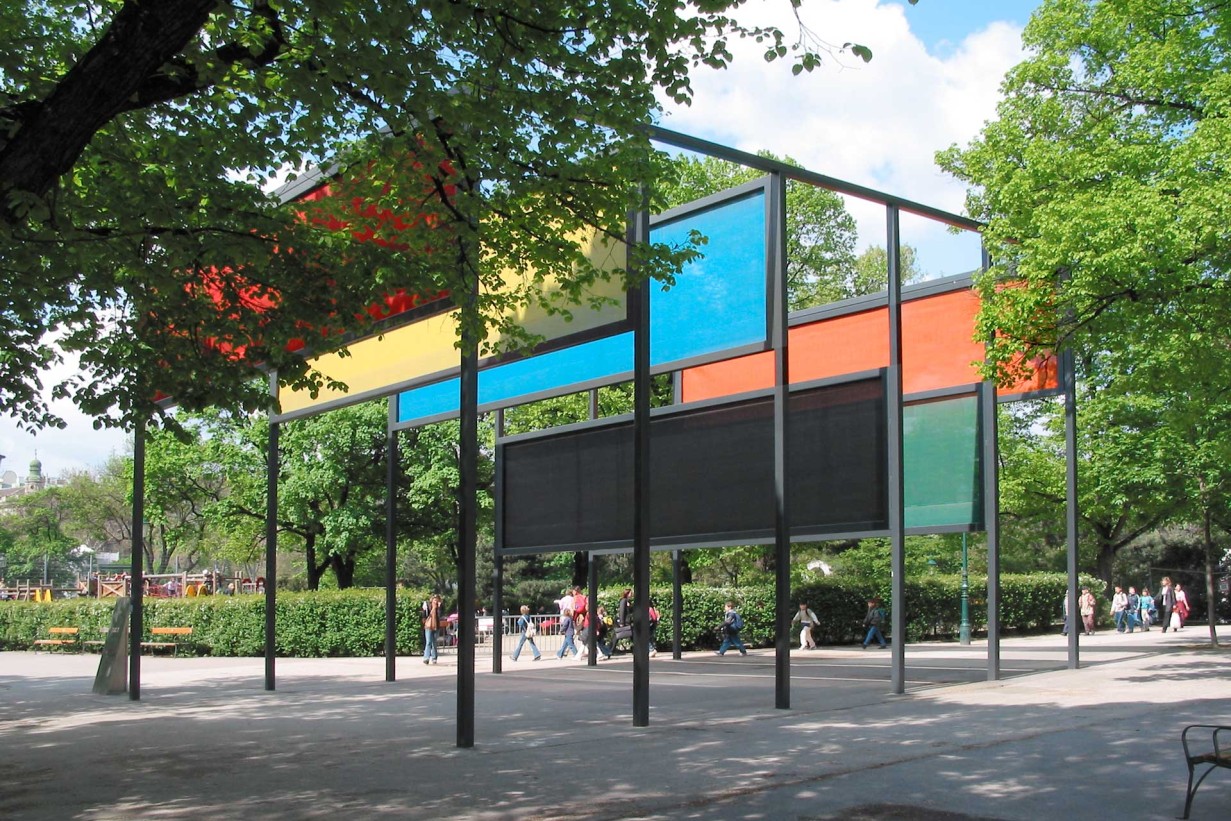
Somewhat further afield, at the intersection of Franz-Josefs-Kai and Schottenring, one sees the Wiener Trio by Philip Johnson, conceived for the exhibition Turning Point (1996). The Stadtpark, one of the city’s green oases, lies just adjacent to the MAK and beckons refreshingly to museum visitors. The park has played host to Donald Judd’s sculpture Stage Set since 1996; this public artwork, as well, was created specifically for an exhibition at the MAK.
© Gerald Zugmann/MAK
© MAK/Georg Mayer
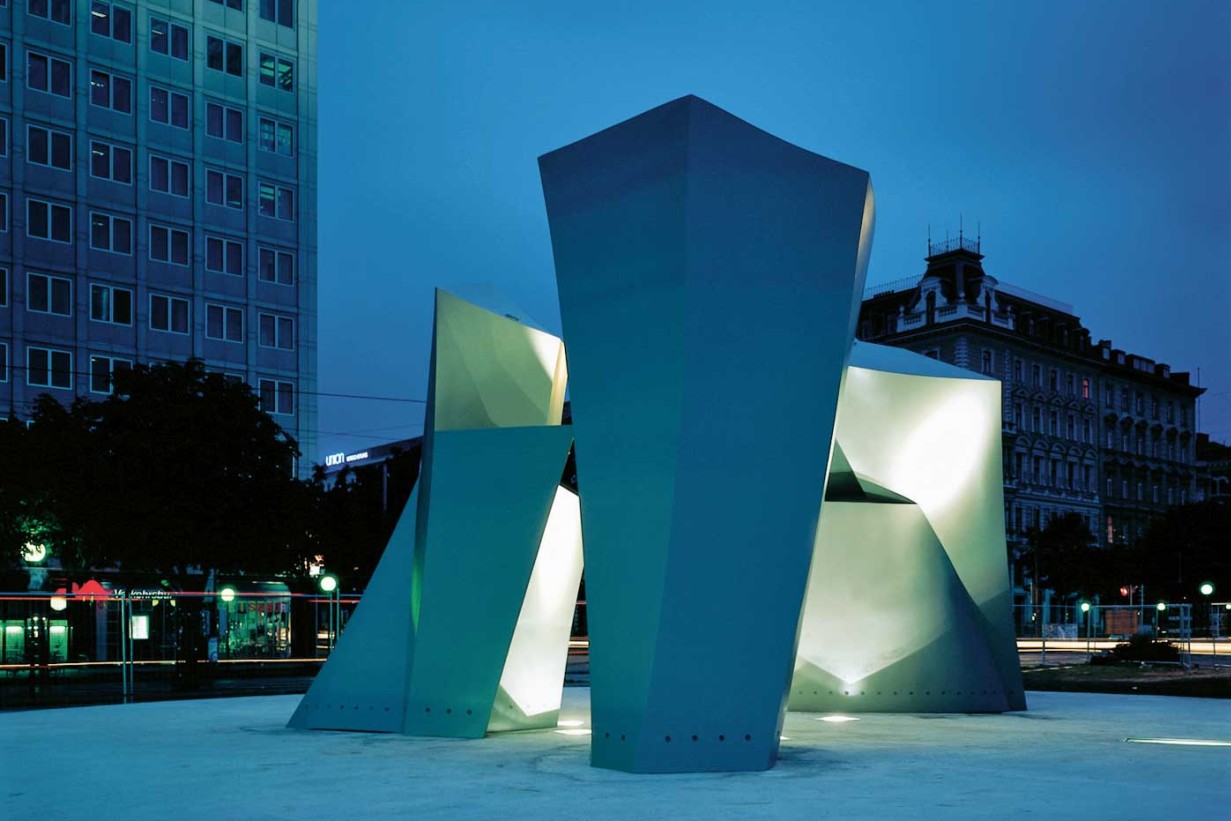
© Gerald Zugmann/MAK
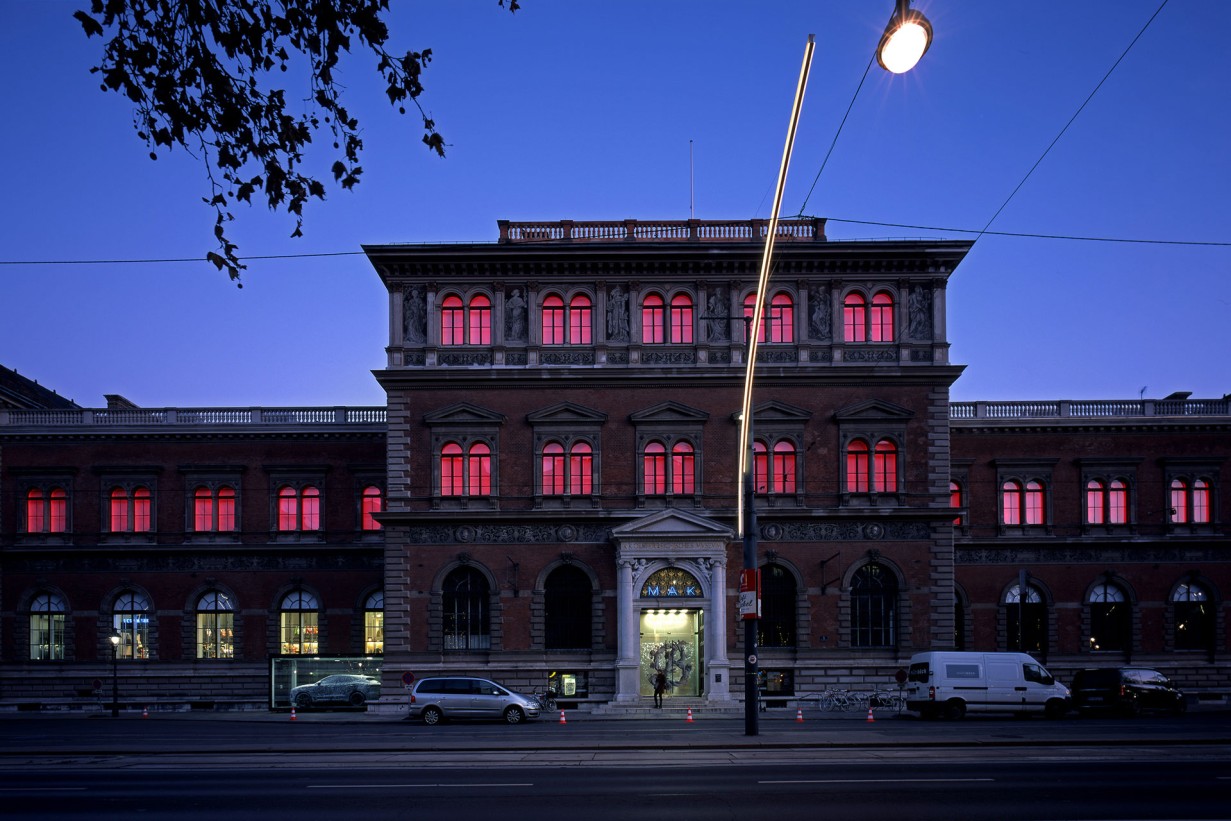
© Gerald Zugmann/MAK
Currently there are no positions available.