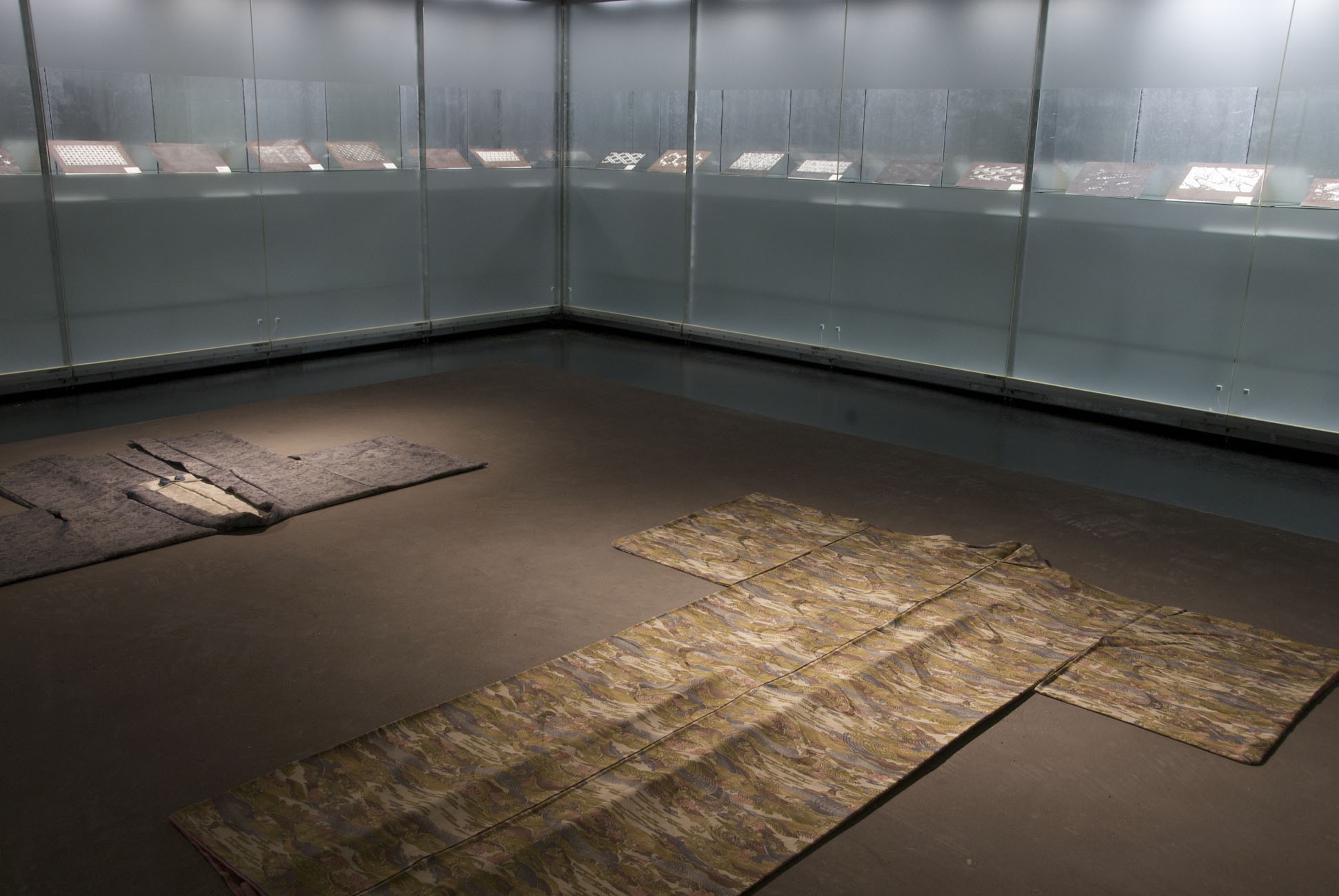
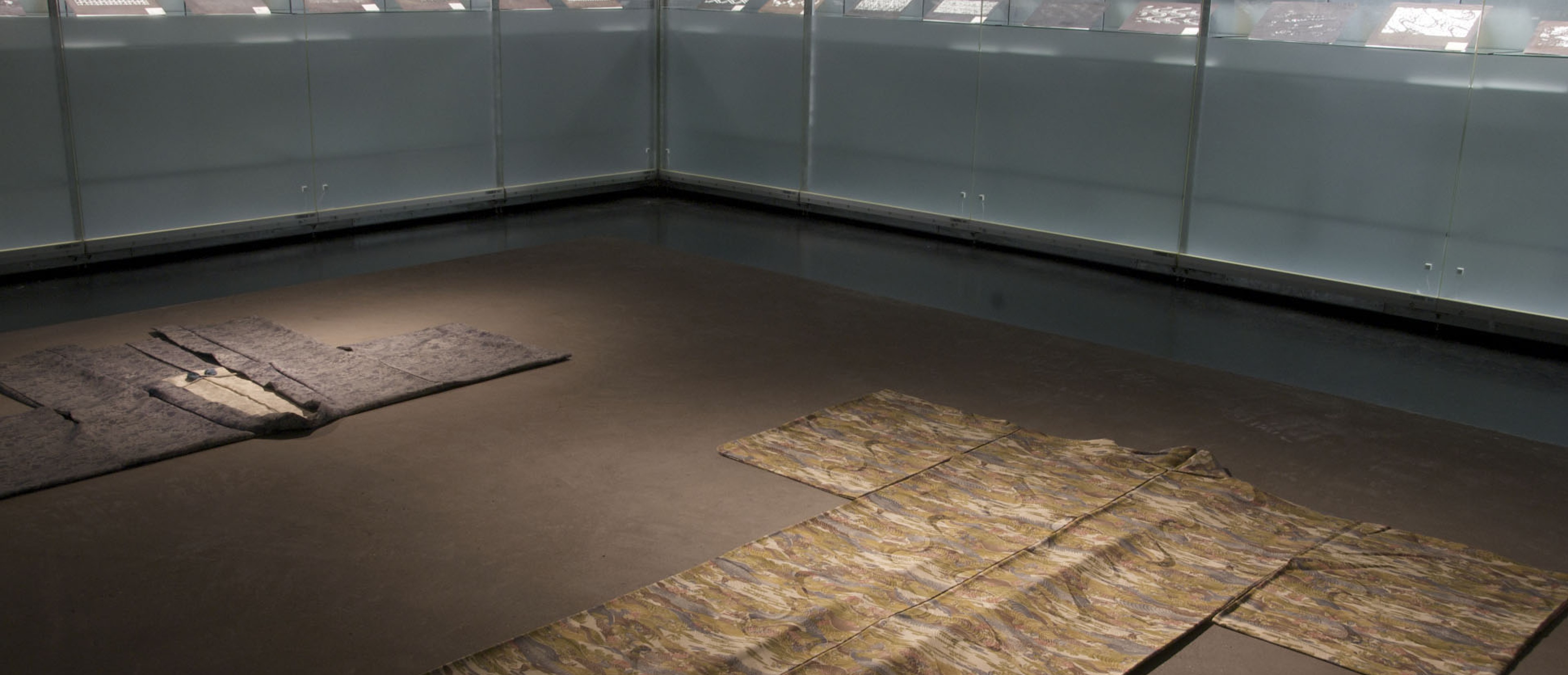
2008 marks the 100th anniversary of the death of Heinrich Siebold, to whom the MAK owes a large part of its Japanese collection. A fairly unknown part of this collection are the katagami.
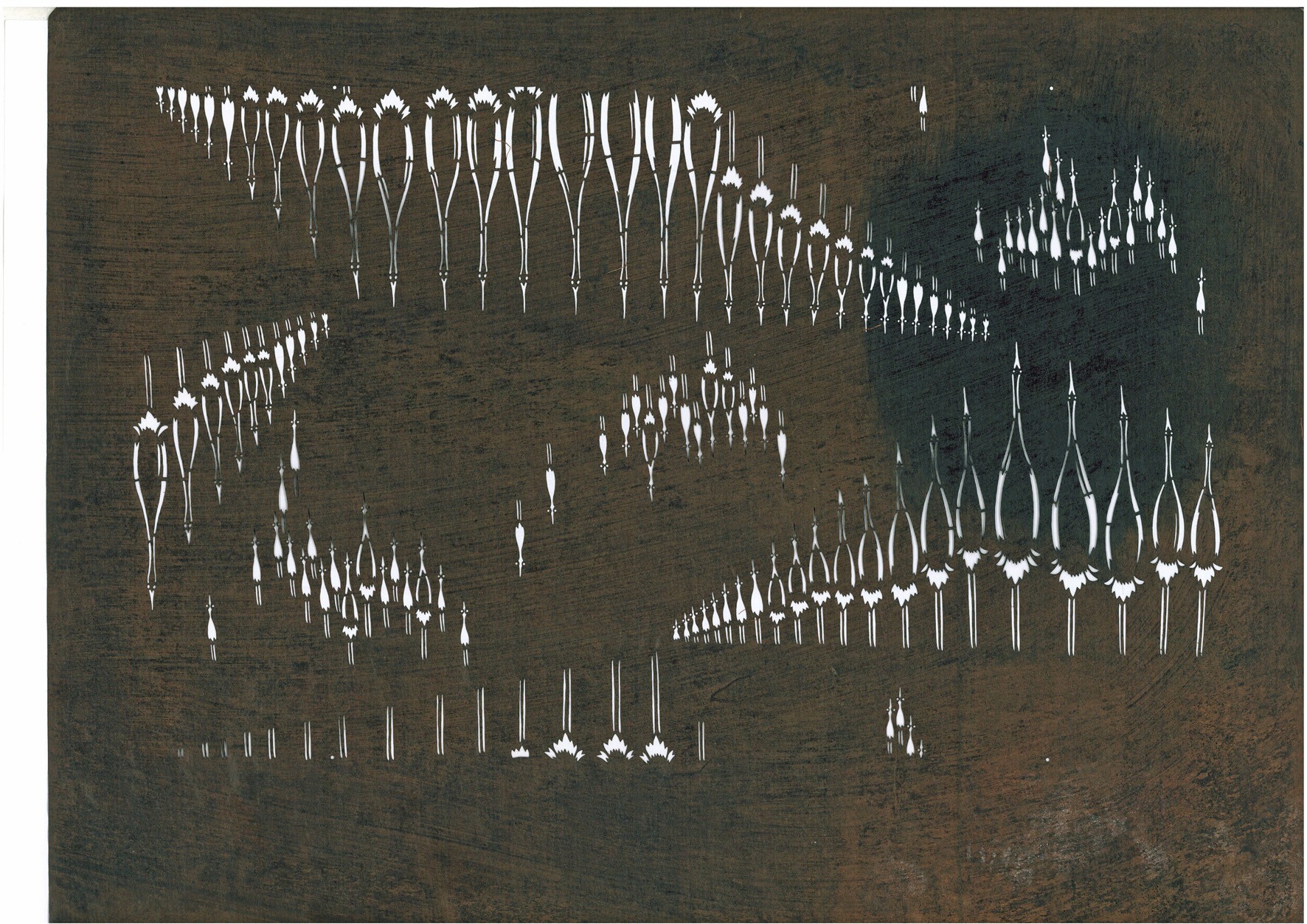
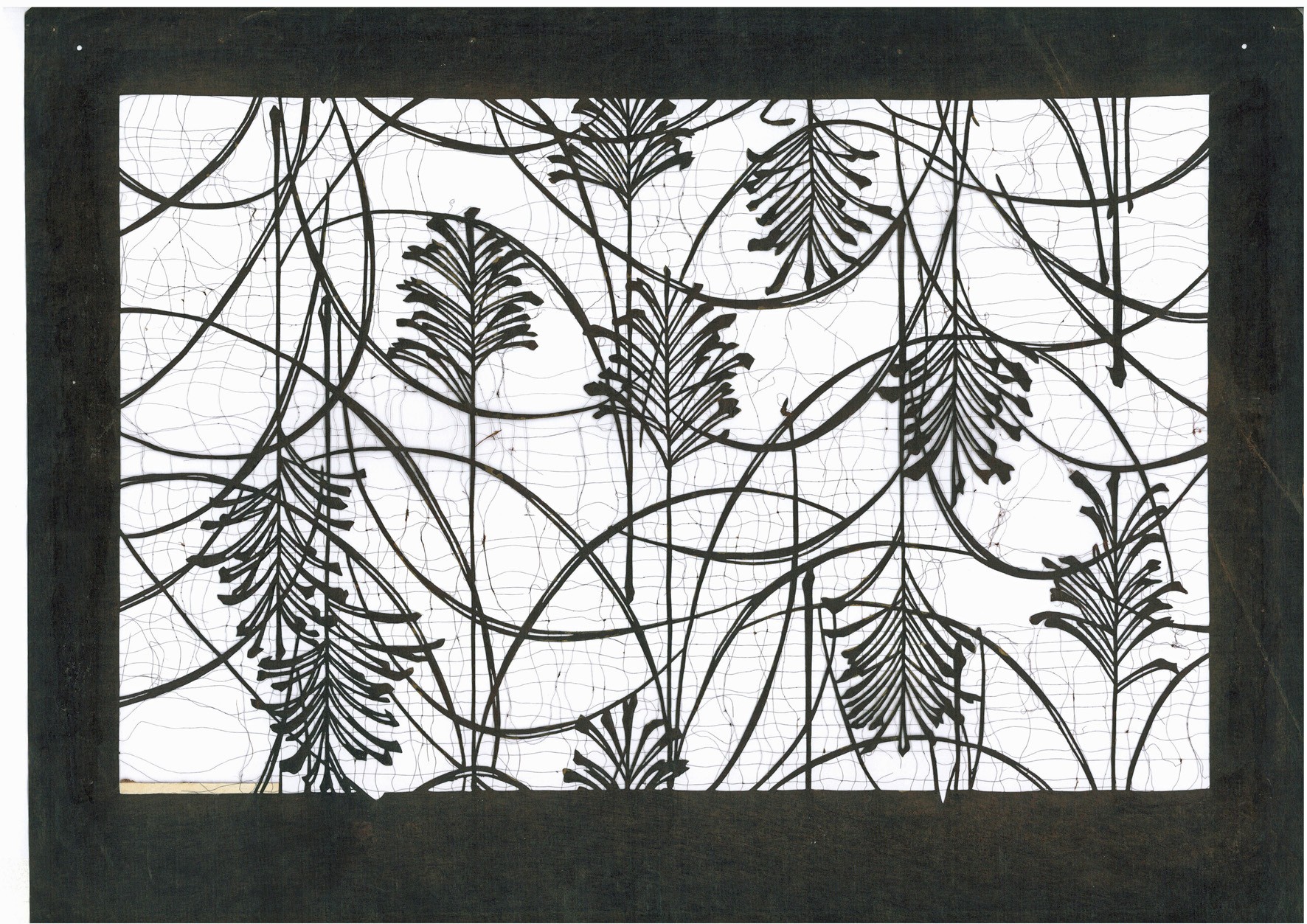
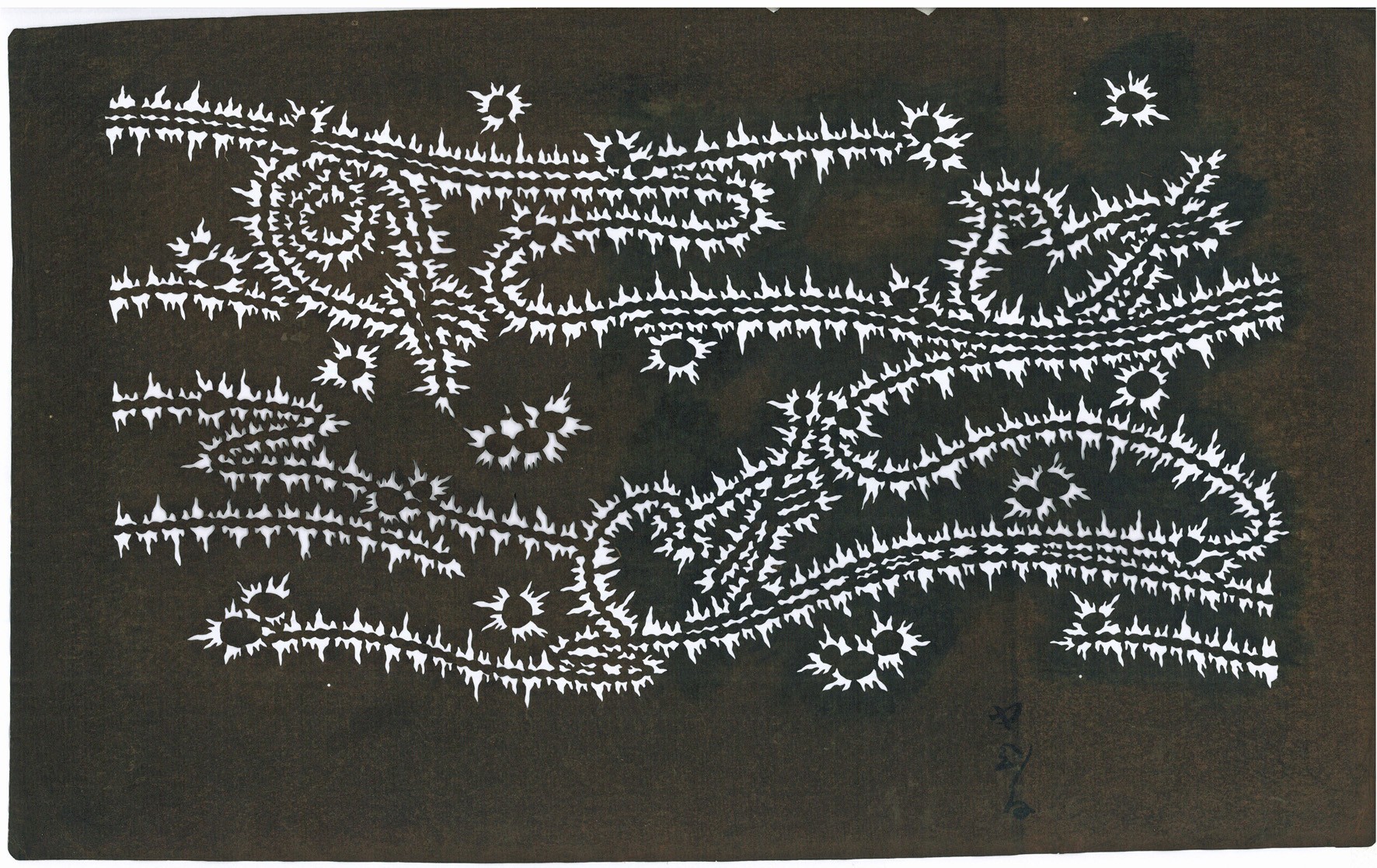
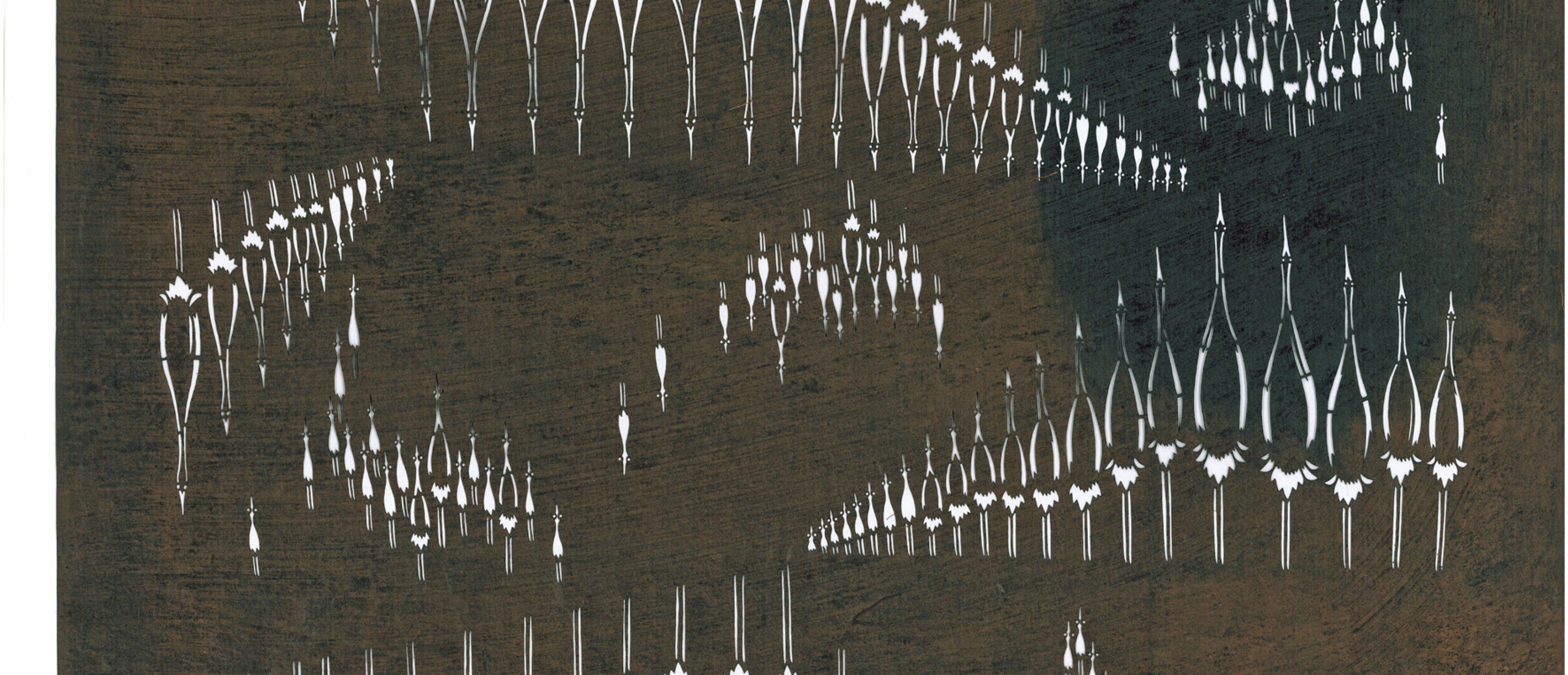
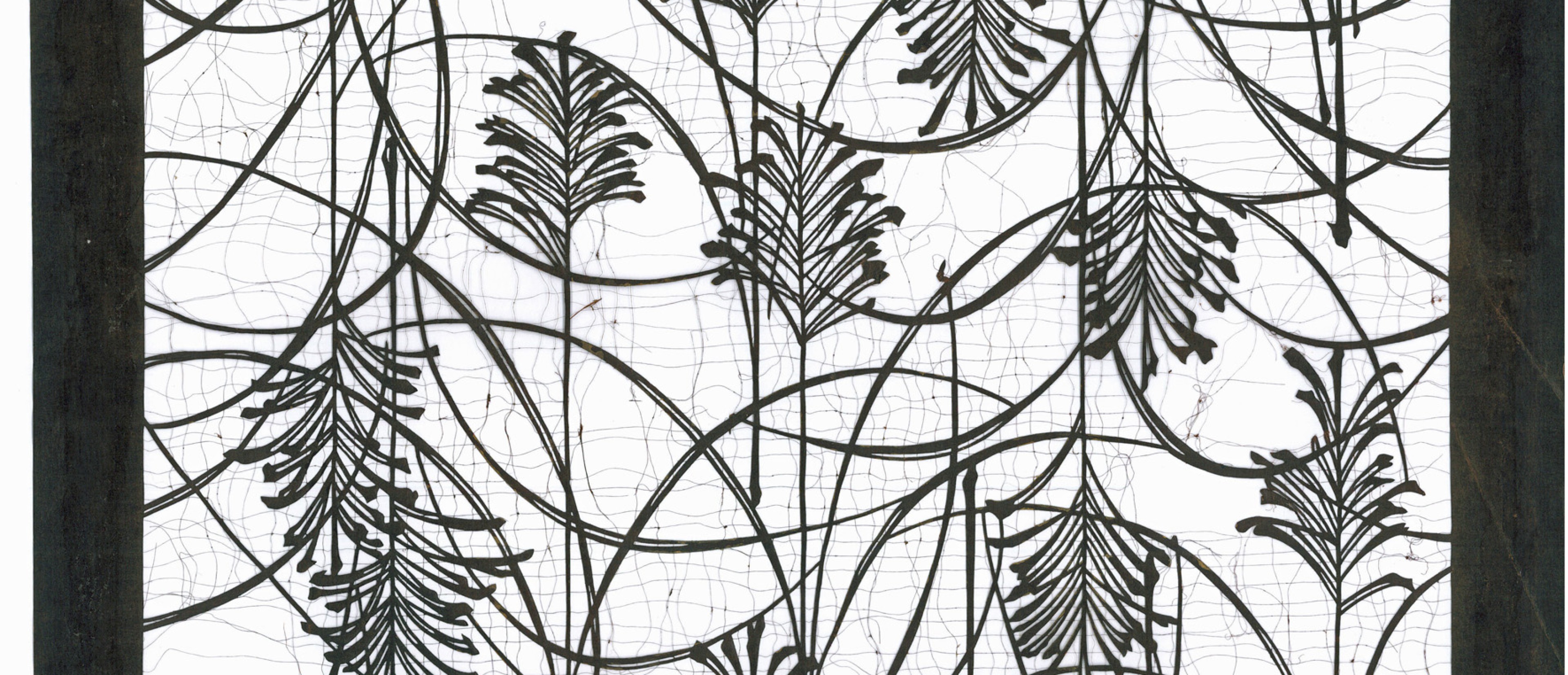
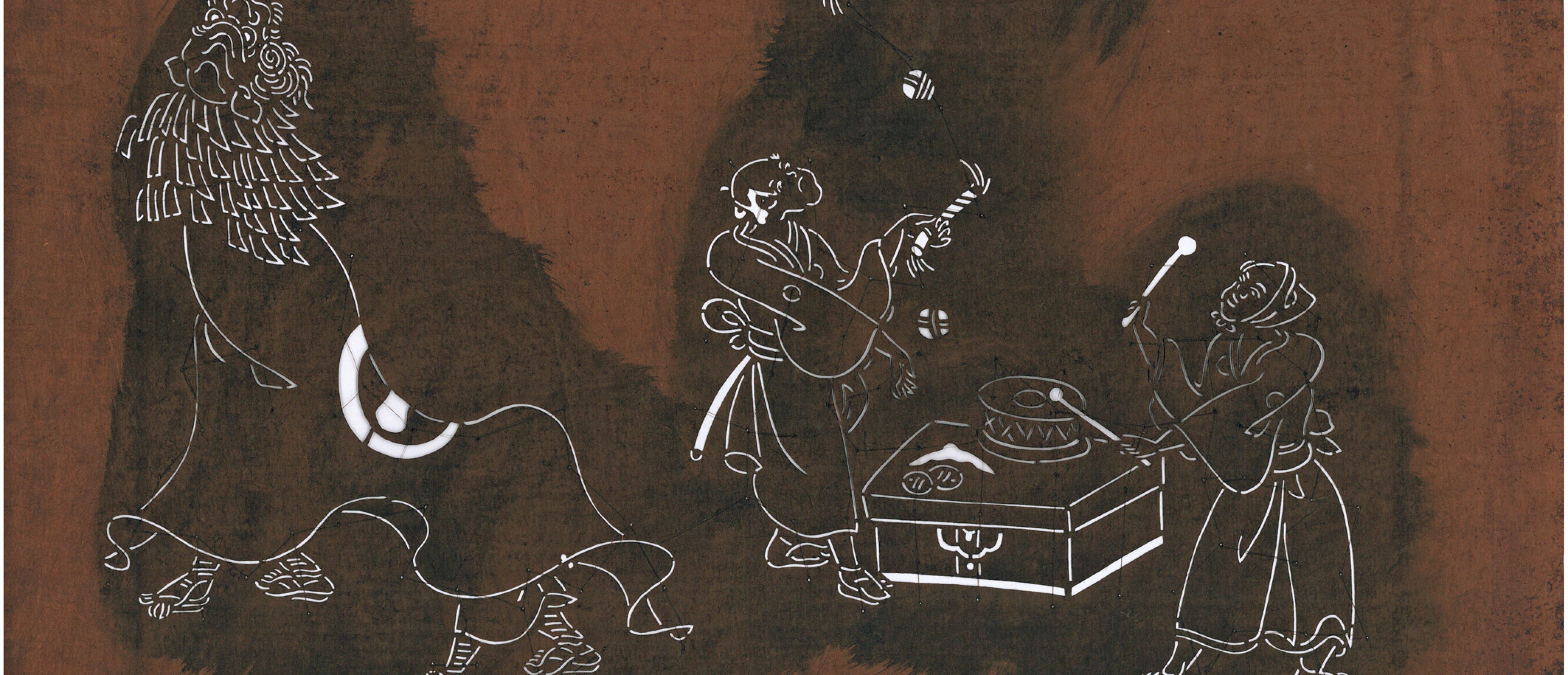
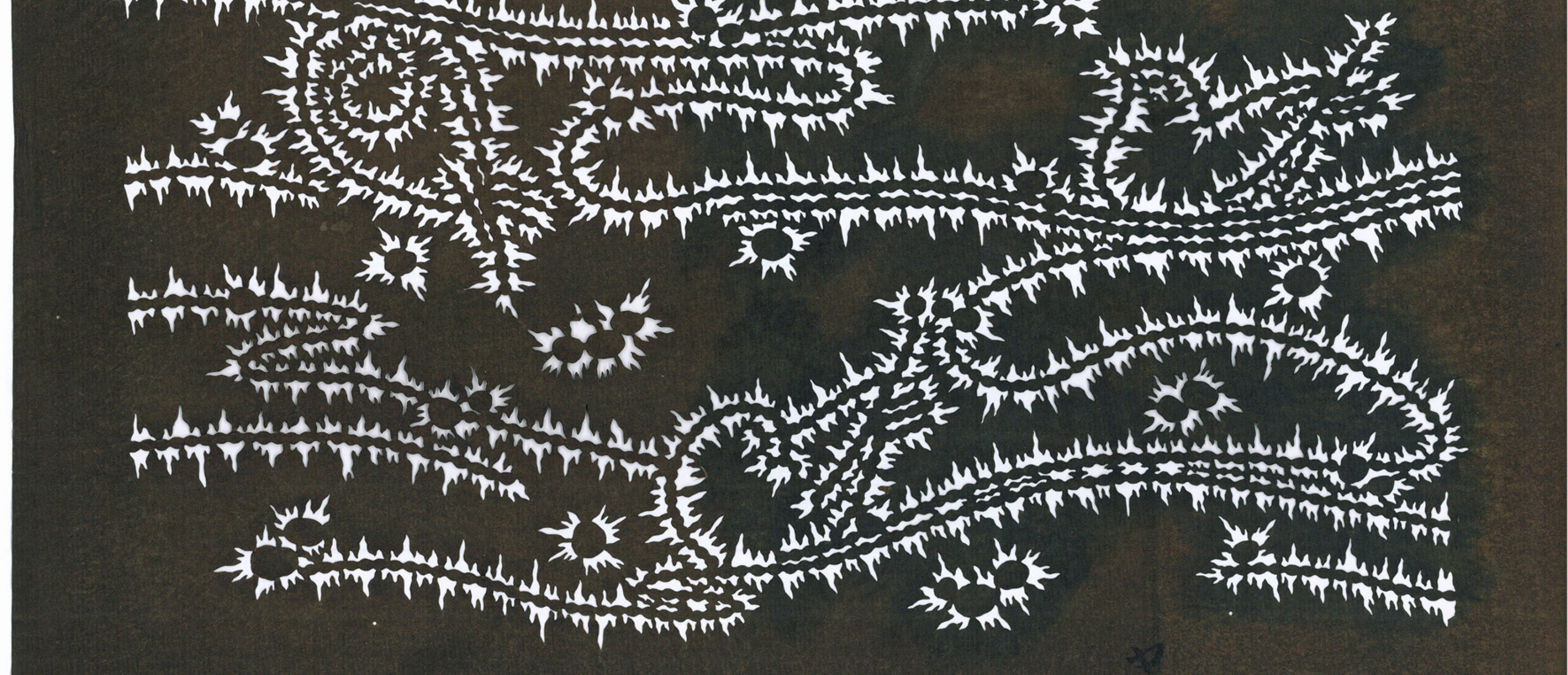
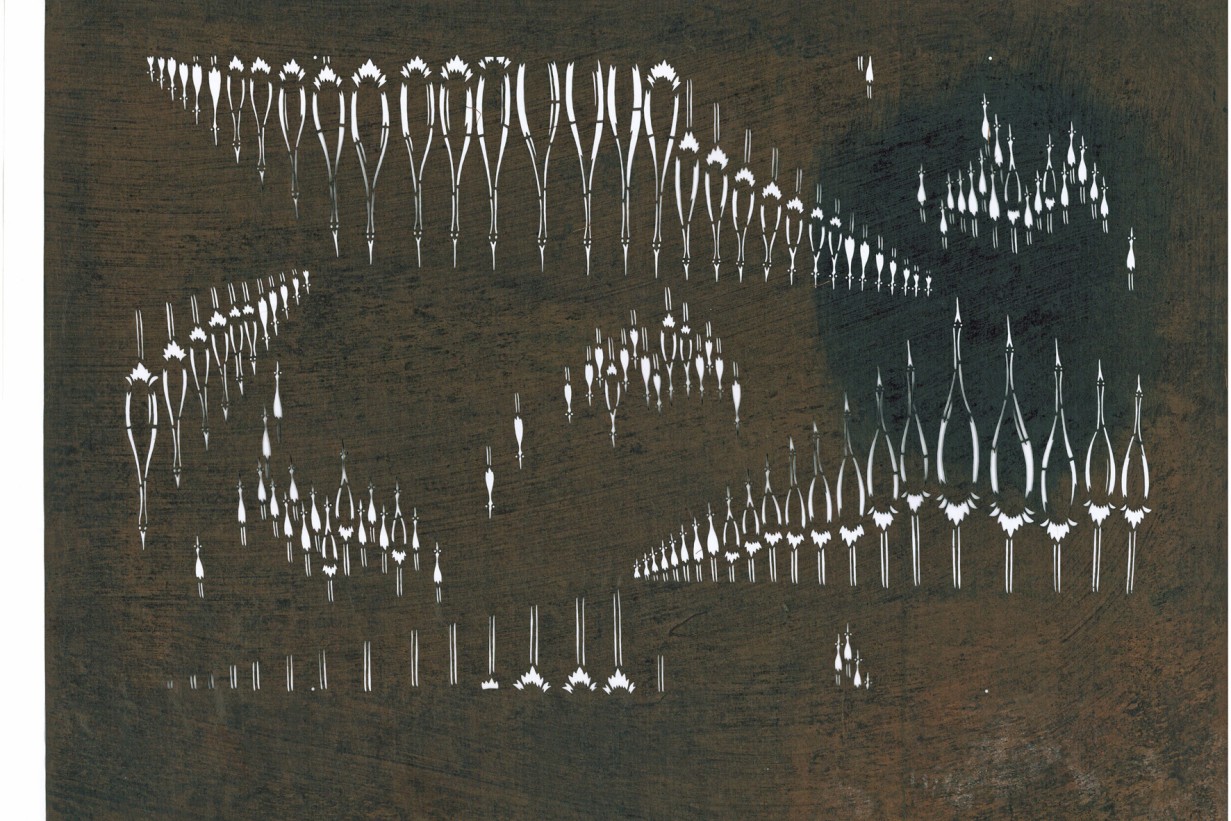
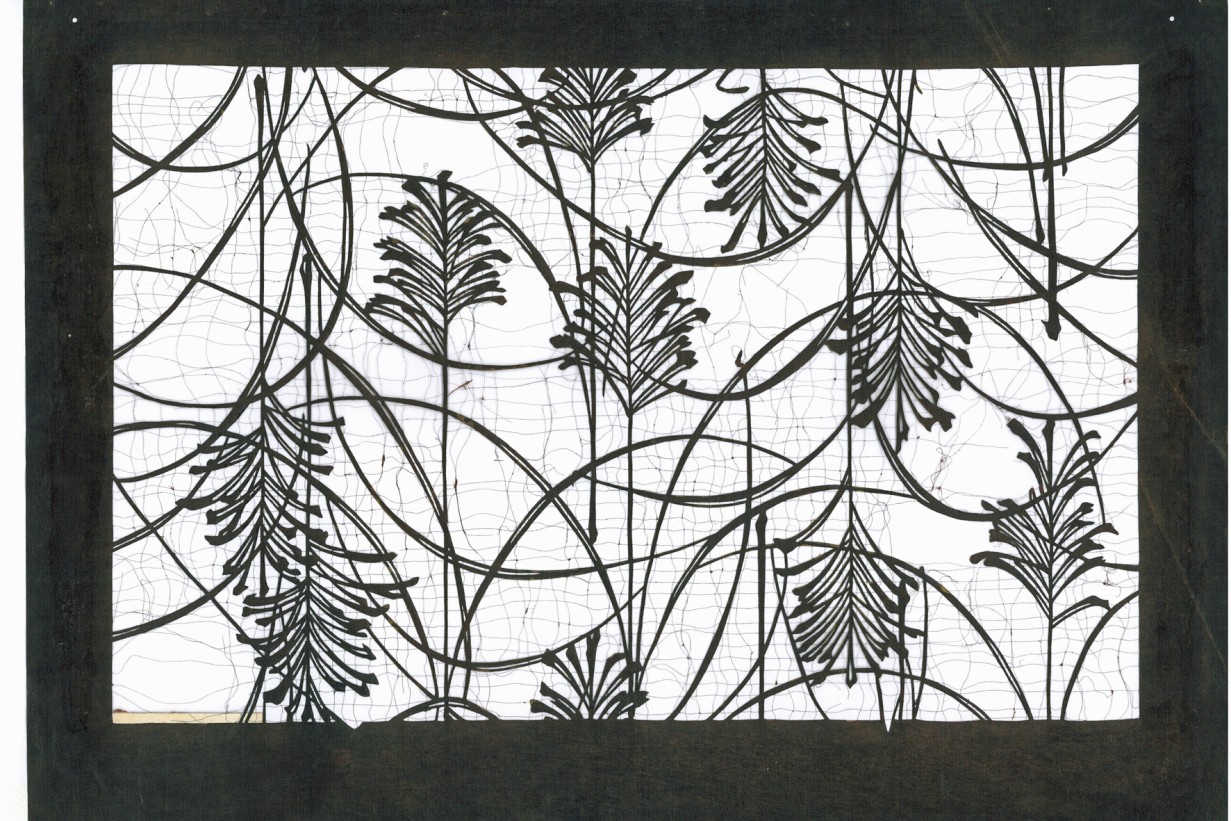
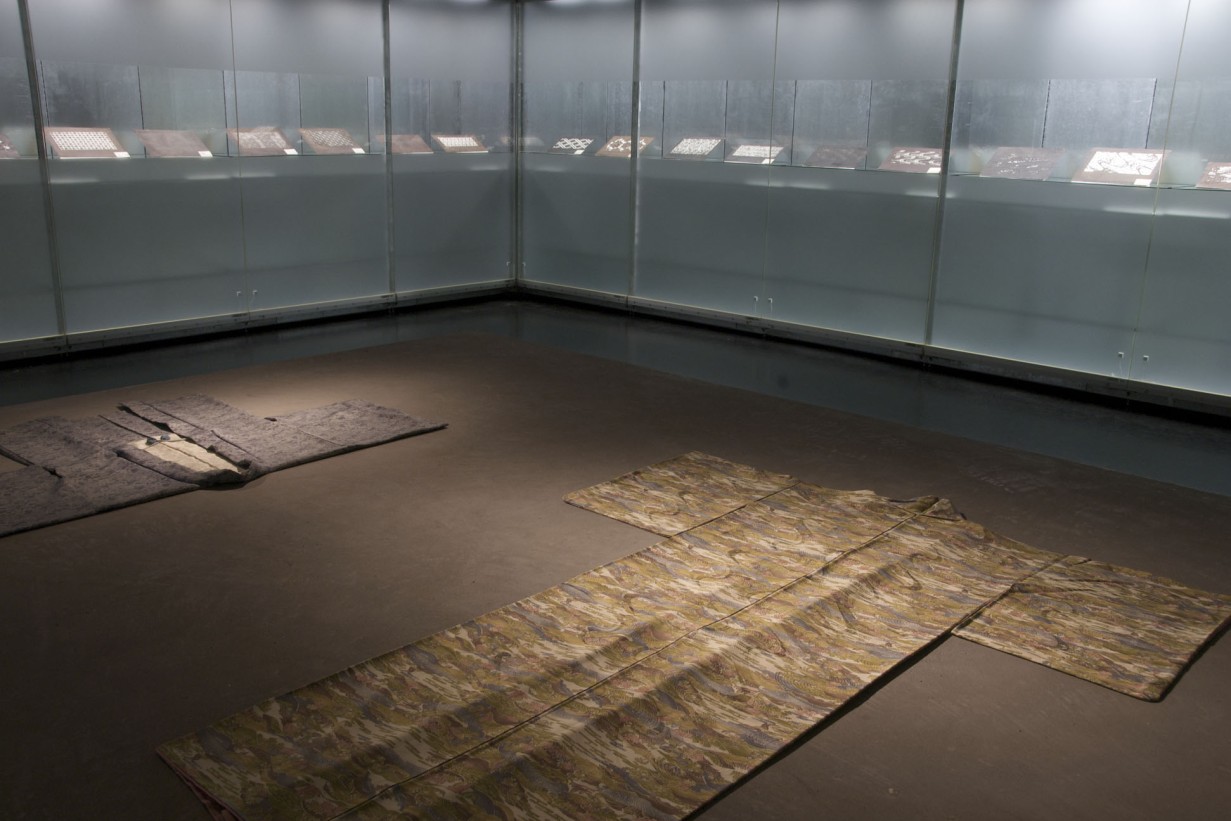
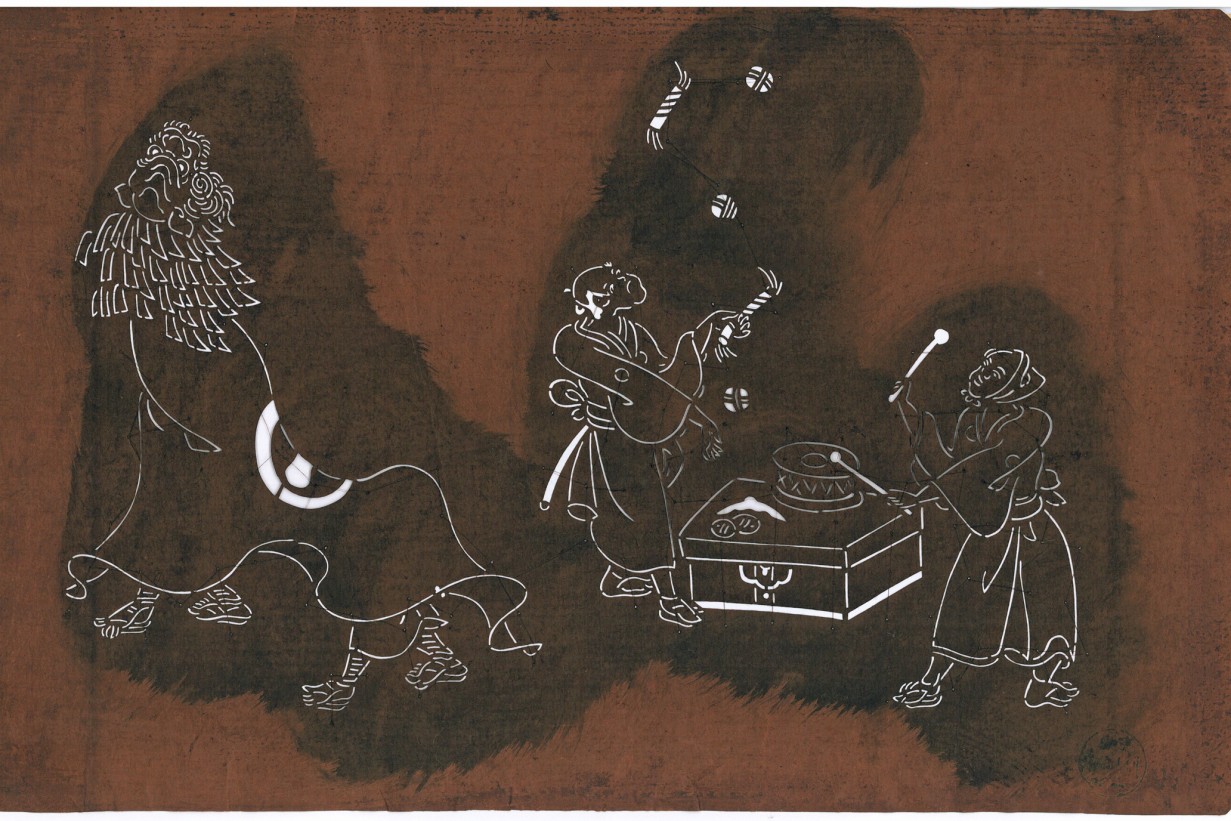
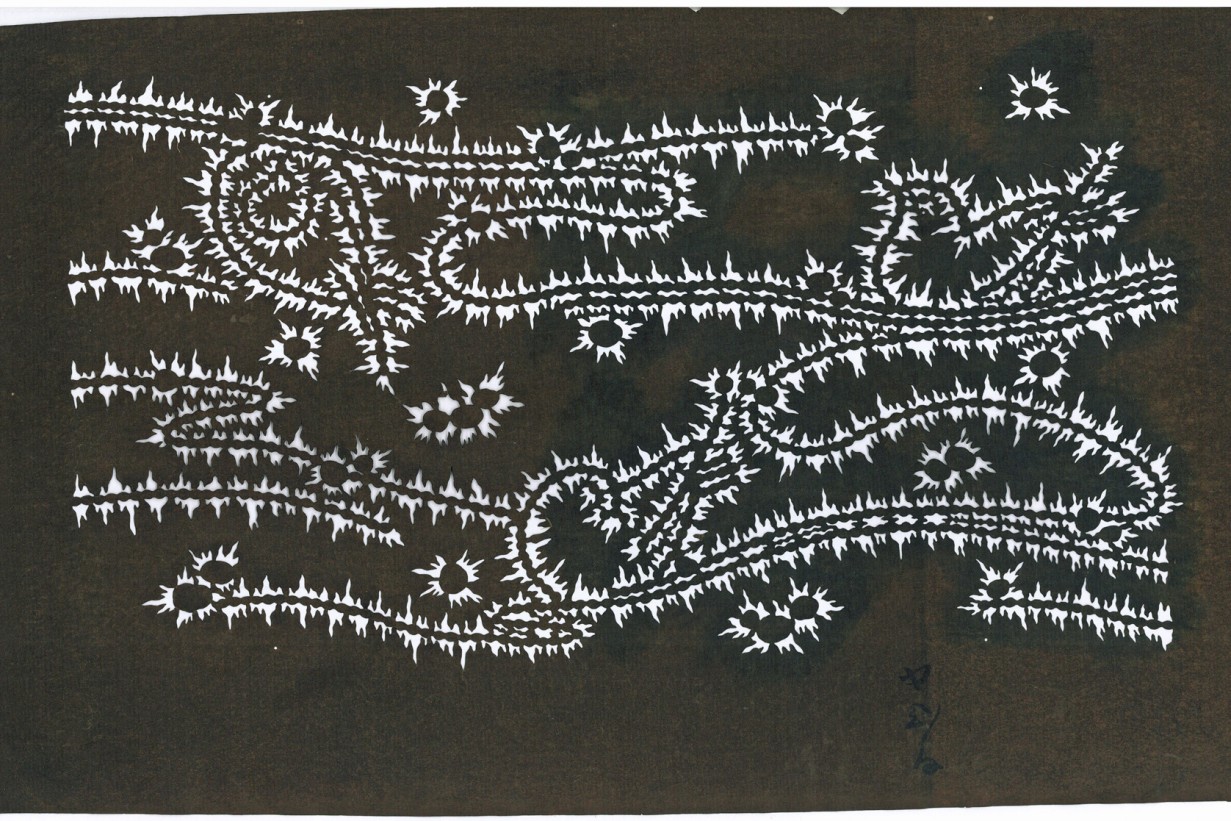
KATAGAMI Katagami are stencils made of paper, used in Japan for printing fabric, leather and paper. Most katagami were produced in the Province of Ise (today Mie Prefecture) and sold in large cities such as Edo, Nagoya and Osaka, where fabrics were dyed to order using the resist technique (katazome). Katazome grew from the seventeenth century onwards to become a very popular form of textile art. Both the nobility and the middle class wore stencil-dyed garments. During the Meiji era (1868–1912), many of these paper cuts found their way to Europe and had a profound influence on the decorative arts and ornament around 1900.
Heinrich Siebold (1852–1908) 2008 marks the centenary of Heinrich Siebold’s death. He was the son of the Japan expert Philipp Franz von Siebold (1796–1866), and joined the Austrian-Hungarian legation as a member of the local staff in Tokyo in 1869. He worked as an interpreter during the 1873 Vienna World Fair and formed contacts with the Vienna museums. He put on the first exhibition of his collection in the Museum of Art and Industry in 1883, a collection he dedicated to the Natural History Museum and the Handelsmuseum (Museum of Trade) until 1892. The extensive and multifarious inventory of this collection – including around 8,000 katagami – was taken over by what is now the MAK in 1907.
Curator Johannes Wieninger, MAK Curator Asia
Media