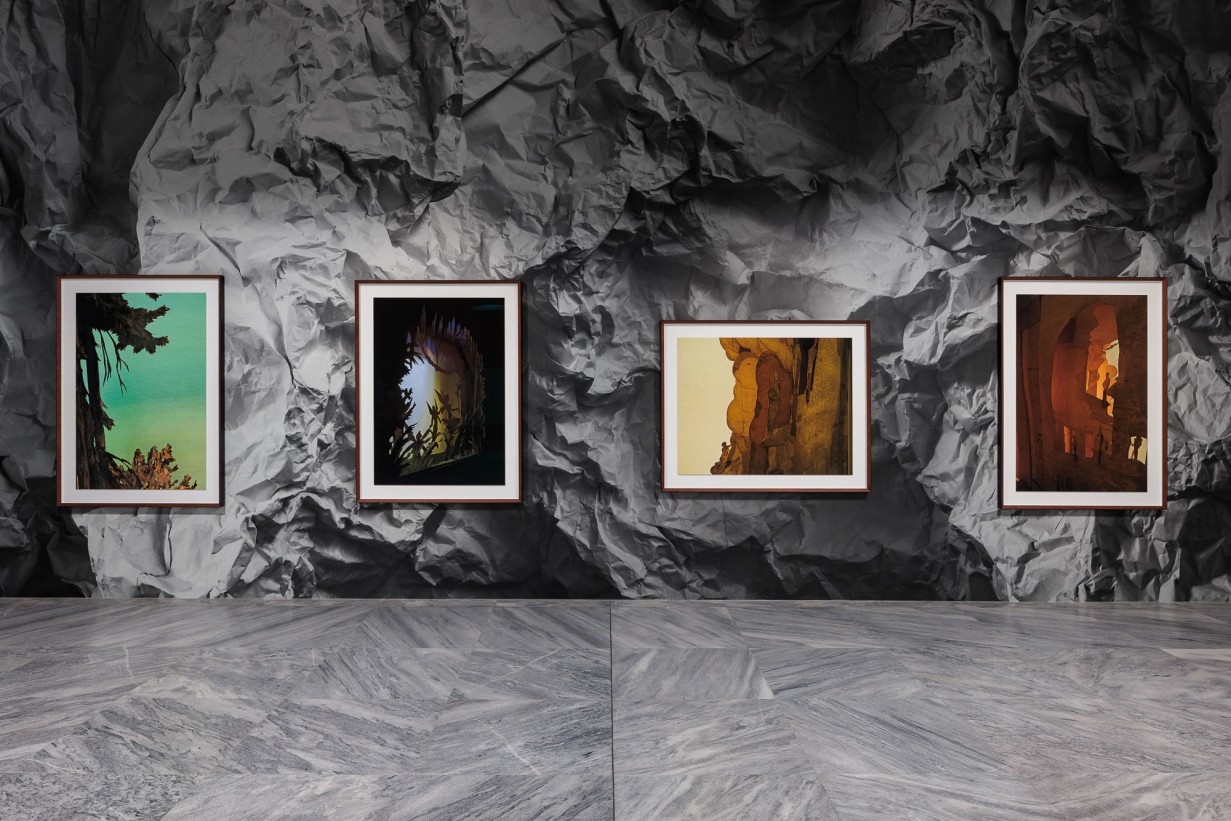
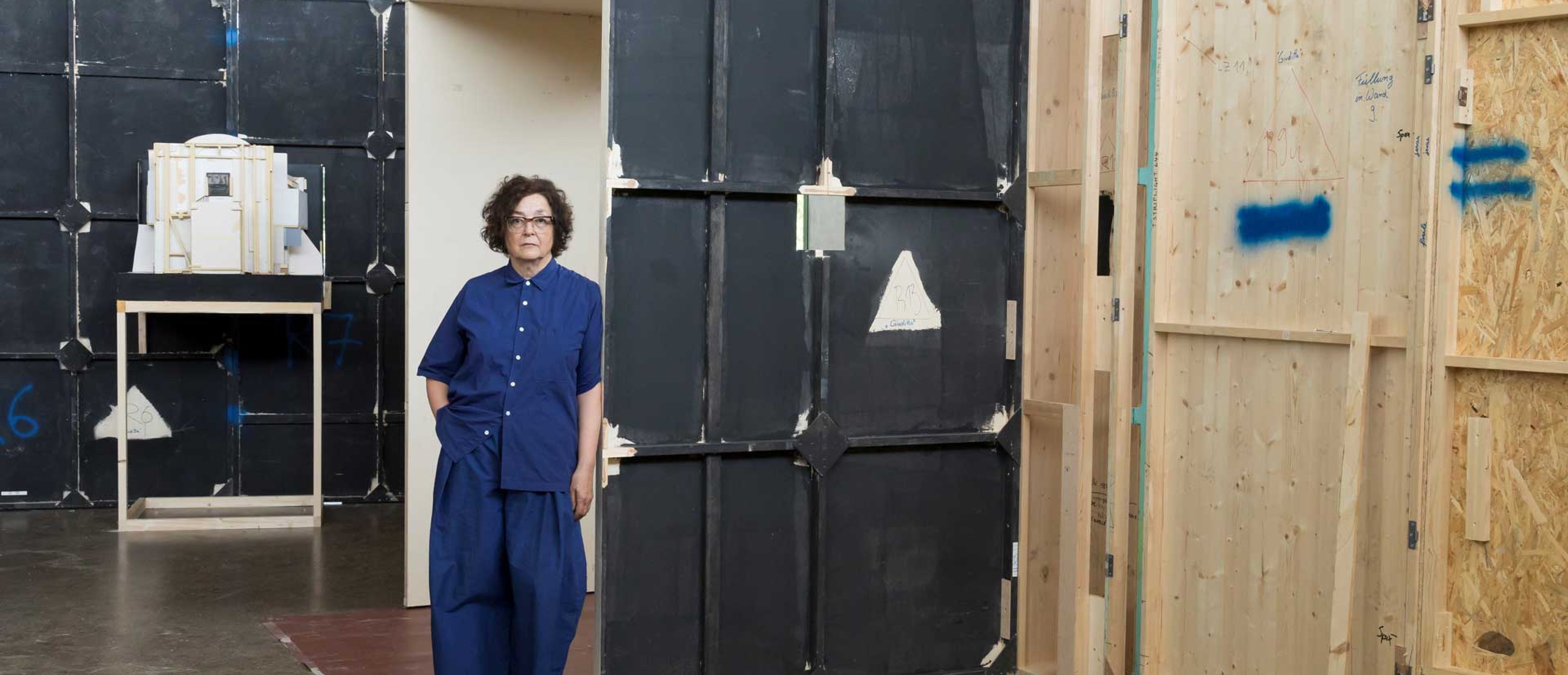
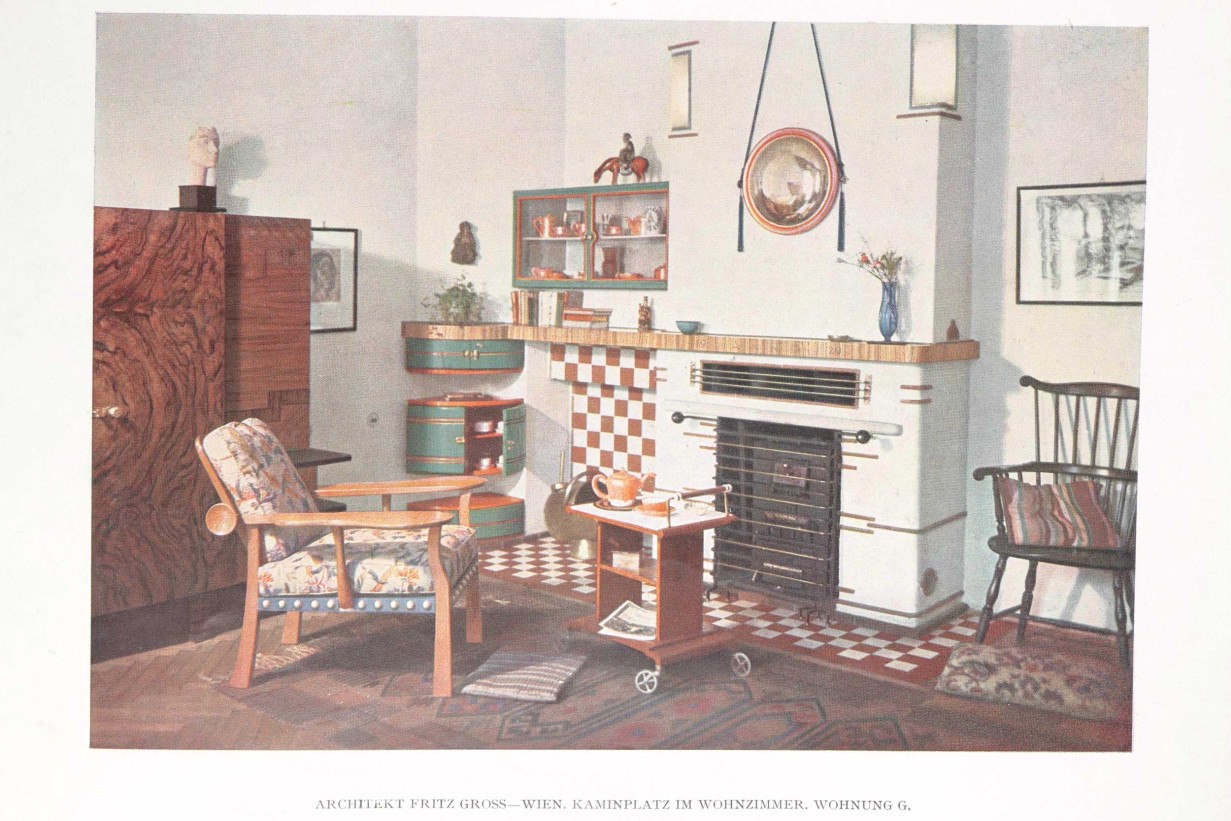
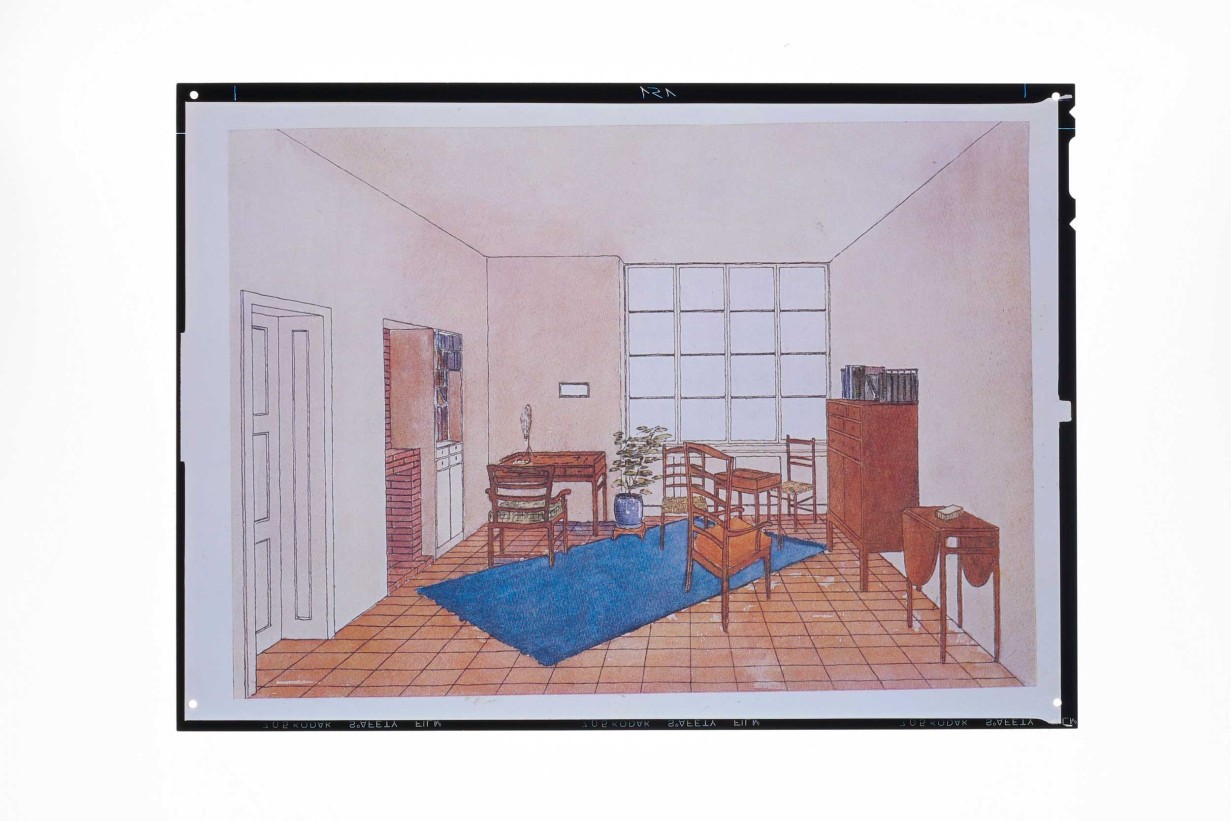
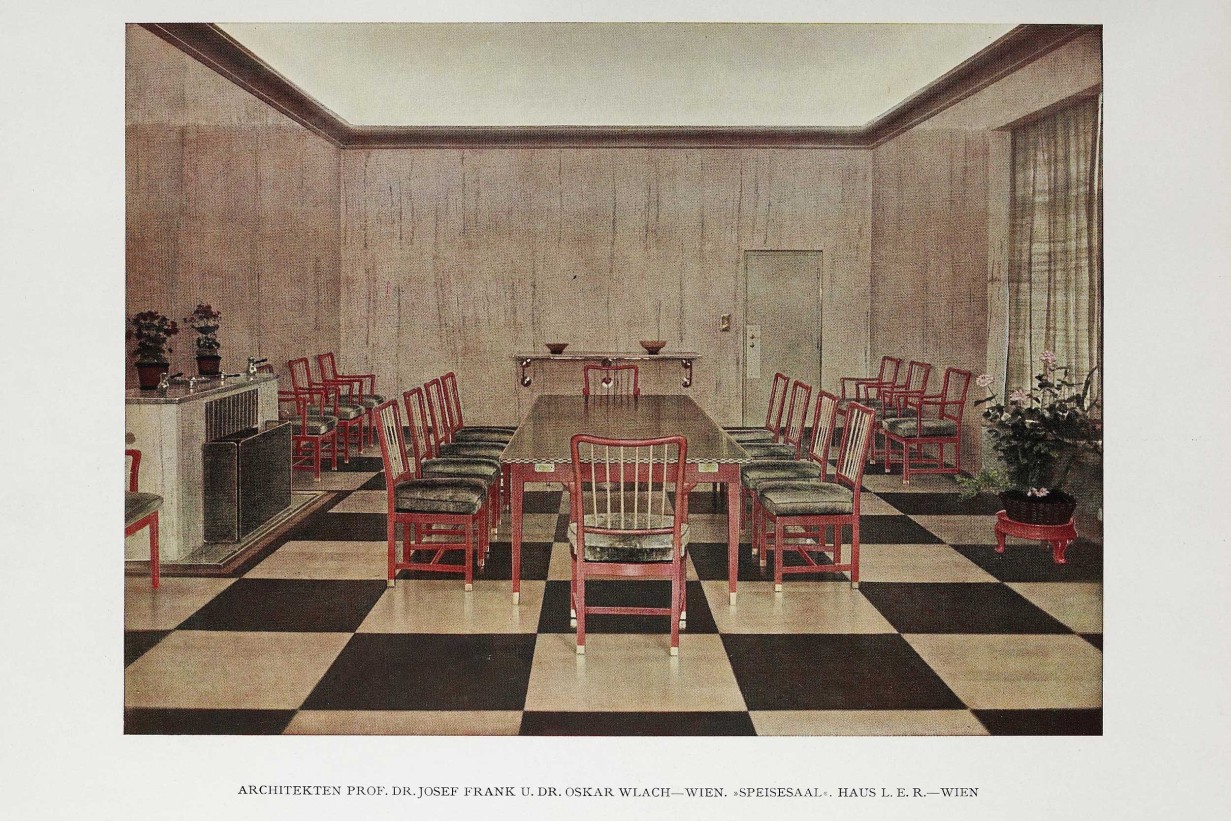
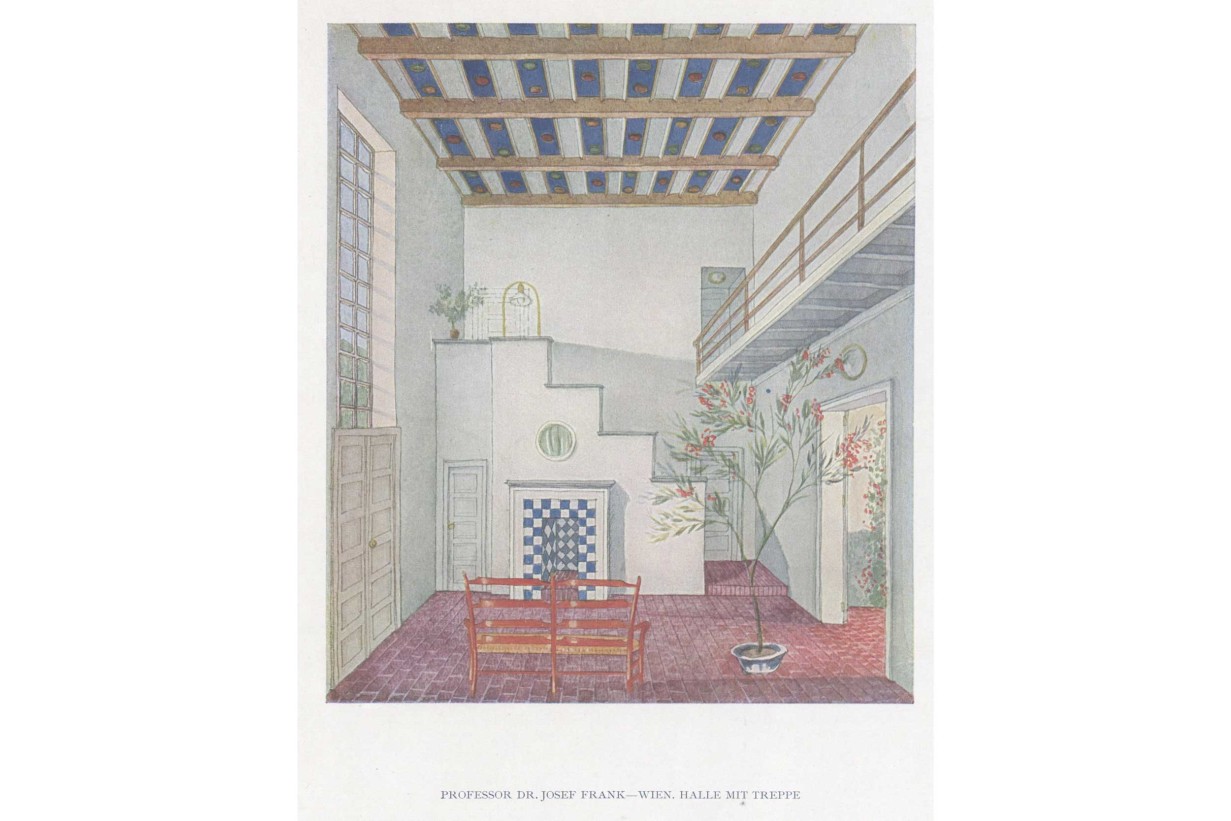
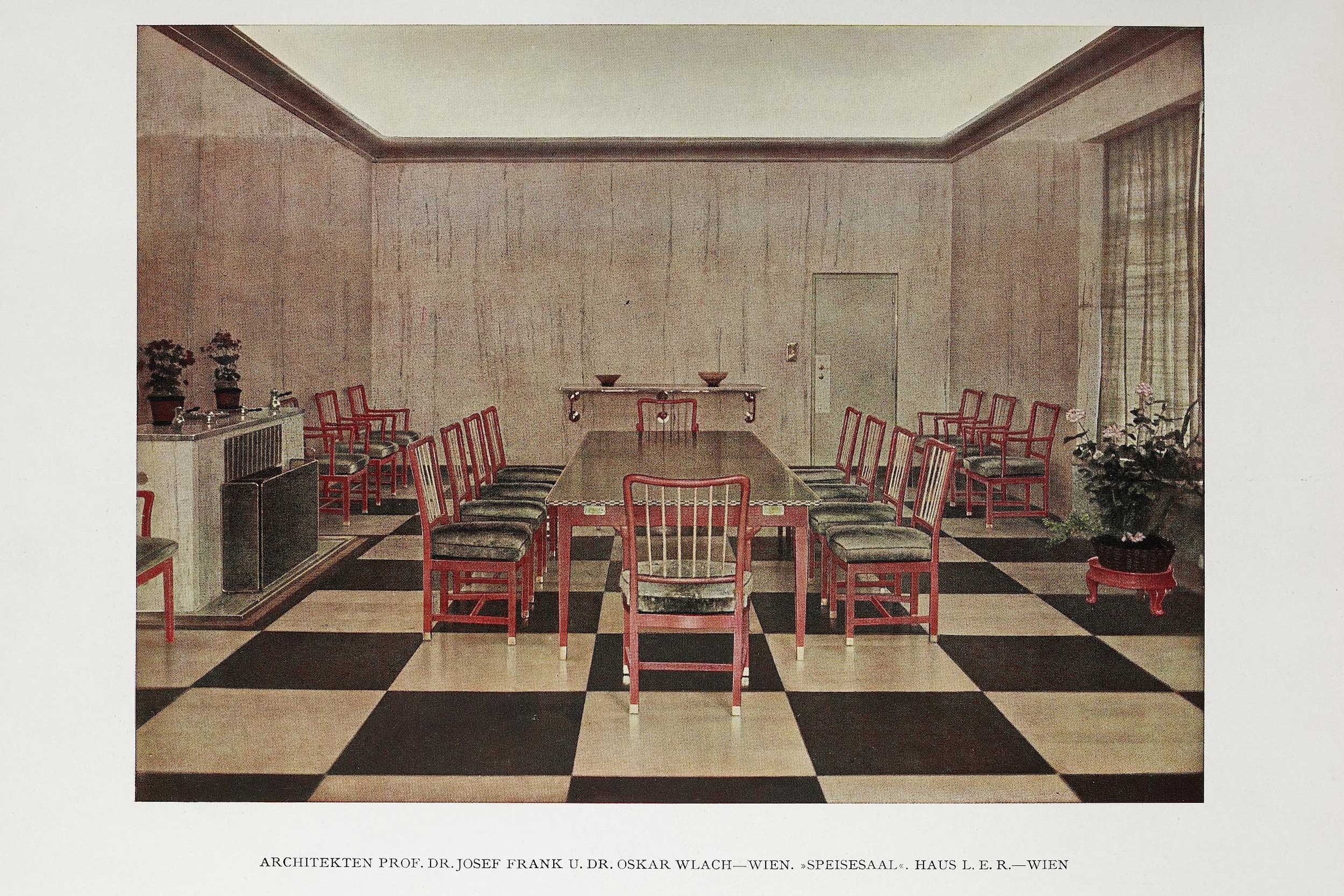
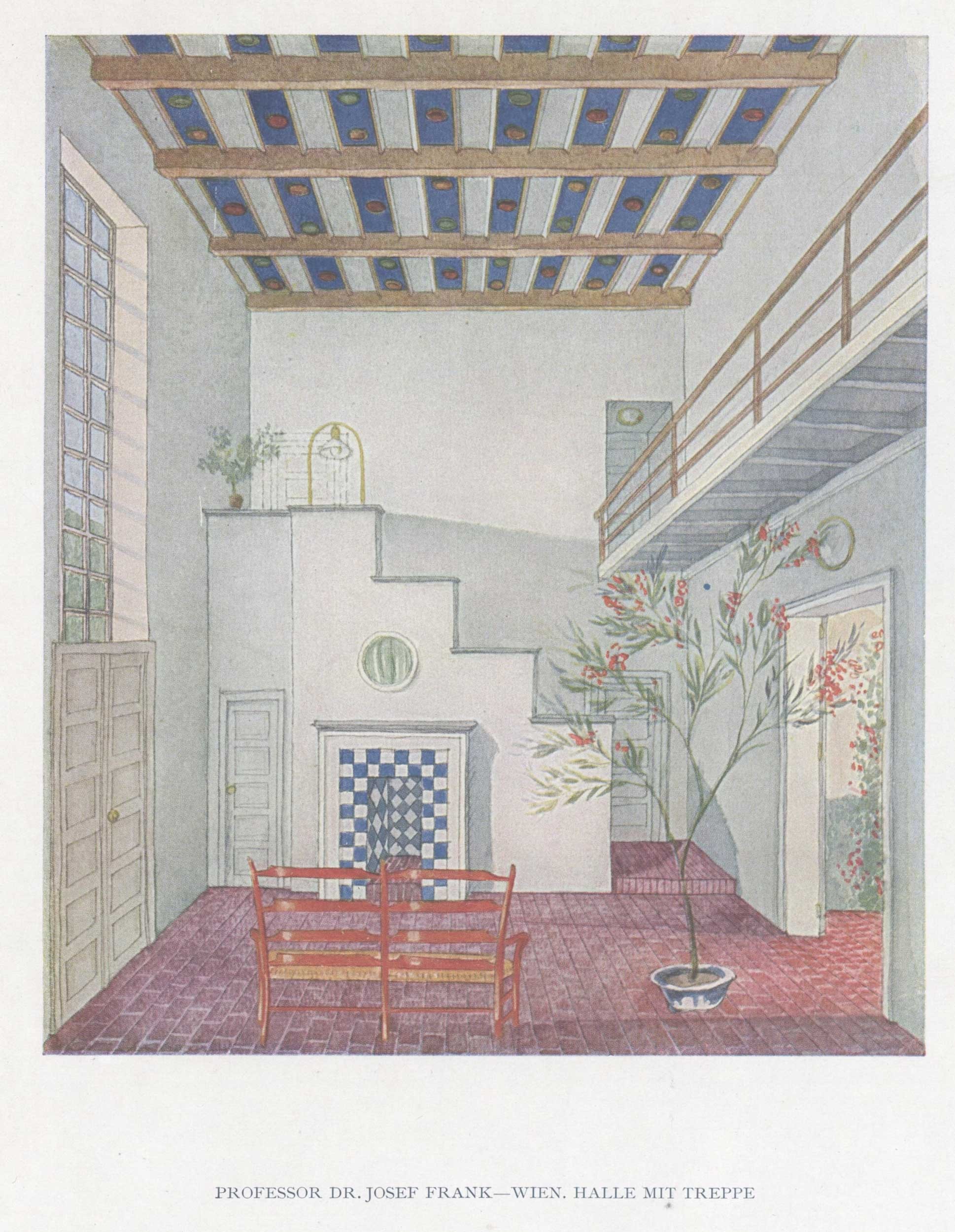
In a large-scale installation in the MAK Exhibition Hall, she will set the stage with the MAK’s extensive collection of objects from the politically charged time of the First Austrian Republic (1918–1934) and the Austrofascist Federal State of Austria (1934–1938), thereby creating an experiential space that calls for profound sensitivity. For, even before Austria’s incorporation into the National Socialist German Reich in 1938, Austrofascism already had ushered in the end of the Viennese interior design culture specific to the Interwar Period, upon which Jewish architects such as Josef Frank, Oskar Wlach, Hugo Gorge, and Oskar Strnad had made such an indelible impression.
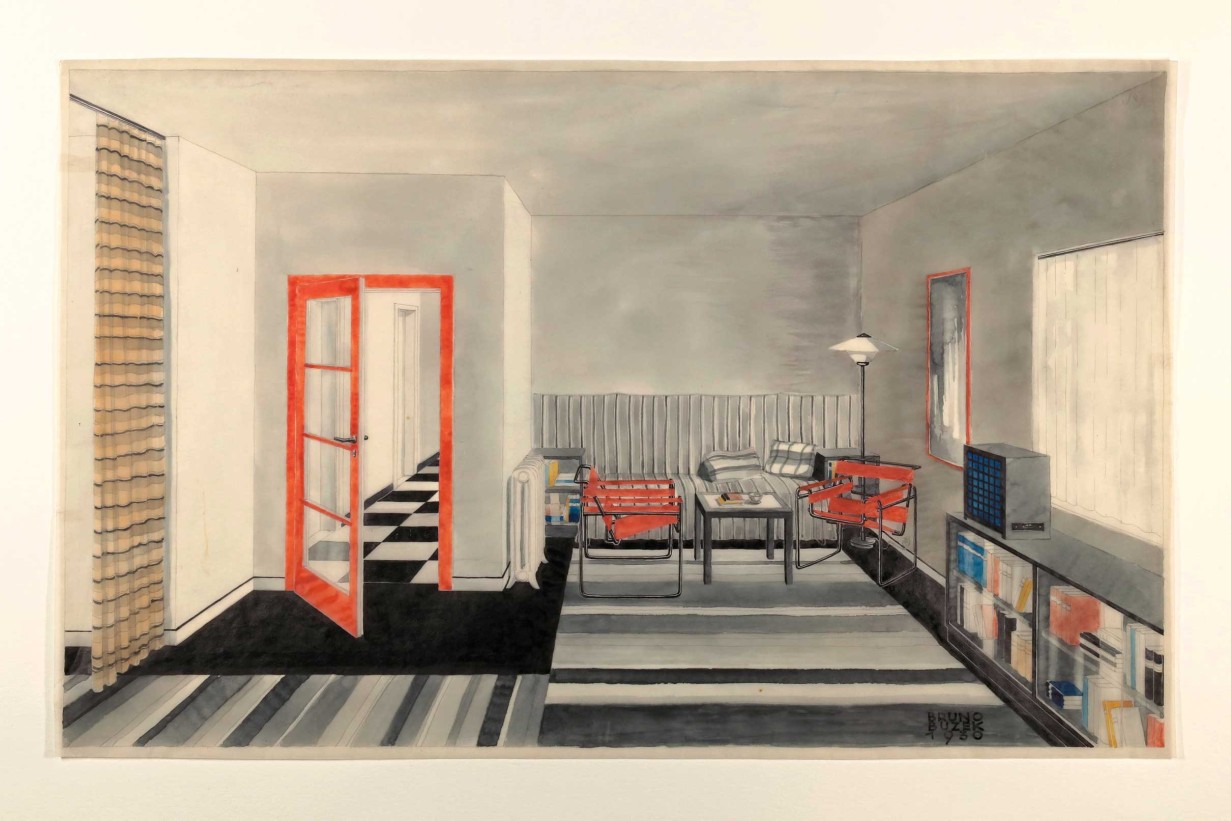
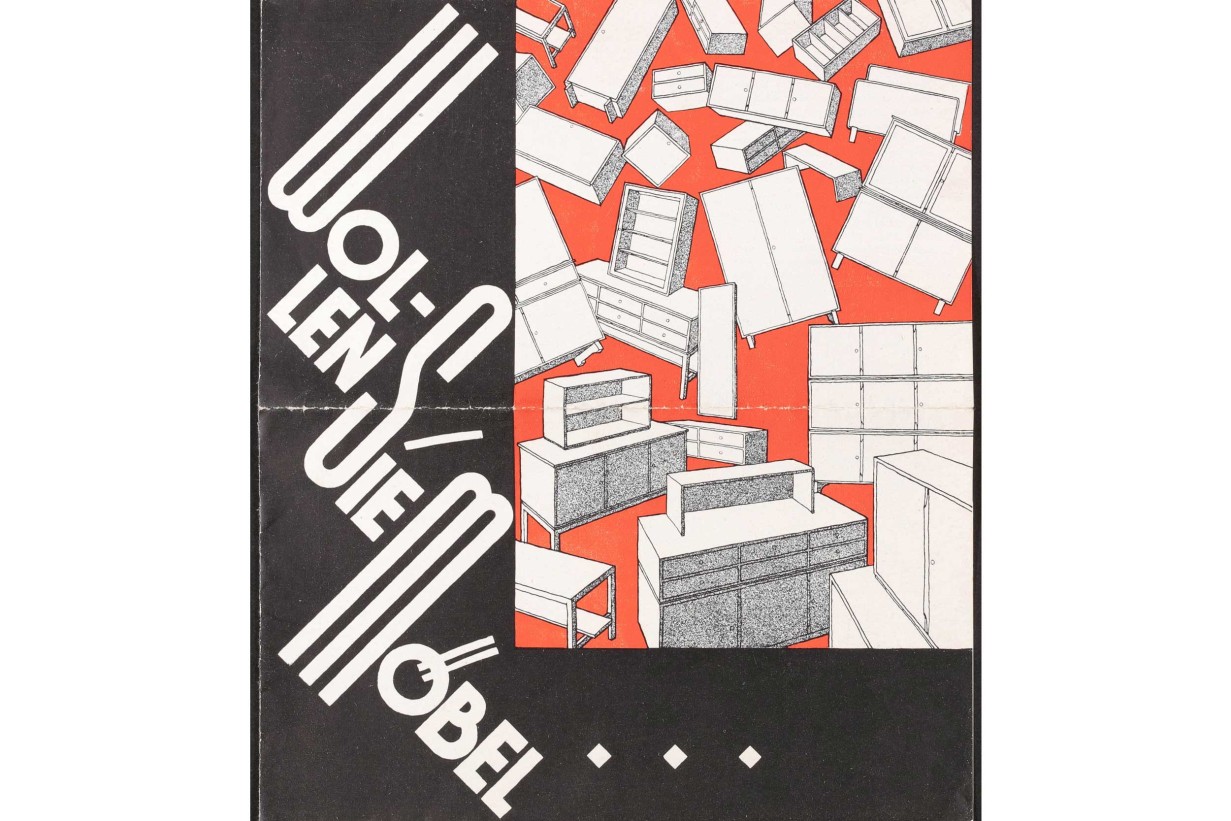
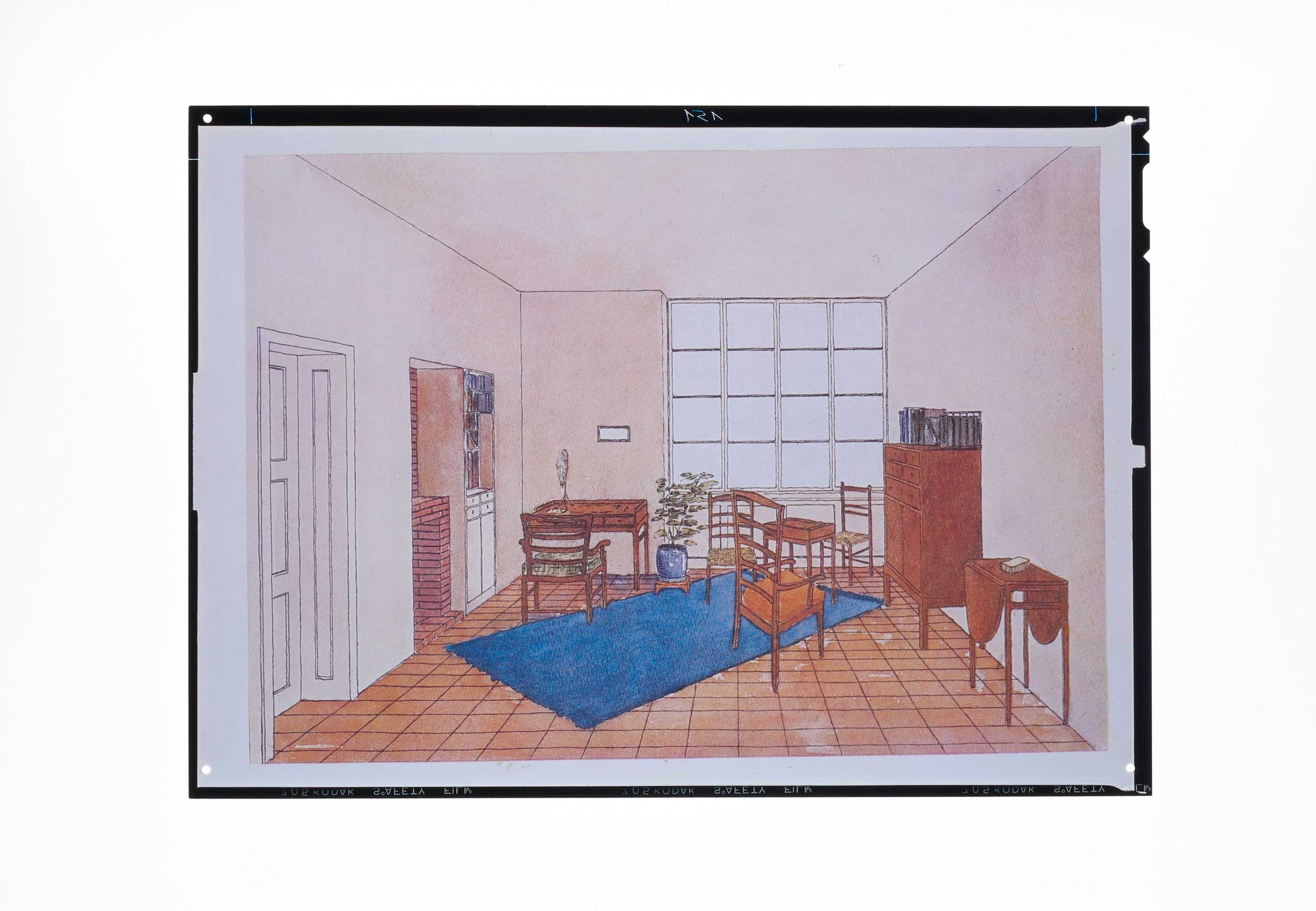
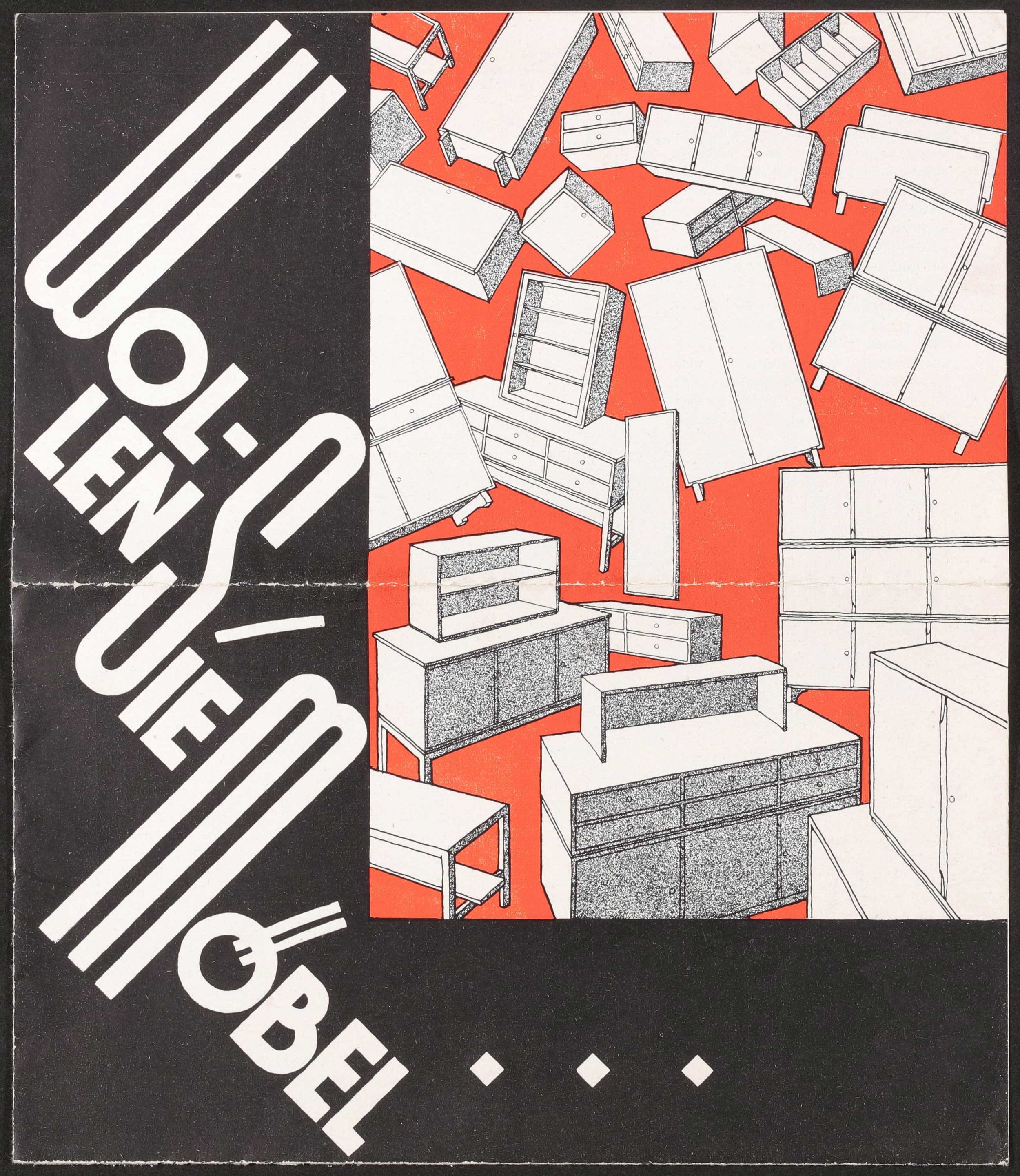
Whereas the immediate need after the First World War mainly concerned affordable furnishings for a war-affected populace and the proletariat; as the 1920s progressed, middle- and upper-class interior design concepts increasingly came up for debate as well. Vienna’s New Wohnkultur (domestic culture) differed markedly from the turn-of-the-century Gesamtkunstwerk, also from the contemporary approaches trending in other European centers. The main driver for it was the new humanism, where the emphasis was less on considerations of form or economics, but much more on the comfort and individual needs of the occupants.
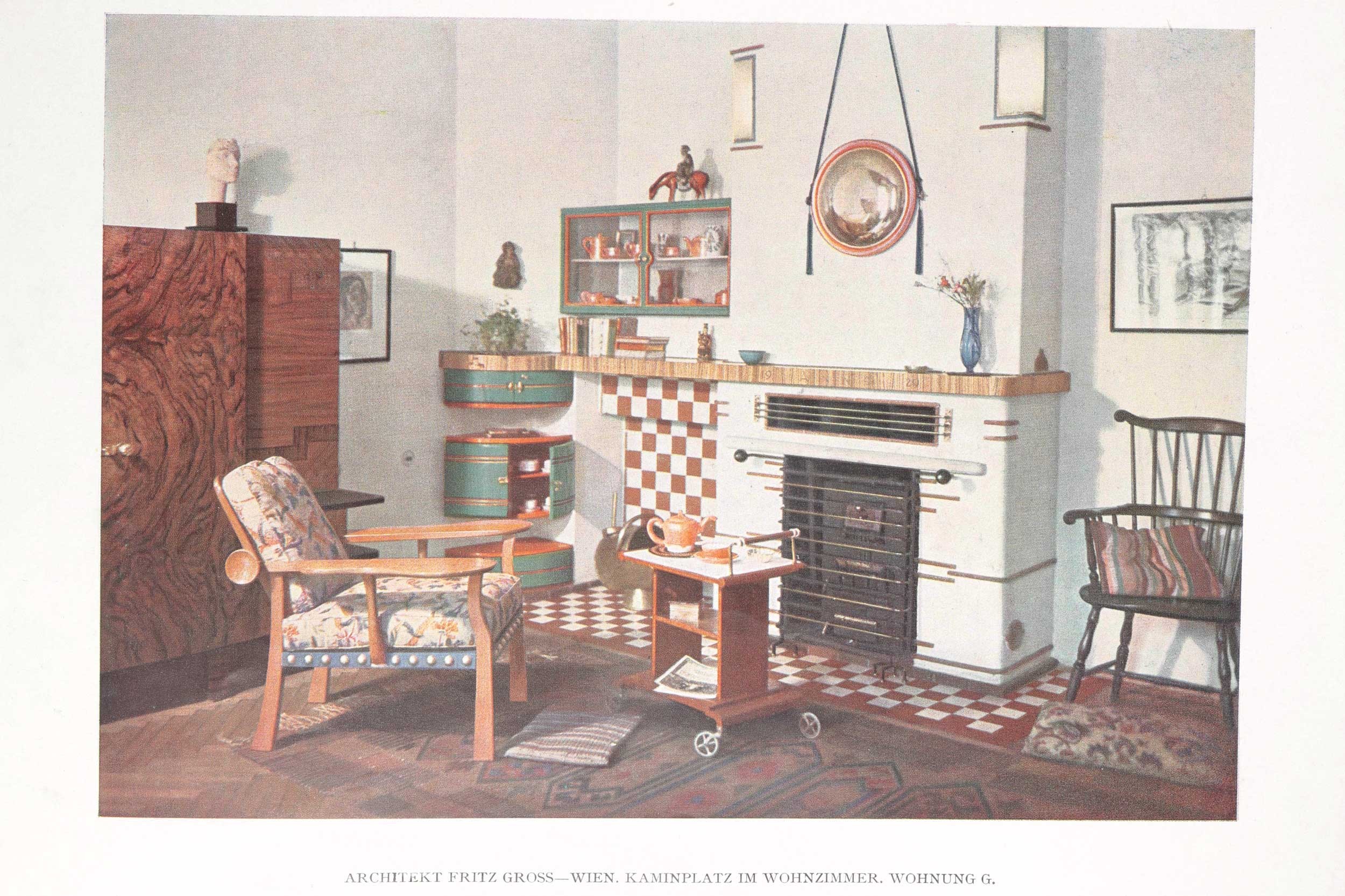
The role of the Austrian Museum of Art and Industry—today’s MAK—can scarcely be overstated. It oriented the public in questions of interior design and positioned the Viennese Arts and Crafts movement in national and international exhibitions. In addition to the designers previously mentioned, notable practitioners of Vienna Wohnkultur include Viktor Lurje, Ernst Plischke, Walter Sobotka, Ernst Lichtblau, Fritz Gross, Ernst Schwadron, Josef Hoffmann, Oswald Haerdtl, and Dagobert Peche—and for the first time, women designers such as Margarete Schütte-Lihotzky, Ella Briggs, Friedl Dicker, Jutta Sika, Liane Zimbler, Maria Likarz, Mathilde Flögl, Felice Rix-Ueno, Vally Wie-selthier, and Gudrun Baudisch.
The exhibition will be accompanied by a comprehensive publication.
Curator: Sebastian Hackenschmidt, Curator, MAK Furniture and Woodwork Collection
Artistic Concept: Anna Viebrock
Exhibition Partner

![Eduard Josef Wimmer-Wisgrill, bedroom with fitness room at the exhibition Raum und Mode [Room and Fashion] at the Austrian Museum of Art and Industry](/jart/prj3/mak-resp/images/cache/de560387cd352eb6310b65431796921a/0xBF5C3366A2A9373E09D2409E5E4D722A.jpeg "Eduard Josef Wimmer-Wisgrill, bedroom with fitness room at the exhibition Raum und Mode [Room and Fashion] at the Austrian Museum of Art and Industry, Vienna, 1932/33 Photo: Francis G. Mayer")
![Franz Sedlacek, Lied in der Dämmerung [Song at Twilight]](/jart/prj3/mak-resp/images/cache/2a85751f8203f818d1ed1e364183bda1/0x2A30D7A23FD2C413AB56EB2C40F8FD97.jpeg "Franz Sedlacek, Lied in der Dämmerung [Song at Twilight], oil painting, Vienna, 1931")
![Hugo Gorge, living area in the exhibition Einfacher Hausrat [Simple Household Goods] at the Austrian Museum of Art and Industry](/jart/prj3/mak-resp/images/cache/b6222545cf7afbc26dd7eea2a3598943/0x2E868F532606072787702D7BD3F9CB23.jpeg "Hugo Gorge, living area in the exhibition Einfacher Hausrat [Simple Household Goods] at the Austrian Museum of Art and Industry, Vienna, 1920 Execution: Kunst und Wohnung R. Lorenz GmbH Photo: Bruno Reiffenstein")
![Eduard Josef Wimmer-Wisgrill, bedroom with fitness room at the exhibition Raum und Mode [Room and Fashion] at the Austrian Museum of Art and Industry](/jart/prj3/mak-resp/images/cache/6ec64e13ccaedc365bd396a85df12165/0xDC48CEF7C0555B03BCBA2F8CA9E1BC25.jpeg "Eduard Josef Wimmer-Wisgrill, bedroom with fitness room at the exhibition Raum und Mode [Room and Fashion] at the Austrian Museum of Art and Industry, Vienna, 1932/33 Photo: Francis G. Mayer")
![Franz Sedlacek, Lied in der Dämmerung [Song at Twilight]](/jart/prj3/mak-resp/images/cache/2a85751f8203f818d1ed1e364183bda1/0x7C850C31B6D21DE6AC2544B196496269.jpeg "Franz Sedlacek, Lied in der Dämmerung [Song at Twilight], oil painting, Vienna, 1931")
![Hugo Gorge, living area in the exhibition Einfacher Hausrat [Simple Household Goods] at the Austrian Museum of Art and Industry](/jart/prj3/mak-resp/images/cache/b6222545cf7afbc26dd7eea2a3598943/0x5350ABC47707D83579503B99A5BFEB37.jpeg "Hugo Gorge, living area in the exhibition Einfacher Hausrat [Simple Household Goods] at the Austrian Museum of Art and Industry, Vienna, 1920 Execution: Kunst und Wohnung R. Lorenz GmbH Photo: Bruno Reiffenstein")
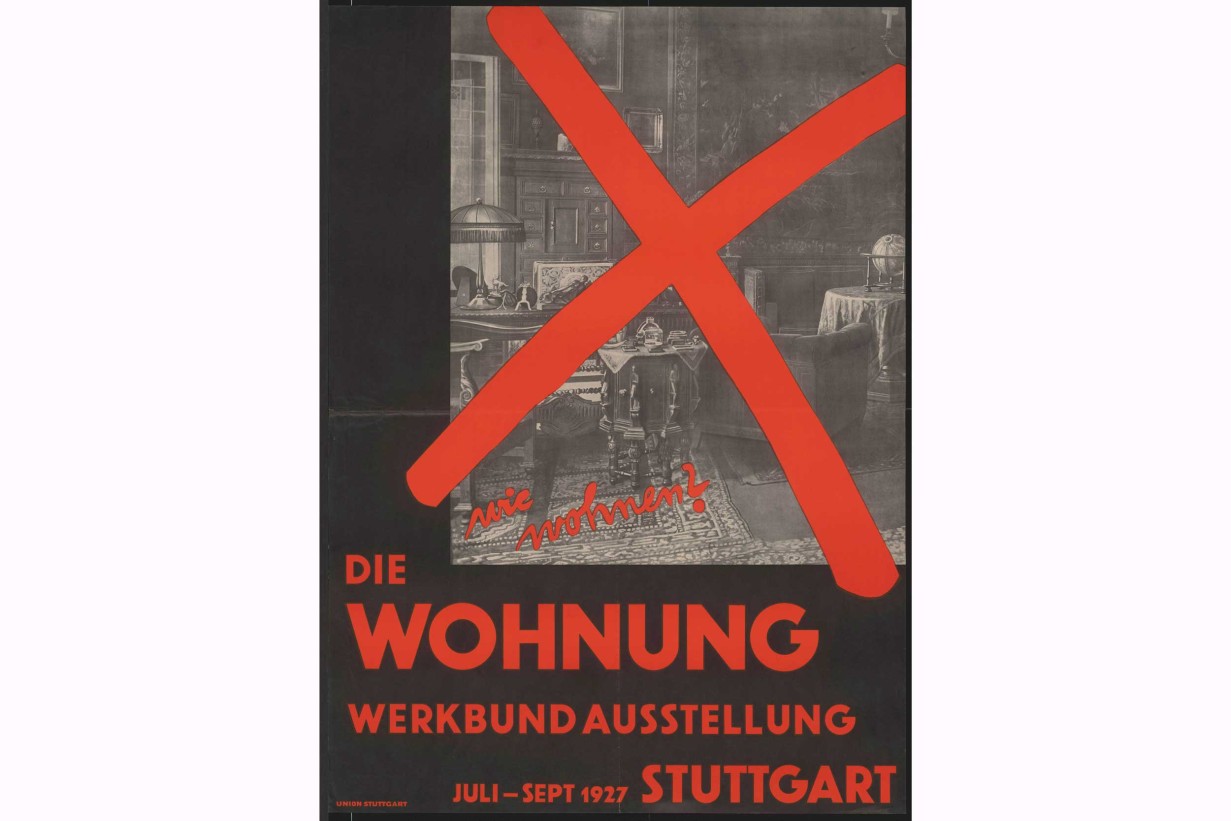
![Willi Baumeister, poster for the Werkbund exhibition Die Wohnung [The Apartment]](/jart/prj3/mak-resp/images/cache/59691f4c4d6df06eea5594b3332db005/0x4EBA4778E225AE376E17852D24F684C6.jpeg "Willi Baumeister, poster for the Werkbund exhibition Die Wohnung [The Apartment], Stuttgart, 1927 Printed by: Union Verlag Stuttgart")