
© Klimt Foundation, Vienna
Previous Image
An exhibition of the MAK in cooperation with the Klimt Foundation, Vienna
16.7.2025—21.9.2025
MAK Forum
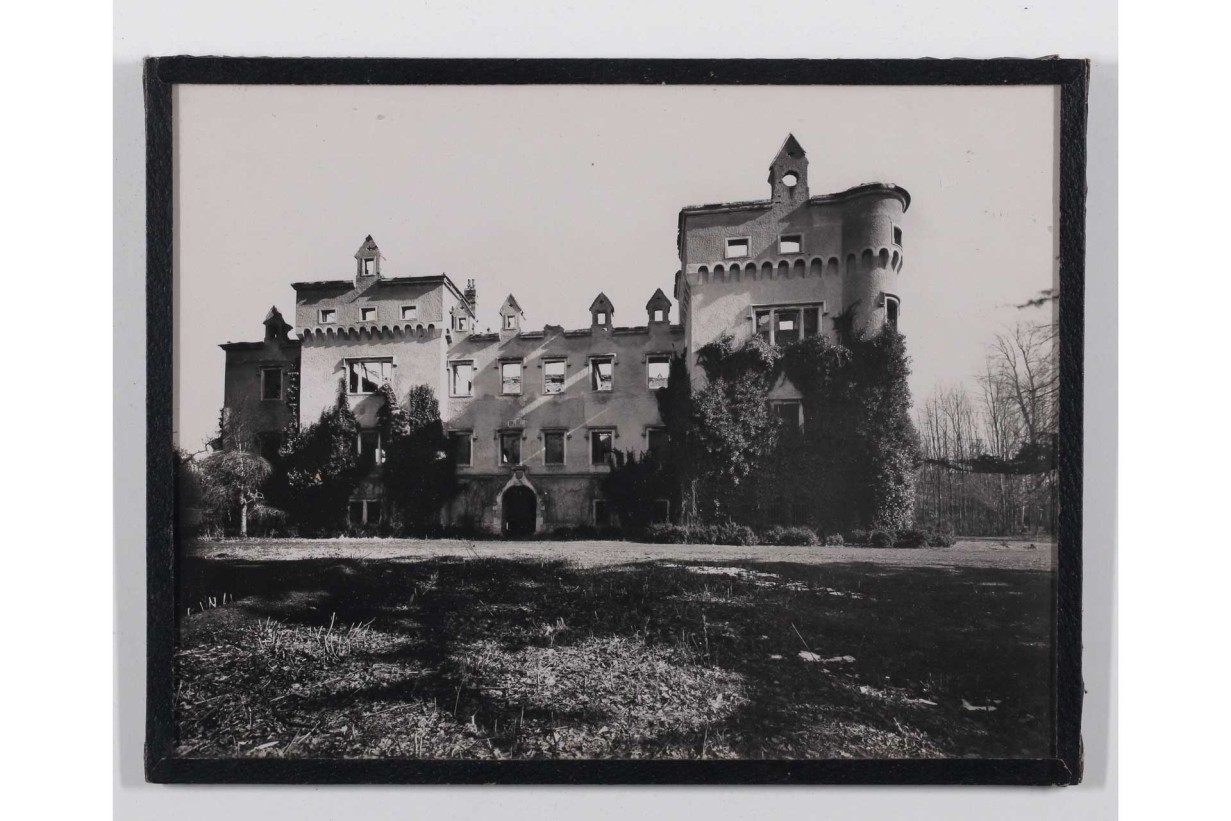
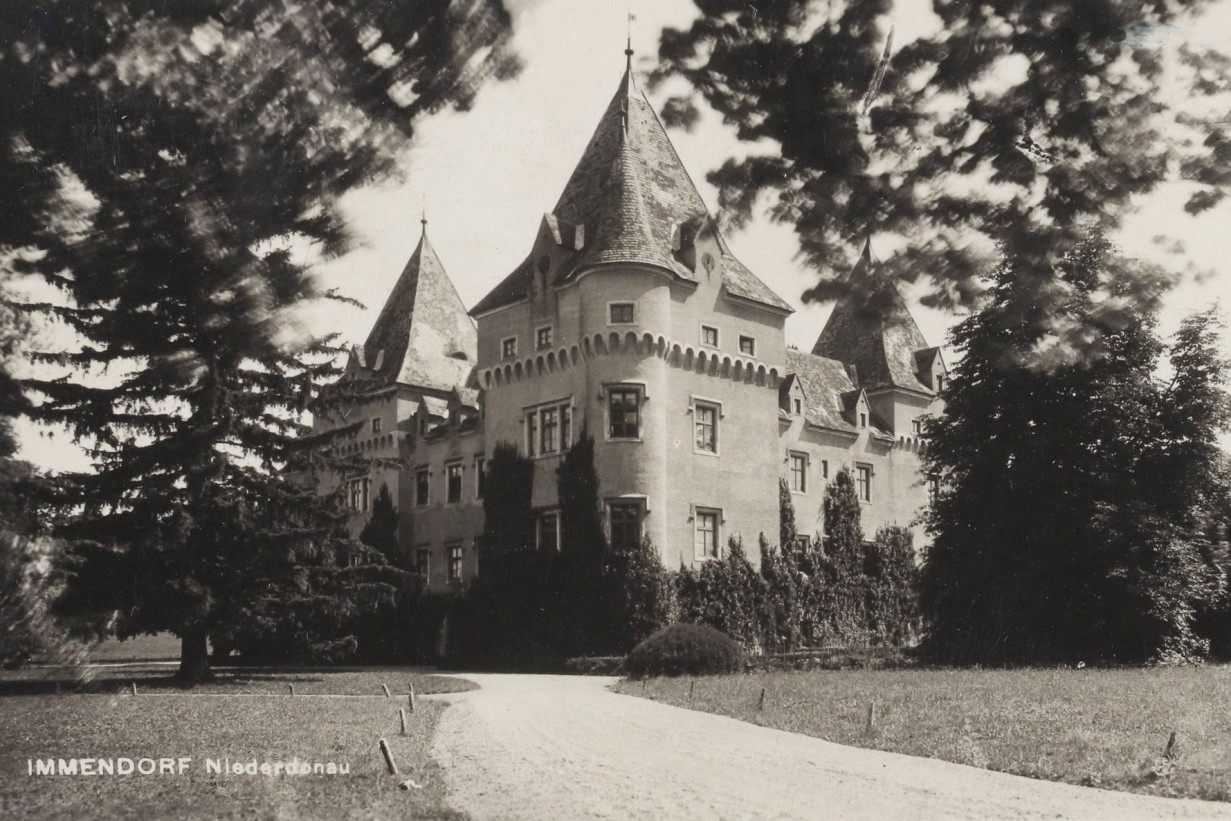
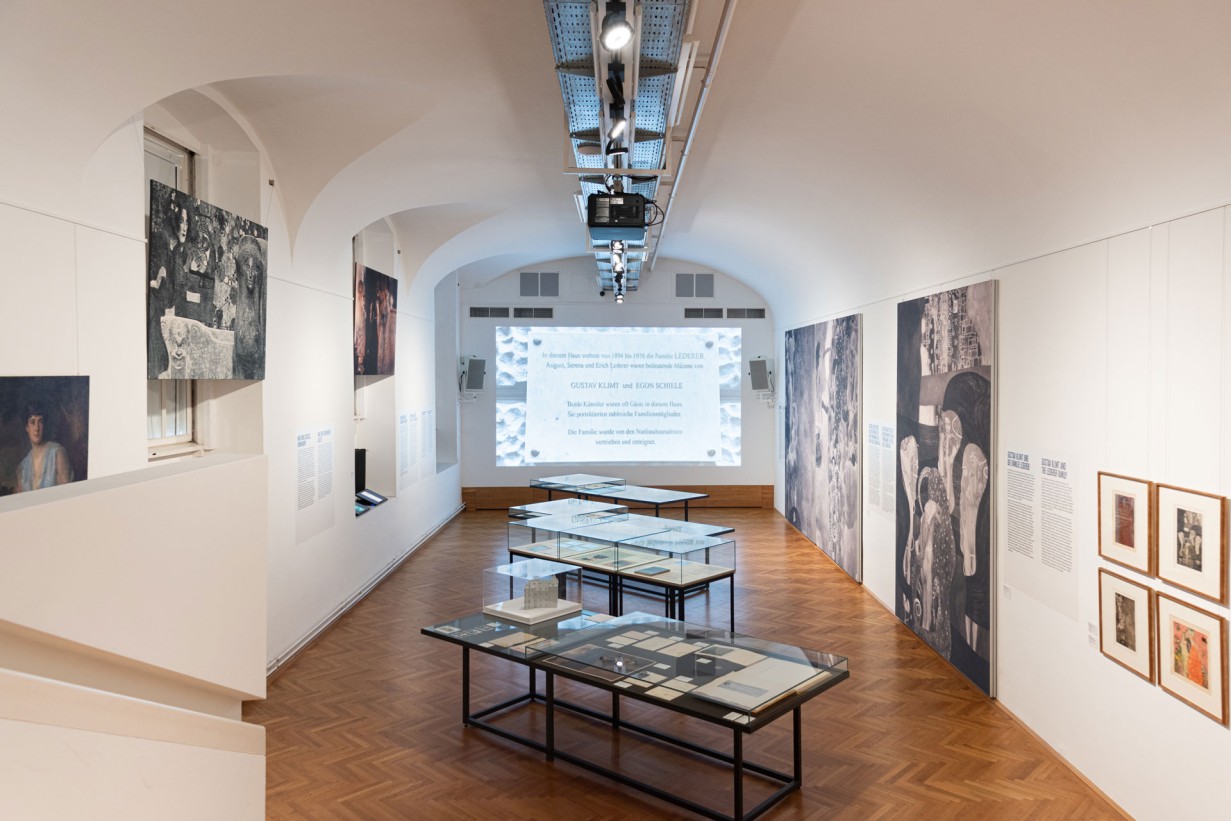
8 May 1945 not only marks the end of the Second World War, it also stands for one of the greatest losses in cultural assets in Austrian history, triggered by a devastating fire that ravaged Immendorf Castle in Lower Austria. Even today, the events surrounding the fire in the country seat of the Freudenthal family, which served as a valuable and seemingly safe art storage depot in the Second World War, have not been fully clarified. The exhibition offers profound insight into the sheer scale of the disaster.
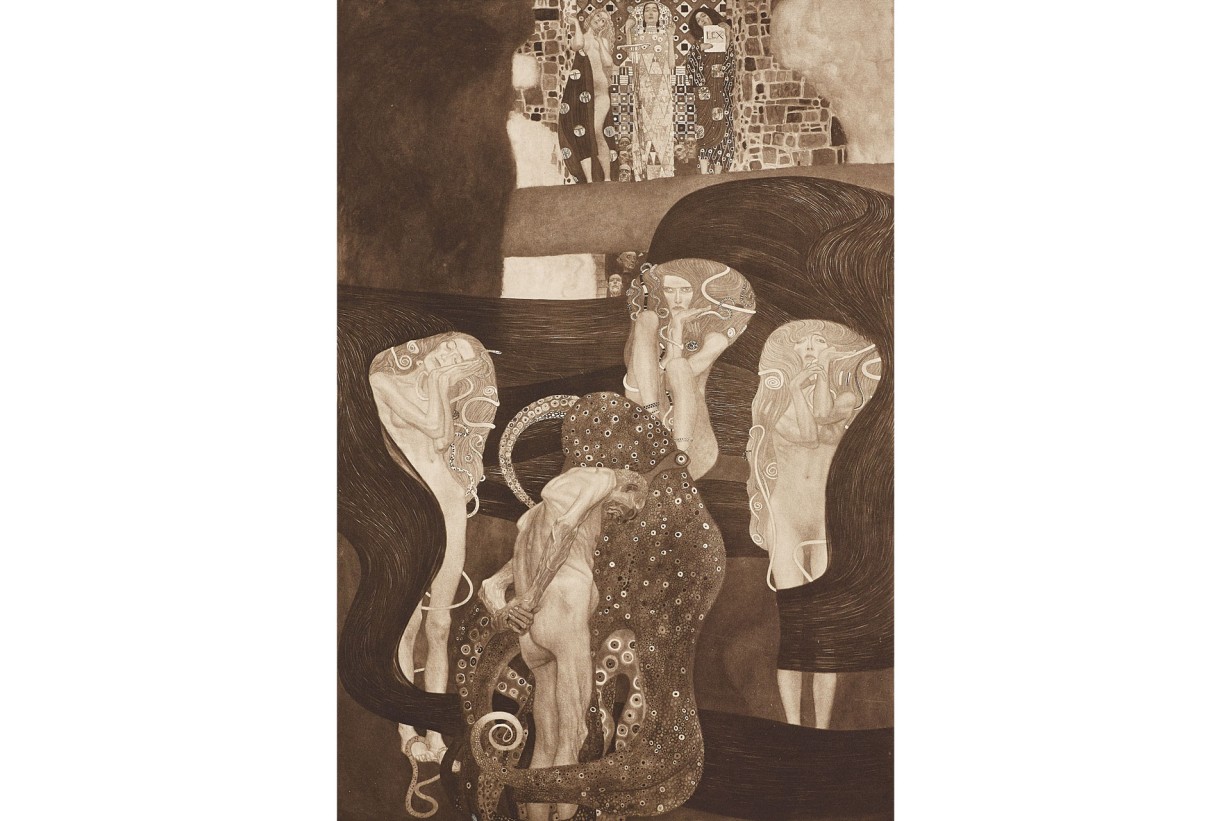
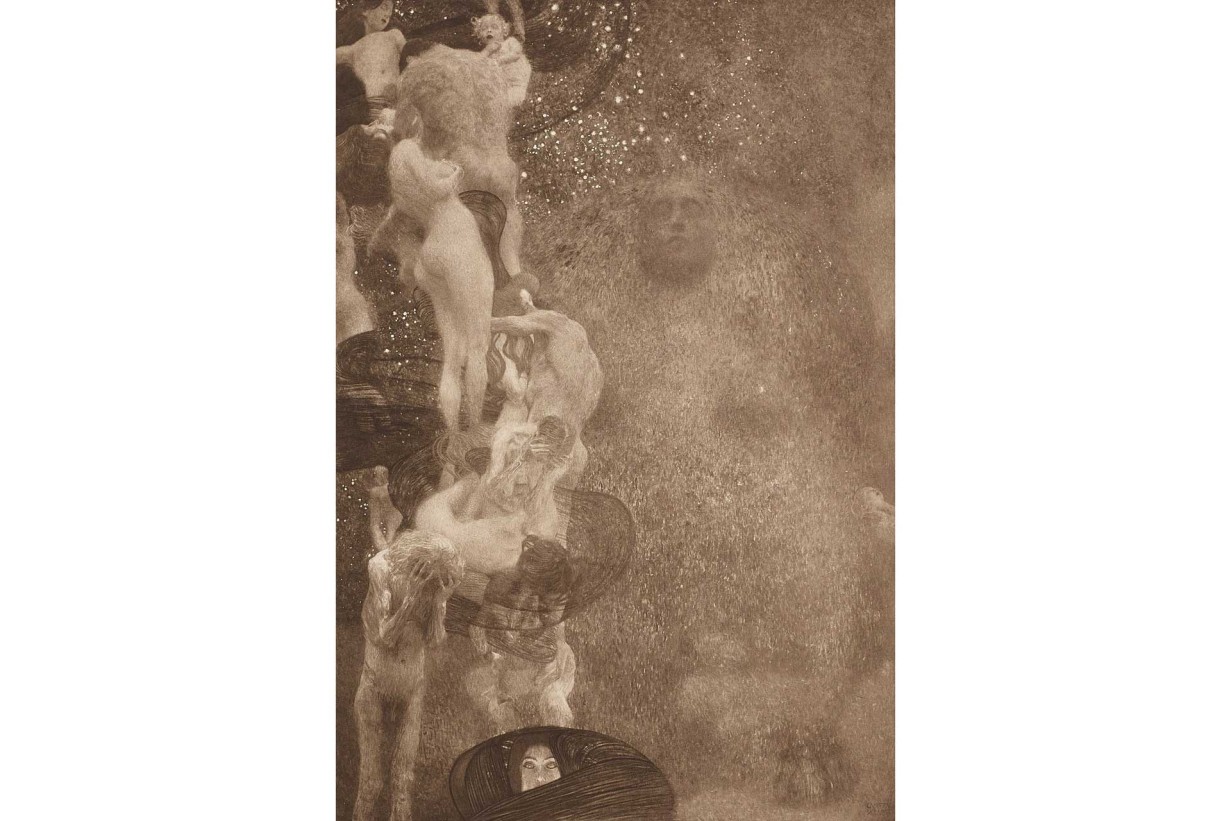
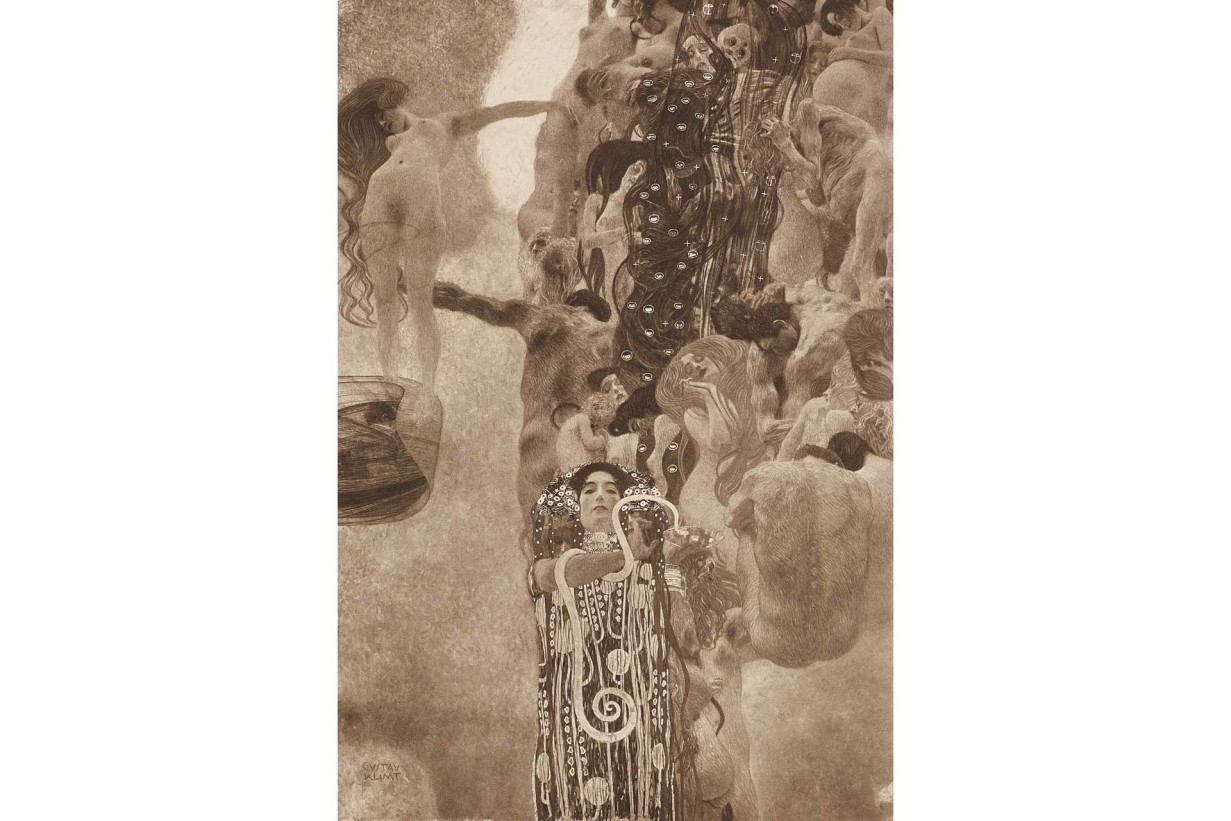
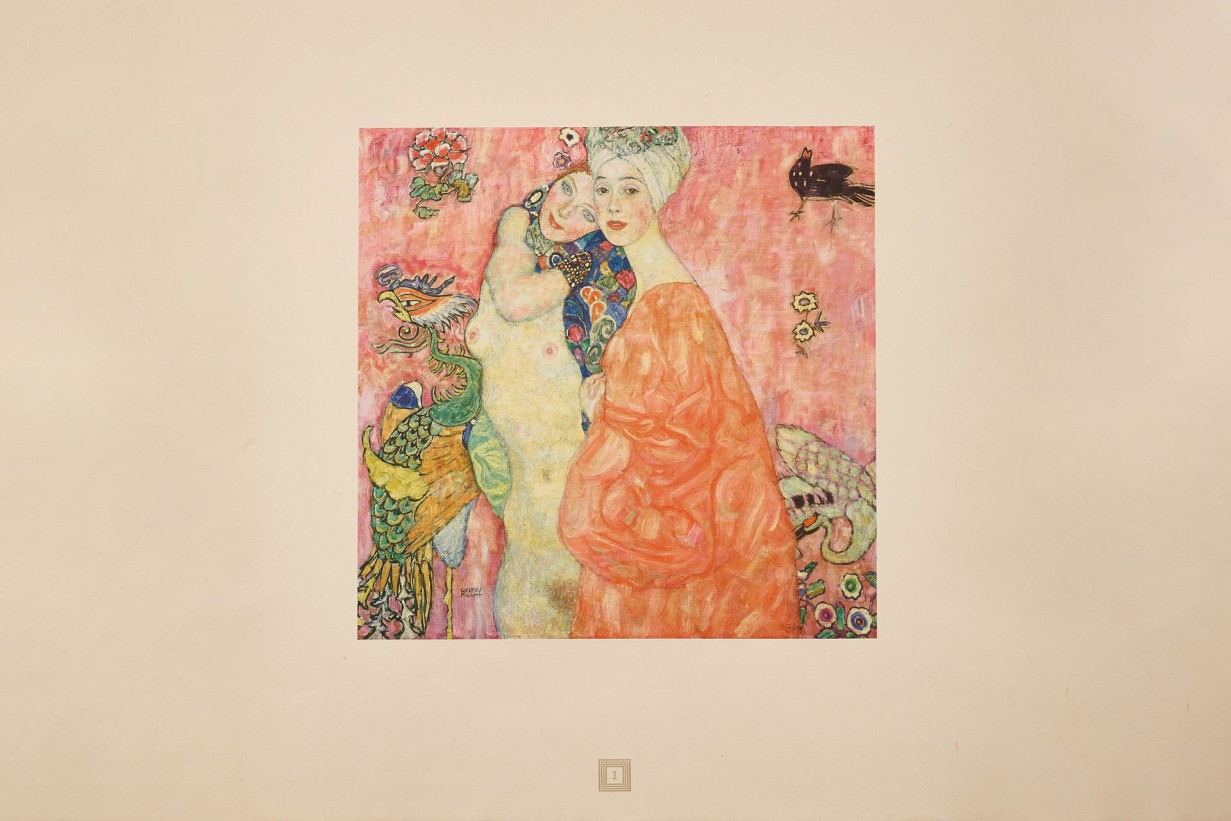
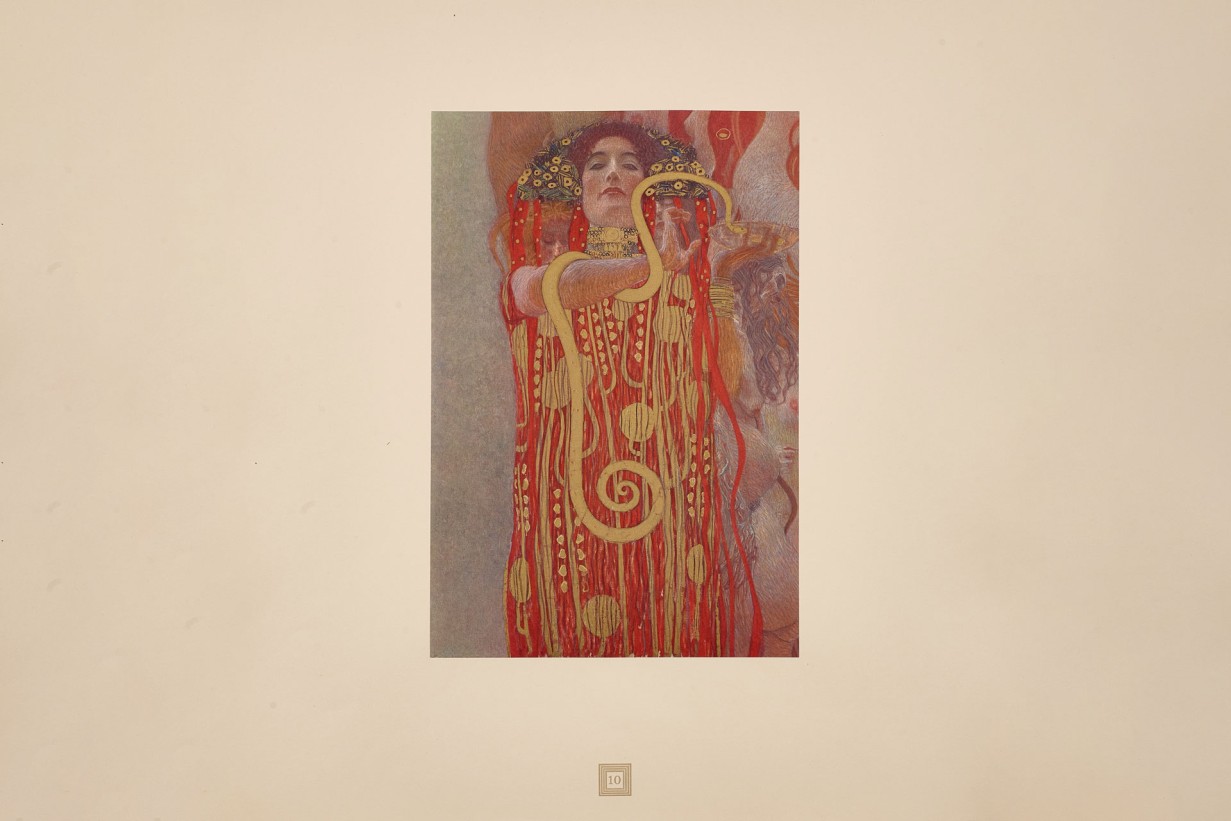
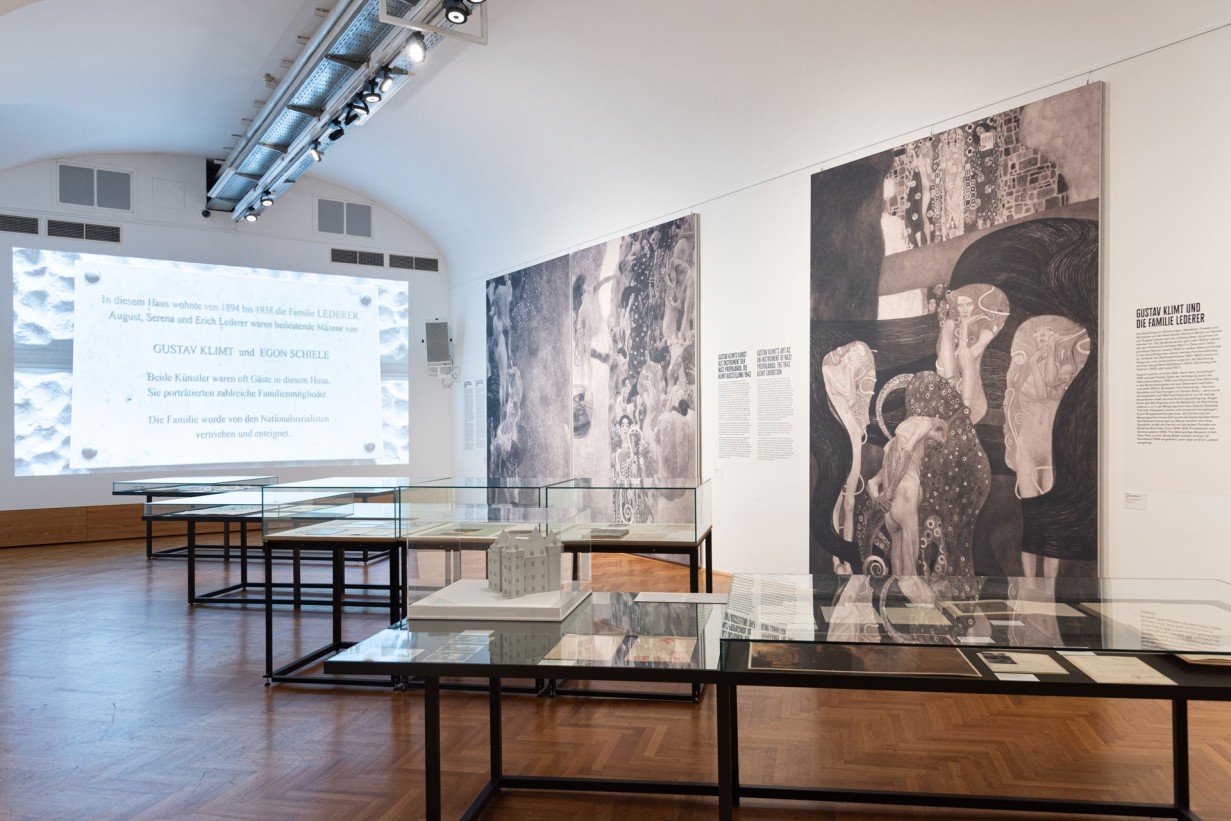
In addition to the three faculty paintings for the Main Ceremonial Hall of the University of Vienna with the corresponding composition designs, the works that were burned include the overdoor paintings Music (1897/98) and Schubert at the Piano (1899) from the Palais of Nikolaus Dumba on Vienna’s Ringstraße as well as the paintings The Golden Apple Tree (1903), Country Garden with Calvary (1912), Wally (1916), Friends II (1916/17), Garden Path with Chickens (1916), and Leda (1917) from the expropriated collection of August and Serena Lederer.
In addition to the three faculty paintings for the Main Ceremonial Hall of the University of Vienna with the corresponding composition designs, the works that were burned include the overdoor paintings Music (1897/98) and Schubert at the Piano (1899) from the Palais of Nikolaus Dumba on Vienna’s Ringstraße as well as the paintings The Golden Apple Tree (1903), Country Garden with Calvary (1912), Wally (1916), Friends II (1916/17), Garden Path with Chickens (1916), and Leda (1917) from the expropriated collection of August and Serena Lederer.
© Klimt Foundation, Vienna
© Klimt Foundation, Vienna
© Klimt Foundation, Vienna
© Klimt Foundation, Vienna
© Klimt Foundation, Vienna
© Klimt Foundation, Vienna
© Klimt Foundation, Vienna

© Klimt Foundation, Vienna
© MAK/Georg Mayer
© MAK
© MAK
© MAK/Stella Riessland
© MAK/Stella Riessland
© MAK/Stella Riessland
© MAK/Stella Riessland

© MAK/Stella Riessland
© MAK/Stella Riessland
© MAK/Stella Riessland
Previous Image
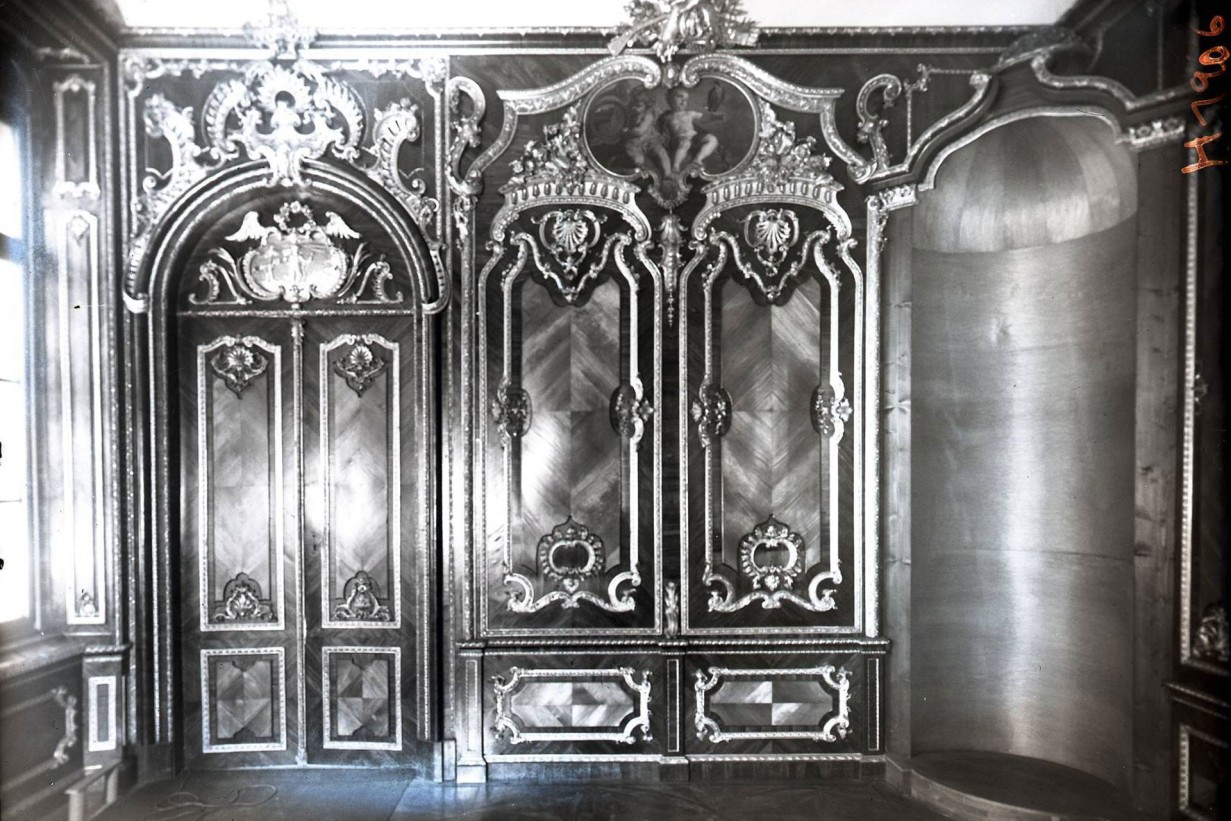
The State Arts and Crafts Museum in Vienna (now the MAK) lost to the flames: the Laxenburg Room stored in Immendorf Castle, various objects from the MAK Asia Collection, arts and crafts from the early modern period, over fifty pieces of furniture, leather wallpaper, twelve carpets, and the Möchling Tomb, a wooden shrine carved in the shape of a Gothic church from the 15th century.
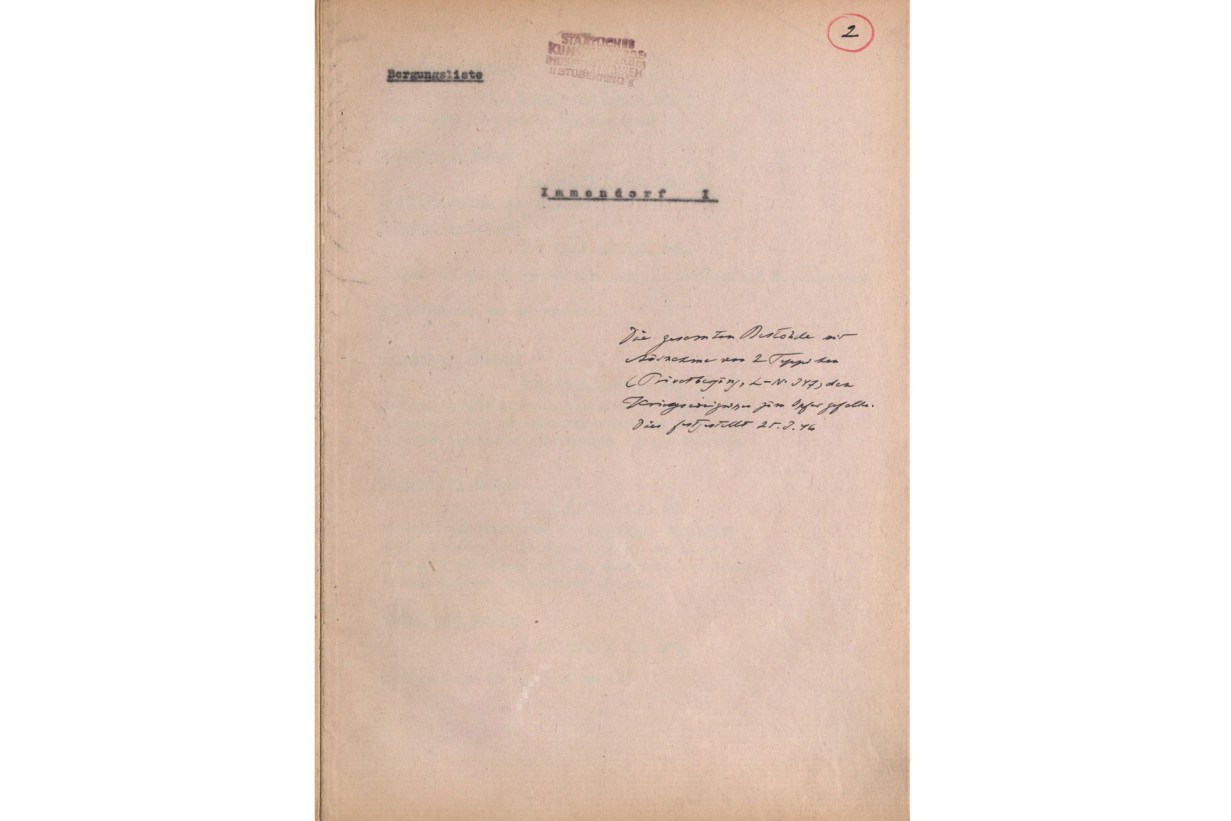
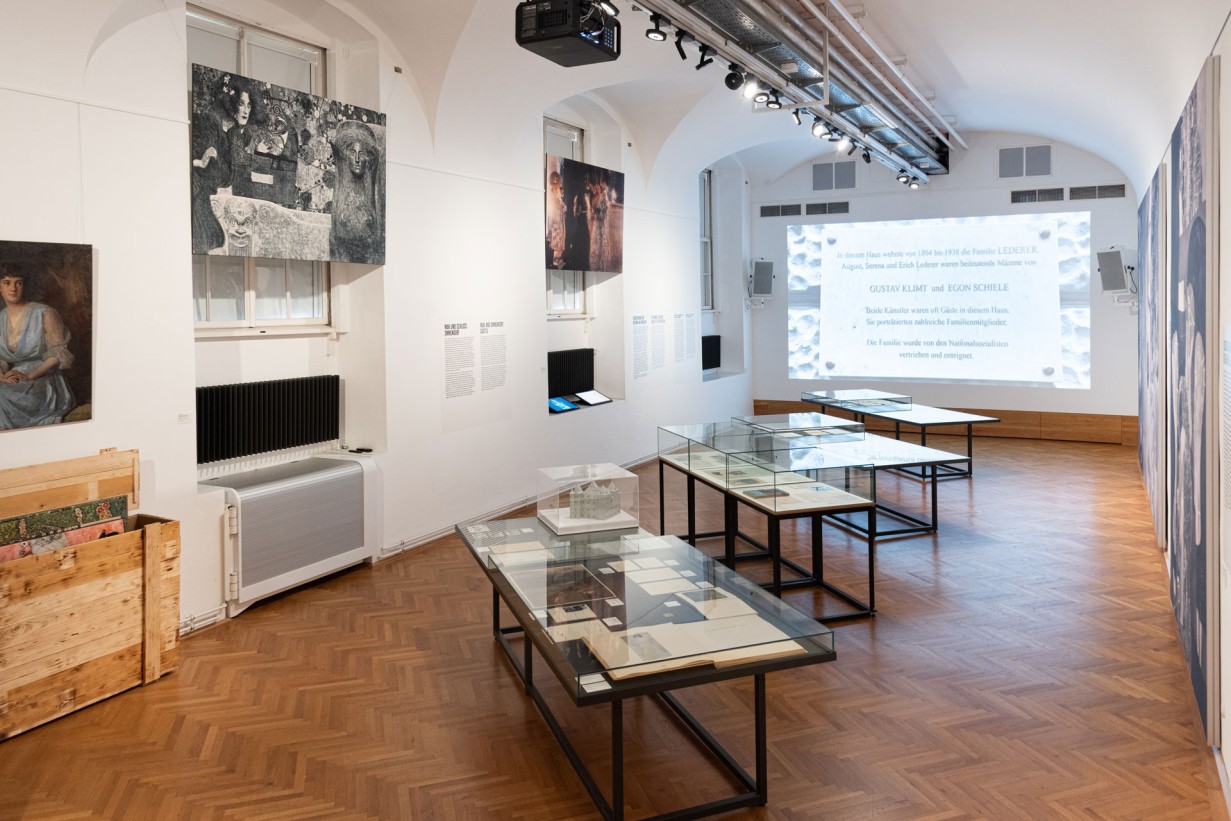
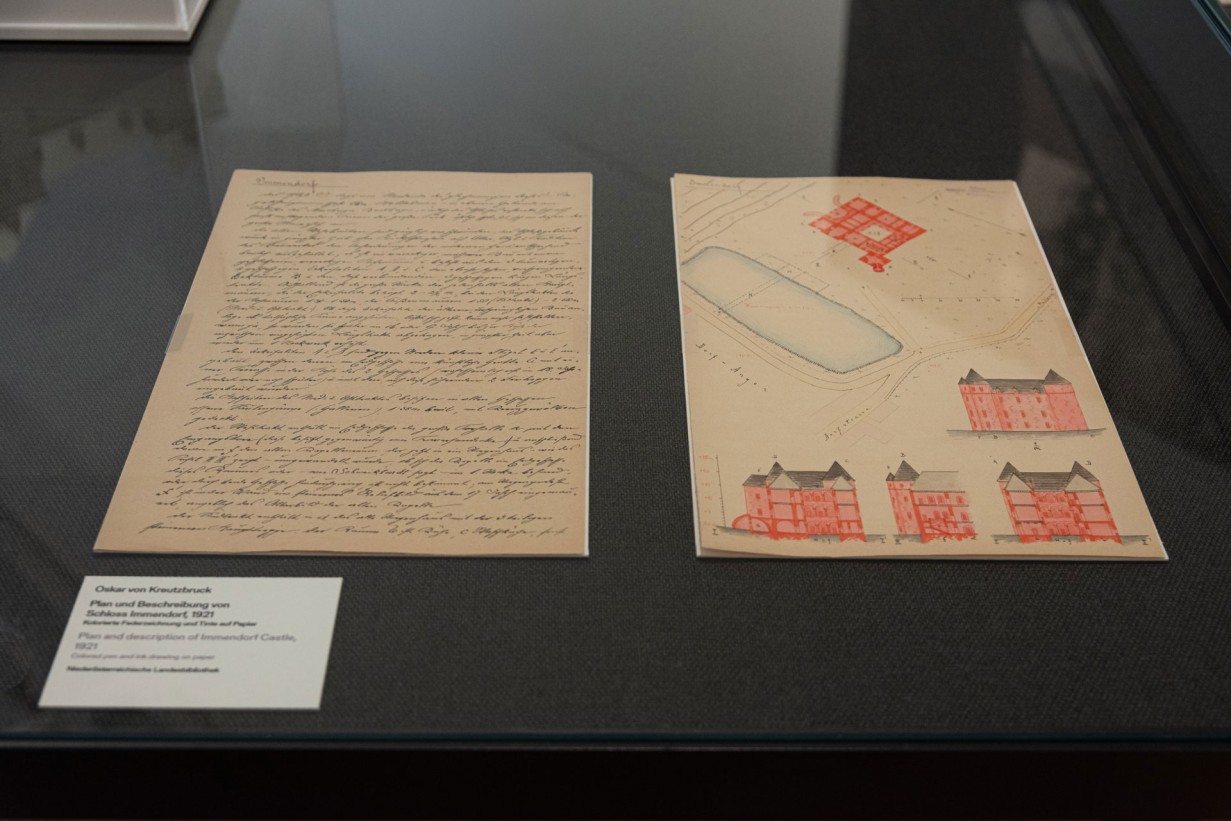
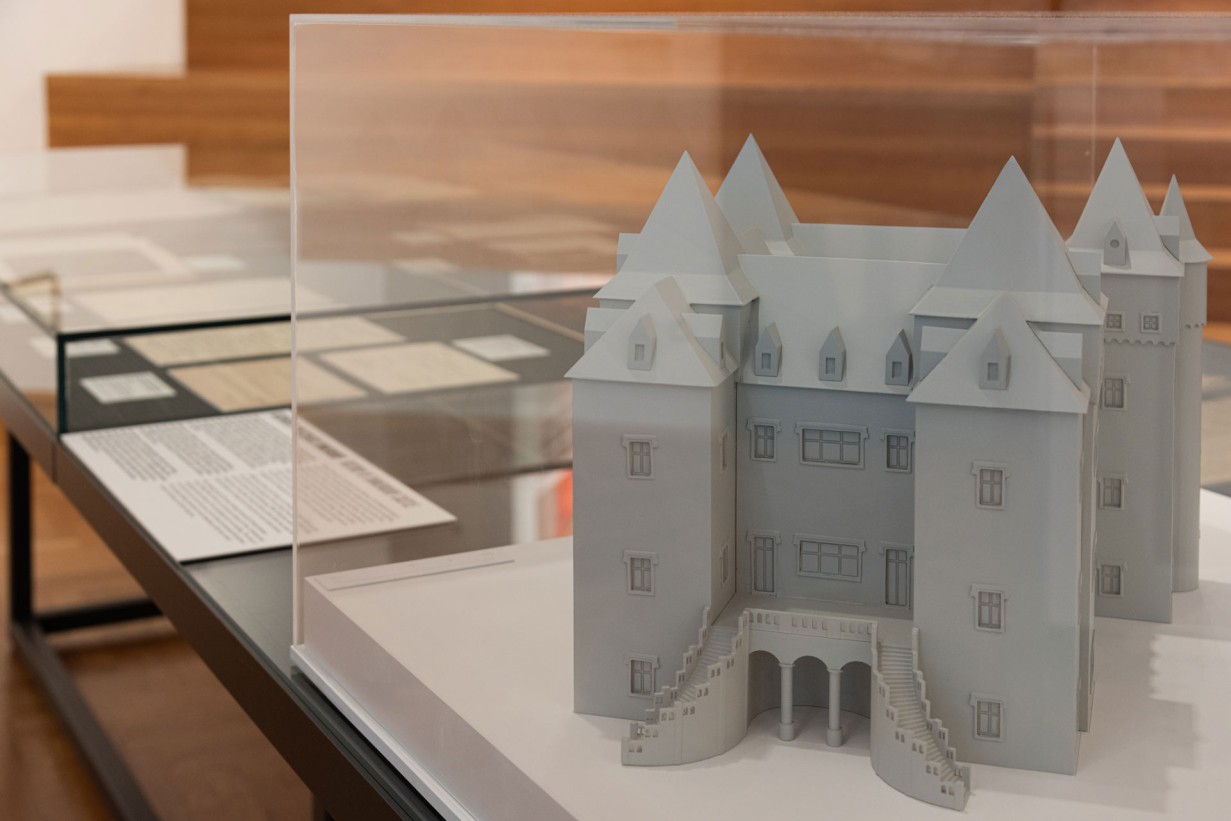
Alongside original plans and a new architectural model of the castle, the exhibition will show a new film documentary on the events at Immendorf Castle with interviews with witnesses of the period. Original documents such as recovery lists kept at the MAK and valuable archive material provide further profound insights into the events.
Guest Curator: Peter Weinhäupl, Director, Klimt Foundation, Vienna
Curator: Rainald Franz, Curator of the exhibition and Curator MAK Glass and Ceramics Collection
Alongside original plans and a new architectural model of the castle, the exhibition will show a new film documentary on the events at Immendorf Castle with interviews with witnesses of the period. Original documents such as recovery lists kept at the MAK and valuable archive material provide further profound insights into the events.
Guest Curator: Peter Weinhäupl, Director, Klimt Foundation, Vienna
Curator: Rainald Franz, Curator of the exhibition and Curator MAK Glass and Ceramics Collection
Media
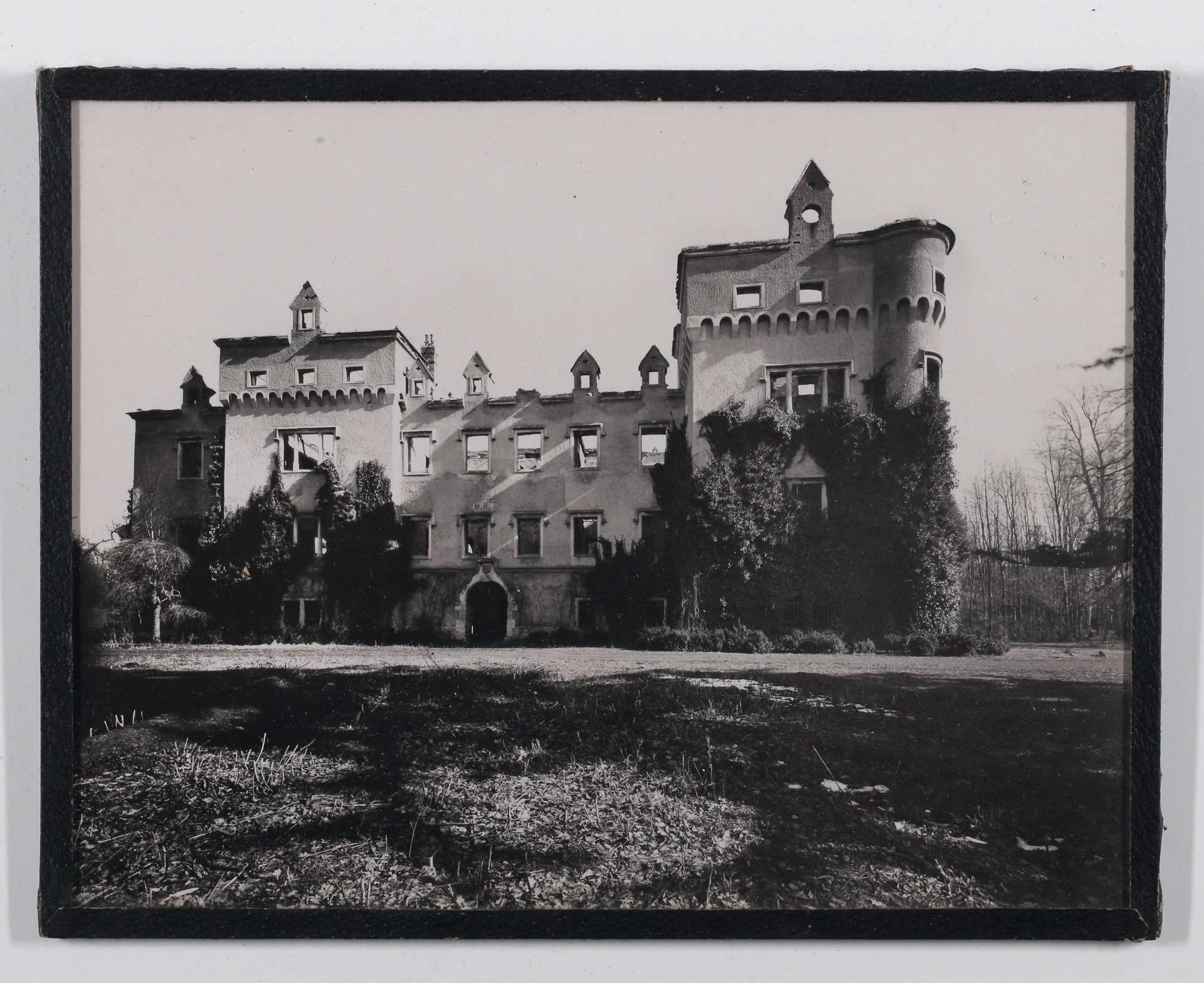
The fire ruins of Schloss Immendorf, ca. 1950 Private collection © Klimt Foundation, Vienna
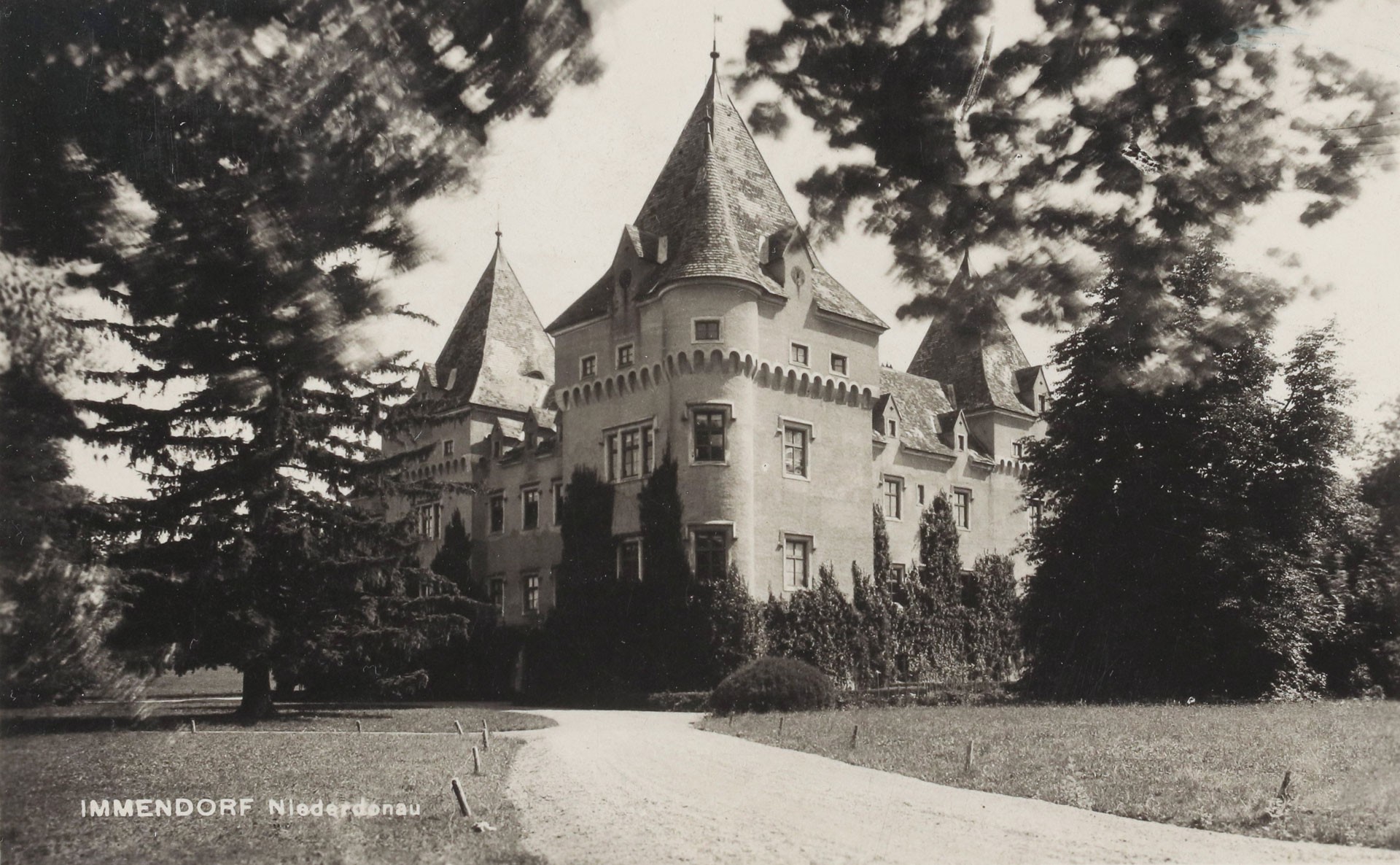
Postcard “Schloss Immendorf”, ca. 1940 Klimt-Foundation, Vienna © Klimt Foundation, Vienna
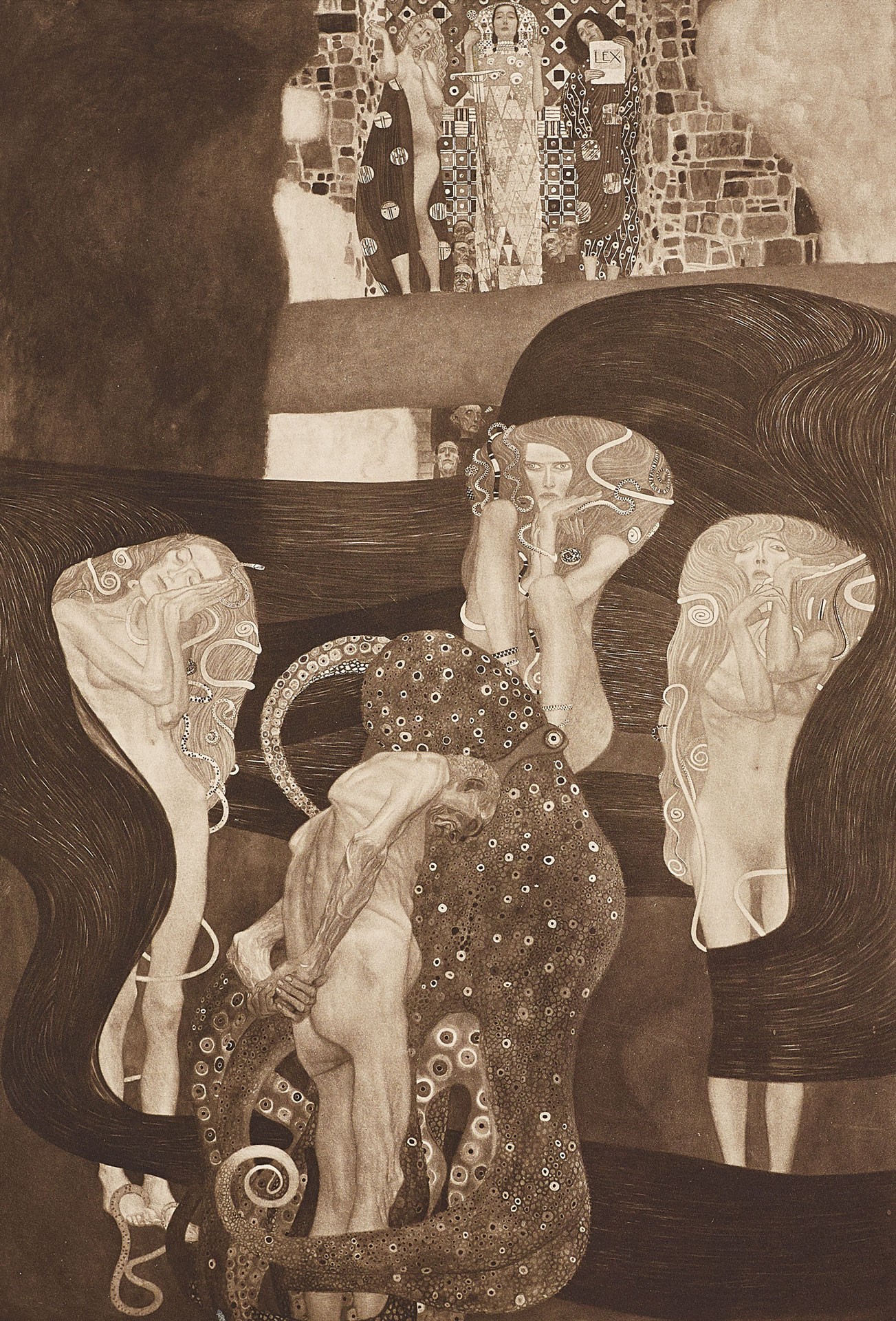
Gustav Klimt, Jurisprudence, 1903 Photogravure from the portfolio The Work of Gustav Klimt, published by Kunstverlag Hugo Heller, Vienna/Leipzig, 1917/18 © Klimt Foundation, Vienna
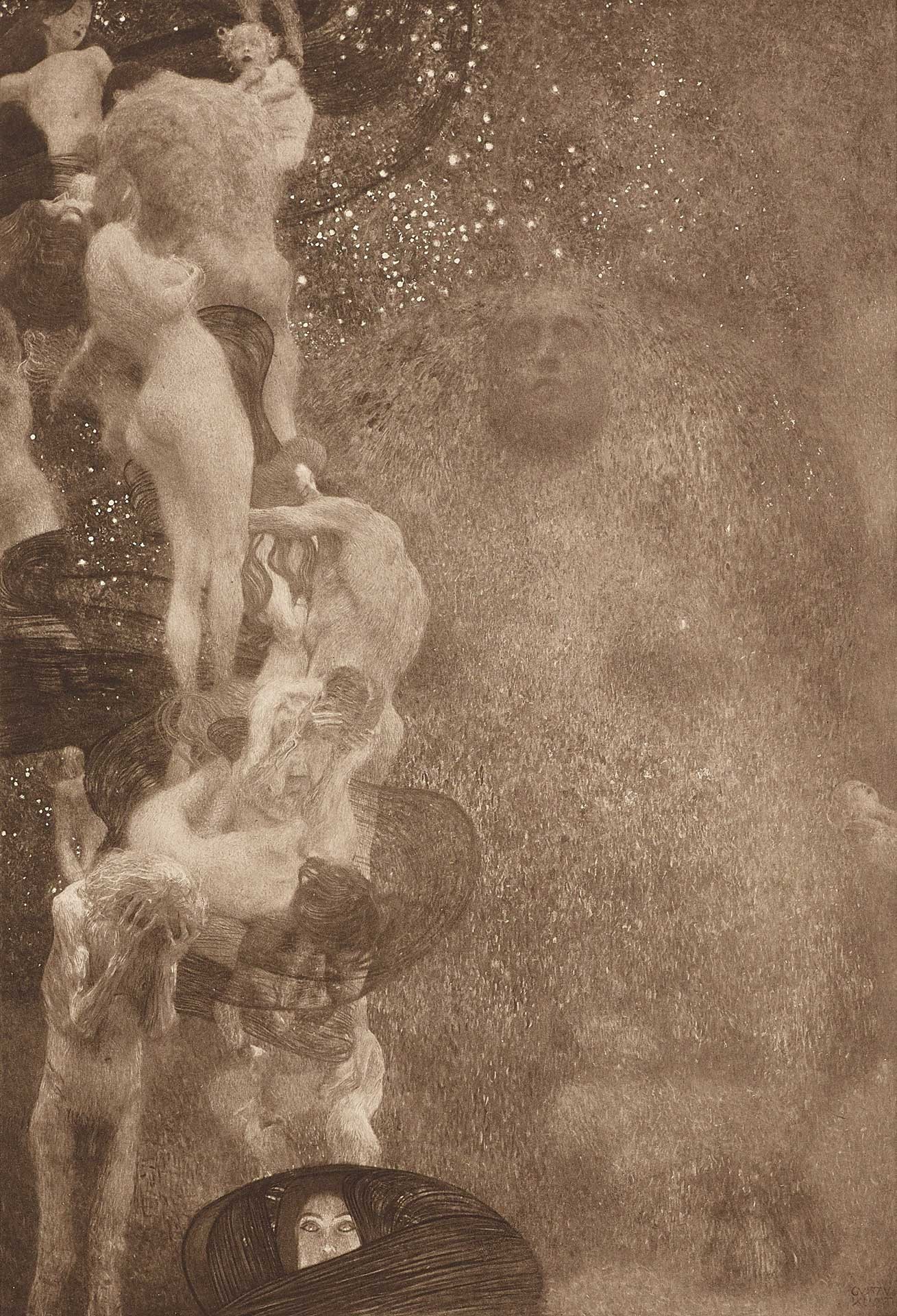
Gustav Klimt, Philosophy, 1900−1907 Photogravure from the portfolio The Work of Gustav Klimt, published by Kunstverlag Hugo Heller, Vienna/Leipzig, 1917/18 © Klimt Foundation, Vienna
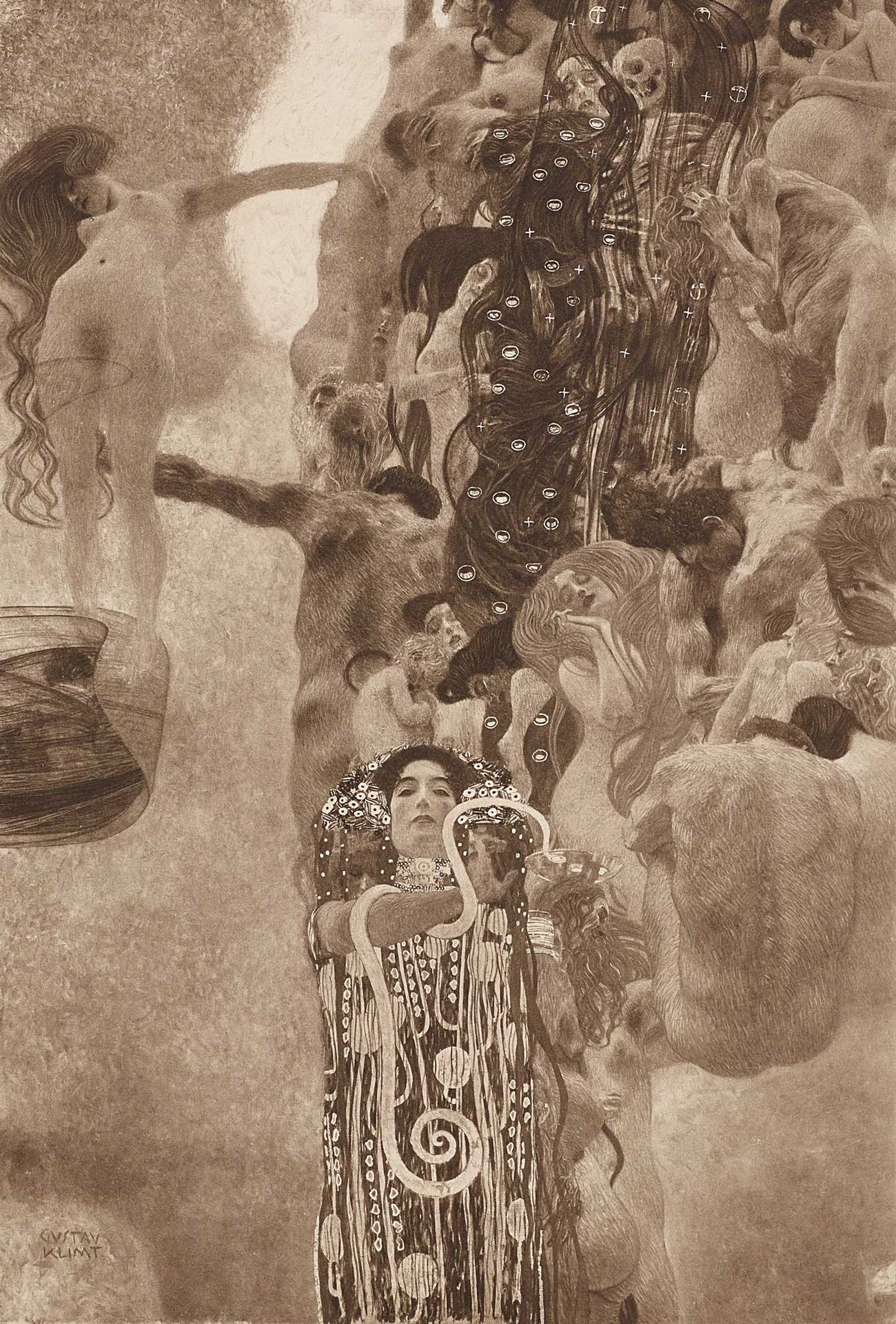
Gustav Klimt, Medicine, 1900−1907 Photogravure from the portfolio The Work of Gustav Klimt, published by Kunstverlag Hugo Heller, Vienna/Leipzig, 1917/18 © Klimt Foundation, Vienna
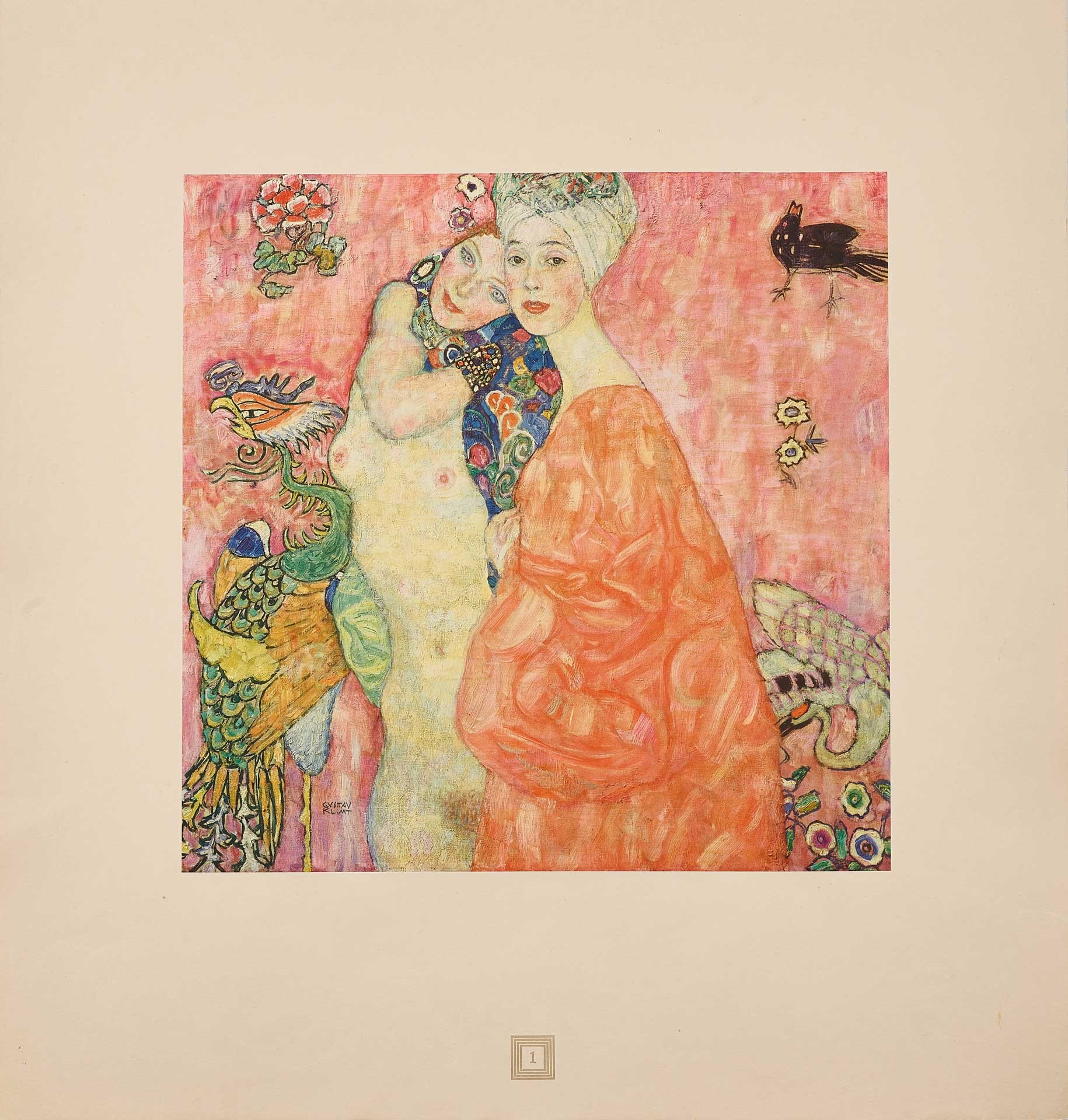
Gustav Klimt, Women Friends II, 1916/17 Color collotype from the portfolio Gustav Klimt. A Review, published by Max Eisler, Druck und Verlag der Österreichischen Staatsdruckerei, Vienna, 1931 © Klimt Foundation, Vienna © Klimt Foundation, Vienna
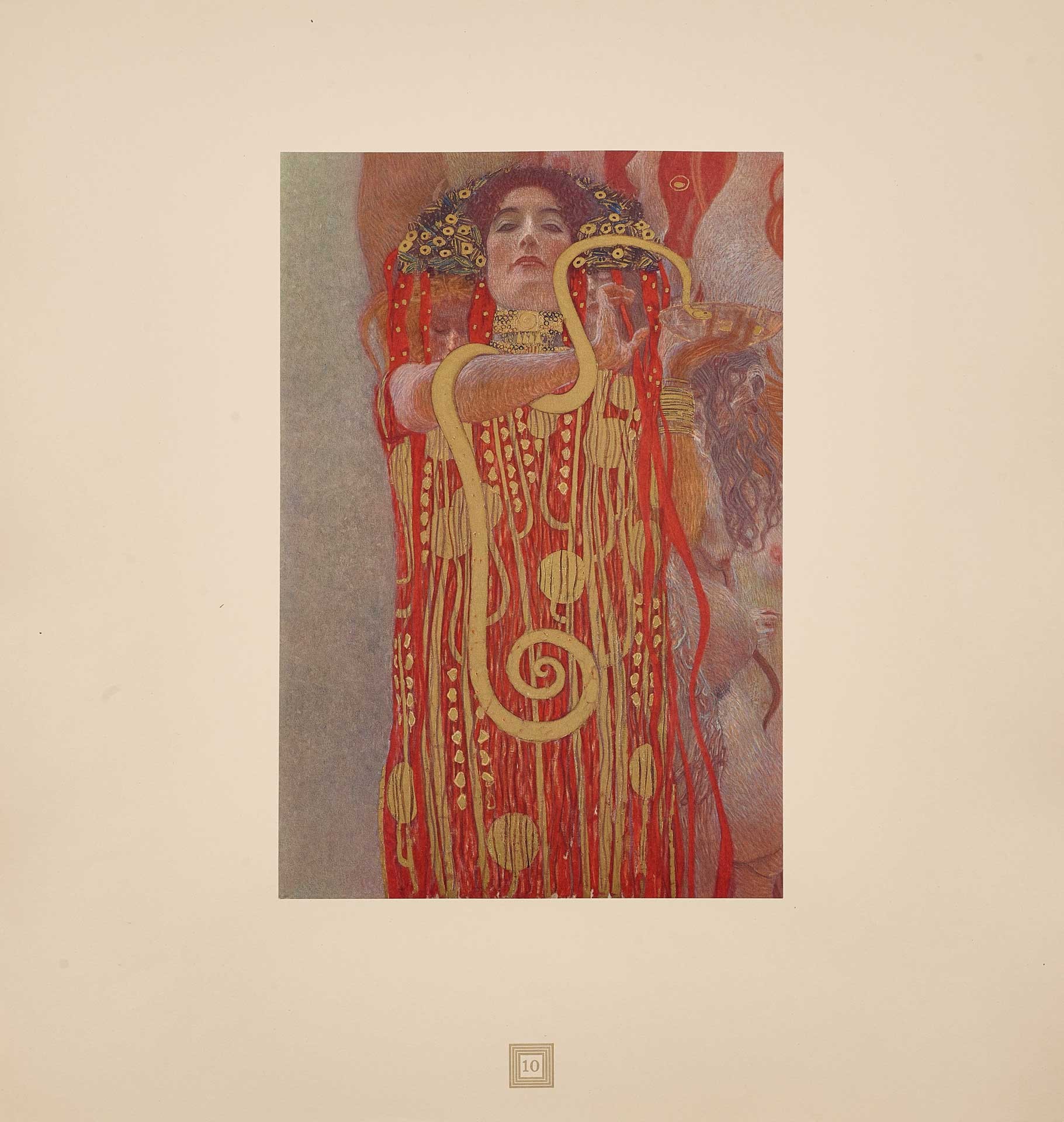
Gustav Klimt, Hygieia—detail from the faculty painting Medicine, 1900−1907 Color collotype from the portfolio Gustav Klimt. A Review, published by Max Eisler, Druck und Verlag der Österreichischen Staatsdruckerei, Vienna, 1931 © Klimt Foundation, Vienna
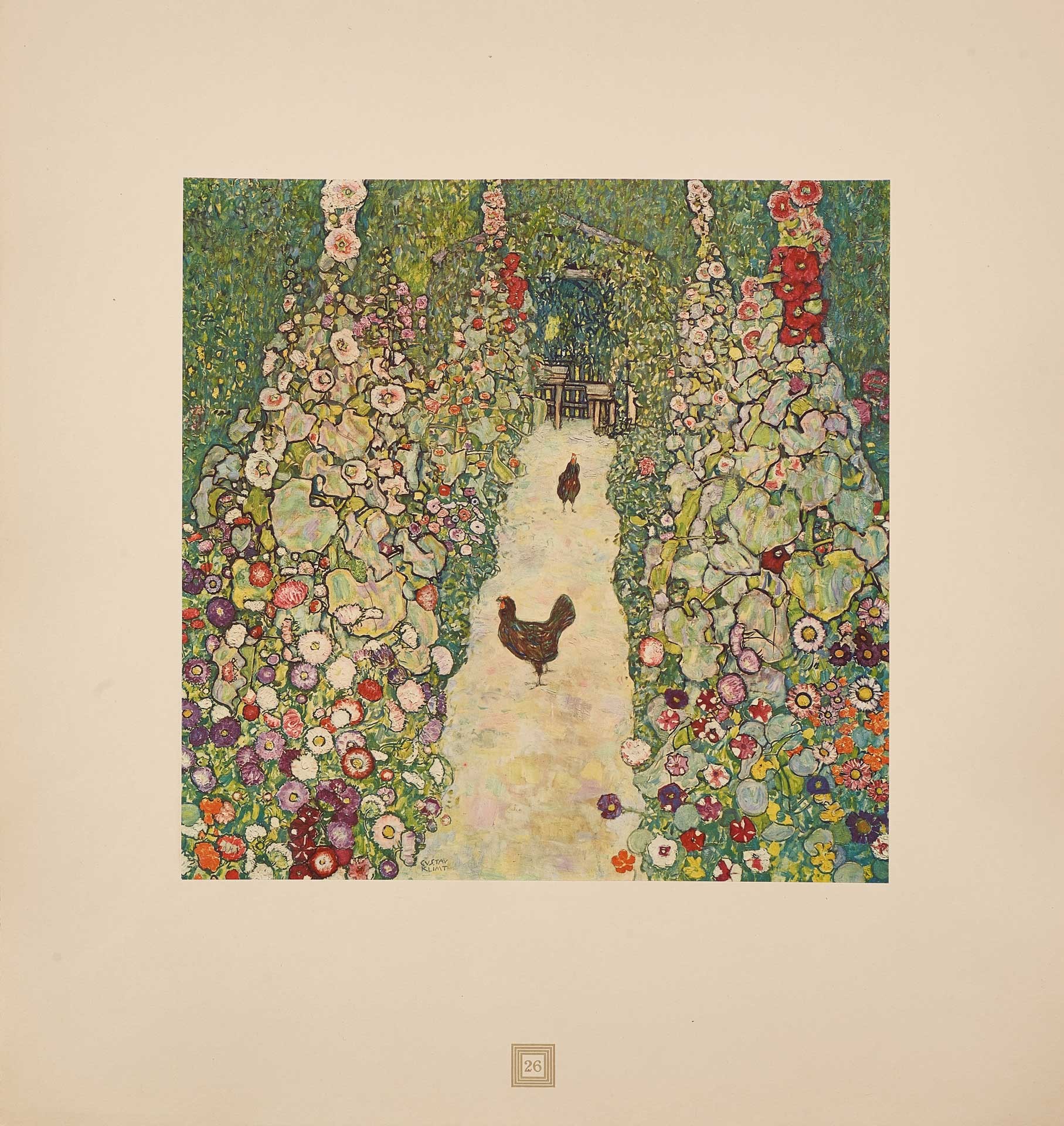
Gustav Klimt, Garden Path with Chickens, 1916 Color collotype from the portfolio Gustav Klimt. A Review, published by Max Eisler, Druck und Verlag der Österreichischen Staatsdruckerei, Vienna, 1931 © Klimt Foundation, Vienna
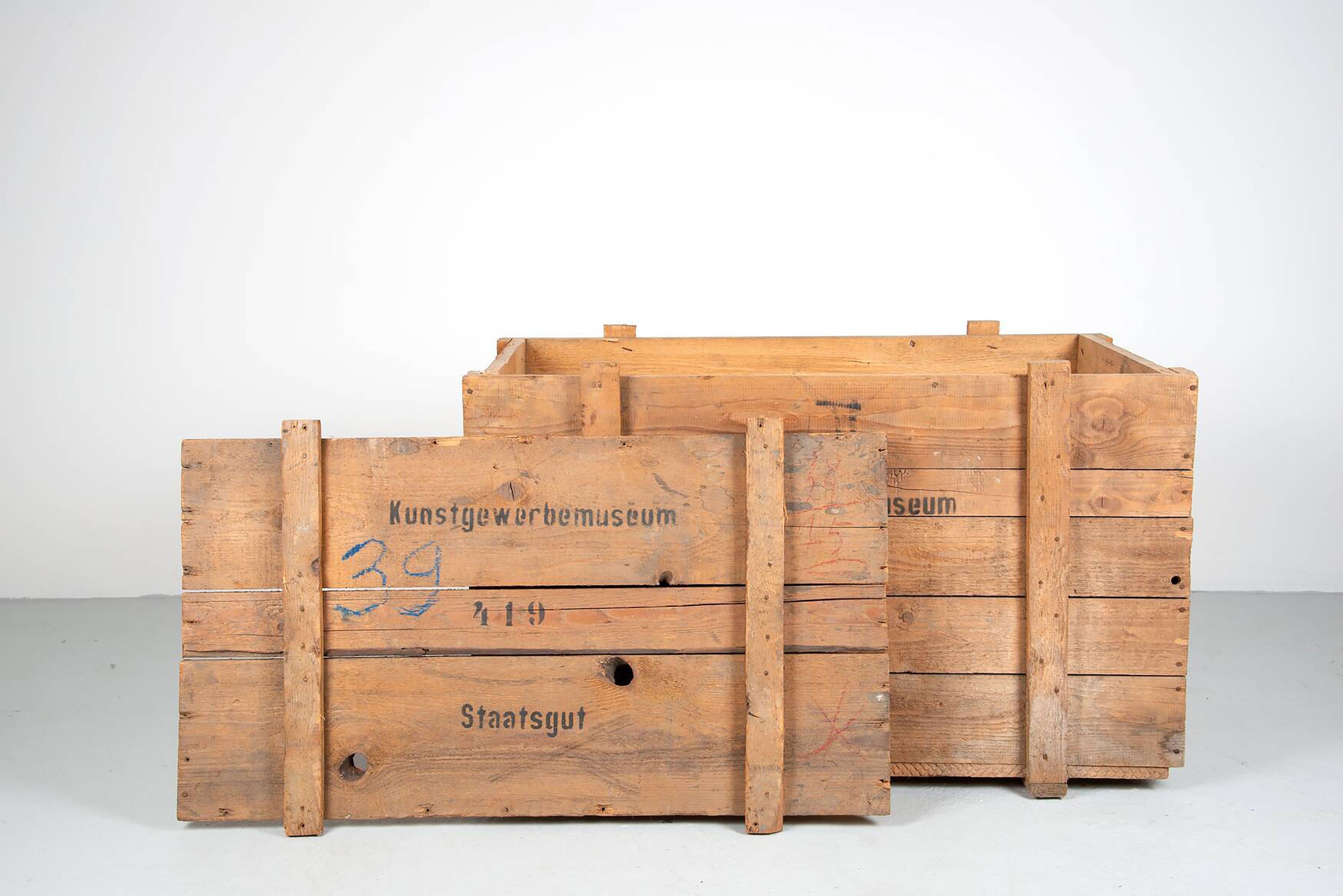
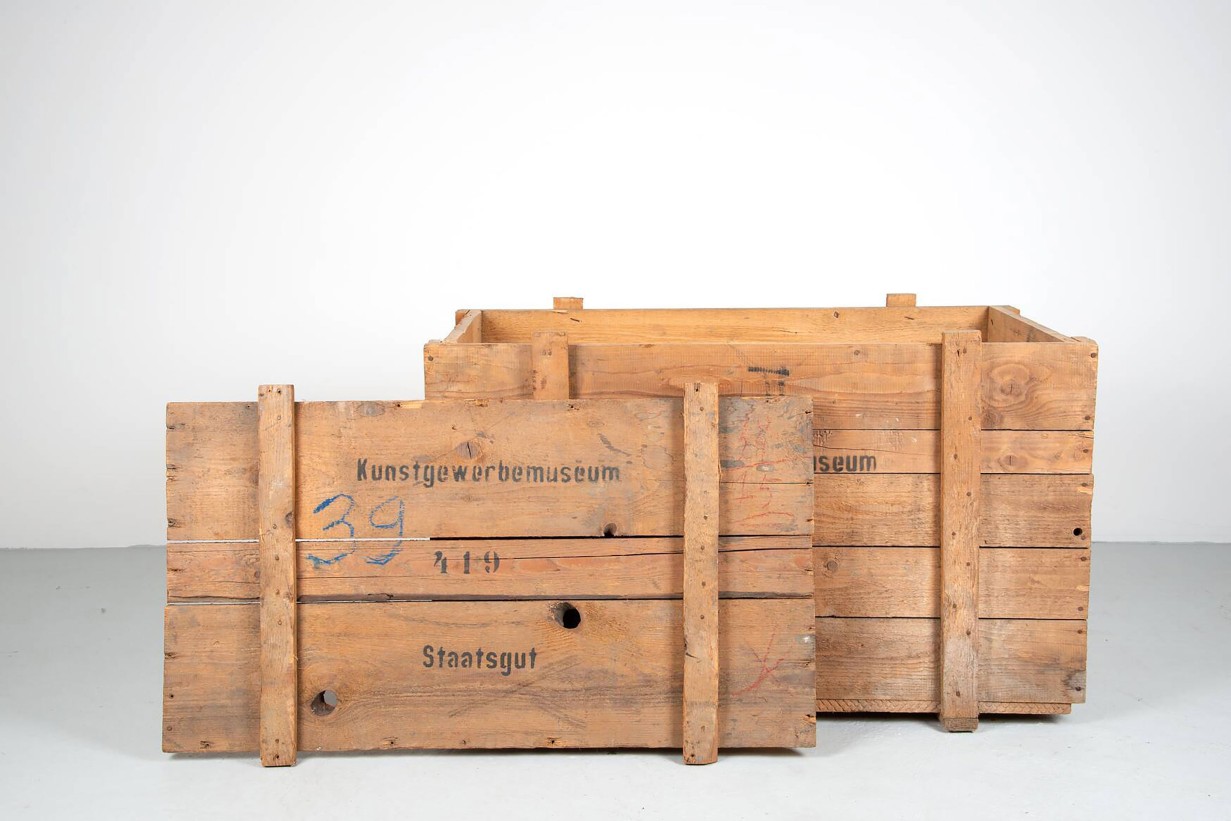
Recovery box of the State Arts and Crafts Museum in Vienna MAK, Inv. no. SOH-249-1 © MAK/Georg Mayer
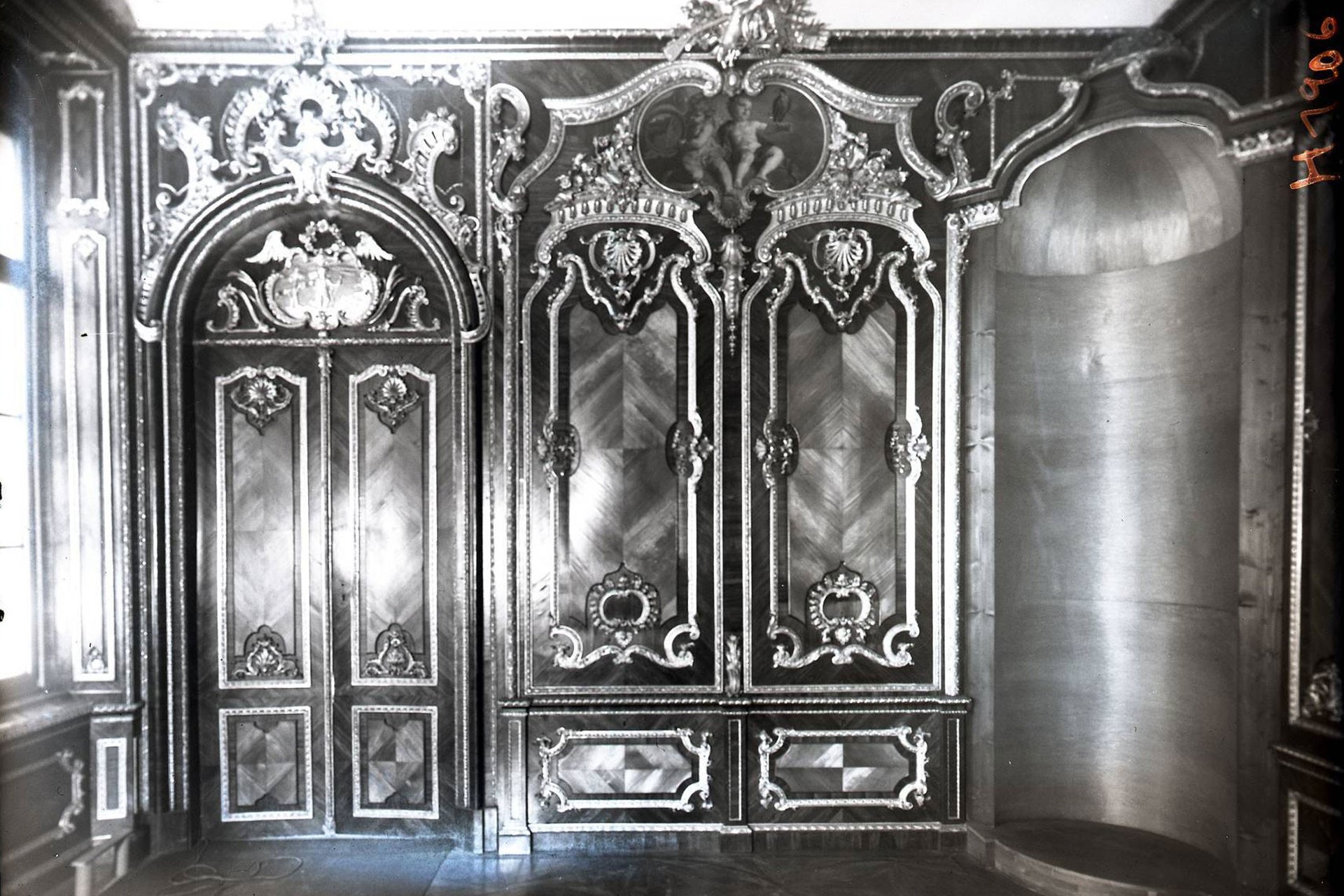
Historical photo of the Laxenburg Room, 1945 MAK, Inv. no. H-1906-104 © MAK
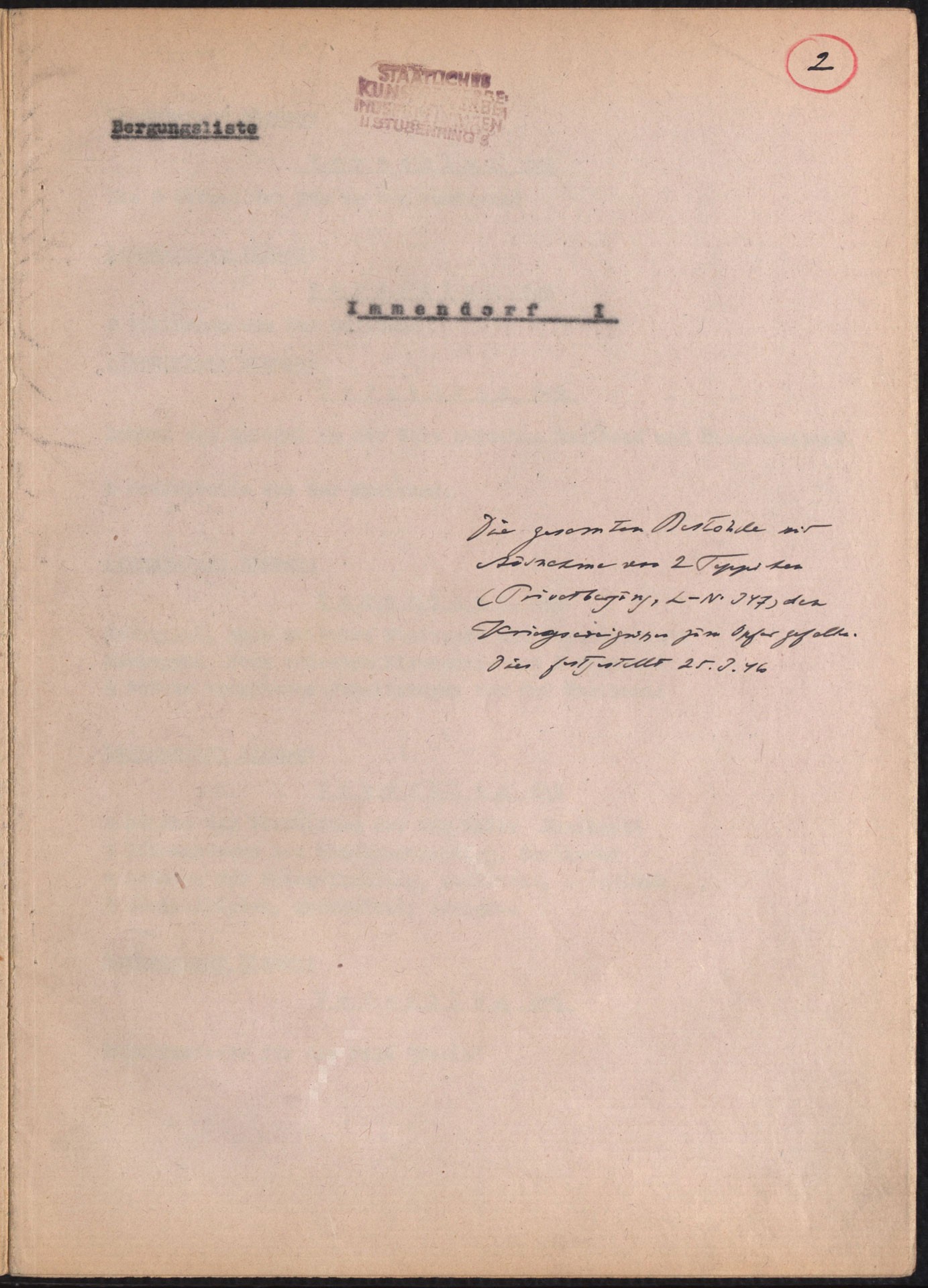
Recovery List 2 of the State Arts and Crafts Museum in Vienna, for Schloss Immendorf with handwritten confirmation of the loss of the objects due to fire,1946 MAK Archive signature SB 11 © MAK
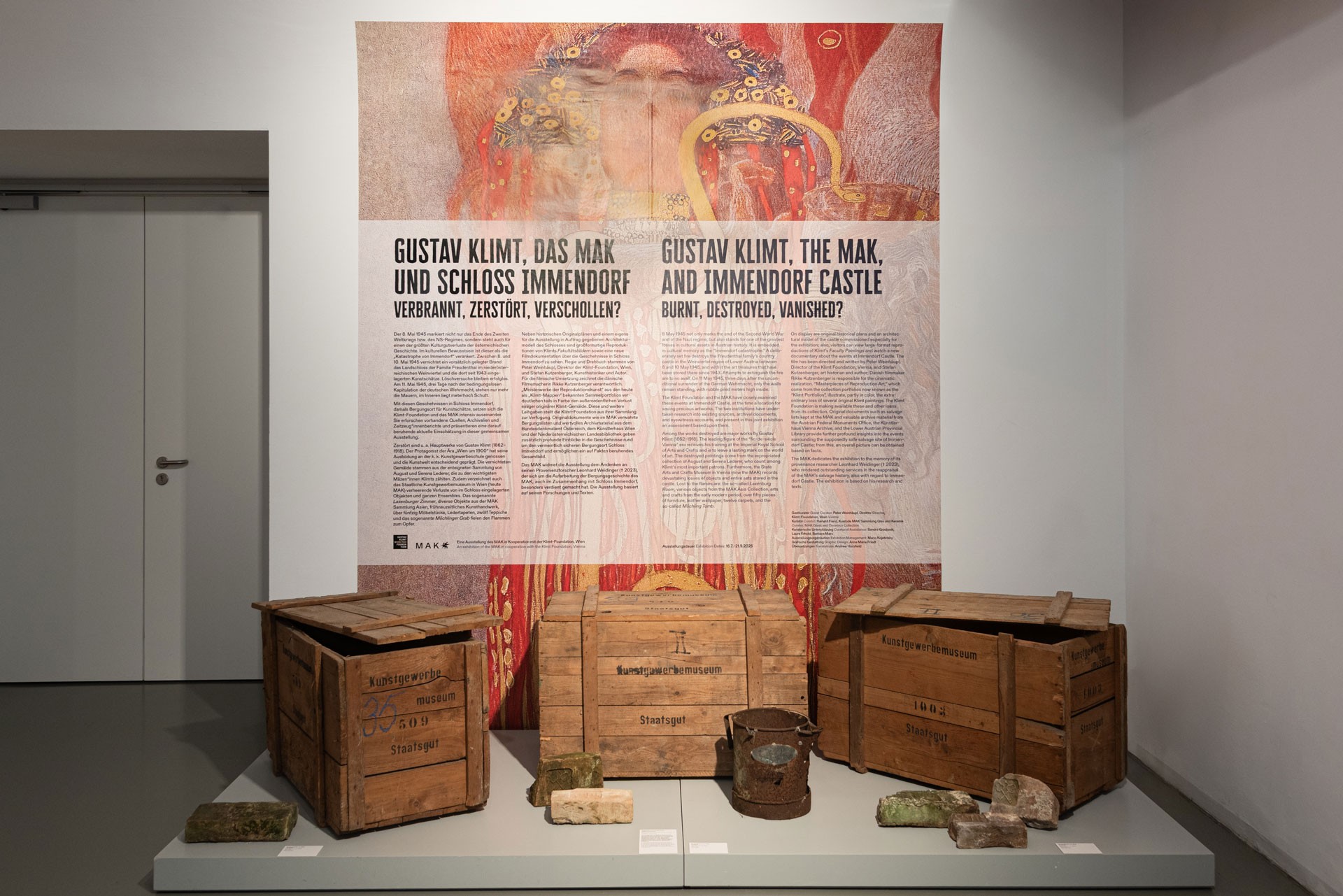
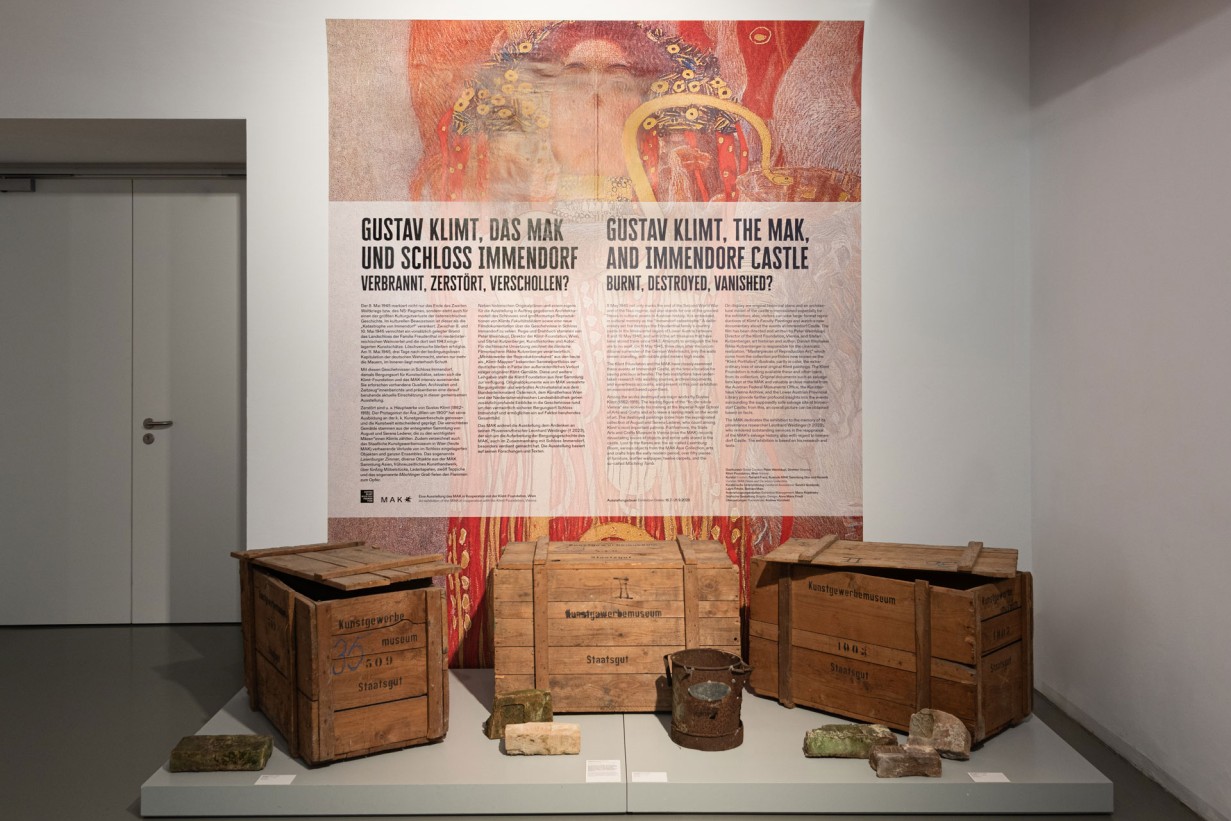
Gustav Klimt, the MAK, and Immendorf Castle: Burnt, Destroyed, Vanished? © MAK/Stella Riessland
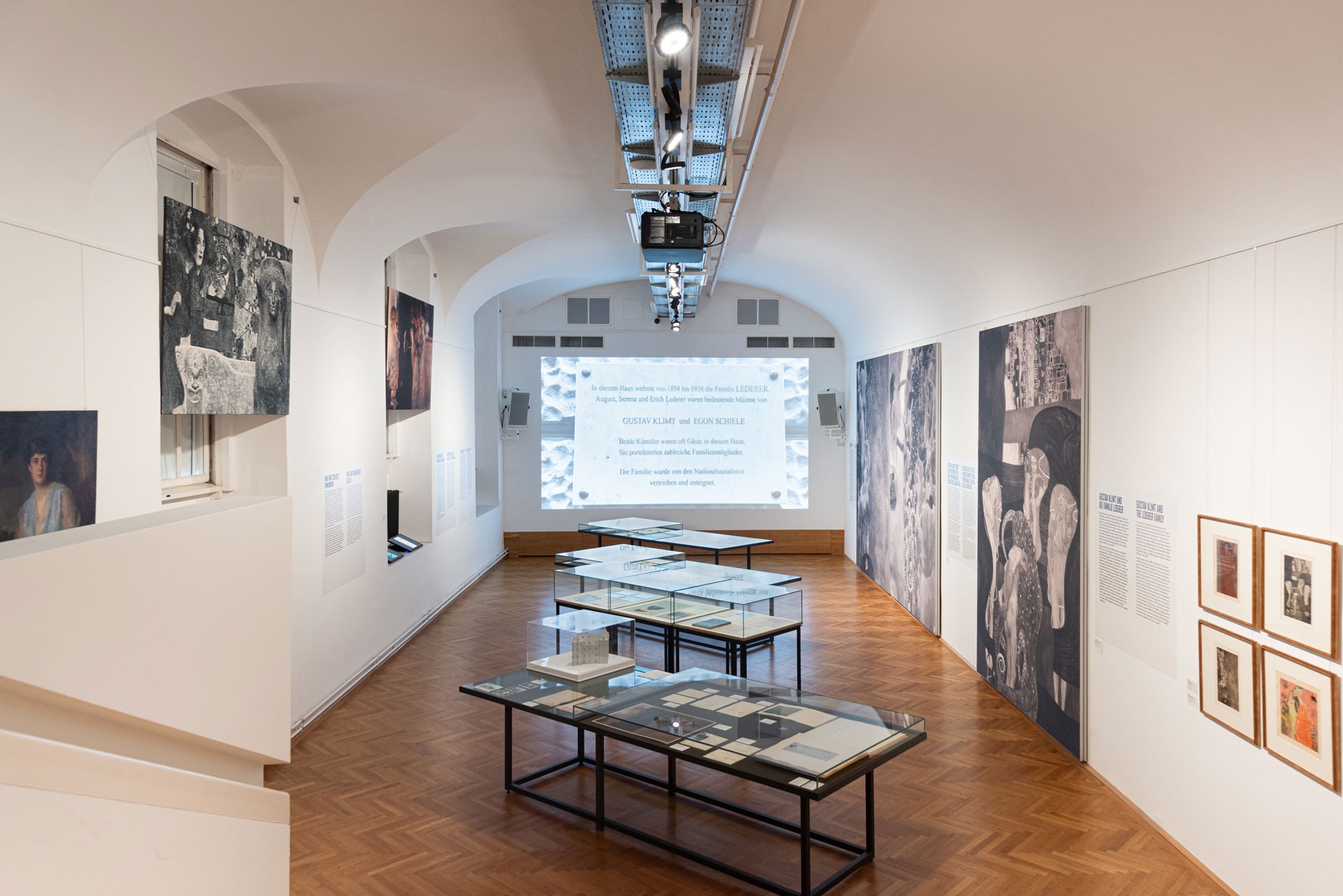
Gustav Klimt, the MAK, and Immendorf Castle: Burnt, Destroyed, Vanished? © MAK/Stella Riessland
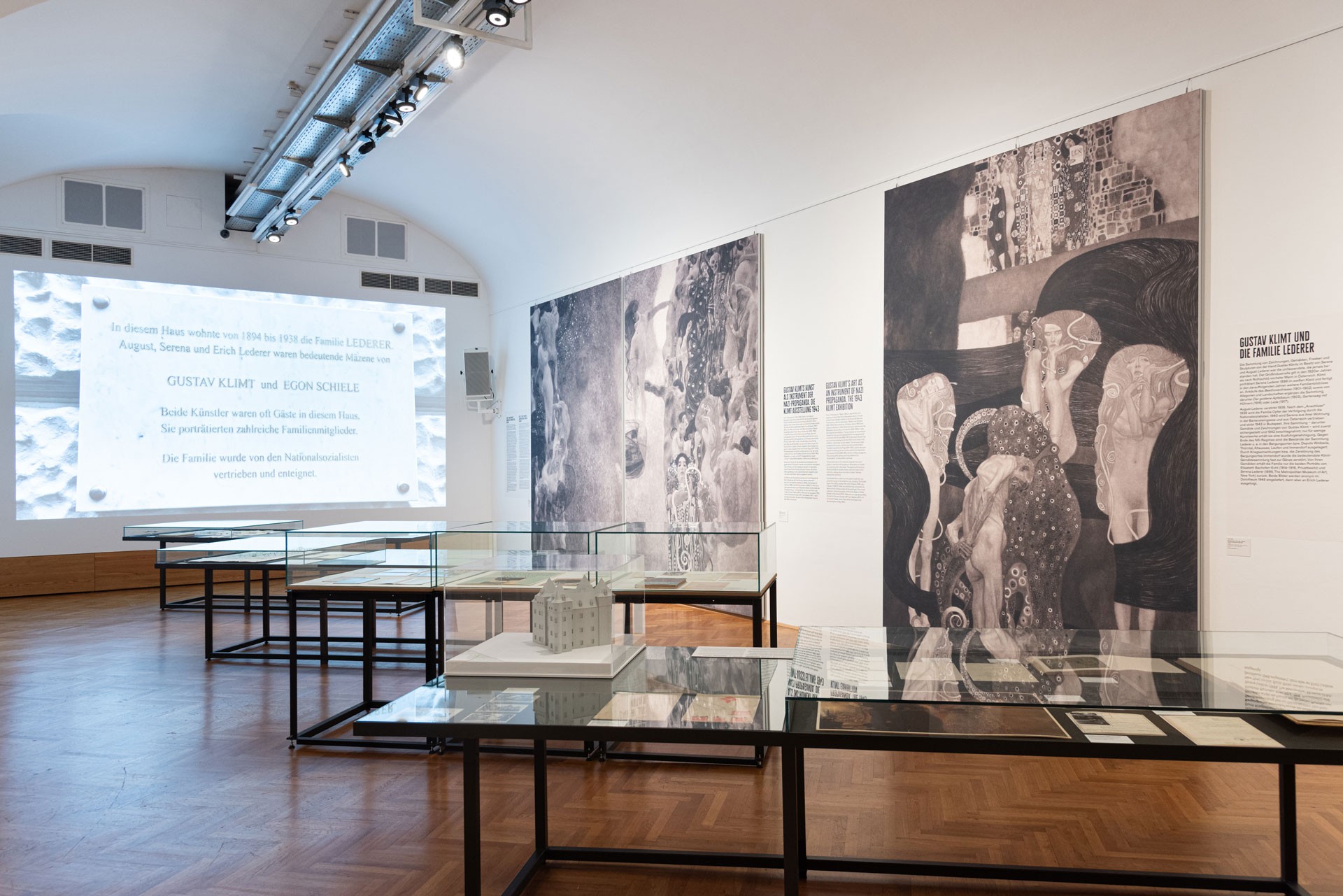
Gustav Klimt, the MAK, and Immendorf Castle: Burnt, Destroyed, Vanished? © MAK/Stella Riessland
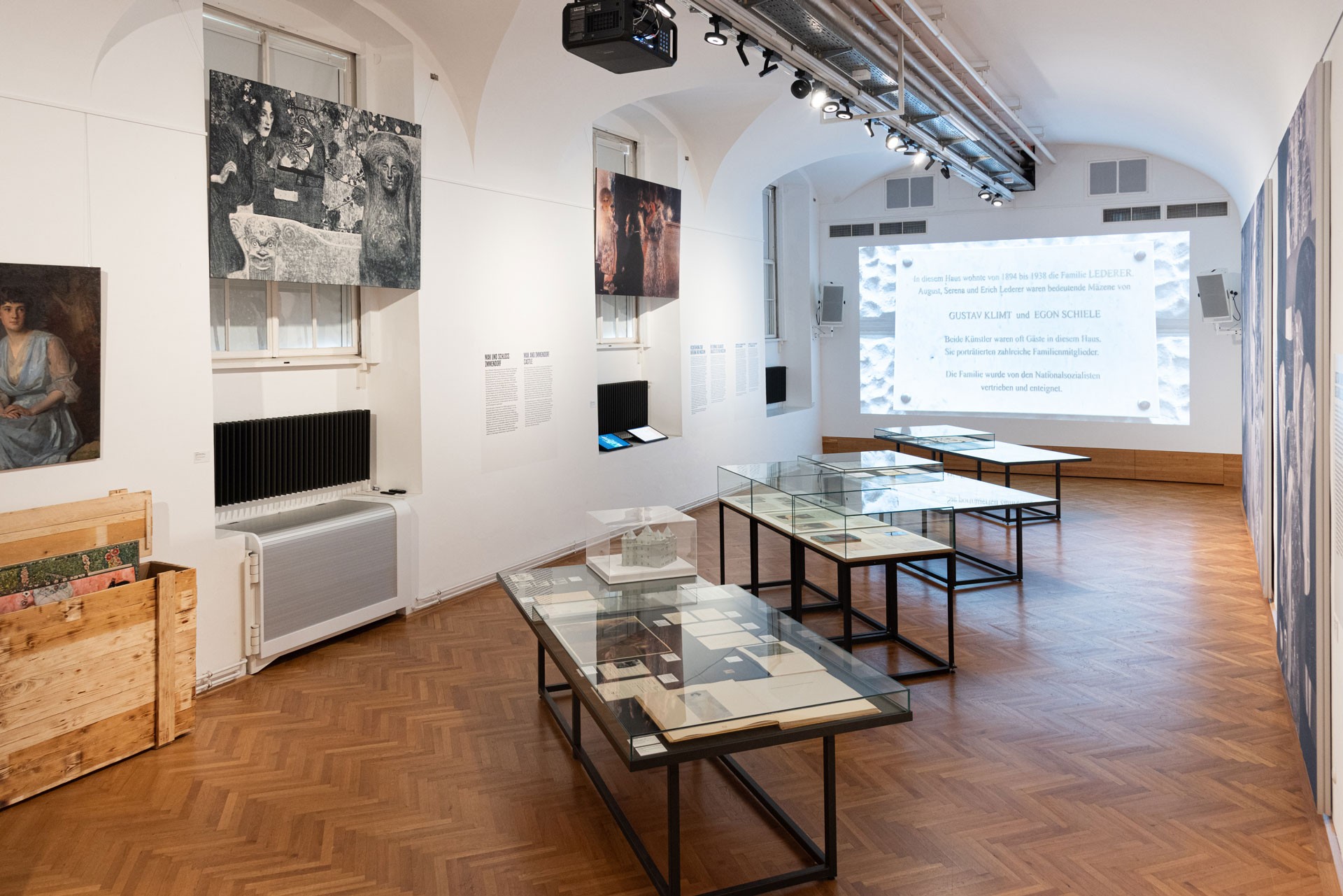
Gustav Klimt, the MAK, and Immendorf Castle: Burnt, Destroyed, Vanished? © MAK/Stella Riessland

Above: John Quincy Adams, Portrait of Harriet von Freudenthal, 1918 Private Collection © MAK/Stella Riessland
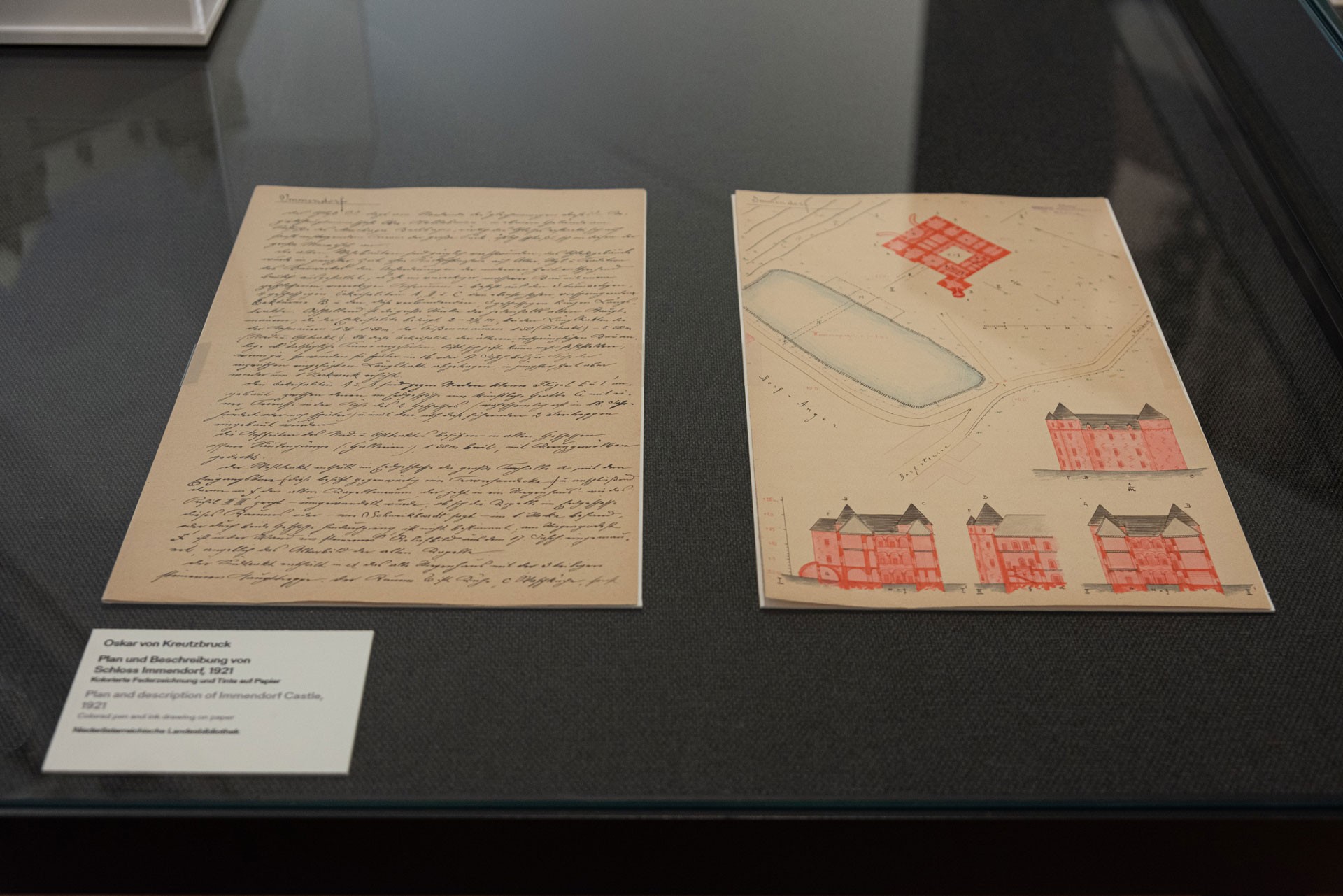
Oskar von Kreutzbruck, Plan and description of Immendorf Castle, 1921 Niederösterreichische Landesbibliothek © MAK/Stella Riessland
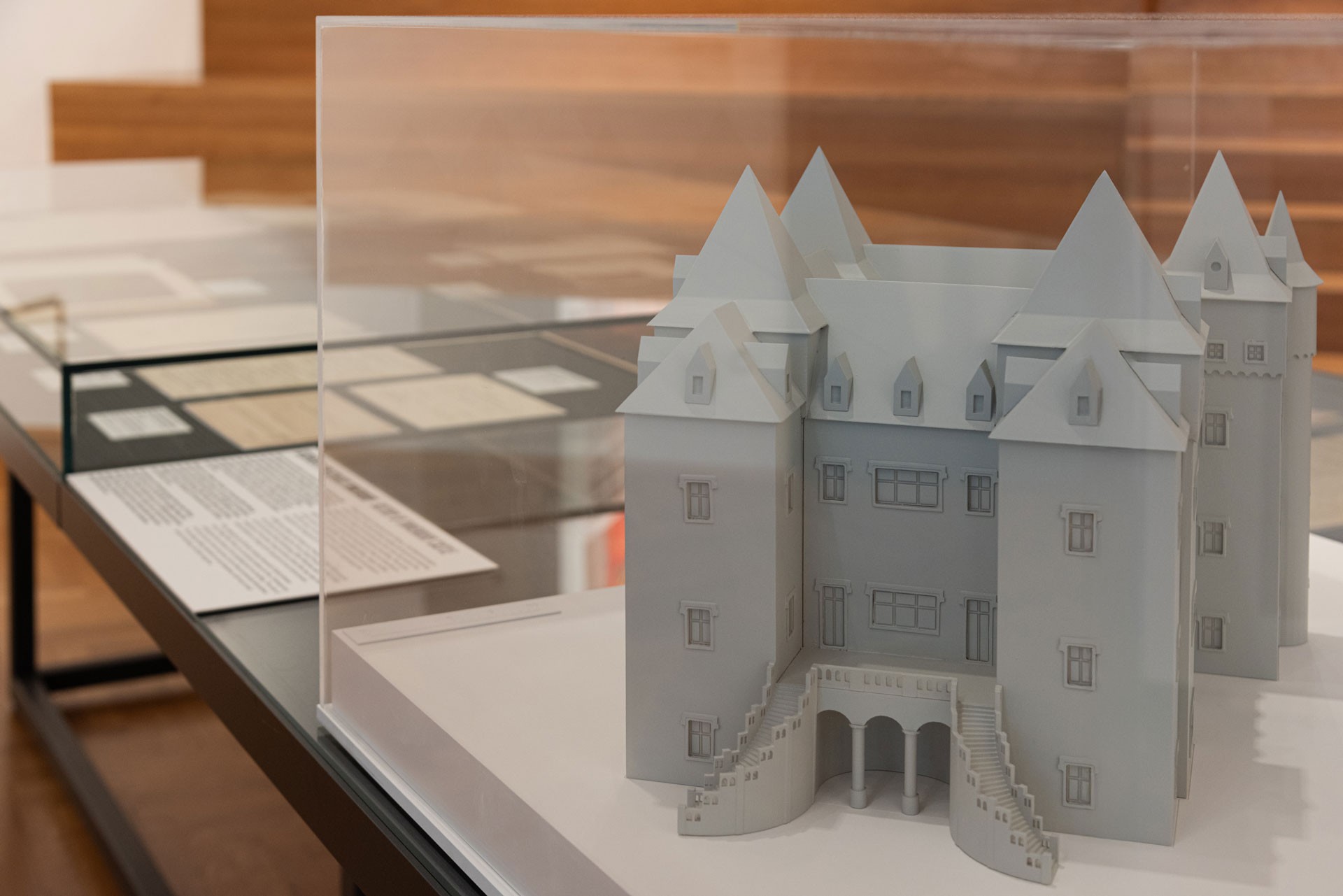
Model of Immendorf Castle, 2025 Modellart ǀ Klimt Foundation, Vienna © MAK/Stella Riessland
Related