
Former MAK-Schindler Artists and Architects-in-Residence Program
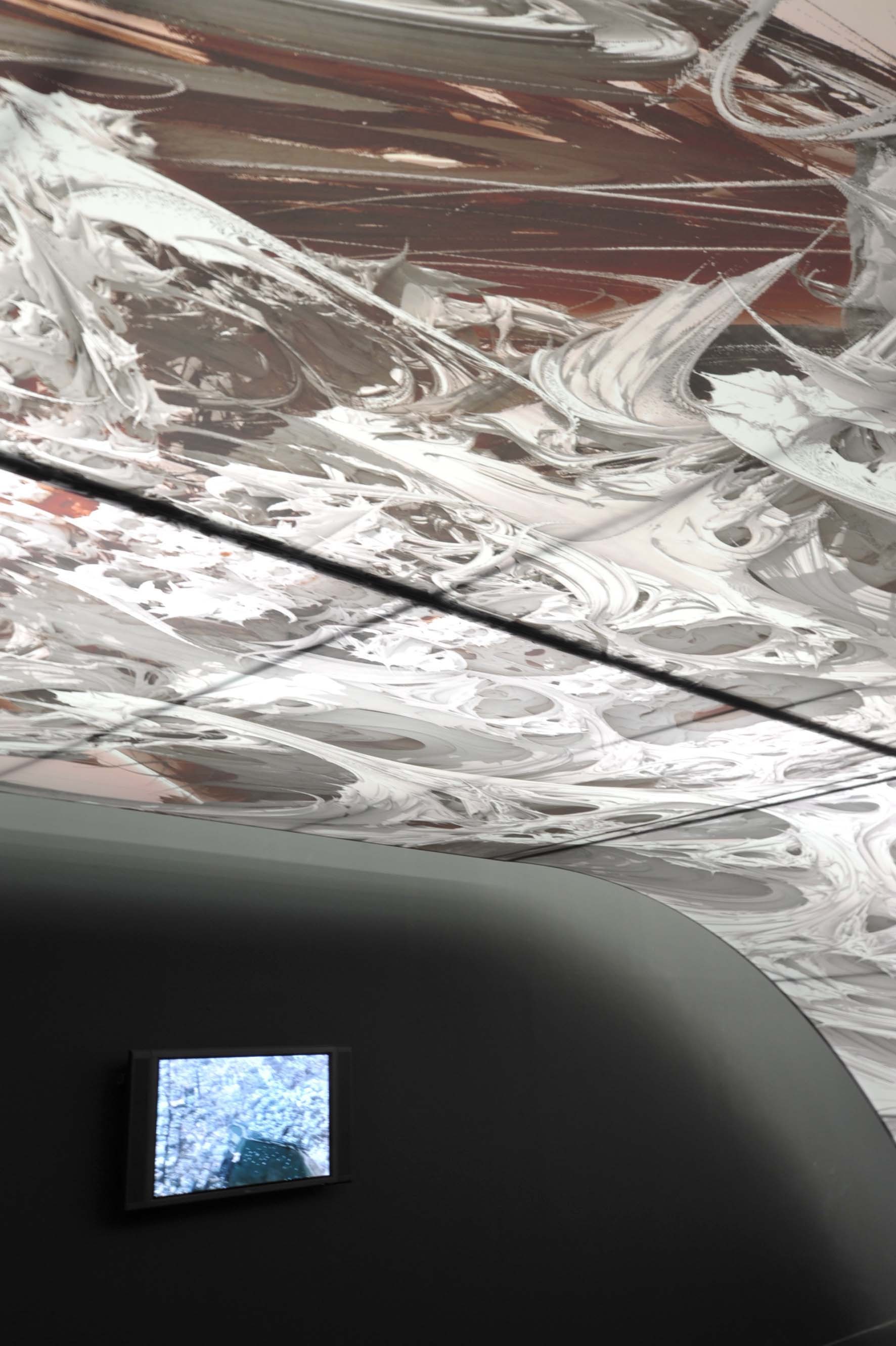
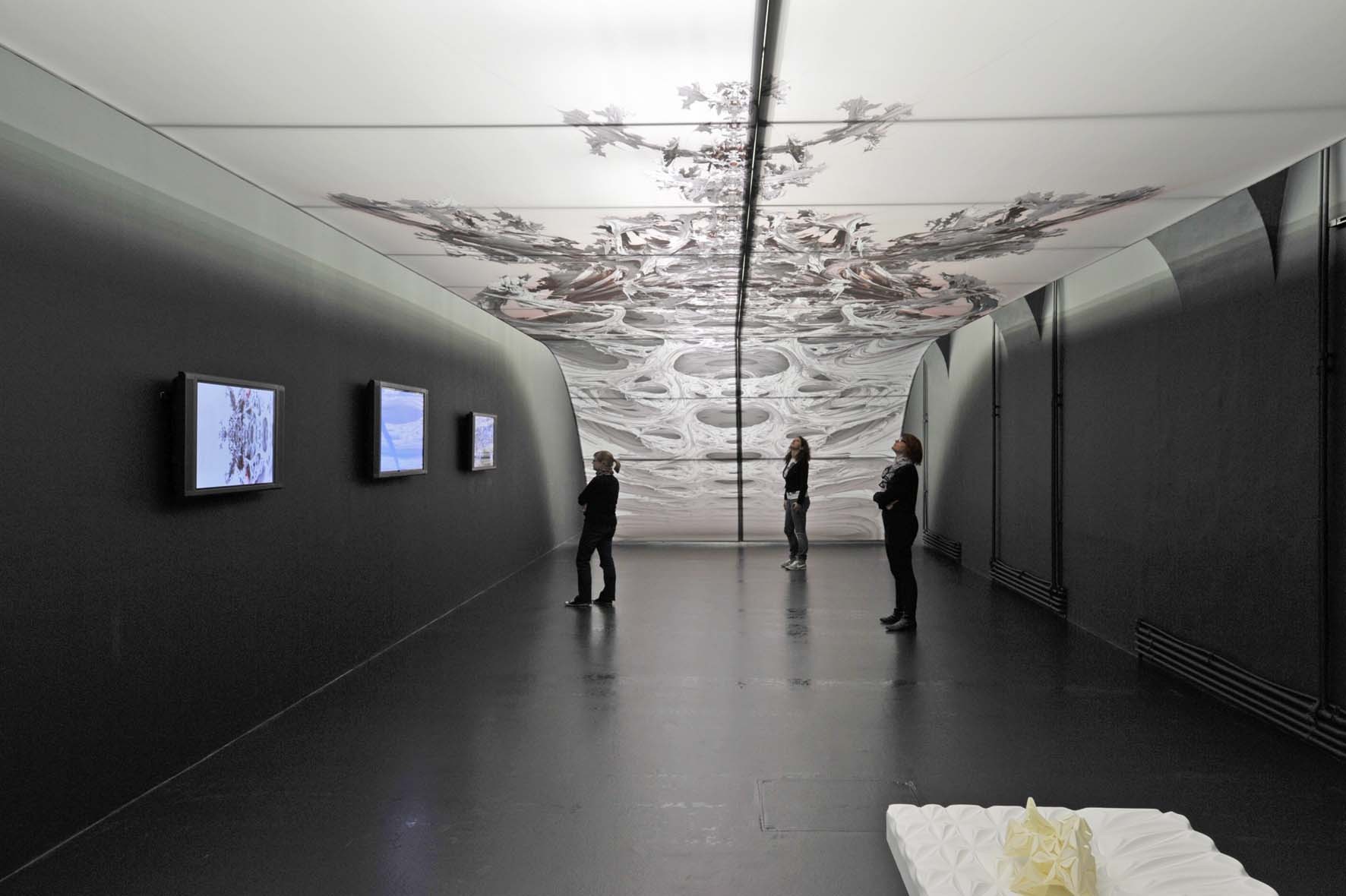
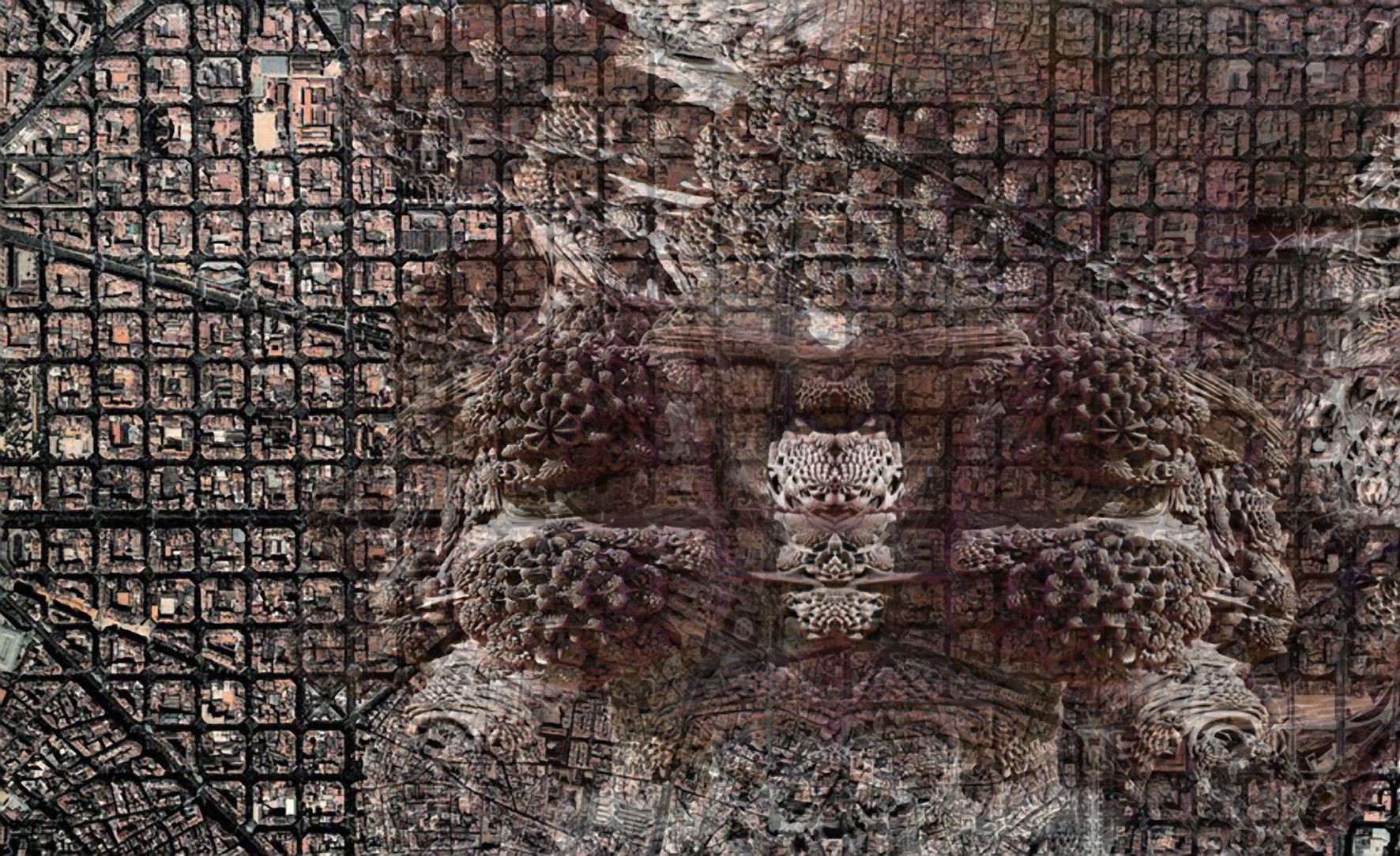
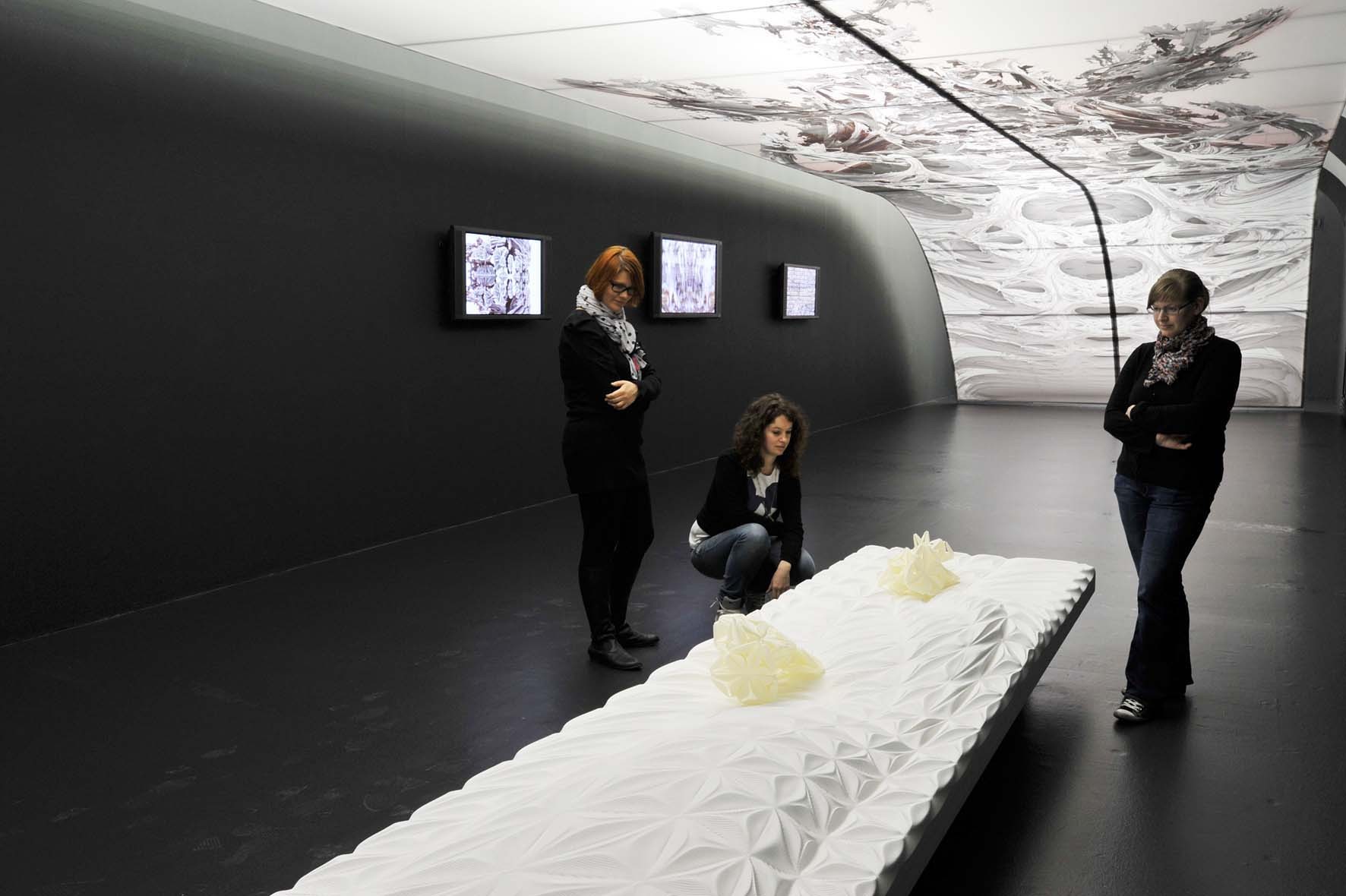
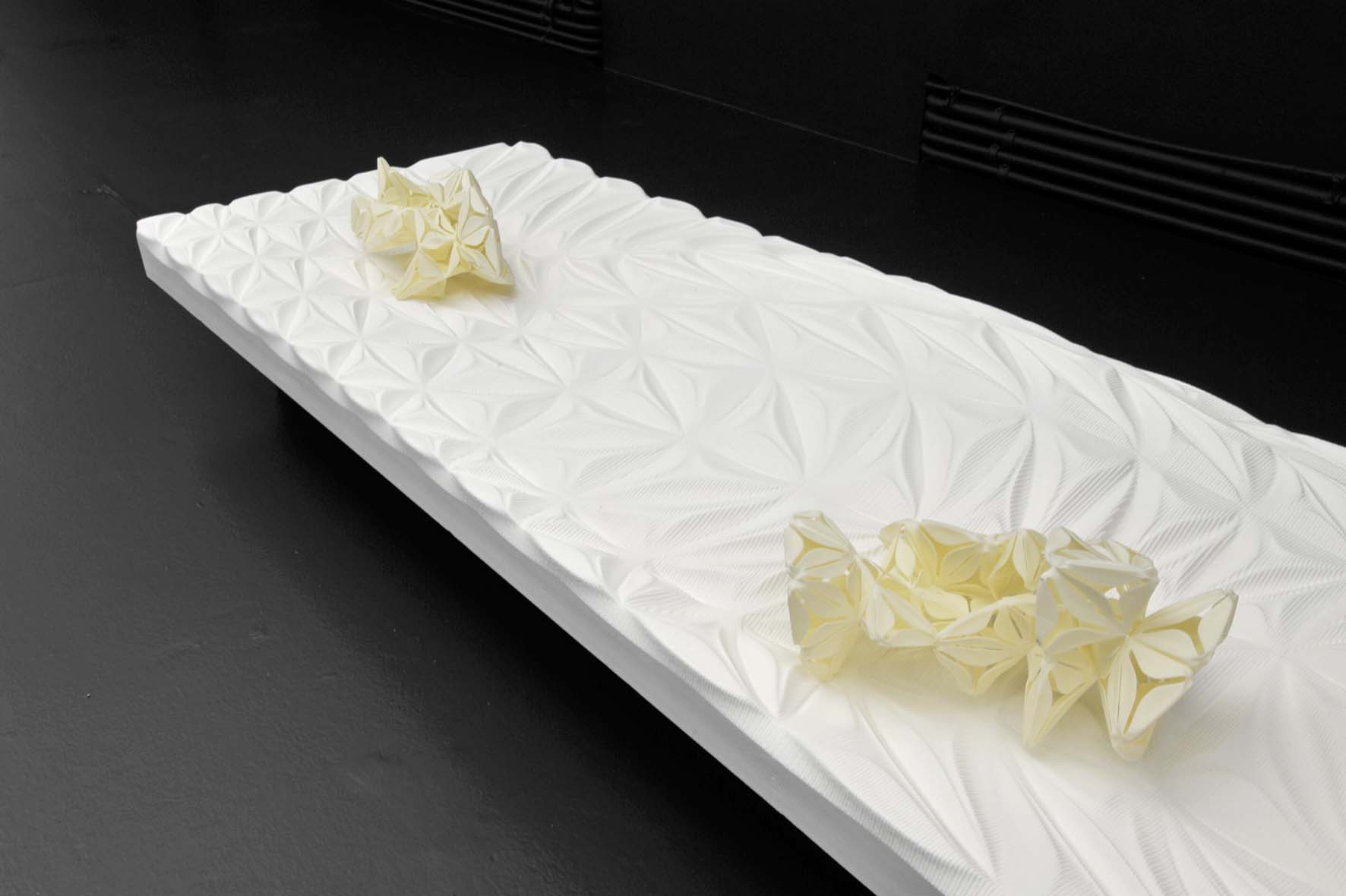
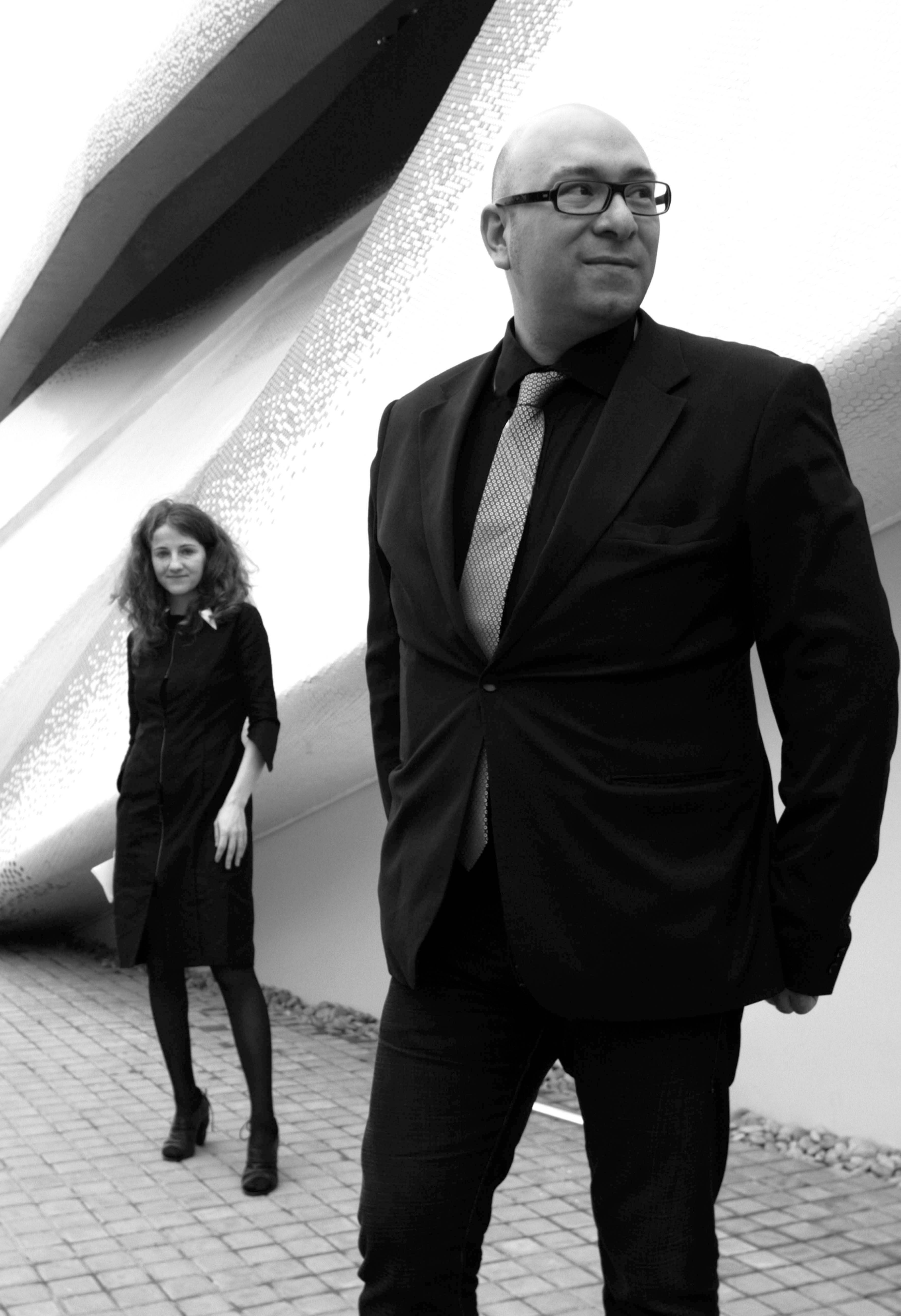
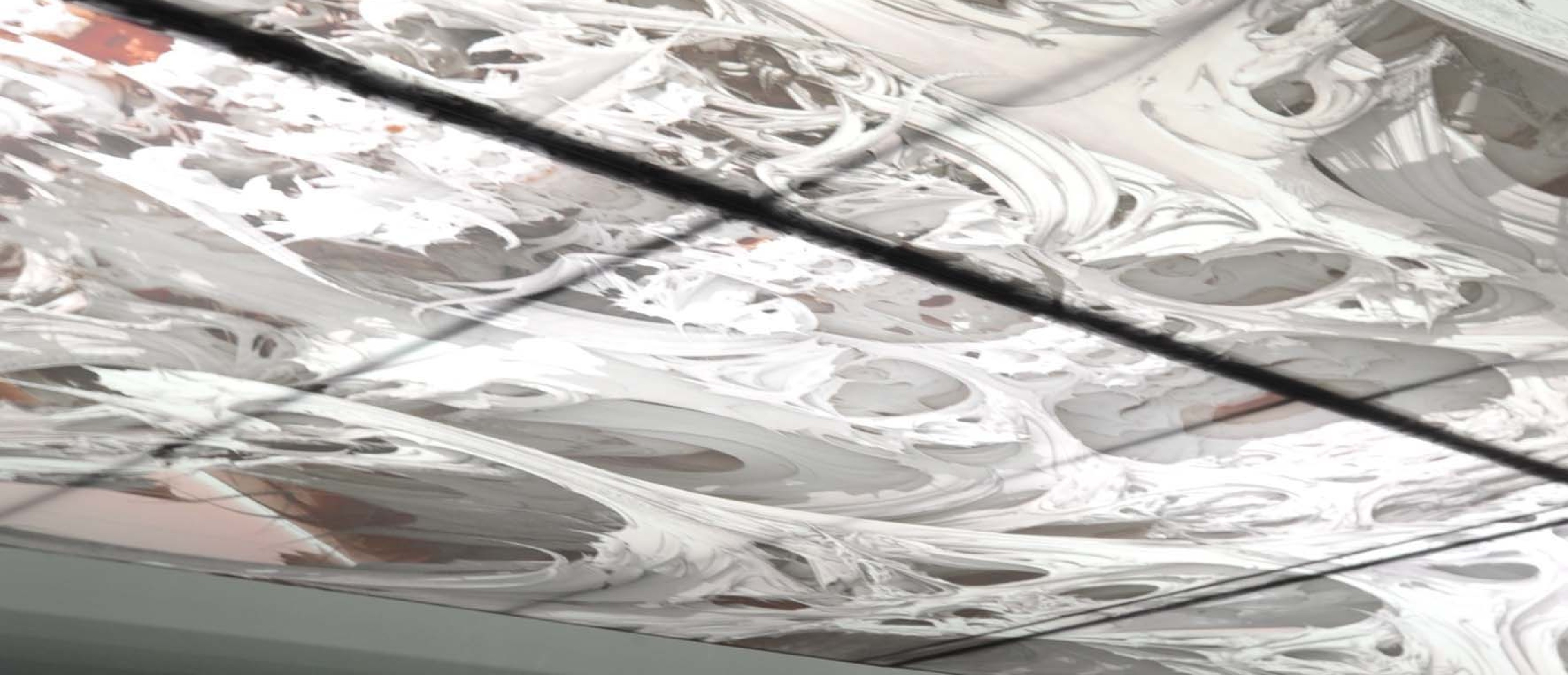
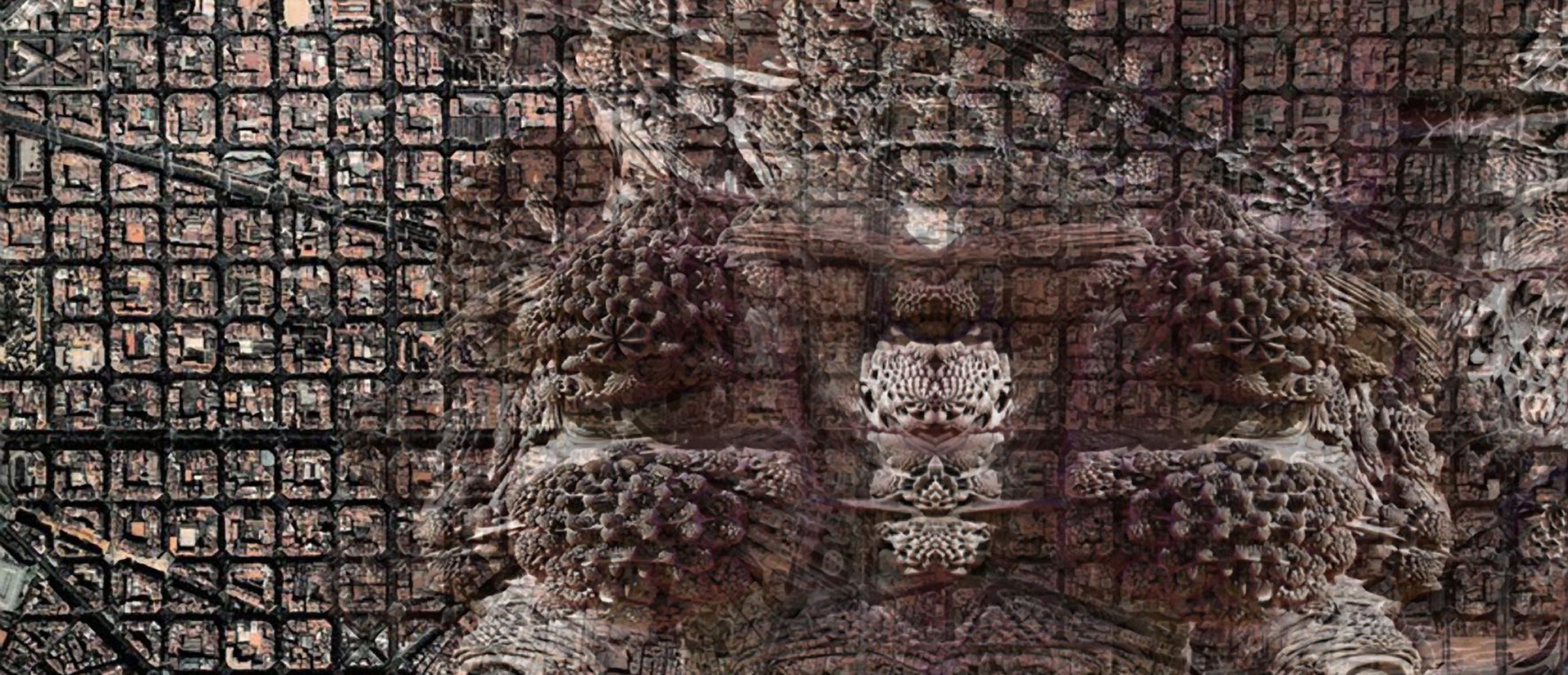
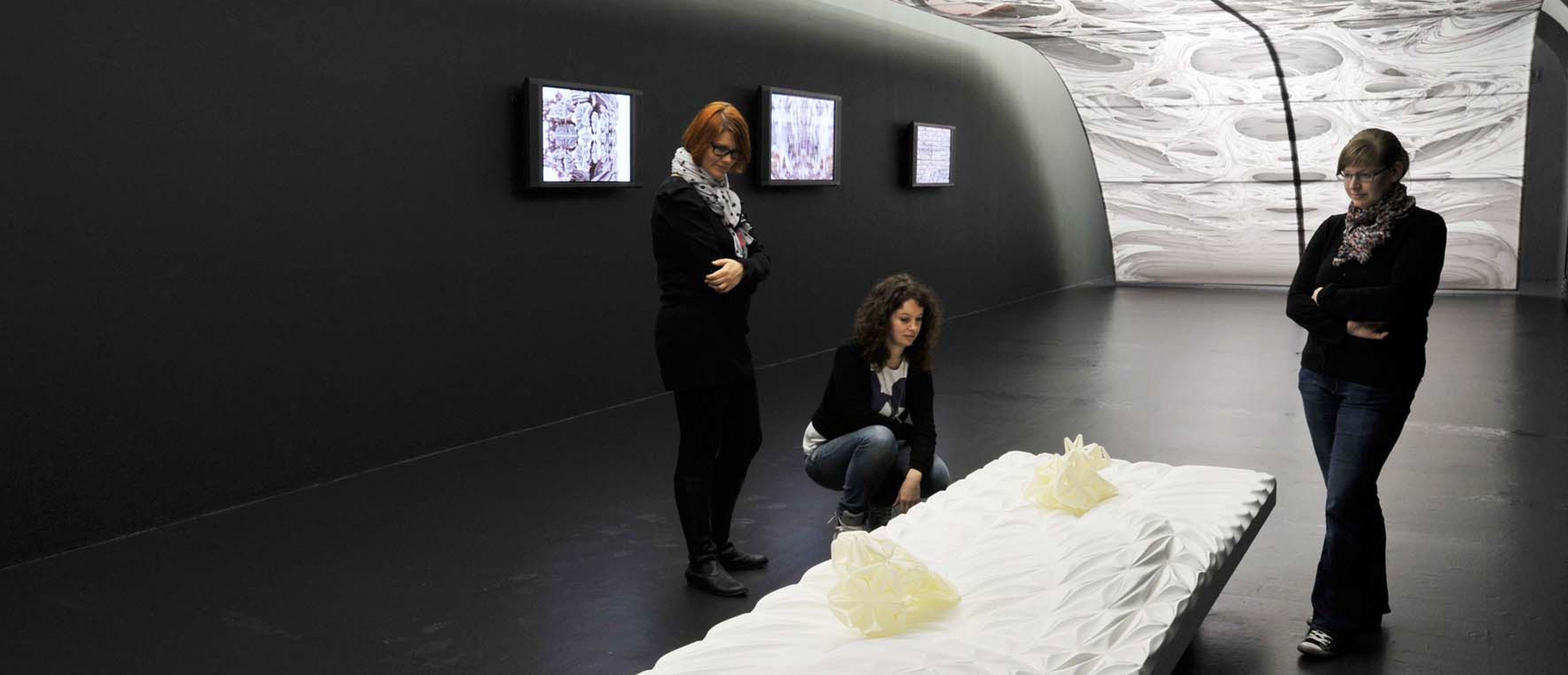
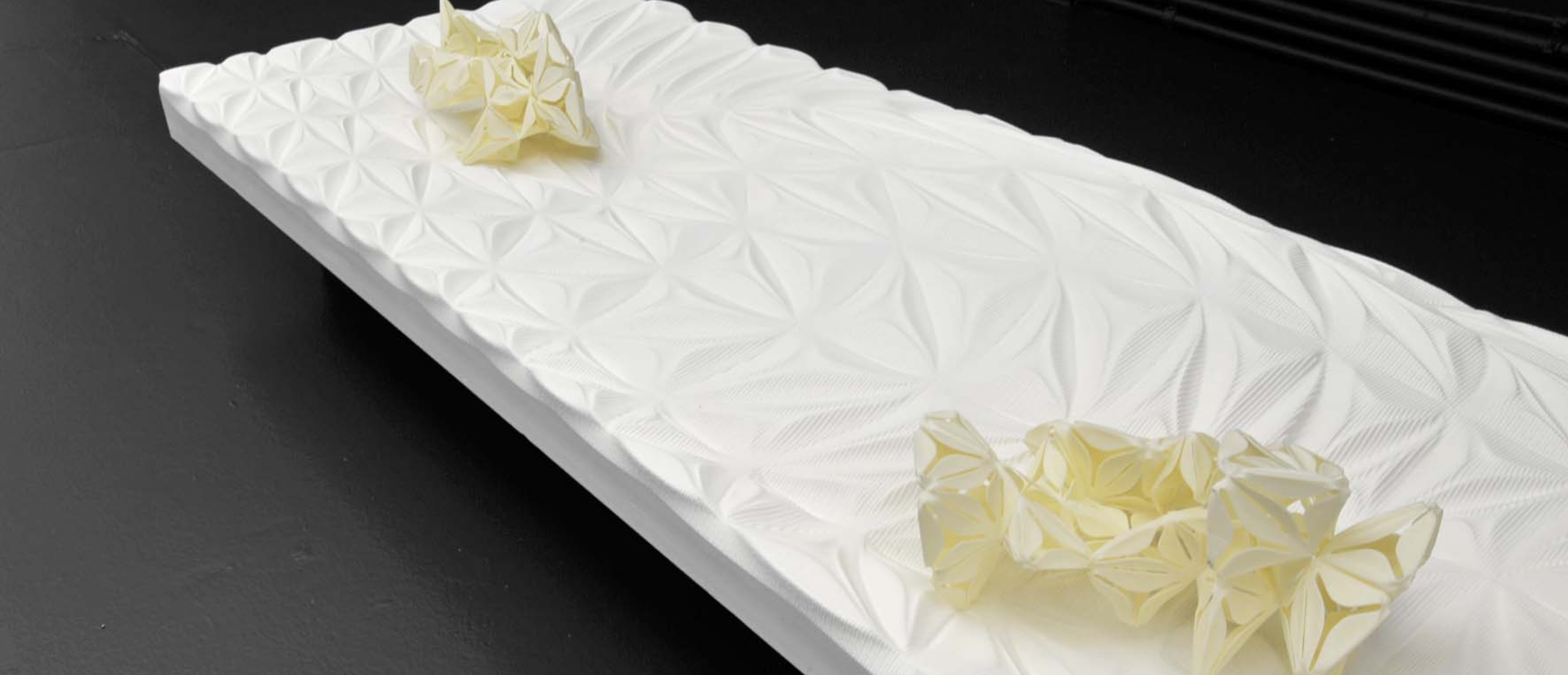
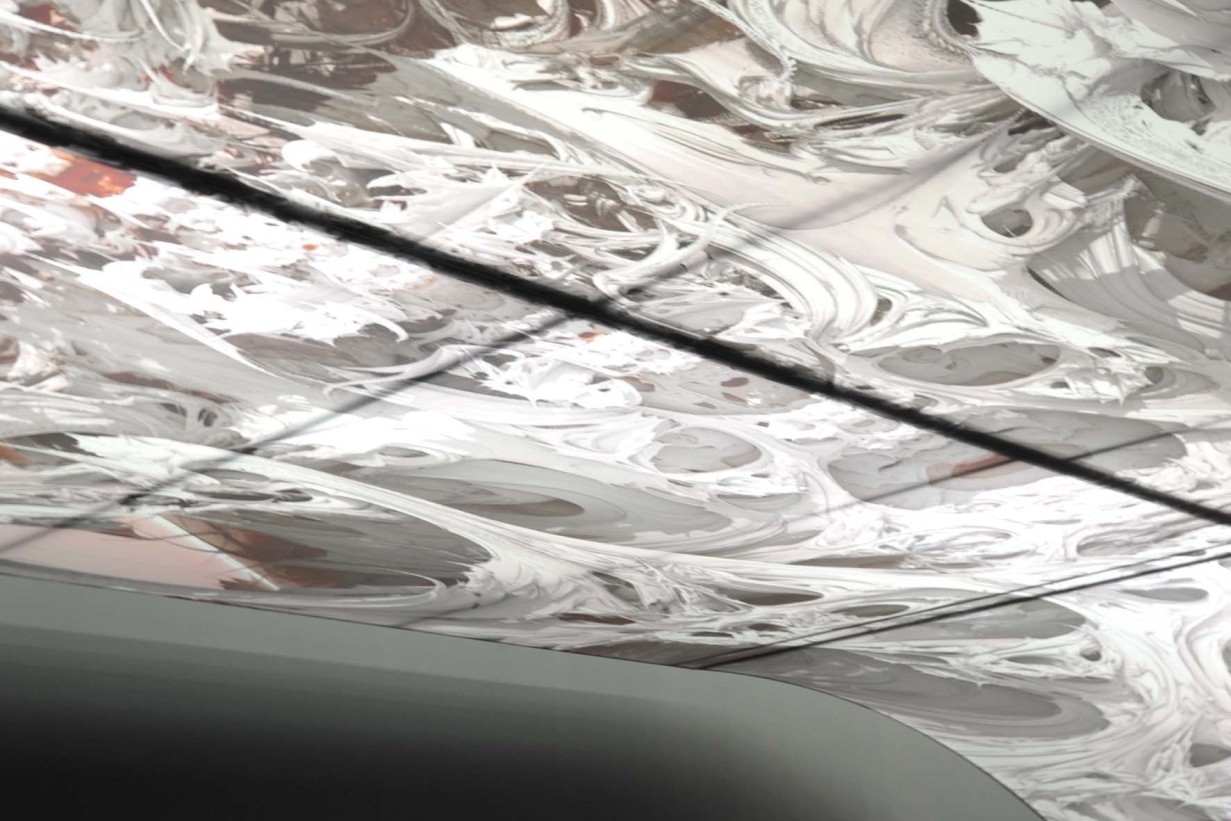
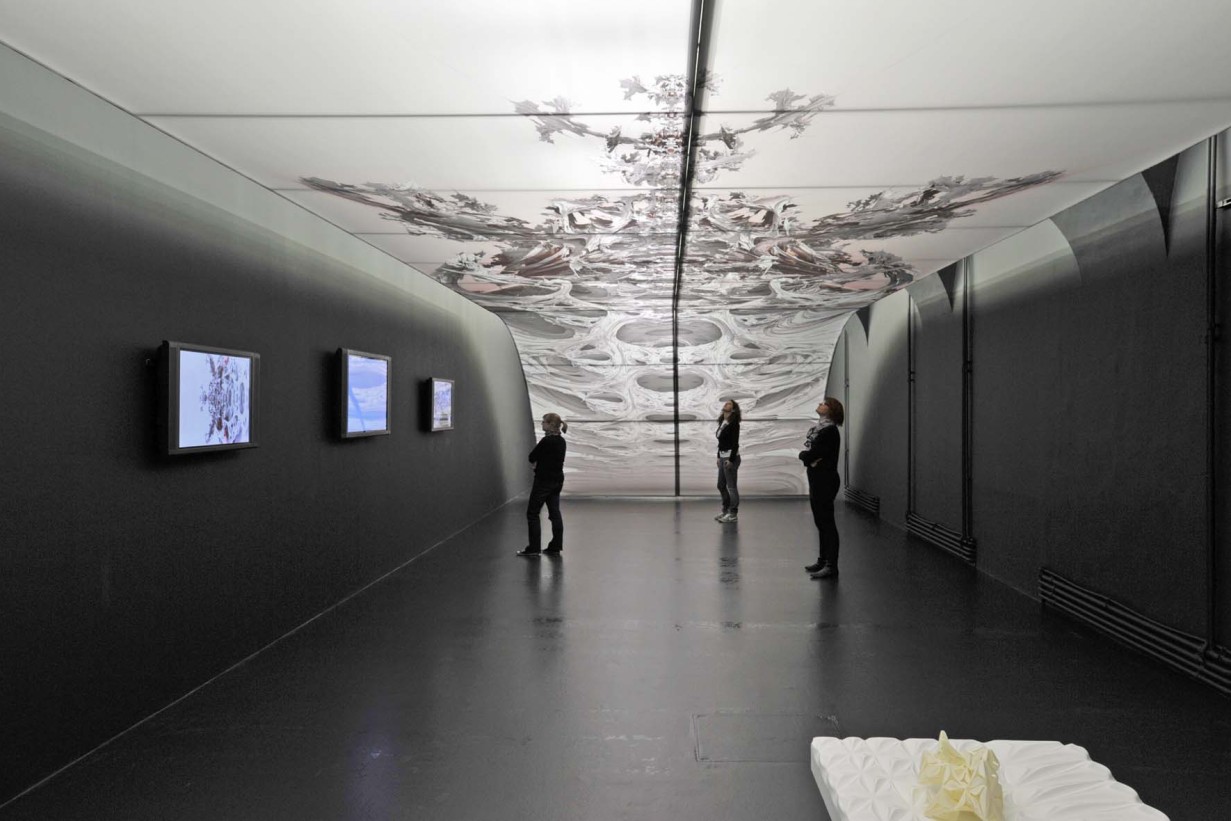
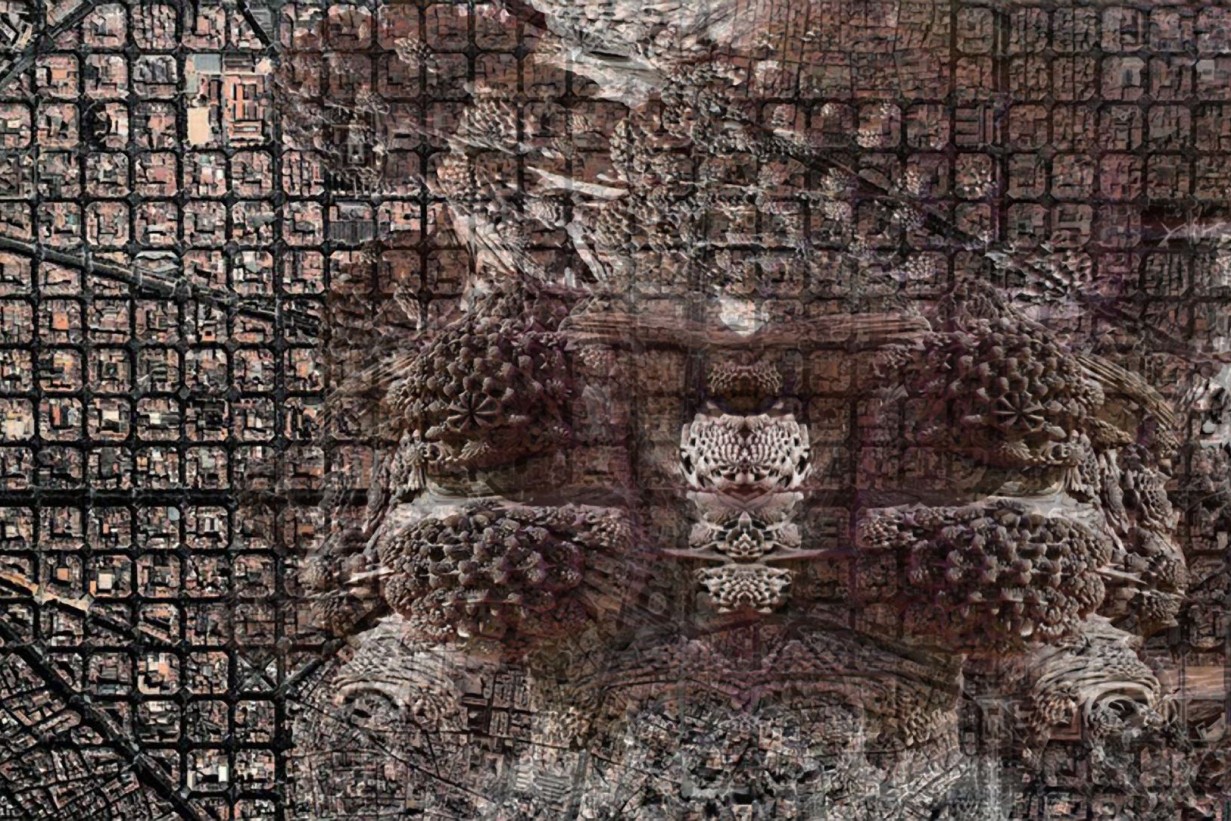
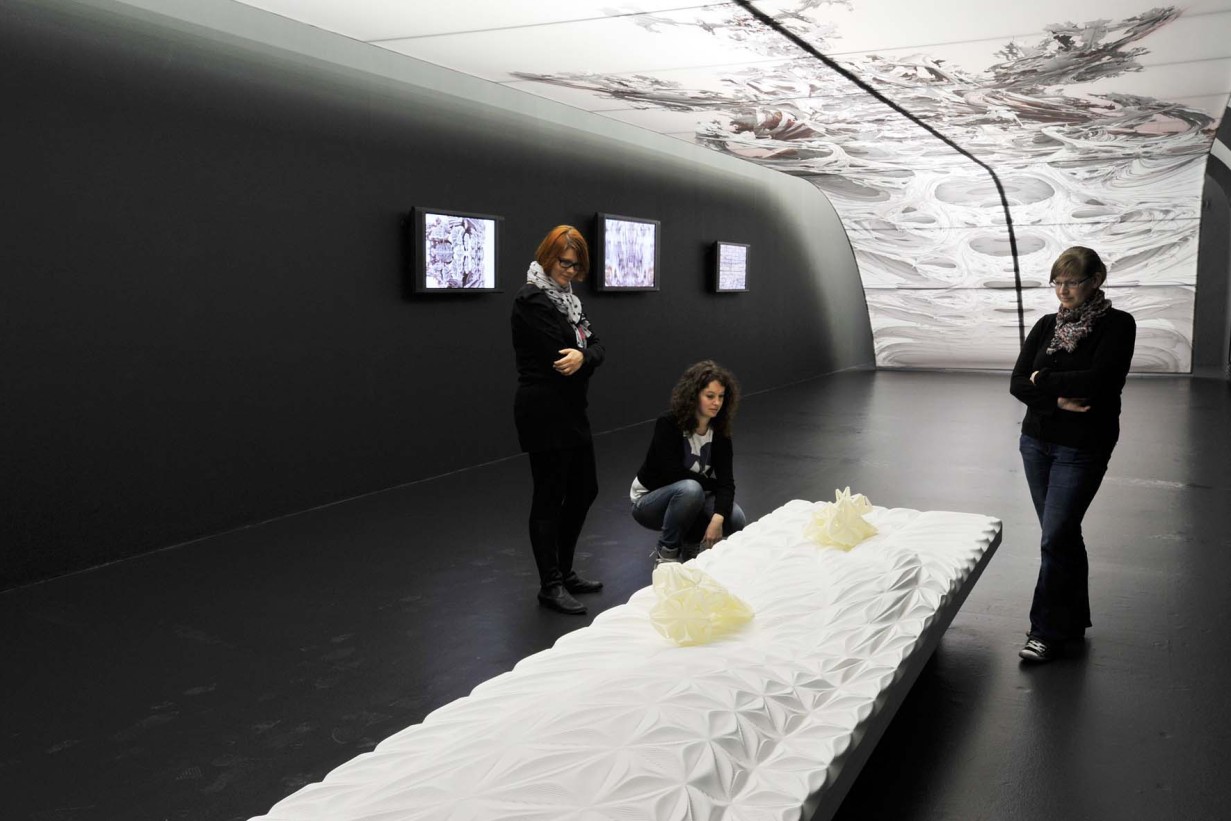
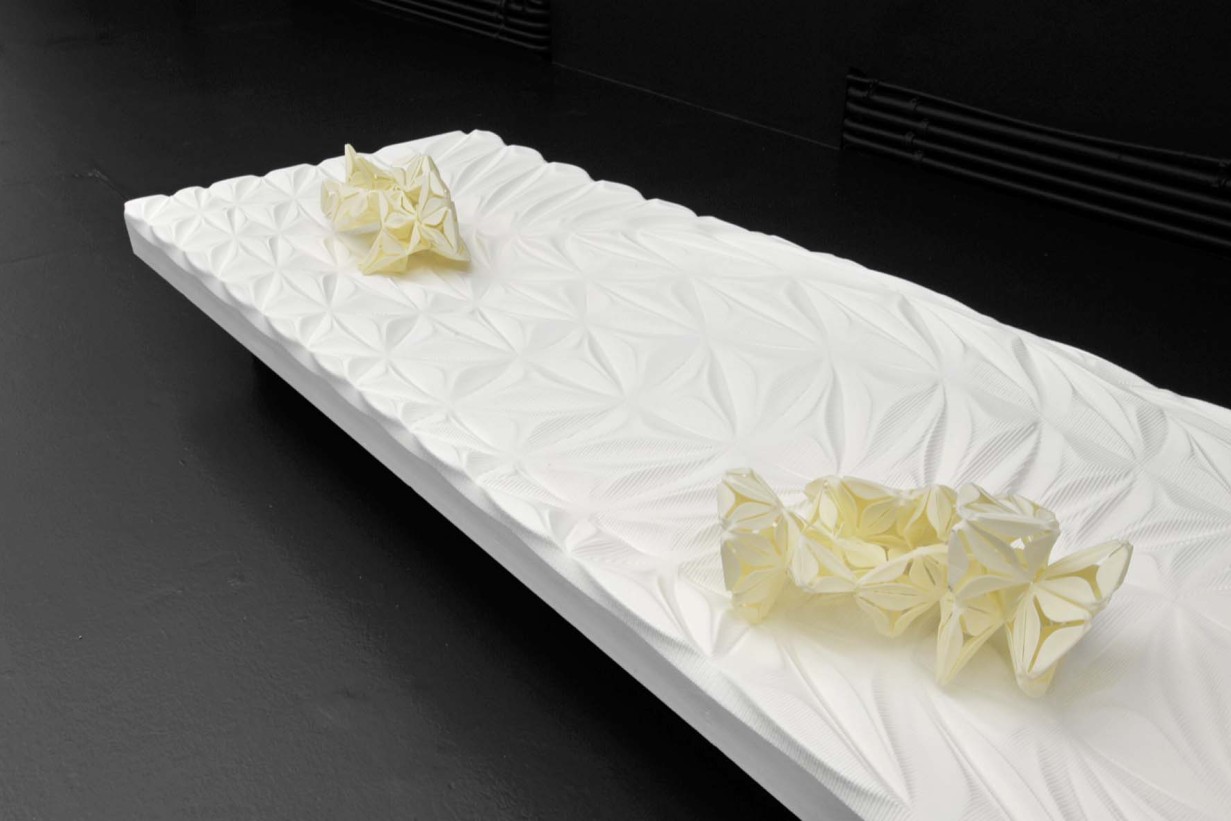
participants Matias del Campo and Sandra Manninger teamed up in 2003 to found the Viennese studio SPAN architecture & design, which recently collaborated with Zeytinoglu ZT to design the Austrian pavilion for Expo 2010 in Shanghai. Their architectural explorations center on visionary developments that take place within a flexible zone between virtual and real space. The team’s design strategy employs forwardlooking media technologies to generate architectonic models from the geometries of organic systems. In their conception of architecture, del Campo and Manninger are situated in close proximity to architects such as Greg Lynn and Hernán Diáz Alonso, who are viewed as pioneers of current amorphous architecture generated in relation to organic forms. This differs both from anthroposophically characterized architectural stances and from the position of Friedrich Kiesler, who put art and architecture as a model on the table for discussion. For the MAK Gallery, del Campo and Manninger have developed a spatial intervention, which oscillates between architectural vision and exaggeration. The exhibition thus functions as a laboratory of current architectural production that is to be viewed as one would a kaleidoscope. The presentation’s various scenarios and levels, based on organic movement patter ns and recursive elements, swing back and forth between abstract, free, dynamic forms and hybrid structures. Dealing with the metamorphosis of natural forms in relation to art and architecture, as well as the examination of mathematical bodies produced by nature itself, is a phenomenon, which has been present throughout the history of form. Hence, the design practice of del Campo and Manninger reflects the principle of random mathematical images, which is itself rooted in the mechanically minded philosophy of the 17th century.
Curator Bärbel Vischer
In 2011 the exhibitions in the MAK Gallery present current positions in architecture which in visionary developments deal with procedural structures and systems.
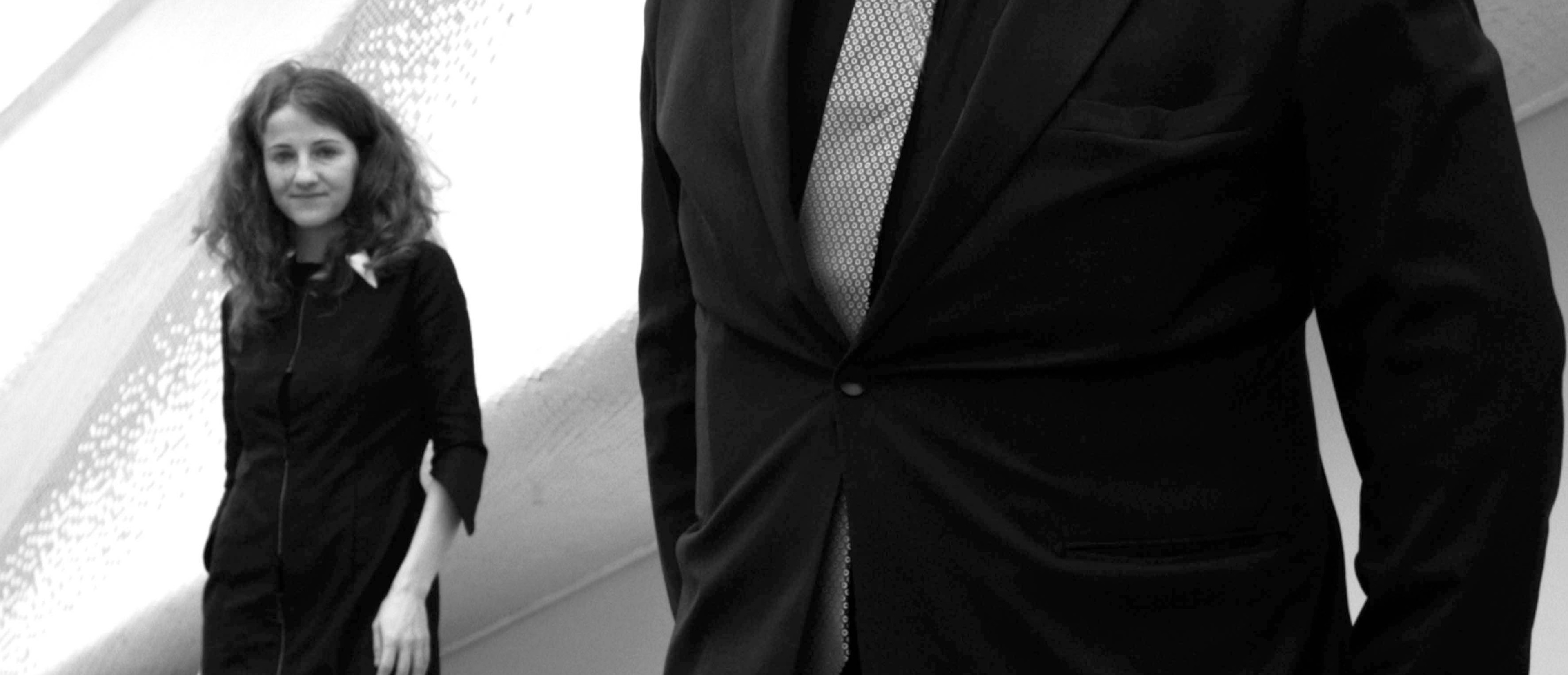
Matias del Campo, born in Santiago, Chile in 1970, studied architecture at the University of Applied Arts Vienna. He is a visiting professor at the Dessau Institute of Architecture (dia) in Germany and at the School of Architecture (ESARQ) of the International University of Catalonia in Spain.
Sandra Manninger, born in Graz in 1970, studied architecture at the
Vienna University of Technology. She has held guest lectures at the
Dessau Institute of Architecture (dia) in Germany and is a visiting
professor at the School of Architecture (ESARQ) of the International University of Catalonia in Spain.
Media