Furniture and Woodwork Collection
Curator: Sebastian Hackenschmidt
© MAK
© MAK
© MAK
© MAK
© MAK
© MAK
© MAK
© MAK
© MAK
© MAK
© MAK
© MAK
© MAK
© MAK
© MAK
© MAK
© MAK
© MAK
© MAK
© MAK
© MAK
© MAK
© MAK
© MAK
© MAK
© MAK
© MAK
© MAK
© MAK
© MAK
© MAK
© MAK
© MAK
© MAK
© MAK
© MAK
© MAK
© MAK
© MAK
© MAK
Previous Image
One of the most important focus points of the MAK Furniture and Woodwork Collection are the pieces of furniture from the Baroque and Rococo eras. Chairs, tables, cabinets, and entire interior designs from the time of Absolutism can be found in the Collection in the ornate and splendid forms typical of this era. The exhibits that are particularly worth seeing include the furniture and marquetry panels presented in the Permanent Collection. They were made in Brussels in the 1770s by David Roentgen for the governor-general of the Austrian Netherlands, Prince Charles Alexander of Lorraine. They are considered highlights of German cabinetmaking.
The Collection includes a large group of furniture from the Empire and Biedermeier eras as well as Historicism and Art Nouveau, which are each represented by outstanding examples. An important phase in the history of design is outlined by the exceptional collection of bentwood furniture, based on which an overview of the furniture production of the Thonet company as well as its competitors from the 1830s to the 1930s can be gained. During World War II, important historical holdings of the MAK Furniture and Woodwork Collection were lost: almost one third of the Furniture Collection was destroyed by the war. After the war, the museum put a lot of effort into rebuilding the furniture department. With new purchases, the attempt was made to acquire representative examples of the Wiener Werkstätte and the period between the wars. The MAK Furniture Collection of Viennese Modernism is one of the most important ones worldwide. It includes pieces of furniture by Otto Wagner, Josef Hoffmann, Koloman Moser, Adolf Loos, as well as Dagobert Peche, and Josef Frank.
In the 20th century, the classification of the Collection changed from material to typological: the Furniture Collection no longer only includes objects made of wood, but also furniture made of tubular steel, plastic, cardboard, or textiles.
These historical holdings are complemented by active collecting, which is increasingly dedicated to contemporary furniture production. The border area between art, architecture, and furniture design has emerged as a new focus of the Collection. Contemporary acquisitions by well-known international designers and architects like, for example, Matali Crasset and Jerszy Seymour mark new positions in experimental furniture design.
The Collection includes a large group of furniture from the Empire and Biedermeier eras as well as Historicism and Art Nouveau, which are each represented by outstanding examples. An important phase in the history of design is outlined by the exceptional collection of bentwood furniture, based on which an overview of the furniture production of the Thonet company as well as its competitors from the 1830s to the 1930s can be gained. During World War II, important historical holdings of the MAK Furniture and Woodwork Collection were lost: almost one third of the Furniture Collection was destroyed by the war. After the war, the museum put a lot of effort into rebuilding the furniture department. With new purchases, the attempt was made to acquire representative examples of the Wiener Werkstätte and the period between the wars. The MAK Furniture Collection of Viennese Modernism is one of the most important ones worldwide. It includes pieces of furniture by Otto Wagner, Josef Hoffmann, Koloman Moser, Adolf Loos, as well as Dagobert Peche, and Josef Frank.
In the 20th century, the classification of the Collection changed from material to typological: the Furniture Collection no longer only includes objects made of wood, but also furniture made of tubular steel, plastic, cardboard, or textiles.
These historical holdings are complemented by active collecting, which is increasingly dedicated to contemporary furniture production. The border area between art, architecture, and furniture design has emerged as a new focus of the Collection. Contemporary acquisitions by well-known international designers and architects like, for example, Matali Crasset and Jerszy Seymour mark new positions in experimental furniture design.
Media
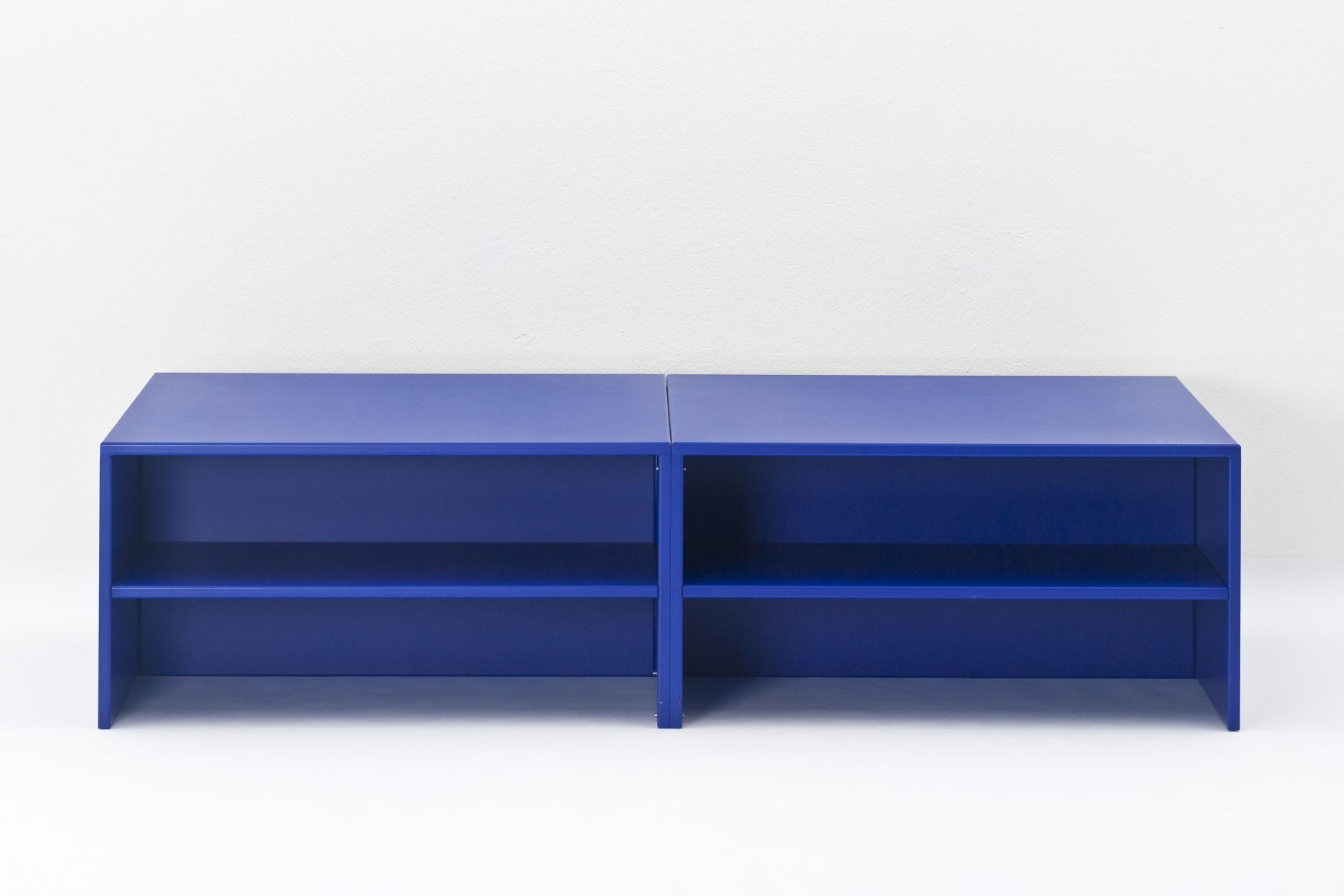
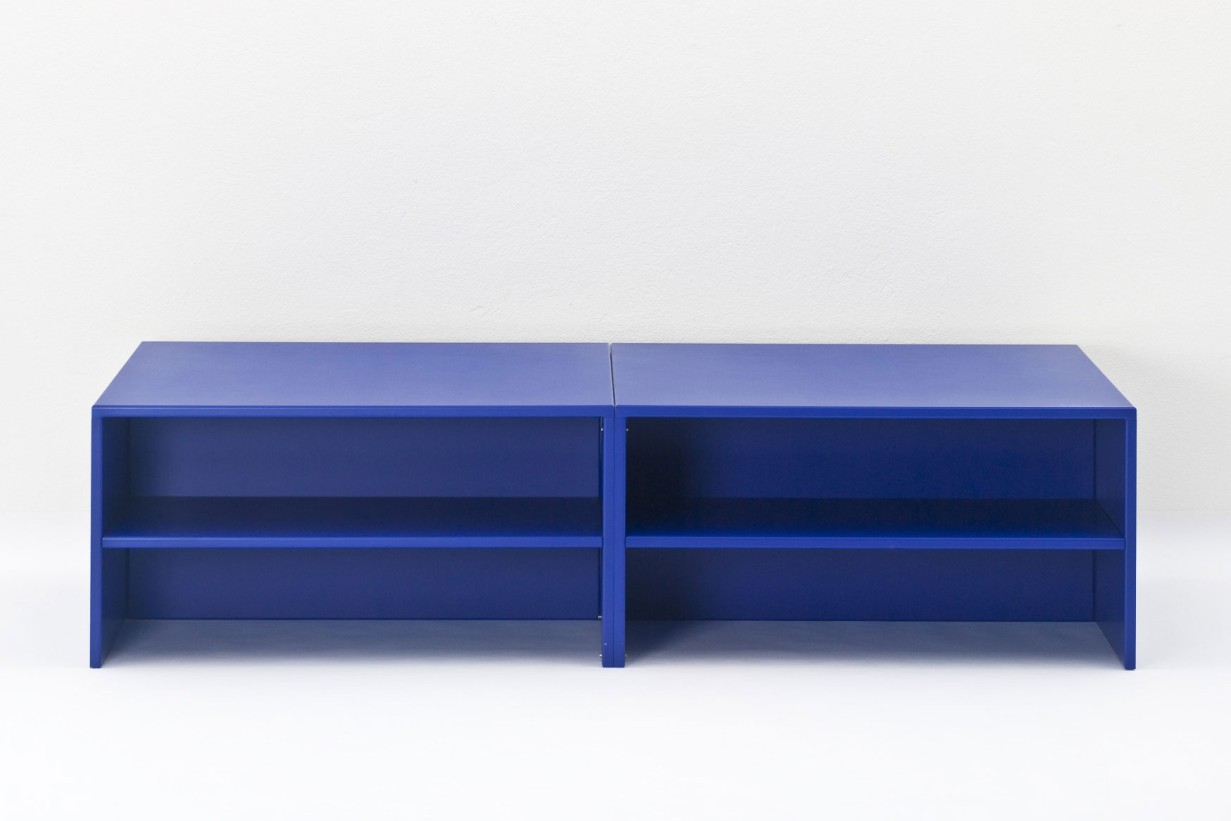
Donald Judd, Bed No. 11, 1984, execution: Janssen c.v., Netherlands, aluminum sheet, ultramarine stove-enameled, H 3112 © MAK
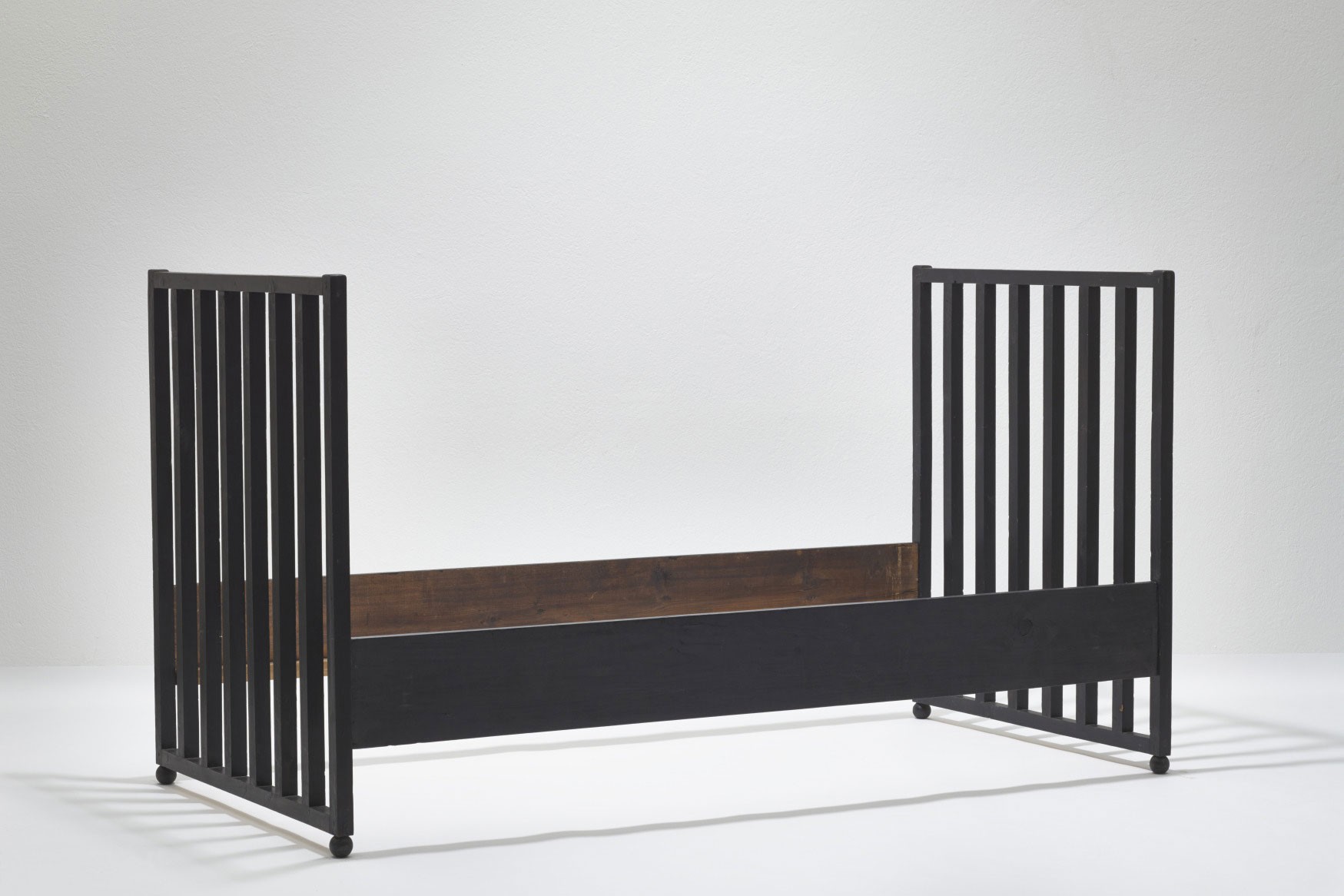
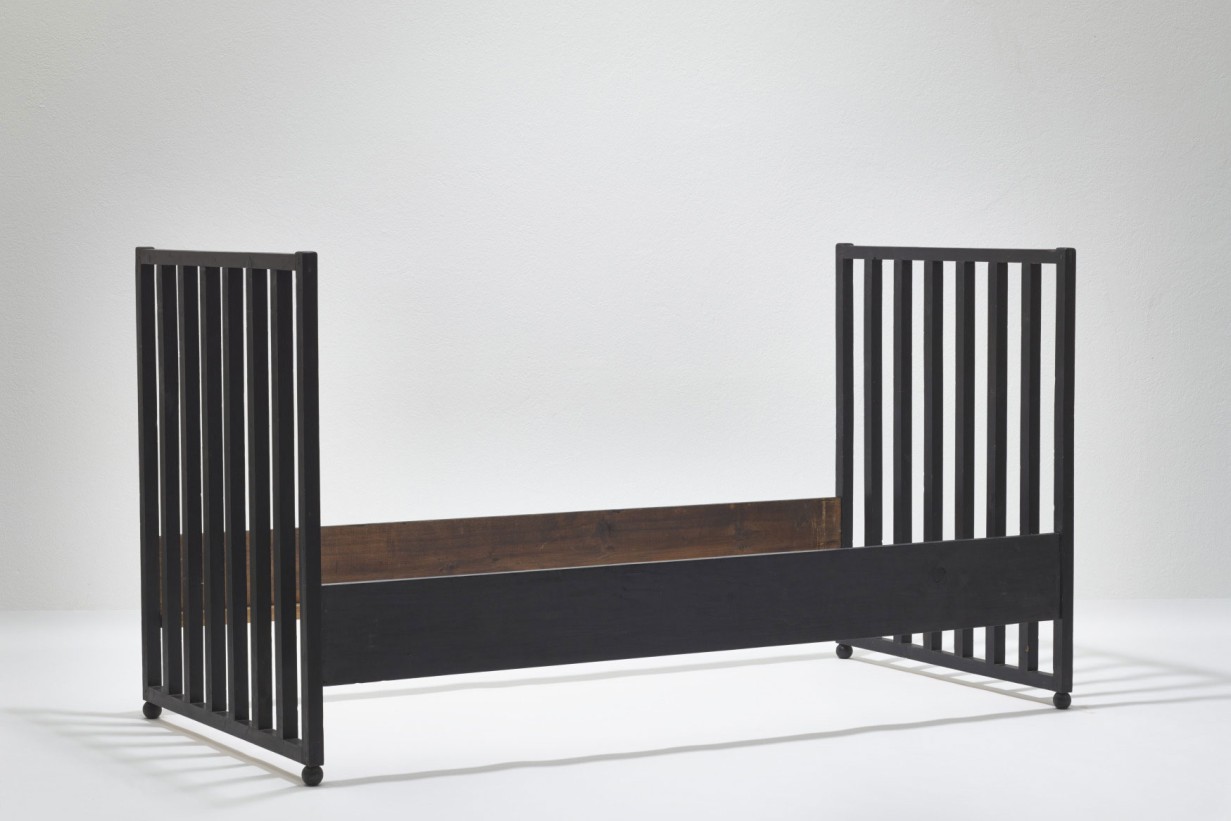
Josef Hoffmann, bed from the bedroom furnishings for the cottage of the Knips family in Seeboden at Lake Millstatt, Vienna, 1903, softwood, stained black, H 2700 © MAK
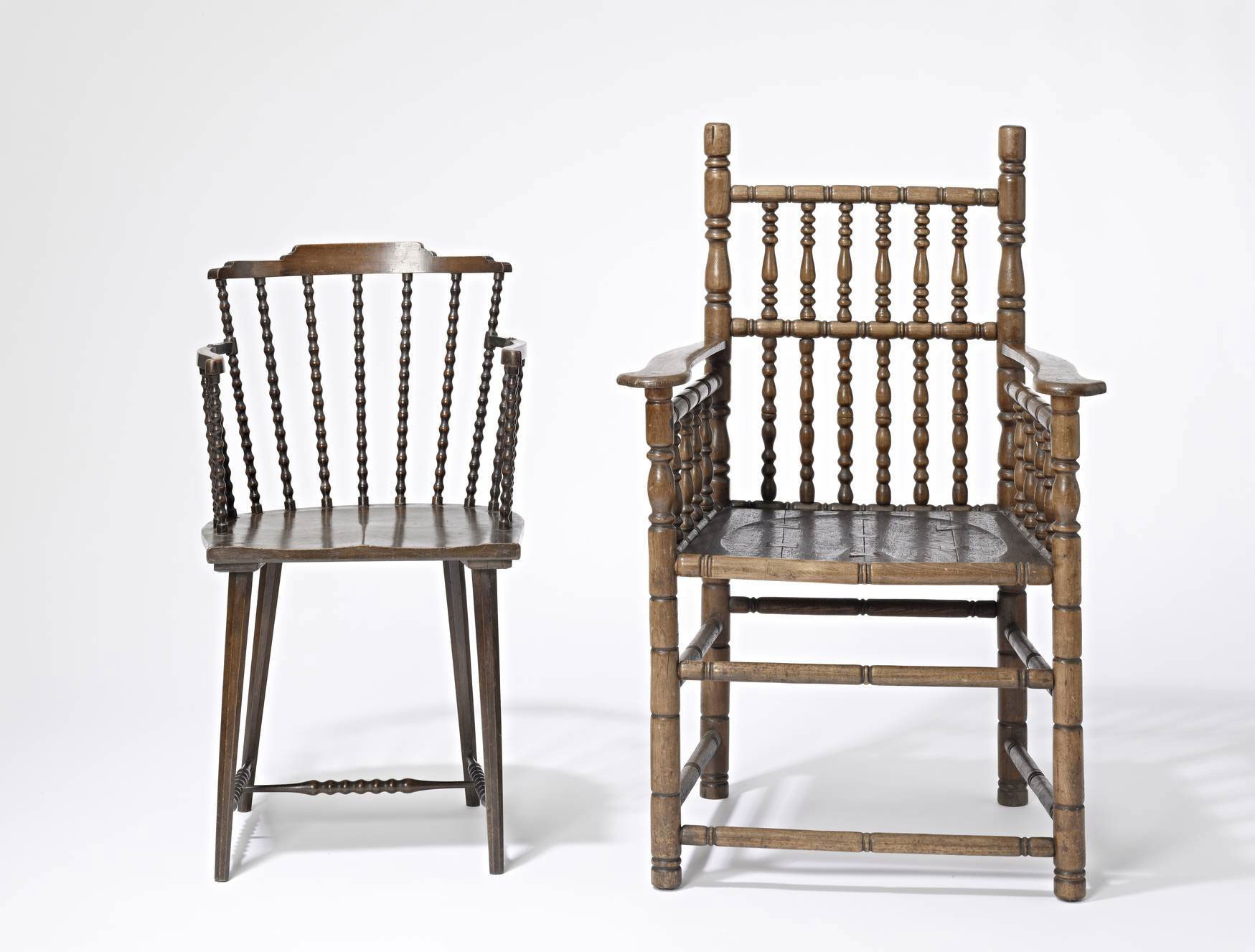
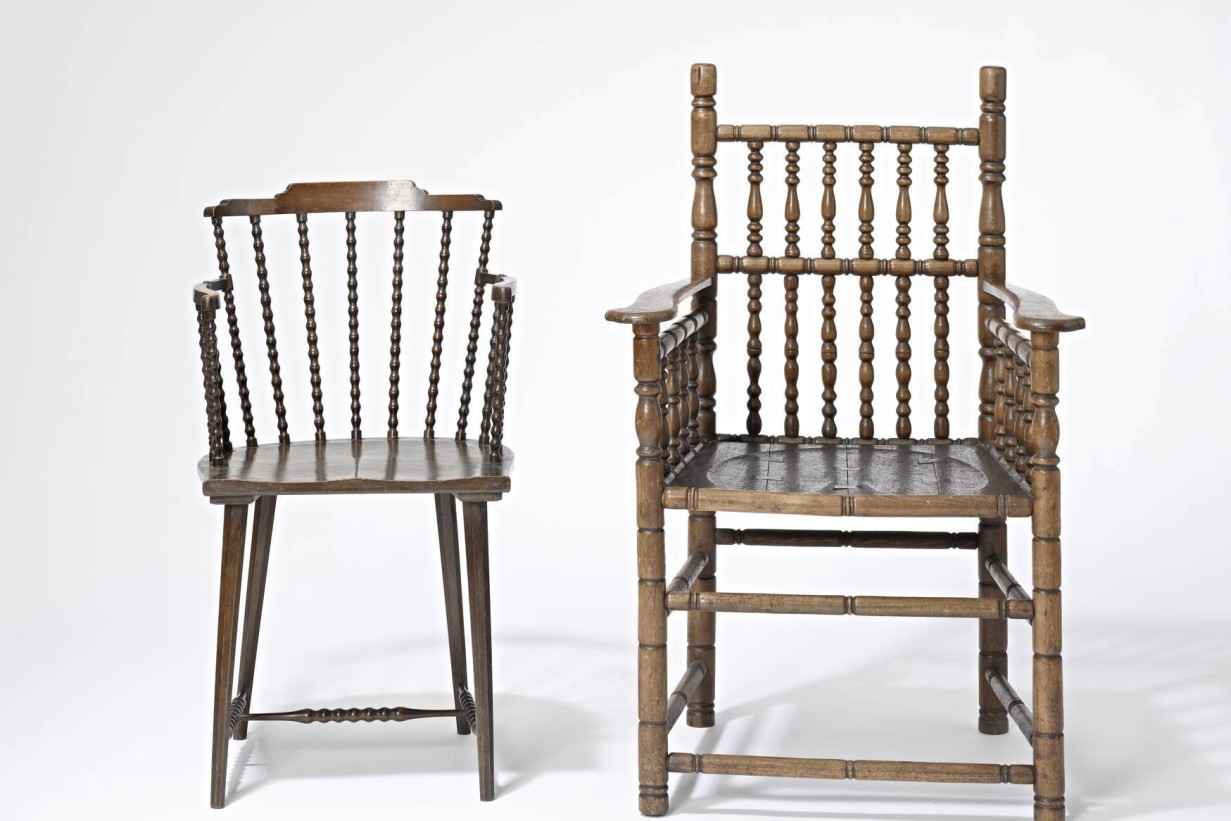
Oskar Strnad, chair/armchair, Vienna, ca. 1914, beech wood, solid, lathed, stained, matt-polished; brass, H 2437 © MAK
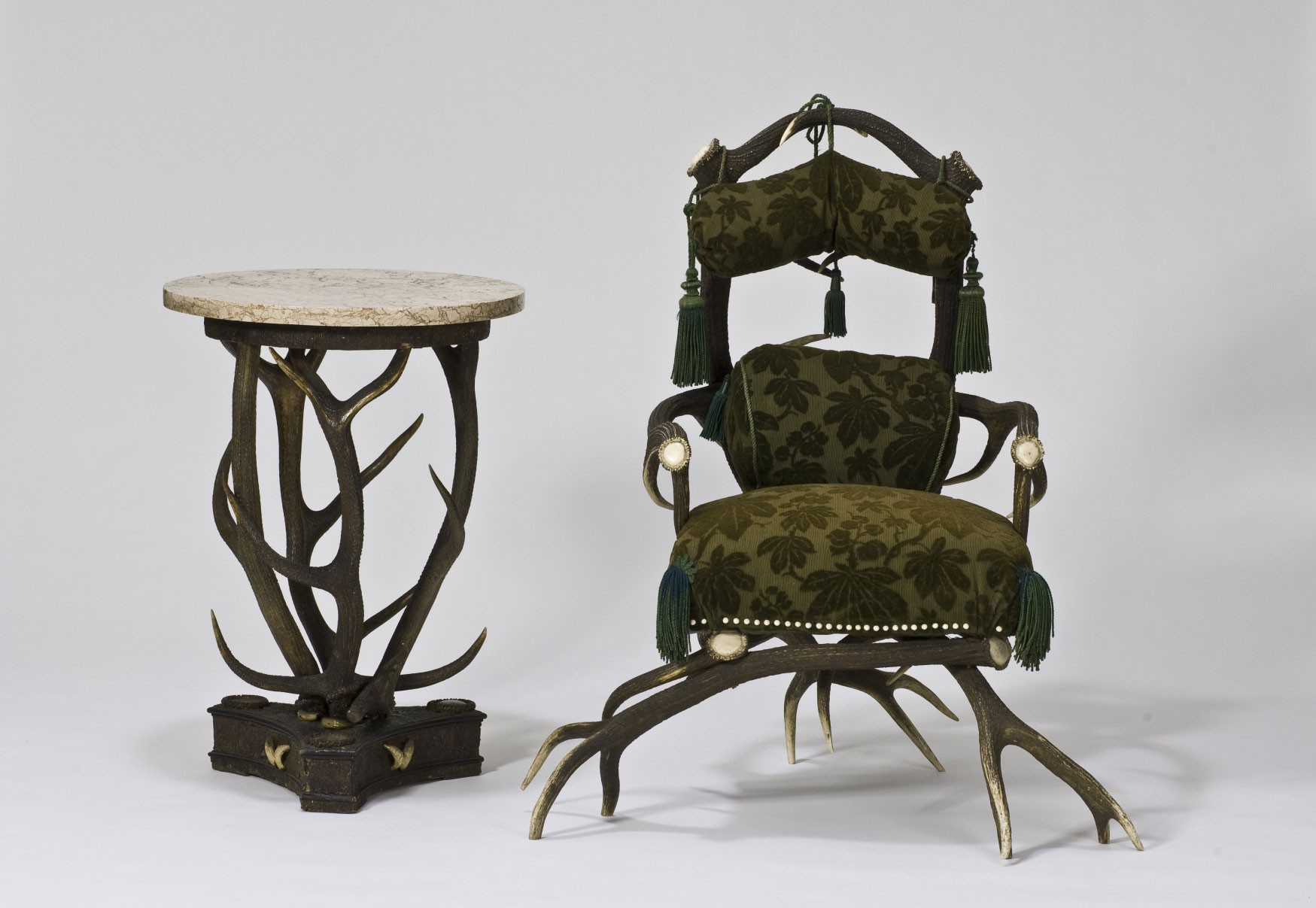
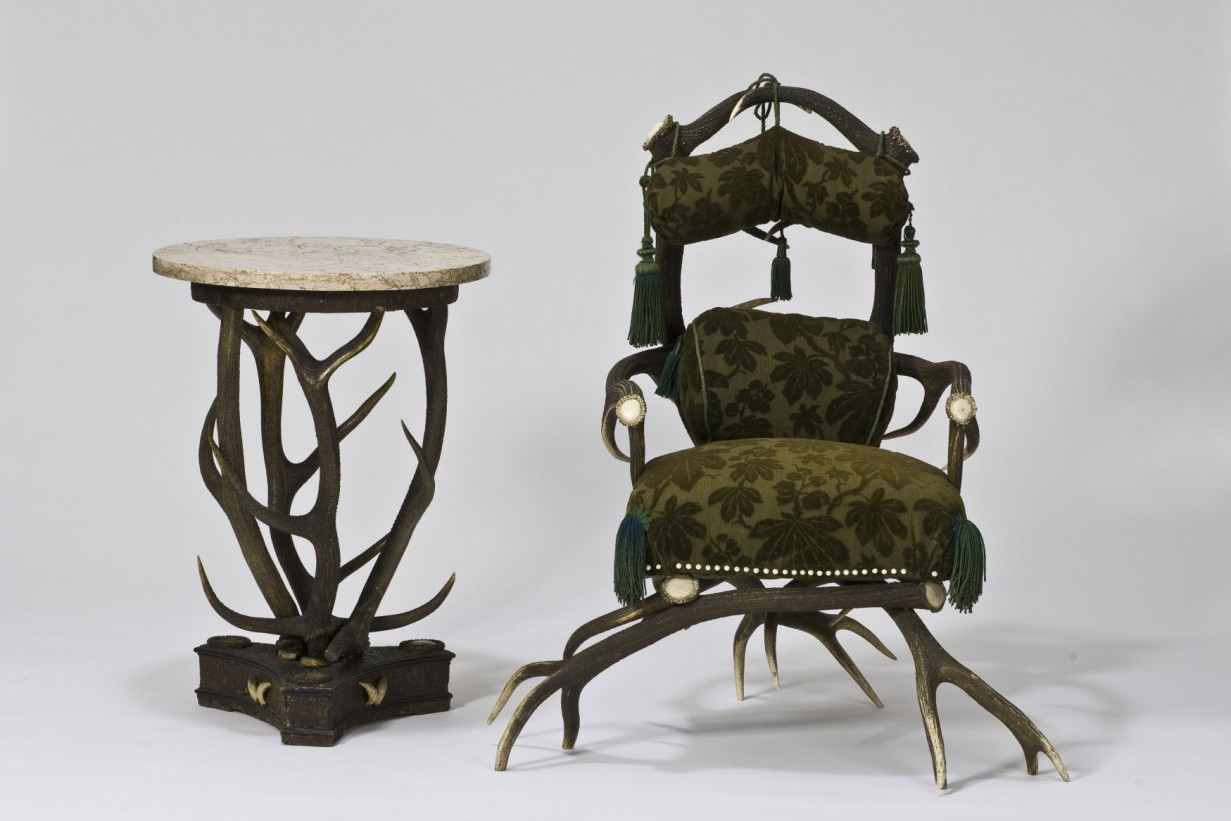
Armchair and table from the hunting lodge in Neuberg a. d. Mürz, execution: Rotter, Austria, 1858, deer antlers; wood; upholstery with a green rep cover; horn, polished, H 3140-1 © MAK
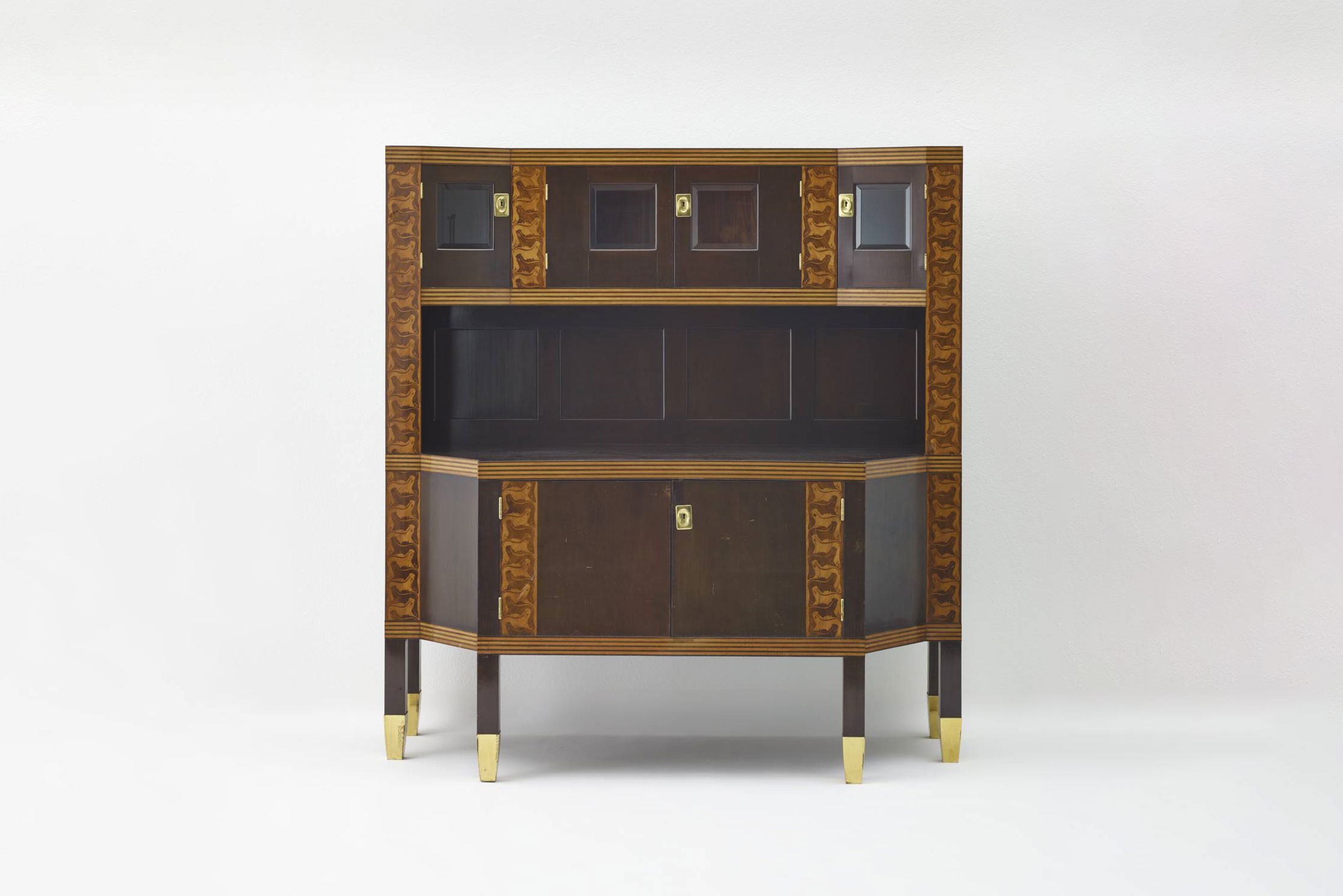
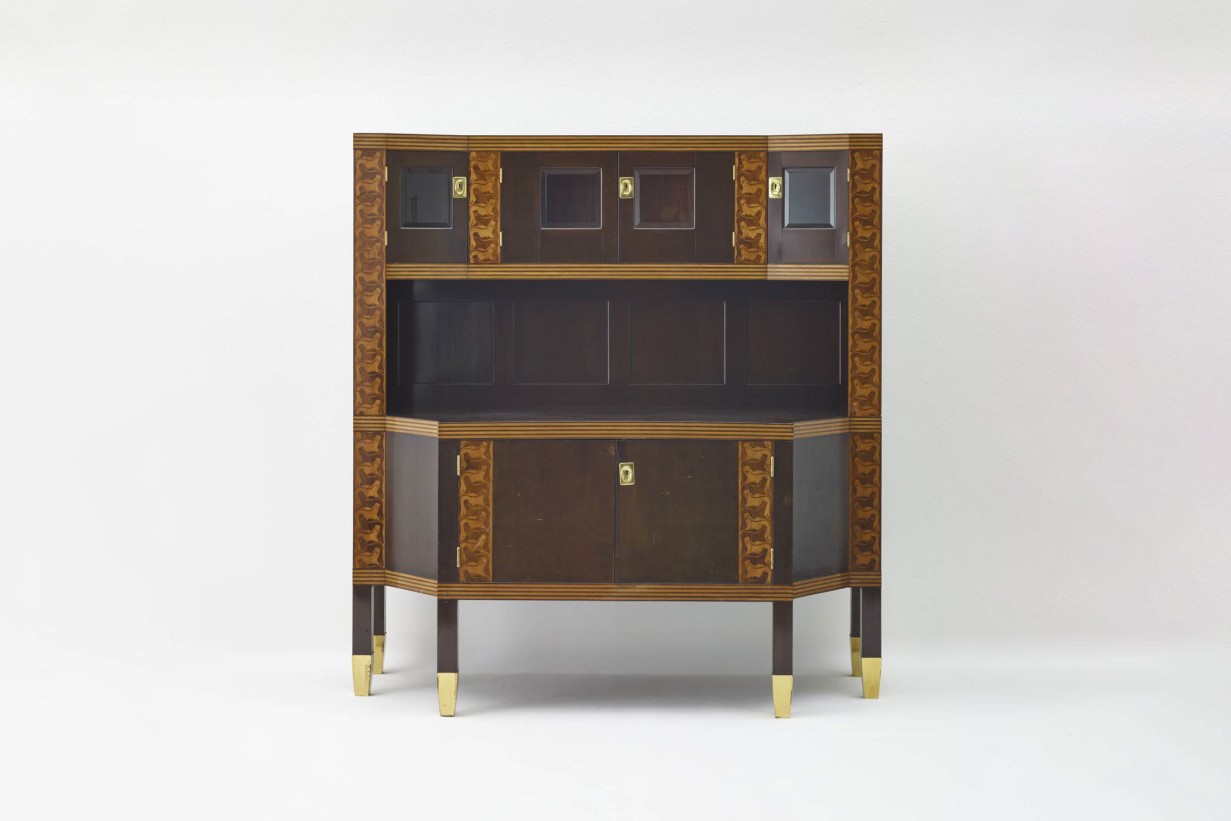
Koloman Moser, buffet cabinet “The Rich Haul,” execution: Portois & Fix, Vienna, 1900, maple wood, fish marquetry made of boxwood and pyramid mahogany wood, H 1700 © MAK
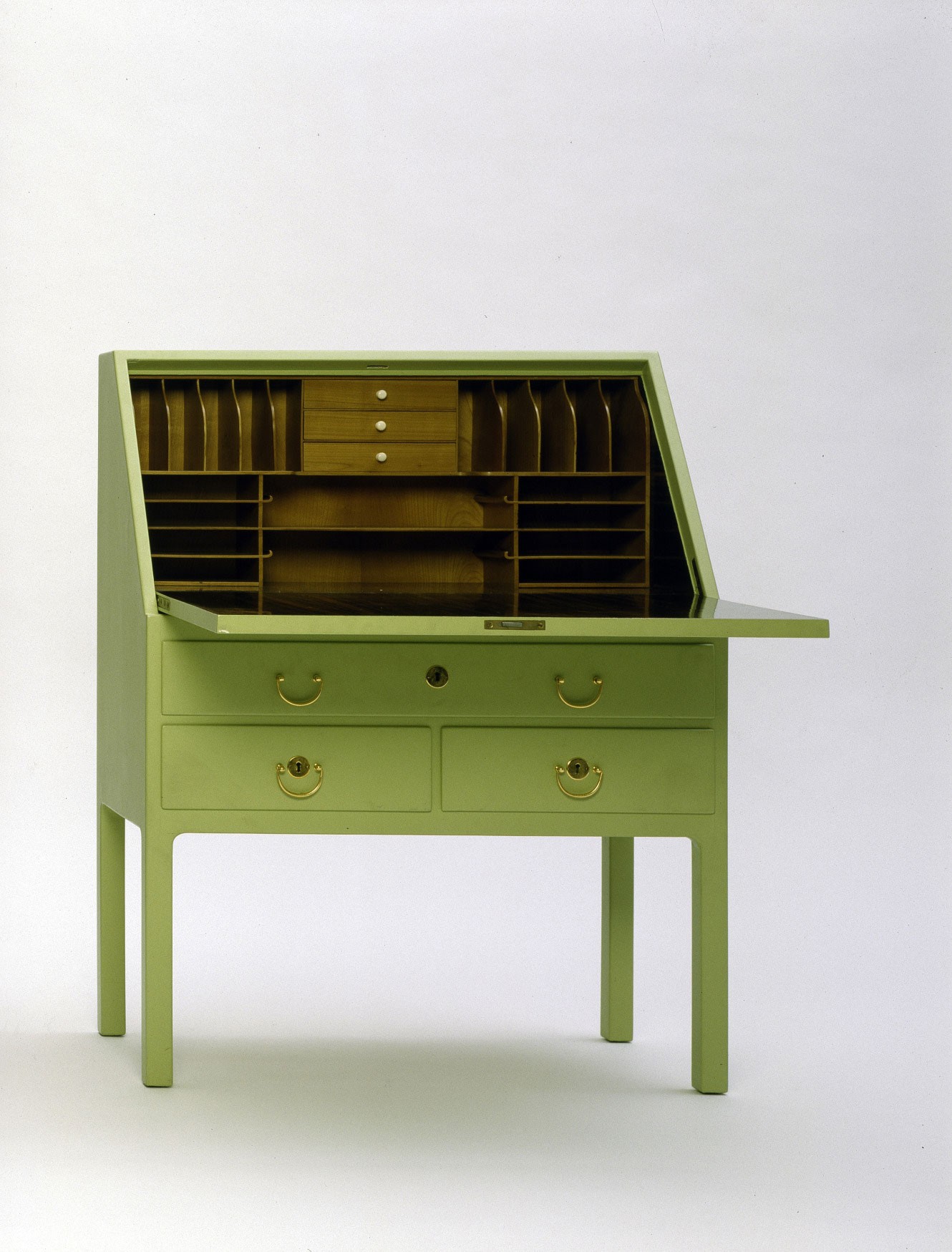
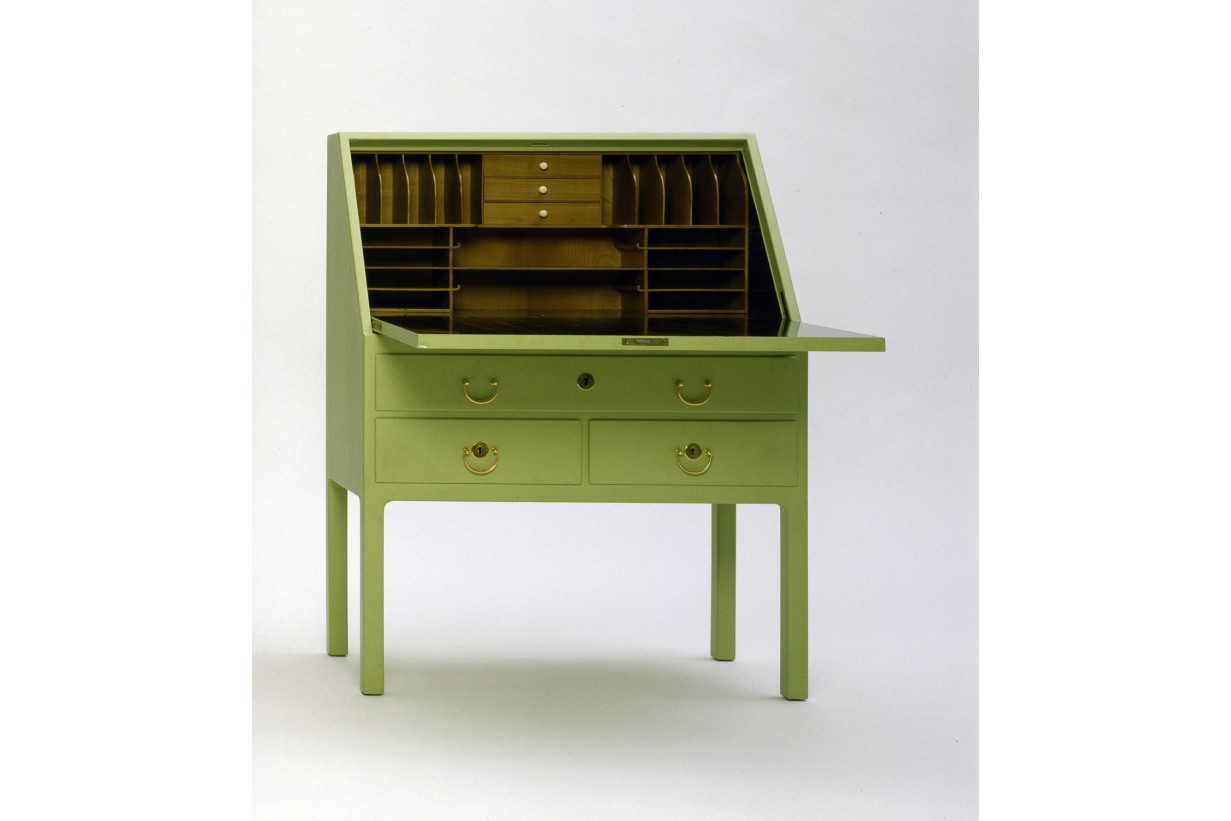
Josef Frank, writing desk, Vienna, ca. 1925, wood, with renewed green rubbing varnish; Makassar ebony, cherry wood, brass, H 2286 © MAK
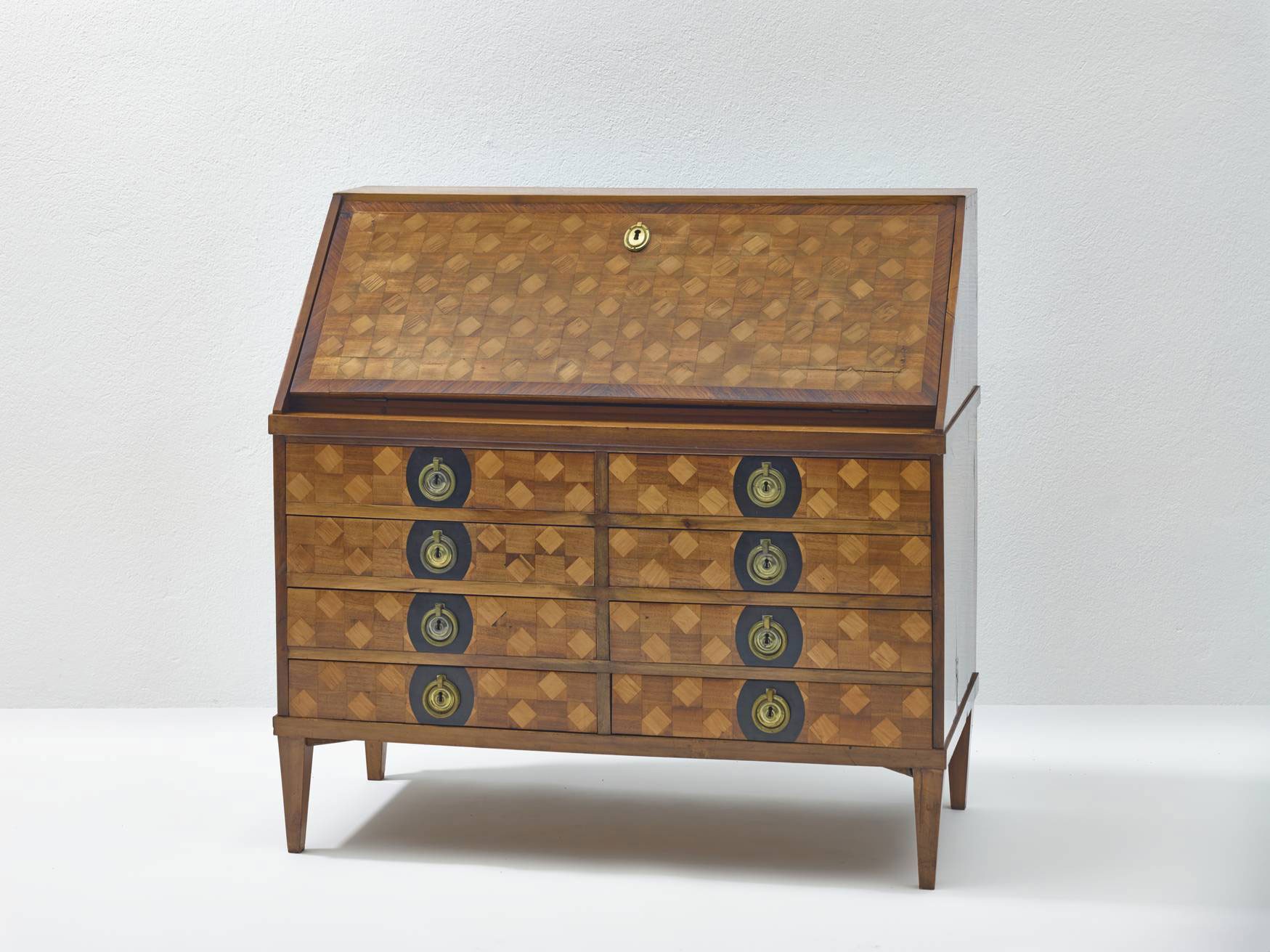
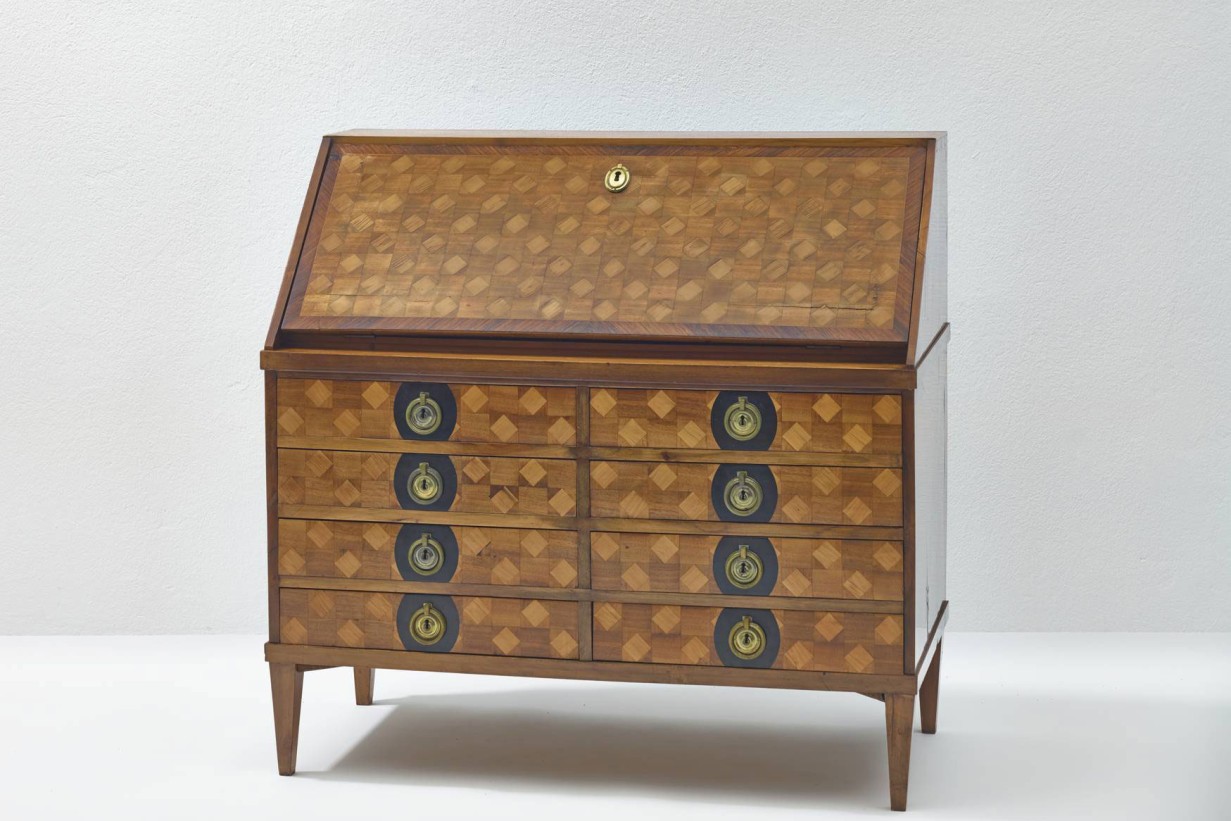
Josef Frank, writing desk from the boudoir of the Tedesko flat, execution: Franz Krejci, Vienna, 1910, H 3838 © MAK
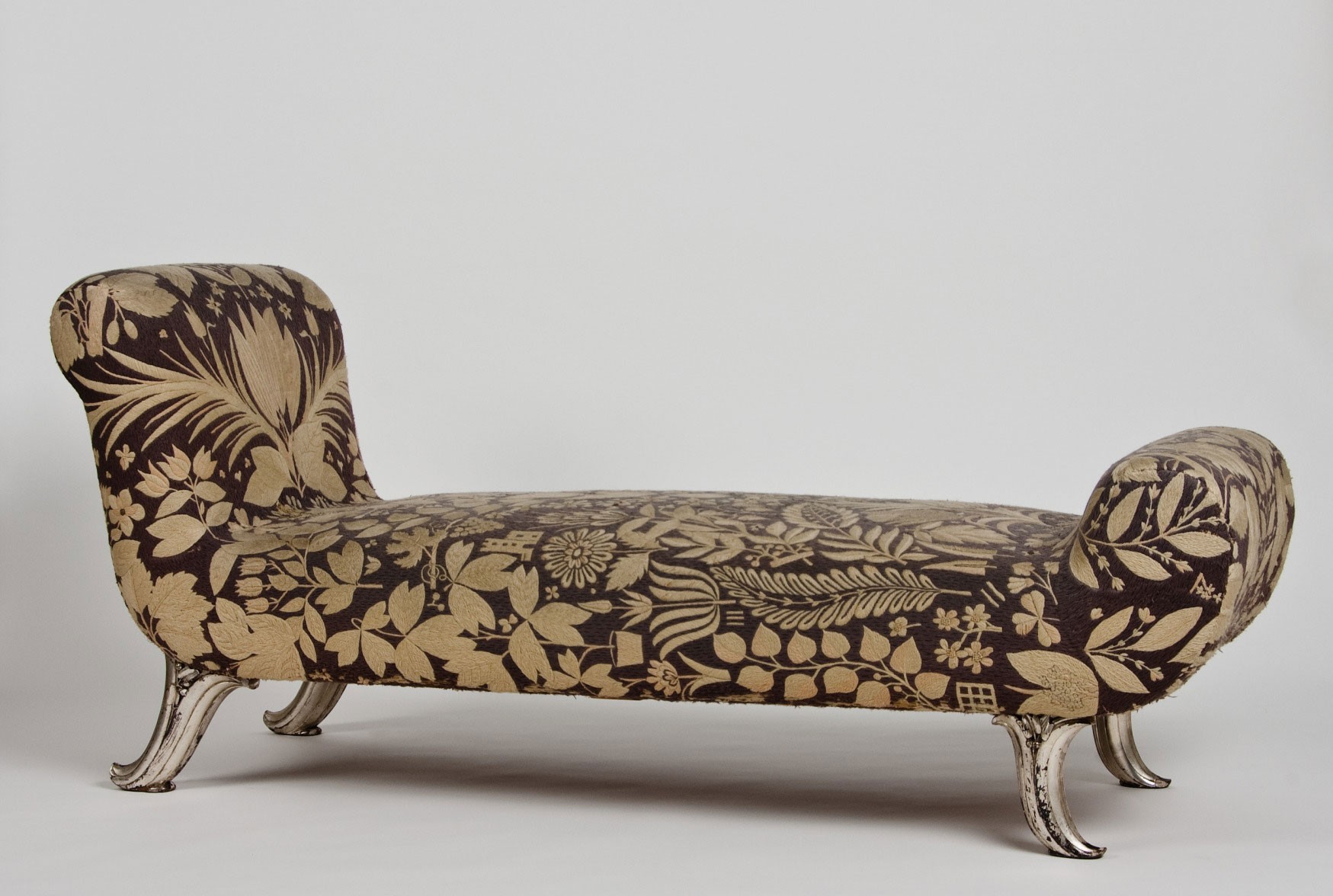
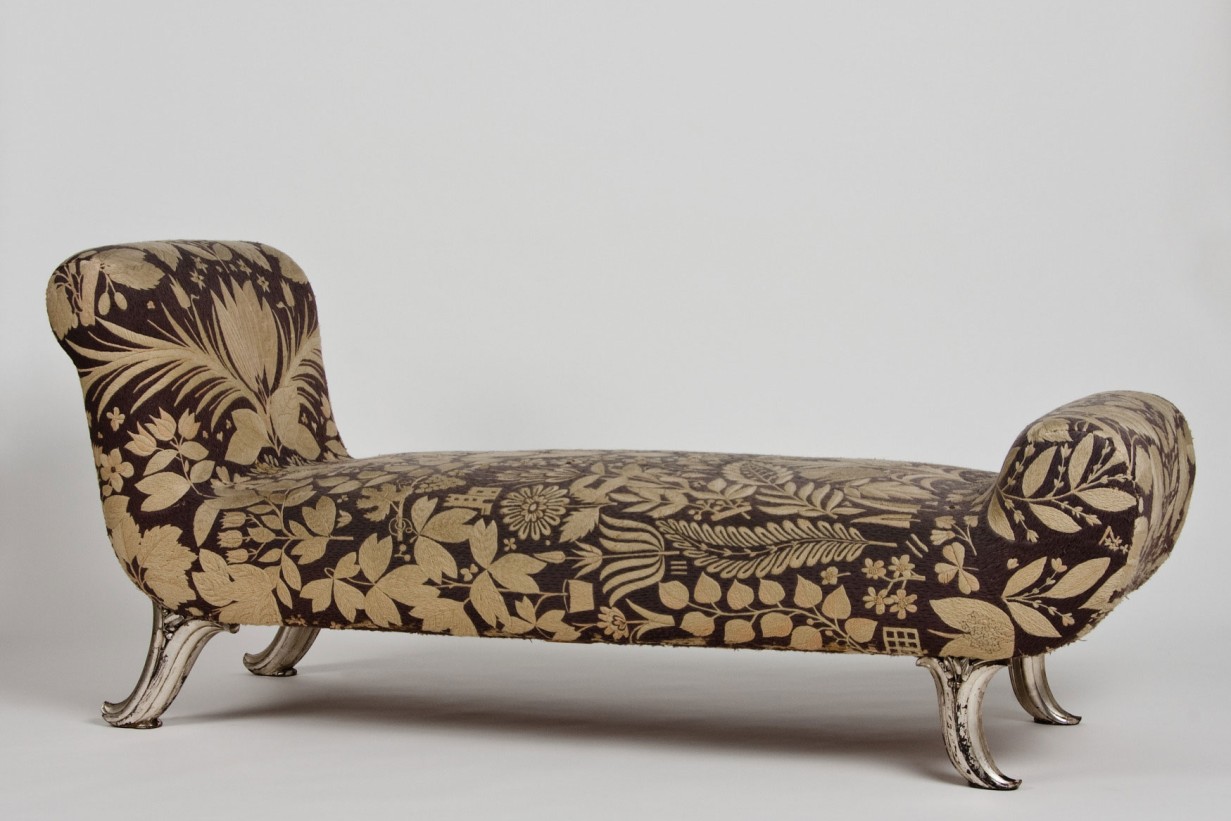
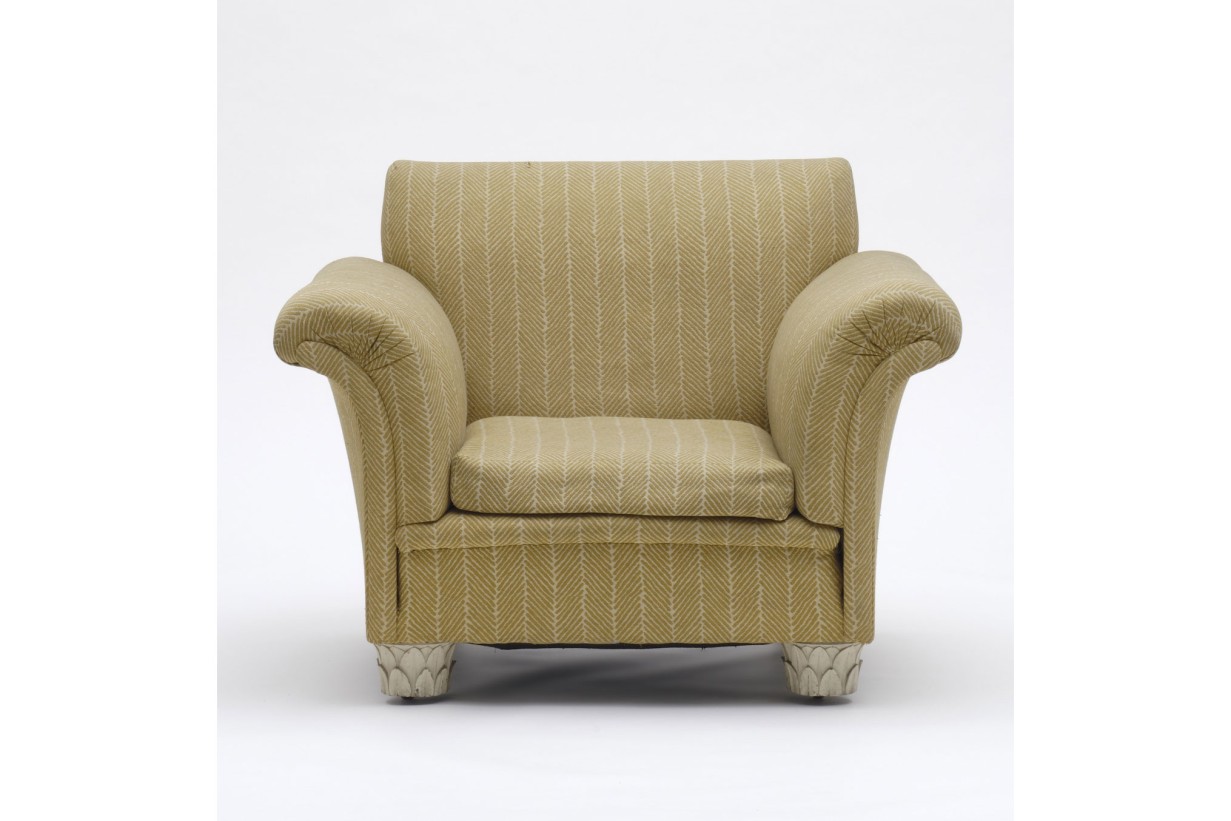
Josef Hoffmann, lounge from the “room furnishings for a great star” (Paris World’s Fair 1937), execution: Firma Max Welz, Vienna, 1937, H 2059 © MAK
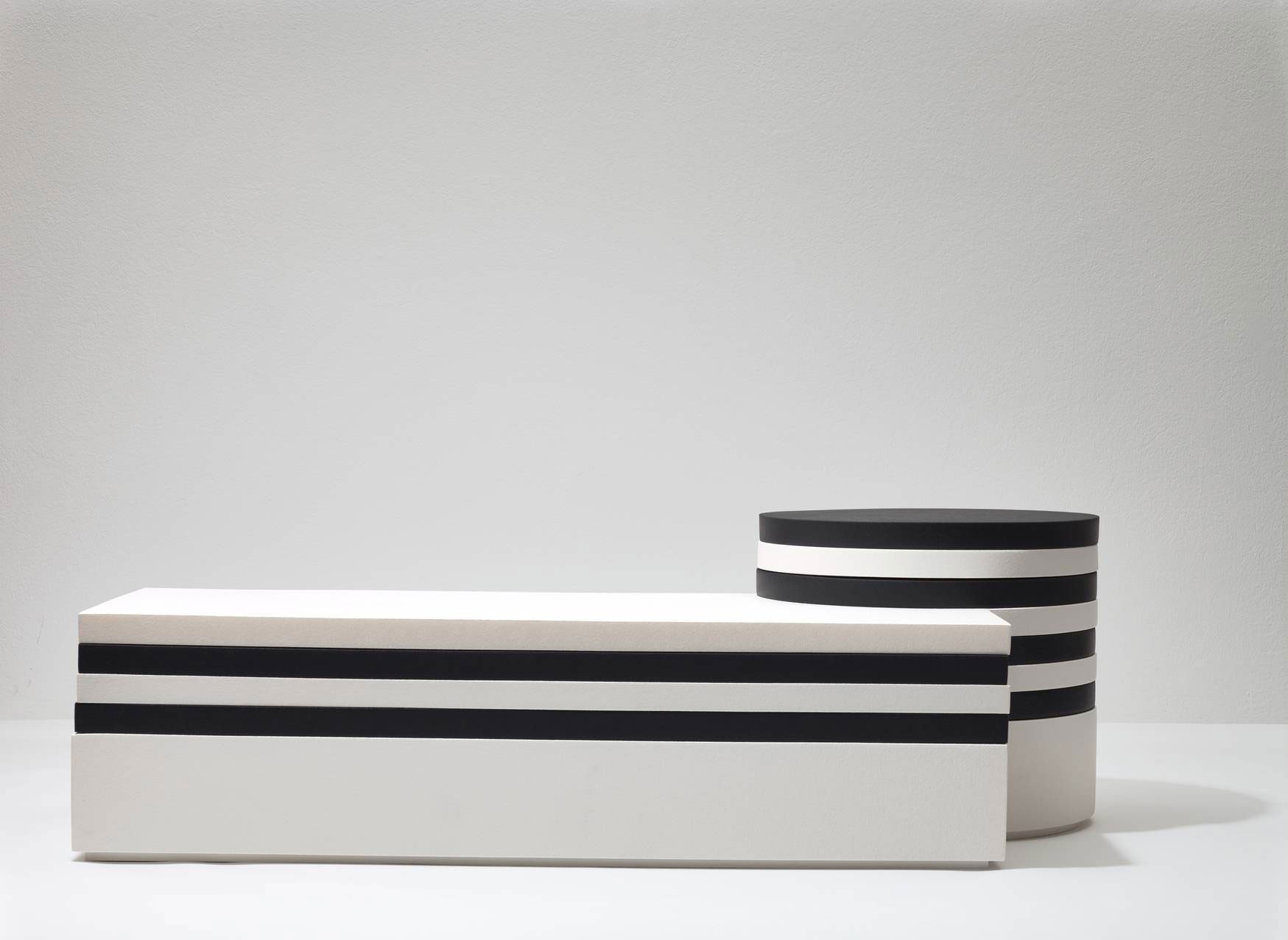
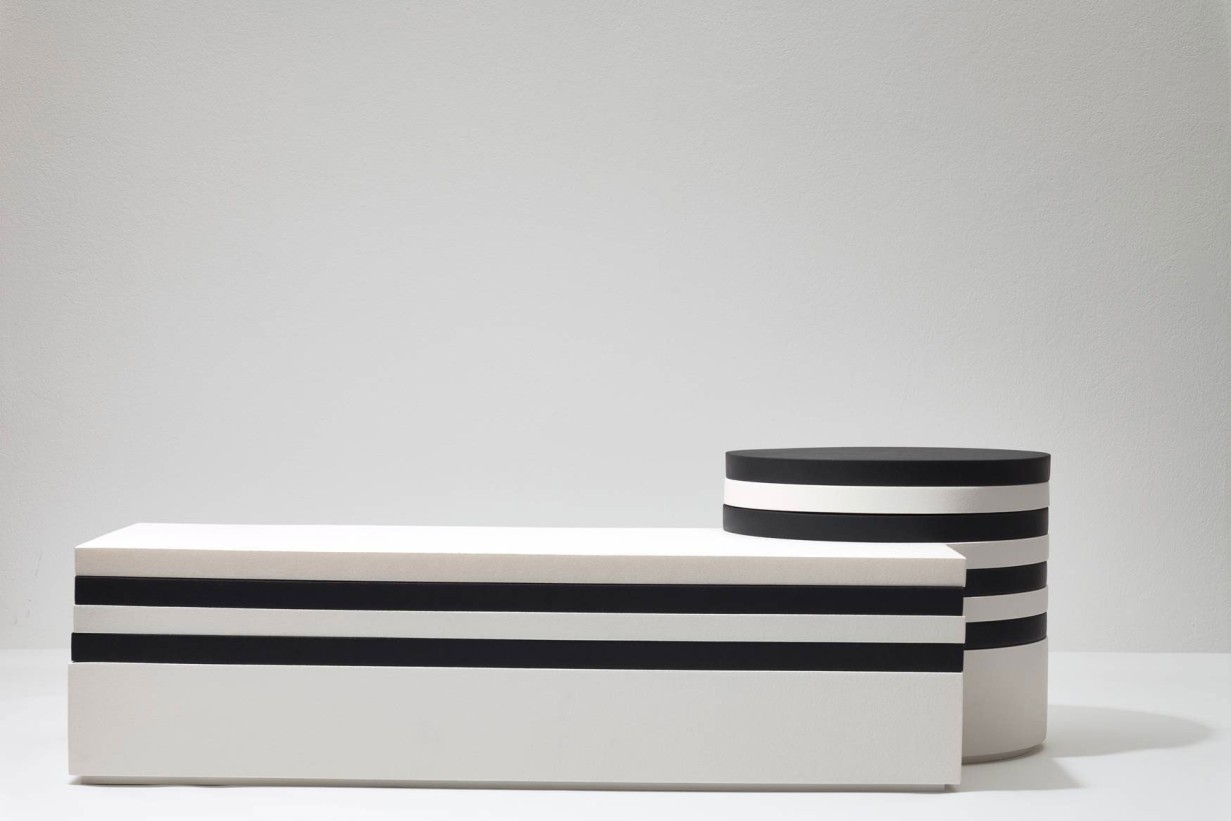
Patrick Rampelotto, lounge / bench “Josephine,” execution: Quinze & Milan, Belgium, 2013, H 3755 © MAK
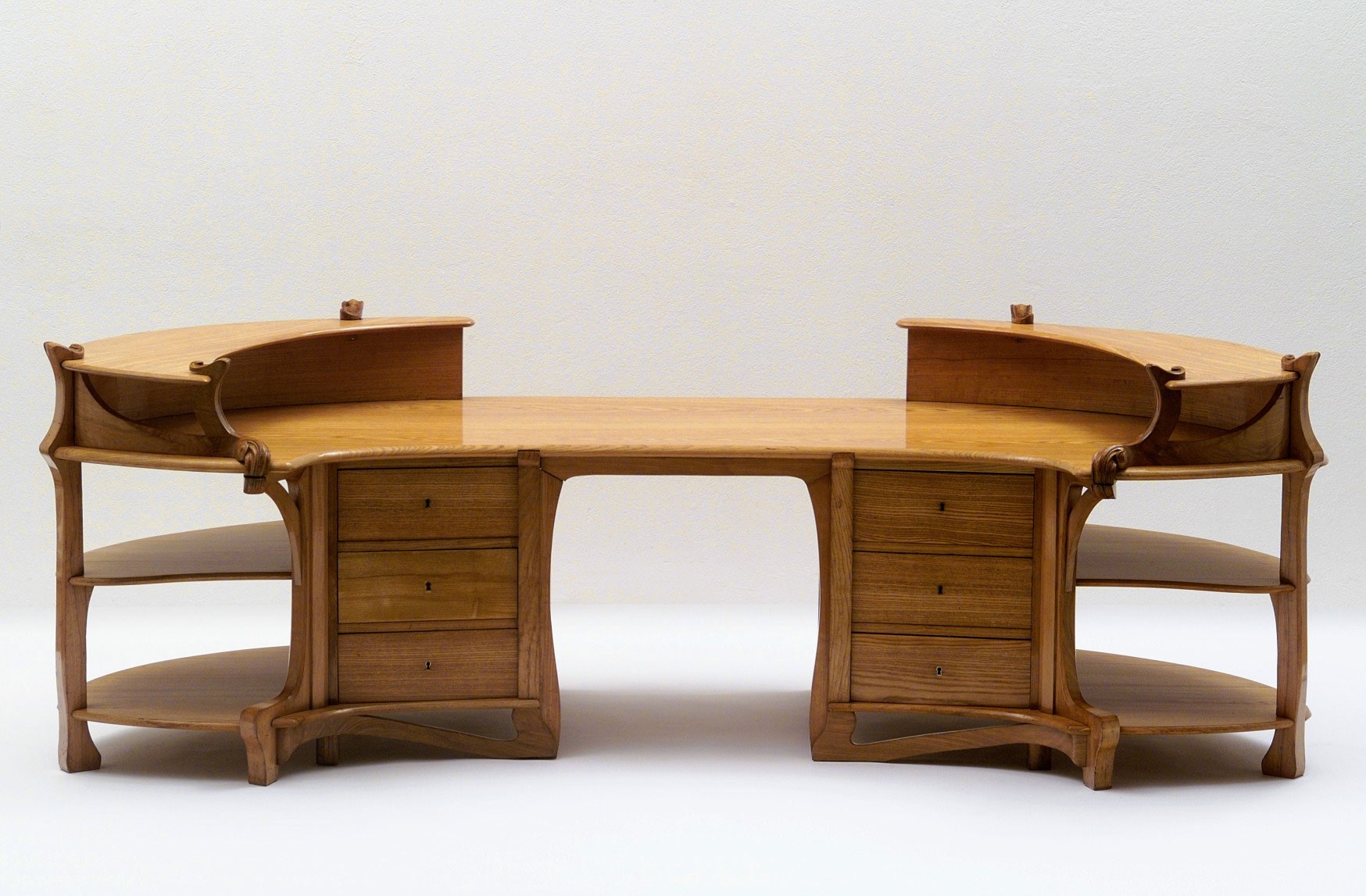
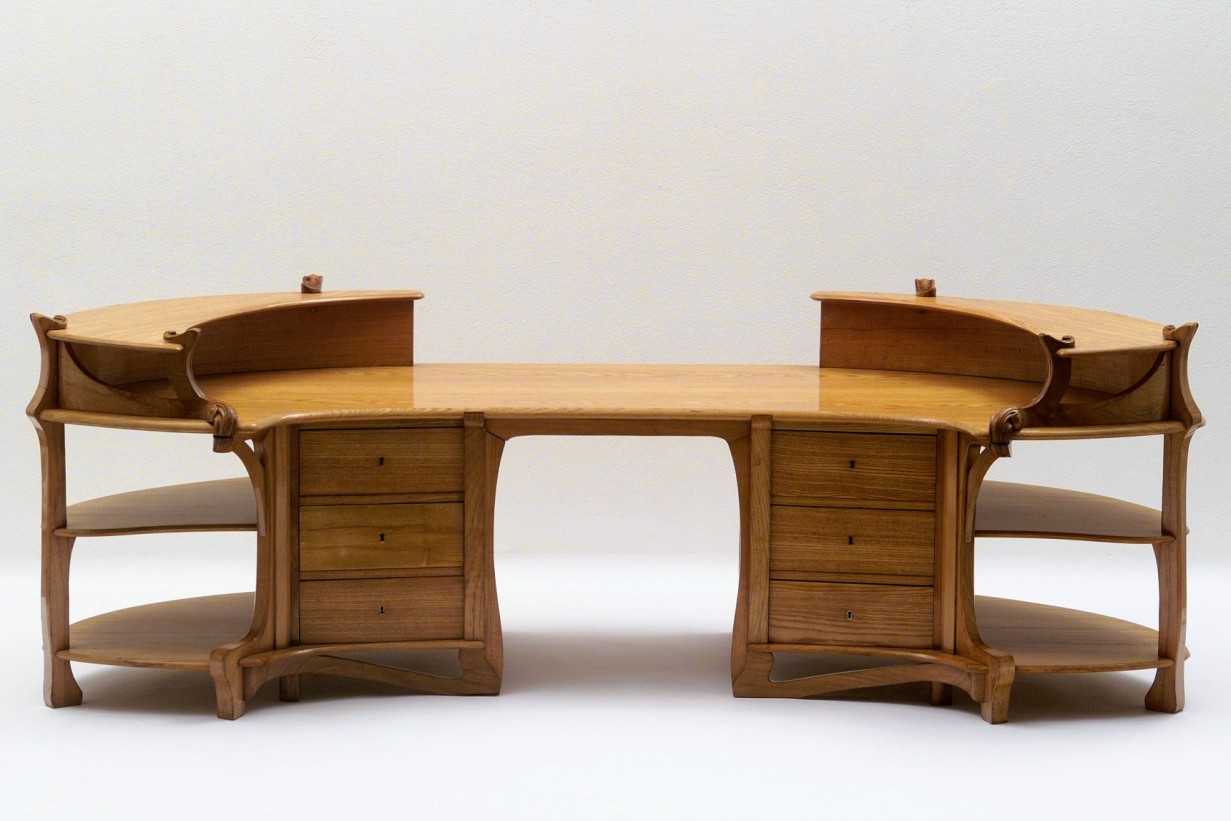
Henry van de Velde, desk, 1898, ash wood, oak, brass, H 2039 © MAK
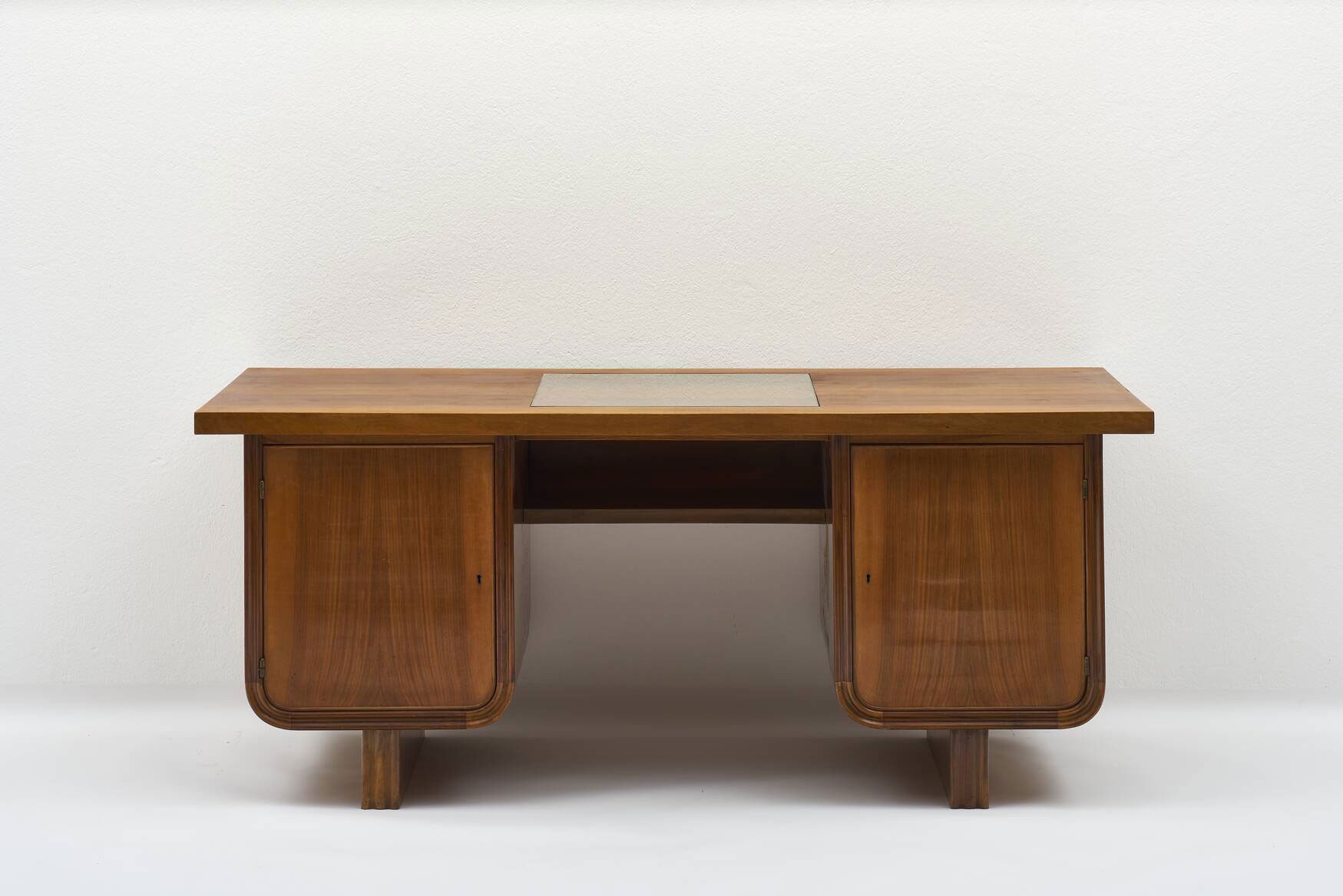
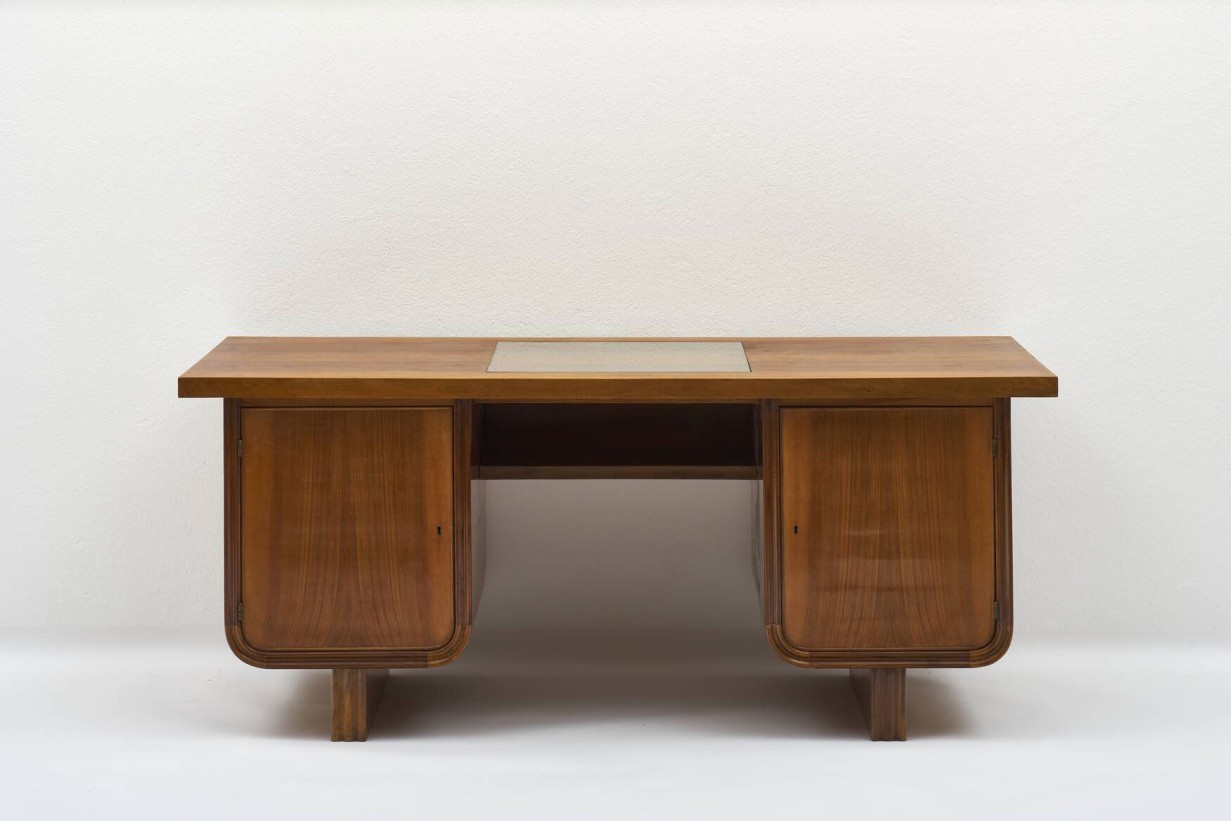
My Ullmann, desk, 1938, walnut, H 3415 © MAK
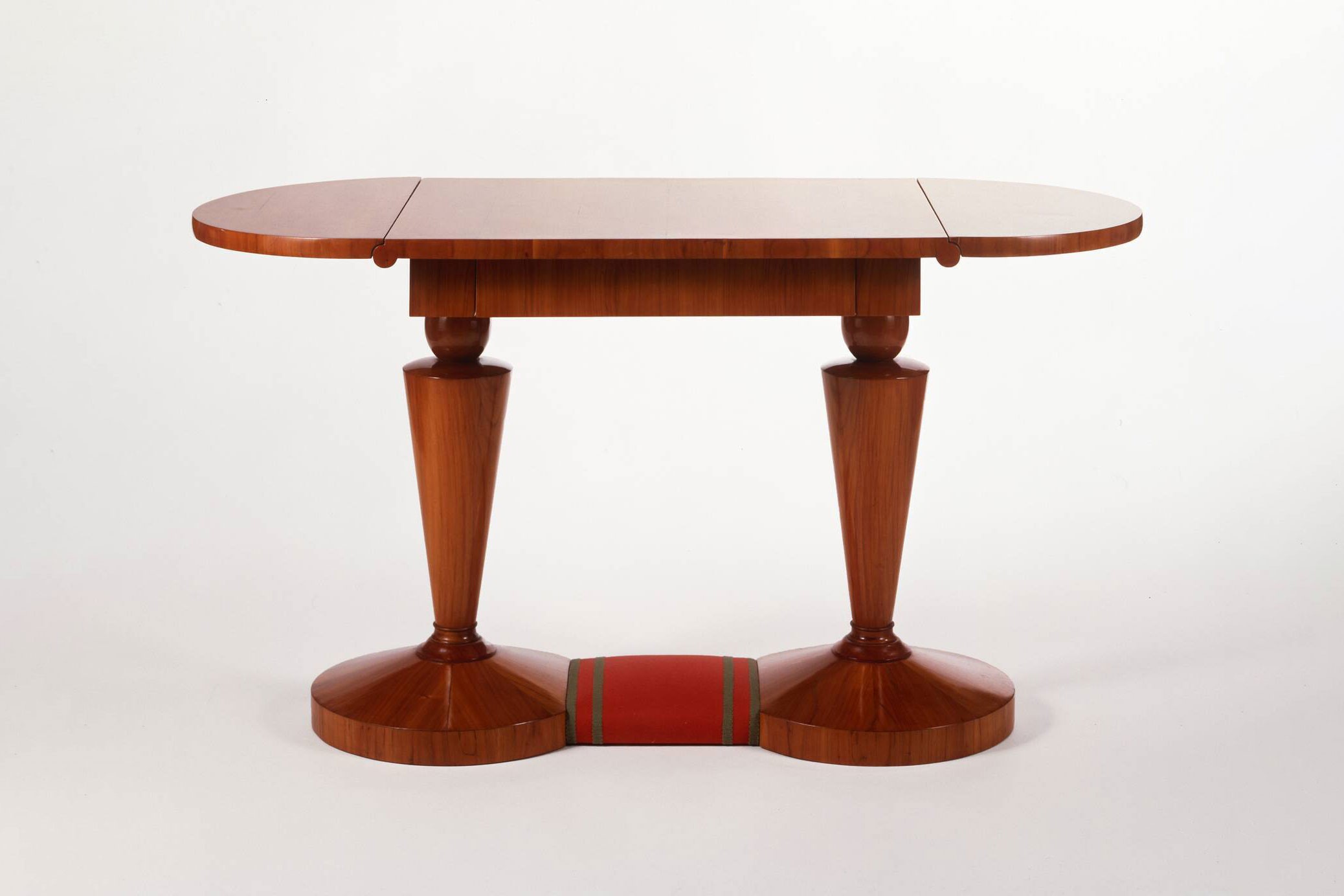
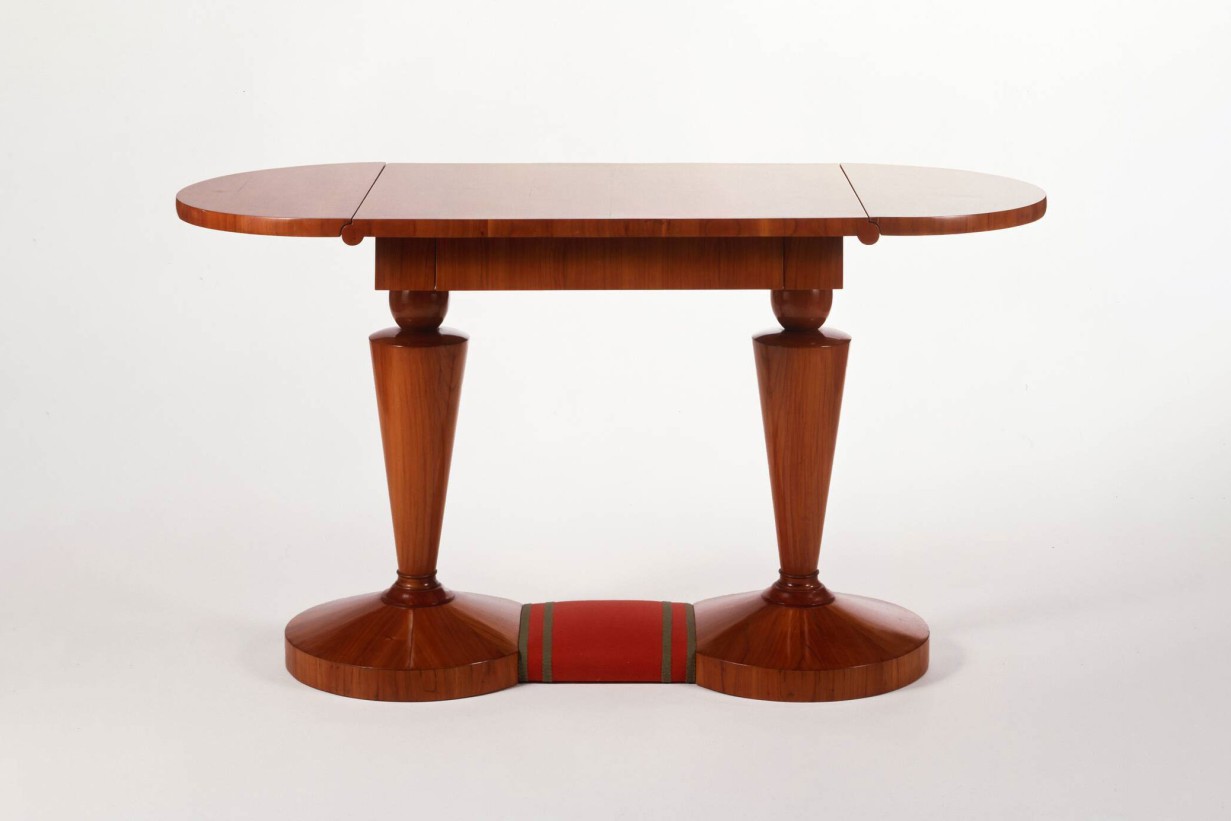
Joseph Ulrich Danhauser, table, Vienna, ca. 1925, cherry tree, H 2727 © MAK
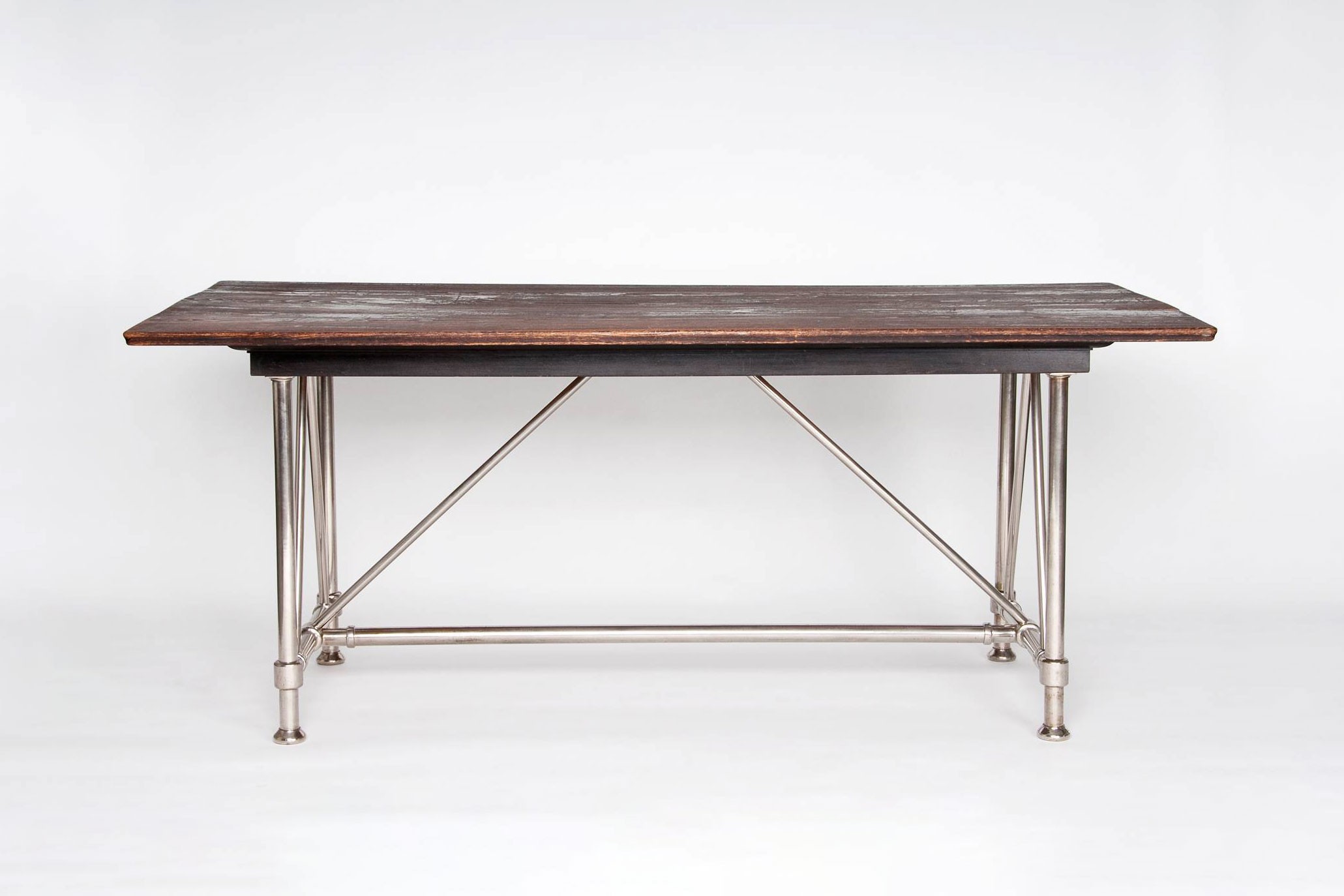
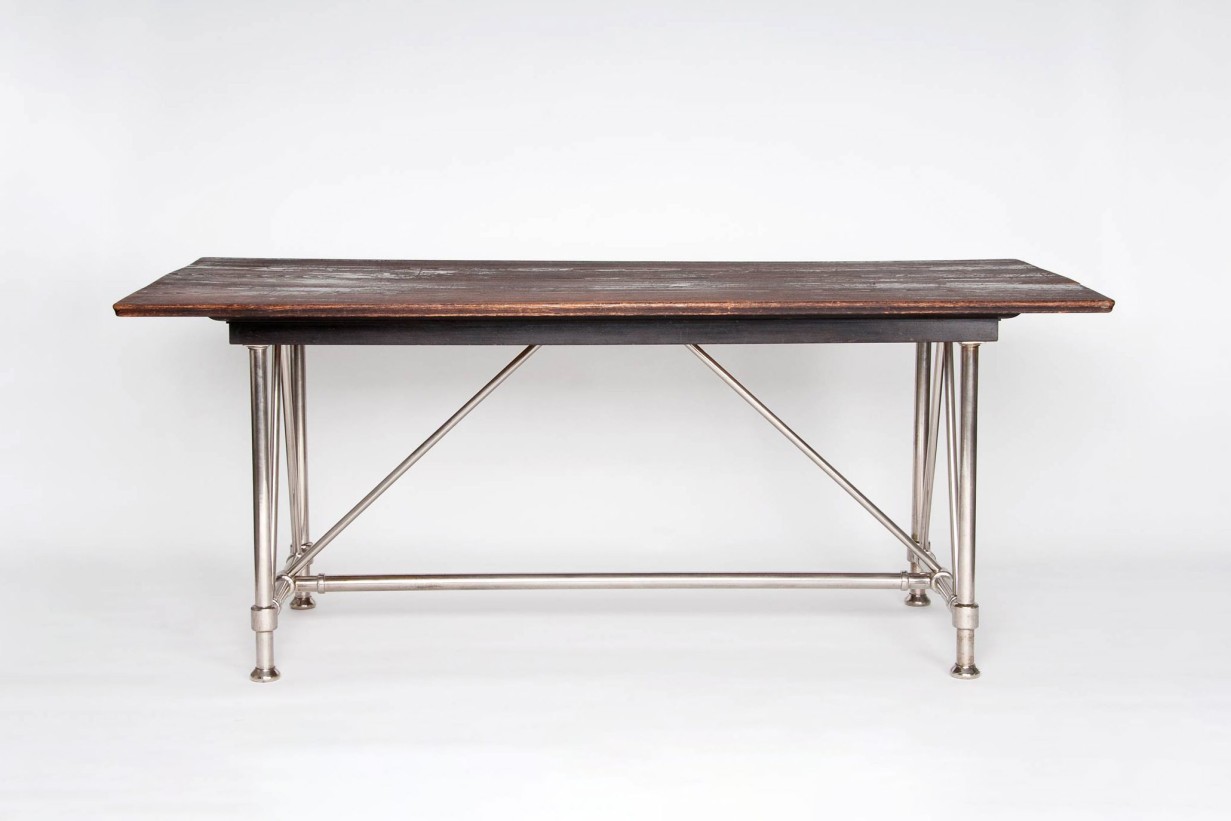
Otto Wagner, table from the telegraph office “Zeit,” Vienna, 1902, beech wood, brass tube, iron tube, H 3196 © MAK
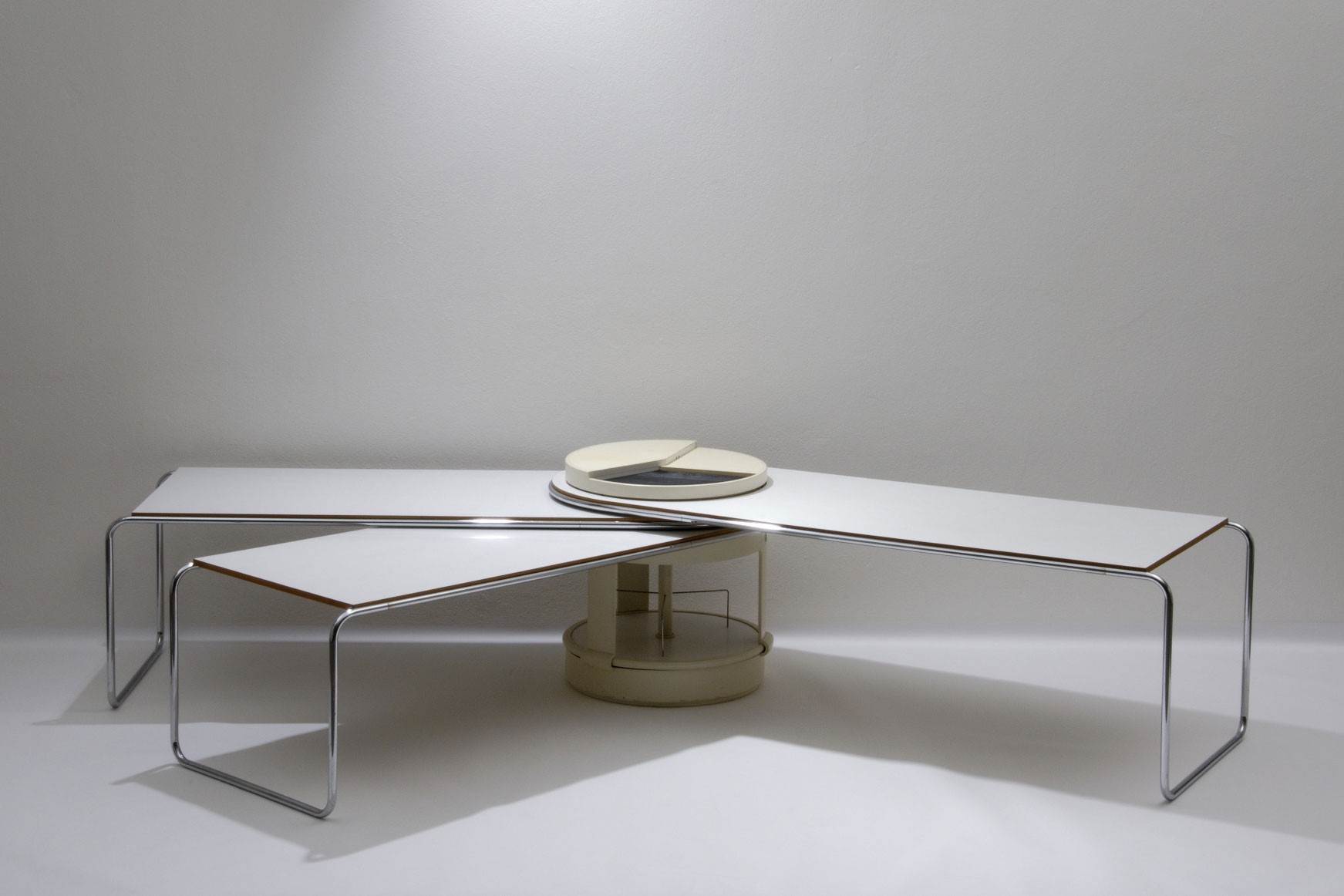
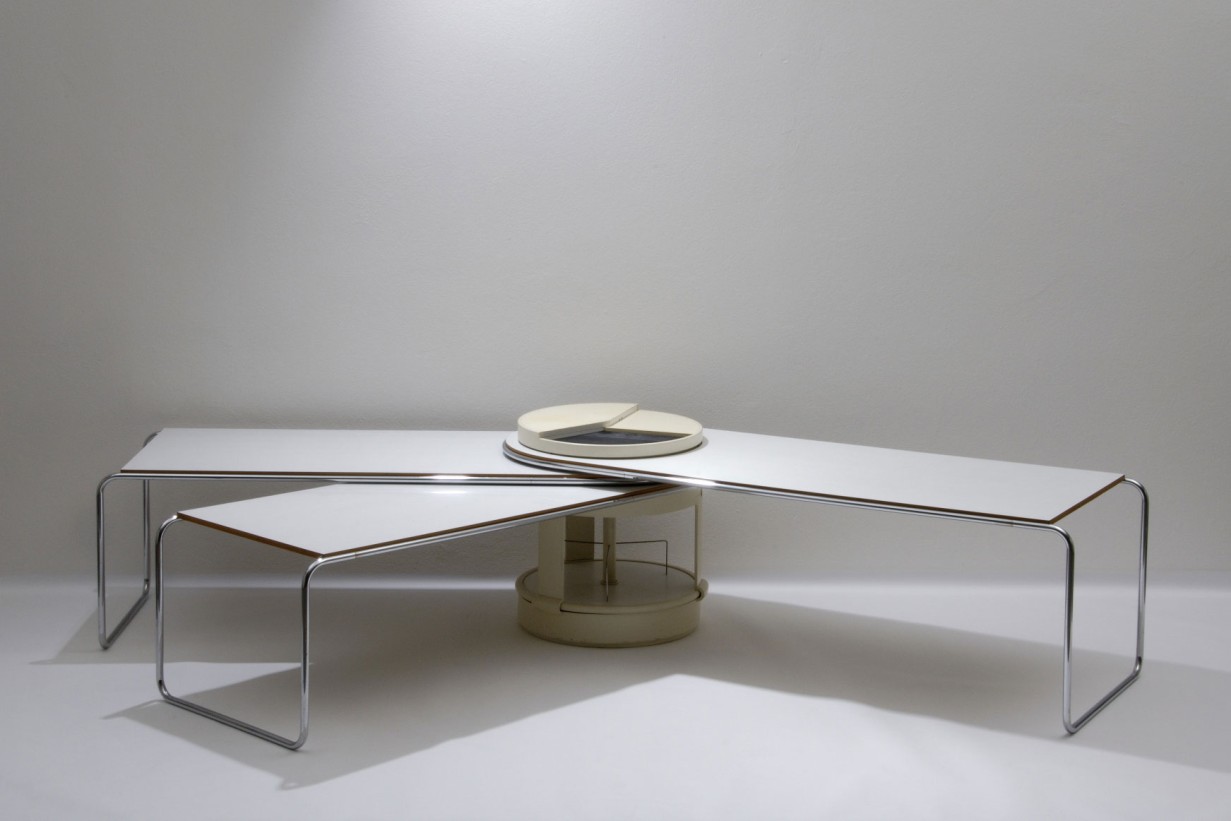
Robert Maria Stieg, prototype for a combined writing and drawing desk, execution: R. Svoboda & Co., Austria, 1977, H 3379 © MAK
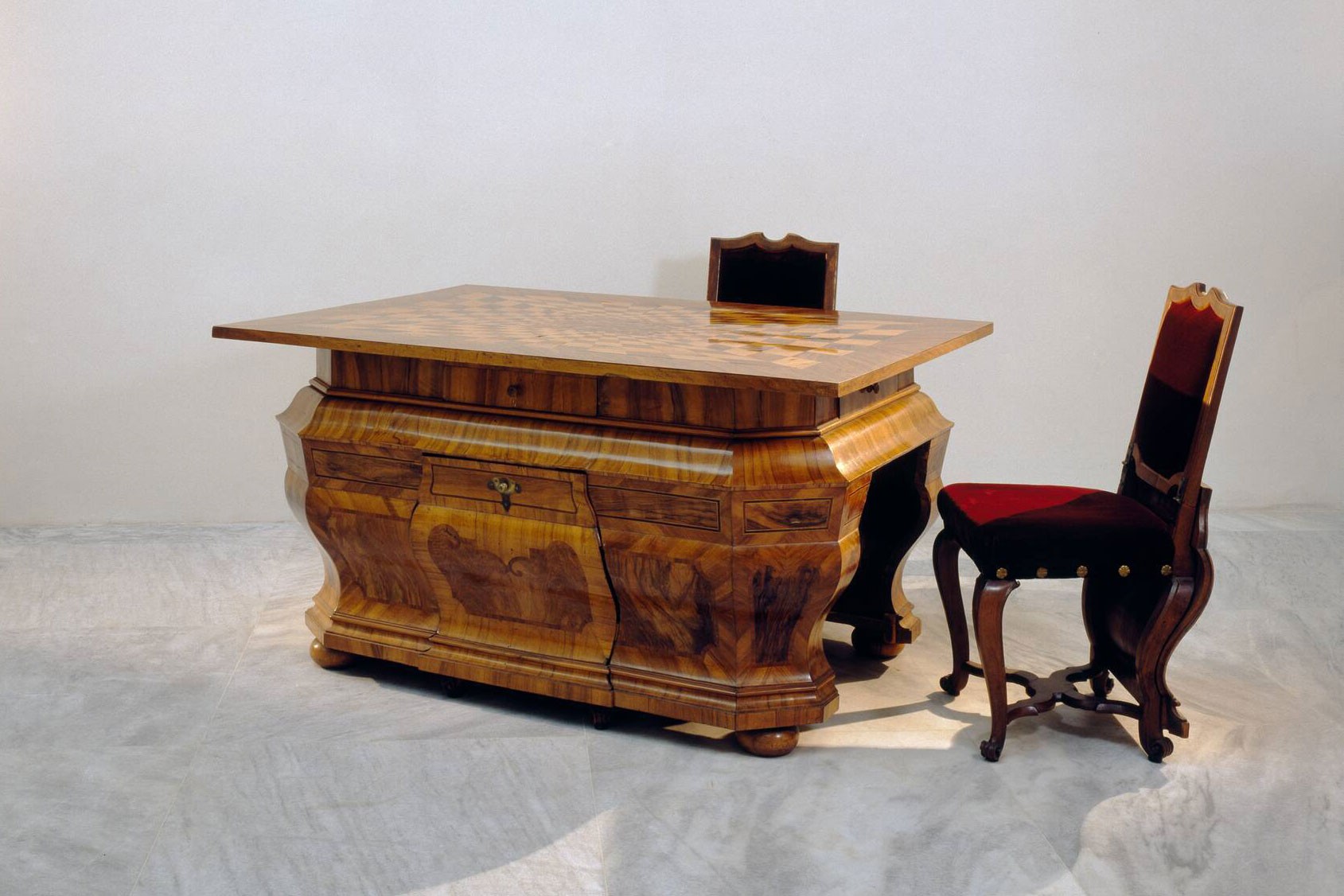
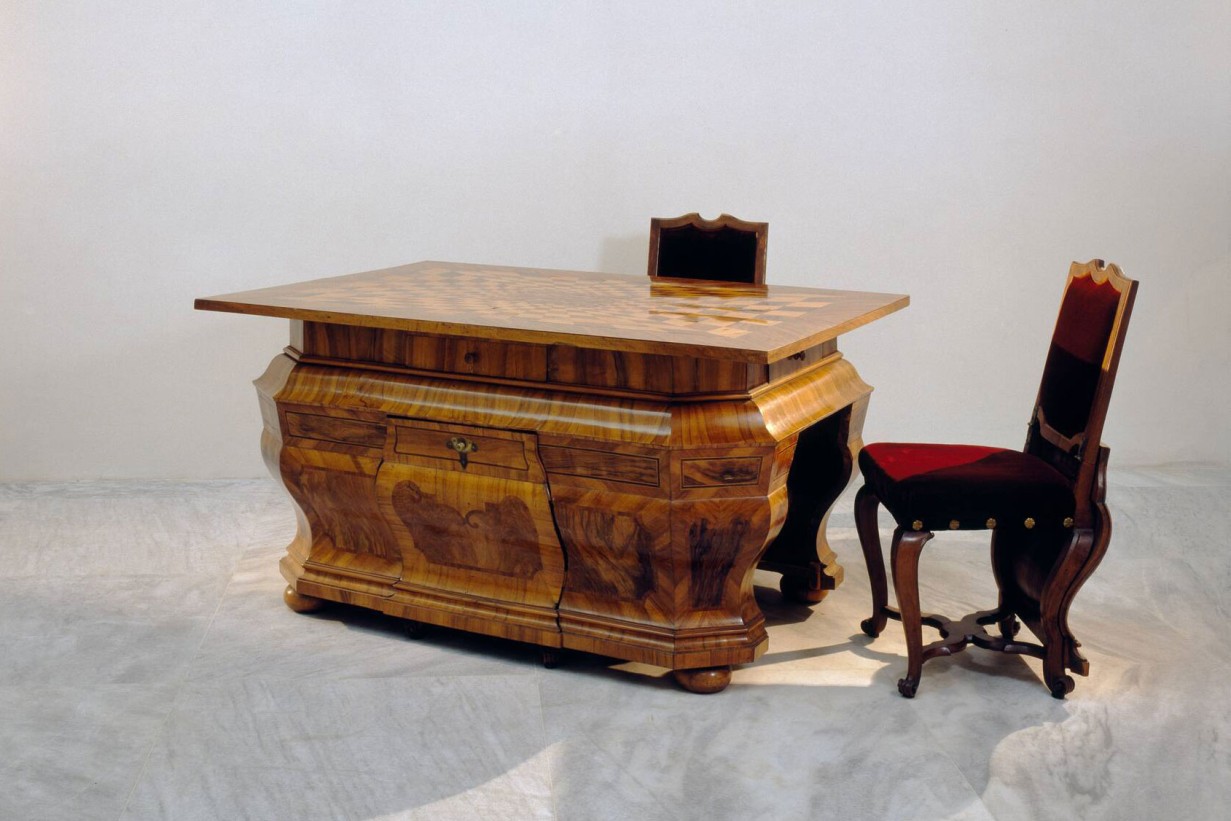
Library table, execution: anonymous, Vienna, ca. 1750, walnut and maple wood, veneered, polished; upholstery with textile cover, H 1185-1 © MAK
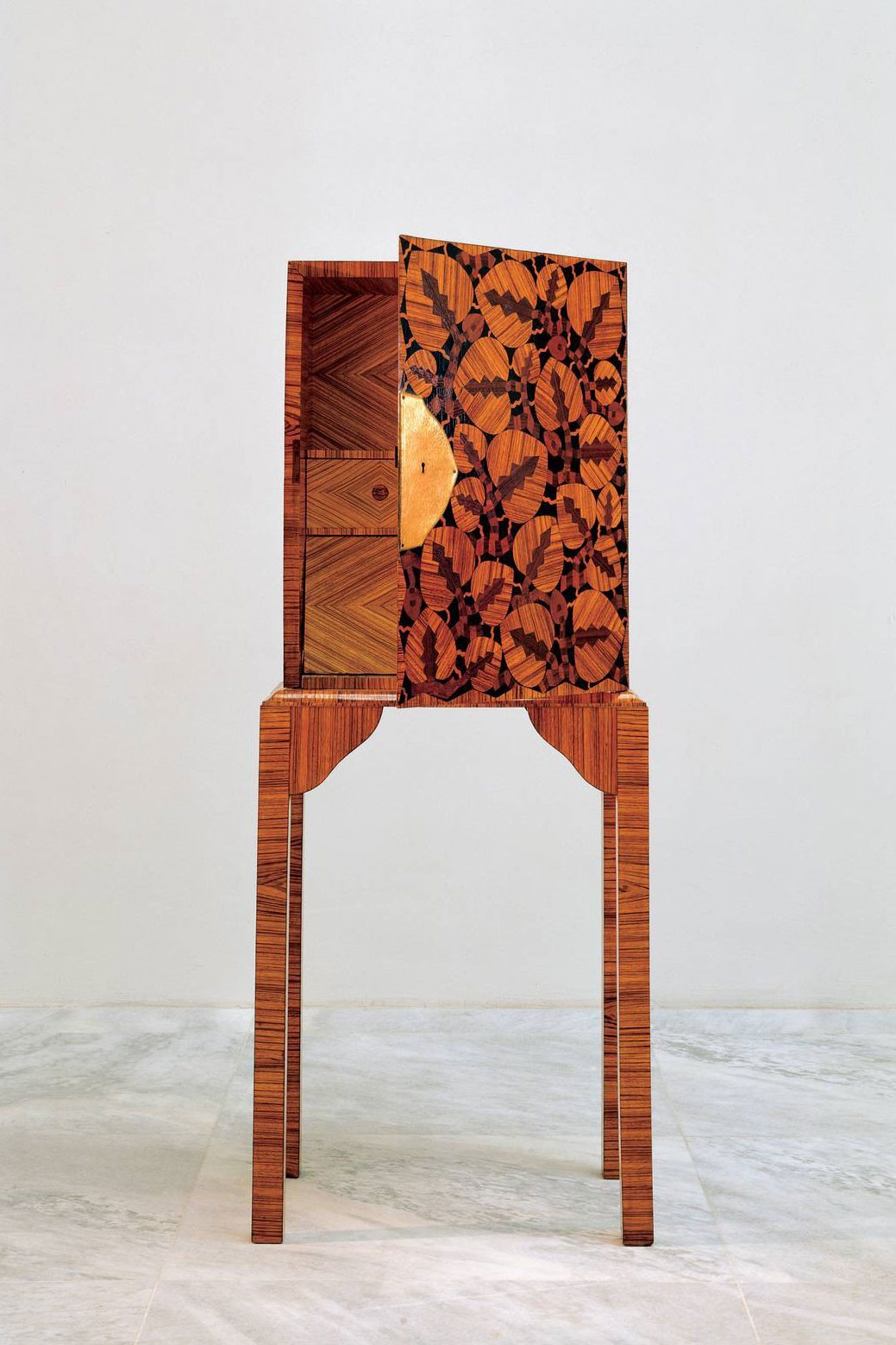
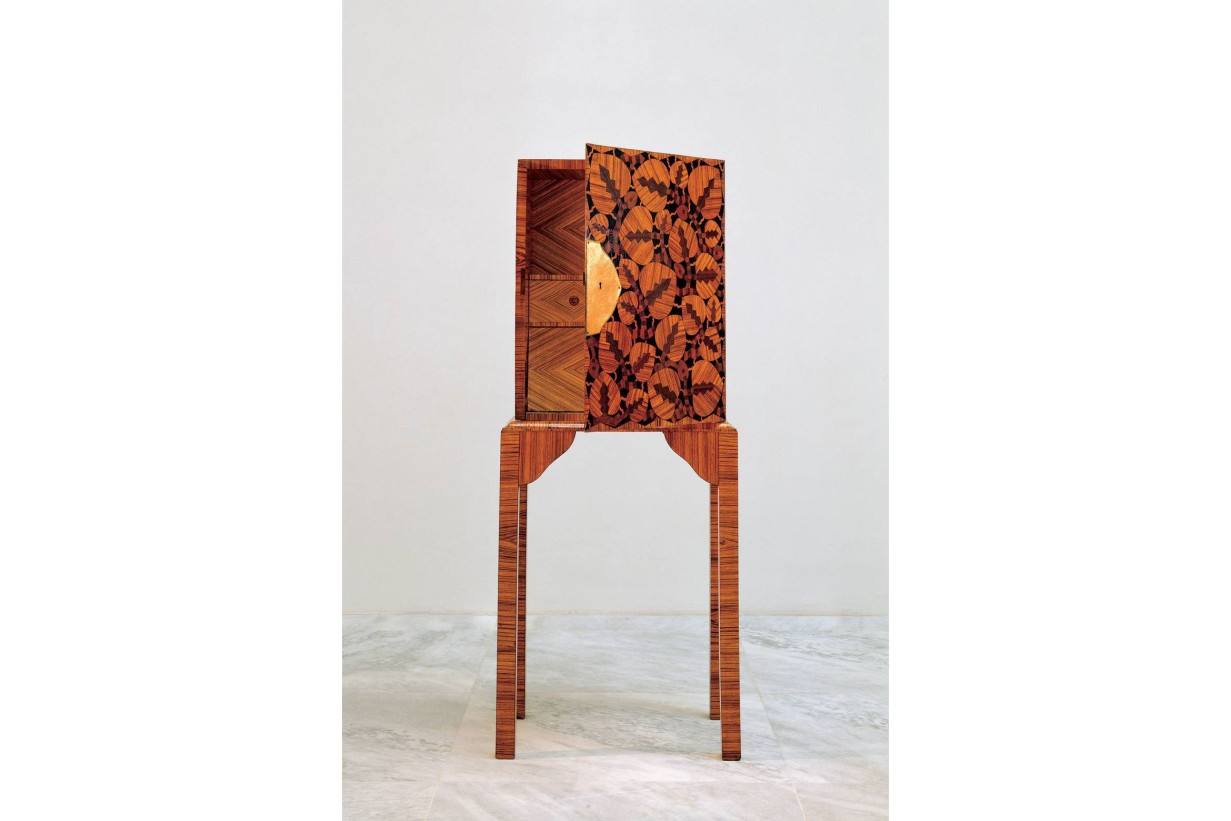
Rose Krenn, decorative cabinet, execution: Karl Adolf Franz, Vienna, 1912, H 1397 © MAK
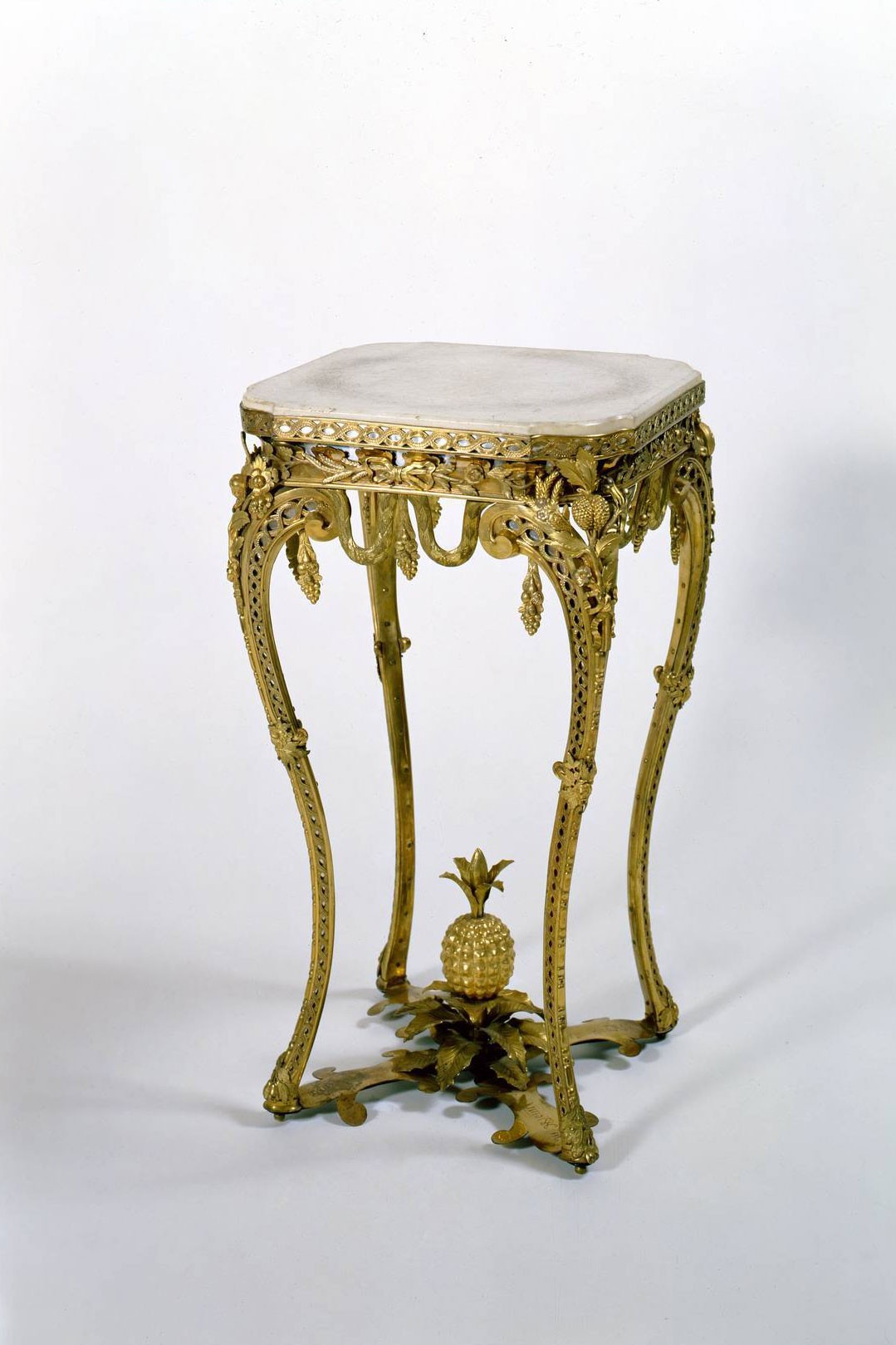
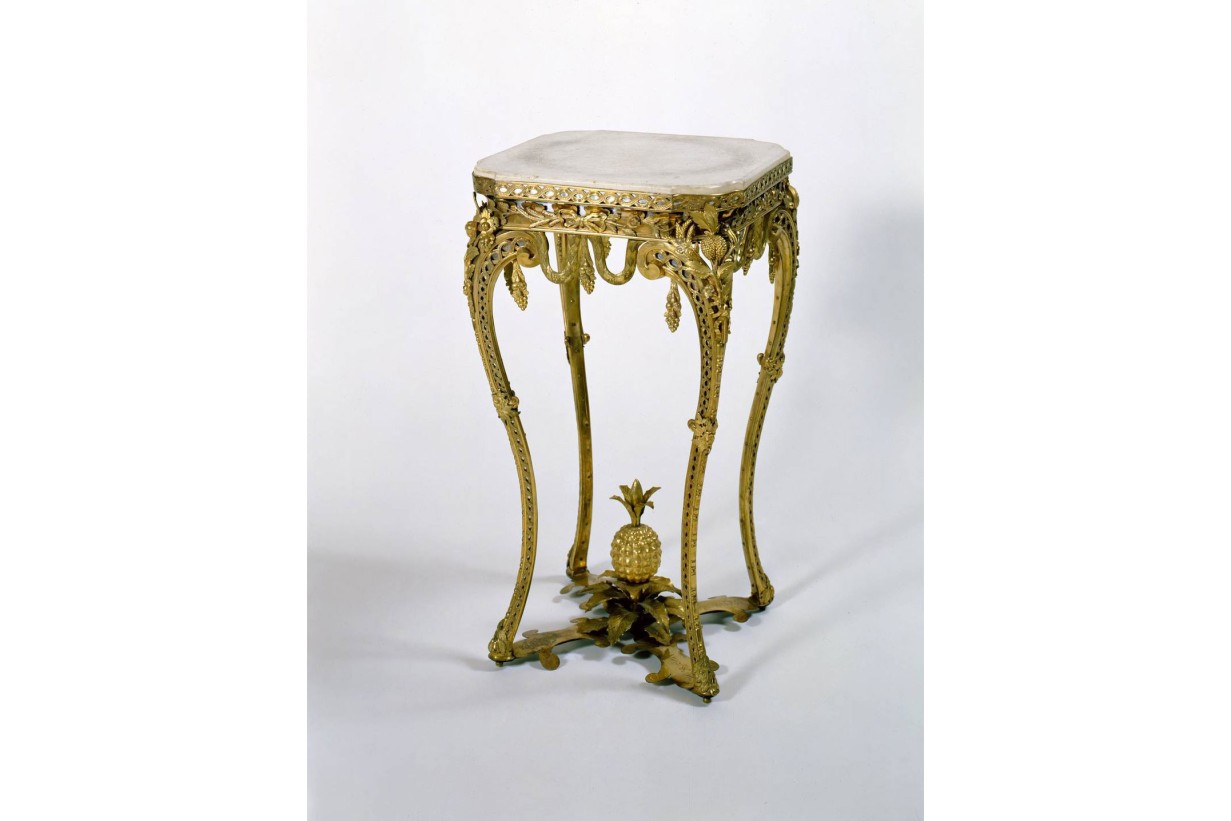
Wilhelm Gottlieb Martitz, table, Vienna, 1769, bronze, gilt; silver foil; marble, LHG 1412 © MAK
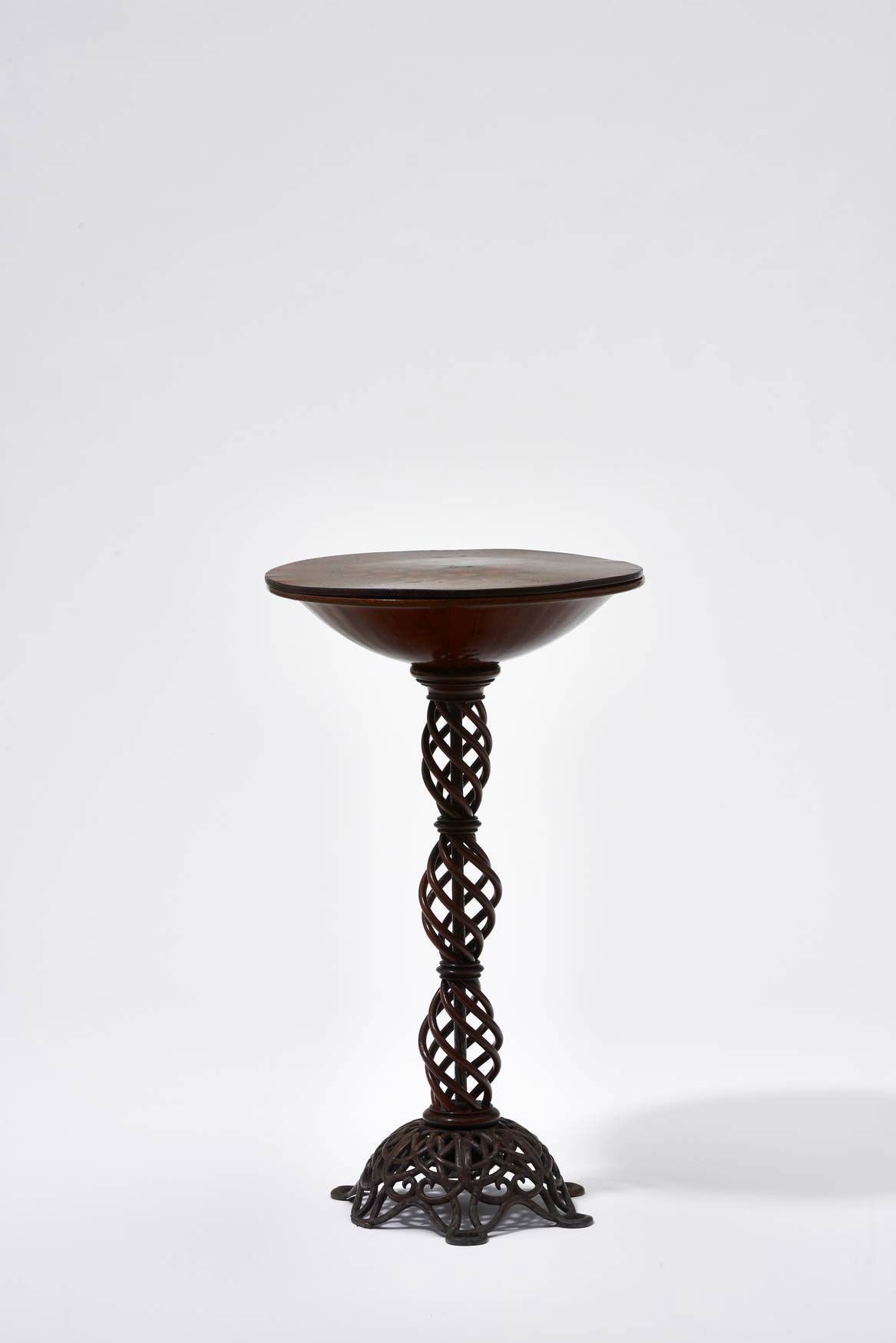
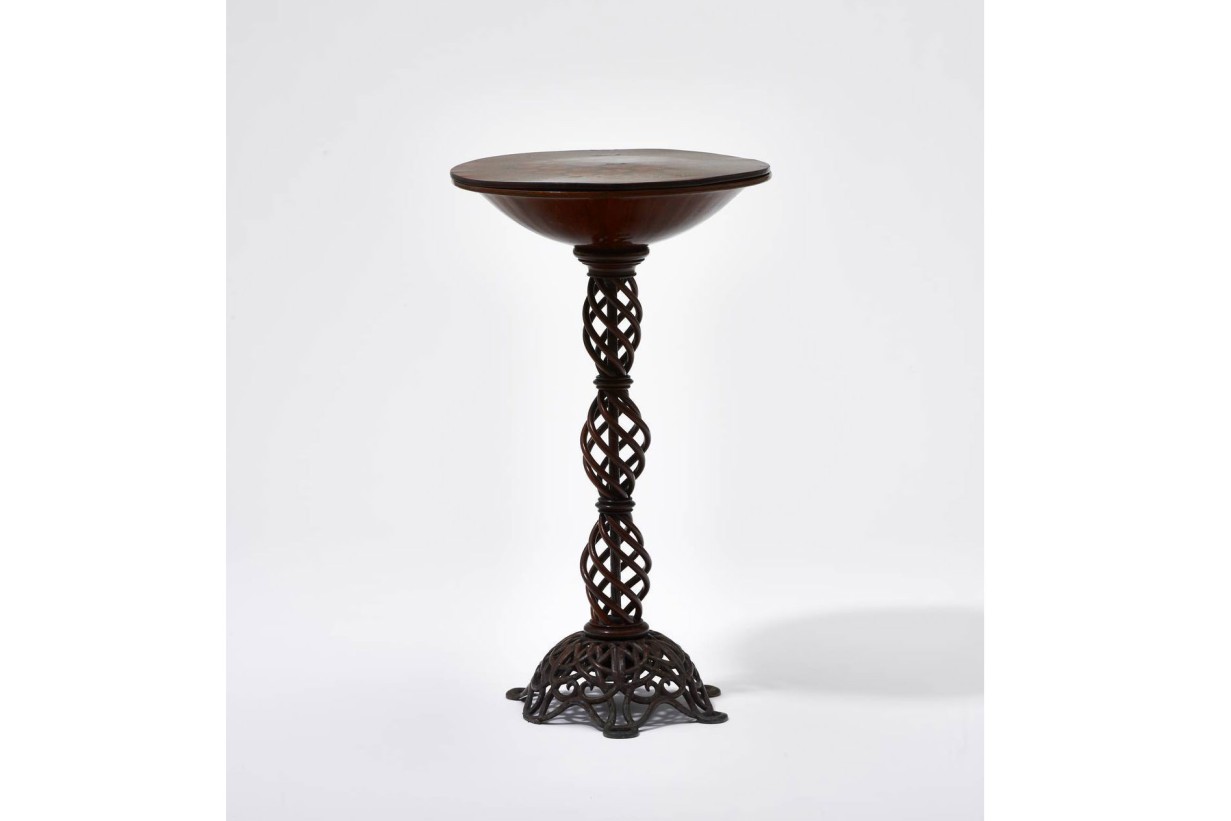
Gebrüder Thonet, little table for the 1855 Paris Exposition, Vienna, 1854, H 3937 © MAK
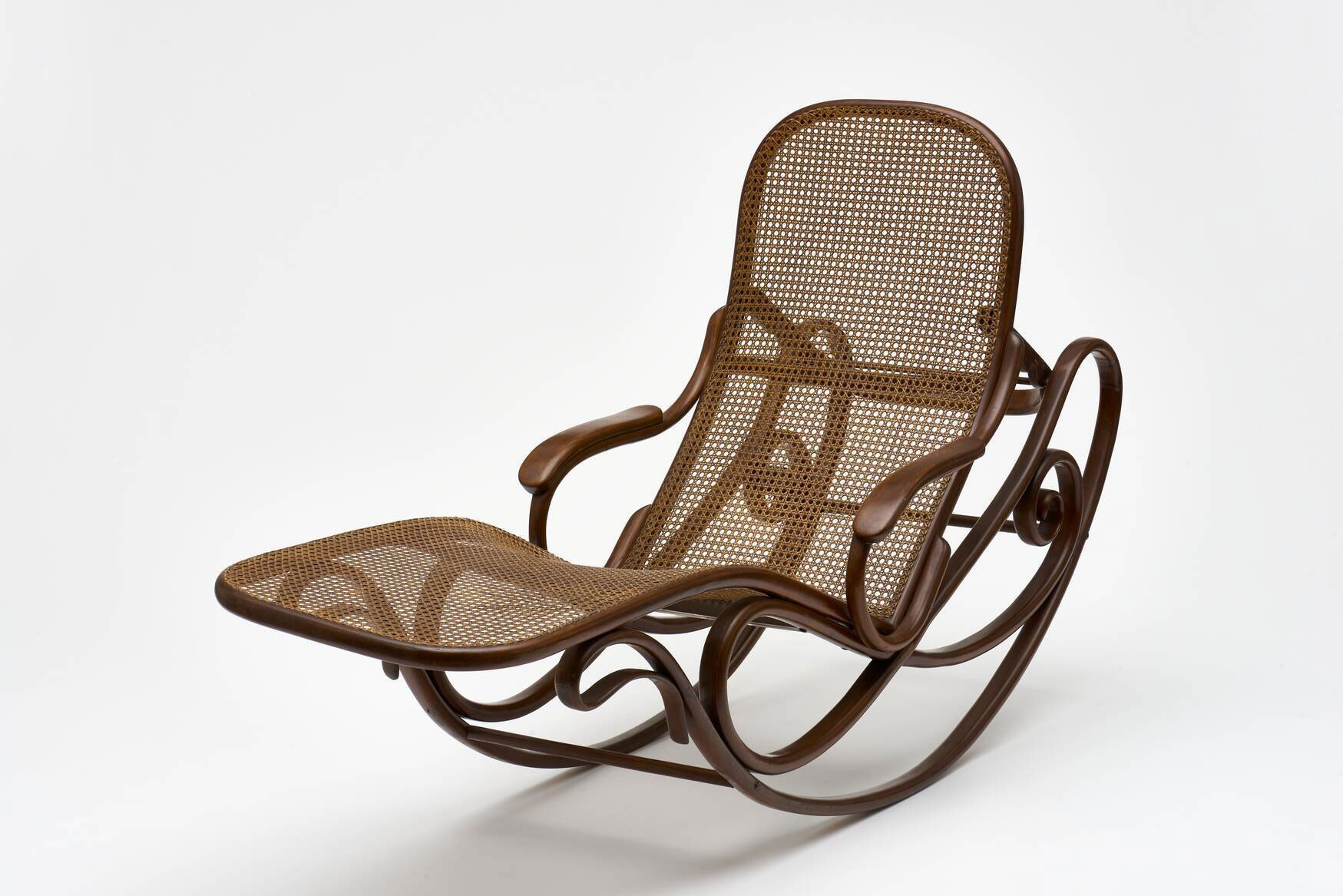
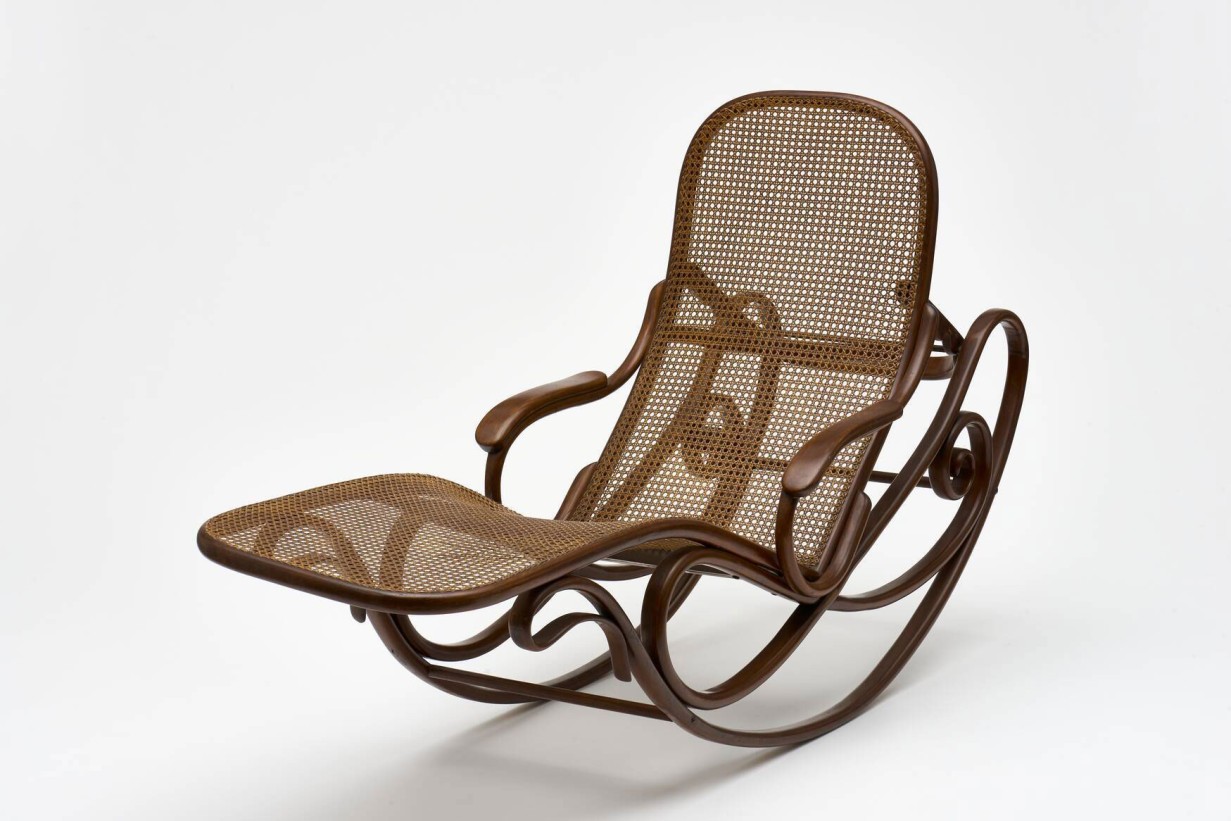
Gebrüder Thonet, rocking chair, Vienna, ca. 1875 (design), ca. 1890 (execution), H 2935 © MAK
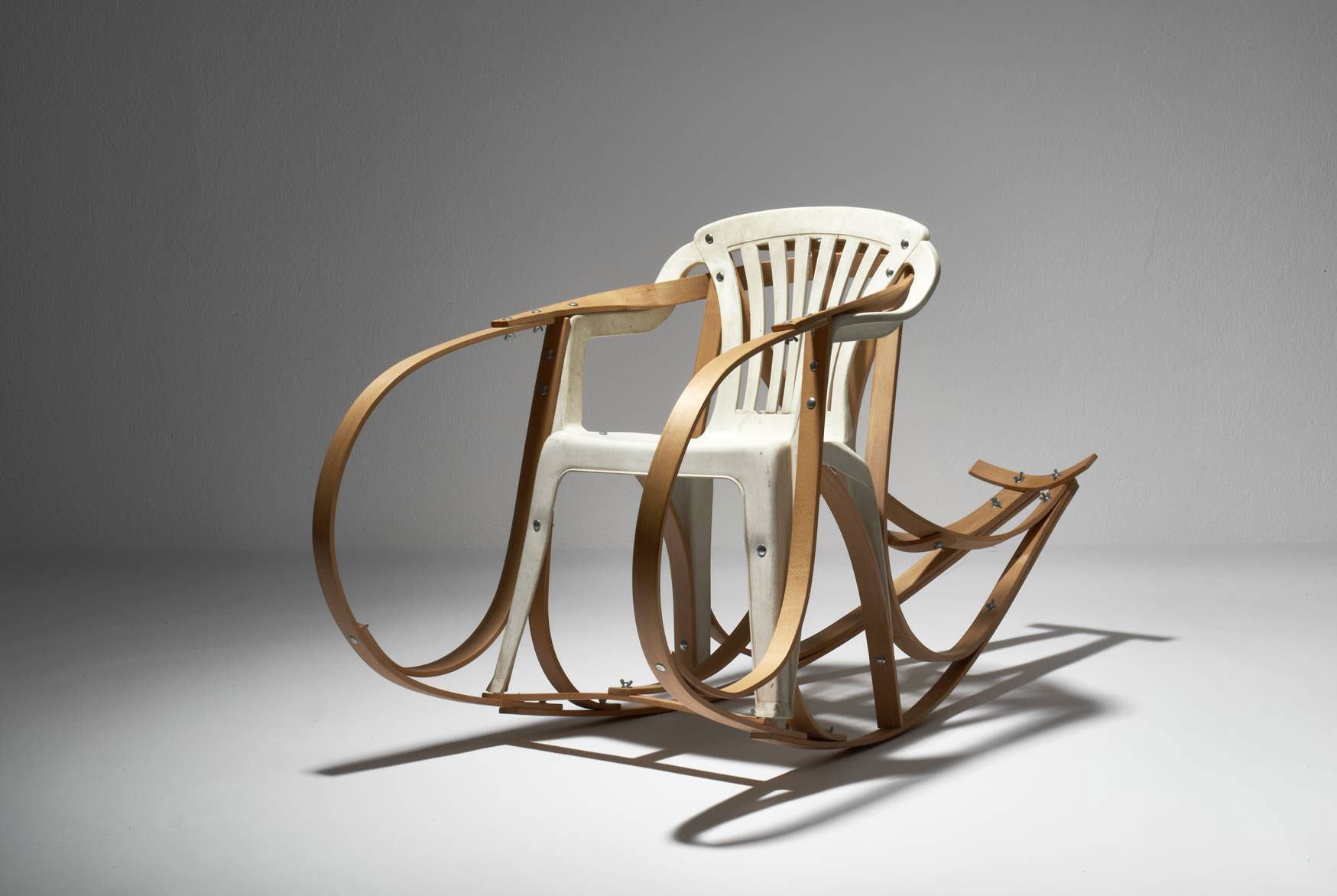
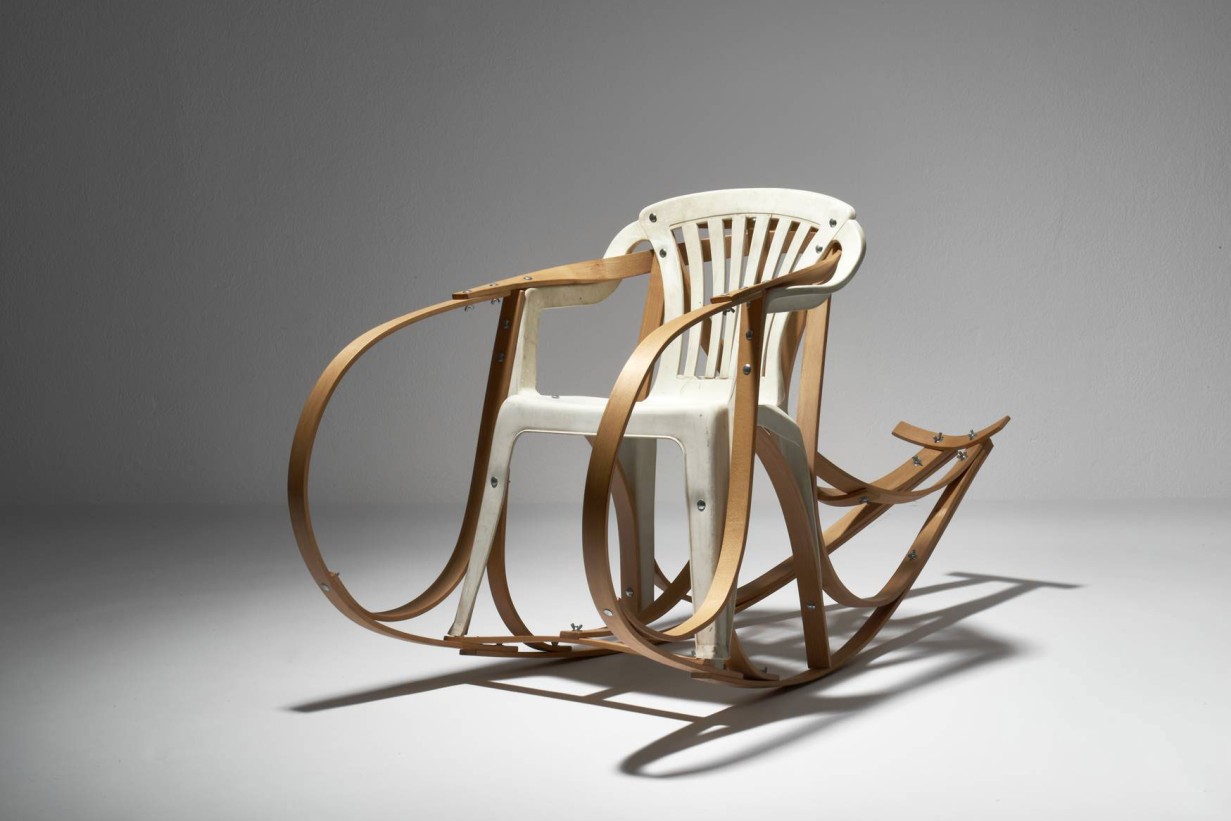
breadedEscalope, rocking chair “Erlkönig,” Vienna, 2011, beech wood, bent; plastic; metal, H 3607 © MAK
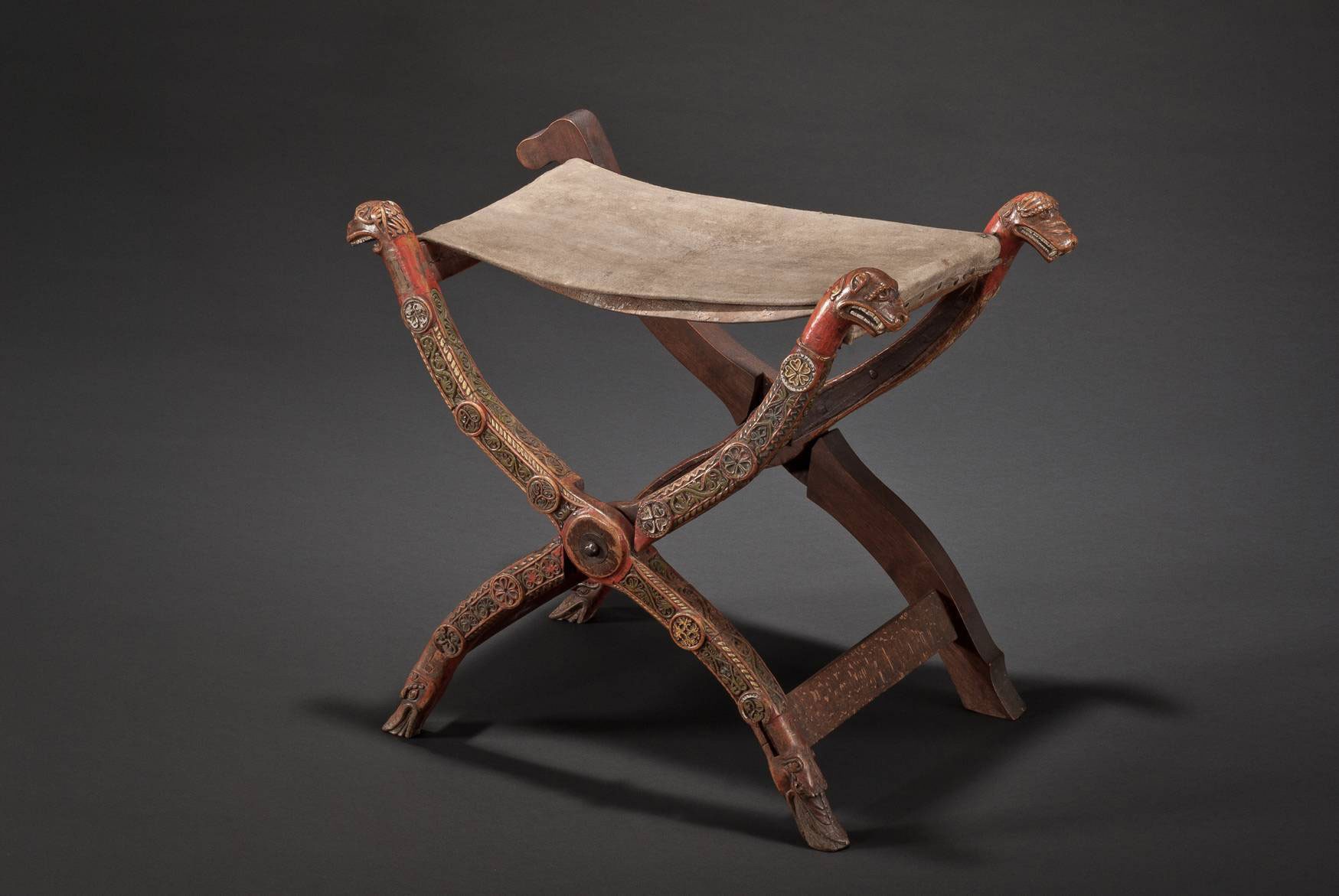
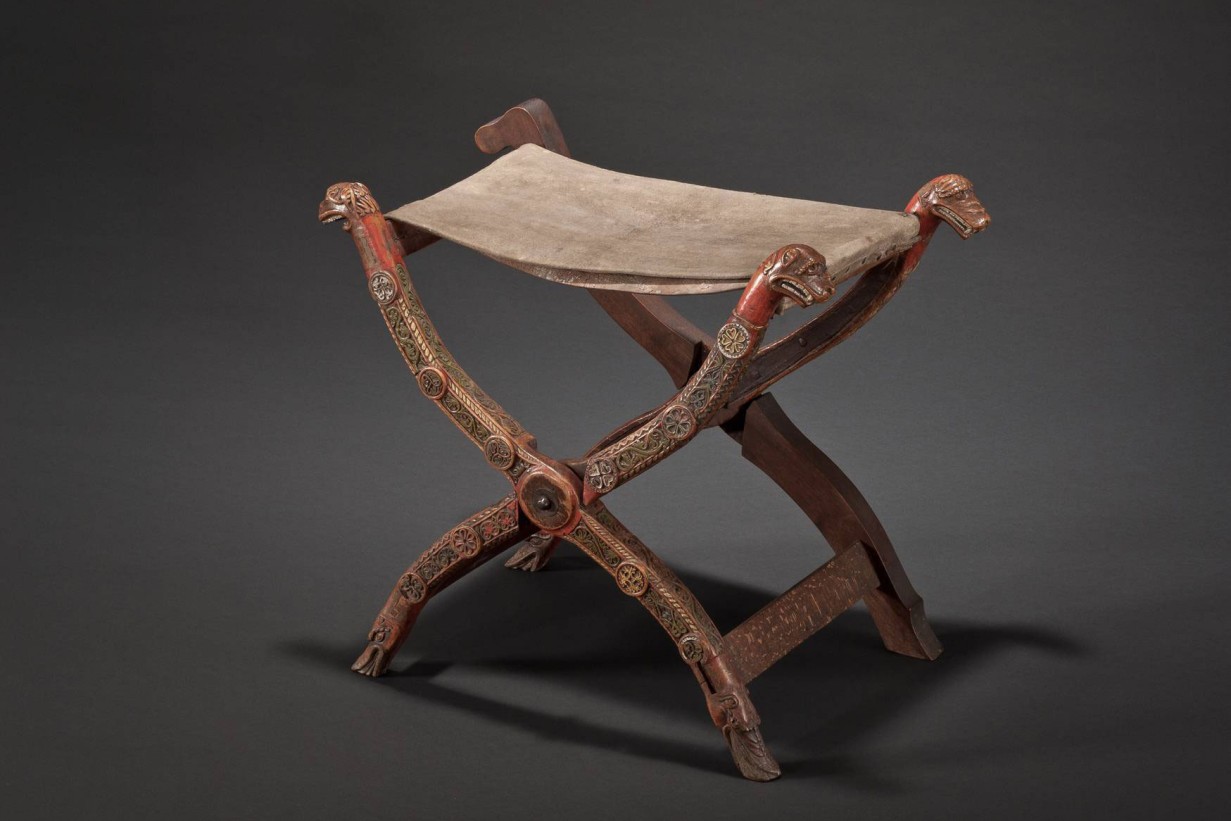
Folding chair, Salzburg, beginning of the 13th century, pear wood, carved, colorfully painted; leather, H 1705 © MAK
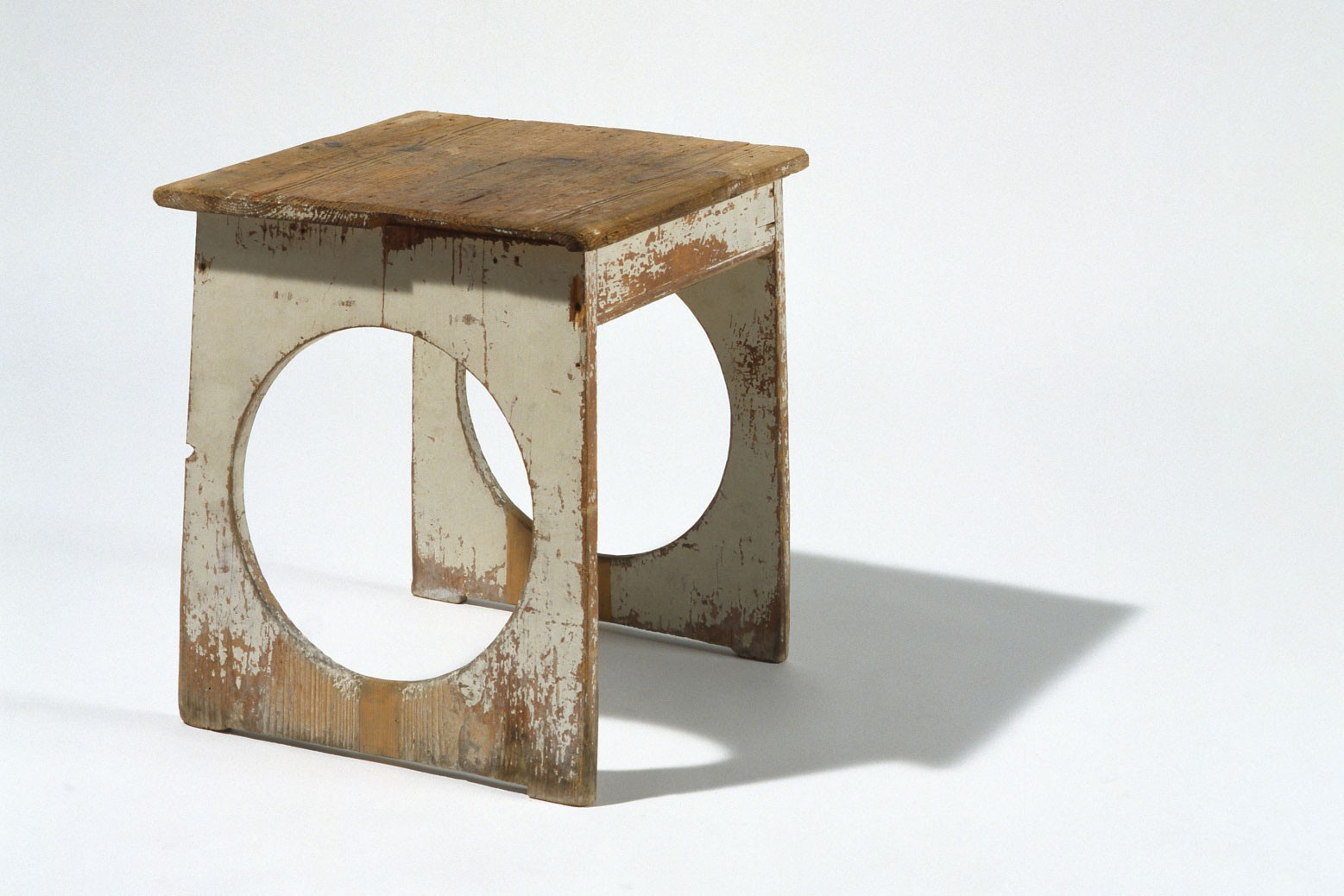
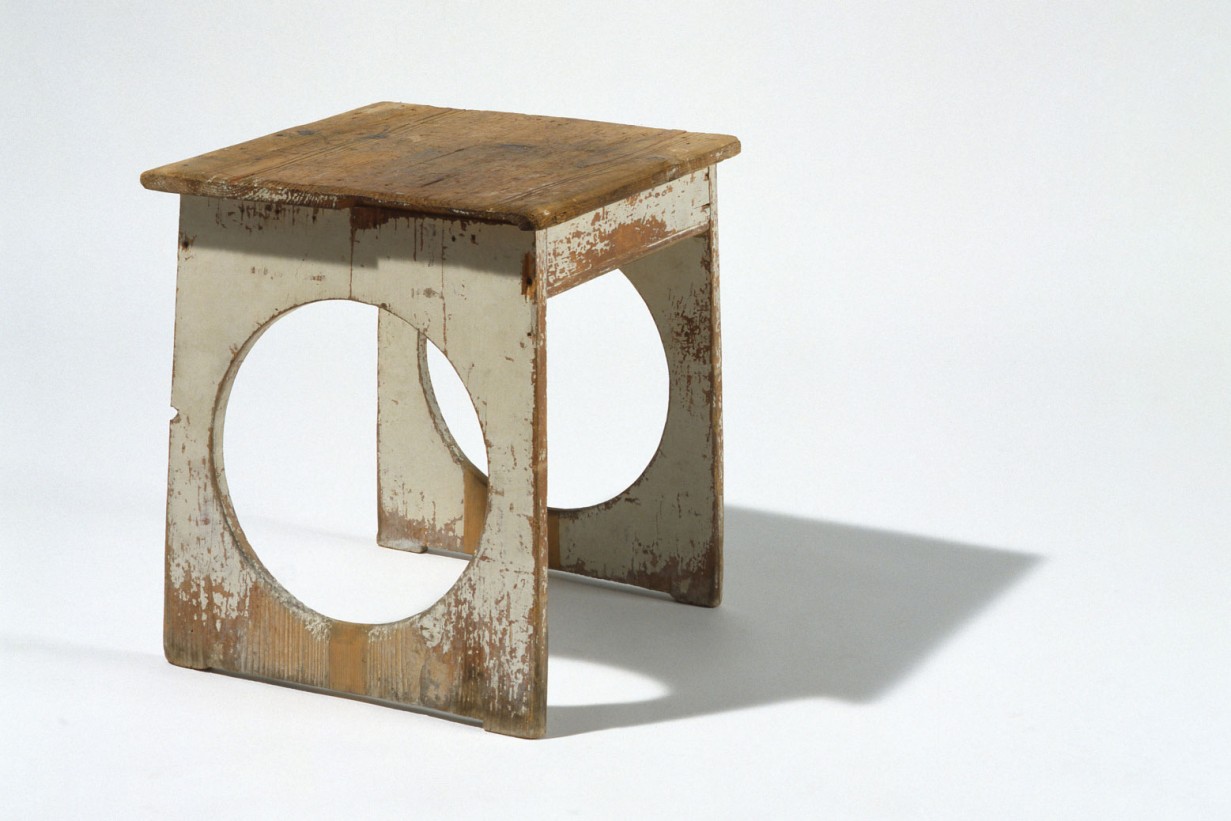
Josef Hoffmann, stool from the kitchen furnishings for Paul Wittgenstein’s “Bergerhöhe” cottage, Anton Pospischil (manufactory for artistic furniture), Vienna, 1899, H 2802 © MAK
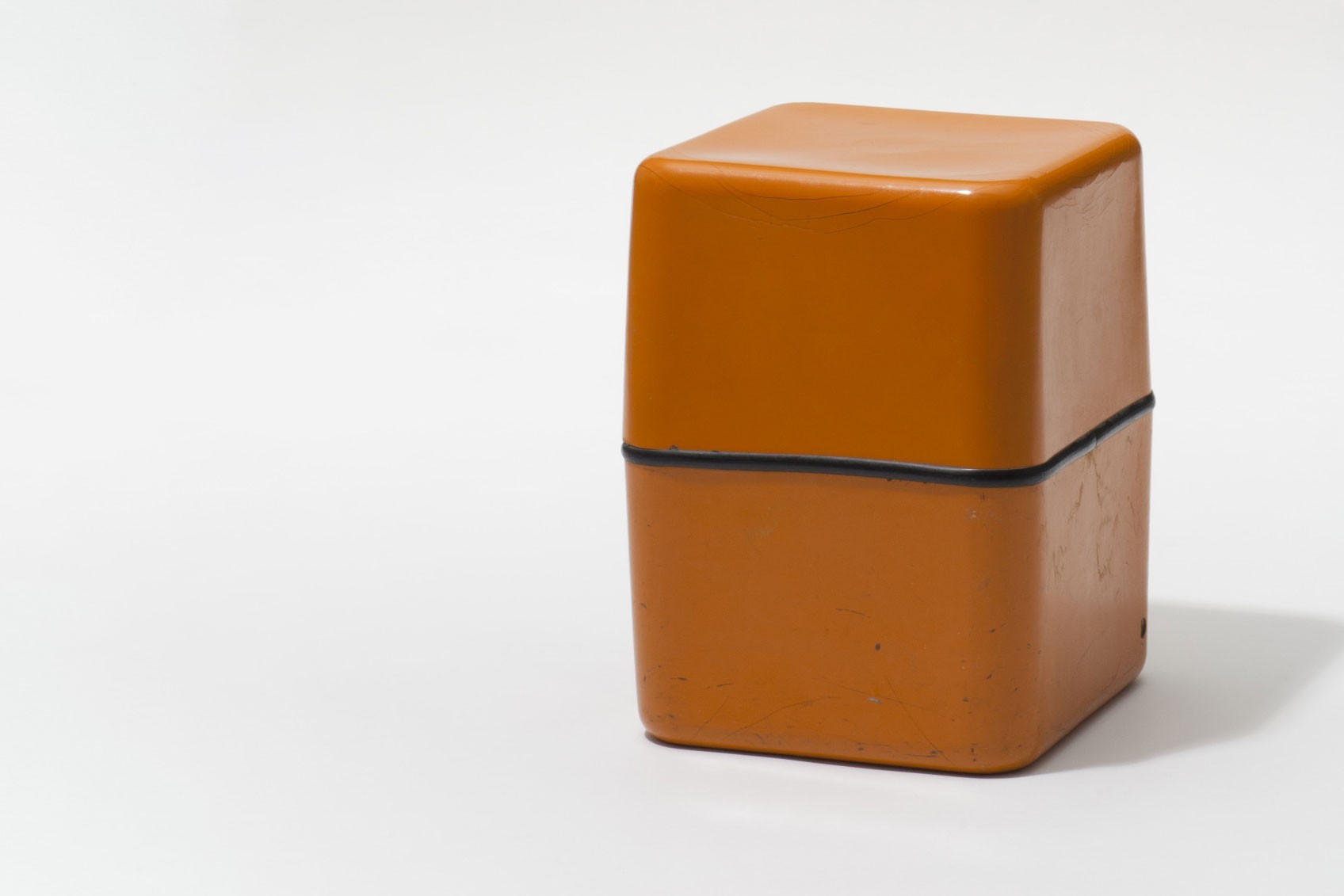
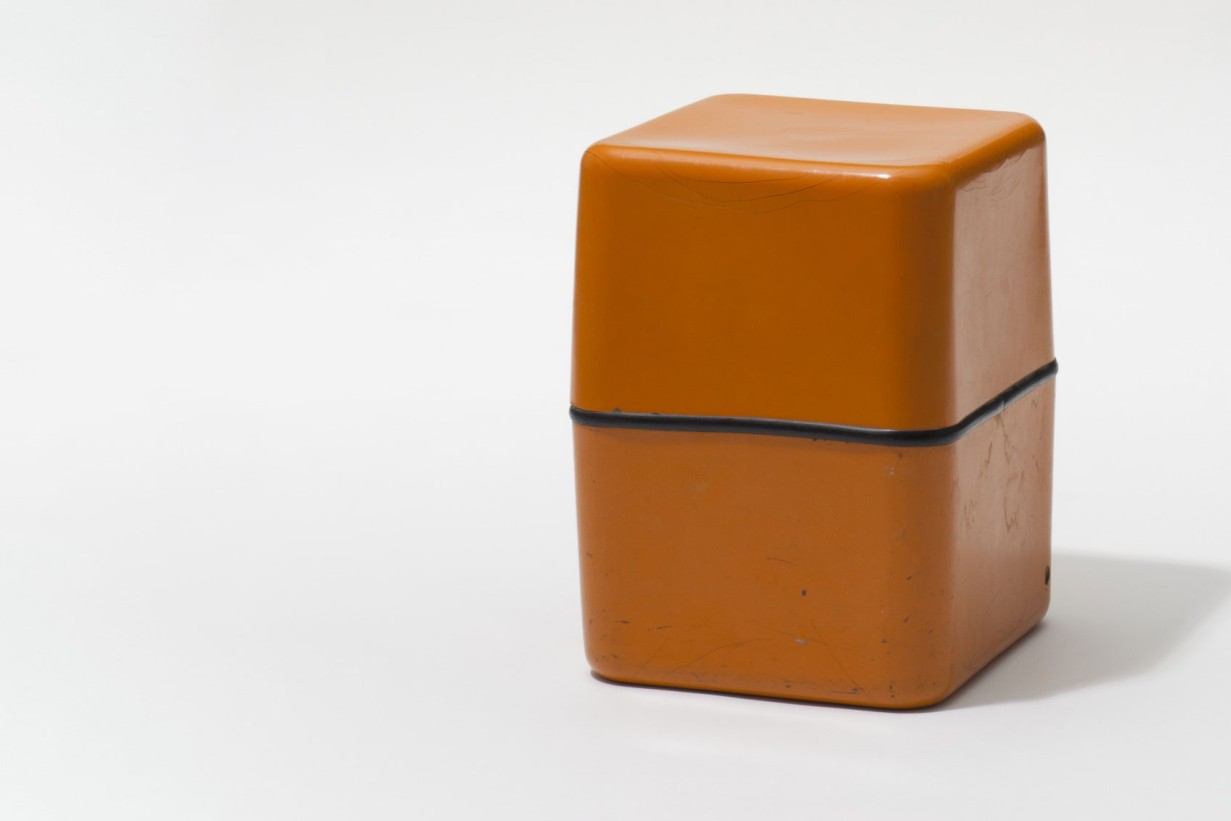
Hans Hollein, stool, Vienna, 1966/1967, H 3459 © MAK
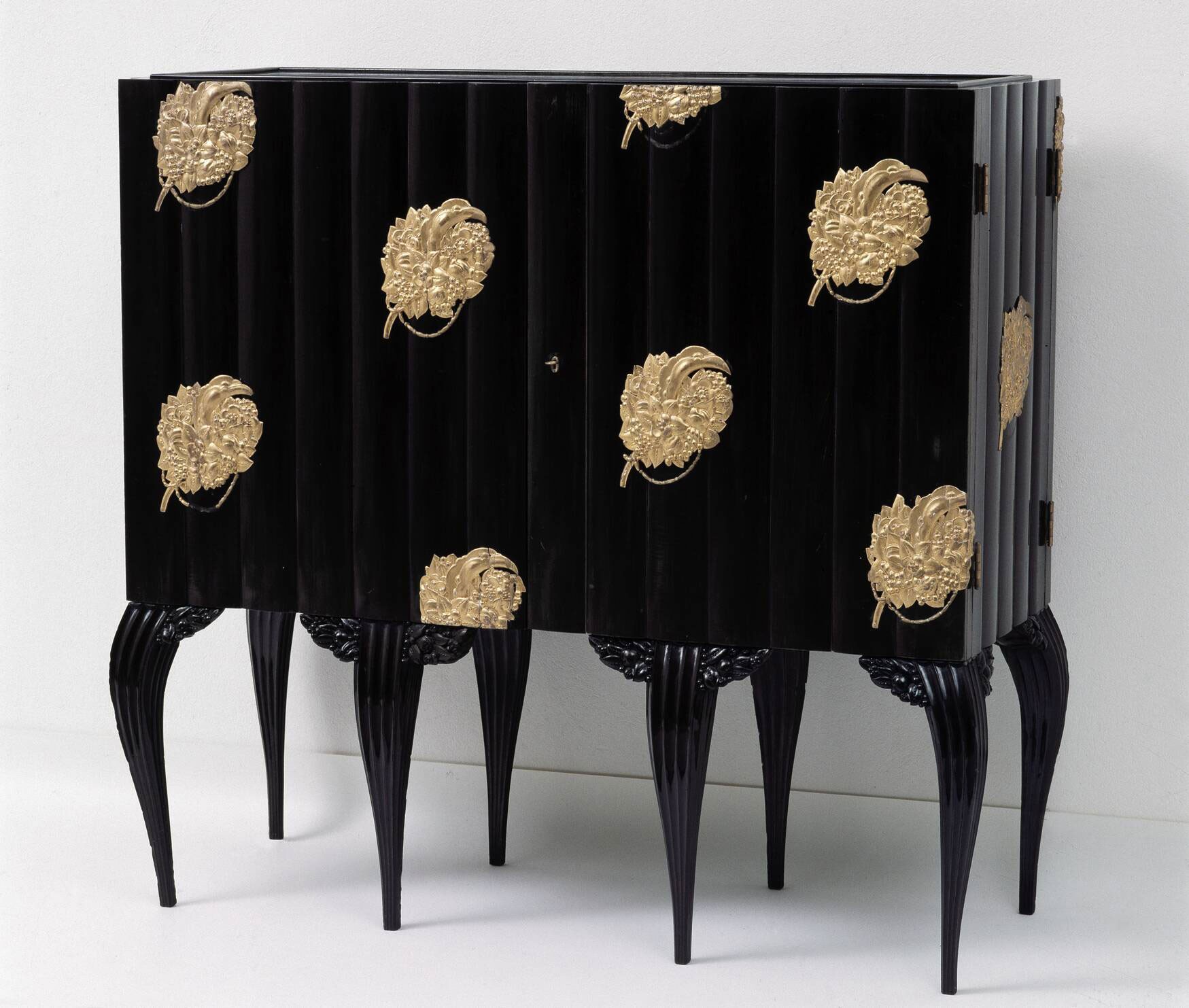
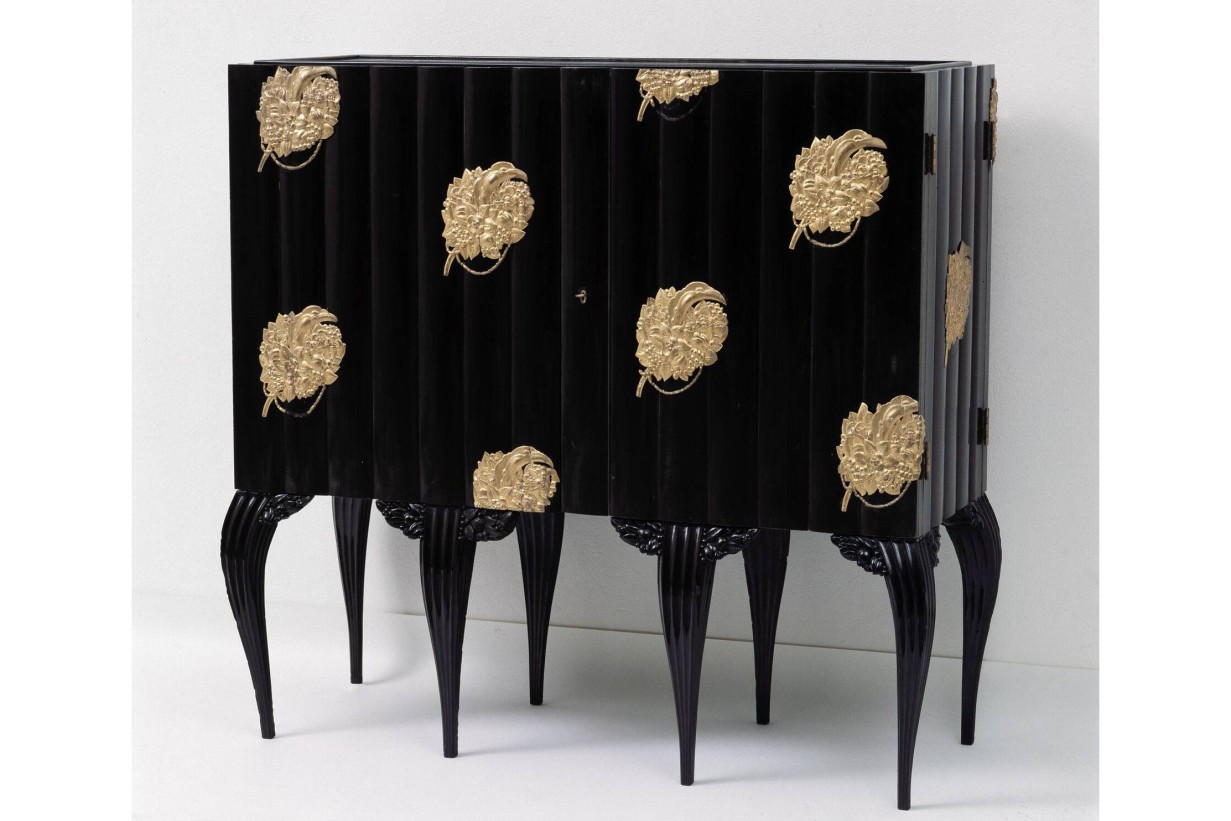
Dagobert Peche, salon cabinet for a reception salon, Vienna, 1913, pear wood, stained black; lime wood, carved, gilt, H 2814 © MAK
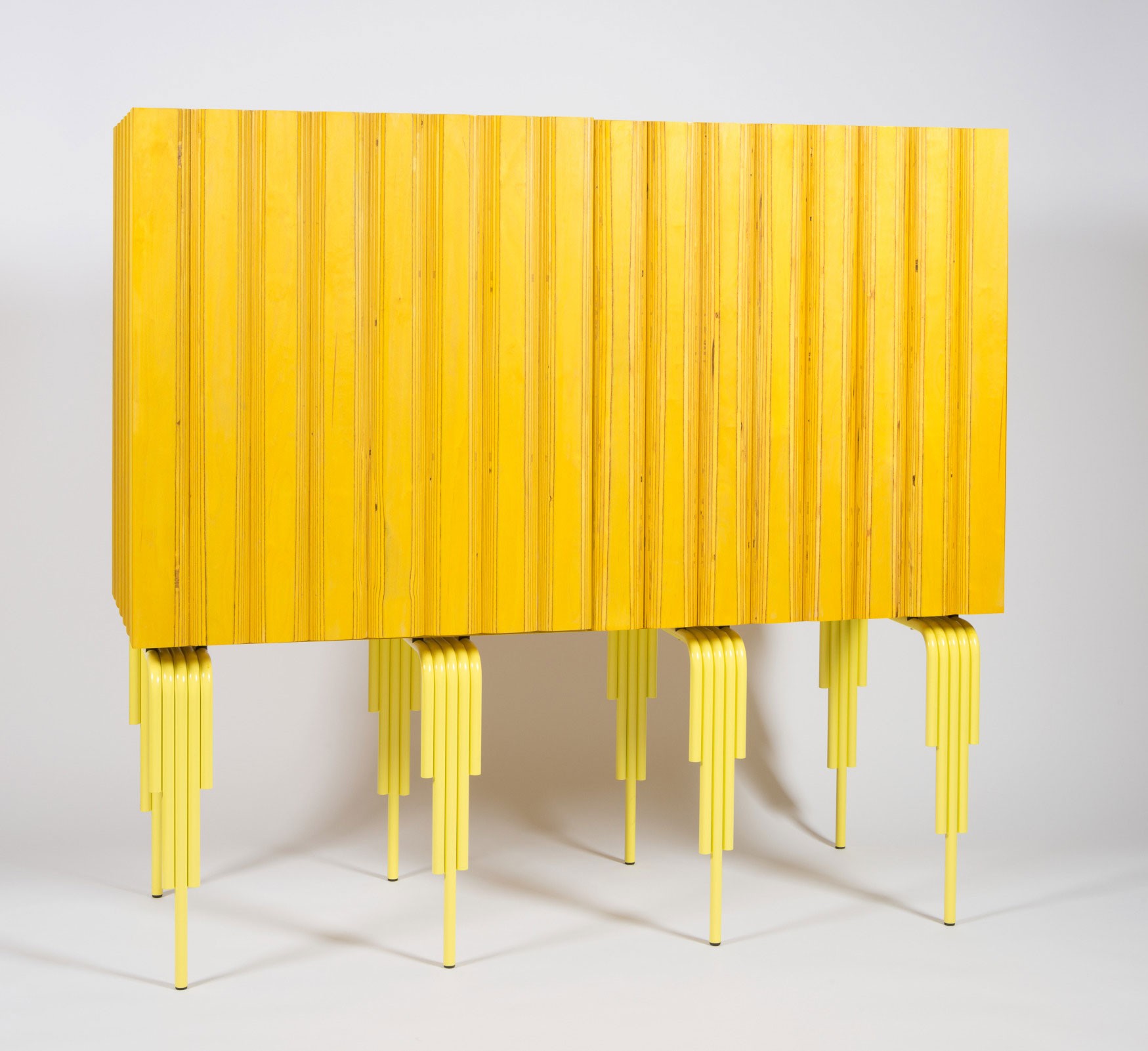
Marco Dessí, Dagobert Peche Revisited, execution: Karl Neubauer, Vienna, 2012, H 3648 © MAK
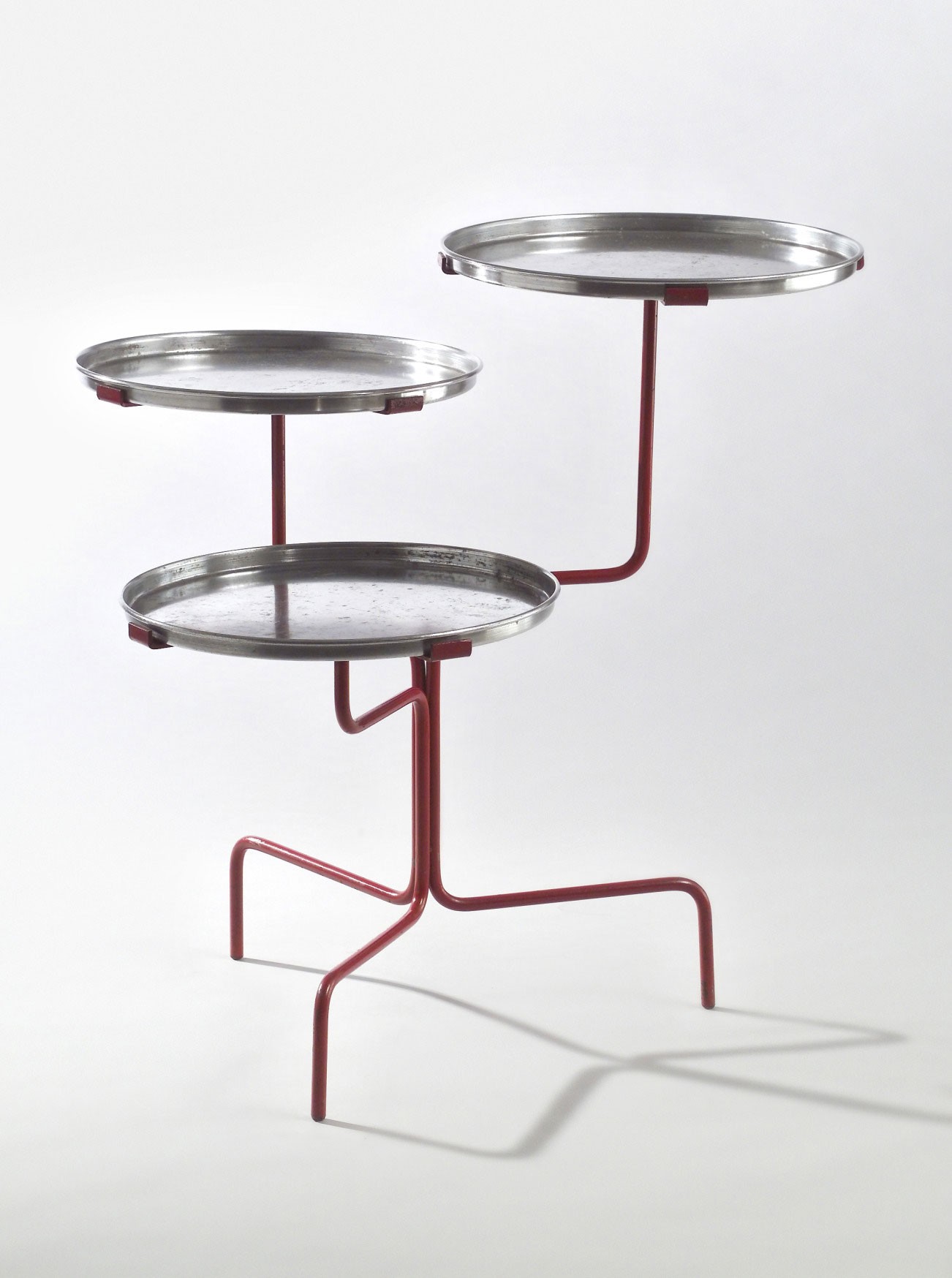
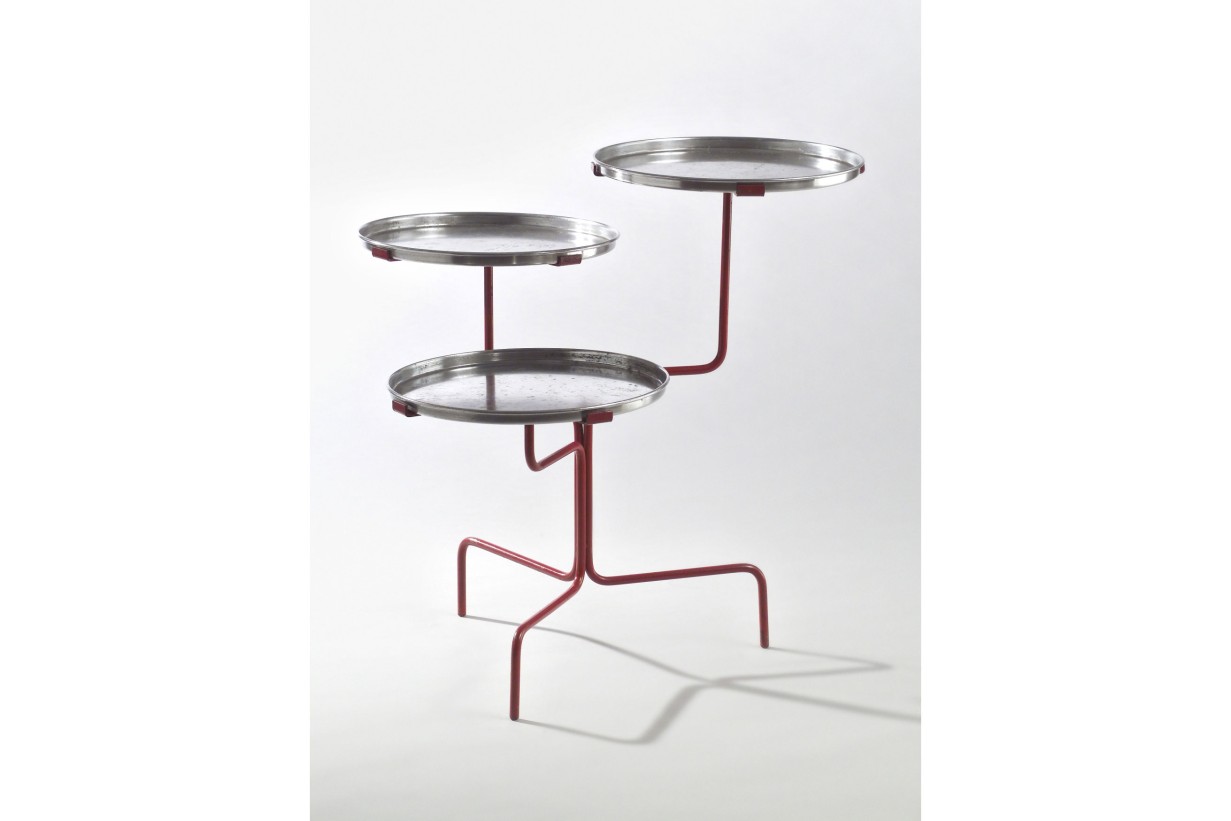
Josef Frank, flower table, Vienna, ca. 1930, H 2775 © MAK
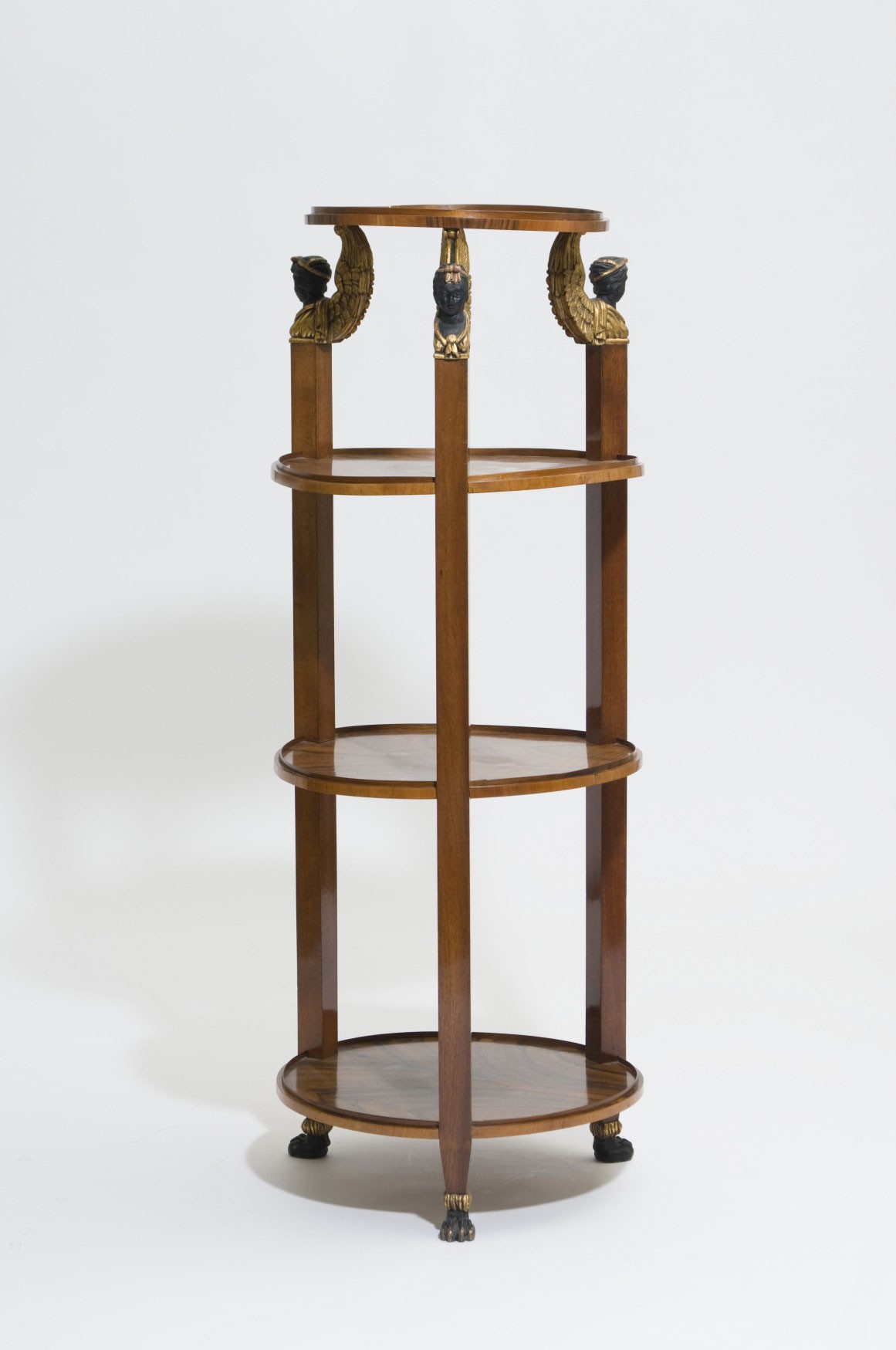
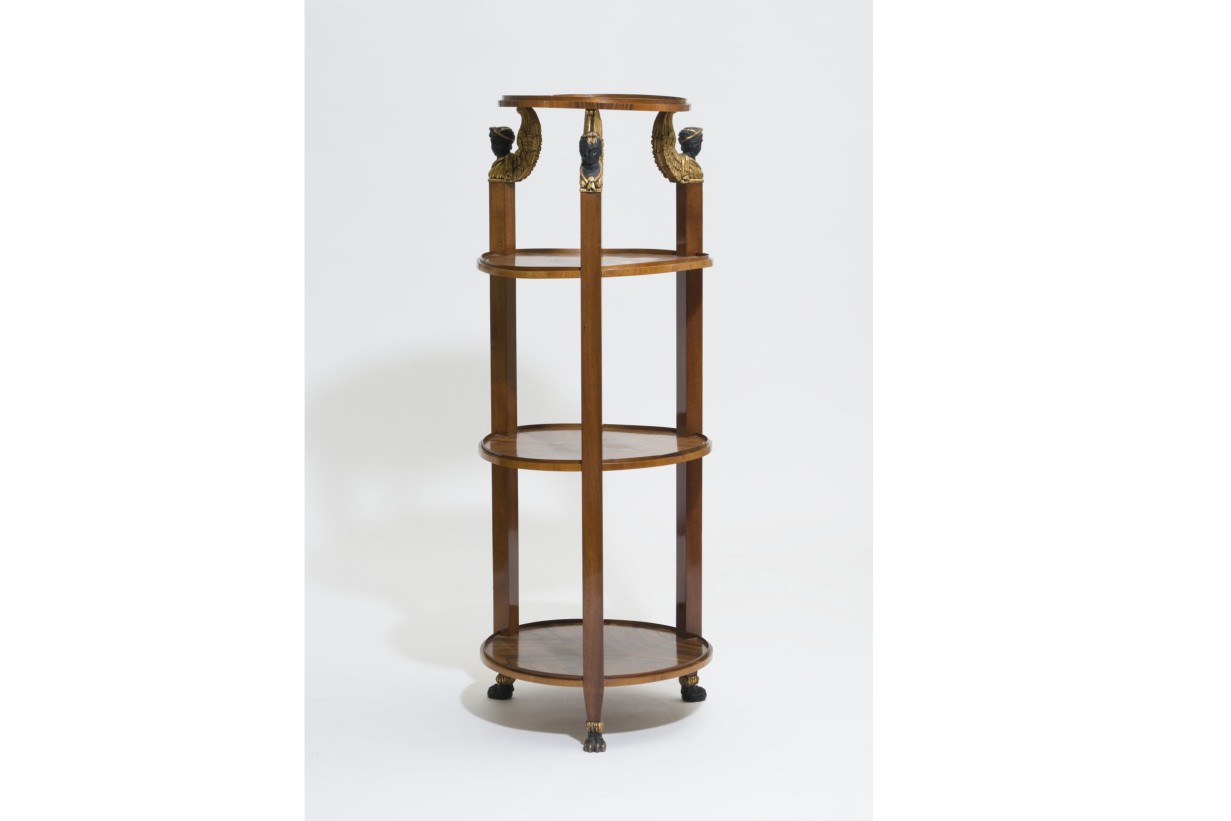
Flower stand, execution: anonymous, Austria, ca. 1825, walnut, SOB 307 © MAK
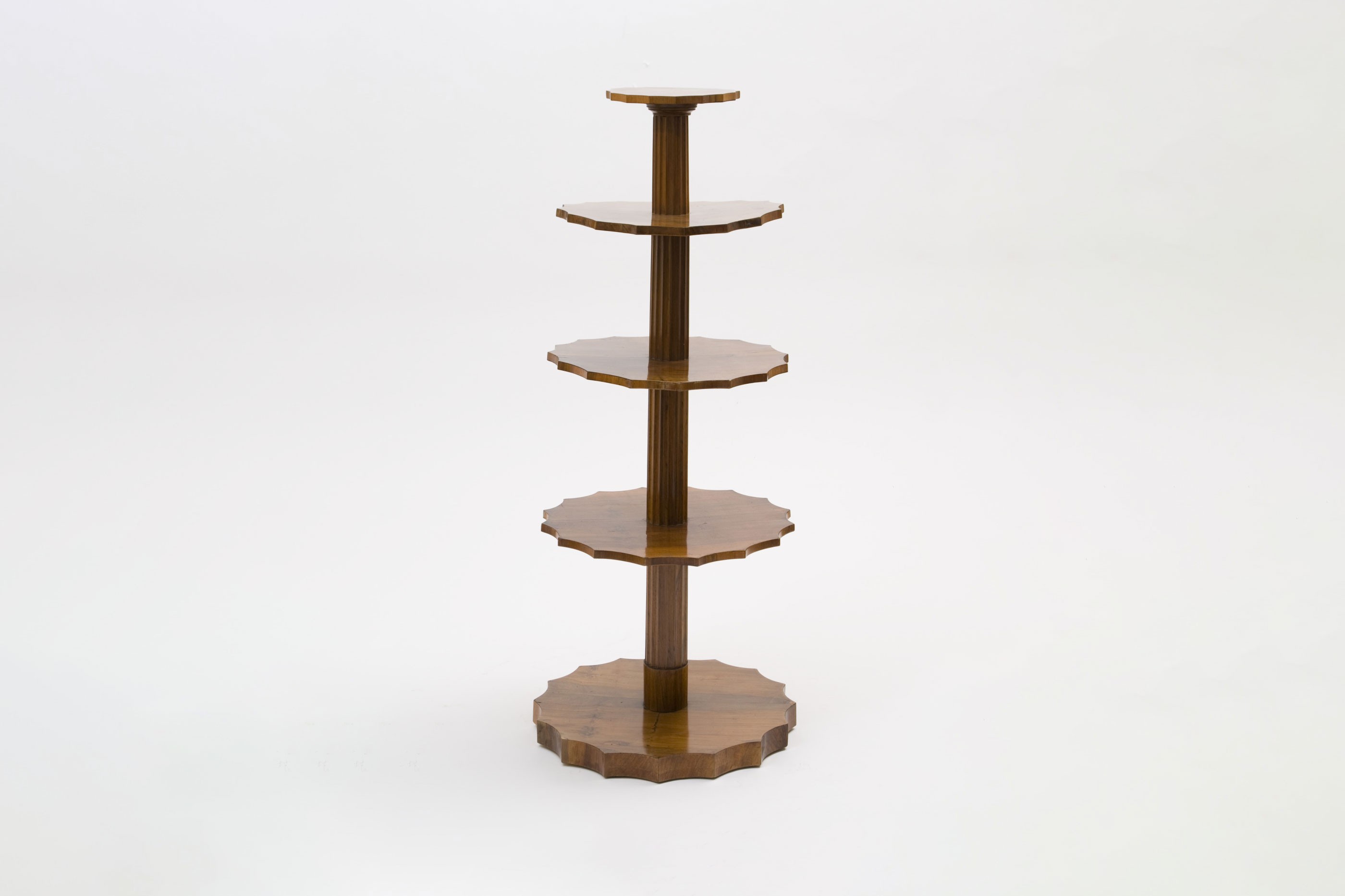
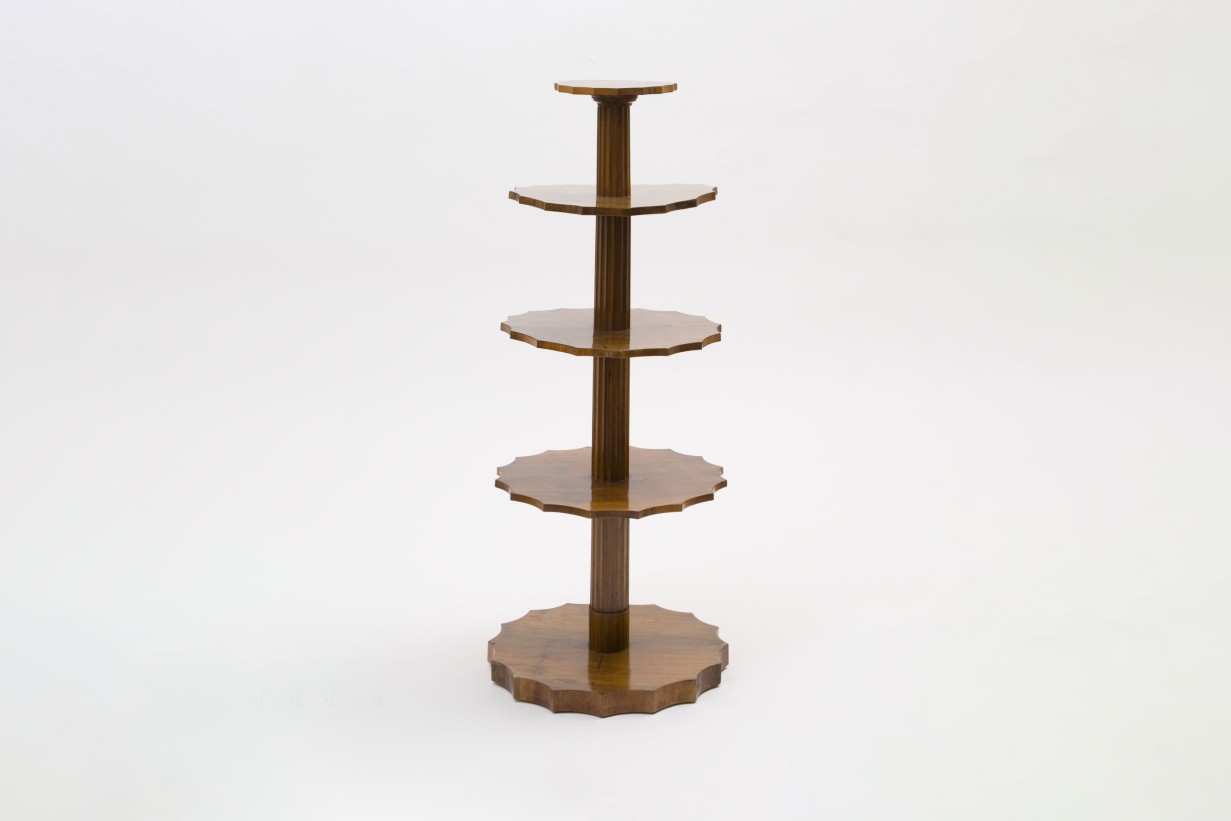
Flower stand, anonymous, Vienna, ca. 1825, walnut, veneered onto soft wood, partly fluted, SOB 307 © MAK
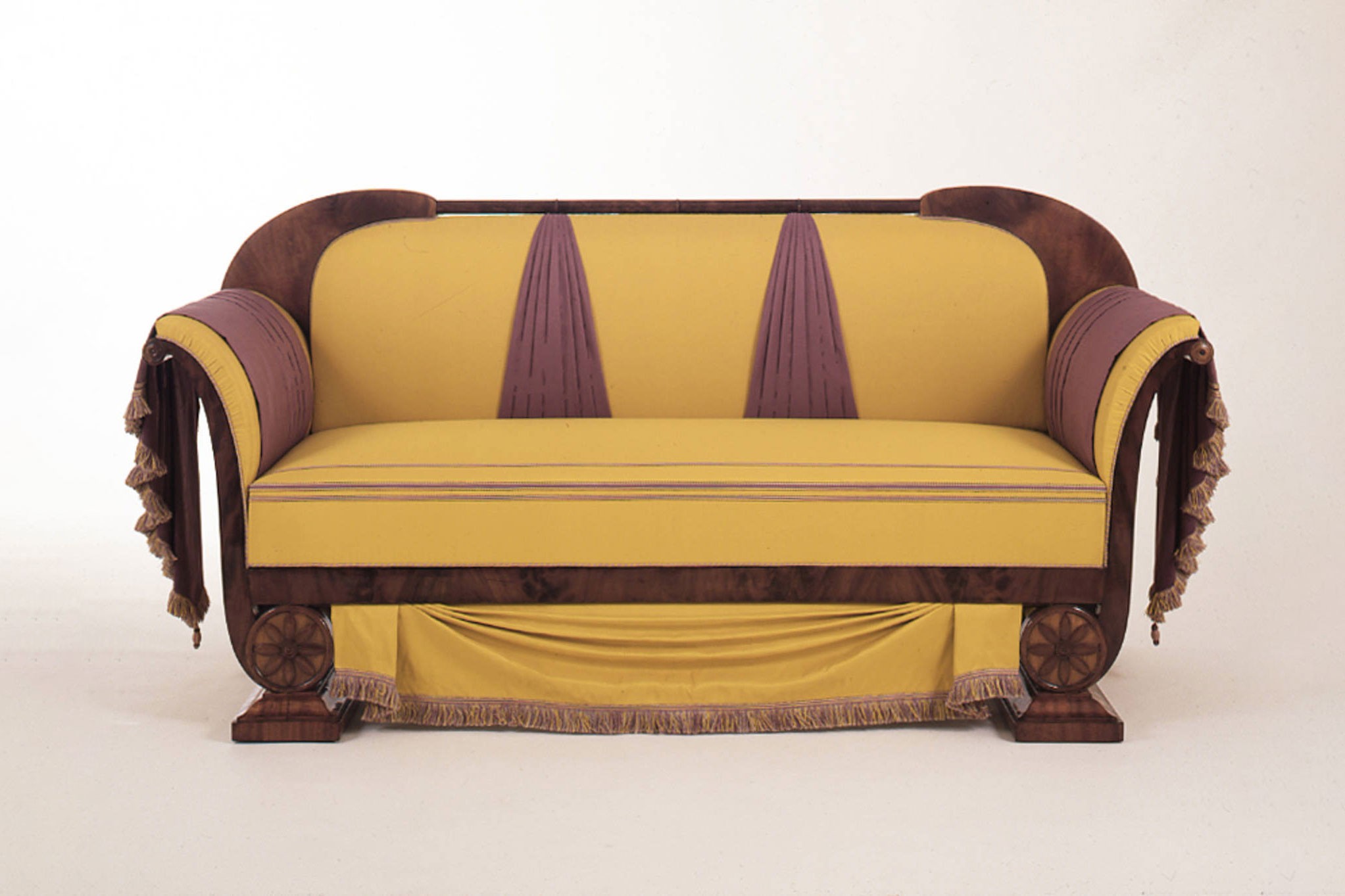
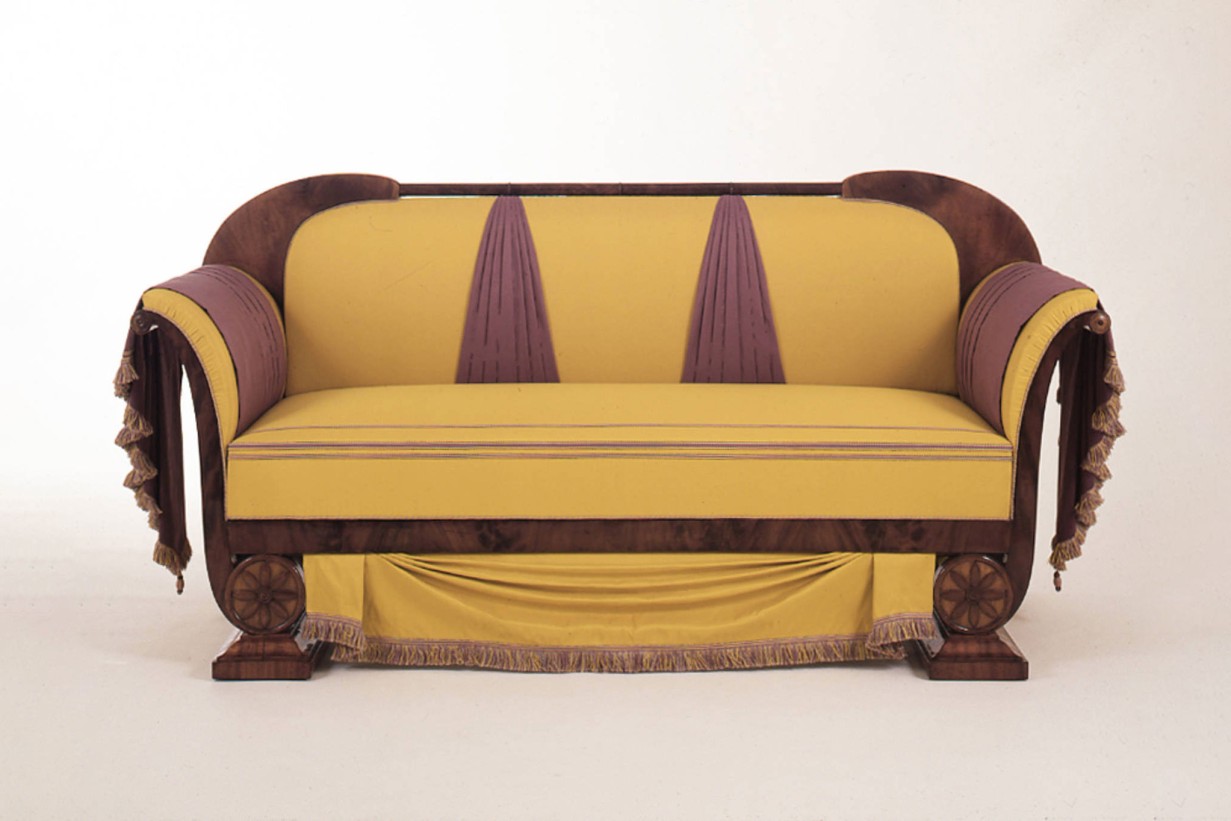
Joseph Ulrich Danhauser (?), sofa, Vienna, ca. 1825, H 2852 © MAK
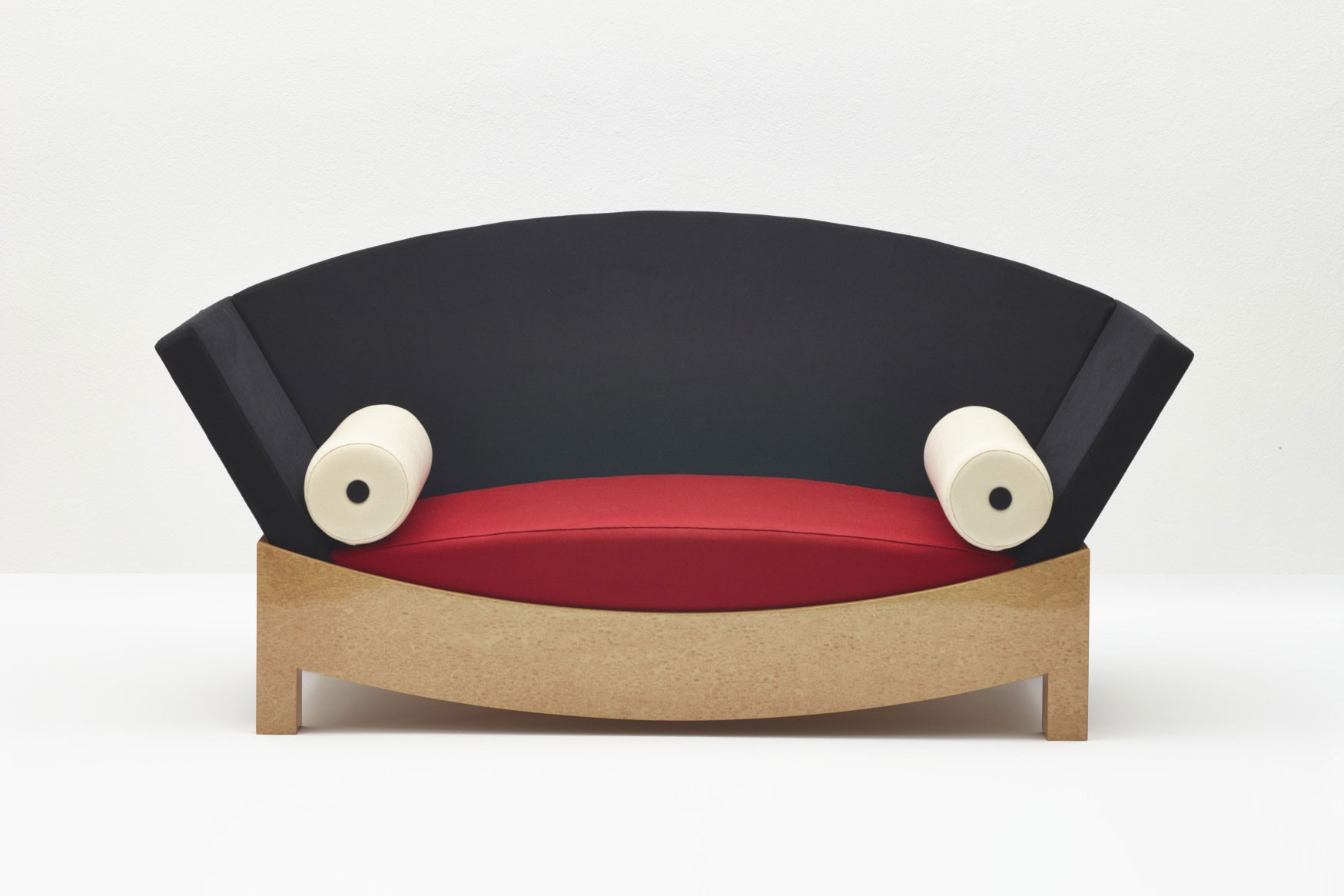
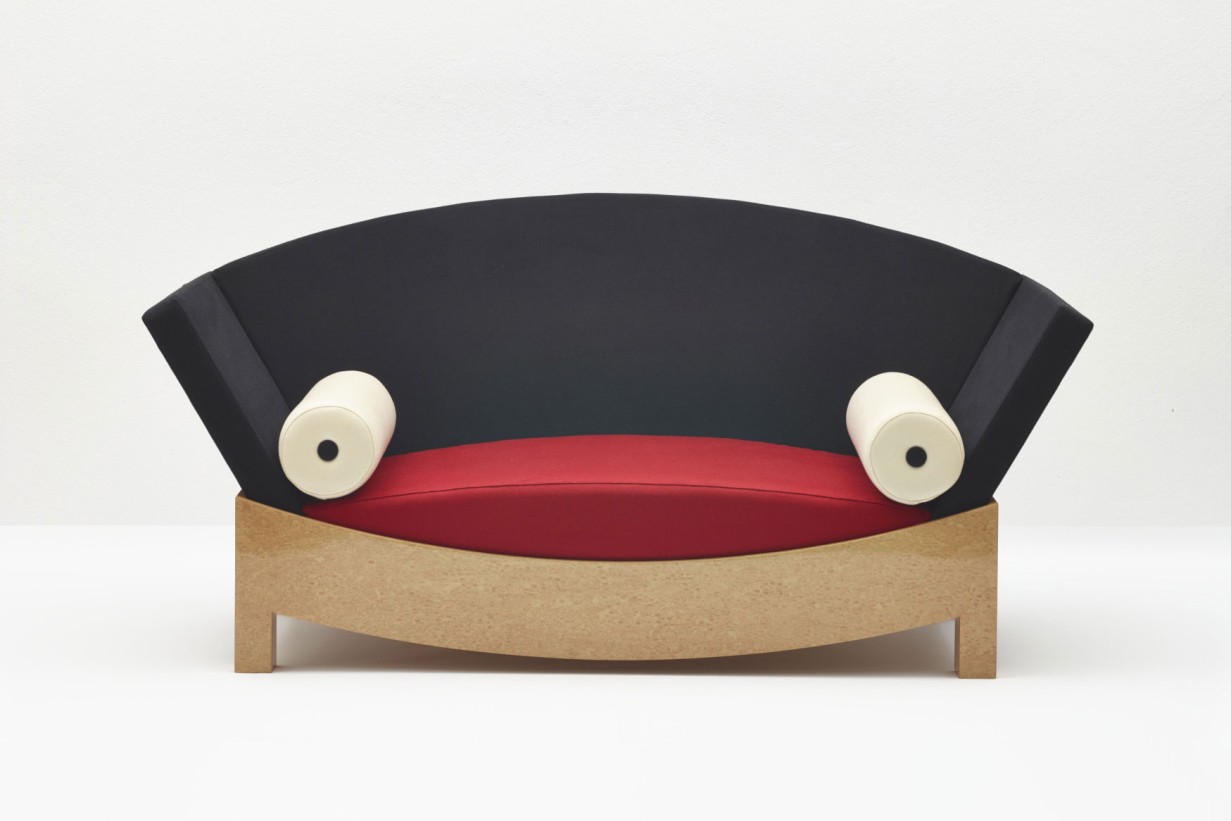
Hans Hollein, sofa/bench “Mitzi,” 1981, H 2813 © MAK
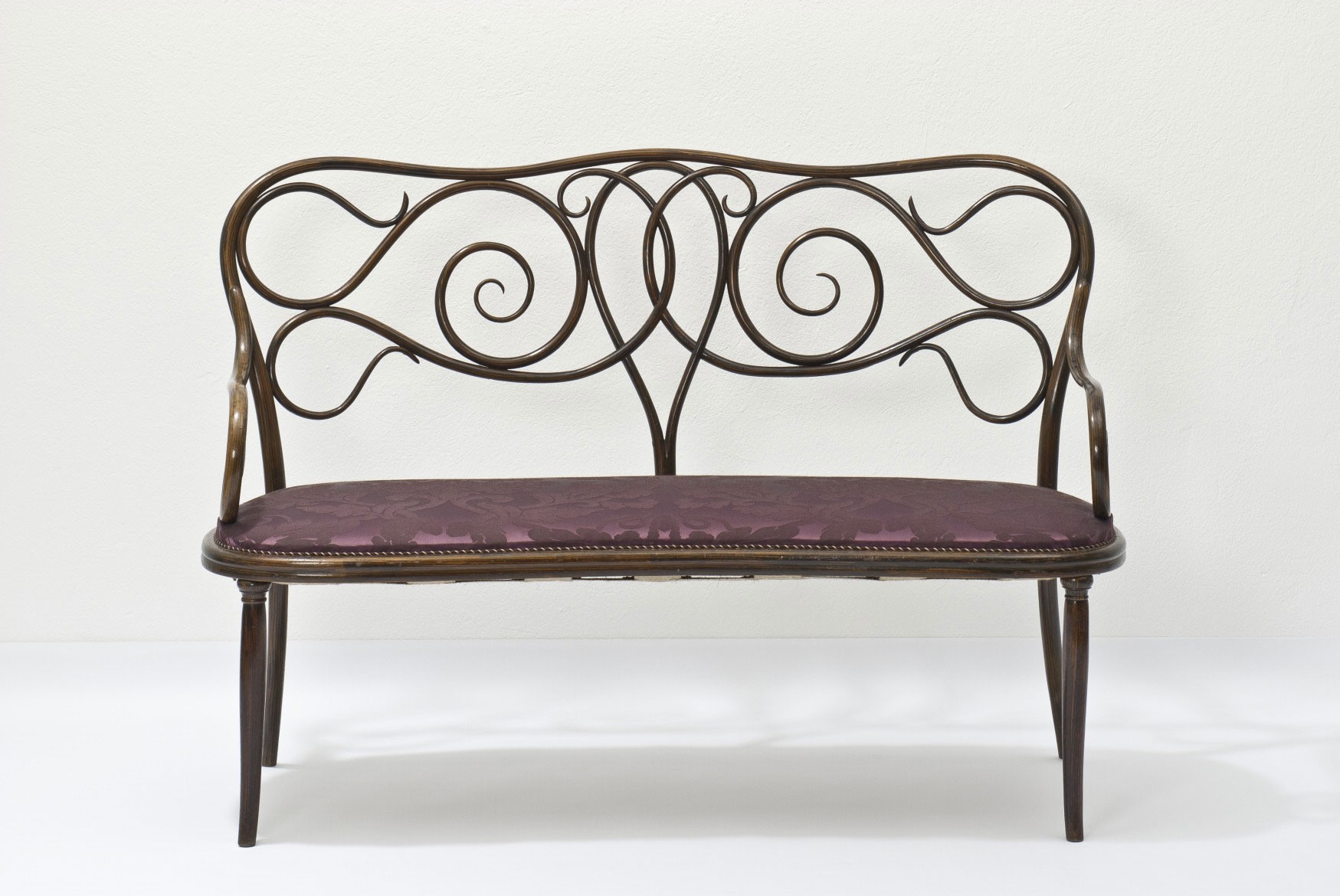
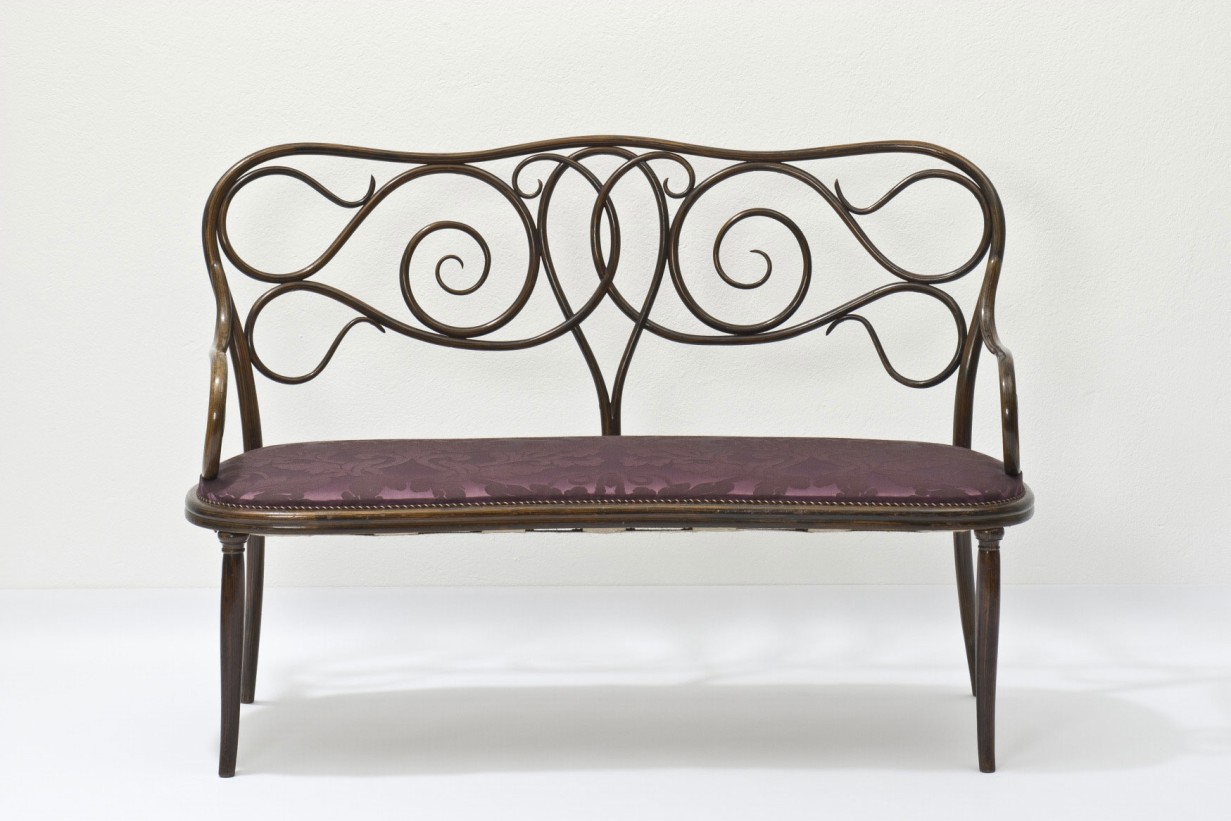
Michael Thonet, sofa, Model No. 4, Vienna, ca. 1850, beech wood, partly laminated and bent, rose wood stain; upholstery with renewed damask cover, H 2978 © MAK
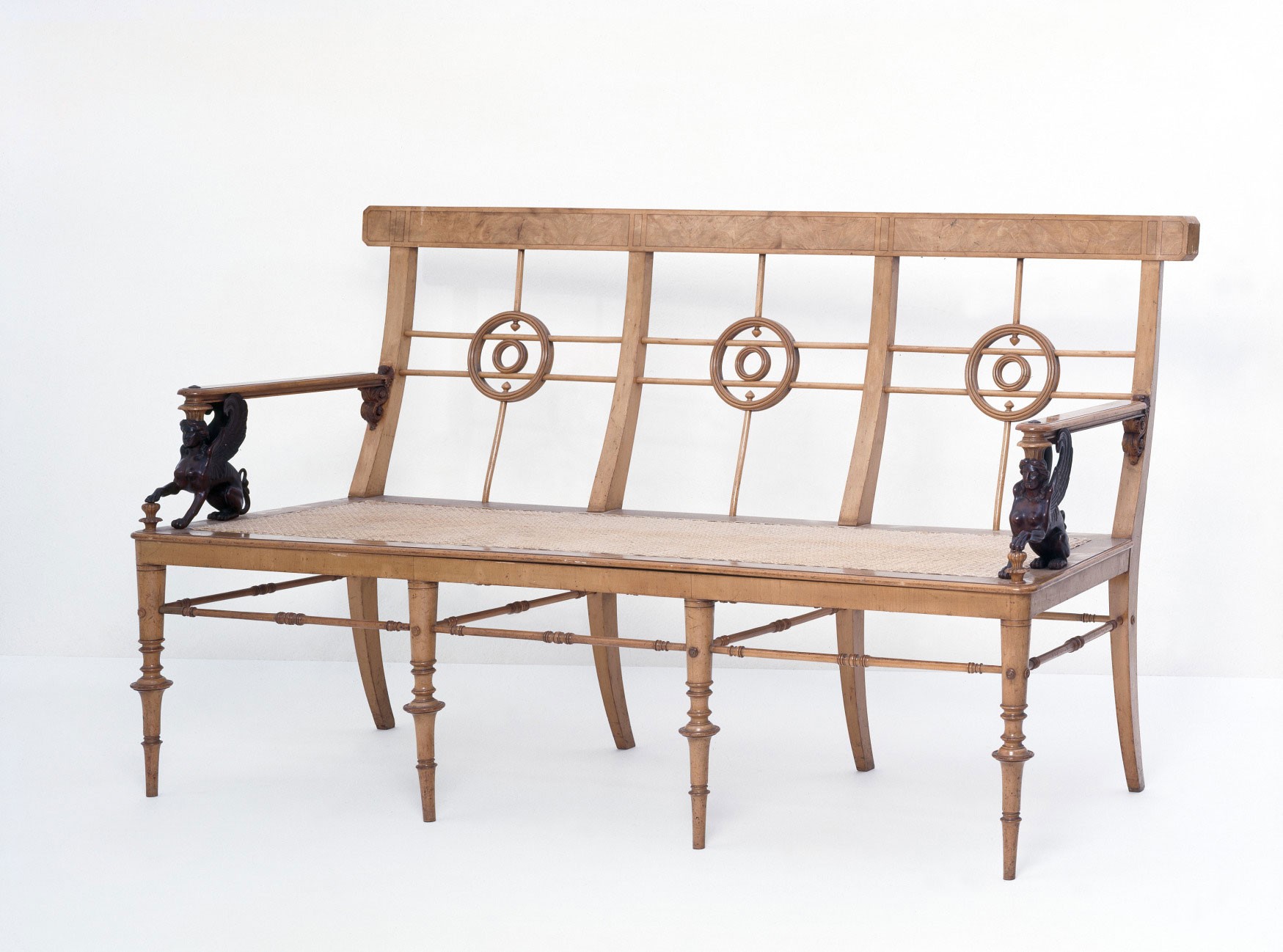
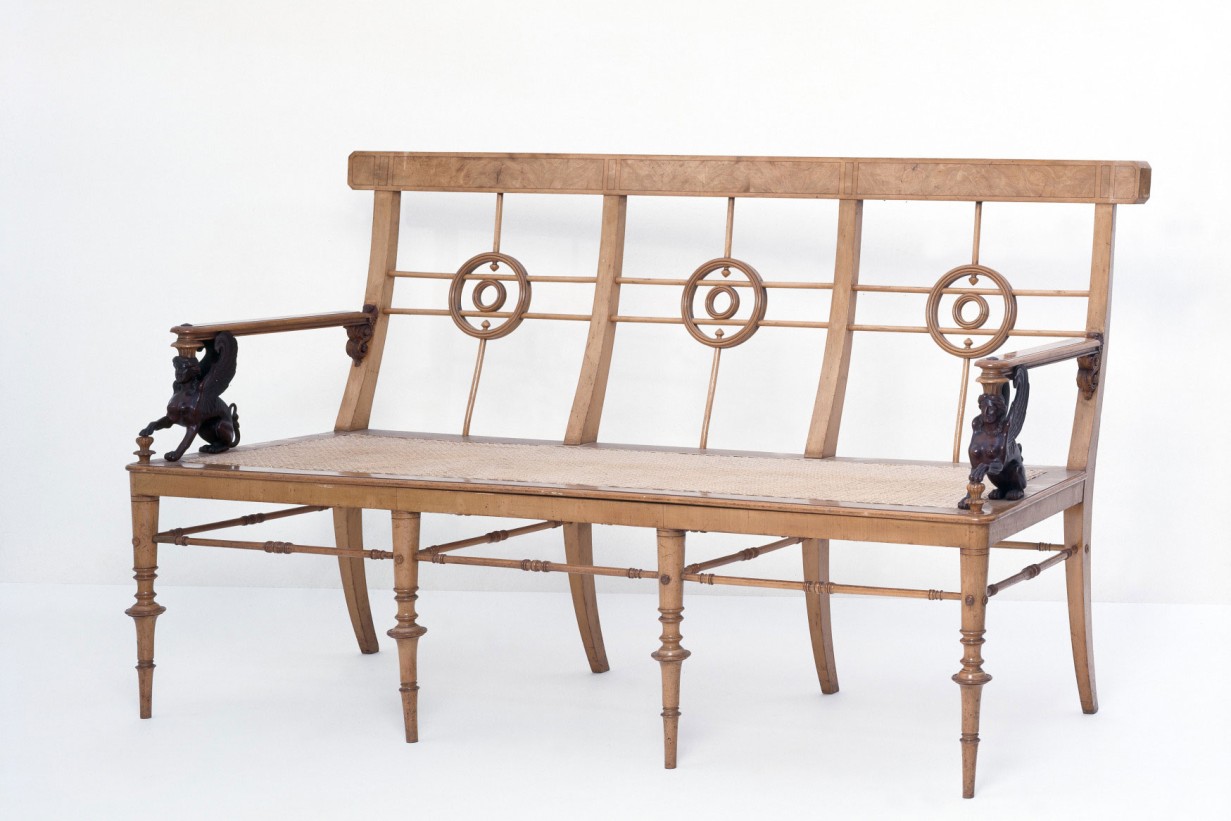
Theophil Hansen, bench, Vienna, ca. 1870, beech wood; maple wood, solid and veneered; mahogany wood, carved; basketwork, H 2755 © MAK
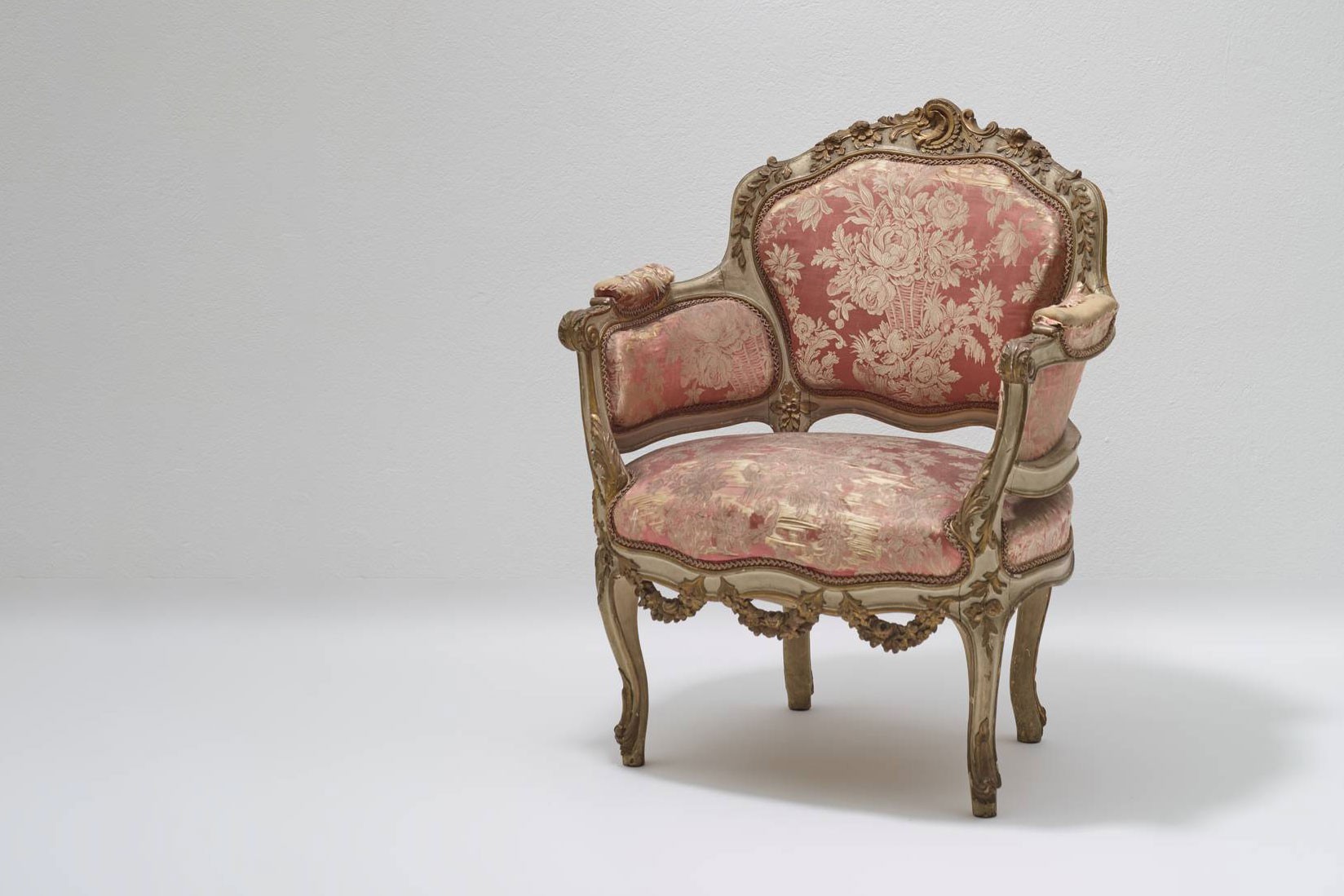
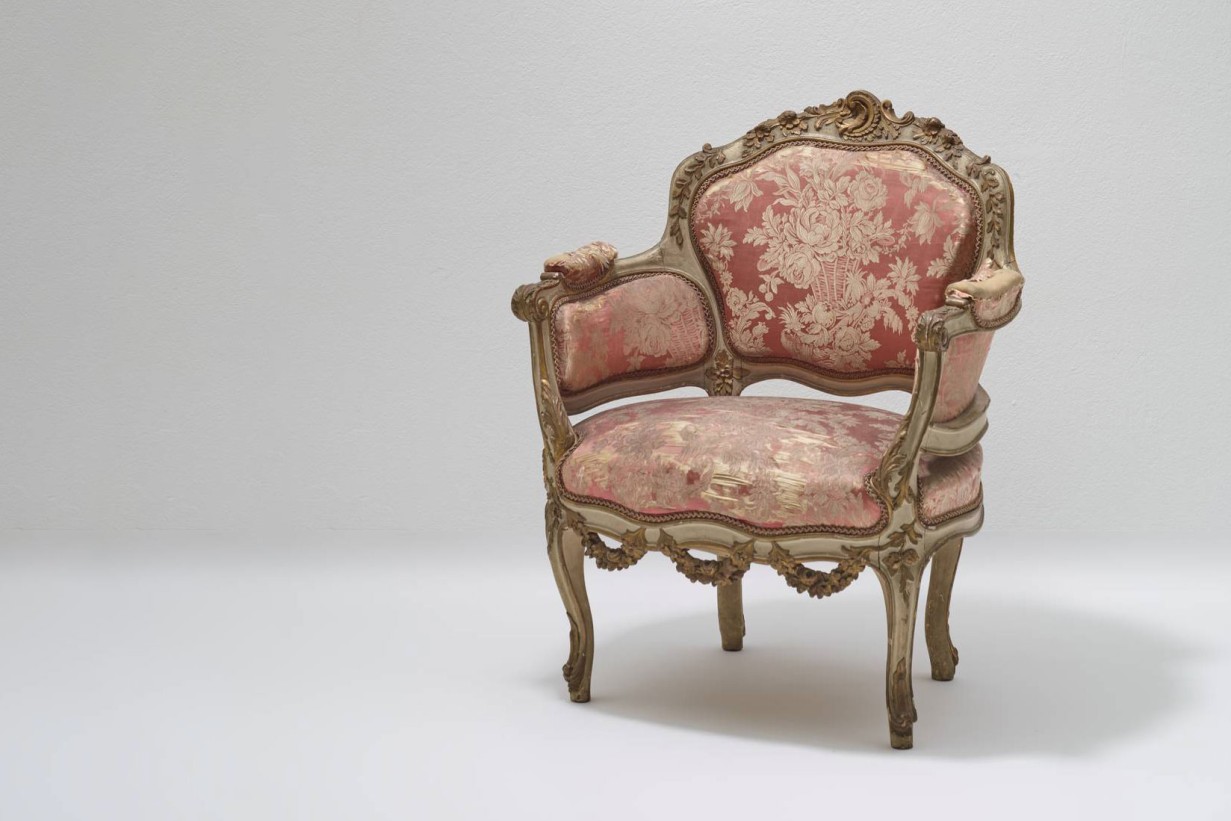
Fauteuil, design and execution: anonymous, 1740 to 1780, H 1499-1 © MAK
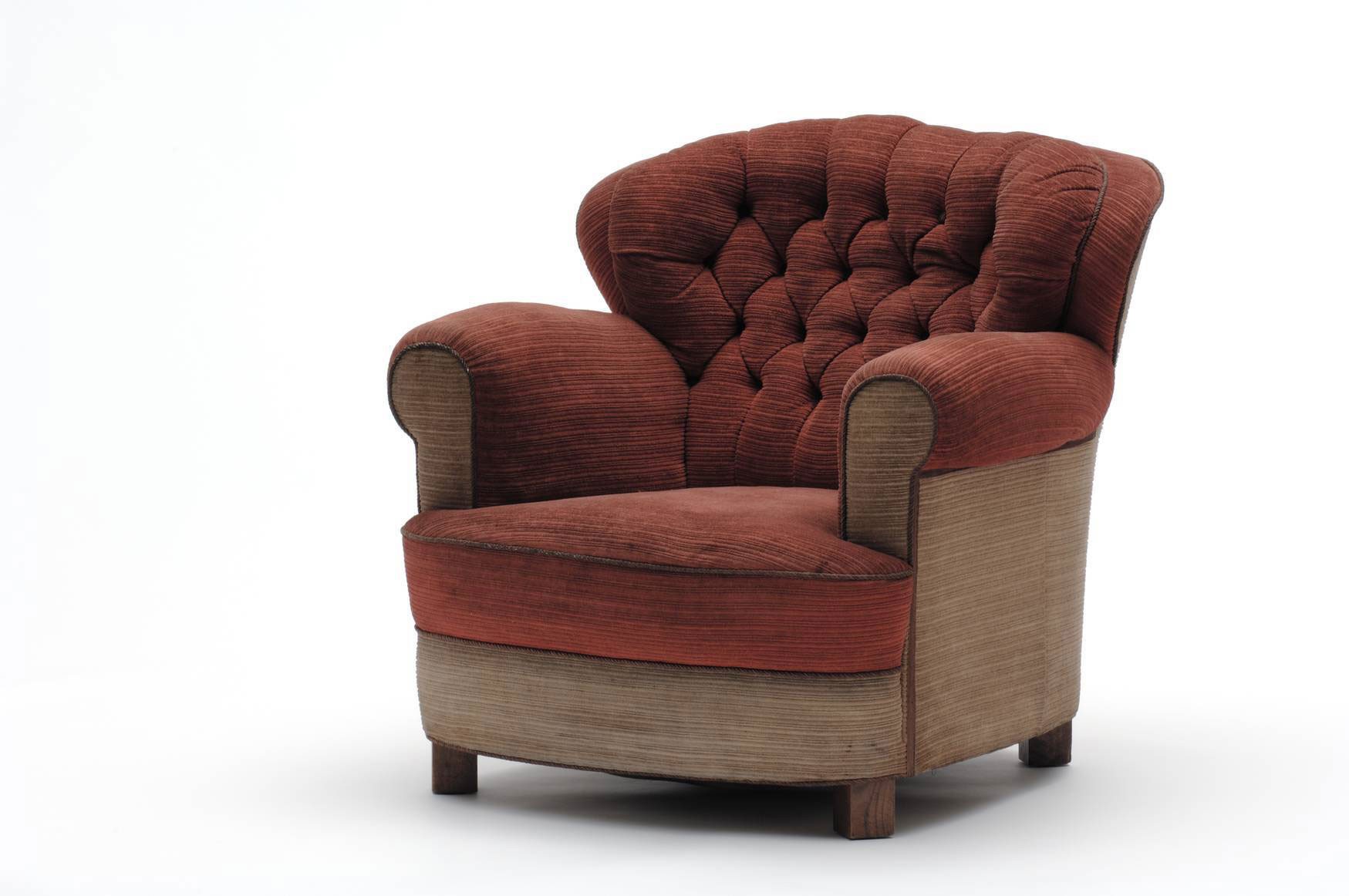
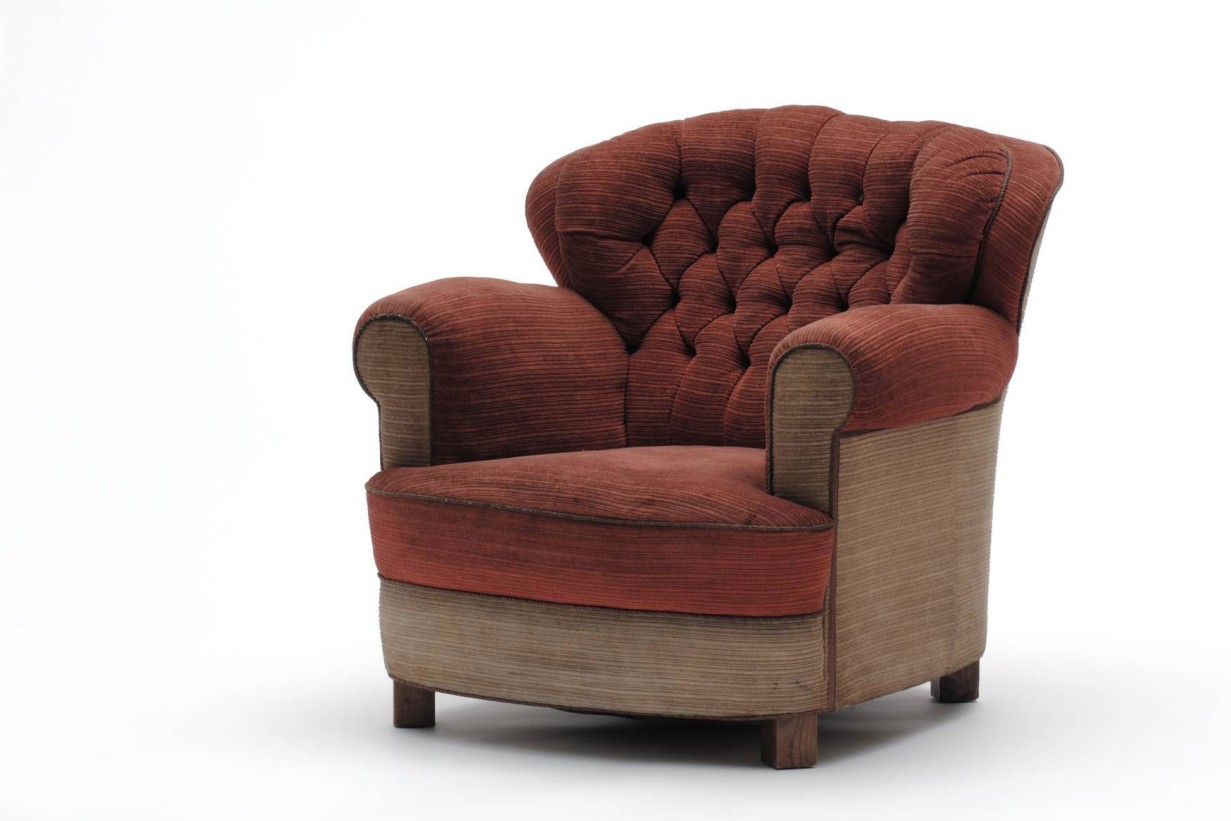
Anton Herrgesell, fauteuil, Vienna, ca. 1934, ash wood, solid; upholstery with textile cover © MAK
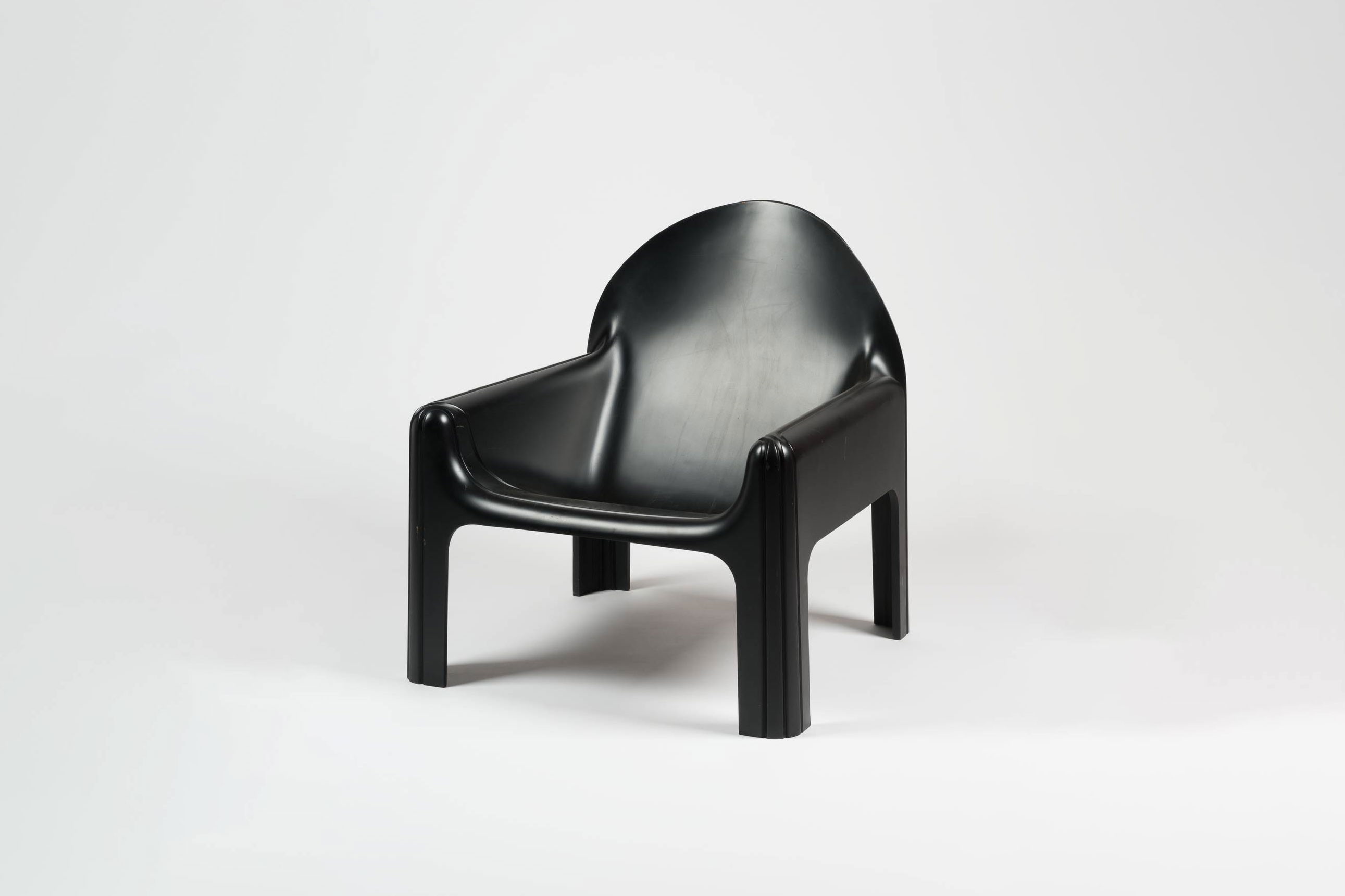
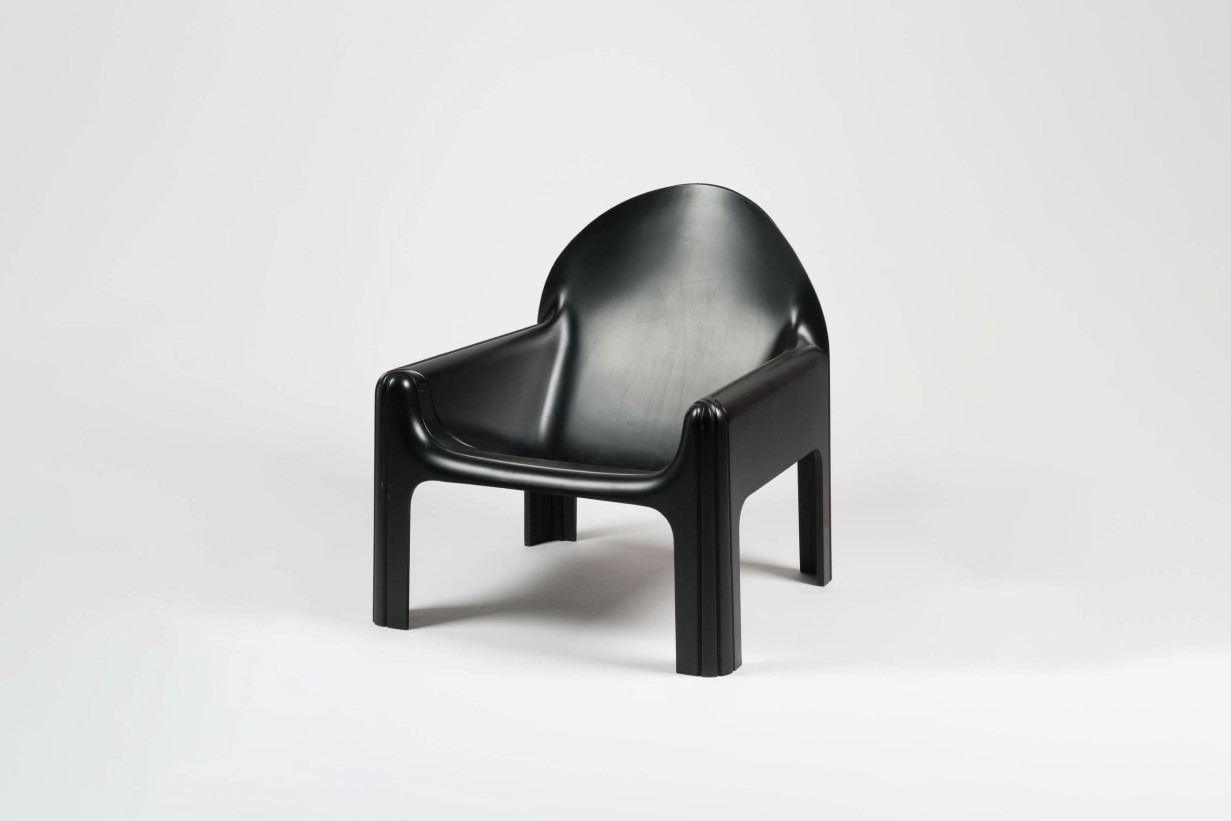
Gae Aulenti, chair/armchair, execution: Kartell, Italy, 1974, polyurethane, H 3357 © MAK
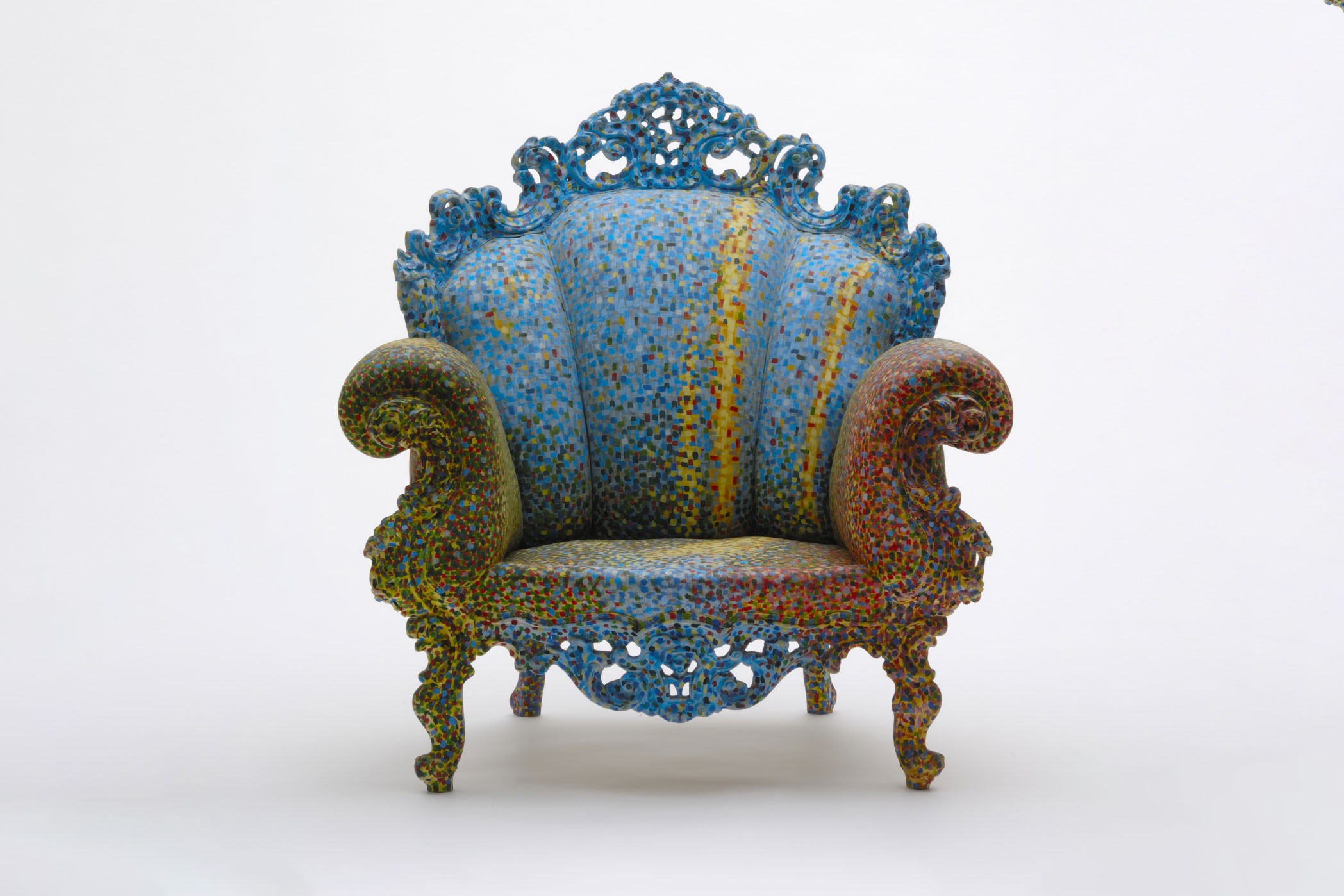
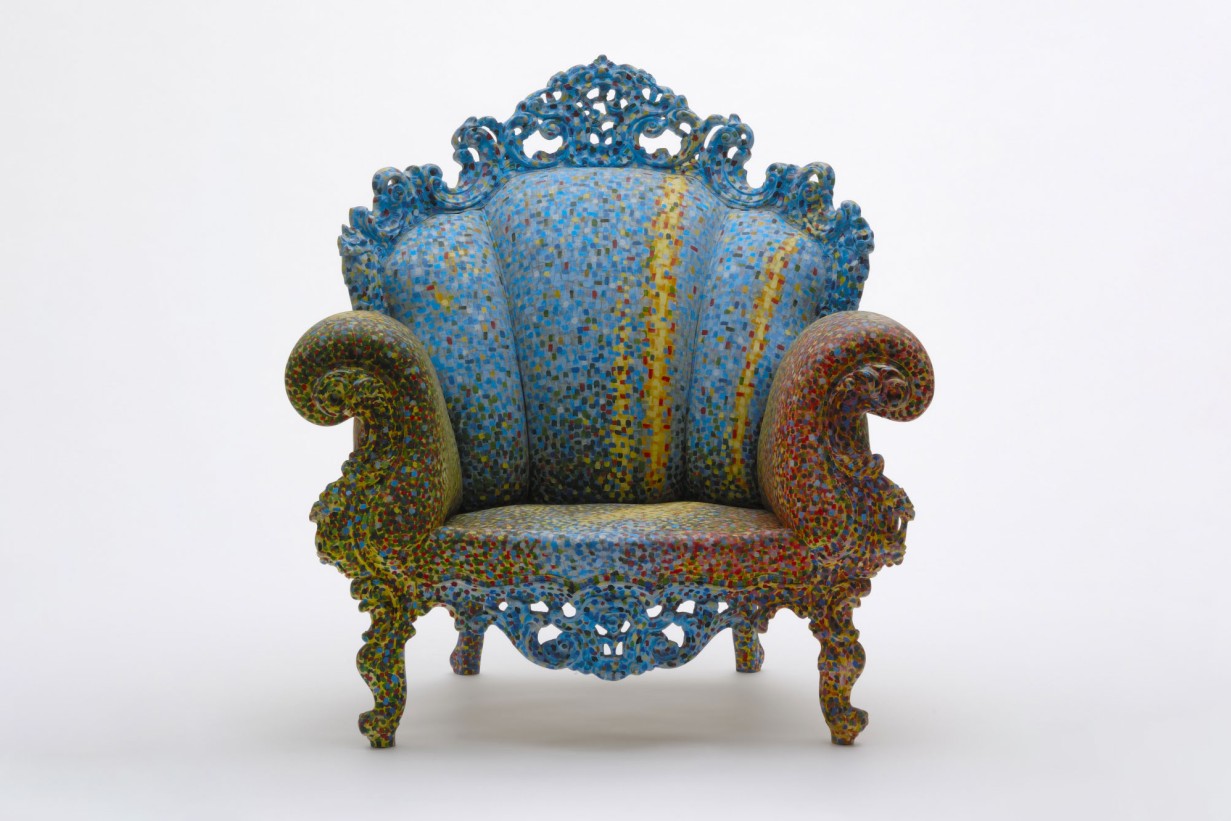
Alessandro Mendini, fauteuil “Proust,” Milan, 1978, H 2797 © MAK
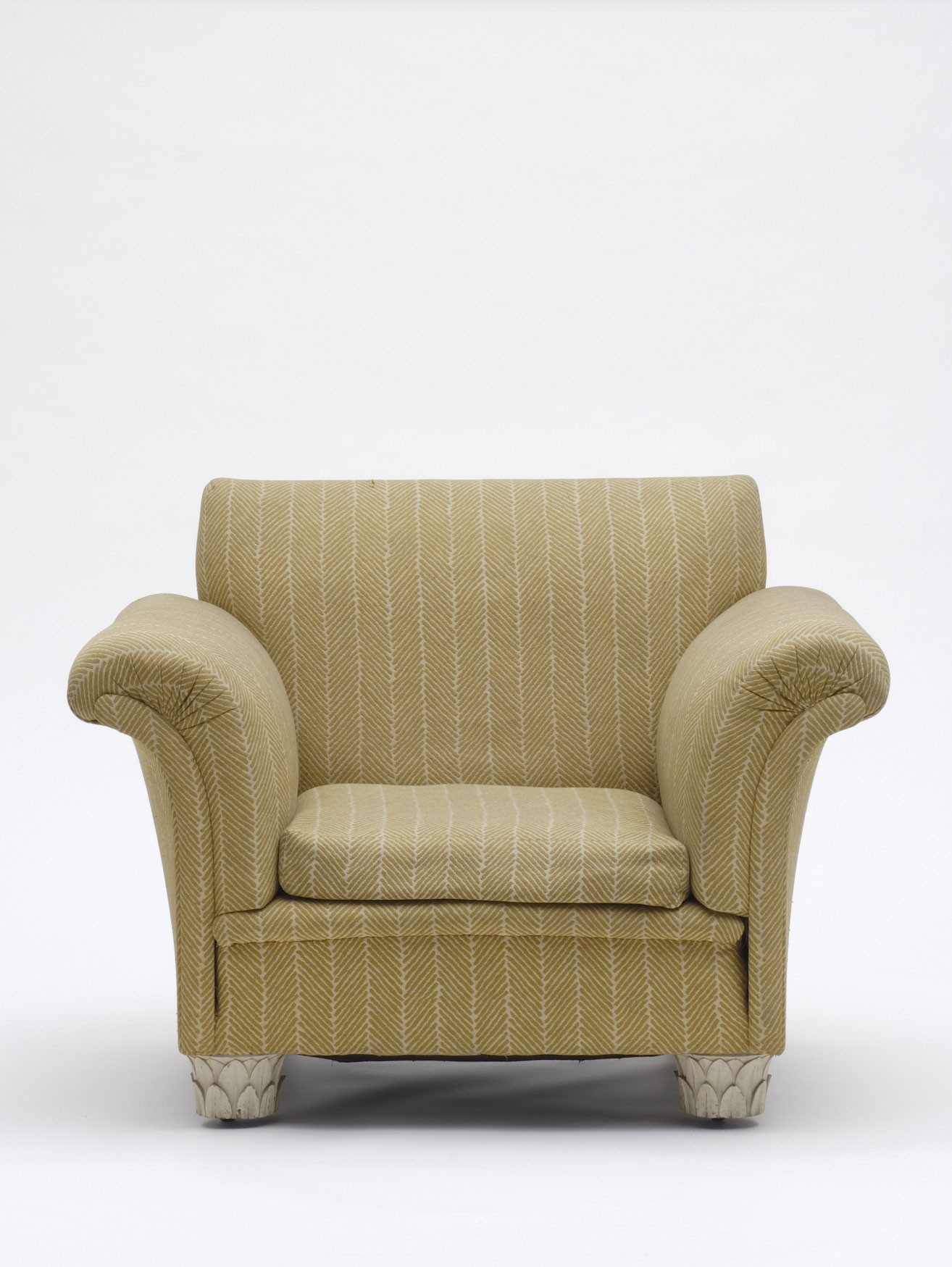
Eduard Josef Wimmer-Wisgrill, fauteuil from furnishings for a bed- and bathroom, Vienna, 1923 to 1924, H 2162 © MAK
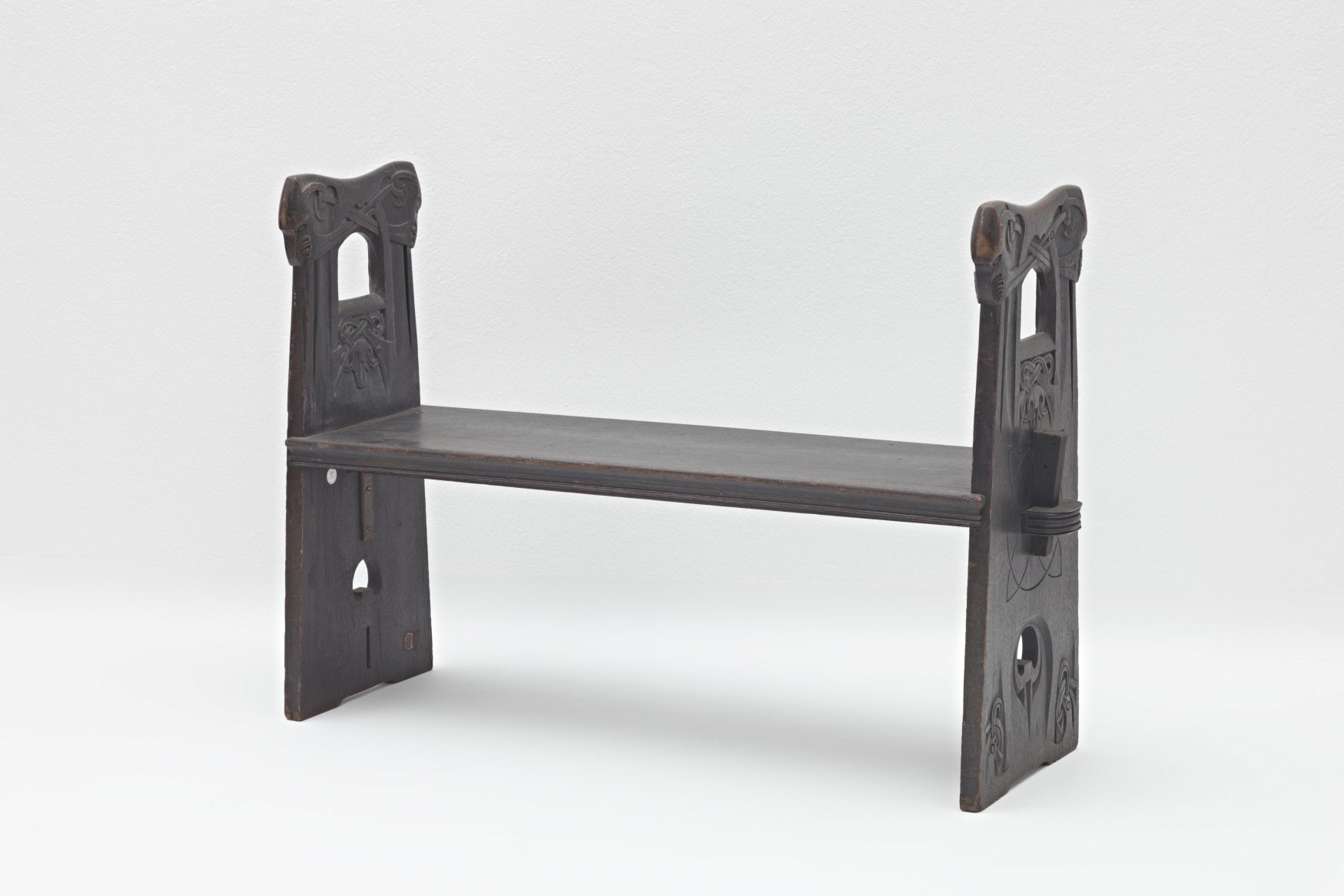
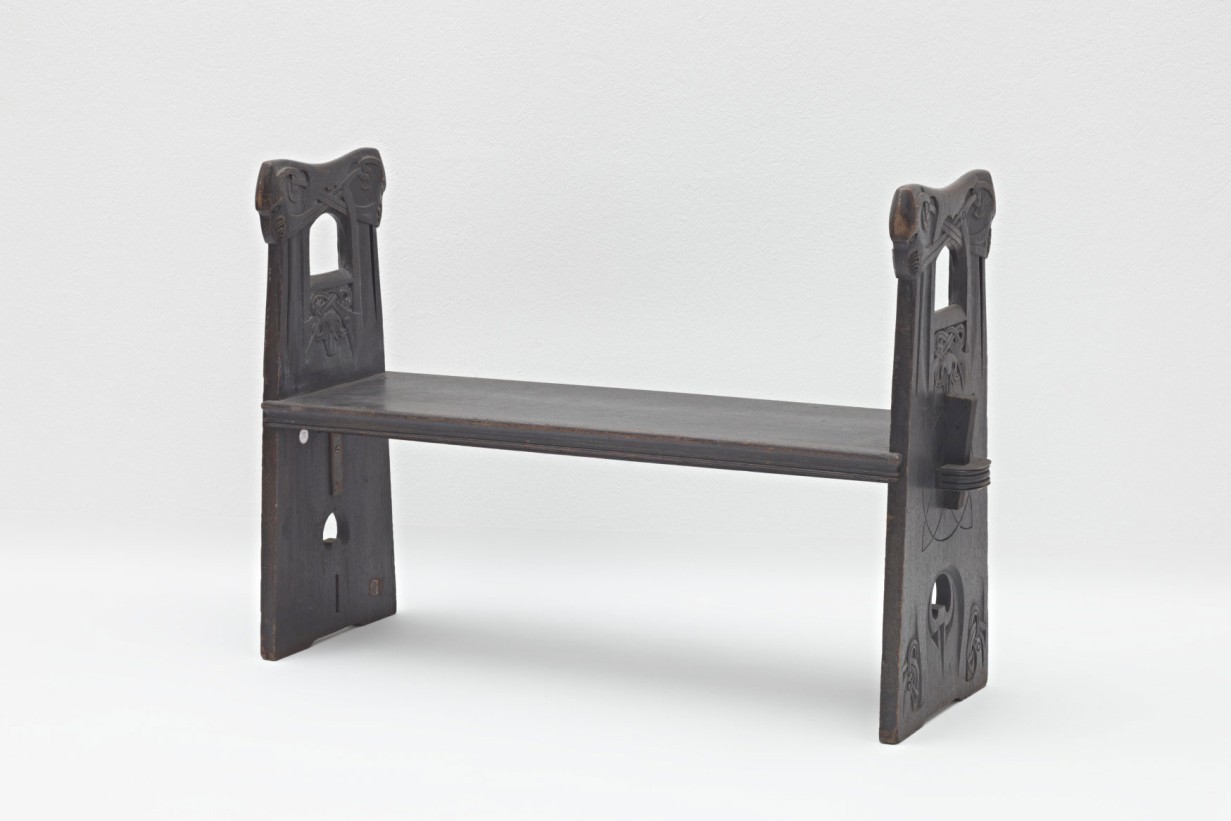
John Borgersen, Bank, Norwegen, 1900, Eichenholz, Eisen, H 999 © MAK
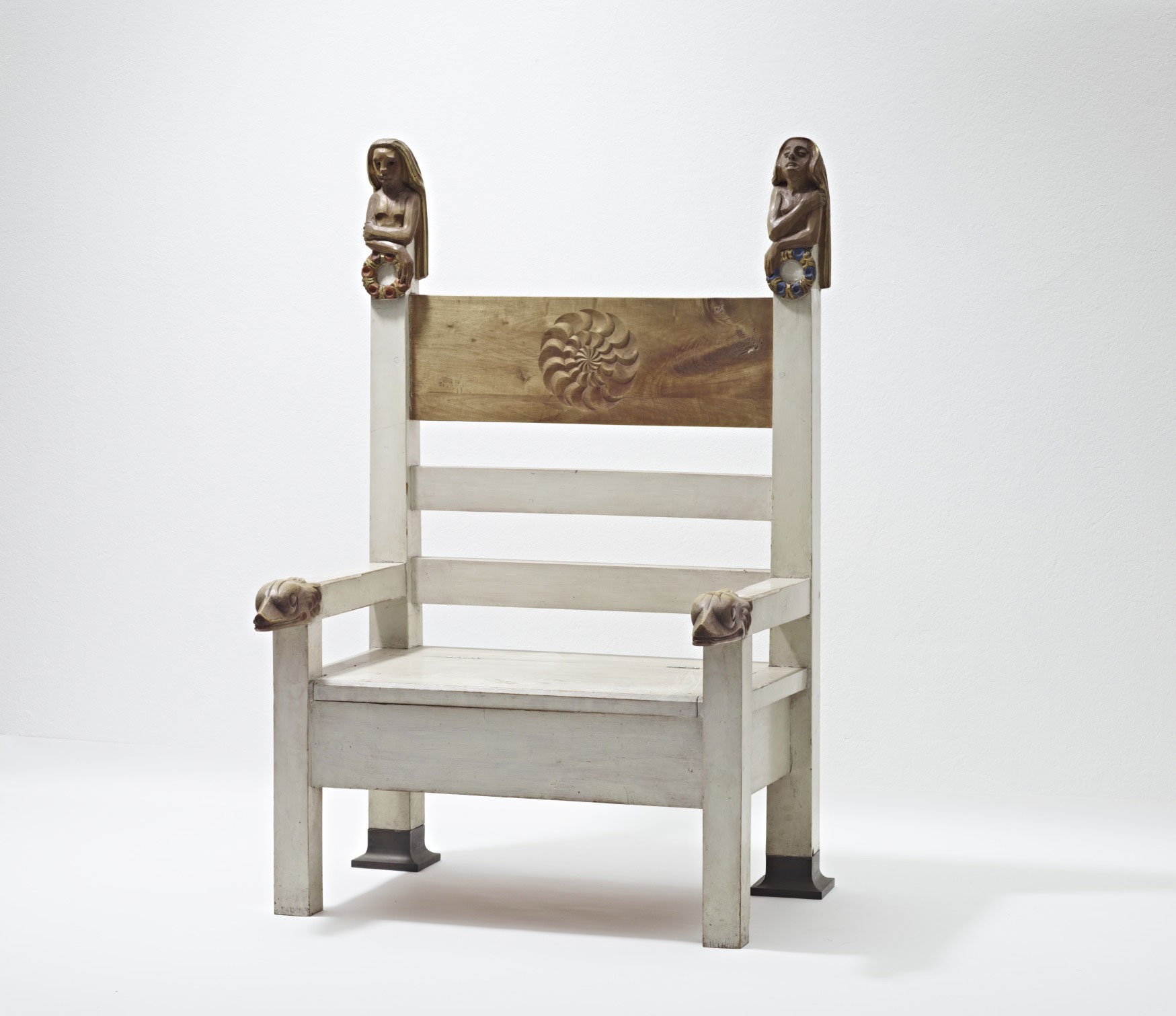
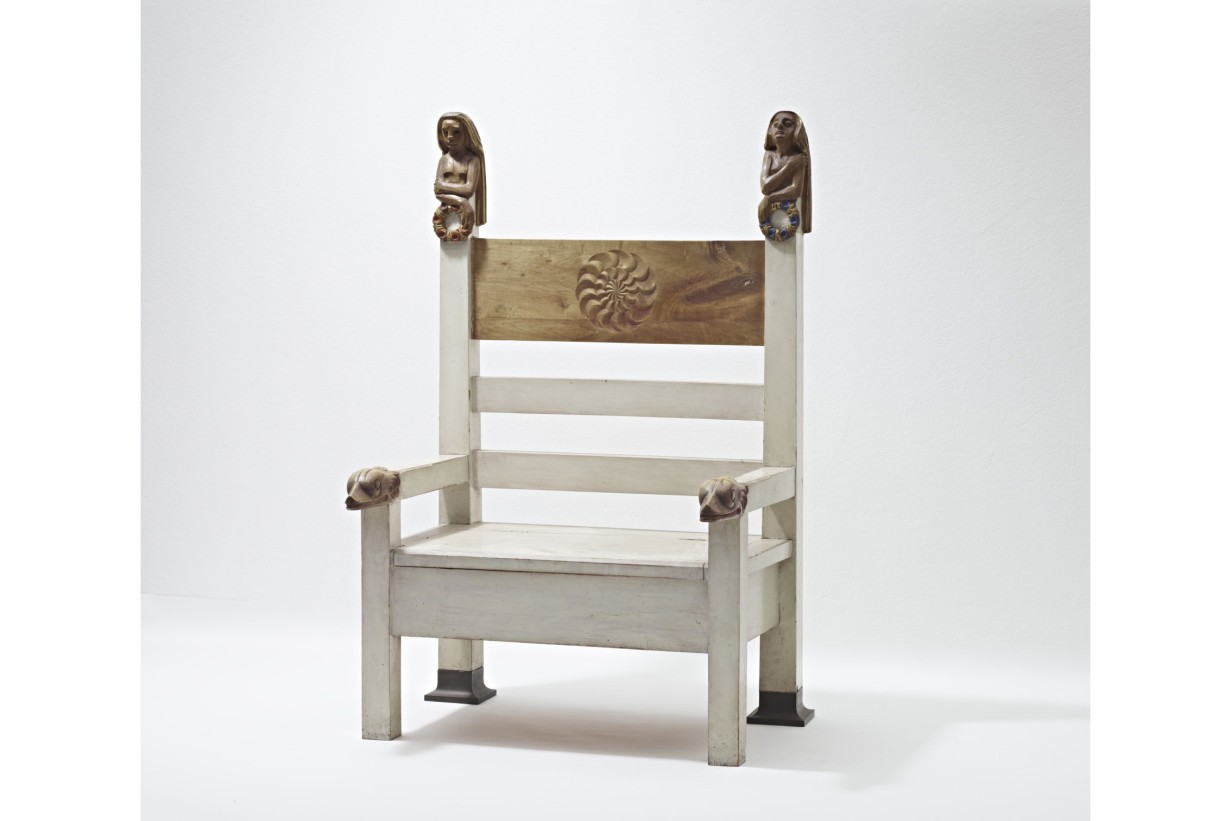
Ferdinand Andri, bench, Vienna, 1902, lime wood, carved, painted white and partly gilt, H 2557-1 © MAK
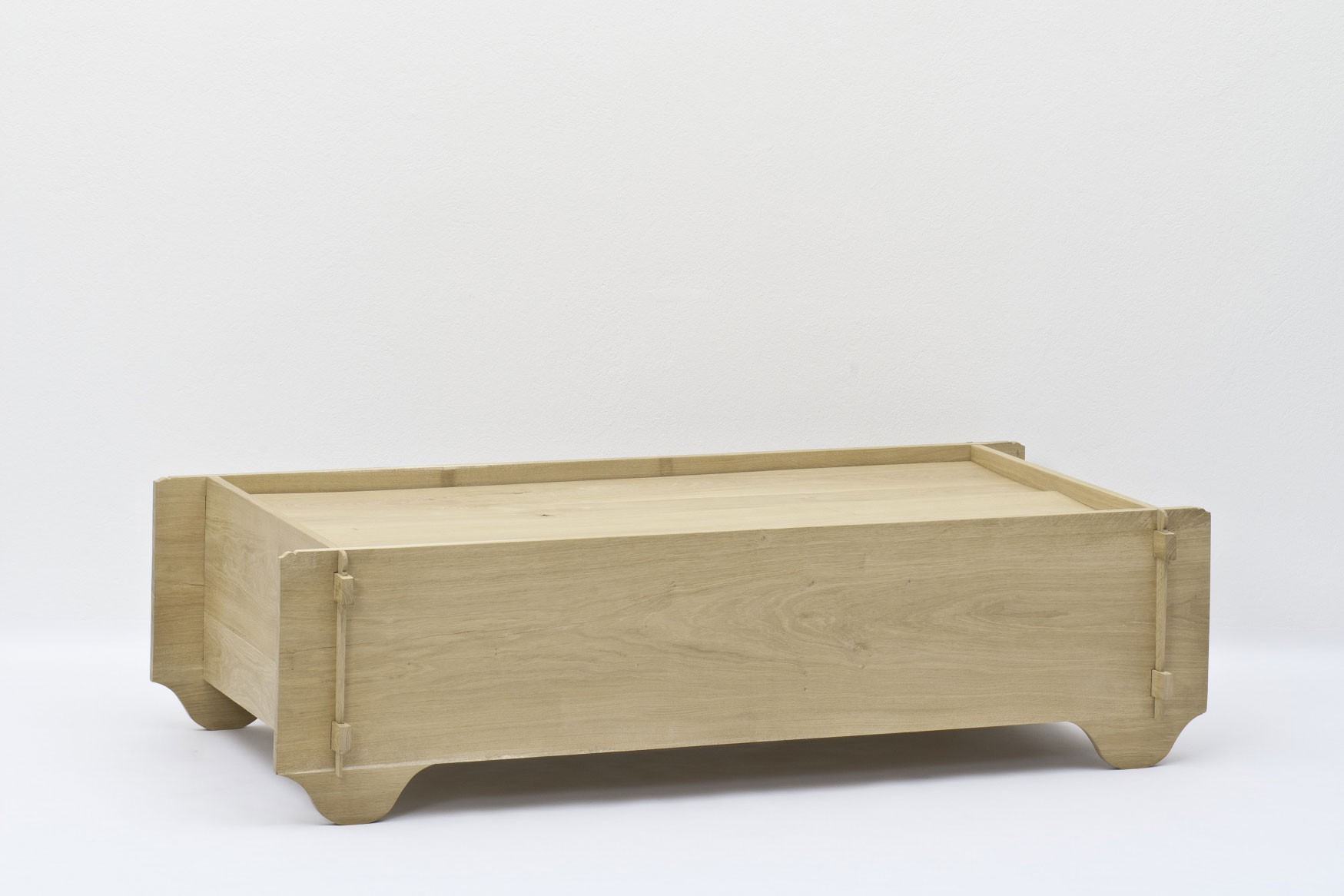
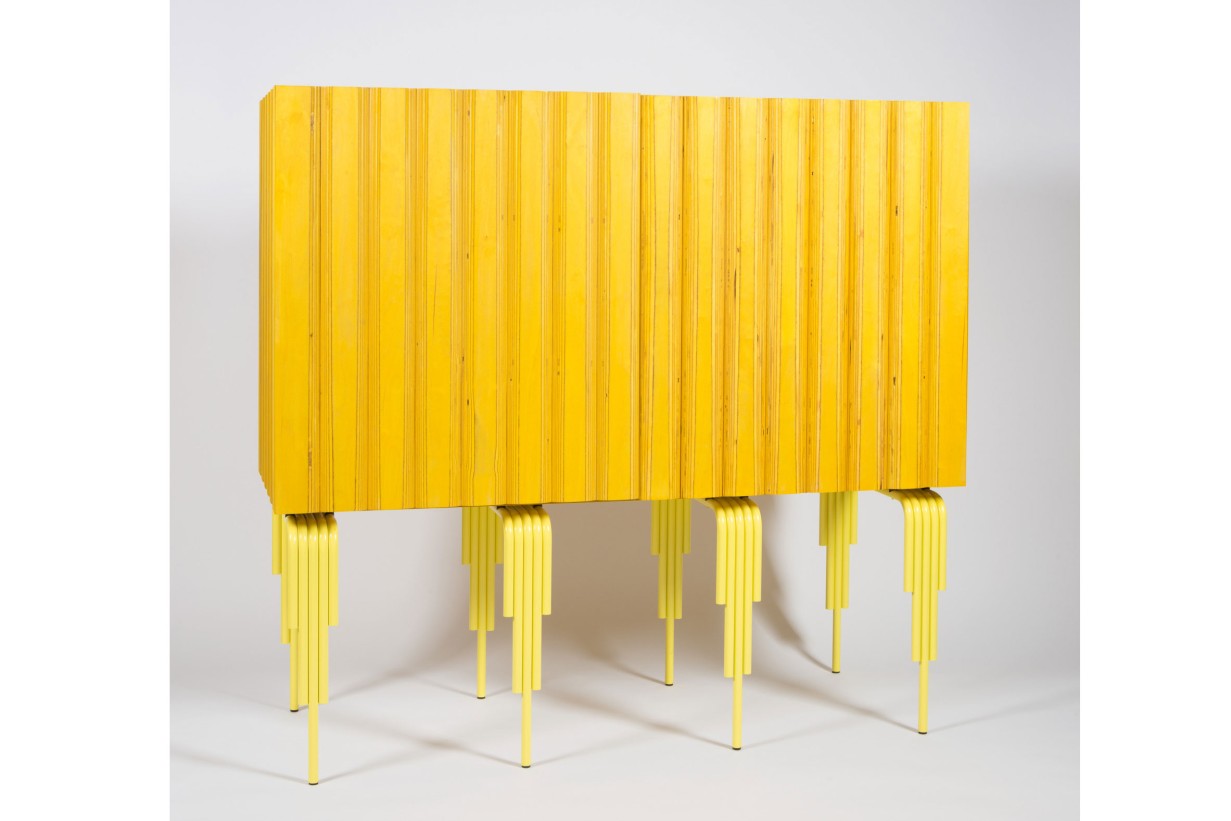
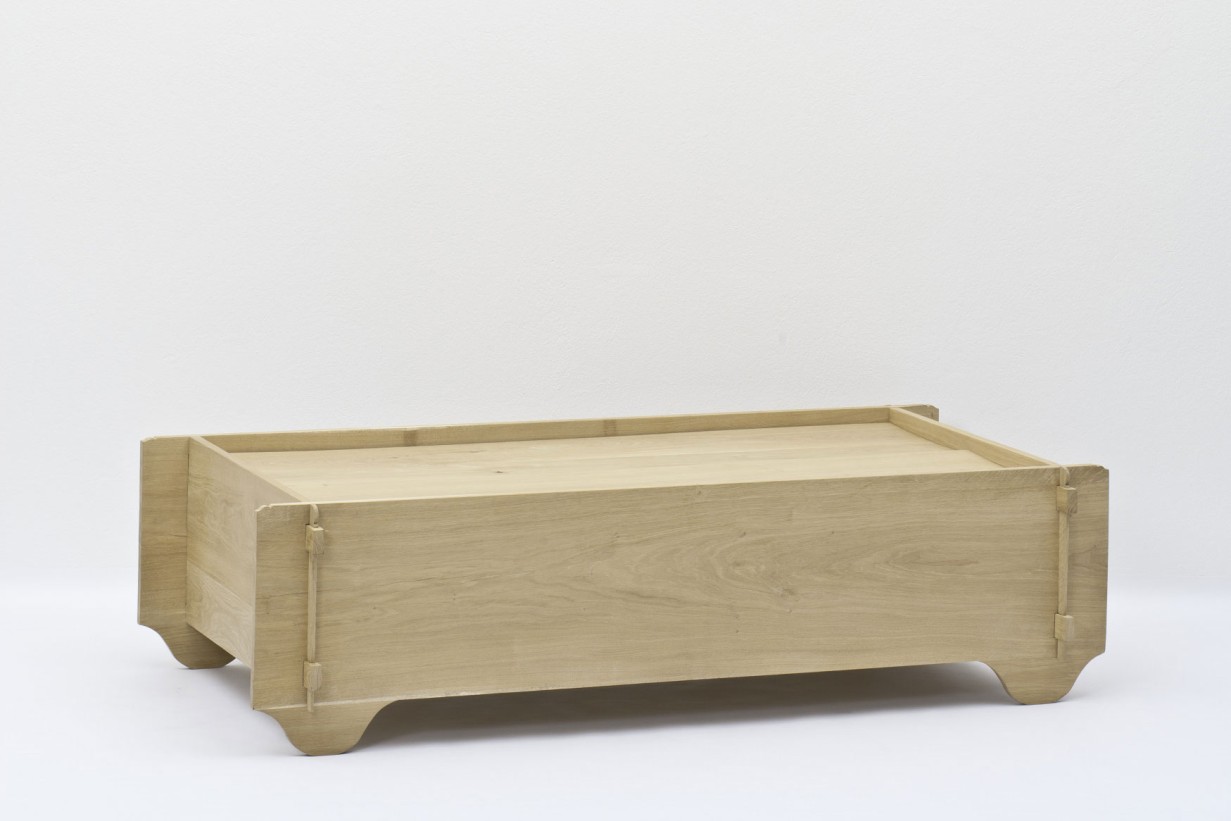
Guillaume Leblon, multifunctional piece of furniture “Meuble,” France, 2007, H 3512 © MAK