Asia Collection
Curator: Mio Wakita-Elis
© MAK
© MAK
© MAK
© MAK
© MAK
© MAK
© MAK
© MAK
© MAK
© MAK/Georg Mayer
© MAK
© MAK/Georg Mayer
© MAK
© MAK
Previous Image
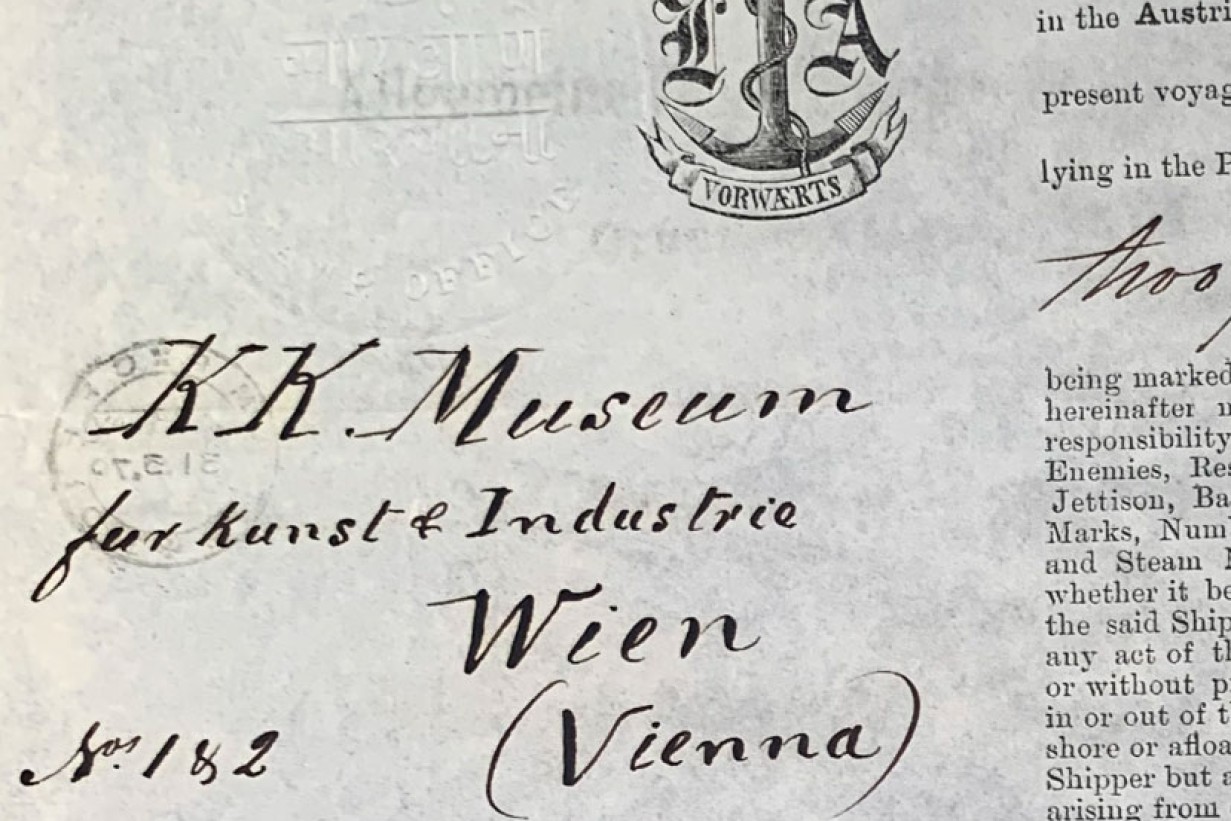
Although the Asia department was founded only 100 years ago, the MAK has presented expertise in the field of Asian decorative arts since its founding. Already in 1900, the MAK owned a notable collection documenting the highlights of Asian cultures. The foundation of today’s wide ranging Asia Collection was laid in 1907, when it was significantly enriched by the acquisition of the former Imperial and Royal Austrian Museum of Trade. With this acquisition, Heinrich Siebold’s extensive Japan collection was also transferred to the MAK.
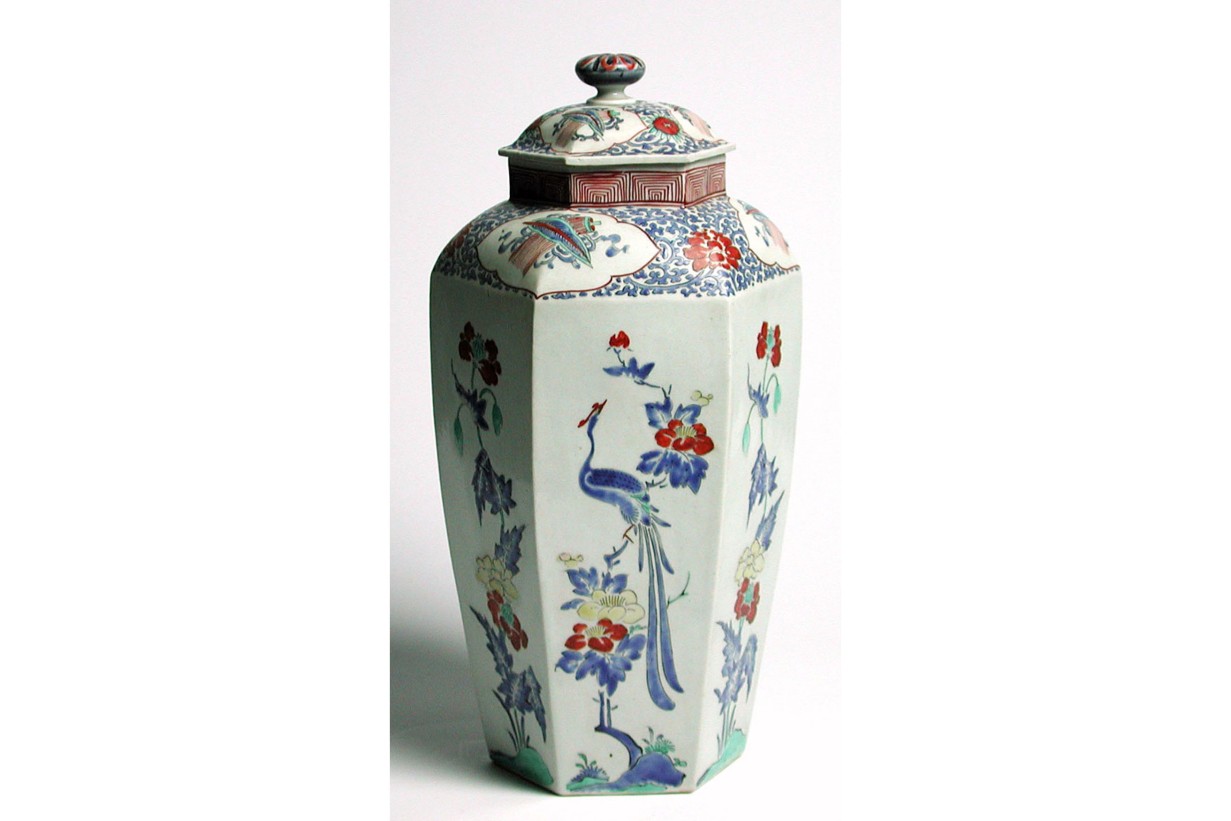
The collection of East Asian ceramics from different epochs illustrates the impressive diversity of this kind of art form from its beginnings. The collection focuses on the 18th century, which is considered the peak of ceramic production. The most valuable pieces include an early blue-and-white plate from the Yuan dynasty (1271–1368), Chinese porcelain from the Kangxi period (1666–1722) from the collection of Augustus the Strong, as well as tea ceramics from Japan.
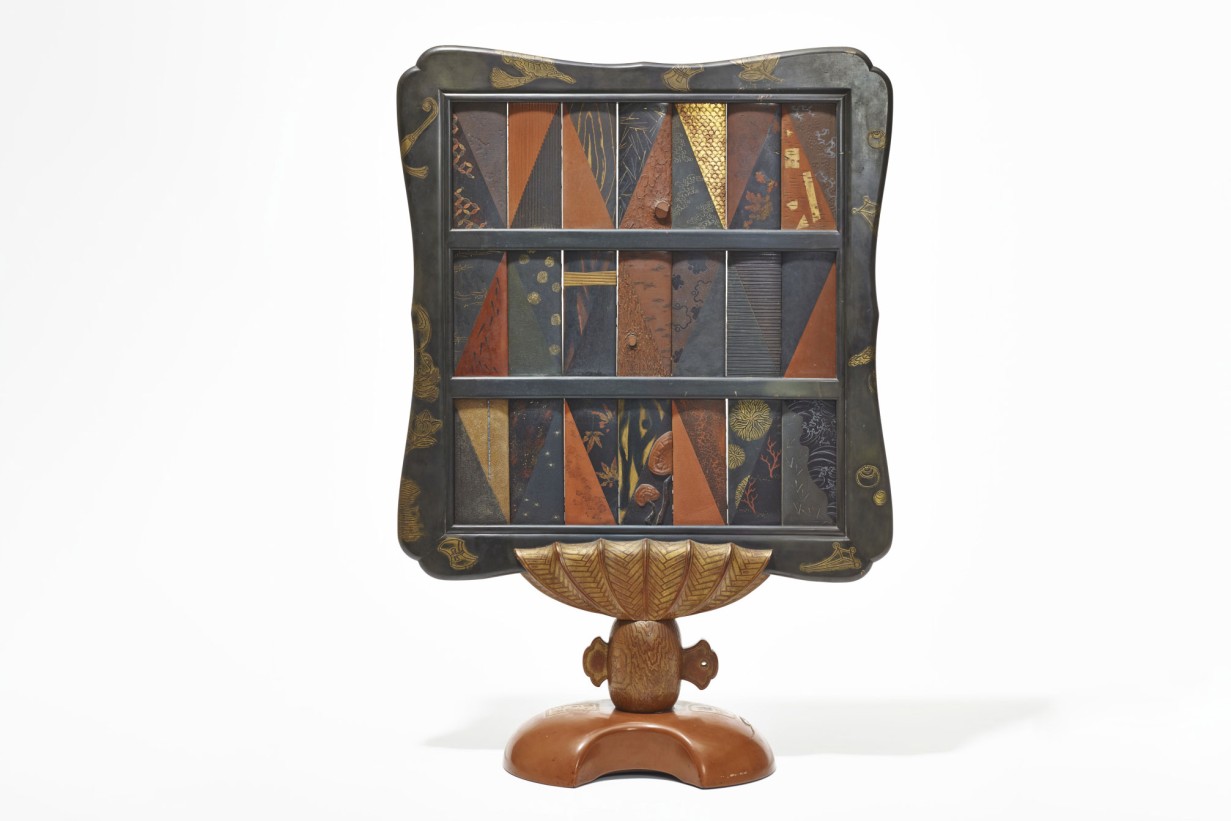
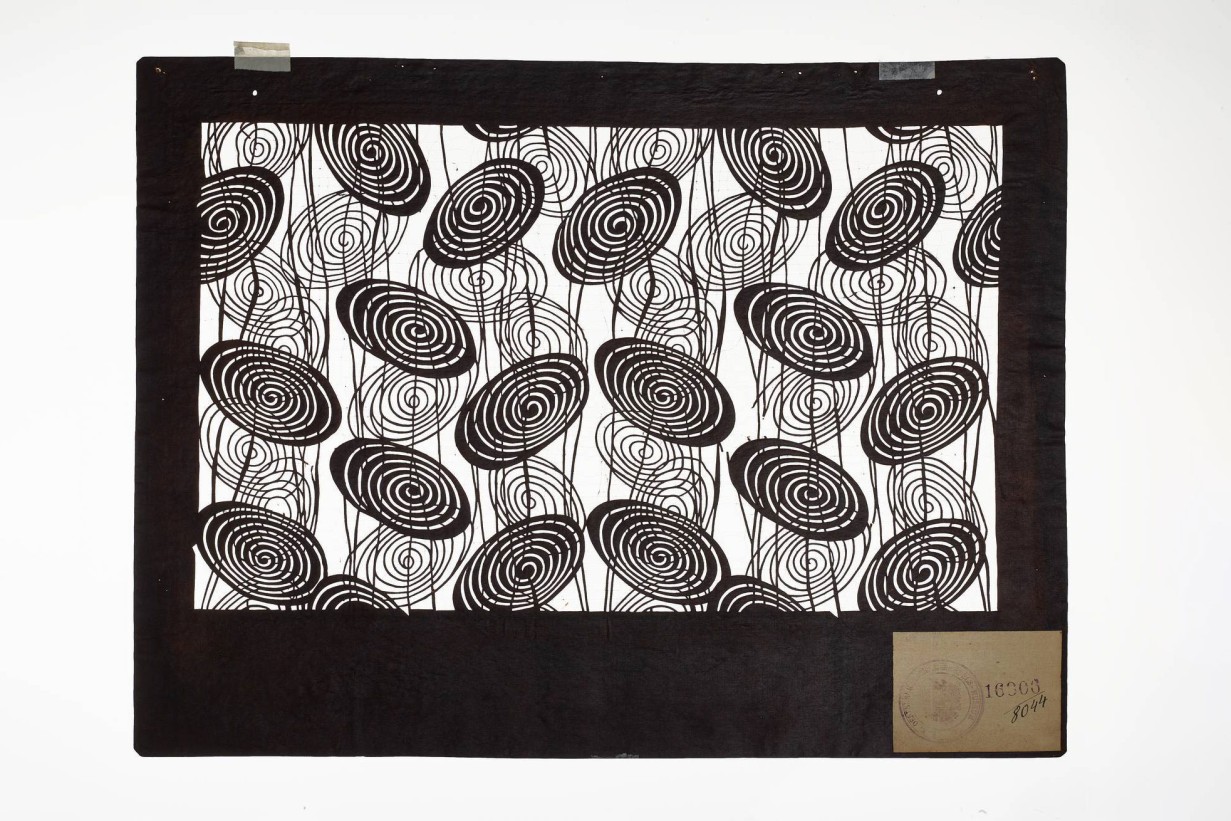
The collection of Japanese lacquer works contains objects from the early 17th century and is particularly rich in examples from the Meiji period (1868–1912). With roughly 10,000 objects, the collection of Japanese printing stencils is worldwide one of the largest of its kind. It provides an impressive overview of the production, coloring techniques, and ornamental history of katagami, which has been in use in Japan as a respected craft for coloring leather, fabric, and paper since the 7th century.
Ceramics, Lacquer and Katagami Stencils
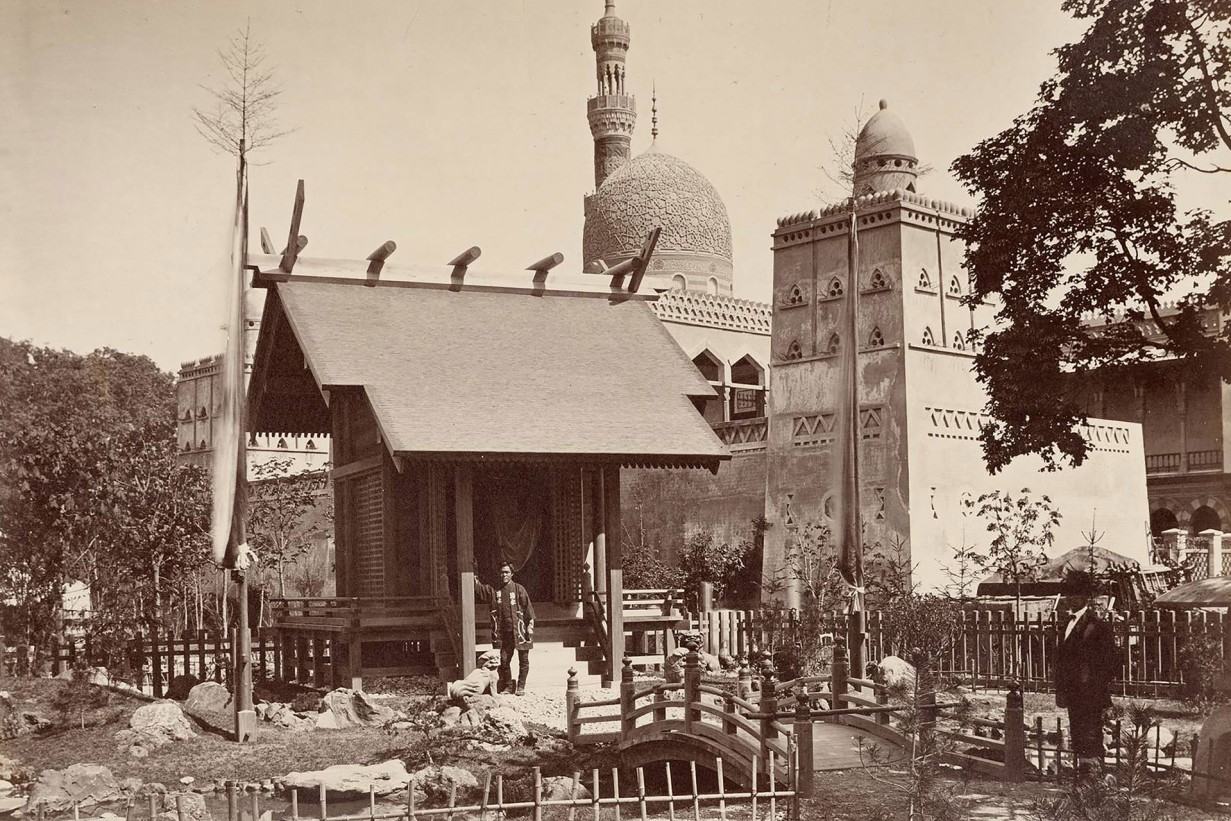
Chinese porcelain, Japanese lacquer works, Japanese colored woodcuts, and Japanese printing stencils (katagami) are the focal points of today’s Asia Collection. Furthermore, the MAK houses one of the most important collections of the 1873 Vienna World’s Fair. Outstanding examples with regard to art and art history from this group of objects include works by ceramic artist KAWAMOTO Masukichi (1831–1907) as well as lacquer artist HASHIMOTO Ichizō (1817–1882).The collection of East Asian ceramics from different epochs illustrates the impressive diversity of this kind of art form from its beginnings. The collection focuses on the 18th century, which is considered the peak of ceramic production. The most valuable pieces include an early blue-and-white plate from the Yuan dynasty (1271–1368), Chinese porcelain from the Kangxi period (1666–1722) from the collection of Augustus the Strong, as well as tea ceramics from Japan.
The collection of Japanese lacquer works contains objects from the early 17th century and is particularly rich in examples from the Meiji period (1868–1912). With roughly 10,000 objects, the collection of Japanese printing stencils is worldwide one of the largest of its kind. It provides an impressive overview of the production, coloring techniques, and ornamental history of katagami, which has been in use in Japan as a respected craft for coloring leather, fabric, and paper since the 7th century.
Colored Woodcuts
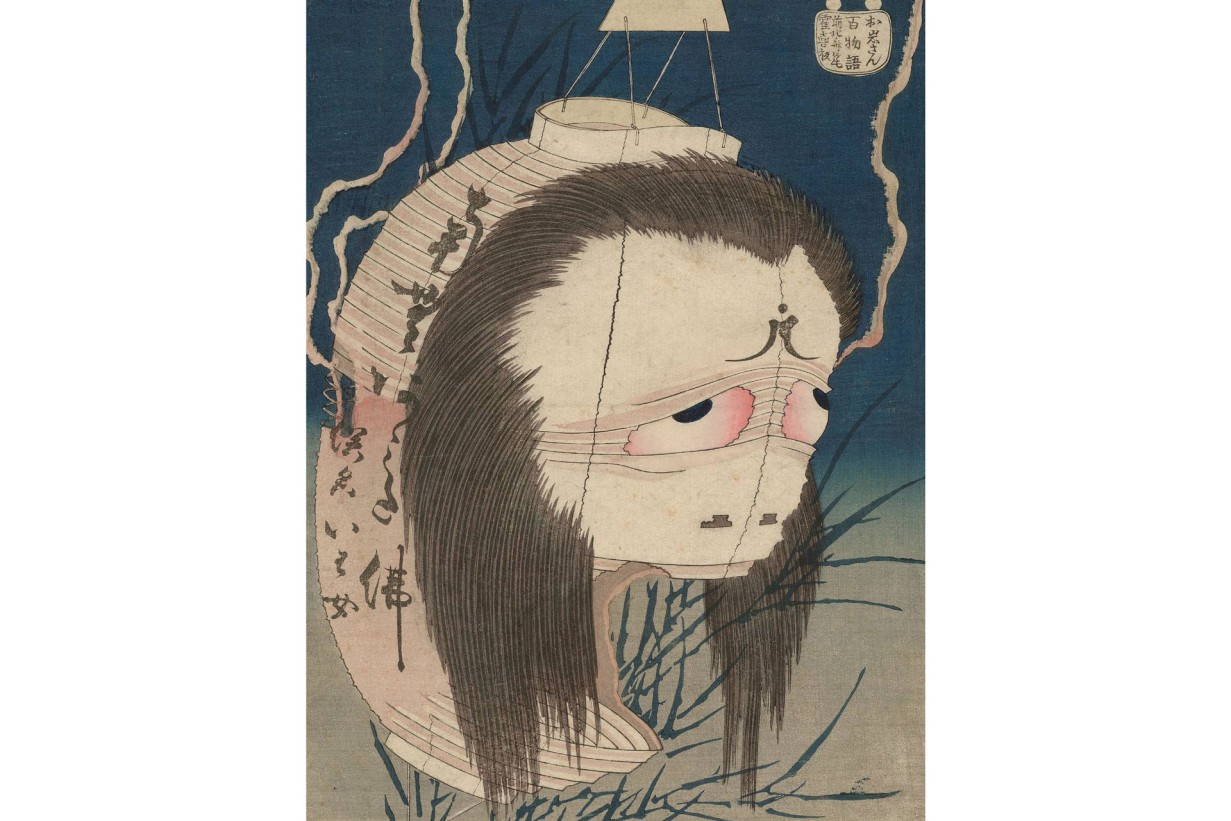
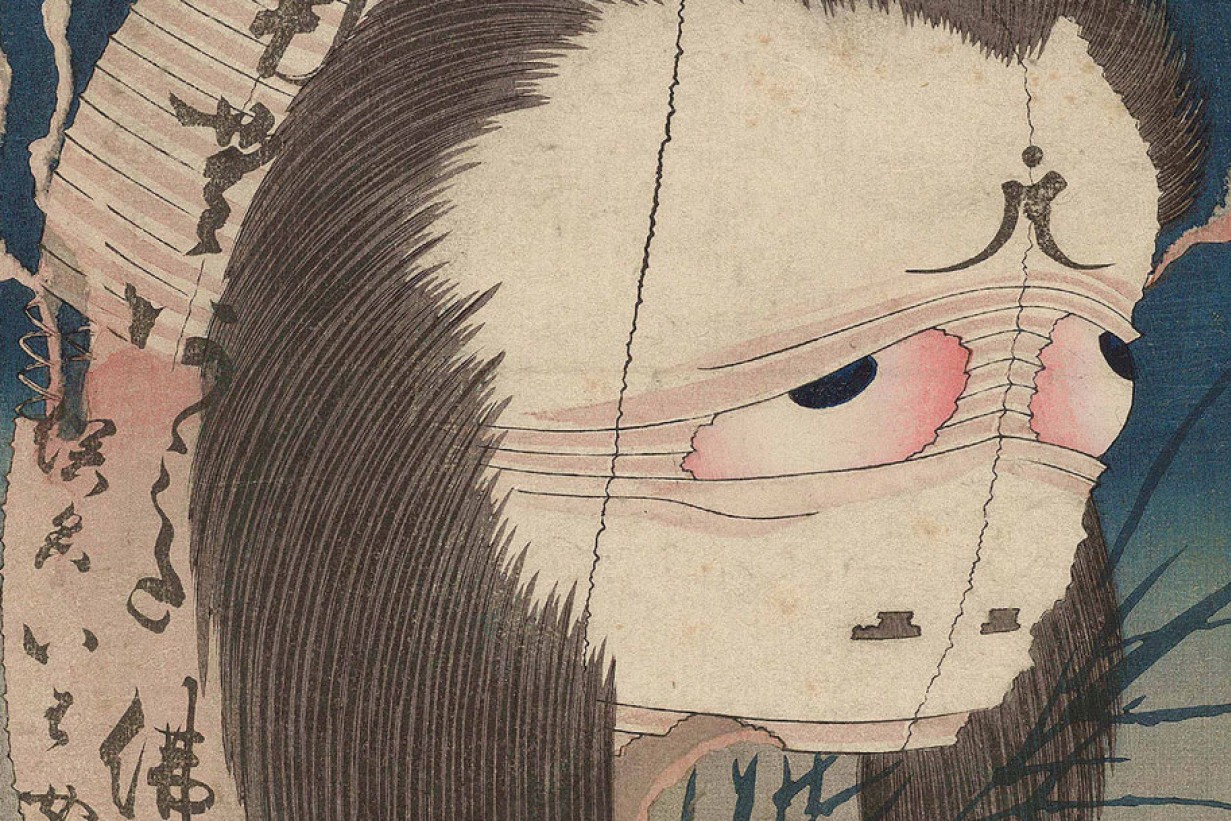
Counting approximately 4,200 sheets, the Japanese colored woodcut collection is one of the most important Ukiyoe collections in Europe and one of the larger collection blocks of the MAK. The majority of the sheets comes from private collections including the Anton Exner, Richard Lieben, and Heinrich Siebold collections. The MAK’s Ukiyoe collection contains works by roughly 200 artists. These works were created between the late 17th century and the 20th century and significantly influenced the development of European modernity.Media
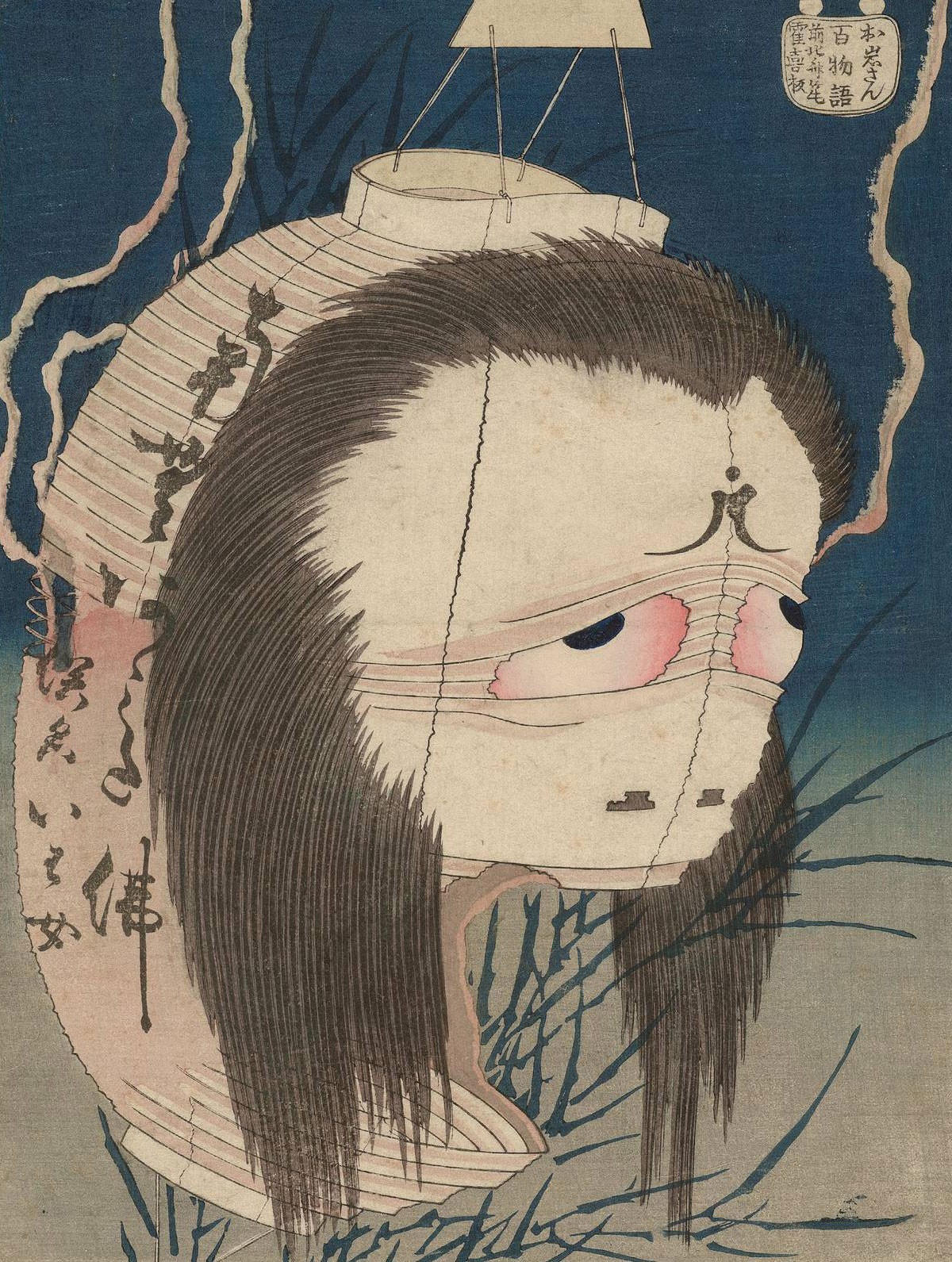
Katsushika Hokusai, The Ghost of Oiwa, execution: anonymous, Japan, ca. 1830, KI 11038 © MAK
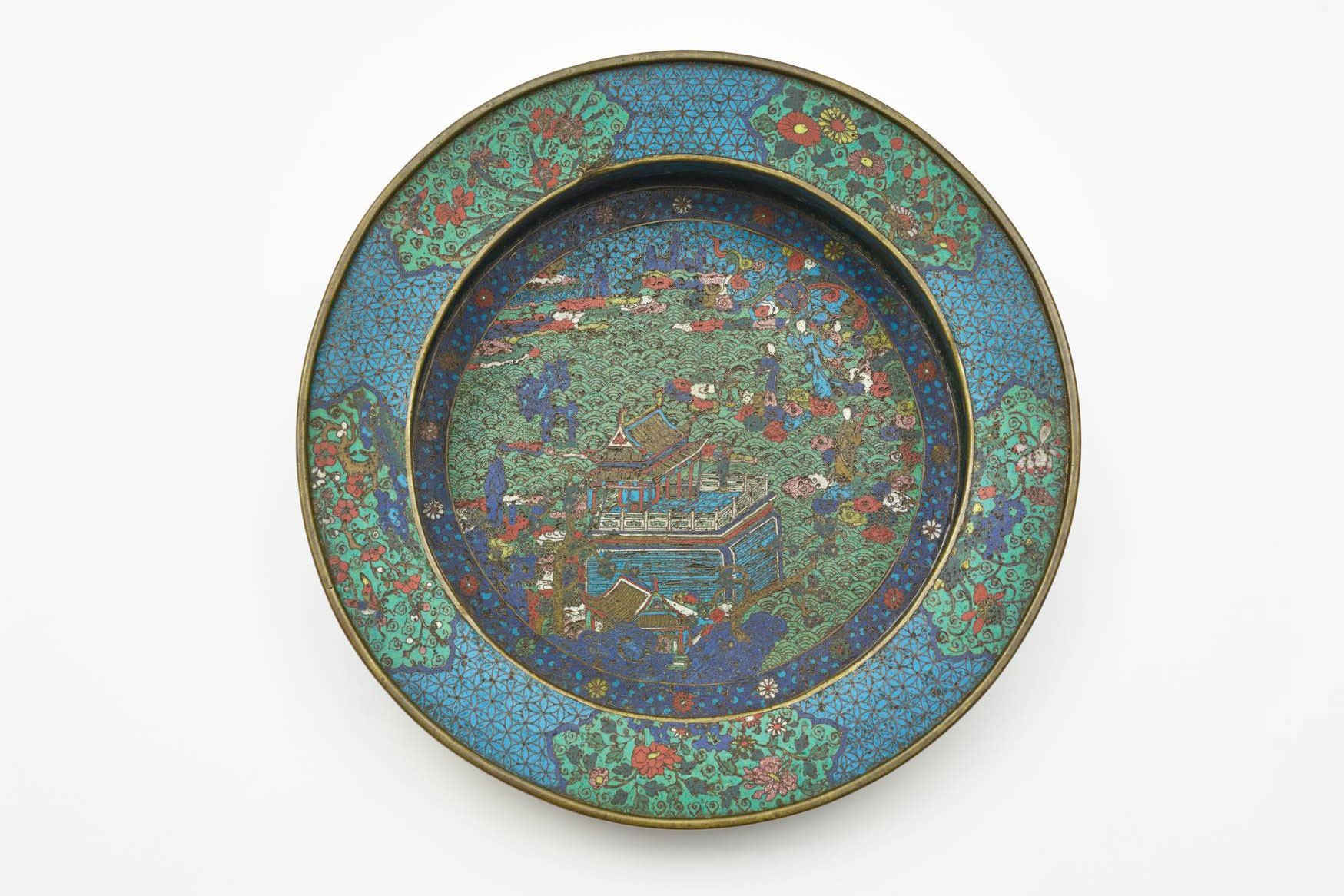
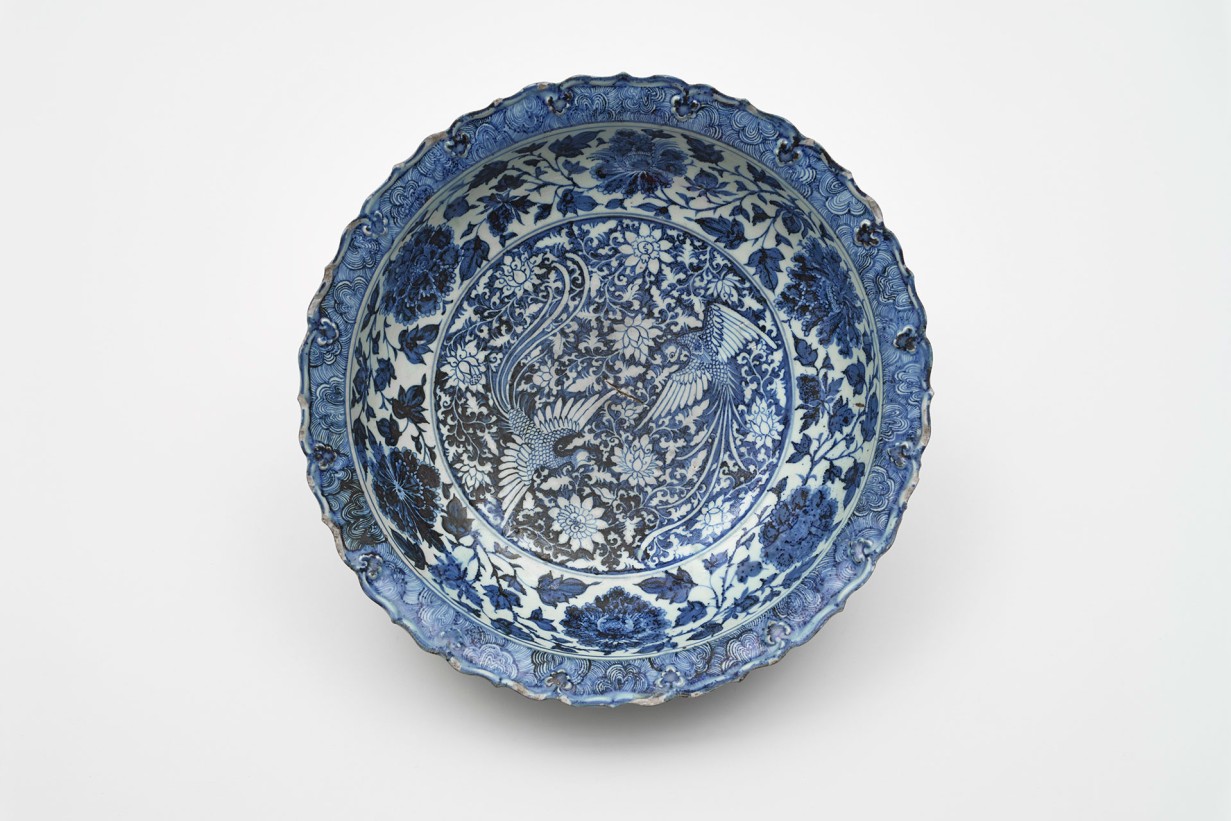
Basin depicting Xi Wangmu and her entourage, execution: anonymous, China, 2nd half of the 16th century, EM 444 © MAK
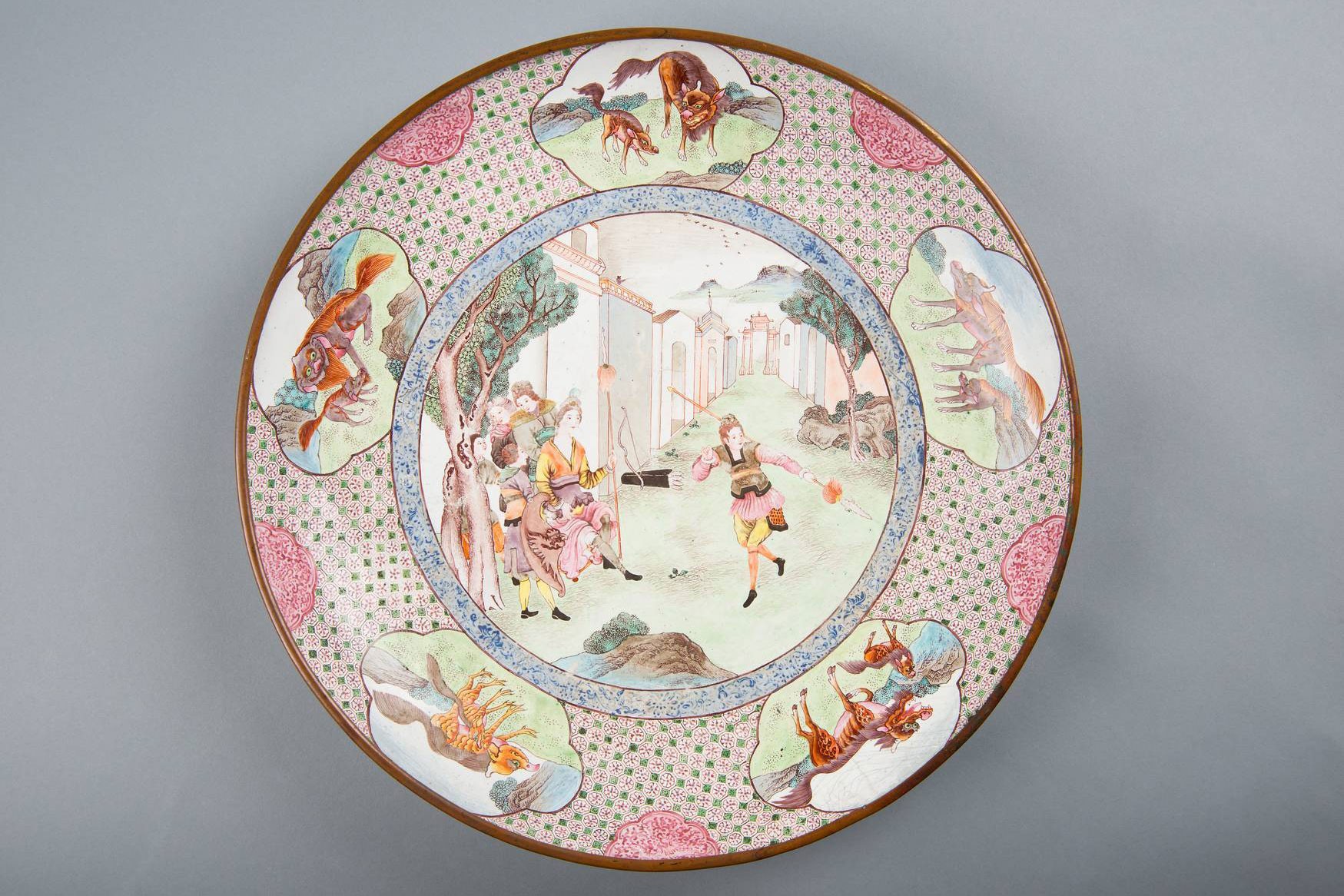
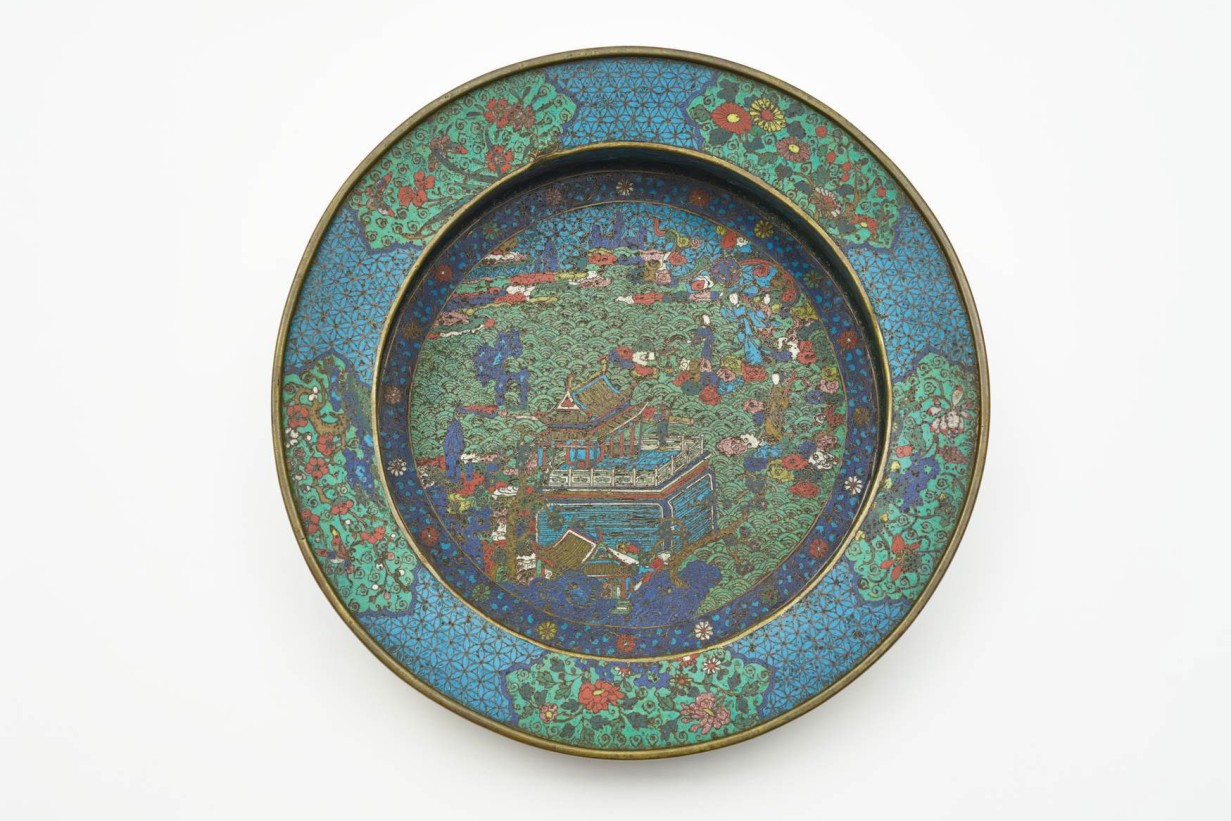
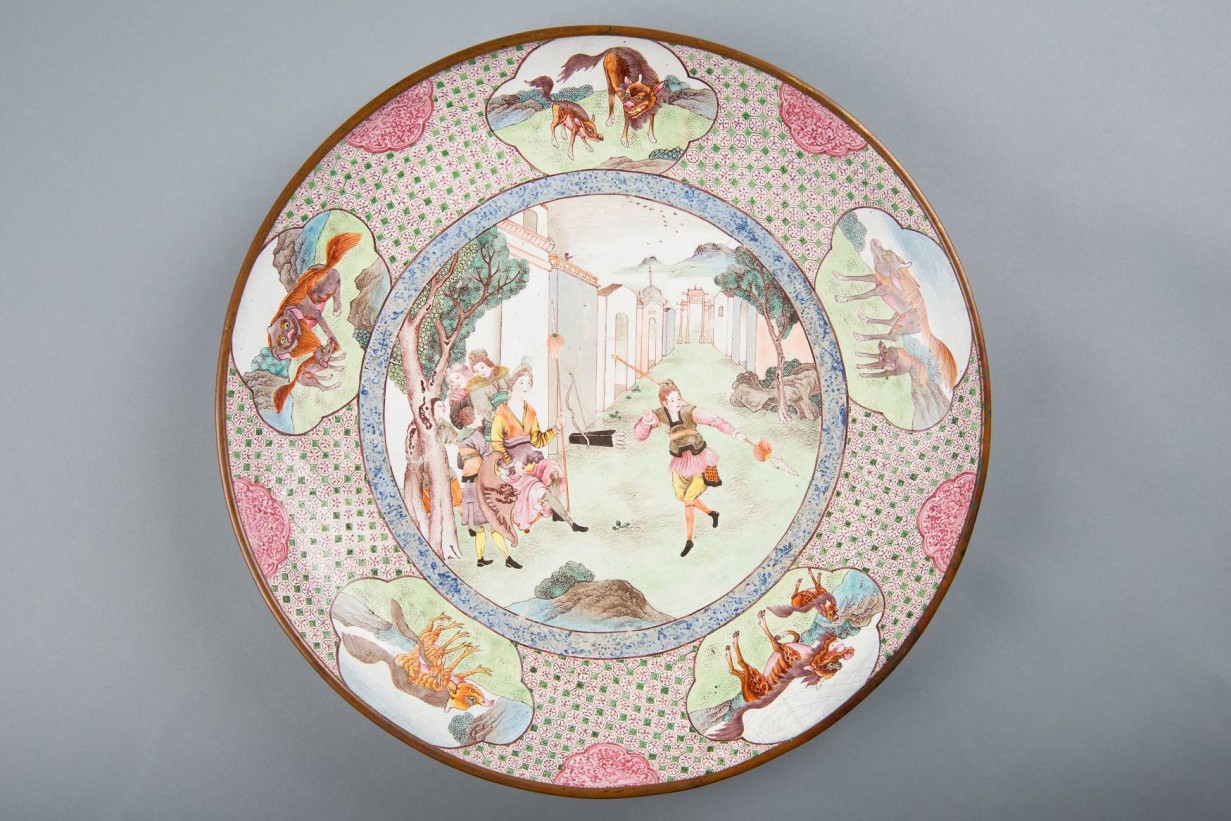
Dish, execution: anonymous, China, 18th century, colorful enamel painting on copper, EM 478 © MAK
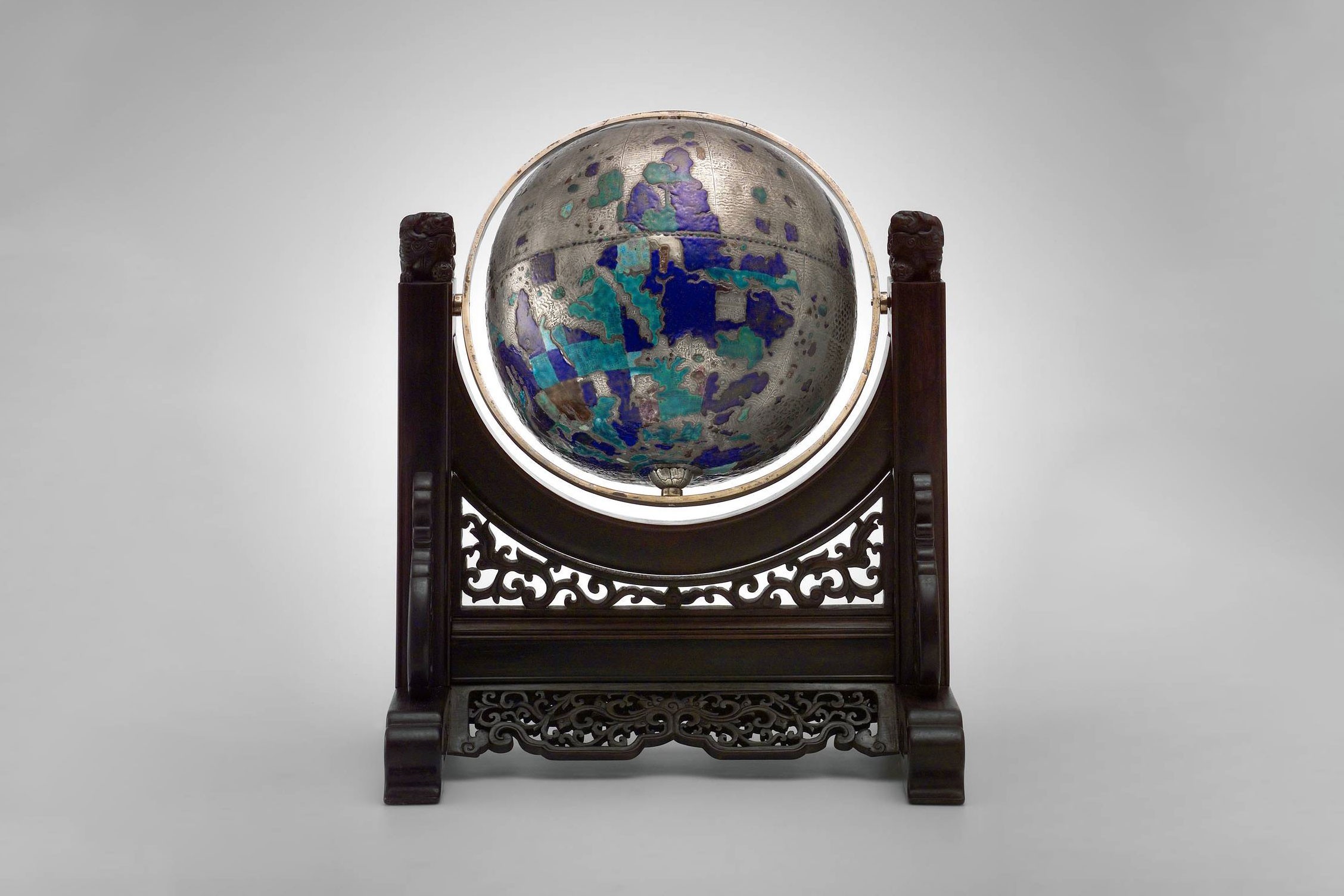
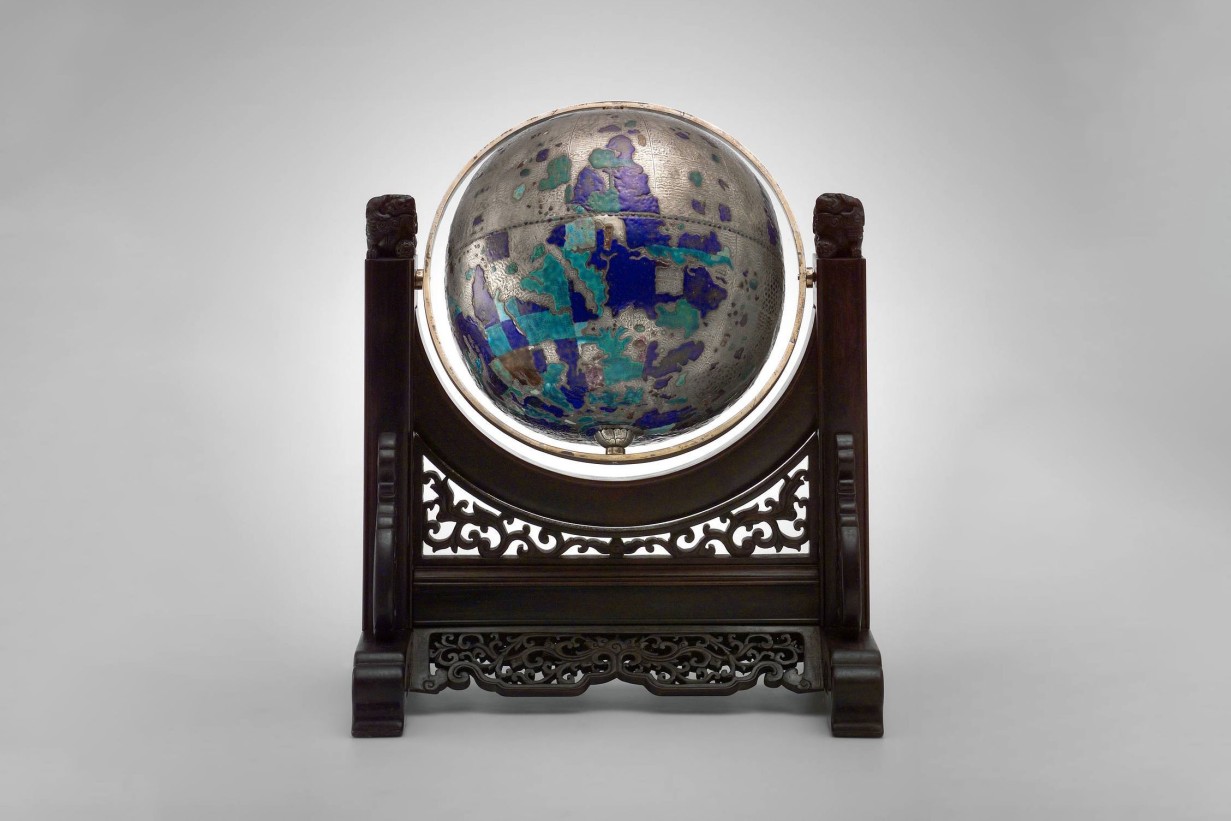
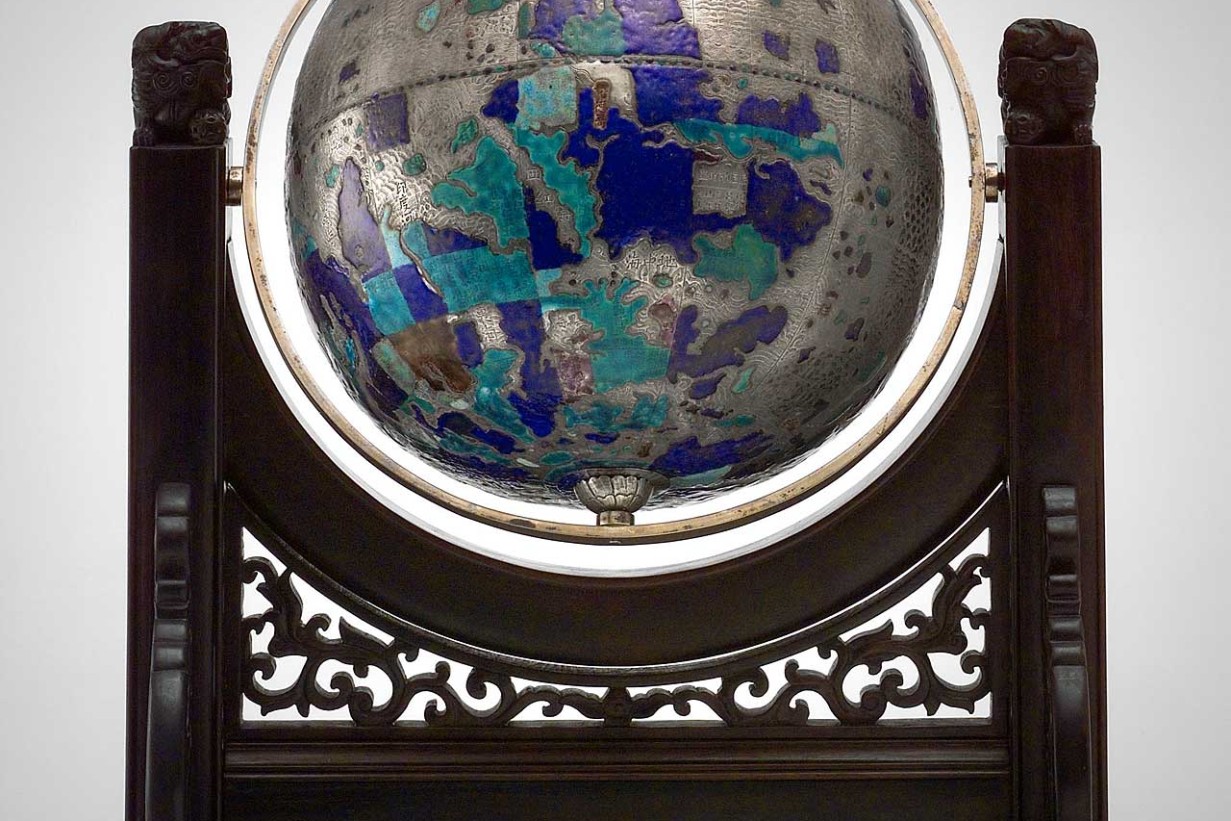
Globe depicting the continents, execution: anonymous, China, ca. 1800, GO 1827 © MAK
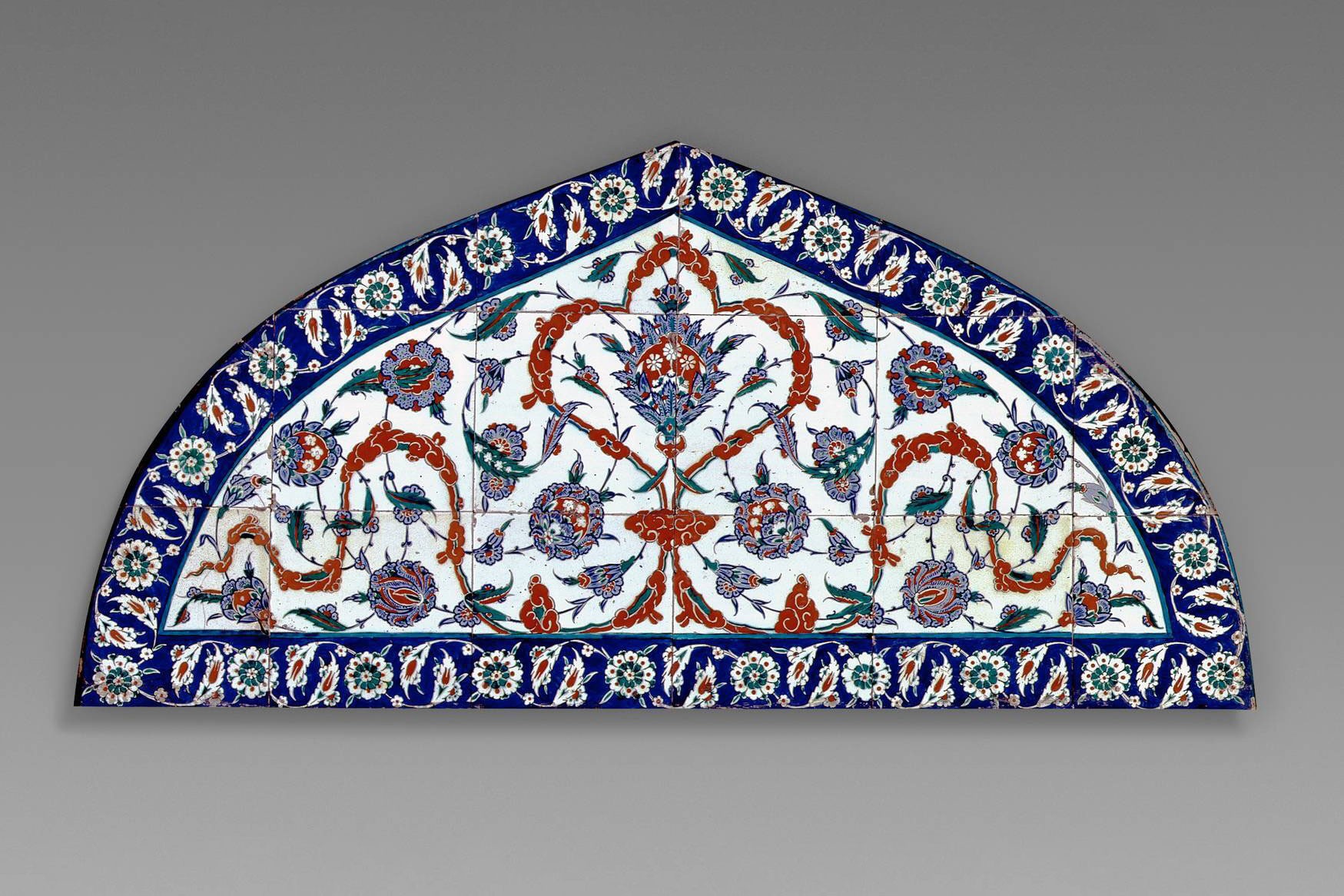
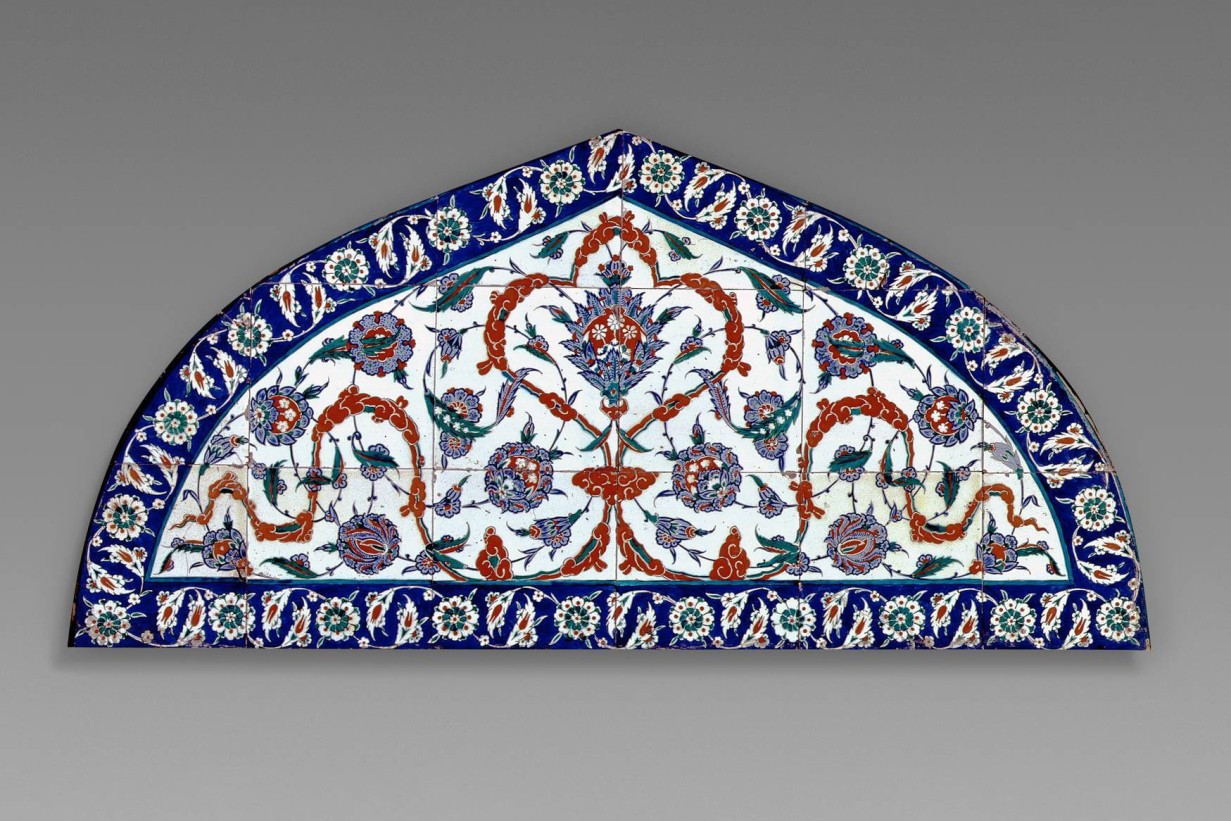
Tile from the palace of Vizier Piali Pasha, execution: anonymous, Iznik, ca. 1572, KE 3381 © MAK
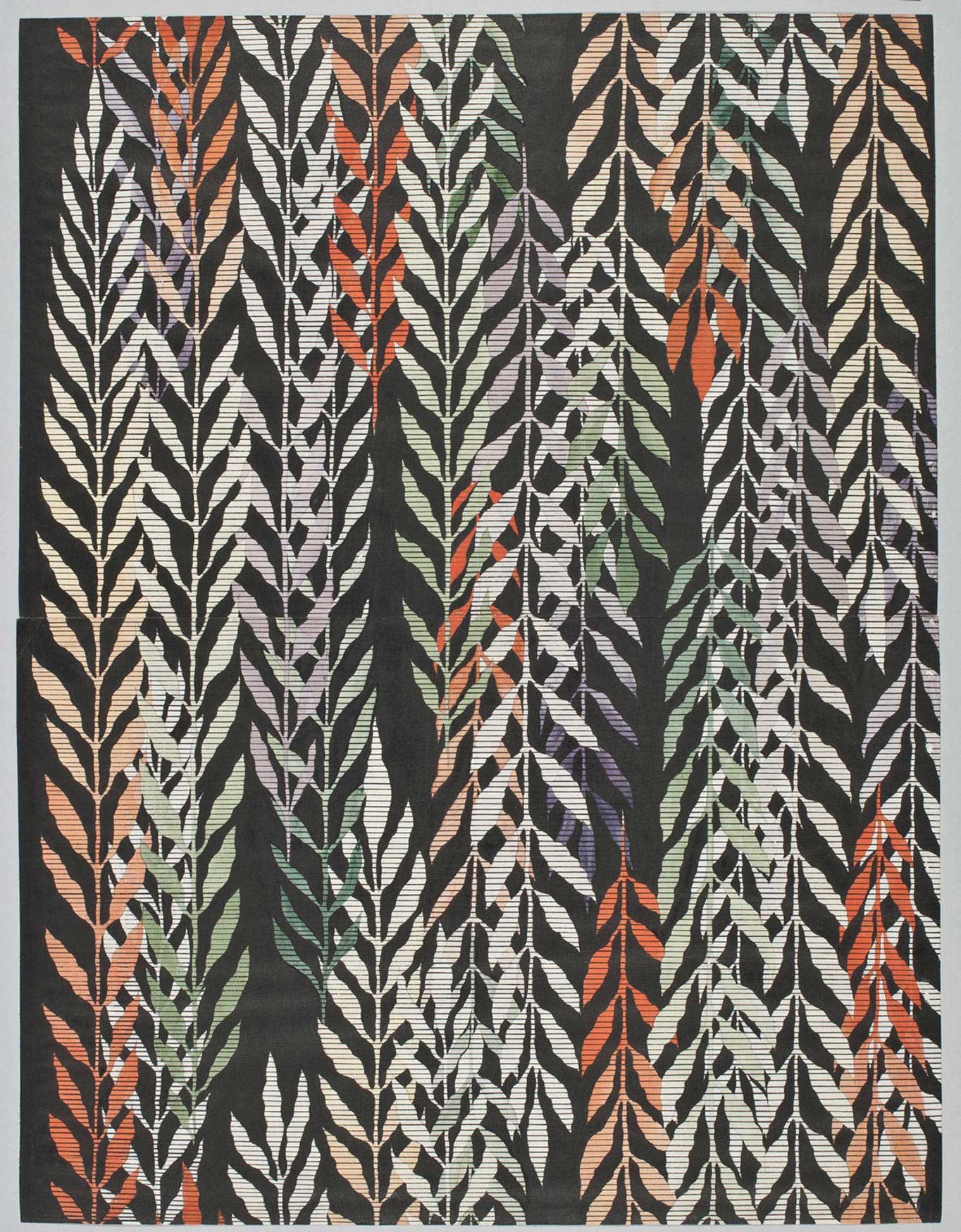
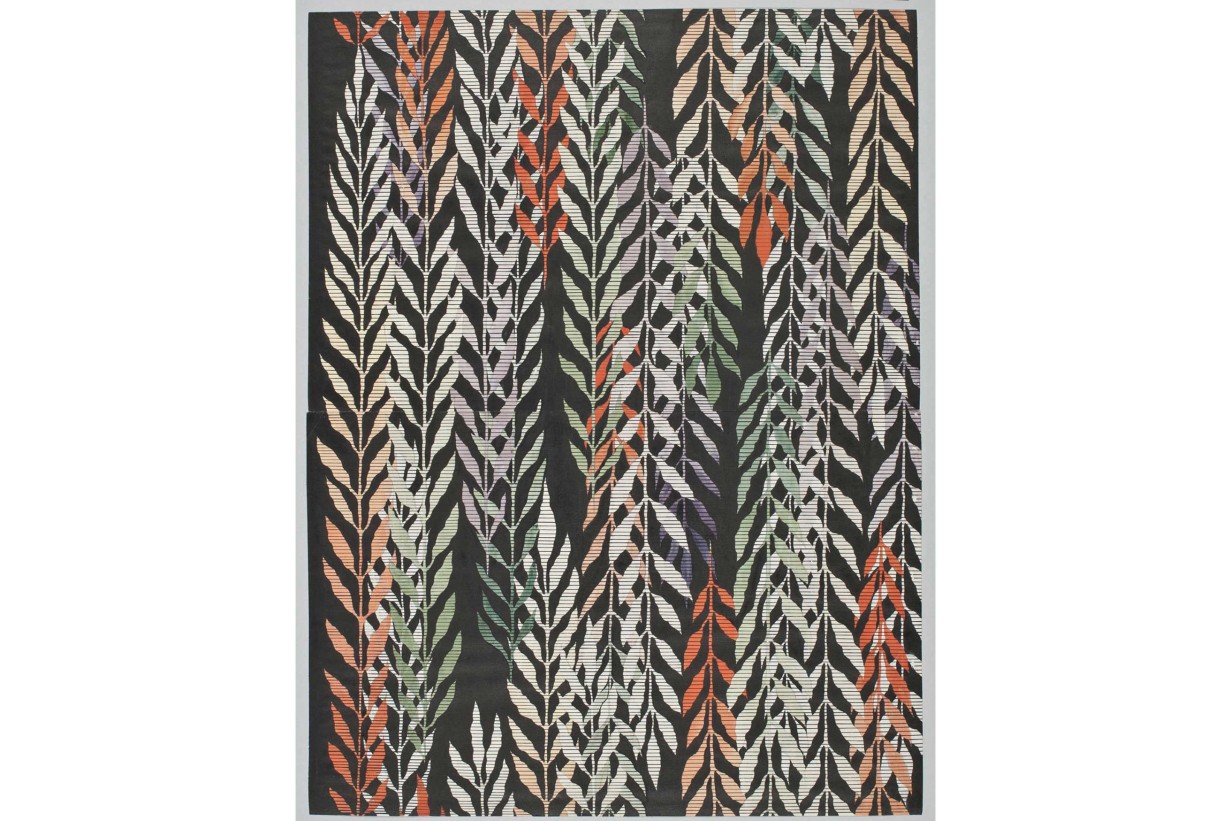
Pattern design for a women’s belt, execution: anonymous, Japan, KI 10292-87 © MAK
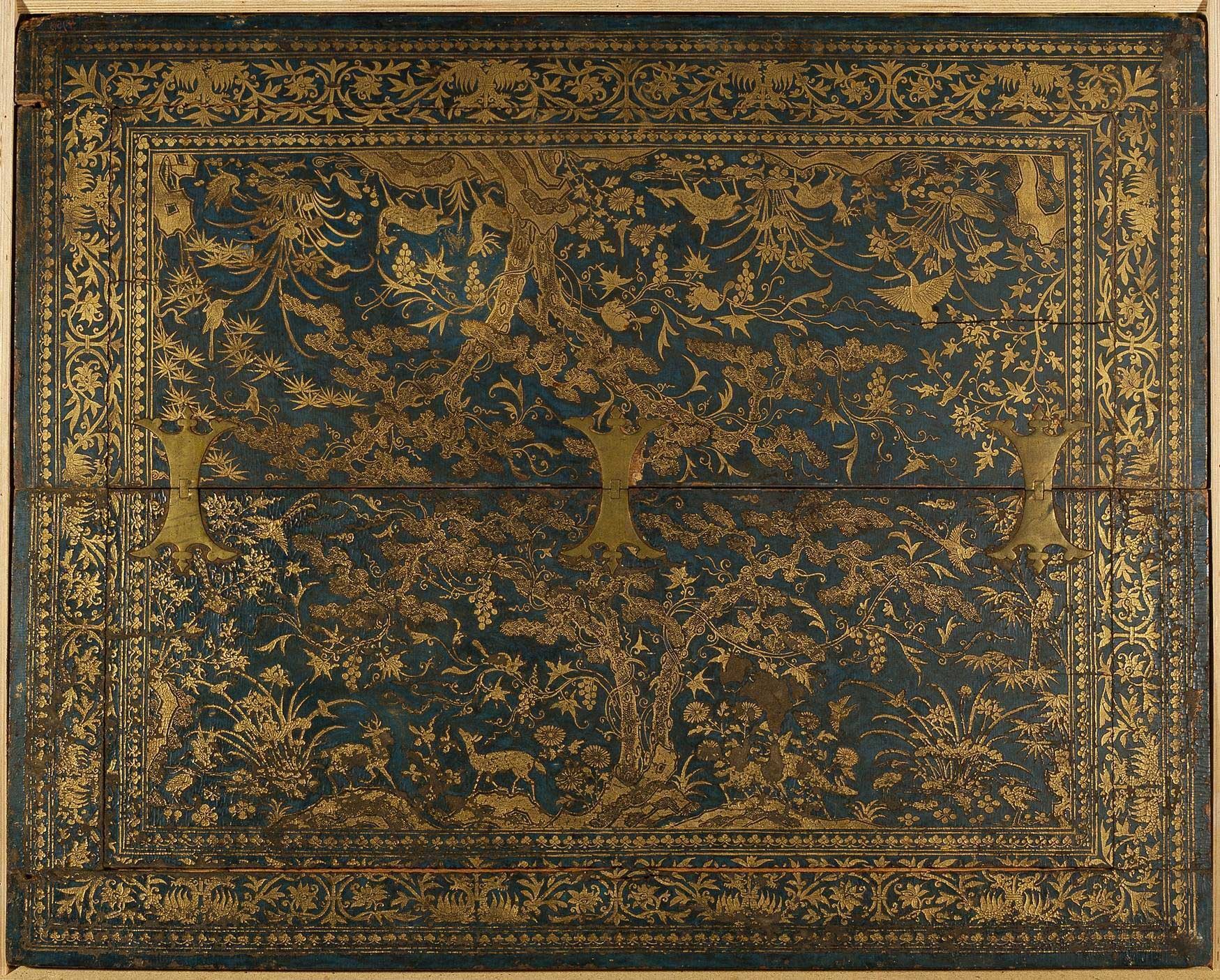
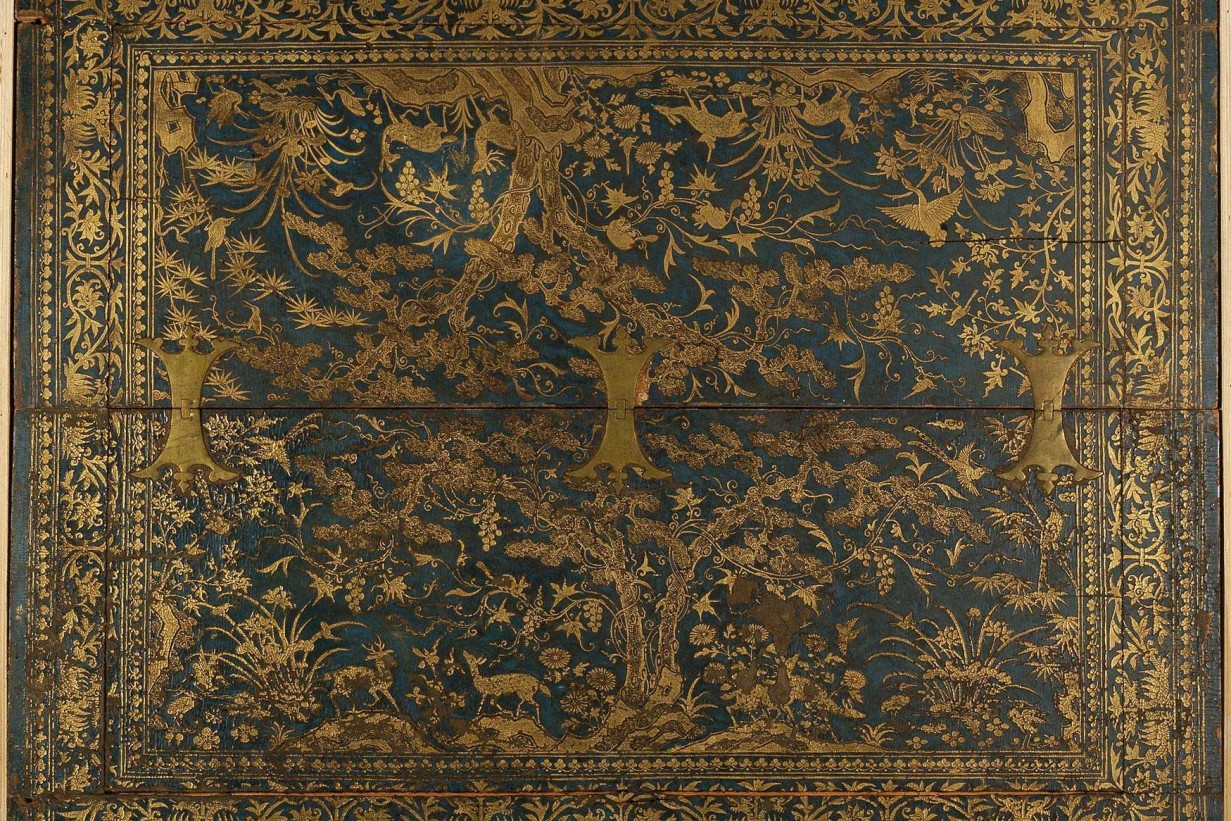
Table top, execution: anonymous, Southern China, before 1595, LA 280 © MAK
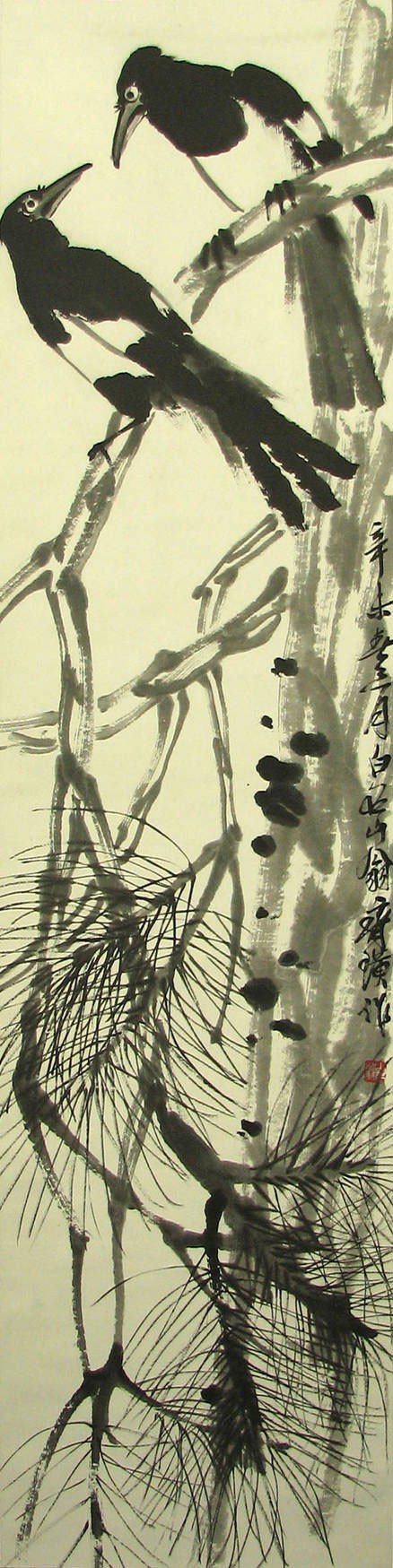
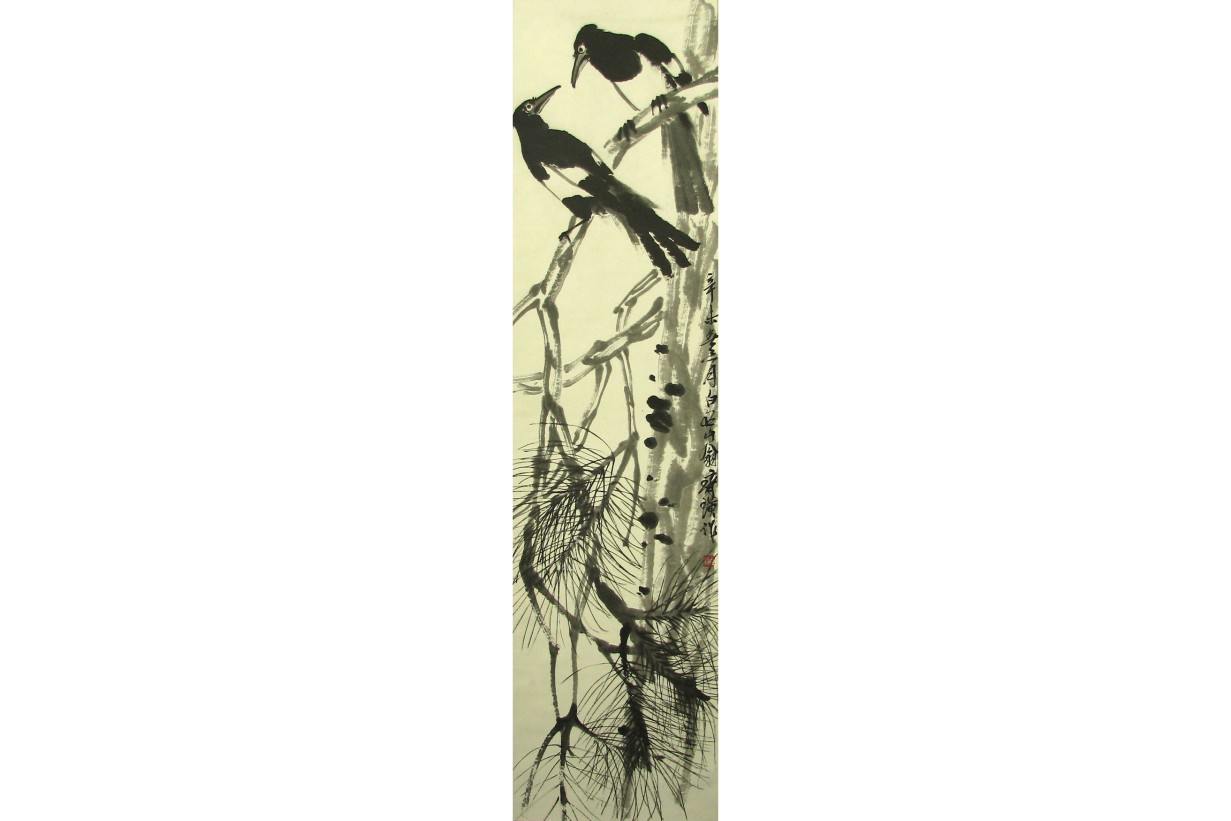
Zwei Elstern auf Kiefernast [Two Magpies on a Pine Branch], execution: Qi Baishi, China, MAL 172 © MAK
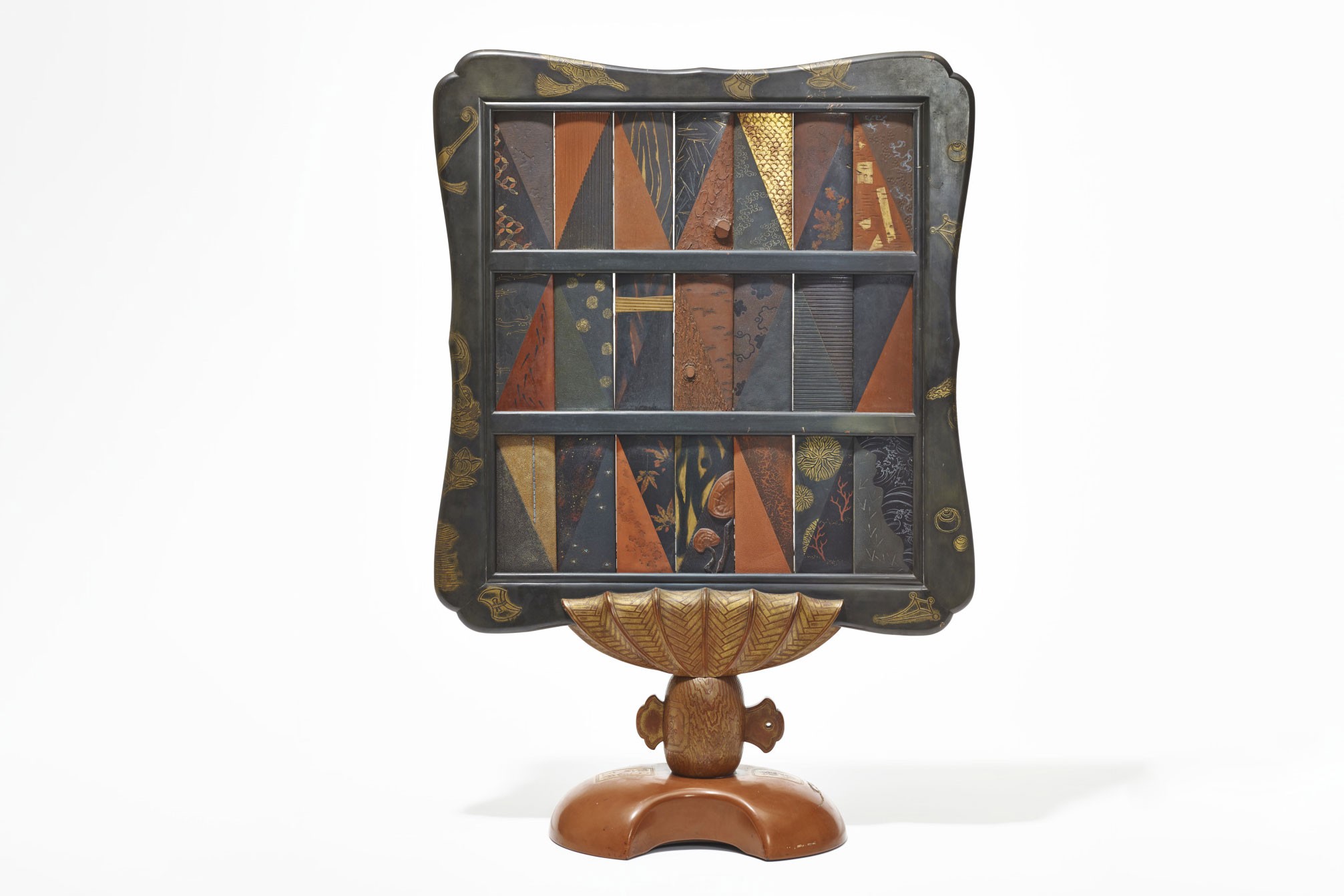
Hashimoto Ichizo I, lacquer pattern as folding screen in fan form, Japan, Meiji Period (1868–1912), before 1873, OR 3480 © MAK
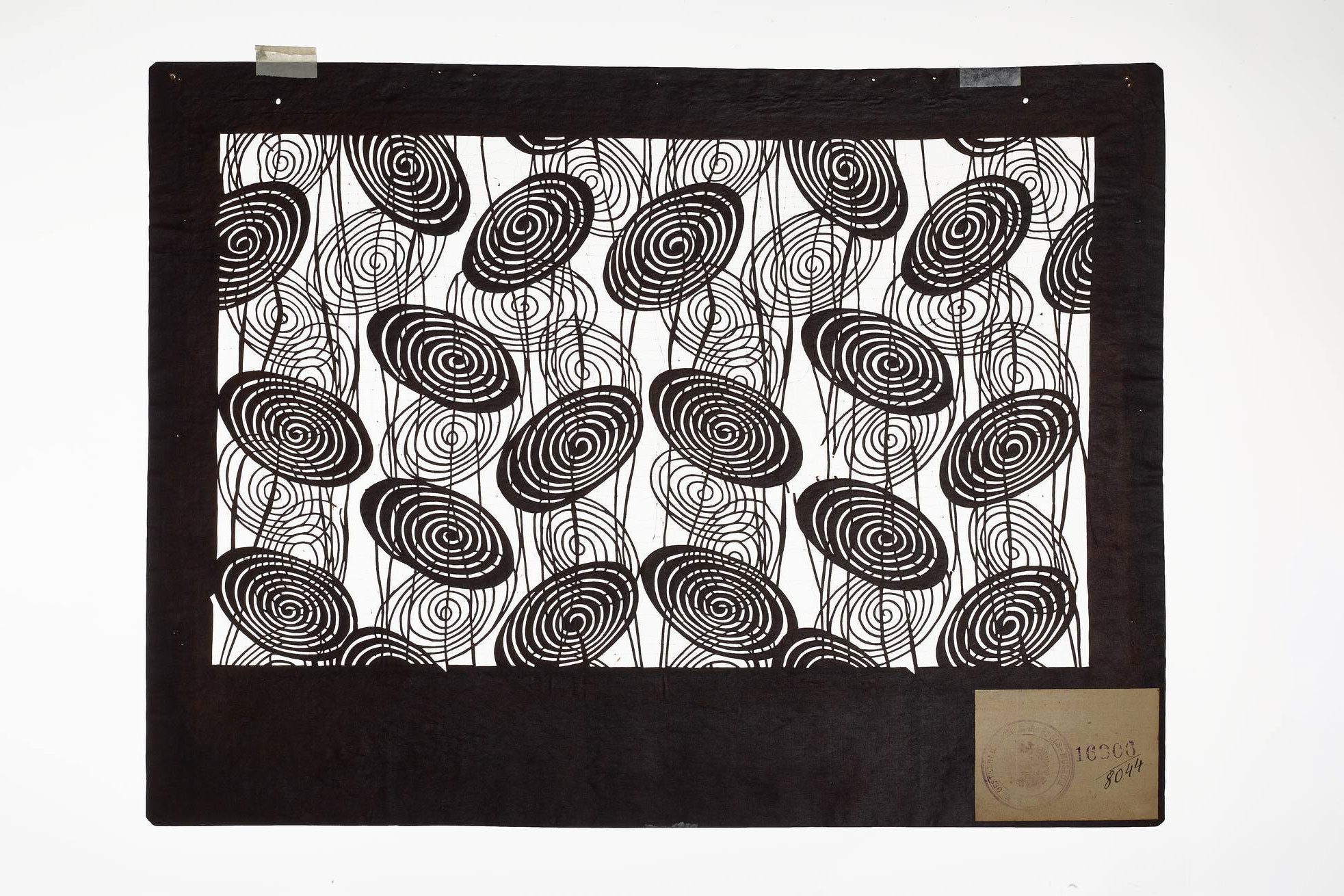
Stencil (katagami), 19th century, execution: anonymous, Mie/Japan, astringent paper, push carving, thread insert, OR 3925-8044 © MAK/Georg Mayer
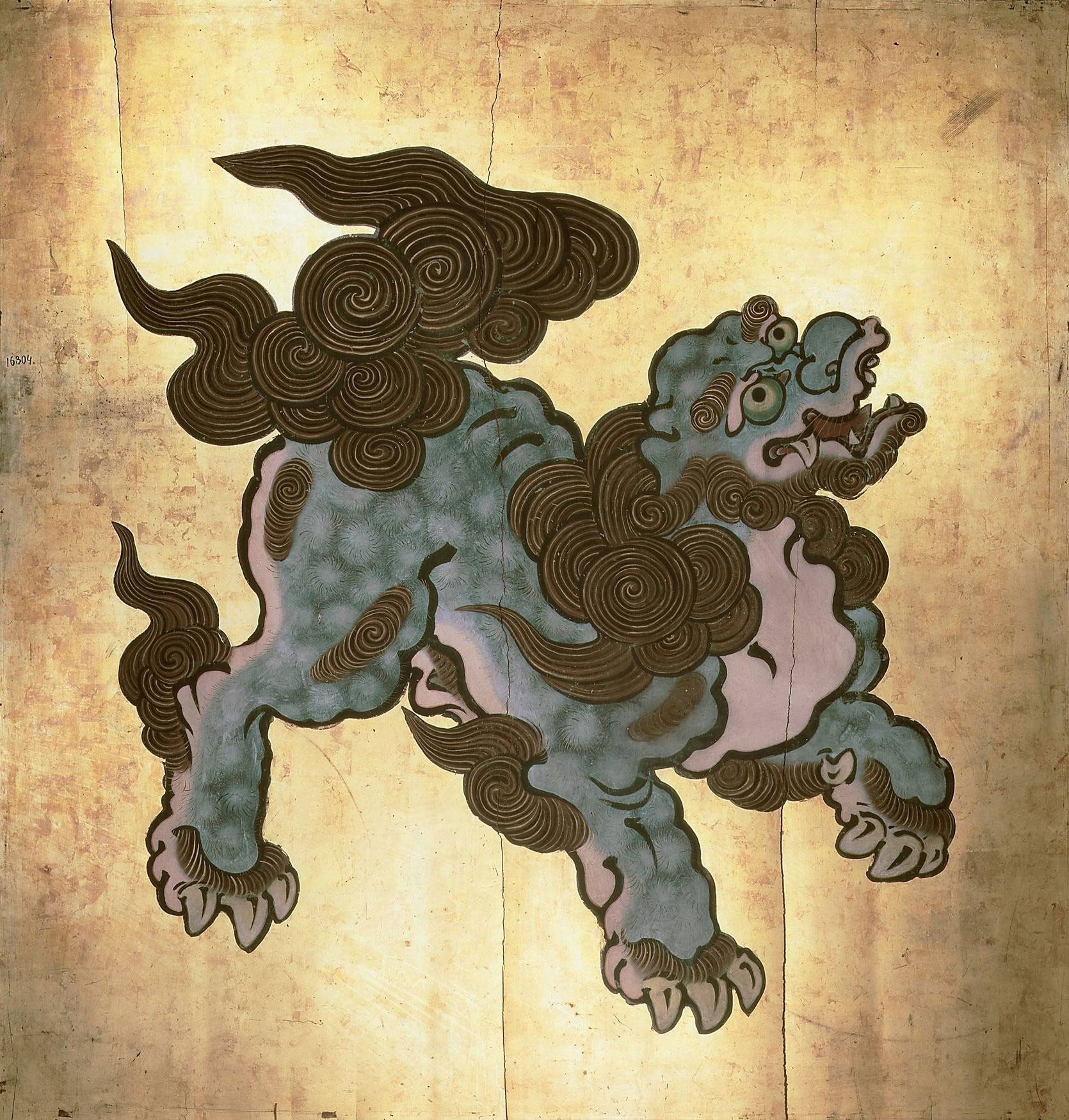
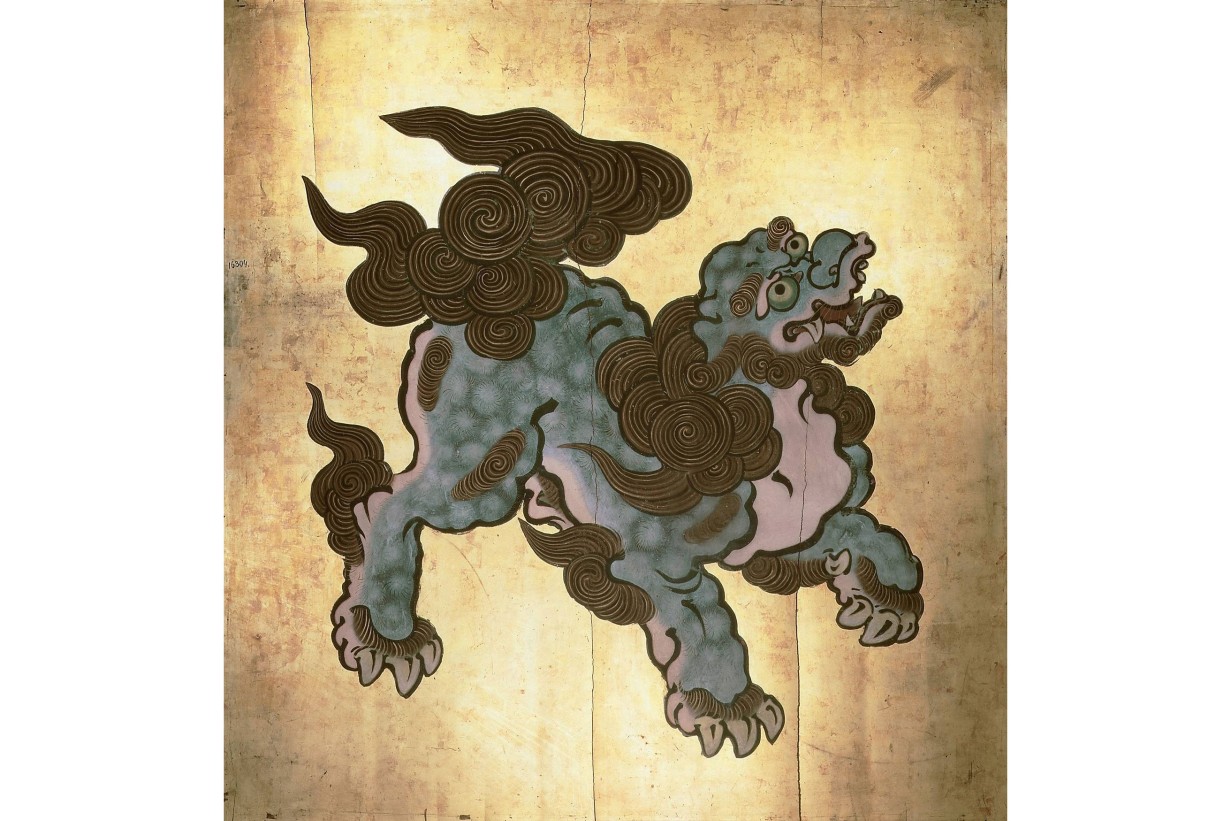
Shishi lions, painting on a pair of wooden panels (from the Seiyouin mausoleum in Edo), design: Kano Tsunenobu, ca. 1710, OR 3930-2 © MAK
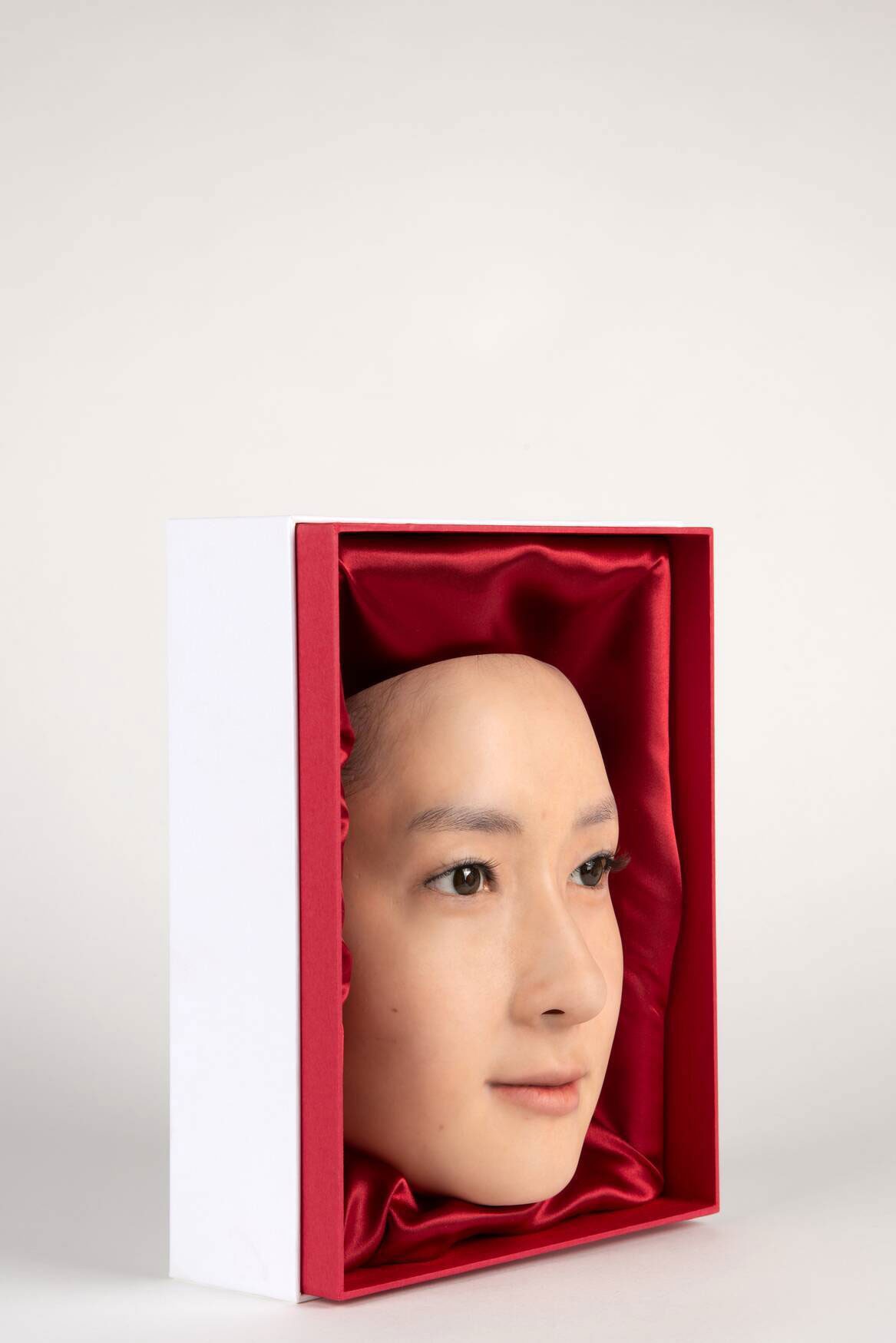
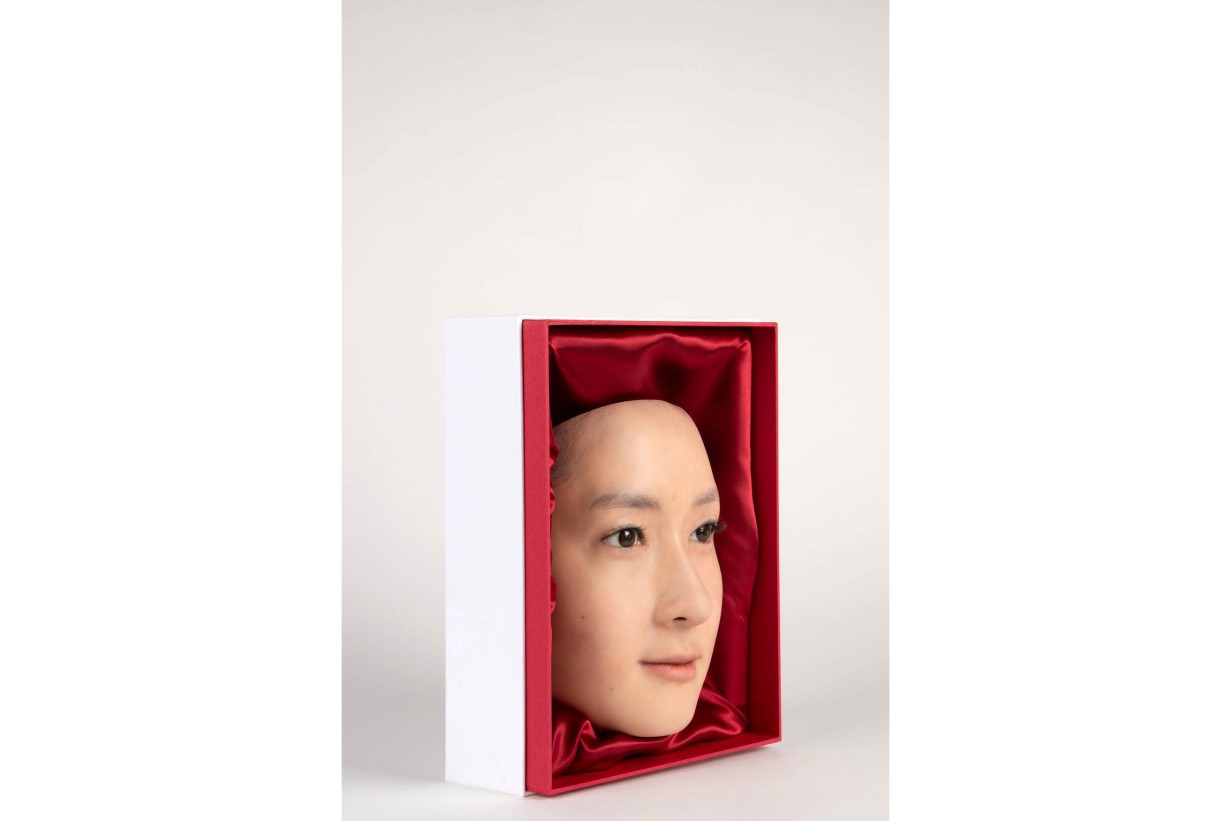
Mask, ano kao (That face project), No. 01, PL 1054 © MAK
Exhibitions
Related
Research Project
Collection policy influenced by colonialist aspects? (Part 1)
Research Project
Collection policy influenced by colonialist aspects? (Part 2)
Research Project
Asia and Europe in the 18th Century
Research Project
Sumi-e
The Asia Collection in the MAK Collection Online