Sweeter the Collection never Sounds

Project Components:
1. Clocks and Musical Mechanisms
The hour of the musical mechanisms and clocks has struck, and the MAK collection contains a number of automatic clock mechanisms and music automatons. Of outstanding significance is a Viennese canapé in the Furniture and Woodwork Collection, built around 1830 and incorporating a flute mechanism that can be operated with a range of musical cylinders that play works by, among others, Mozart, Rossini, and Bizet. There’s also a grandfather clock dating from around 1700 from the Prince-Archbishop’s residence in Salzburg, featuring Boulle marquetry made of black stained pearwood, tortoiseshell, brass, and tin.
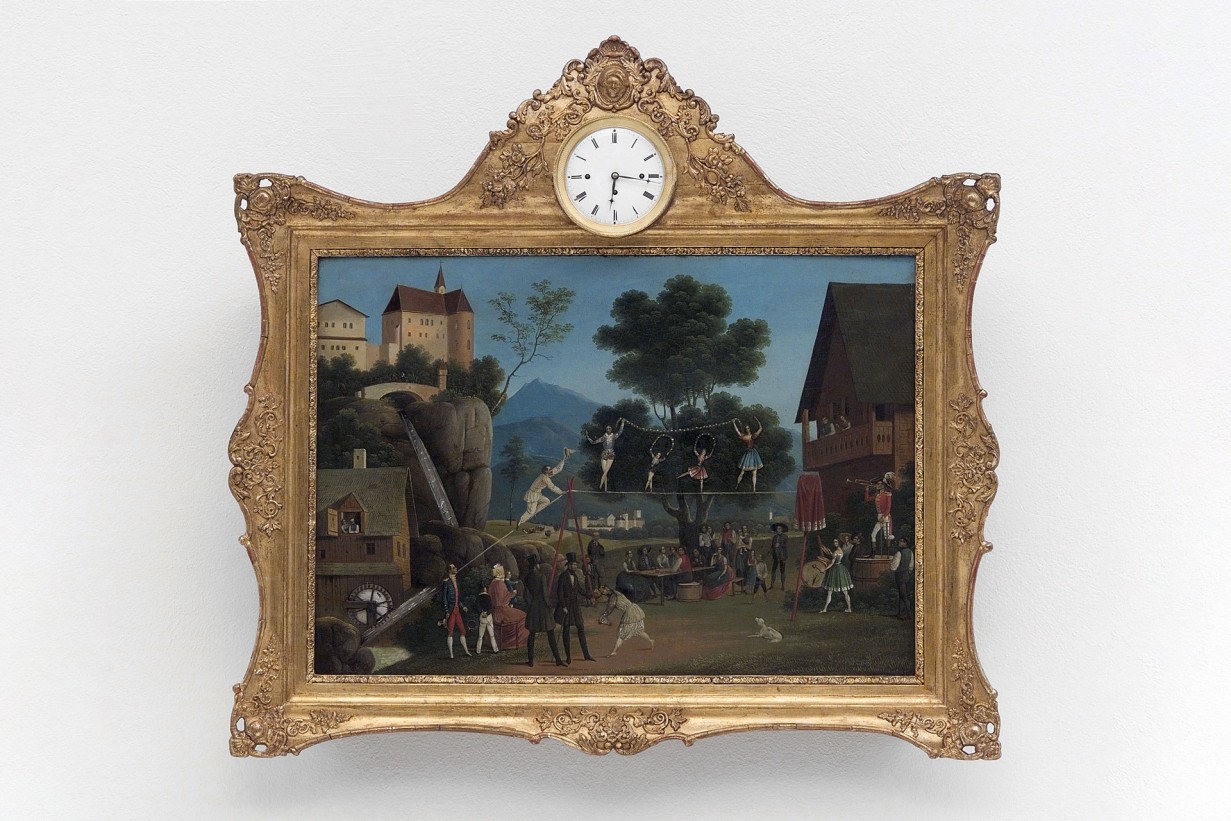
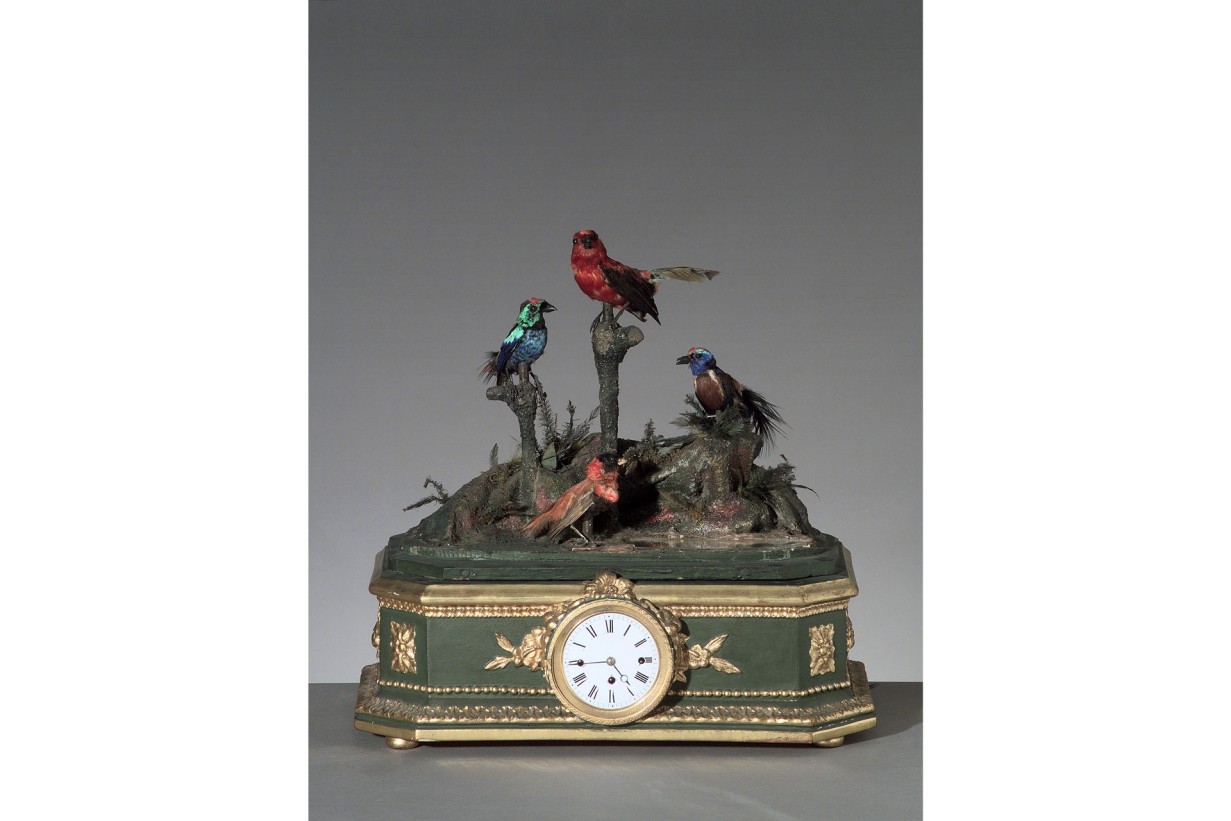
The Metal Collection contains valuable picture clocks, including one featuring a fairground scene with mobile tightrope walkers, and a bracket clock with chirping birds that beat their wings—both late Biedermeier works.
Thanks to the Ministry’s support and to careful restoration work, the mechanisms could be set in motion and their melodies heard again. Video footage makes it possible to look behind the scenes at the mechanisms’ functioning. Now there’s something worth seeing—and hearing!
2. Otto Wagner
As so often, much of the project work is shouldered by the Library and Works on Paper Collection: a number of years ago the MAK was fortunate enough to acquire the entire archive of the Austrian Postal Savings Bank’s architectural history—from an art-historical and architectural perspective one of the most significant buildings in the city. The archive includes numerous original plans and documents by the builder, the pioneering architect Otto Wagner. These provide information not only on the building’s architectural design but also on structural details such as wiring and piping, load-bearing elements, and other constructional intricacies.
3. Manuscripts
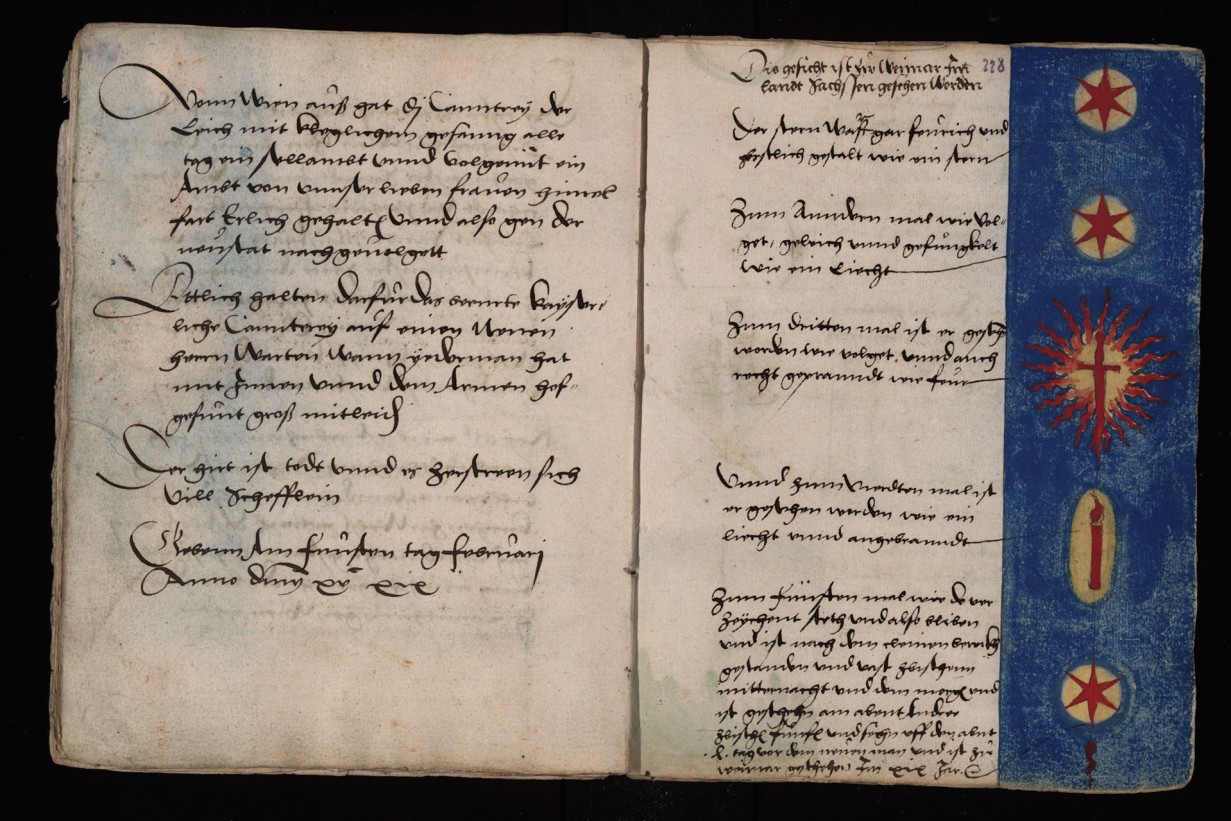
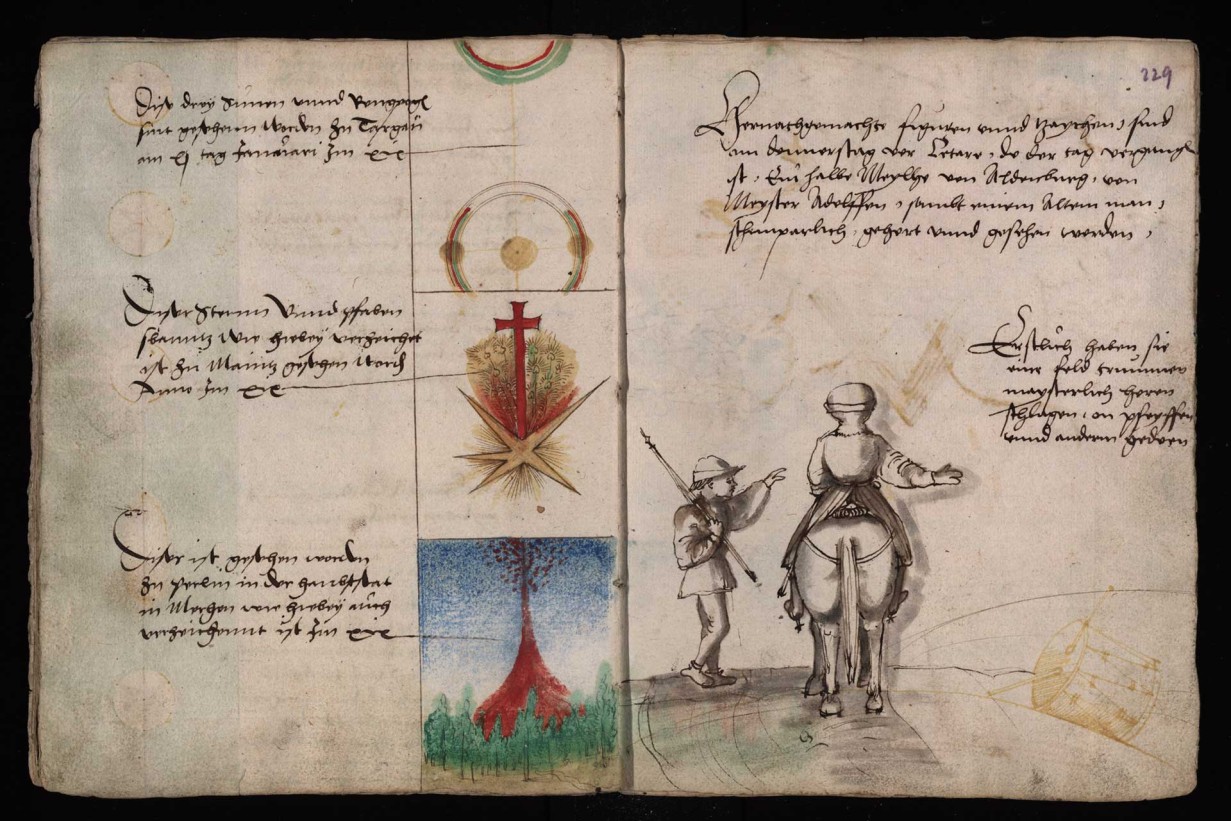
One of the most valuable items in the MAK Library and Works on Paper Collection is an assemblage of some 3,000 illustrated books, initiated in the 19th century and dating from the 15th to the 18th centuries. These include unique manuscripts whose contents are to date largely unknown: written, for instance, in Middle New High German or Kurrent script, they are difficult to decipher.
The manuscripts include the important family chronicle of the Khevenhüllers, dating from 1620, and Hans Herzheimer’s travel journal for the years 1514 to 1519—a treasure of unparalleled worth in which, besides providing a portrait of his age, the Salt Baron Herzheimer describes meetings with Emperor Maximilian I and Martin Luther. This travel journal is particularly interesting because, thanks to a cooperation with the University of Leipzig, it is the only part of this collection that has been scientifically transcribed. The transcription may prove particularly useful for machine learning.
The MAK also houses the oldest archive on the applied arts. It contains all the correspondence and documents relating to the museum’s organization and contents from its foundation in 1863 to the present. Consisting of over 140,000 records, the archive not only provides information on matters connected with the museum but—as the first national museum—also reflects the art and cultural policy in Austriafrom the second half of the 19th century onwards.
4. Childhood Dreams
Children’s books are an incredibly diverse and complex vehicle of artistic expression. Contrary to the popular opinion that they are meant principally for children and have primarily educational value, it is above all their status as art that is in future to be the main focus of research. Picture books are created by artists, and their claims as art thus deserve to be taken seriously. This can happen only by increasing awareness of these books’ existence—an awareness that can be facilitated by a stronger online presence. The comprehensive MAK Collection (including works from the estates of Paul Humpoletz, Edmund Moiret, Emanuela Delignon, Lotte Fochler-Frömel, and Johanna Reismayer-Fritsche) allows the design process to be traced from preliminary sketches through to the printed book. Within this project, designs, fair drawings, printing stages, and children’s and artists’ books can thus be reconditioned, digitalized, and set in relation to each other.
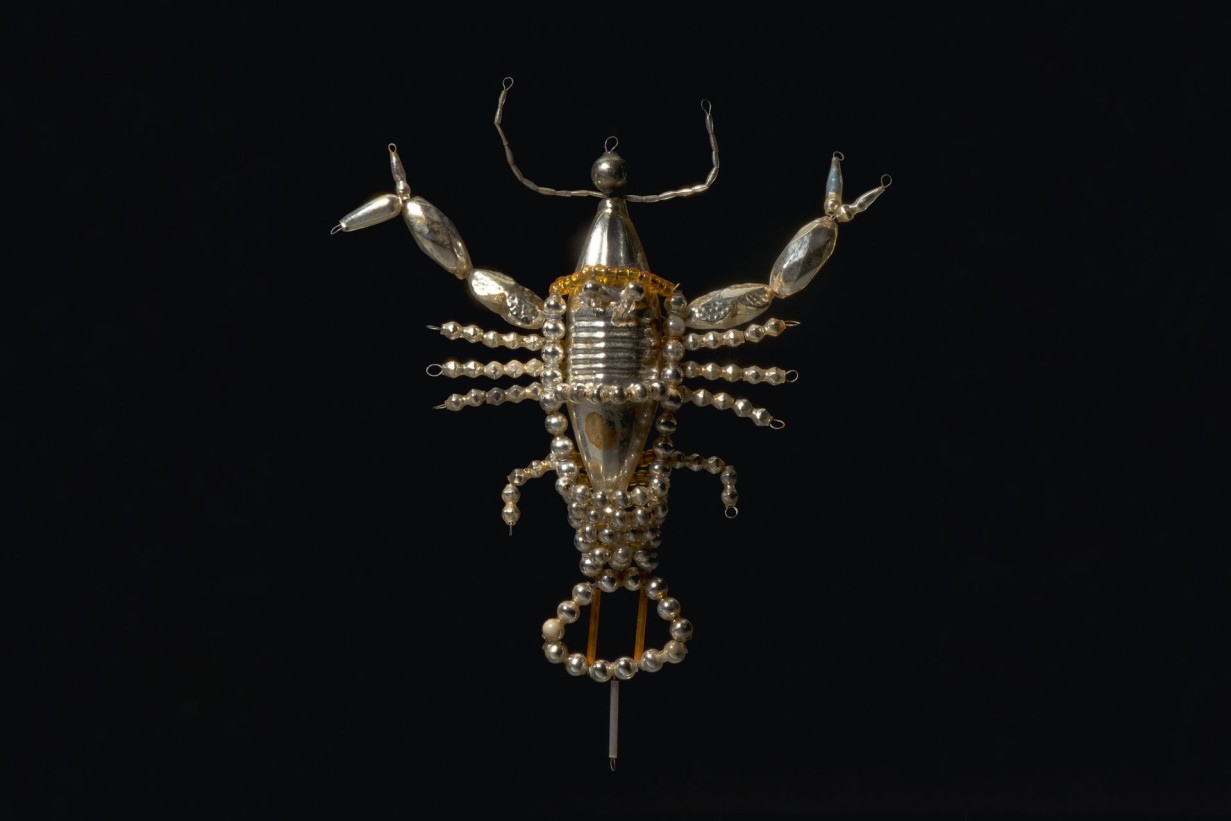
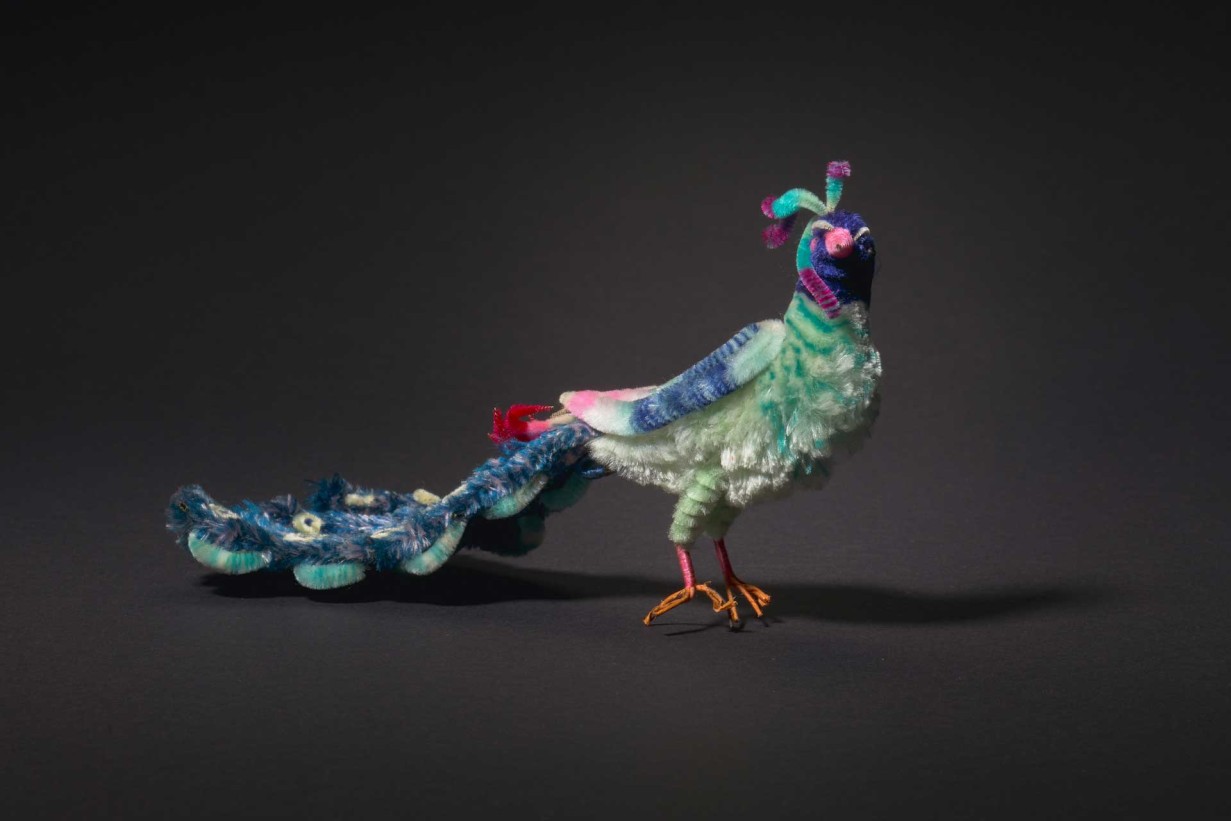
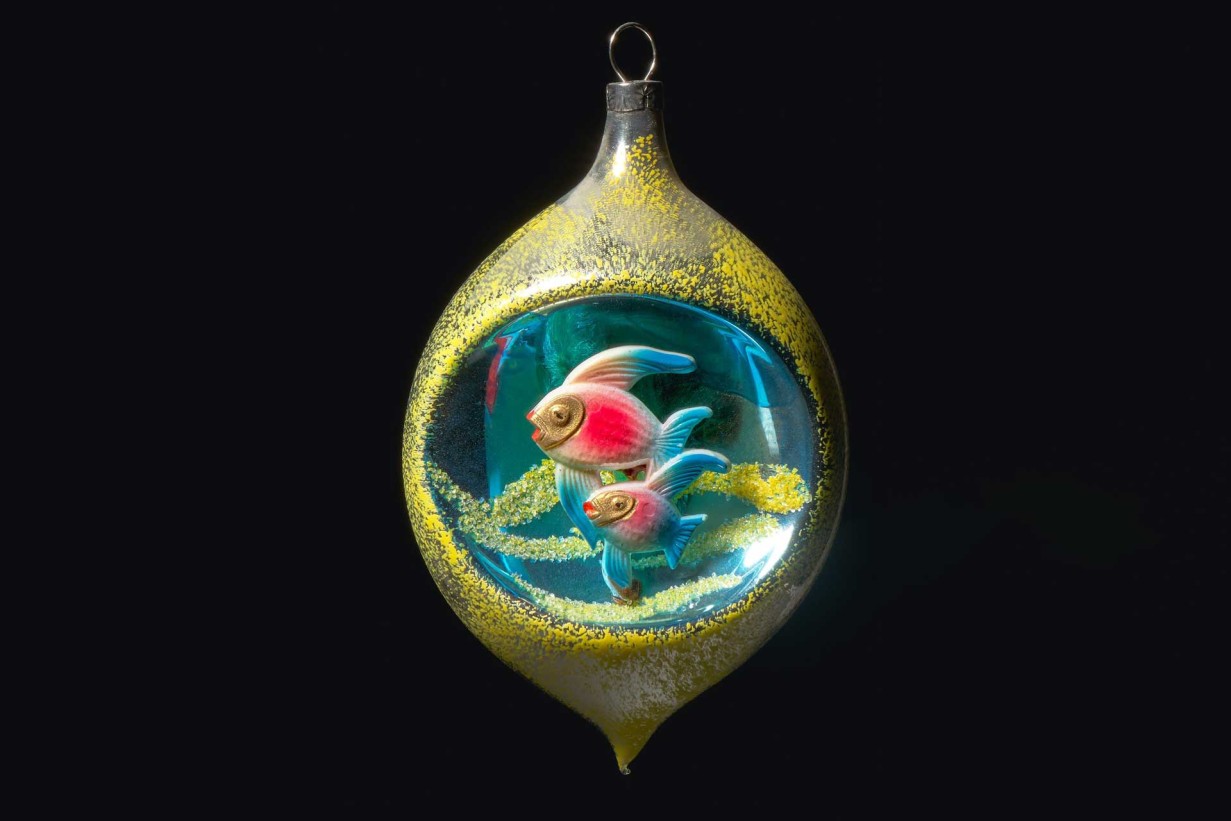
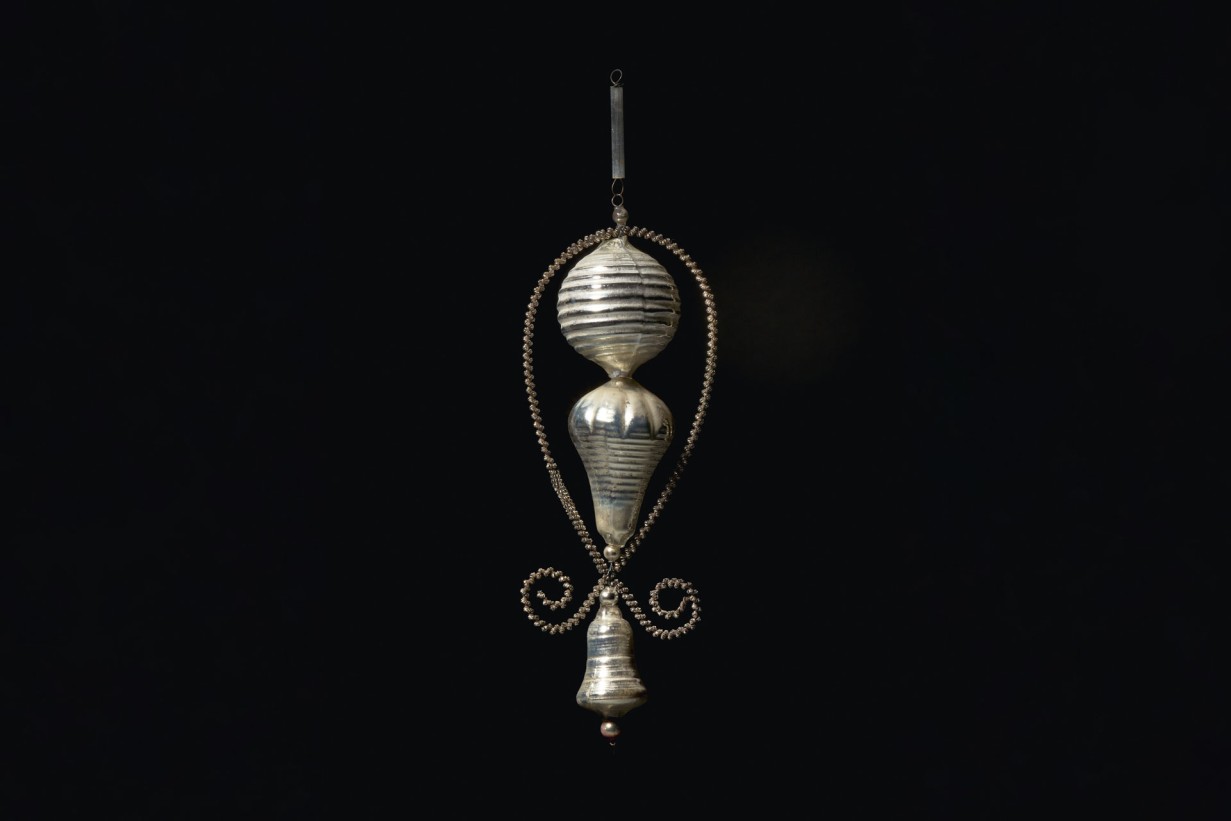
Christmas tree ornaments have always been much loved by the public at large. Thus the more urgent it was for the MAK to offer a professional platform on this phenomenon. For 150 years the Gablonz industry has thrilled the public with its impressive love of detail and variety of forms. It mostly produced miniature replicas of everyday objects, animals, technical innovations, and fantasy figures. The ornaments also tell the story of the age in which they were created, for new inventions were also considered worthy of representation in beadwork. From airplanes to rolling pins, everything was replicated in miniature for the Christmas tree. Through an extensive endowment, the MAK has received one of the most significant collections of Gablonz Christmas tree ornaments in existence, spanning the entire palette of the industry’s handicraft production. The collection includes a wide variety of beautiful tree ornaments, including butterflies, dragonflies, windmills, stars, garlands, flowers, fruits, and zeppelins—all dating from the end of the 19th century to the present.
5. 3D, Fashion & More
3D scans serve primarily as documentation, conserving an exhibit in a 360° presentation. Most of the objects exhibited in the MAK are three-dimensional, and we have begun to present selected objects as such in digital space too.
3D models allow an object to be observed from all sides and examined using different perspectives and zoom factors without having to physically touch the object. This protects the original and at the same time allows it to be examined from almost anywhere, in turn sparing the environment by obviating the need for long trips to the museum. Objects can be presented digitally in several exhibitions, contexts, and events simultaneously, granting low-threshold access to valuable objects of our cultural heritage. At the same time, people may be curious to see the original—assuming it is on show—in the museum itself.
The next step will be to scan a number of collection highlights, to include a parade bed from Schloss Hof and several articles of clothing, and also to go back even further in time to digitalize Coptic fragments from Late Antiquity.
6. Image Rights
The MAK is committed to transparency and accessibility. We already offer data records online for research purposes, even though for legal reasons these may not be shown with accompanying images. Thanks to the support of the BMKÖS (today the BMWKMS), since 2023 we have been actively pursuing a clarification of image rights through the museum’s own agency. In the spirit of universal accessibility, the MAK aims to further increase the proportion of objects published with their images on online.
1. Clocks and Musical Mechanisms
The hour of the musical mechanisms and clocks has struck, and the MAK collection contains a number of automatic clock mechanisms and music automatons. Of outstanding significance is a Viennese canapé in the Furniture and Woodwork Collection, built around 1830 and incorporating a flute mechanism that can be operated with a range of musical cylinders that play works by, among others, Mozart, Rossini, and Bizet. There’s also a grandfather clock dating from around 1700 from the Prince-Archbishop’s residence in Salzburg, featuring Boulle marquetry made of black stained pearwood, tortoiseshell, brass, and tin.
The Metal Collection contains valuable picture clocks, including one featuring a fairground scene with mobile tightrope walkers, and a bracket clock with chirping birds that beat their wings—both late Biedermeier works.
Thanks to the Ministry’s support and to careful restoration work, the mechanisms could be set in motion and their melodies heard again. Video footage makes it possible to look behind the scenes at the mechanisms’ functioning. Now there’s something worth seeing—and hearing!
2. Otto Wagner
As so often, much of the project work is shouldered by the Library and Works on Paper Collection: a number of years ago the MAK was fortunate enough to acquire the entire archive of the Austrian Postal Savings Bank’s architectural history—from an art-historical and architectural perspective one of the most significant buildings in the city. The archive includes numerous original plans and documents by the builder, the pioneering architect Otto Wagner. These provide information not only on the building’s architectural design but also on structural details such as wiring and piping, load-bearing elements, and other constructional intricacies.
3. Manuscripts
One of the most valuable items in the MAK Library and Works on Paper Collection is an assemblage of some 3,000 illustrated books, initiated in the 19th century and dating from the 15th to the 18th centuries. These include unique manuscripts whose contents are to date largely unknown: written, for instance, in Middle New High German or Kurrent script, they are difficult to decipher.
The manuscripts include the important family chronicle of the Khevenhüllers, dating from 1620, and Hans Herzheimer’s travel journal for the years 1514 to 1519—a treasure of unparalleled worth in which, besides providing a portrait of his age, the Salt Baron Herzheimer describes meetings with Emperor Maximilian I and Martin Luther. This travel journal is particularly interesting because, thanks to a cooperation with the University of Leipzig, it is the only part of this collection that has been scientifically transcribed. The transcription may prove particularly useful for machine learning.
The MAK also houses the oldest archive on the applied arts. It contains all the correspondence and documents relating to the museum’s organization and contents from its foundation in 1863 to the present. Consisting of over 140,000 records, the archive not only provides information on matters connected with the museum but—as the first national museum—also reflects the art and cultural policy in Austriafrom the second half of the 19th century onwards.
4. Childhood Dreams
Children’s books are an incredibly diverse and complex vehicle of artistic expression. Contrary to the popular opinion that they are meant principally for children and have primarily educational value, it is above all their status as art that is in future to be the main focus of research. Picture books are created by artists, and their claims as art thus deserve to be taken seriously. This can happen only by increasing awareness of these books’ existence—an awareness that can be facilitated by a stronger online presence. The comprehensive MAK Collection (including works from the estates of Paul Humpoletz, Edmund Moiret, Emanuela Delignon, Lotte Fochler-Frömel, and Johanna Reismayer-Fritsche) allows the design process to be traced from preliminary sketches through to the printed book. Within this project, designs, fair drawings, printing stages, and children’s and artists’ books can thus be reconditioned, digitalized, and set in relation to each other.
Christmas tree ornaments have always been much loved by the public at large. Thus the more urgent it was for the MAK to offer a professional platform on this phenomenon. For 150 years the Gablonz industry has thrilled the public with its impressive love of detail and variety of forms. It mostly produced miniature replicas of everyday objects, animals, technical innovations, and fantasy figures. The ornaments also tell the story of the age in which they were created, for new inventions were also considered worthy of representation in beadwork. From airplanes to rolling pins, everything was replicated in miniature for the Christmas tree. Through an extensive endowment, the MAK has received one of the most significant collections of Gablonz Christmas tree ornaments in existence, spanning the entire palette of the industry’s handicraft production. The collection includes a wide variety of beautiful tree ornaments, including butterflies, dragonflies, windmills, stars, garlands, flowers, fruits, and zeppelins—all dating from the end of the 19th century to the present.
5. 3D, Fashion & More
3D scans serve primarily as documentation, conserving an exhibit in a 360° presentation. Most of the objects exhibited in the MAK are three-dimensional, and we have begun to present selected objects as such in digital space too.
3D models allow an object to be observed from all sides and examined using different perspectives and zoom factors without having to physically touch the object. This protects the original and at the same time allows it to be examined from almost anywhere, in turn sparing the environment by obviating the need for long trips to the museum. Objects can be presented digitally in several exhibitions, contexts, and events simultaneously, granting low-threshold access to valuable objects of our cultural heritage. At the same time, people may be curious to see the original—assuming it is on show—in the museum itself.
The next step will be to scan a number of collection highlights, to include a parade bed from Schloss Hof and several articles of clothing, and also to go back even further in time to digitalize Coptic fragments from Late Antiquity.
6. Image Rights
The MAK is committed to transparency and accessibility. We already offer data records online for research purposes, even though for legal reasons these may not be shown with accompanying images. Thanks to the support of the BMKÖS (today the BMWKMS), since 2023 we have been actively pursuing a clarification of image rights through the museum’s own agency. In the spirit of universal accessibility, the MAK aims to further increase the proportion of objects published with their images on online.
© MAK
© MAK/Christian Mendez
© MAK/Christian Mendez
© MAK/Christian Mendez
© MAK/Georg Mayer
© MAK/Georg Mayer
© MAK
© MAK
Previous Image