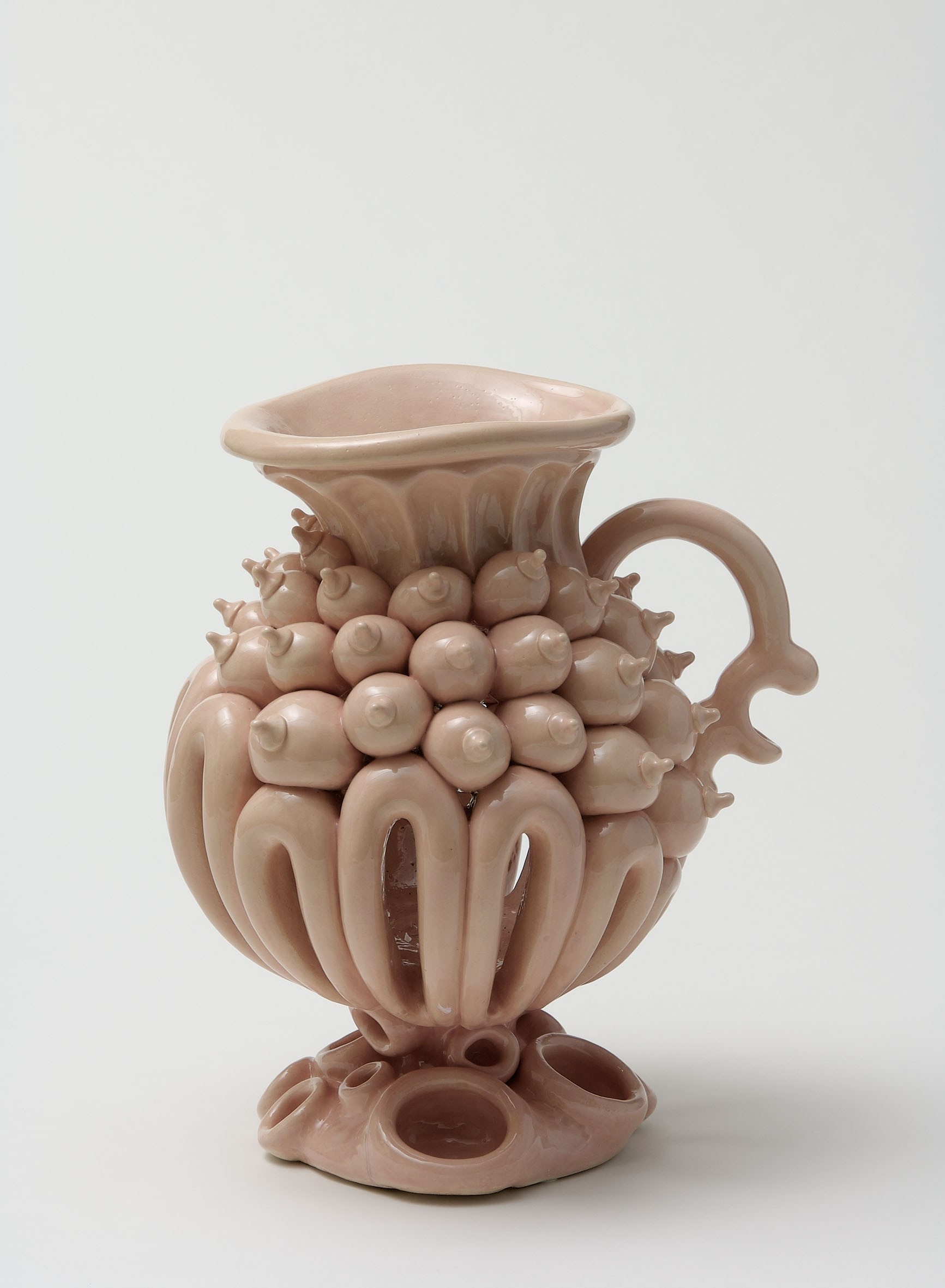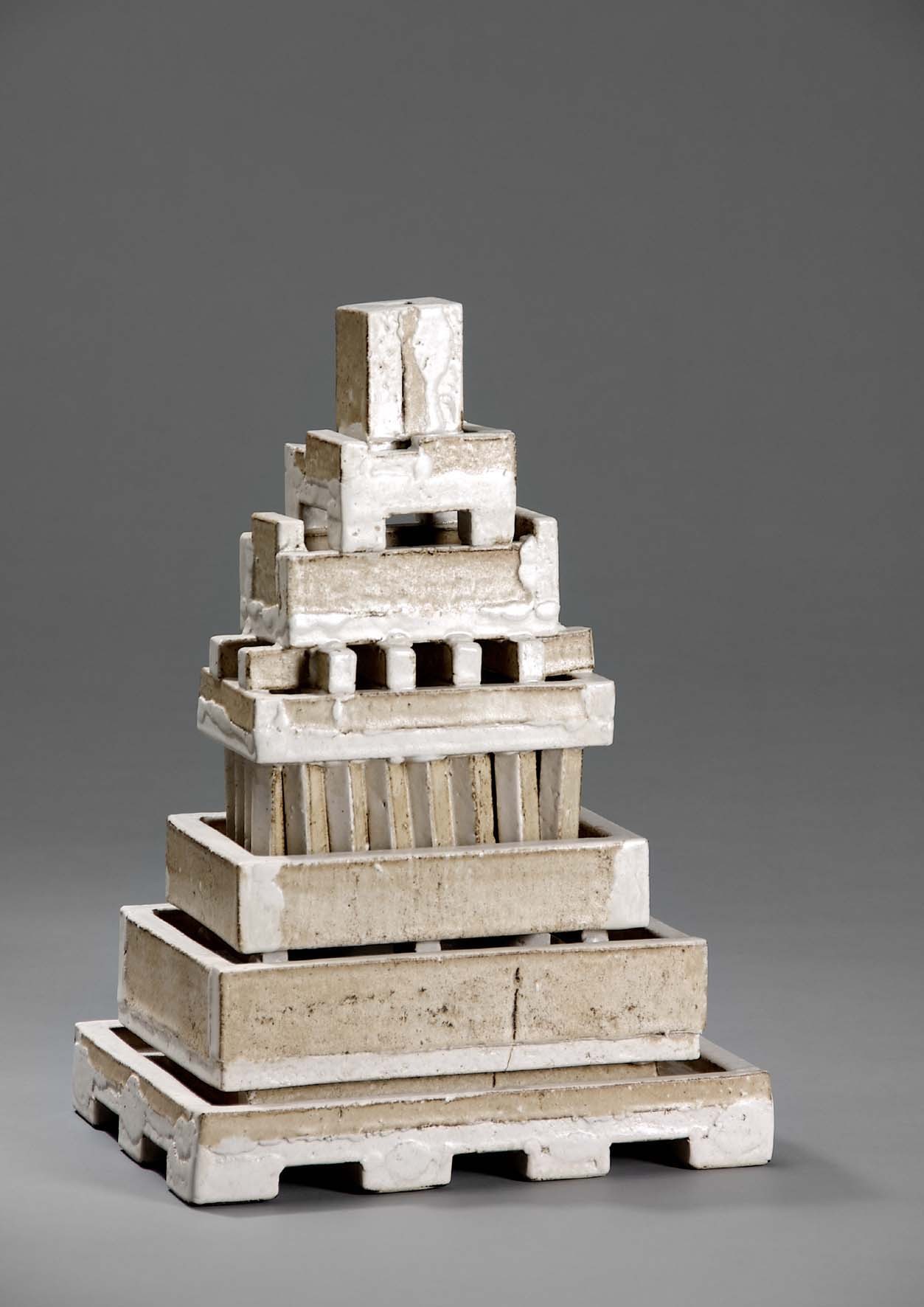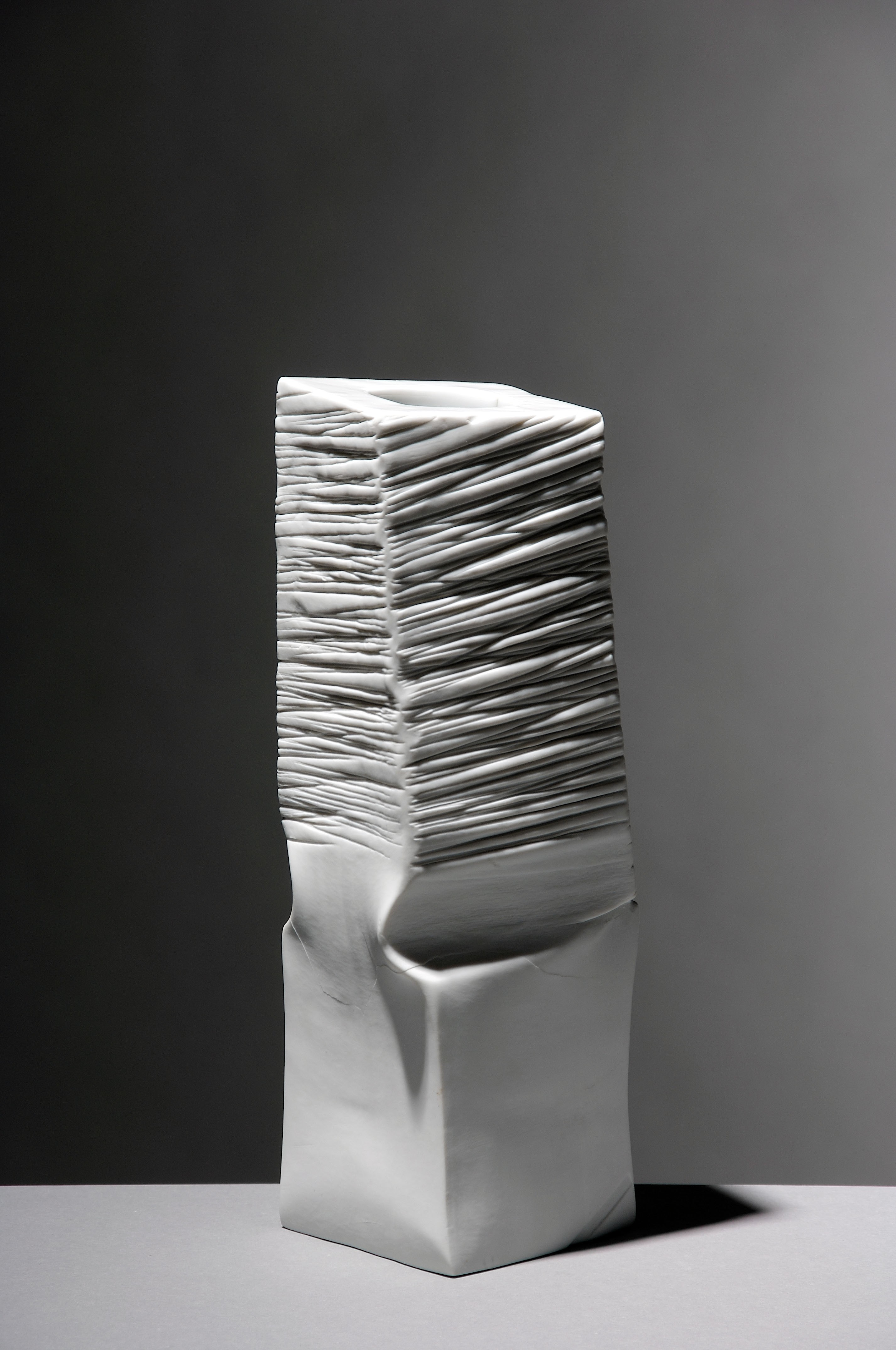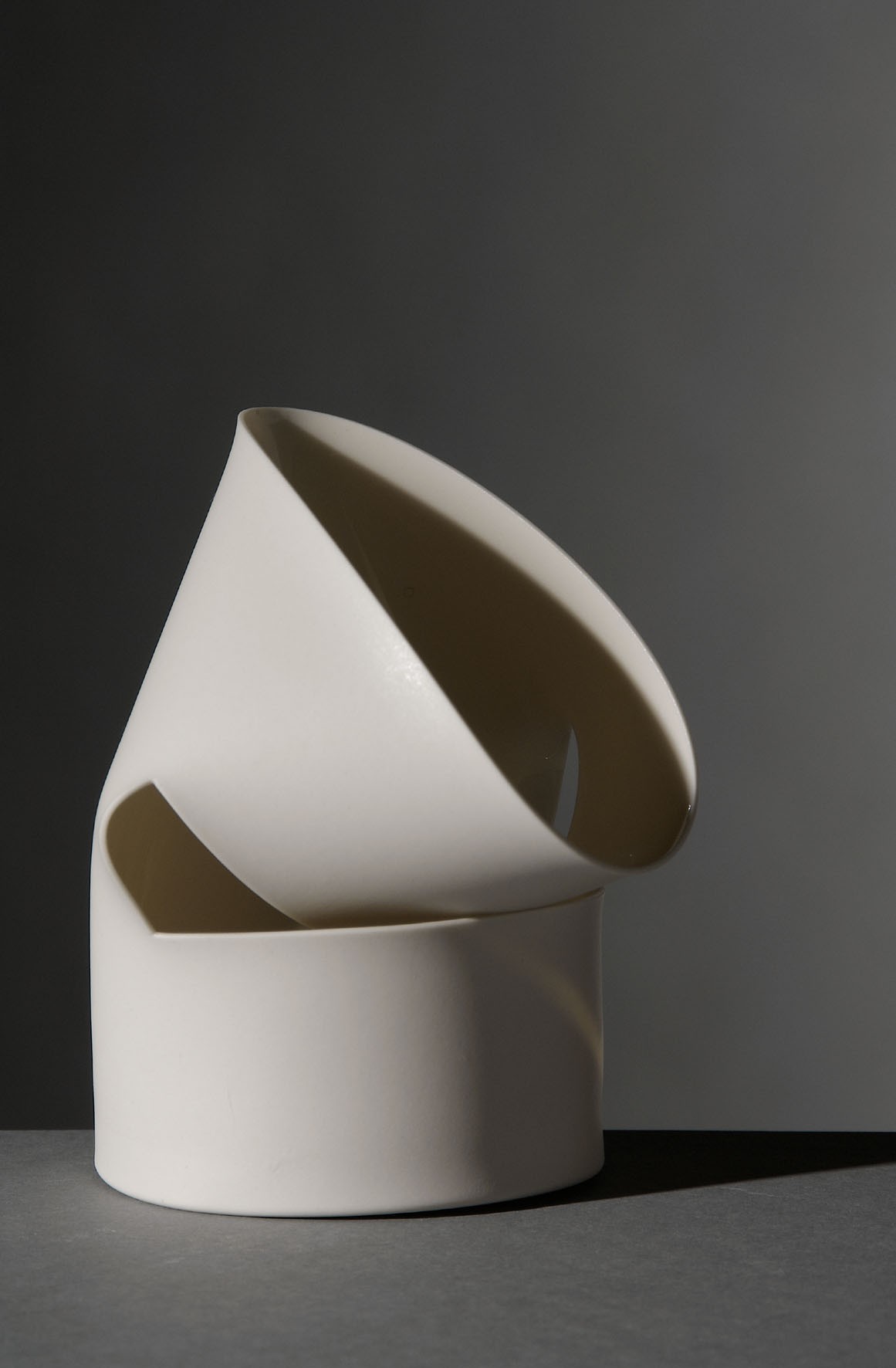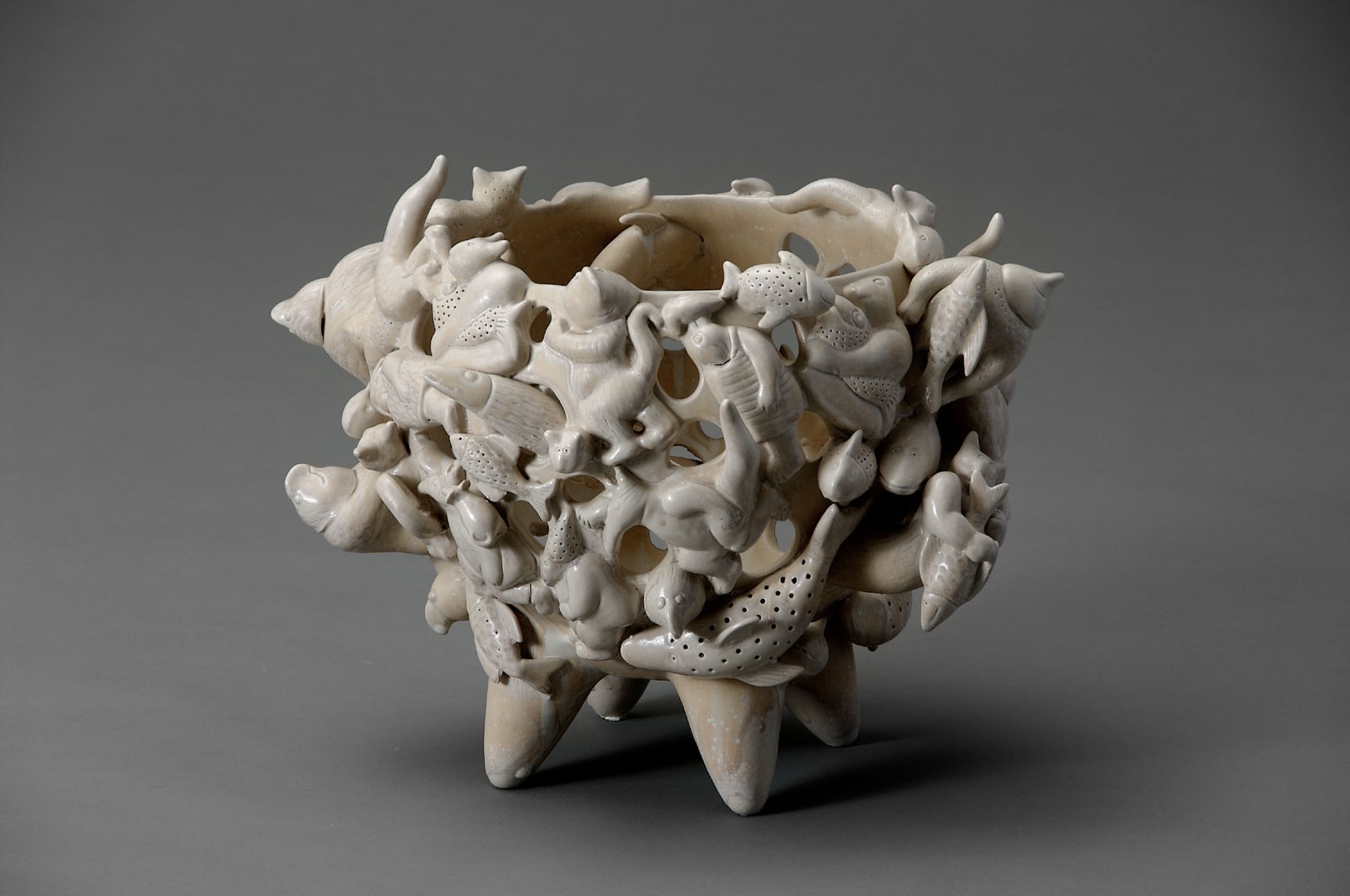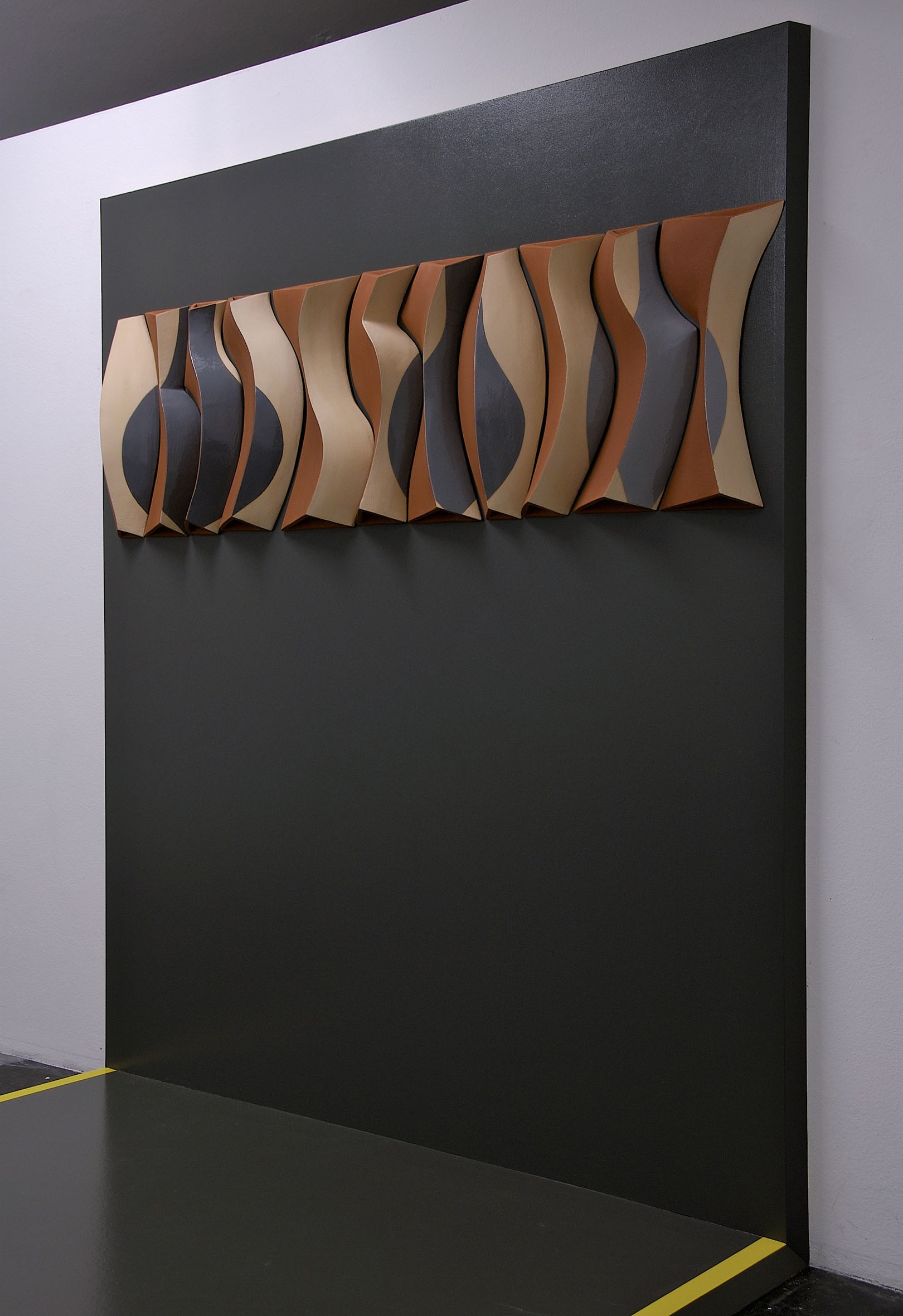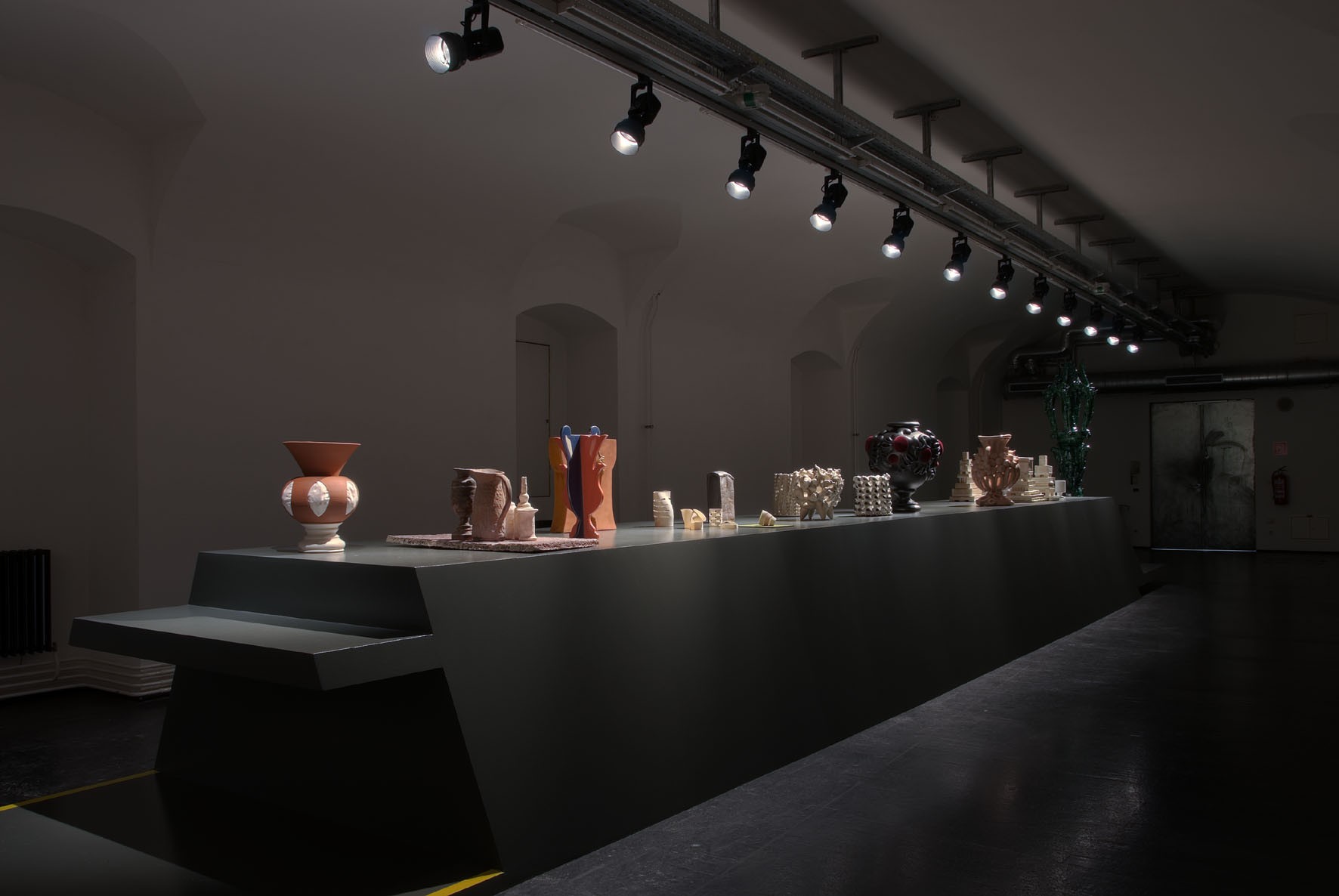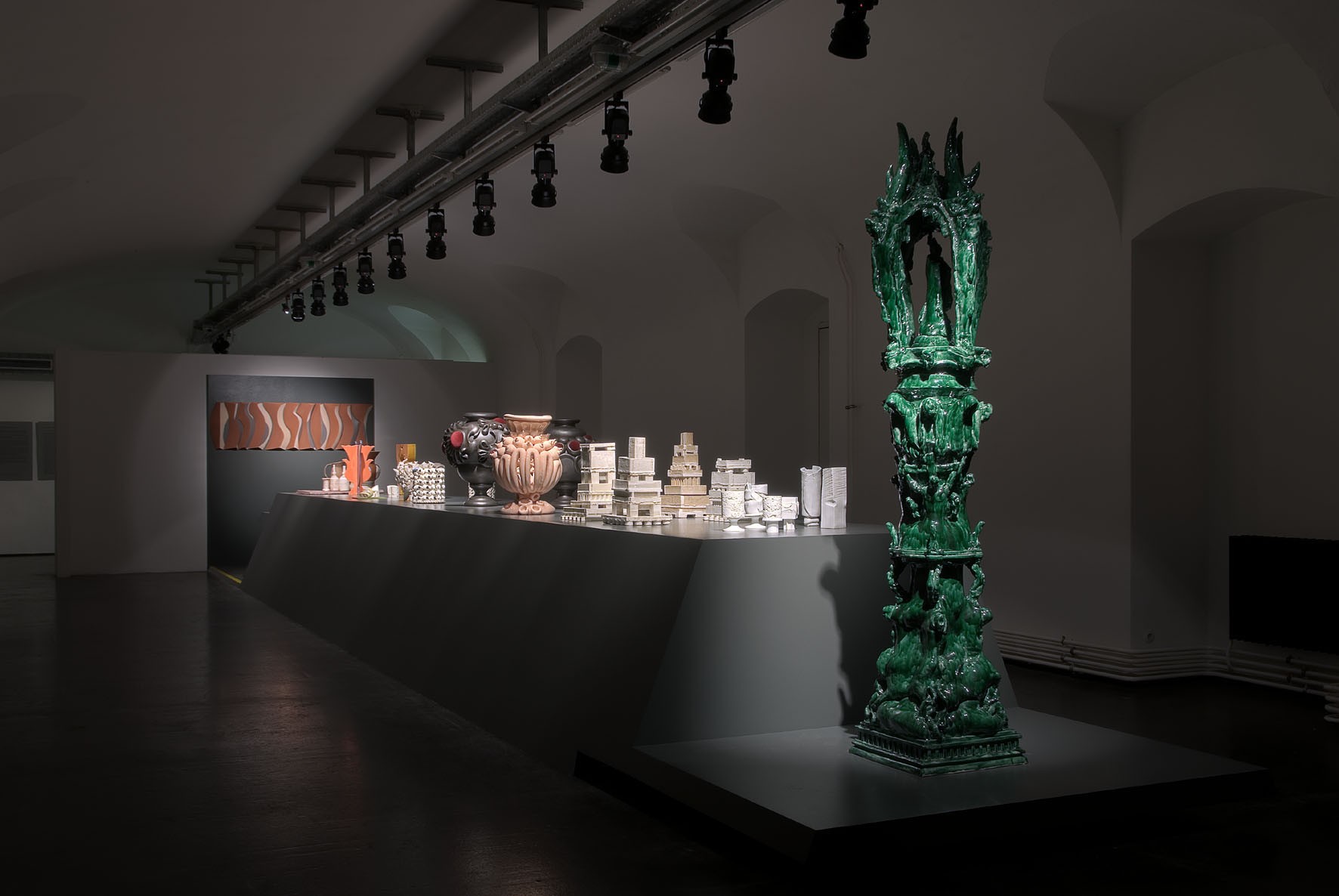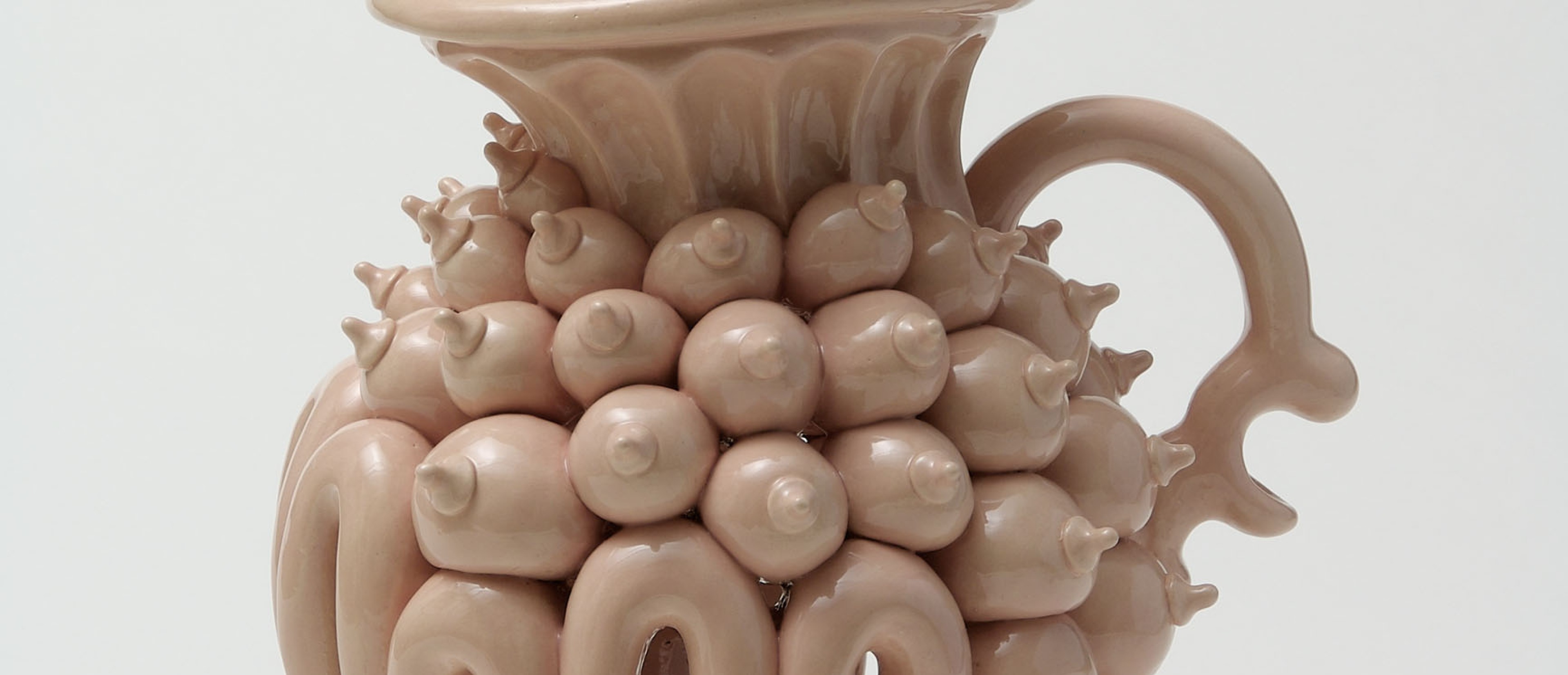
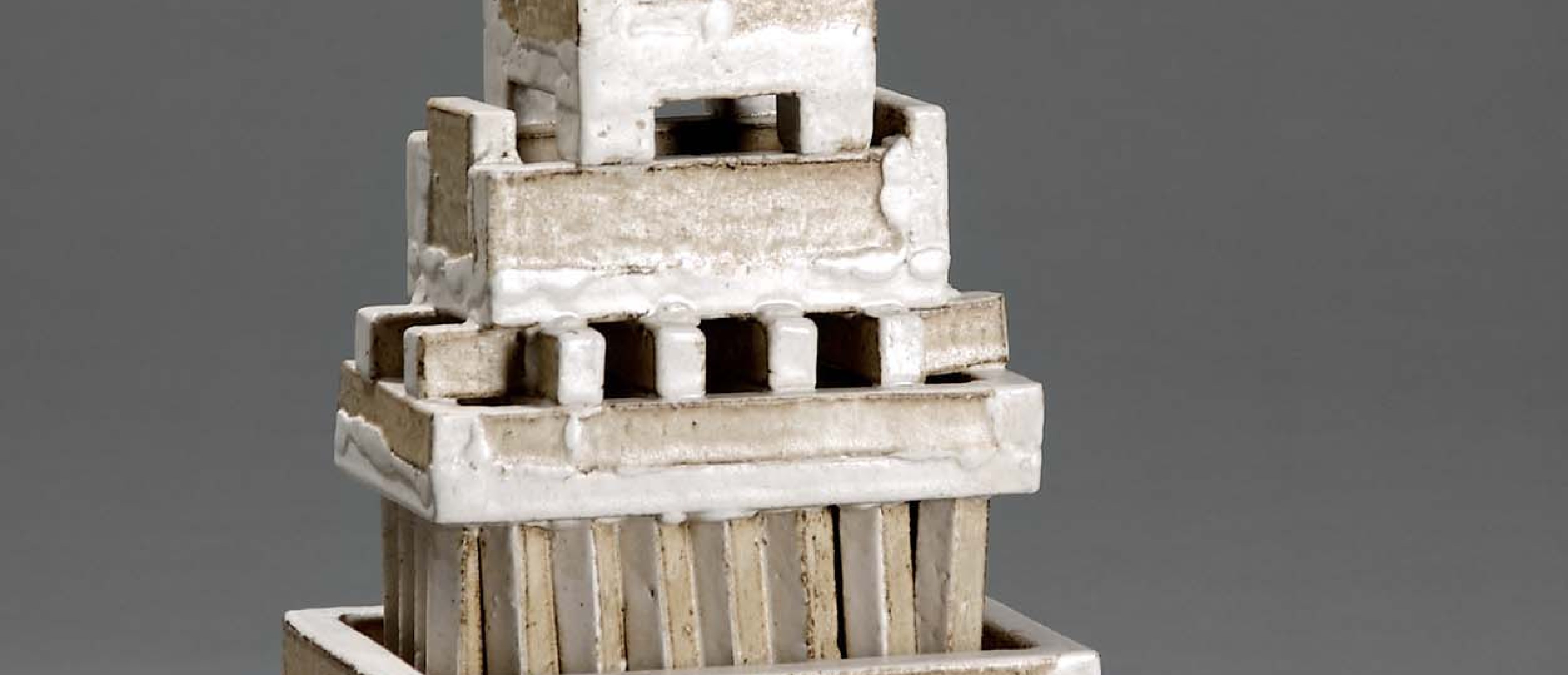
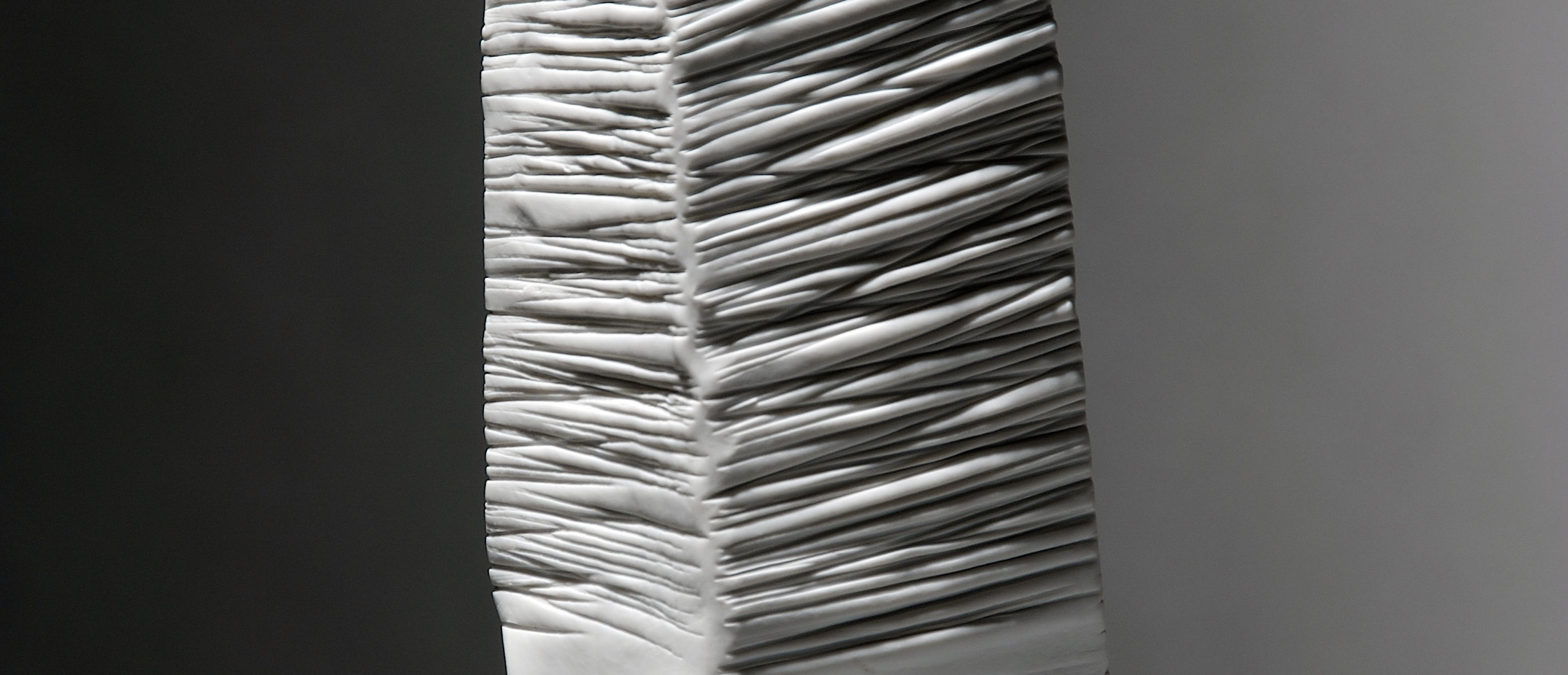
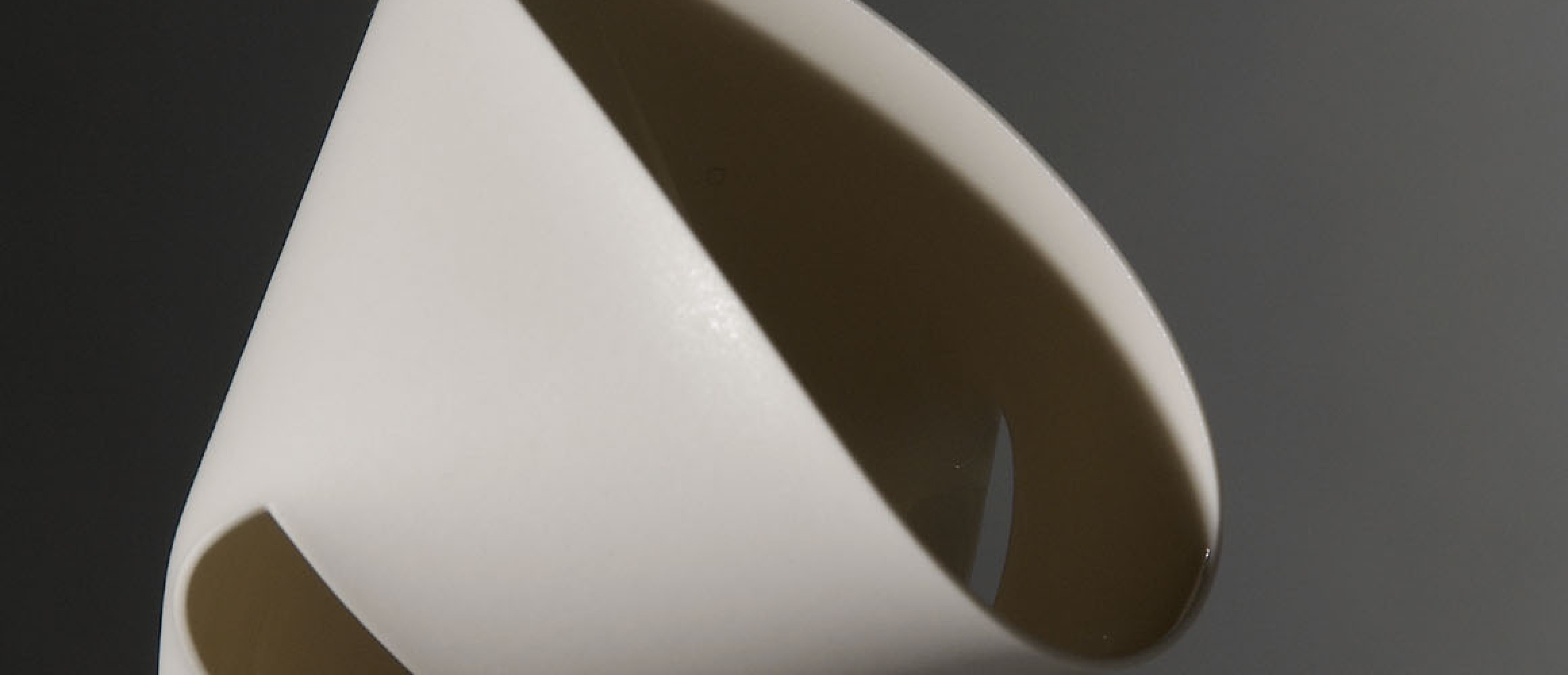
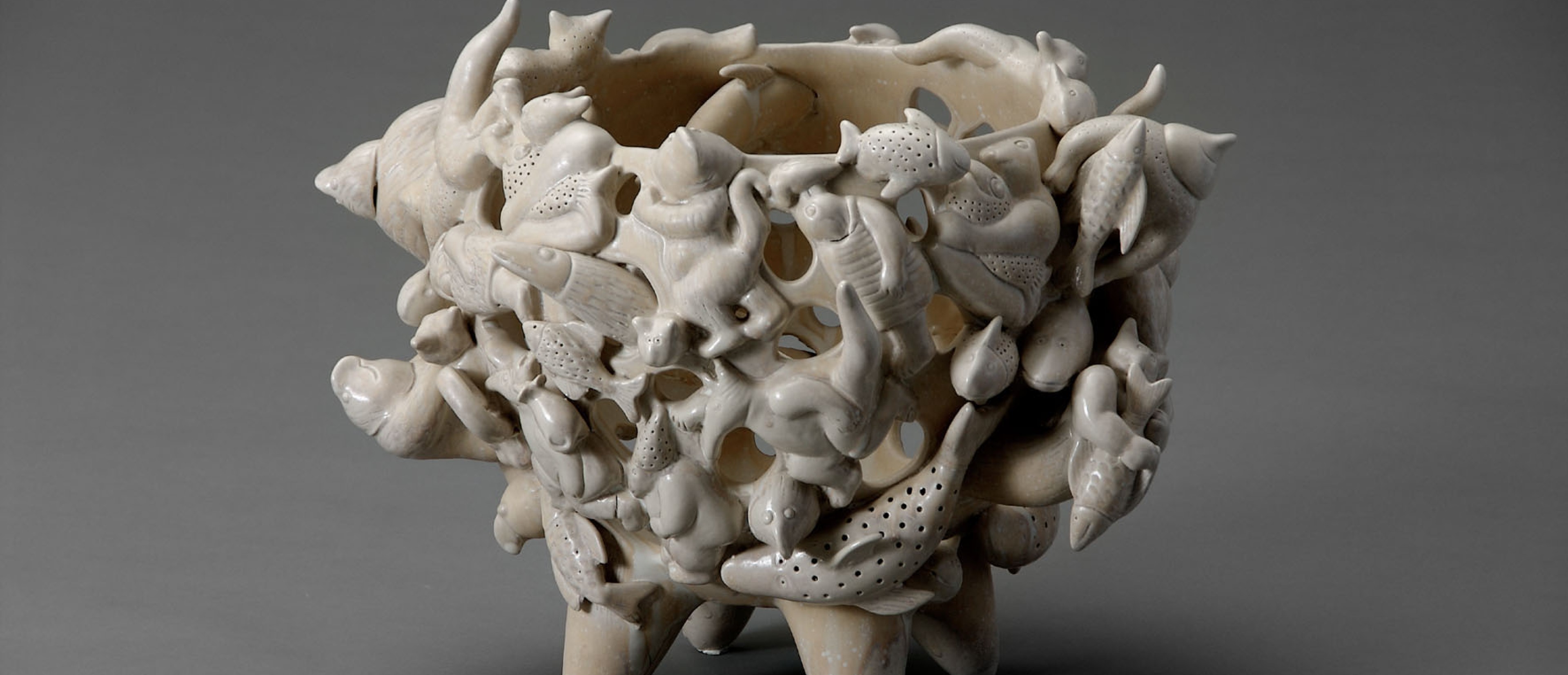
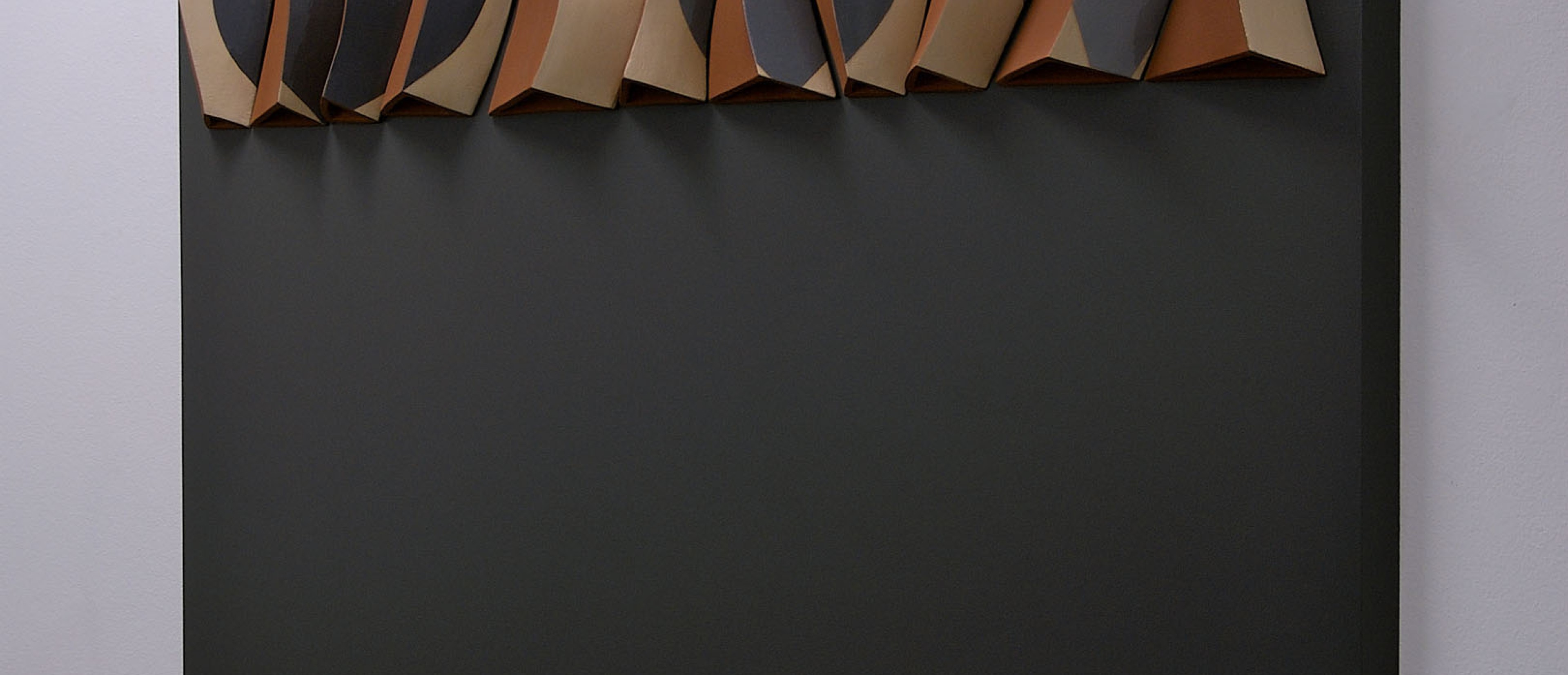
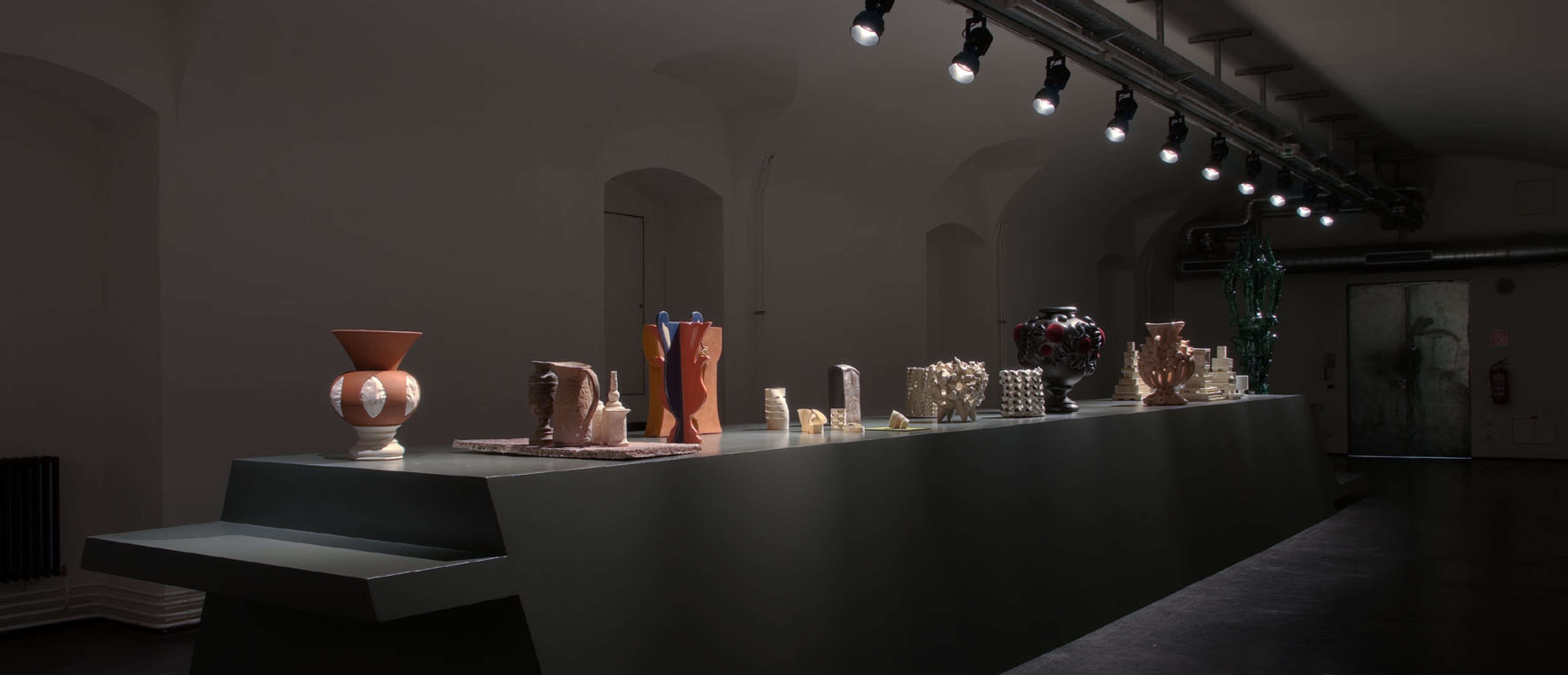
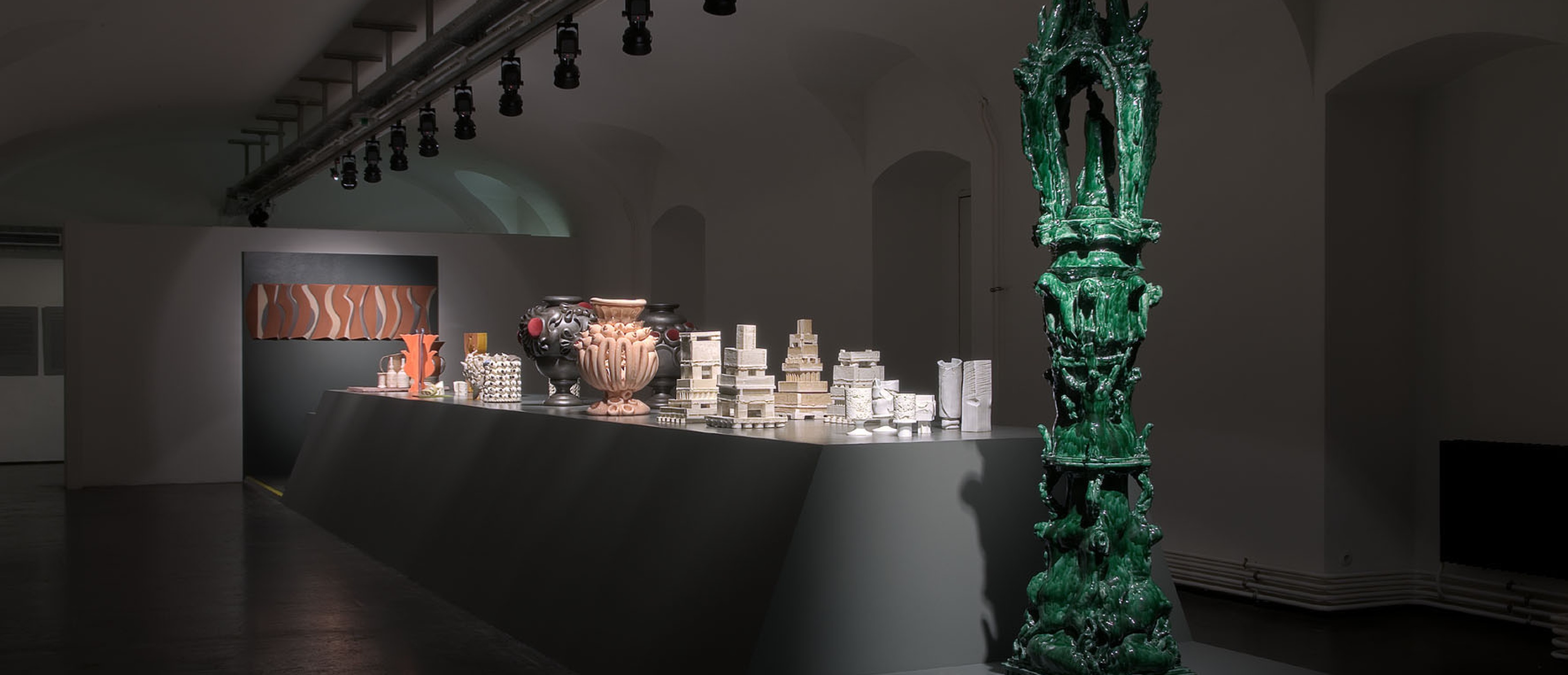
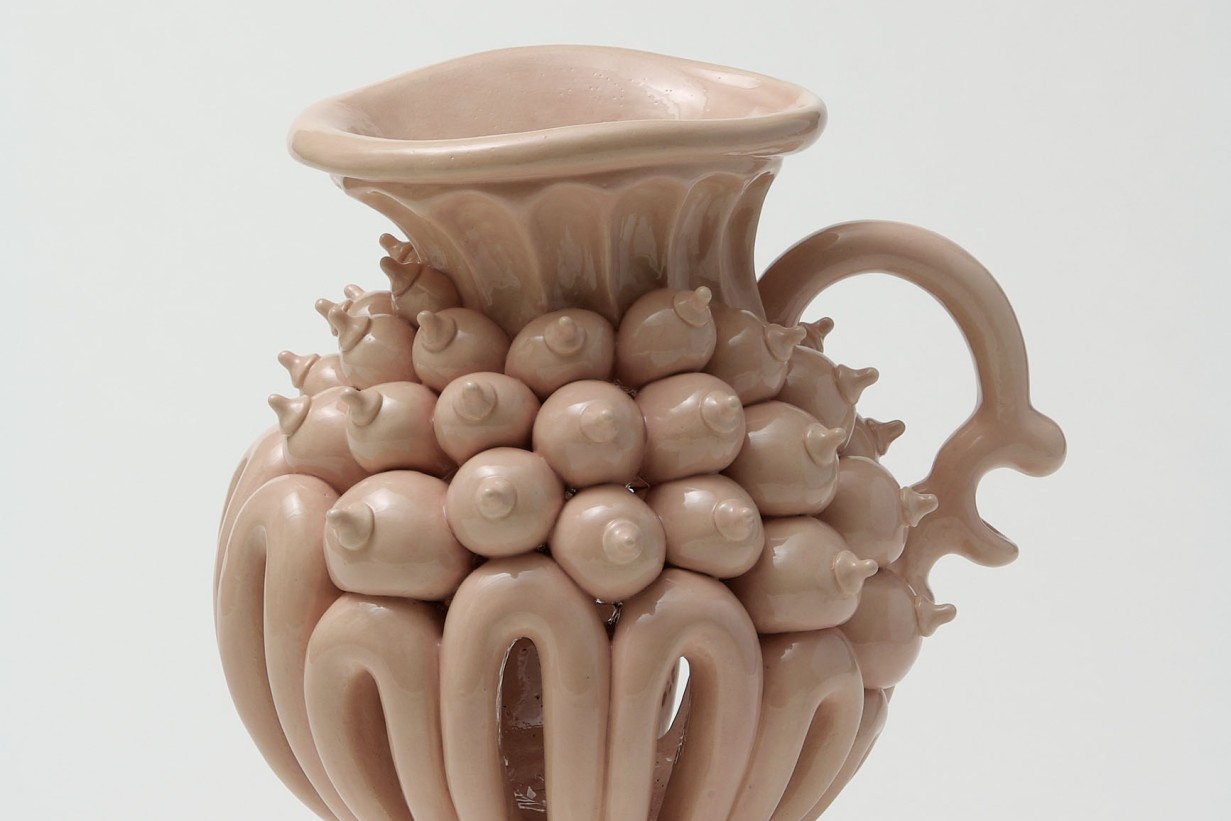
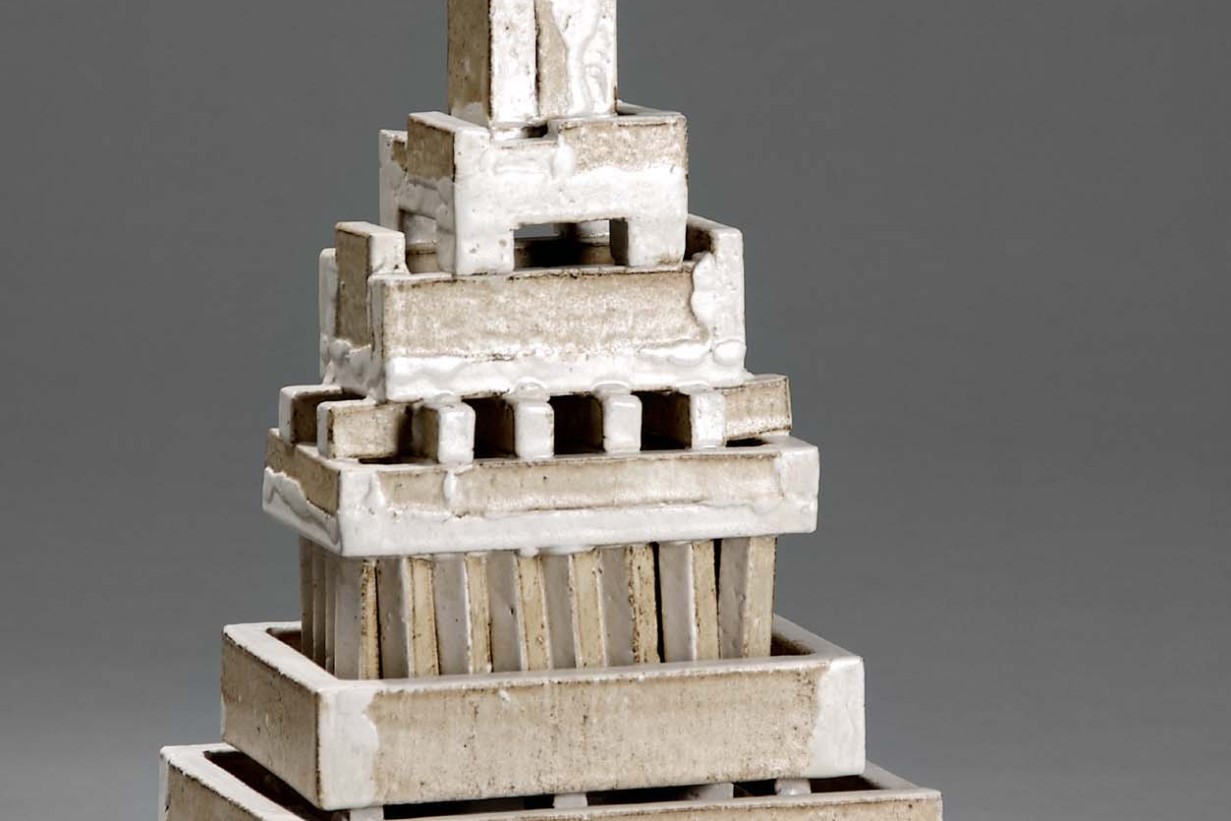
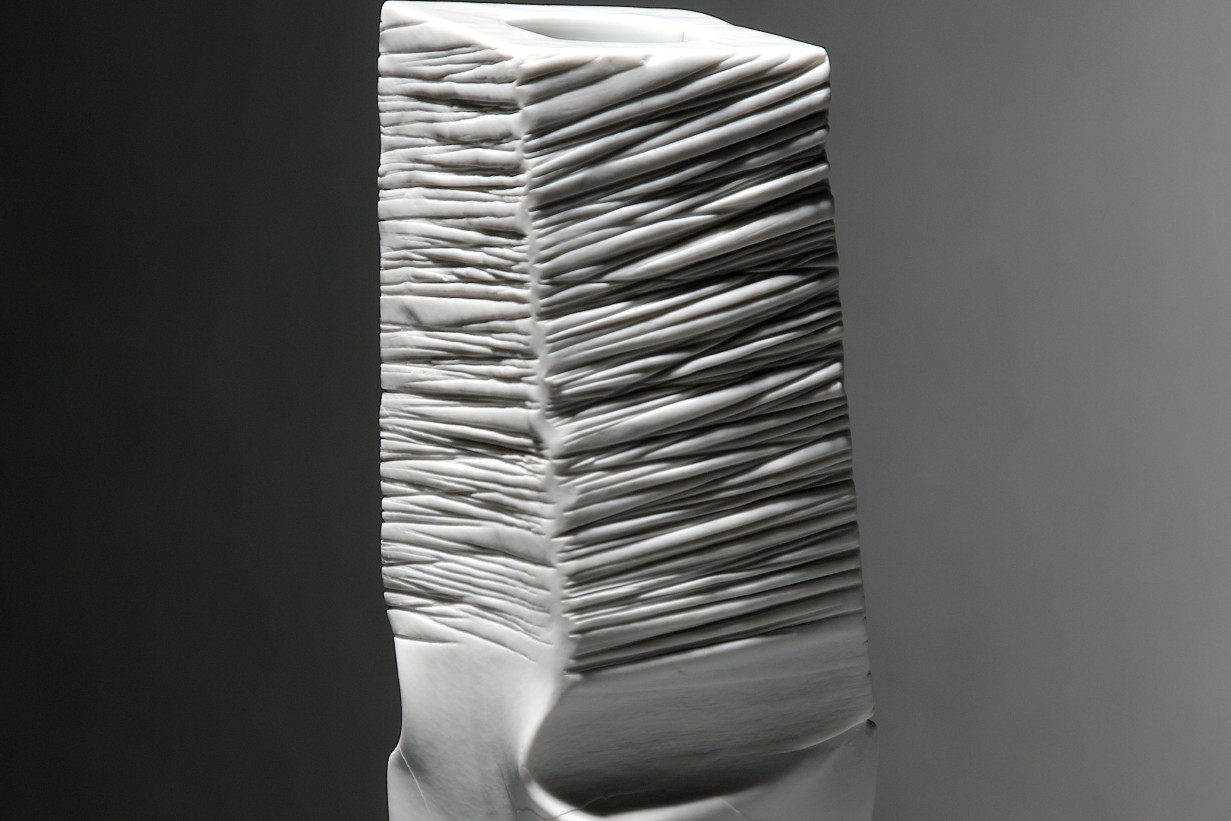
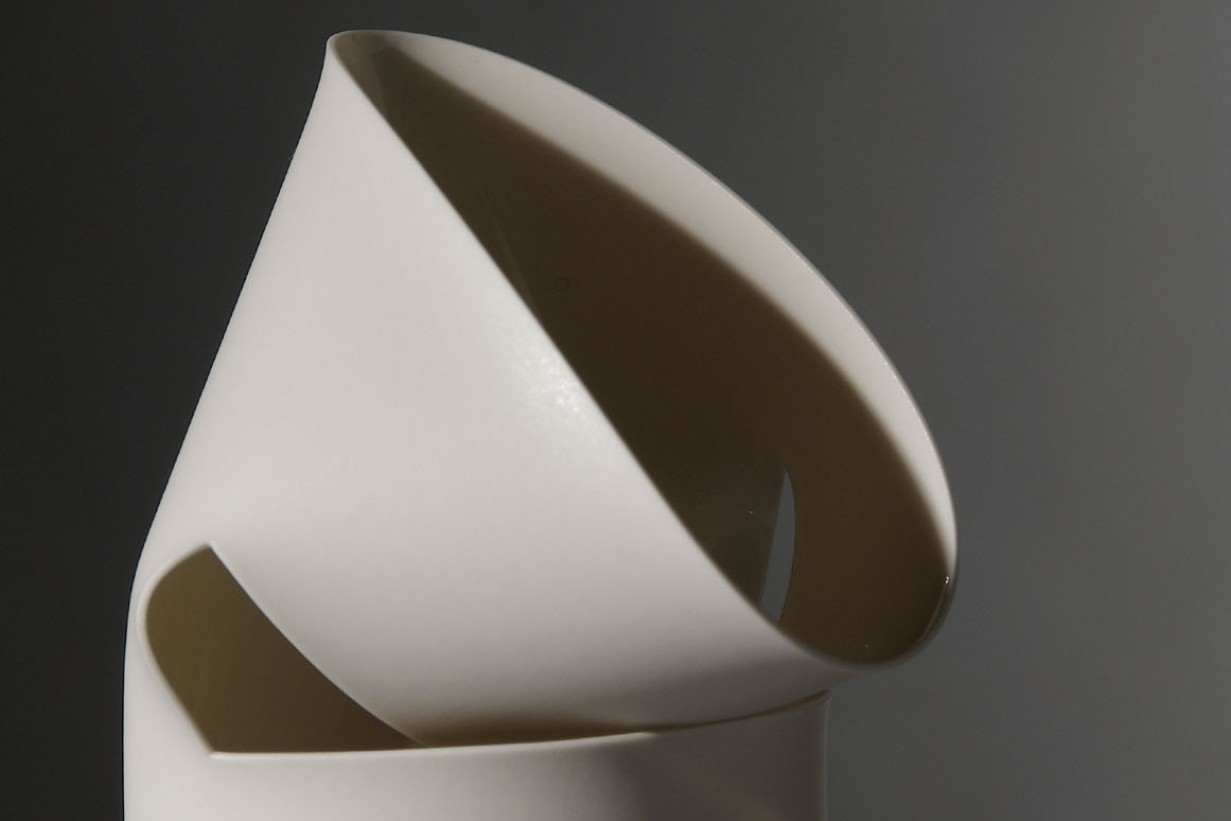
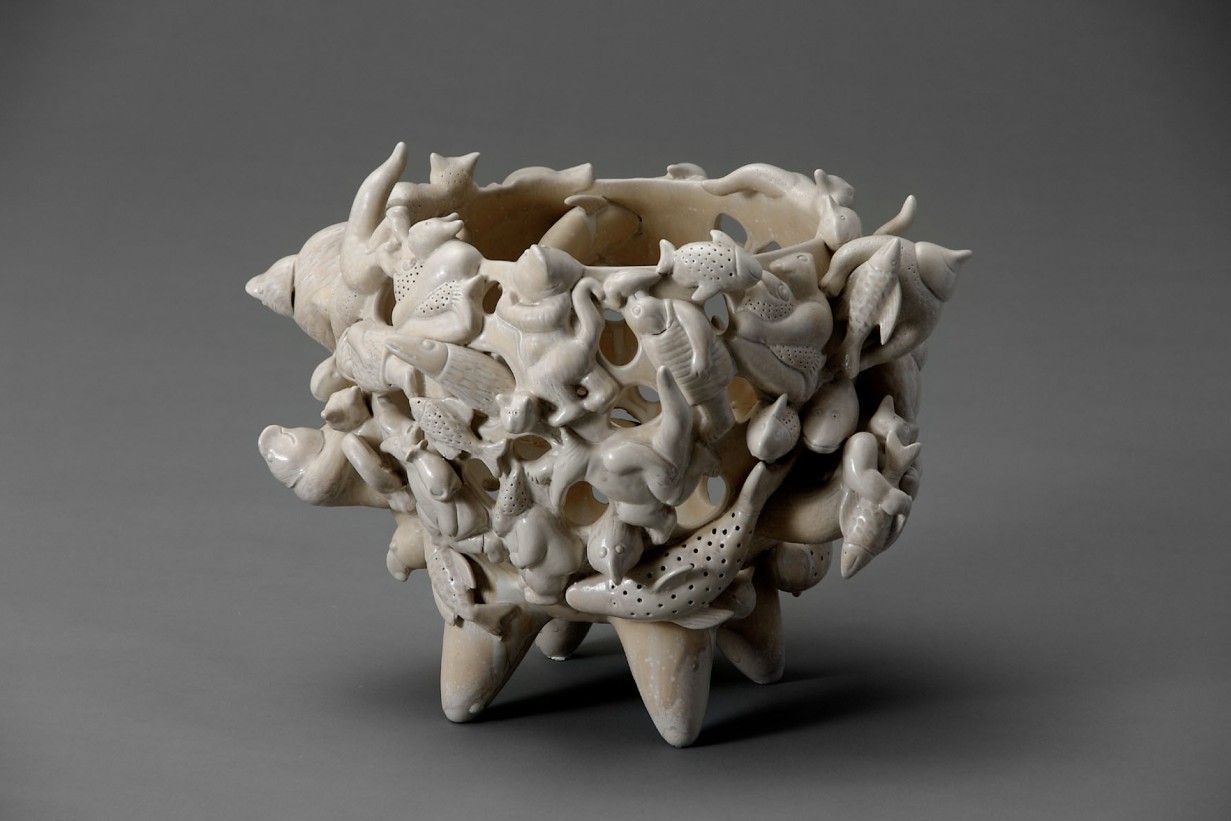
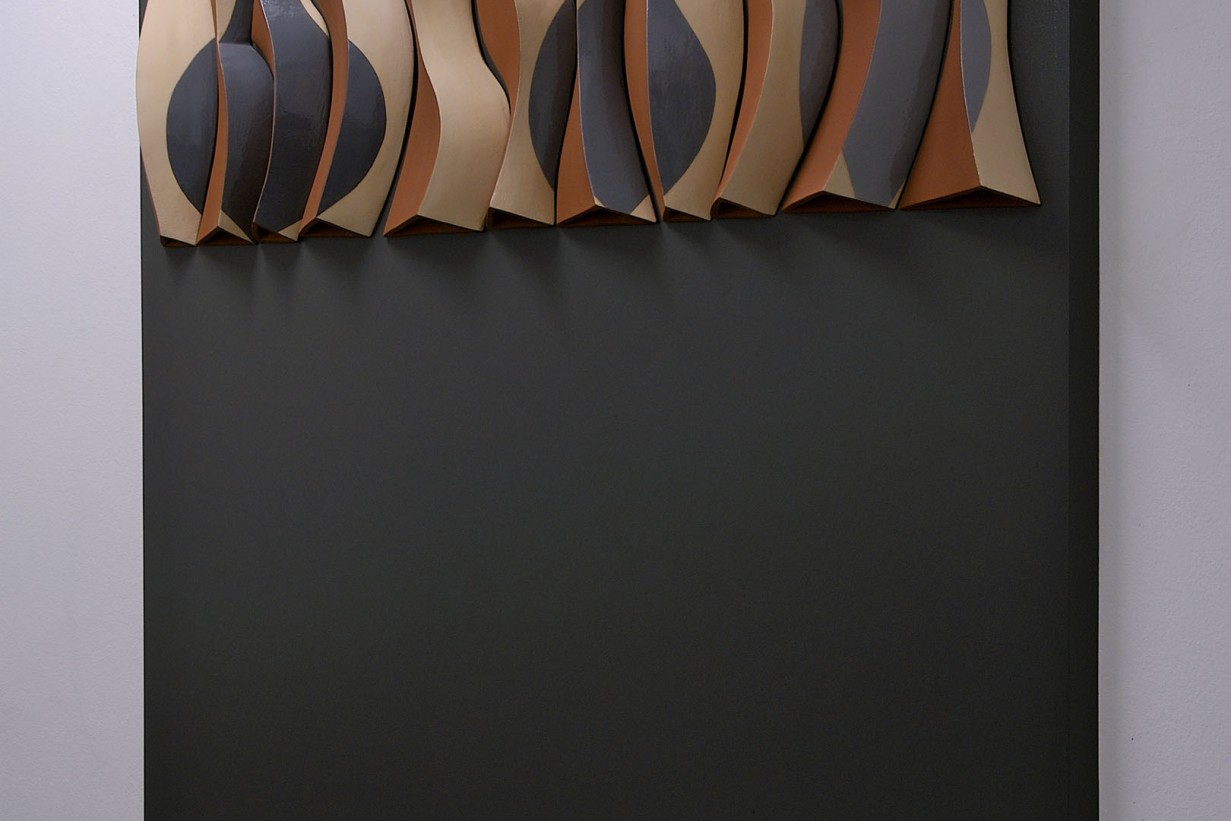
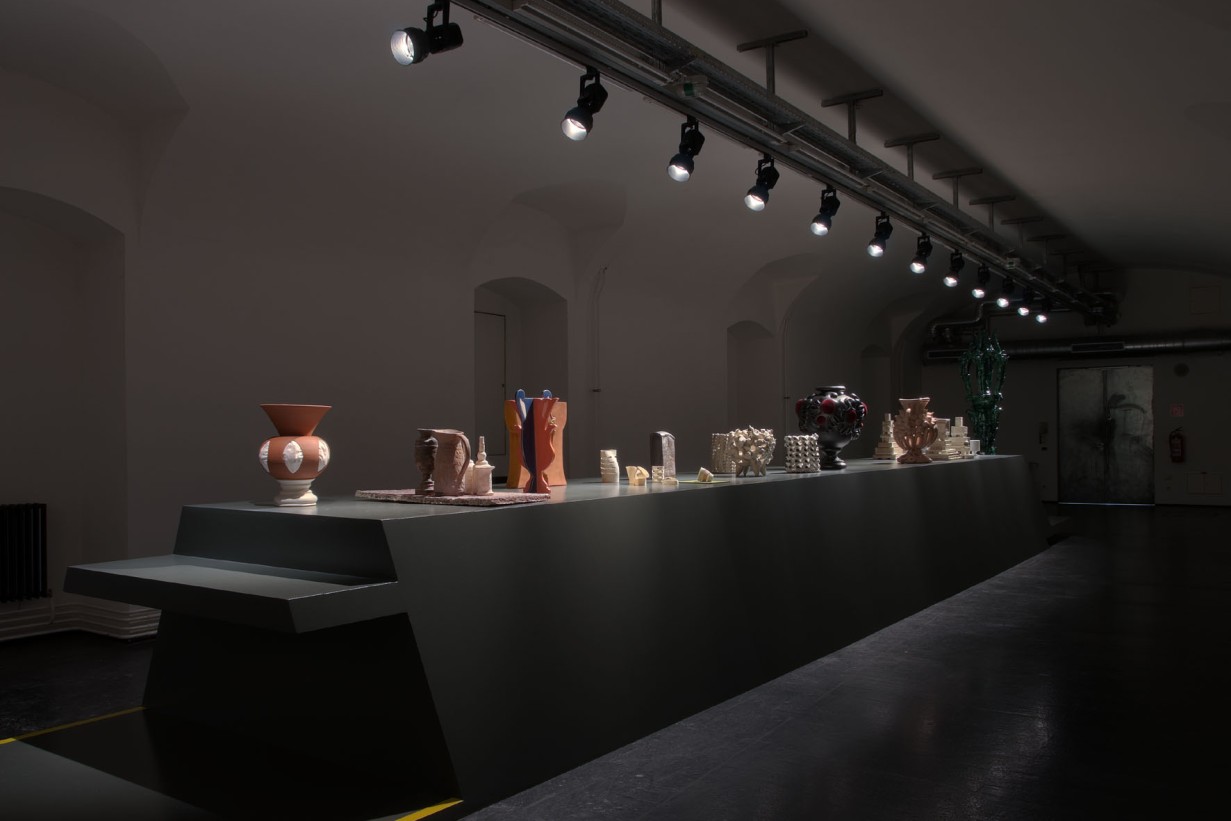
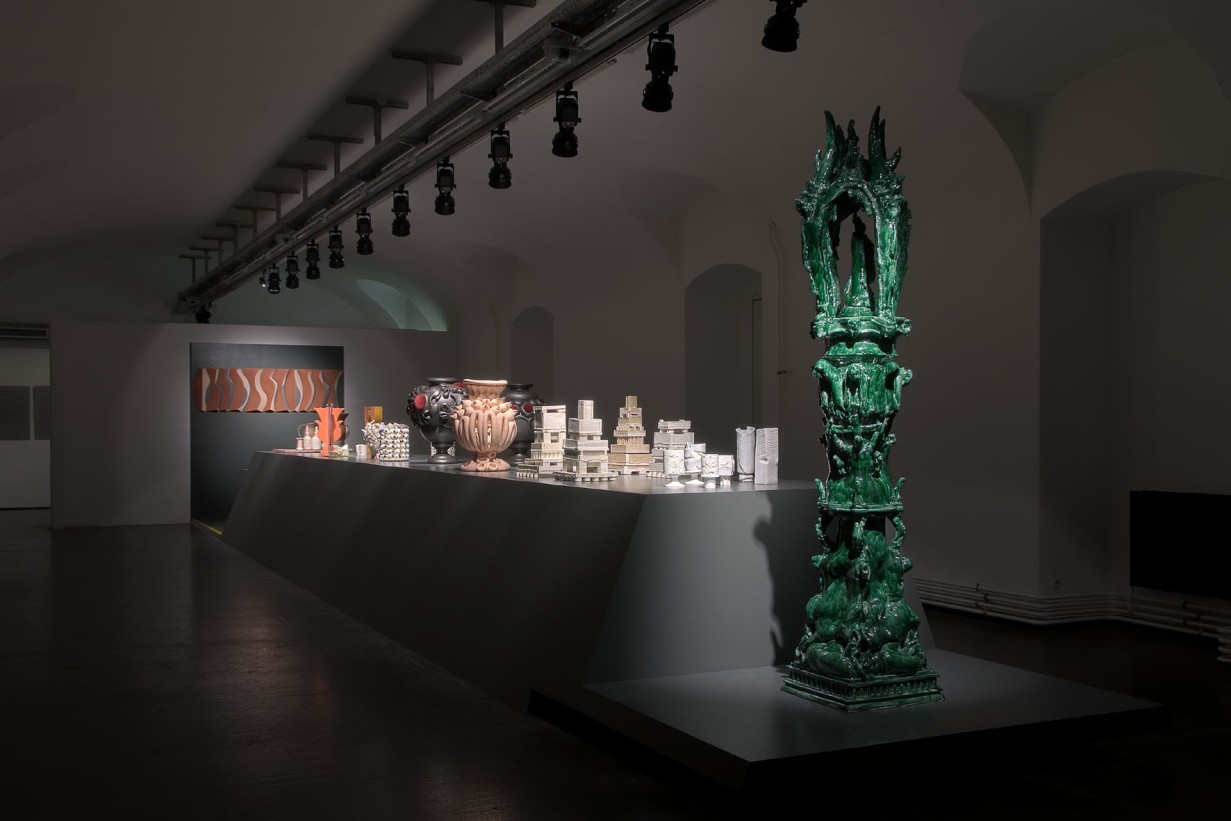
From its classic form to free sculpture: the vessel offers contemporary ceramics much room for experimentation. Conventional uses are questioned, and overlapping areas explored between commercial art, applied art and sculpture. The exhibition shows present trends in Austria, offering an overview of artistic ceramic production since the year 2000, covering all facets of the vessel. Examples of classical vessel forms are on display, as well as those from the field of the applied arts showing how this form has been released from its more limited uses; how it has changed, indeed come into its own.
The artistic medium of clay is weighed down by a long tradition and has gone through a process of liberation and re-orientation in recent decades. Until recently free artistic expression with clay was set against thousands of years of history in which ceramics were primarily defined as utensils for every day use. Ceramics has freed itself from this, and is now placed at the intersection of art. The dialectic of free and applied art has left its mark on the ceramics of the 20th century. Fine differences in definition between art and arts and crafts, between design and sculpture set the agenda for the present discussion of ceramics. For some time there has been interplay between the medium of clay and a wide variety of art forms, and clay has widened its terms of reference, acting on different levels of significance.
The conscious decision was taken to invite eight very different artists to exhibit, who have made starkly differing contributions to the theme of vessel in the widest sense. Playful, at times ironic, this theme finds expression in the artworks here displayed, asking searching questions about this ancient ceramics-related issue of vessel and hollow space. Historic vocabulary is employed without taking on the assumptions it implies, and new interpretations are offered. However, the intention is not to deny the ceramics tradition. Such aspects as the reaction and properties of the material itself are treated, as are production methods, or topics like individuality, perception of space, the decorative element or ornaments, or the dualism of presentation and representation.
With works by Franz Josef Altenburg, Rosemarie Benedikt, Gabriele Hain, Günter Praschak, Barbara Reisinger, Kurt Spurey, Elmar Trenkwalder and Gerold Tusch.
Curator Katja Miksovsky, MAK Glass and Ceramics Collection
Catalogue "FORM IM WANDEL. Gegenwartskeramik aus Österreich", edited by Peter Noever, with contributions by Tanya Harrod and Katja Miksovsky, German/English, 52 pages, illustrations. MAK Design Shop
Media