Glass and Ceramics Collection
Curator: Rainald Franz
© MAK/Georg Mayr
© MAK/Georg Mayr
© MAK/Georg Mayr
© MAK/Georg Mayr
© MAK/Georg Mayr
© MAK/Georg Mayr
© MAK/Georg Mayr
© MAK/Georg Mayr
© MAK/Georg Mayr
© MAK/Georg Mayr
© MAK/Georg Mayr
© MAK/Georg Mayr
© MAK/Georg Mayr
Previous Image
In order to serve as an inspiration for Austrian designers, outstanding pieces of glass and ceramic art were purchased when the museum was founded. The by now encyclopedic collection covers all areas of design in glass and clay: hollow vessels from antiquity to the 21st century, artistically designed glass windows, mirrors, lamps and chandeliers, centerpieces, architectural ceramics, tiled stoves, figures, and busts. Contemporary works are continuously being added to the originally historical collection, thus placing a diametric focus on the past and the present of ceramic and glass art.
Ceramics
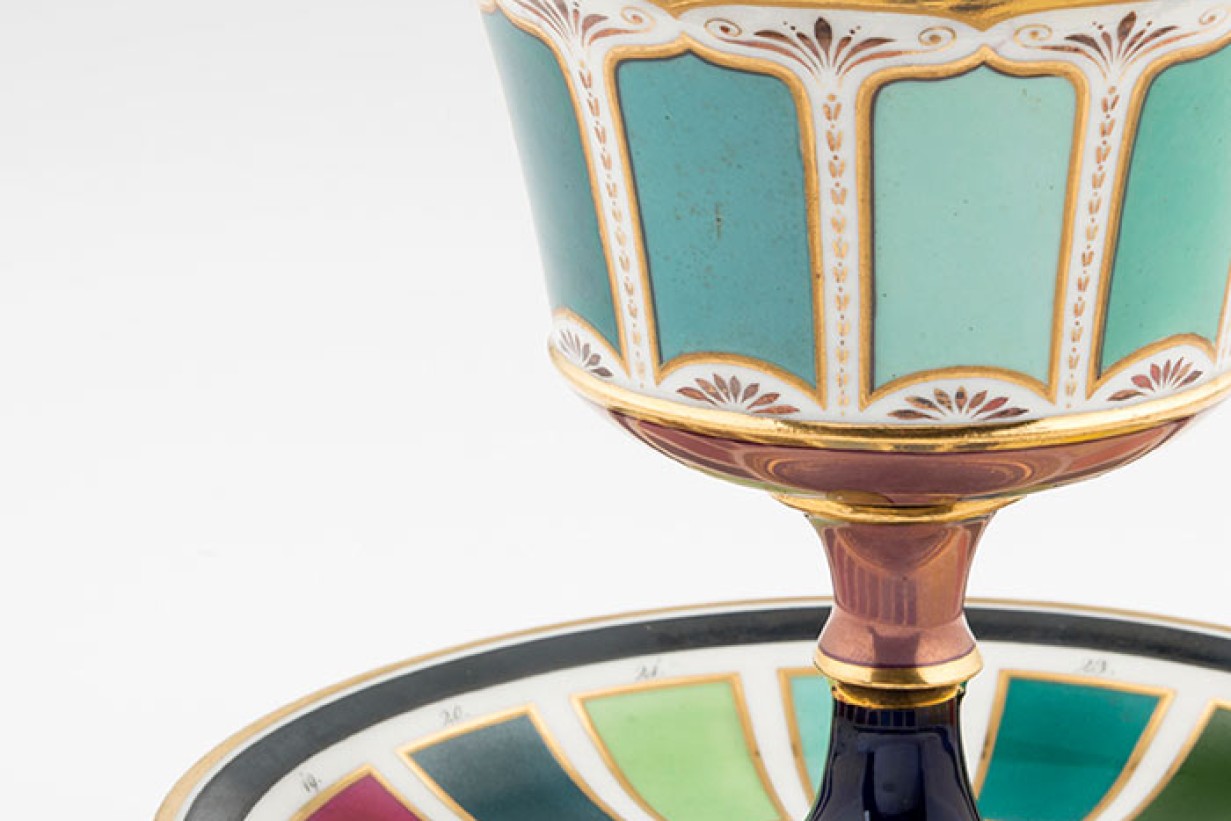
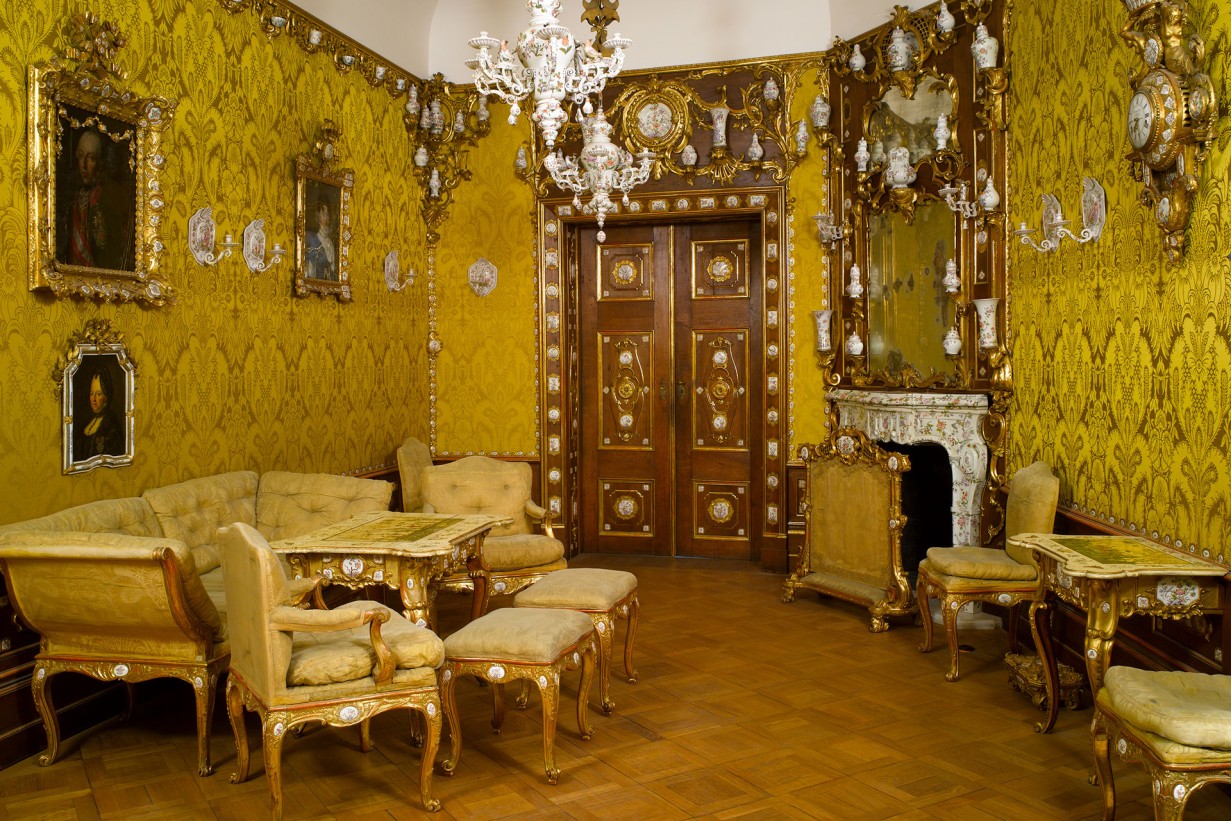
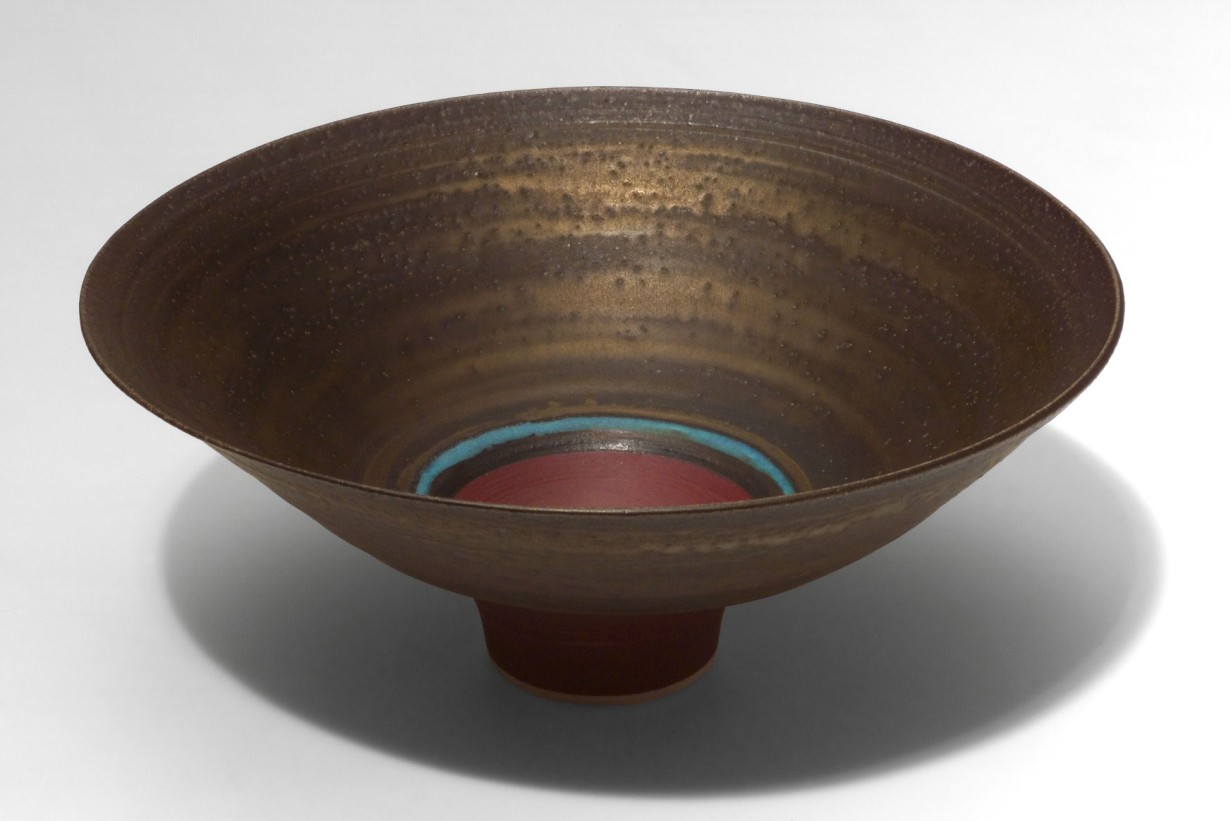
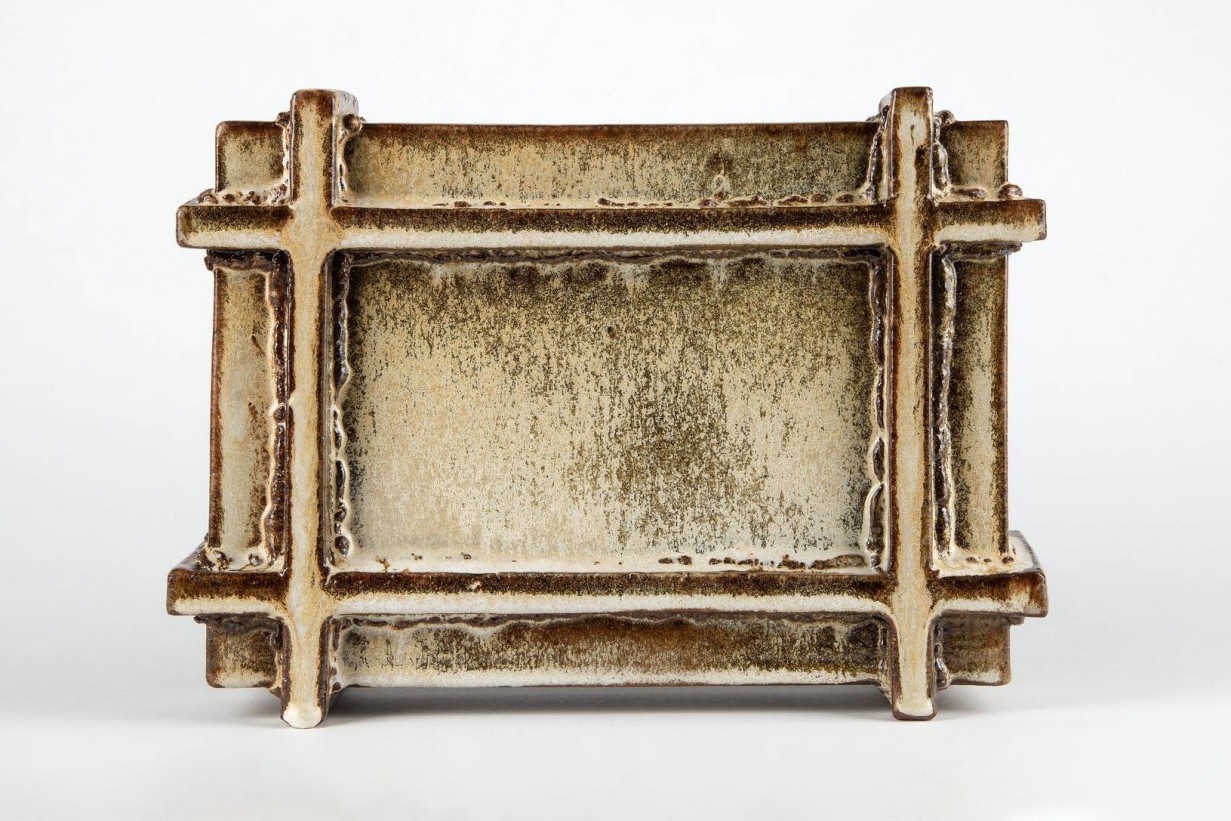
The MAK Ceramics Collection stands out with highlights from the entire history of the material since the Middle Ages. A particular focus is placed on Viennese porcelain production in the 18th century: The porcelain chamber from Dubsky Palace in Brno (ca. 1740) unites an interior design with more than 3,000 objects from earliest Viennese ceramics in a uniquely complete ensemble. The splendid cabinet is decorated to the top with the finest bowls, tiles, and figures from the second oldest Western porcelain manufactory of Claudius Innocentius du Paquier. A further focus point are Austrian ceramics from the 20th and 21st century with objects by designers from the Wiener Werkstätte and the Augarten Vienna Porcelain Manufactory. Exceptional artistic works are represented, for example, by the architectural ceramic sculptures by Franz Josef Altenburg or bowls by Lucie Rie.Glass
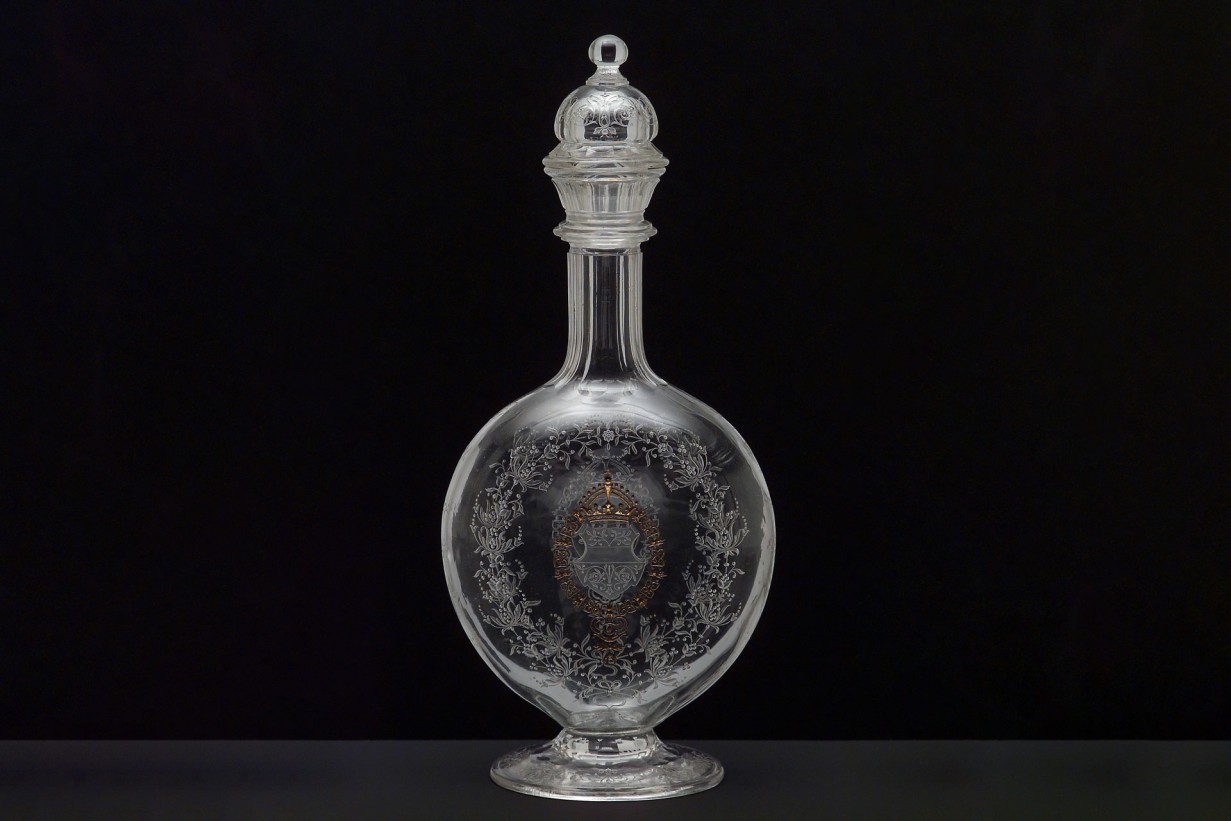
The Glass Collection includes examples from the most important European manufacturers. Outstanding Venetian glasses from the 16th to 18th century—including the collection of Ferdinand of Tyrol from Ambras Castle—belong to the MAK, as do outstanding products from Silesian and Bohemian glass factories. They are represented by engraved, cut, and black-stain-painted glasses. The Biedermeier era is documented in the Collection, among other things, through glasses by the famous glass painters Samuel Mohn and Anton Kothgasser. With around 3,000 objects, the MAK owns the largest museum collection of glasses from the J. & L. Lobmeyr glass manufactory, founded in Vienna in 1823. The relationship between the MAK and the Lobmeyr company goes back to the founding of the museum and is an example of Austria’s outstanding role in modern glass design as well as of the mutual support between art and industry.Media
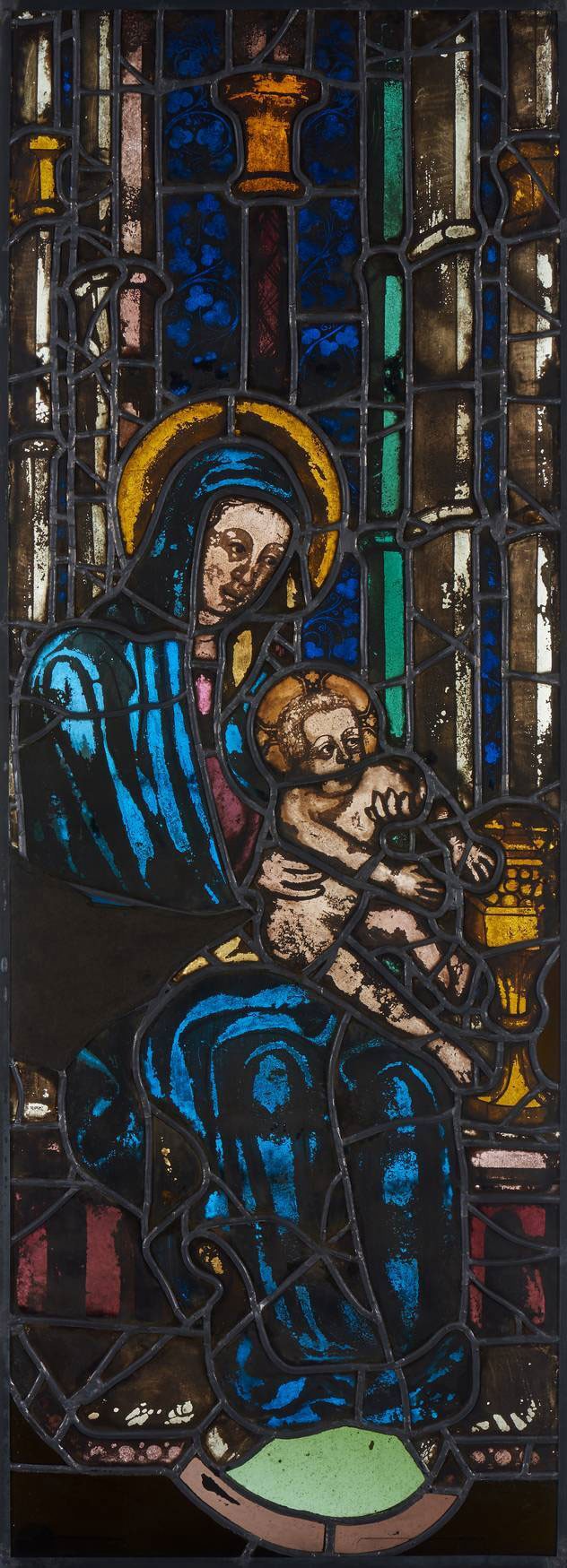
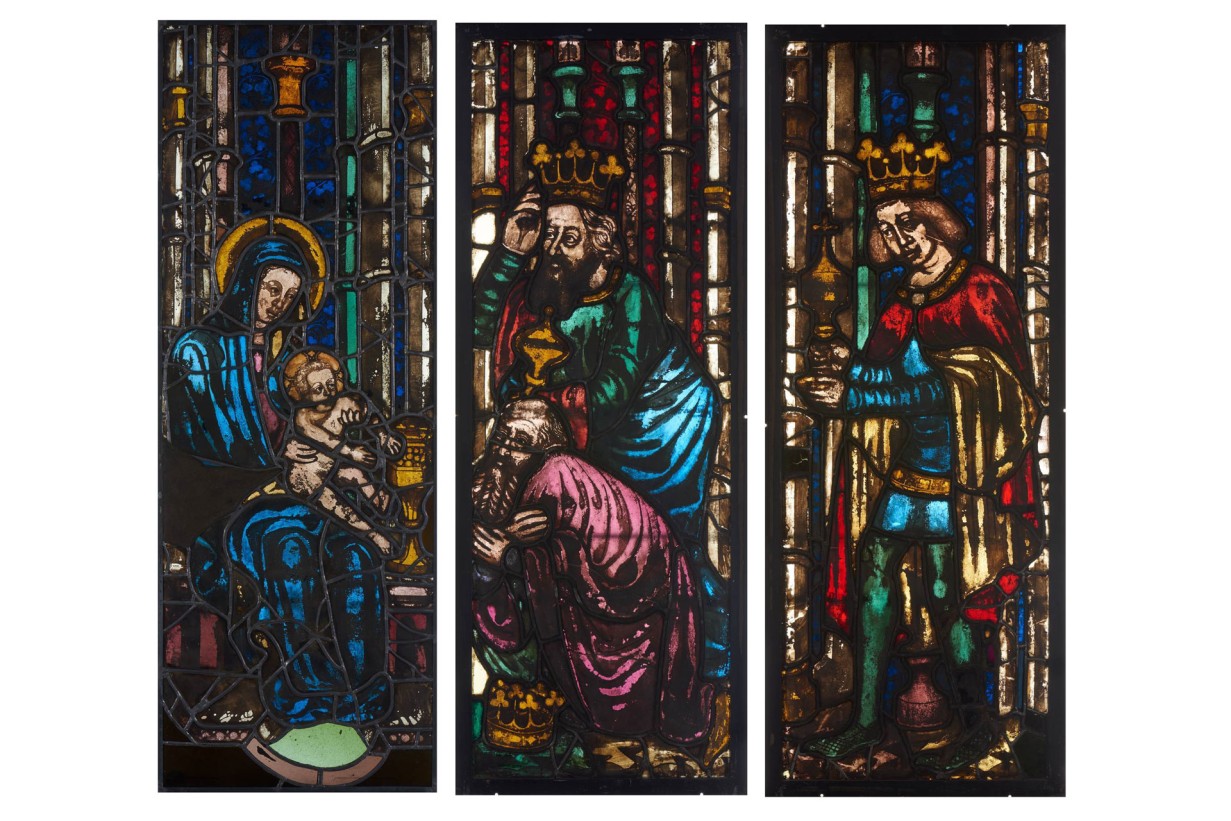
Adoration of the Magi, windows from the Bartholomew Chapel, Vienna, St. Stephen, 14th cent., MAK Gl 2227/1 © MAK/Georg Mayr
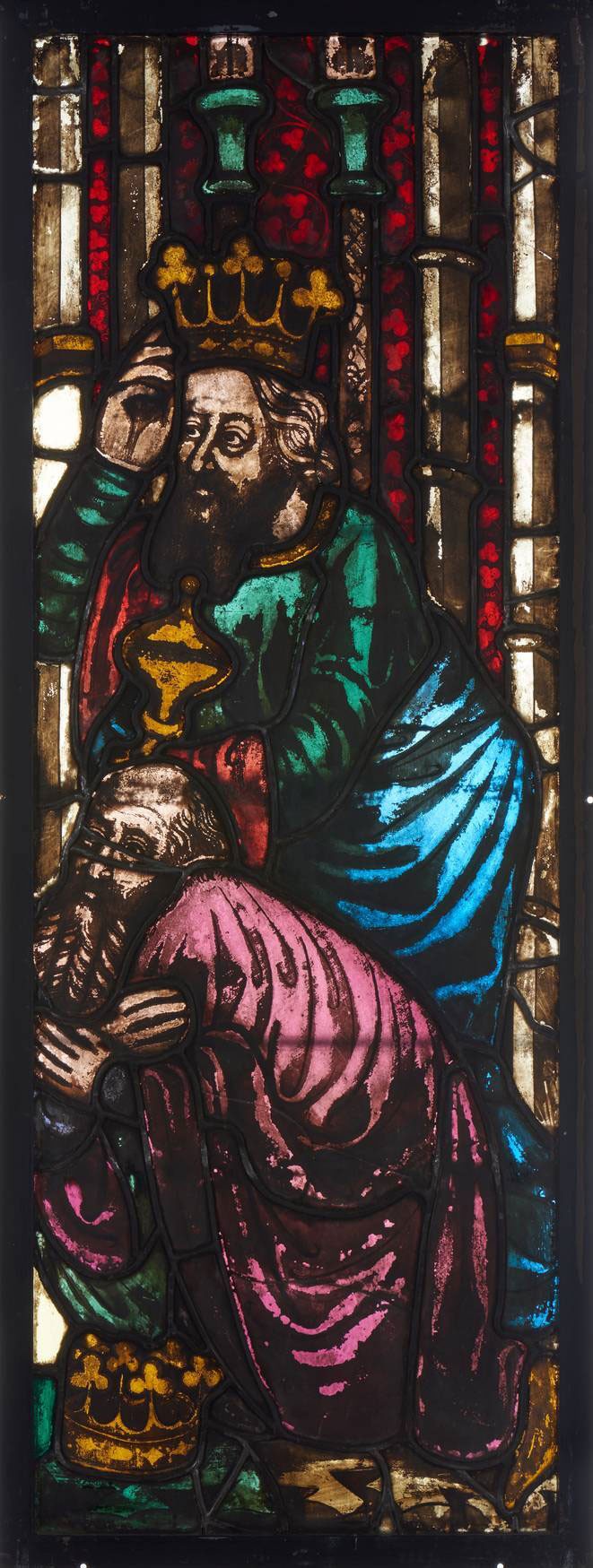
Adoration of the Magi, windows from the Bartholomew Chapel, Vienna, St. Stephen, 14th cent., MAK Gl 2227/2 © MAK/Georg Mayr
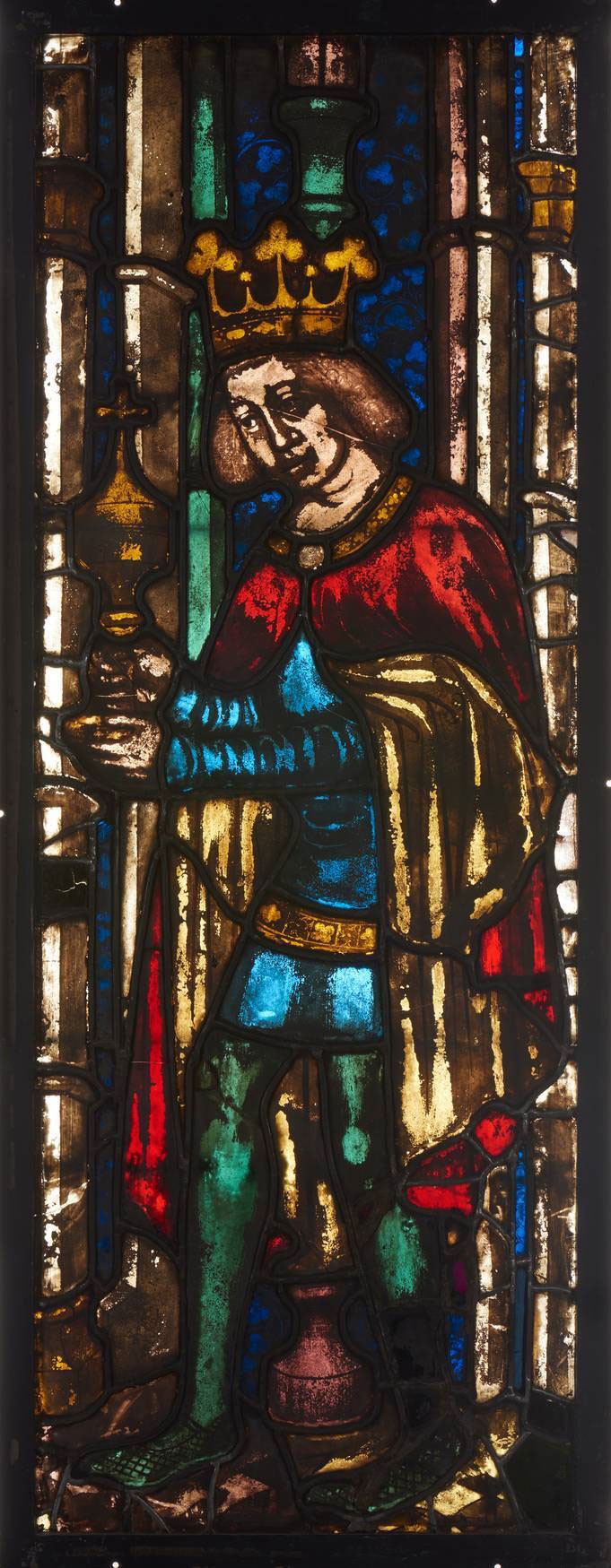
Adoration of the Magi, windows from the Bartholomew Chapel, Vienna, St. Stephen, 14th cent., MAK Gl 2227/3 © MAK/Georg Mayr
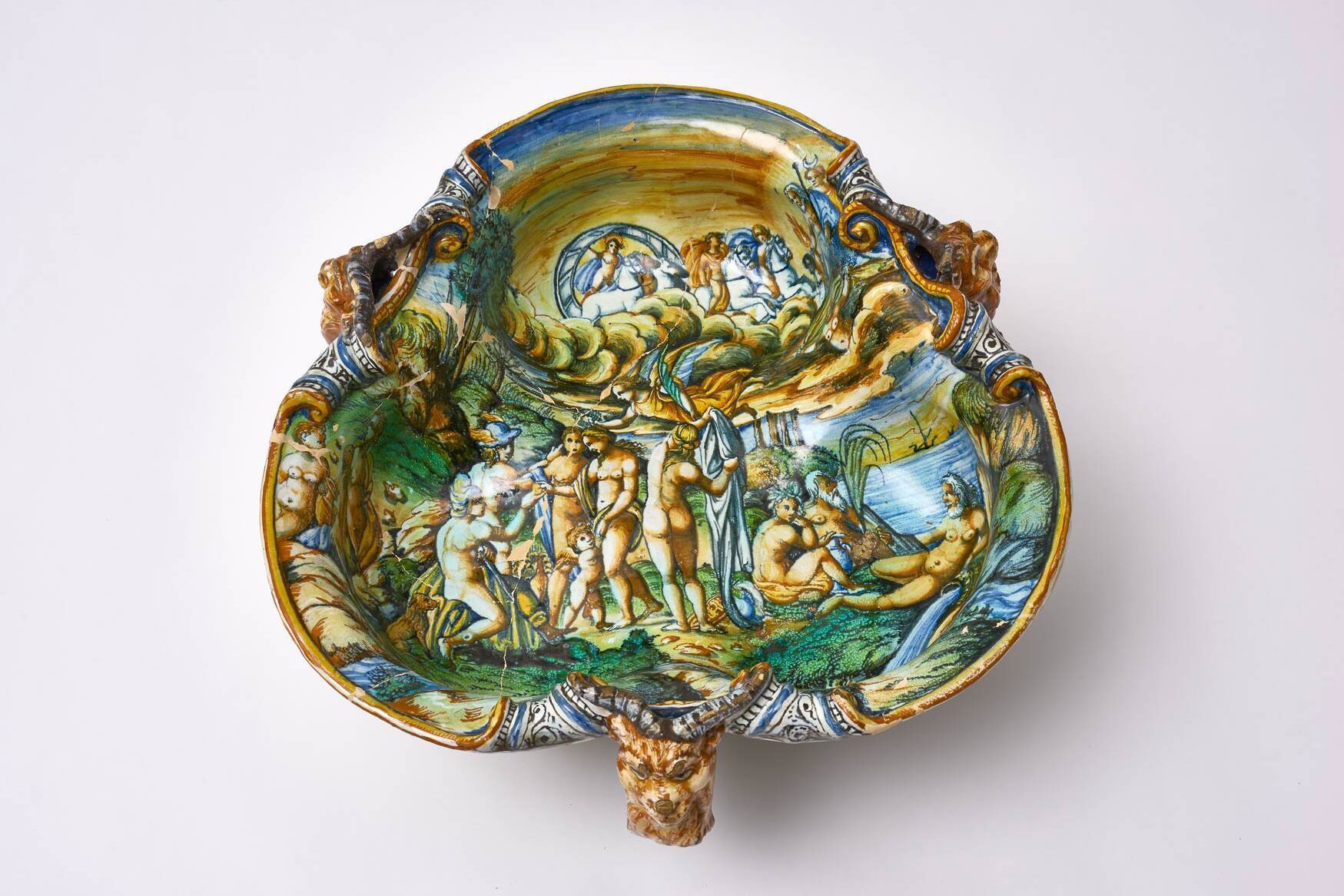
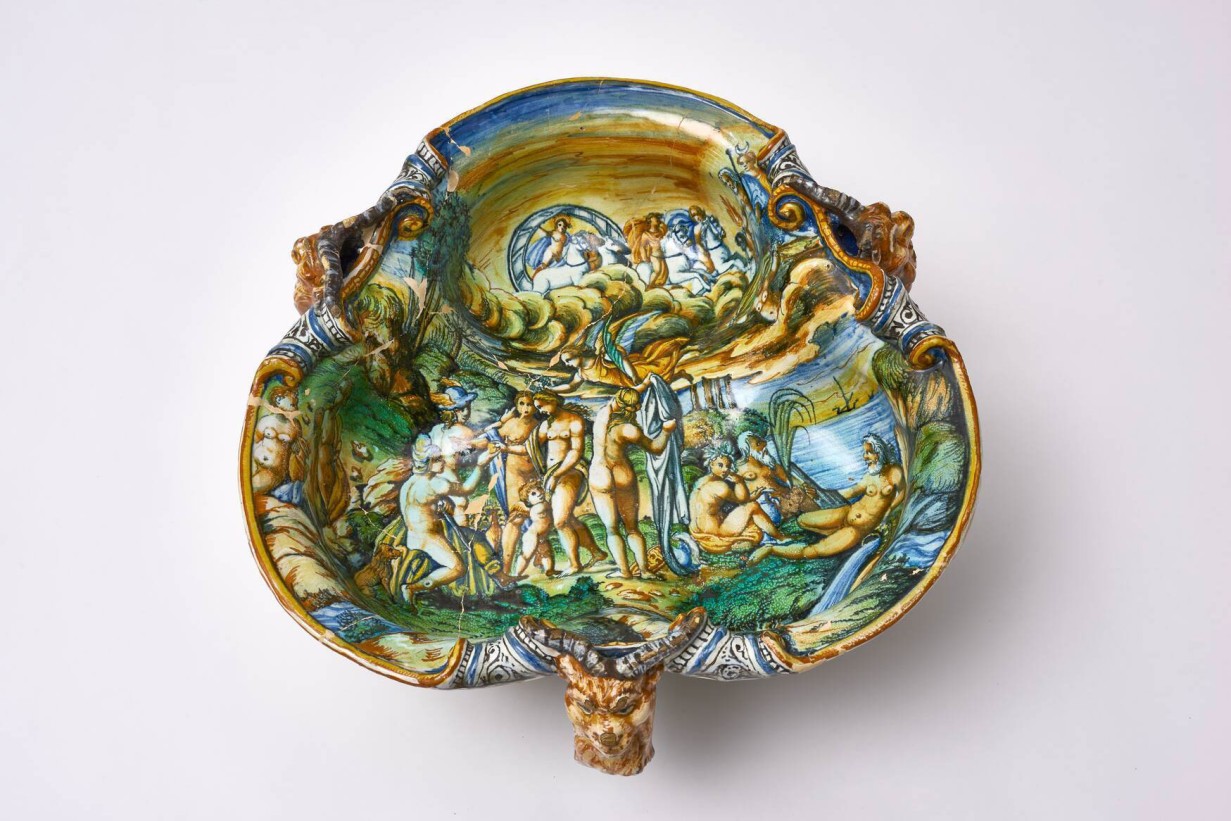
Basin with trefoil foot and handles, “Judgement of Paris,” Urbino, Patanazzi Workshop, ca. 1560-90, MAK KHM 43 © MAK/Georg Mayr
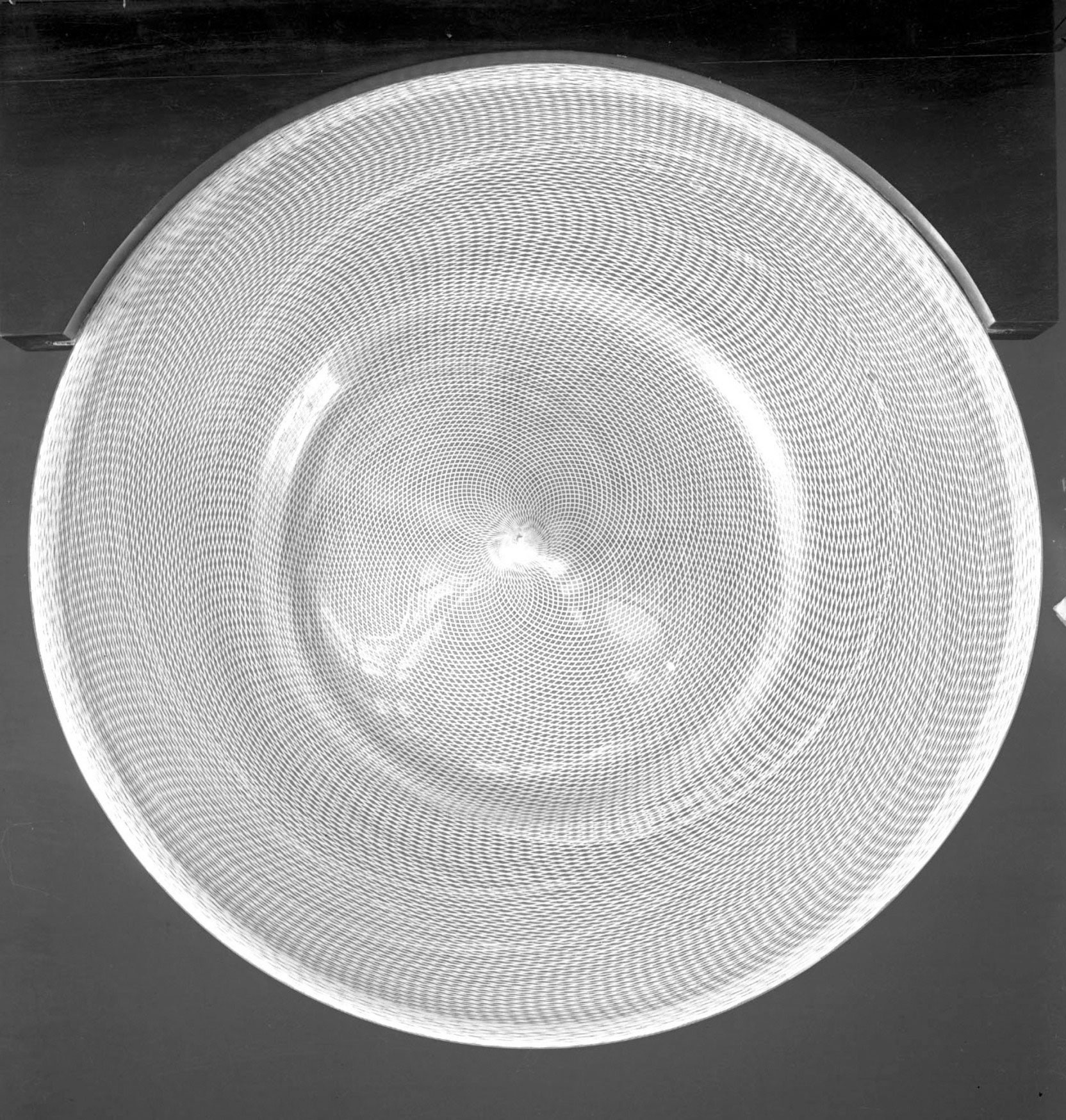
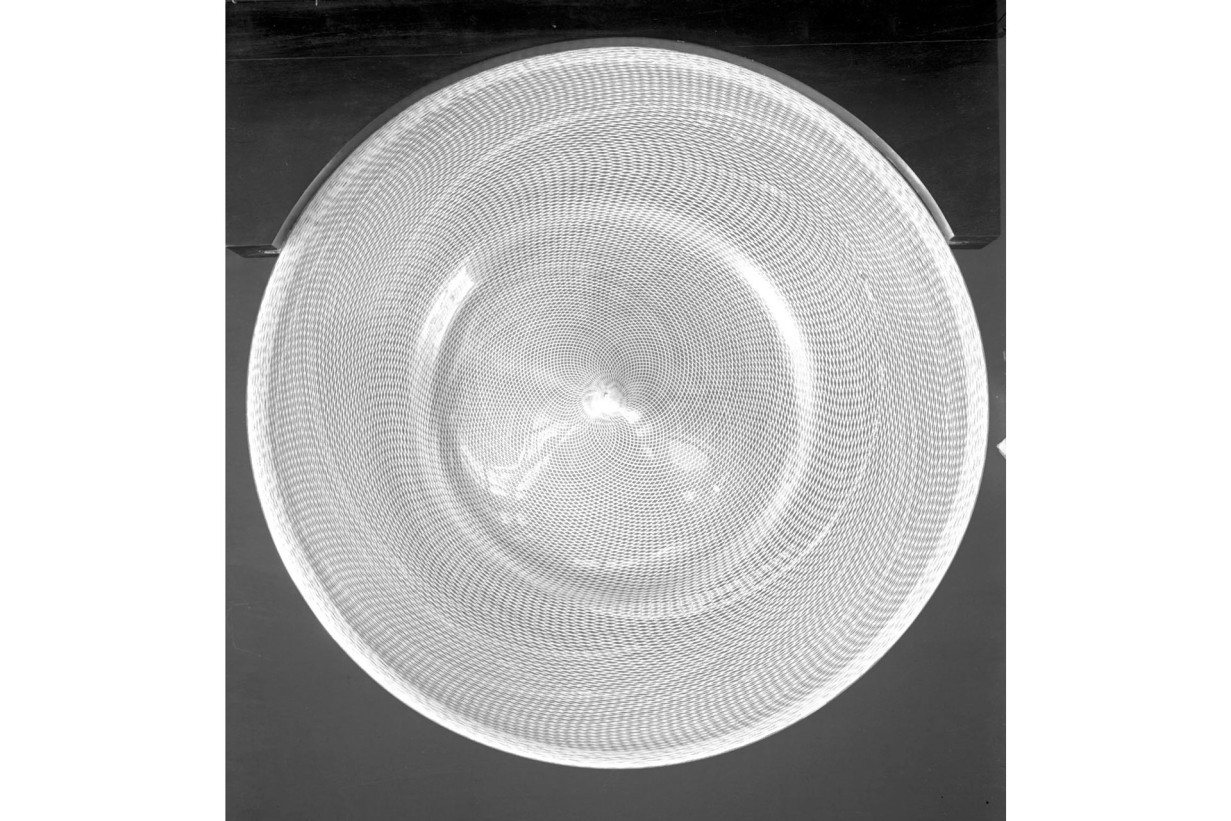
Large reticello glass plate, Venice, 16th century, MAK KHM 329 © MAK/Georg Mayr
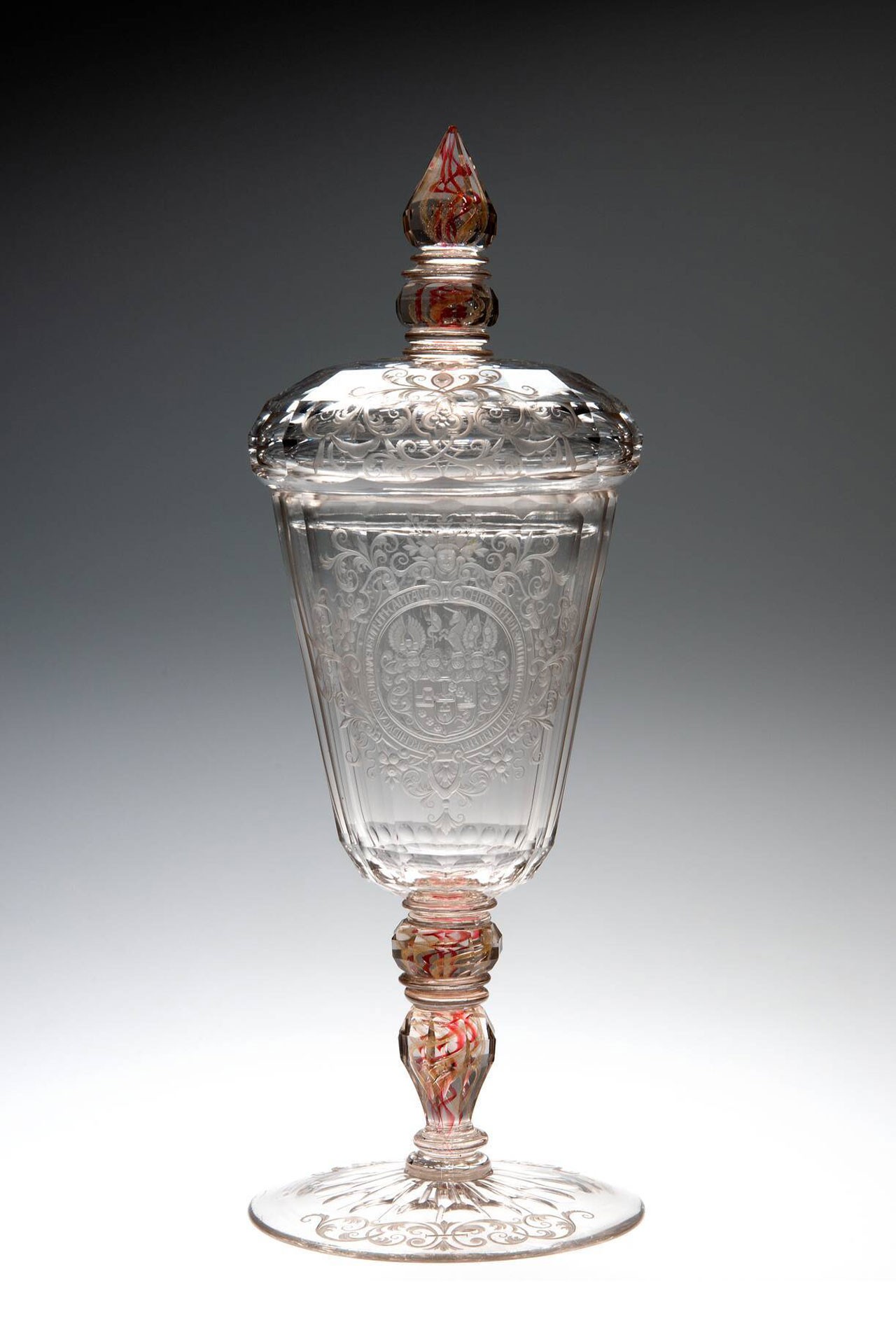
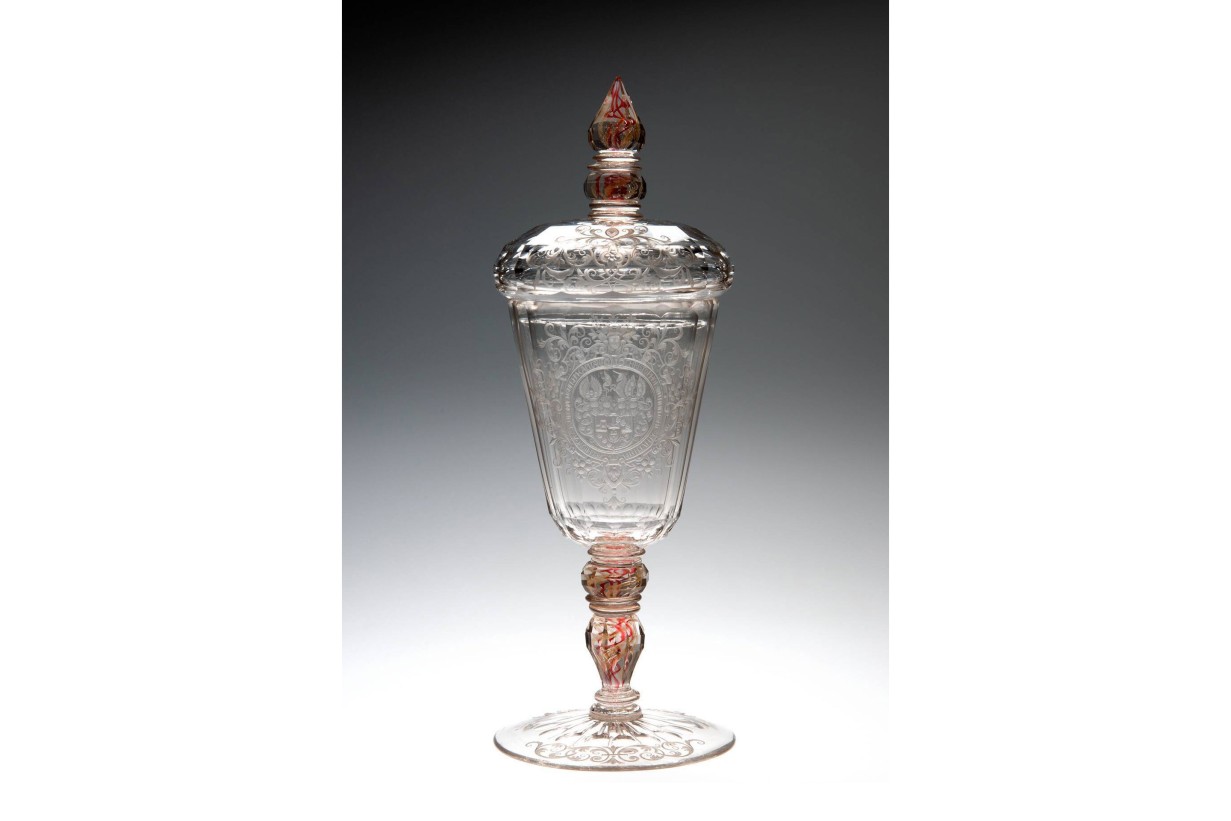
Lidded goblet with coat of arms, Bohemia, ca. 1720, MAK Gl 172 © MAK/Georg Mayr
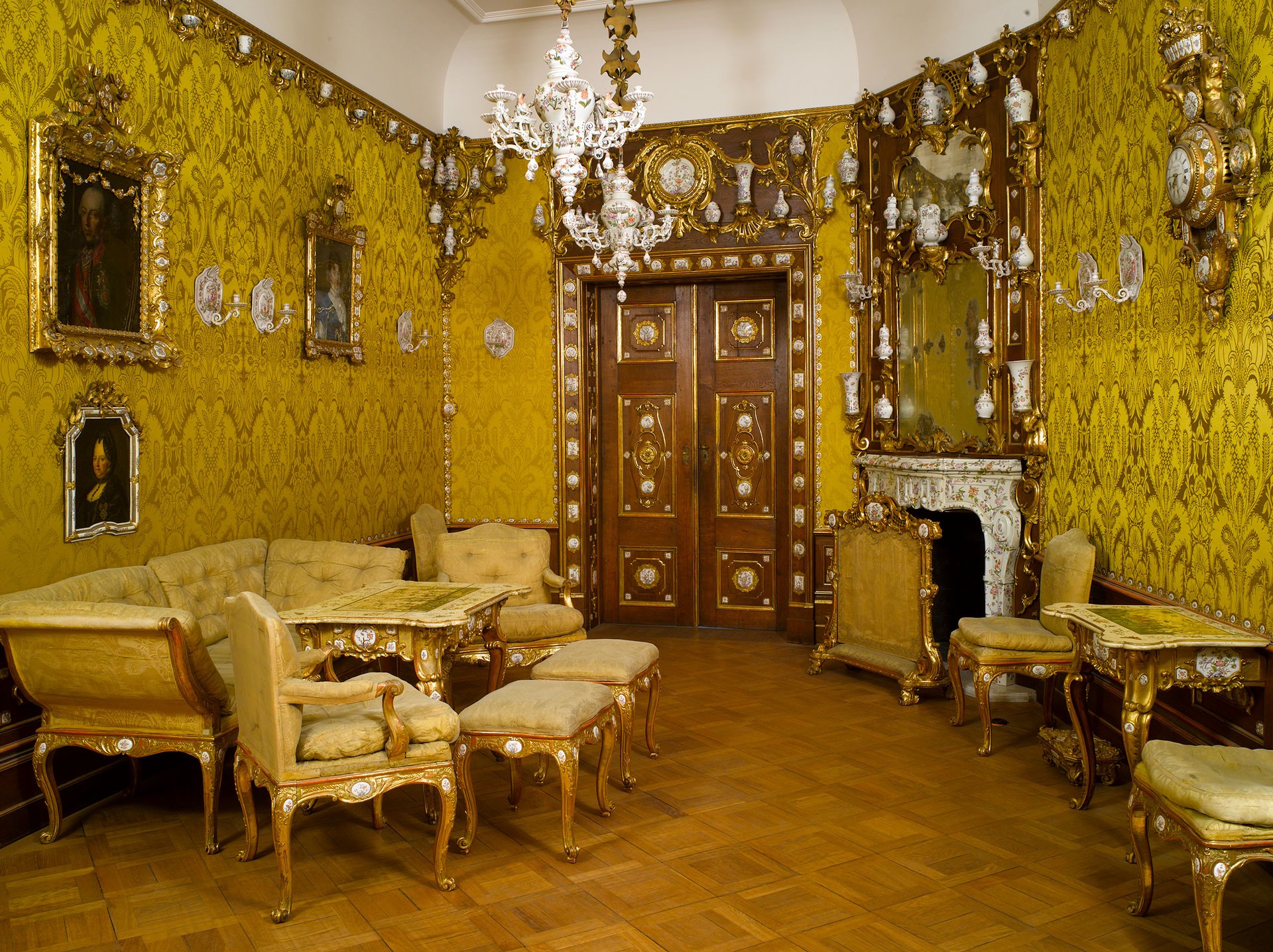
Porcelain chamber at Palais Dubsky in Brno, Du Pacquier Porcelain Manufactory, Vienna, ca. 1740, MAK KE 6201/1912 © MAK/Georg Mayr
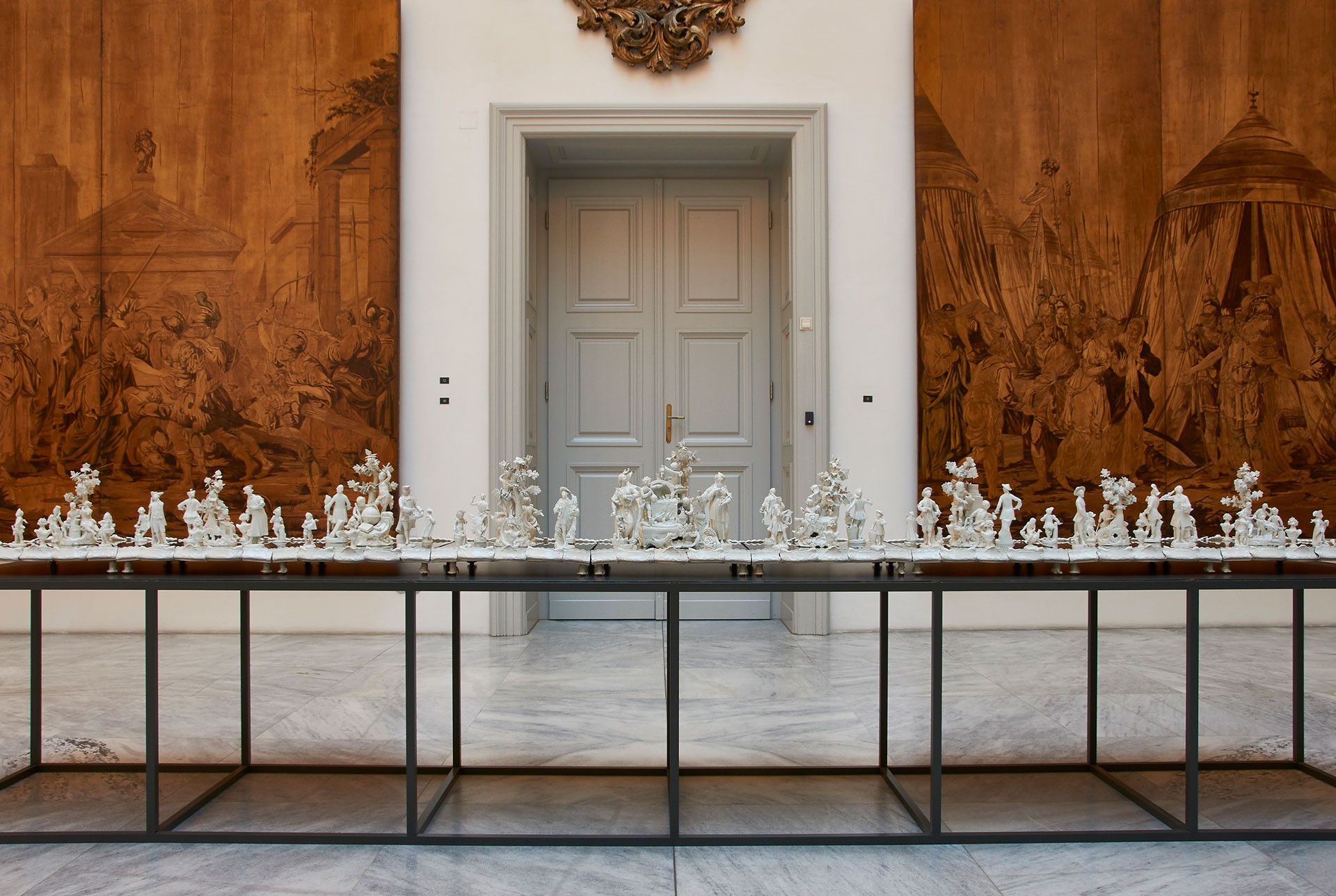
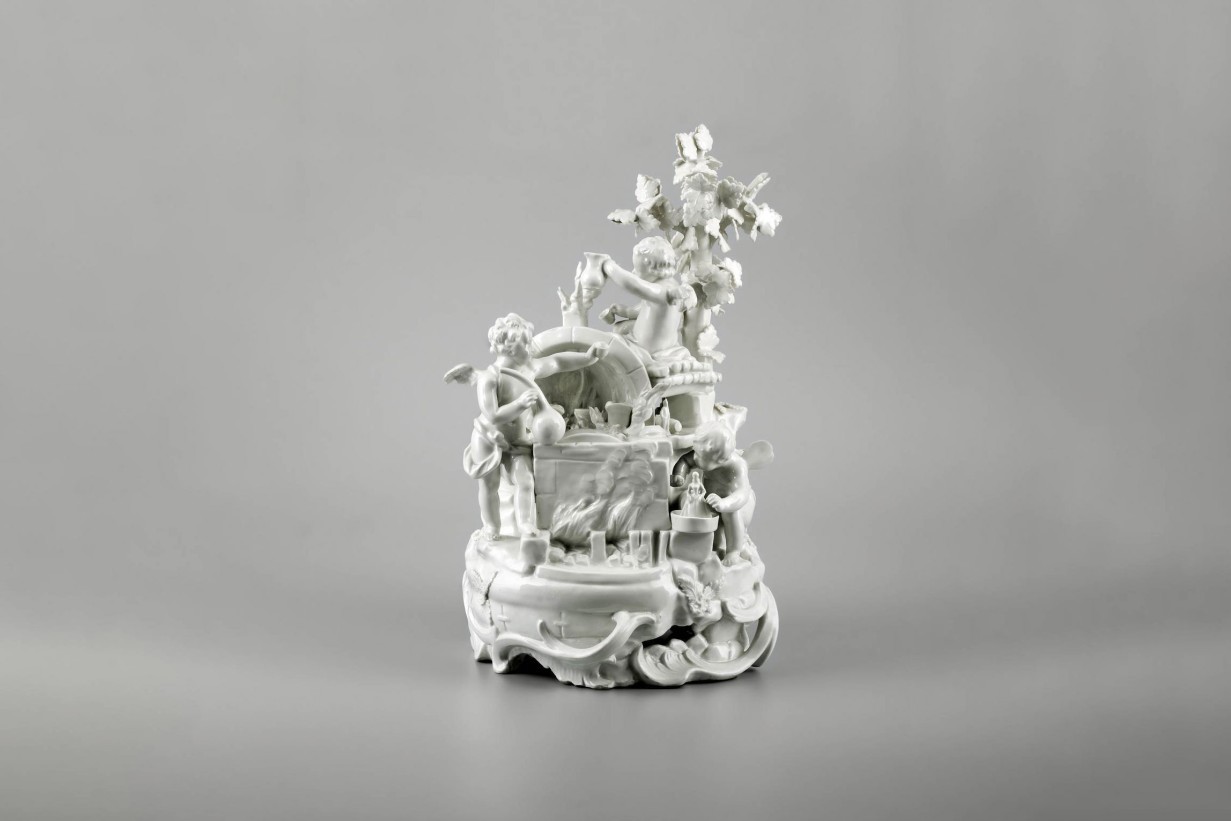
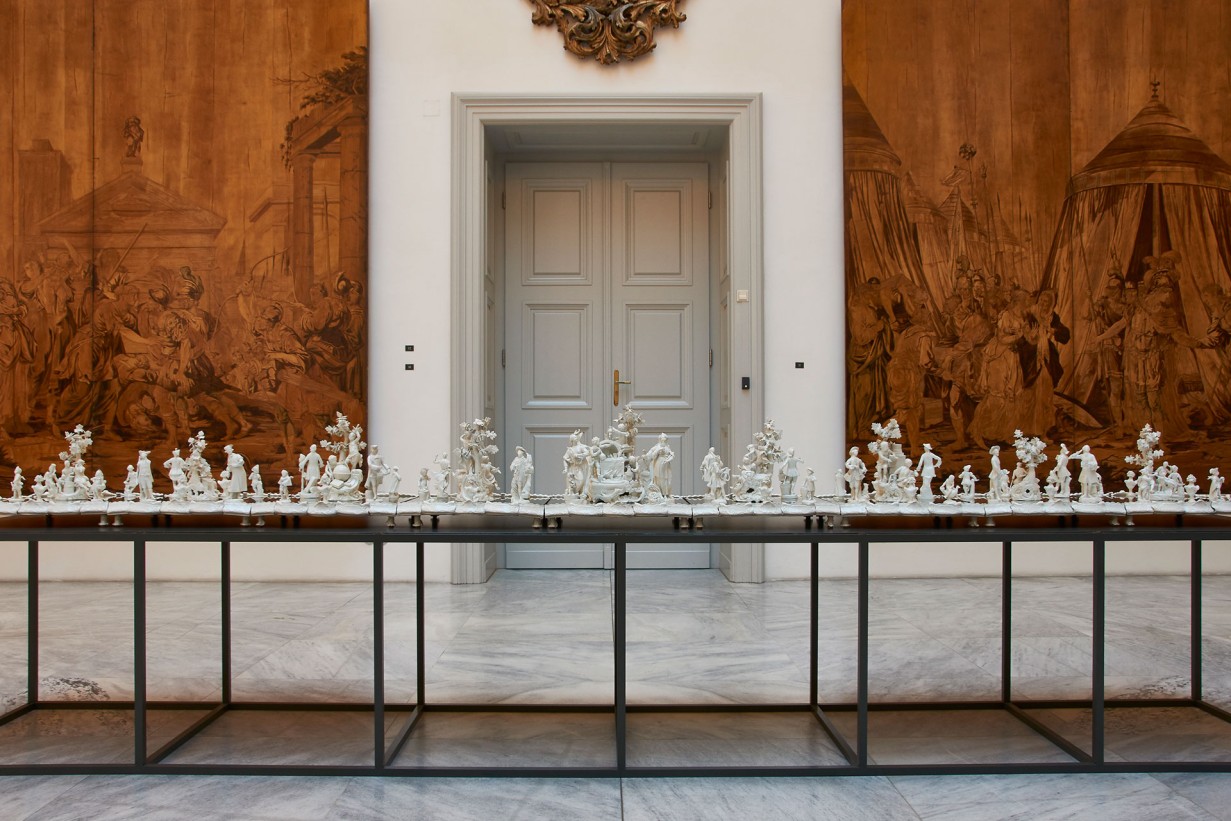
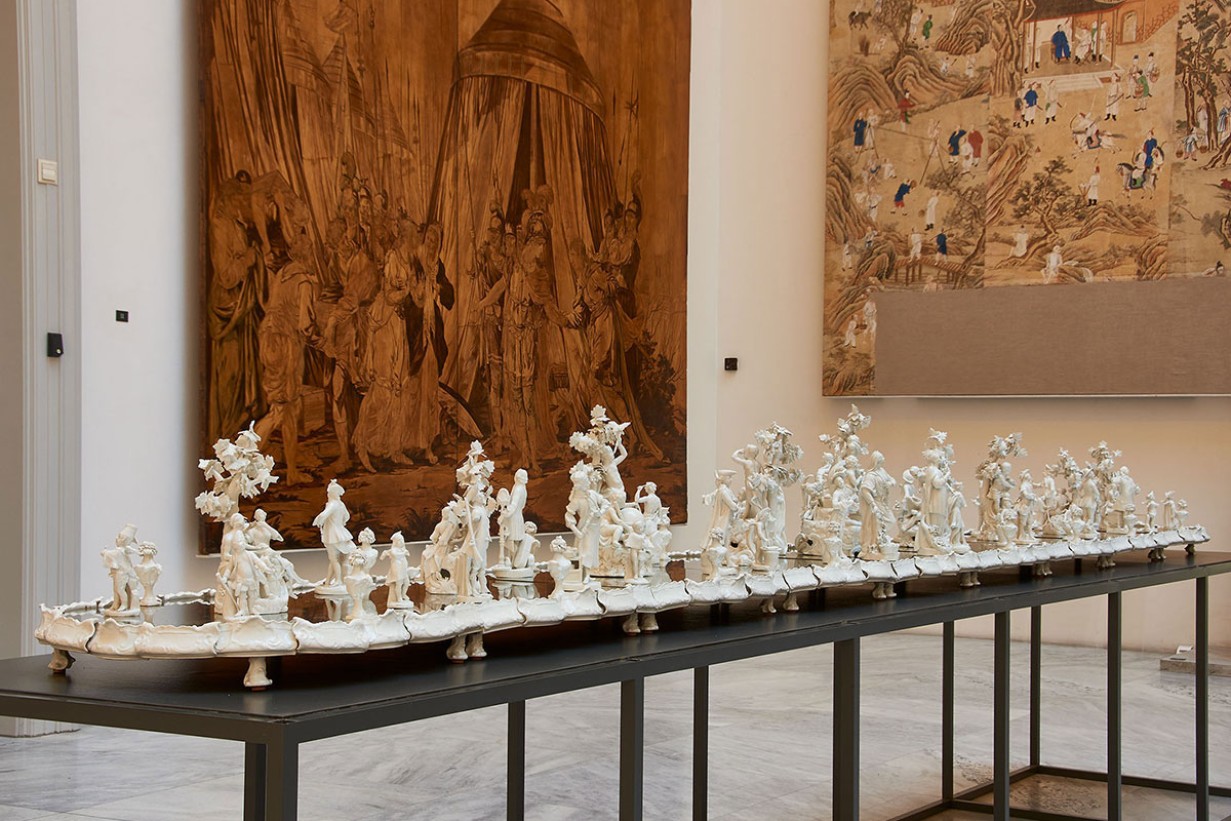
So-called Zwettl Centerpiece, Vienna Porcelain Manufactory, Vienna, 1768, porcelain, MAK KE 6823 / 1926 © MAK/Georg Mayr
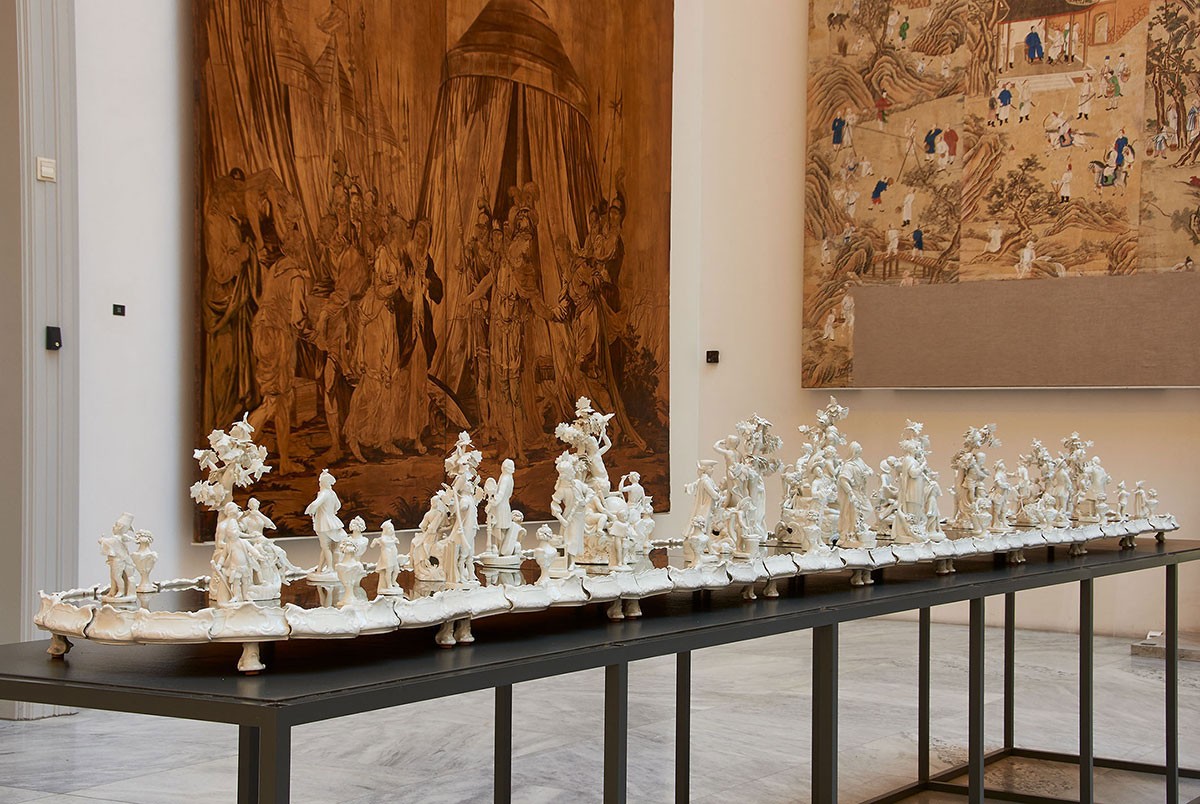
So-called Zwettl Centerpiece, Vienna Porcelain Manufactory, Vienna, 1768, porcelain, MAK KE 6823 / 1926 © MAK/Georg Mayr
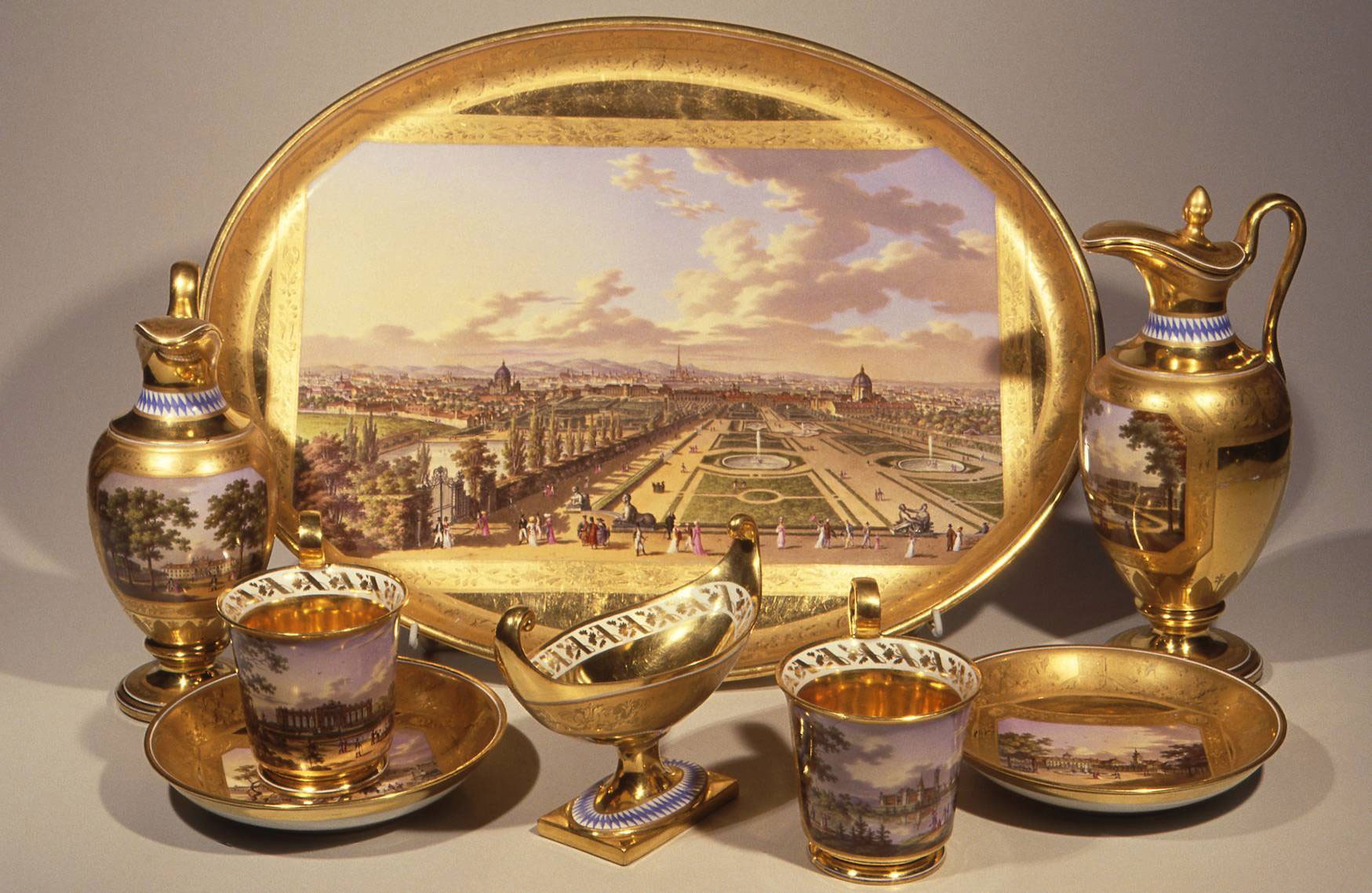
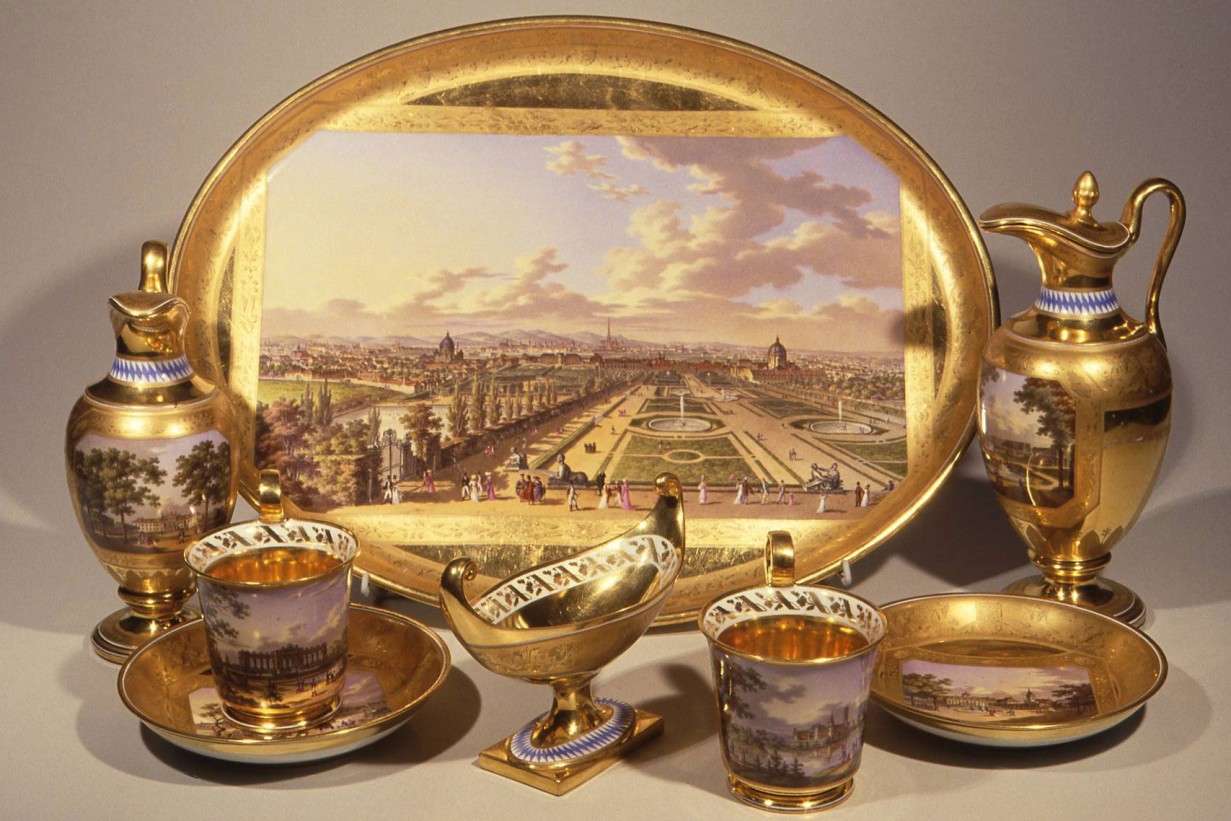
Dejeuner, breakfast service, Vienna Porcelain Manufactory, Vienna, 1817-18, MAK KHM 267/1940 © MAK/Georg Mayr
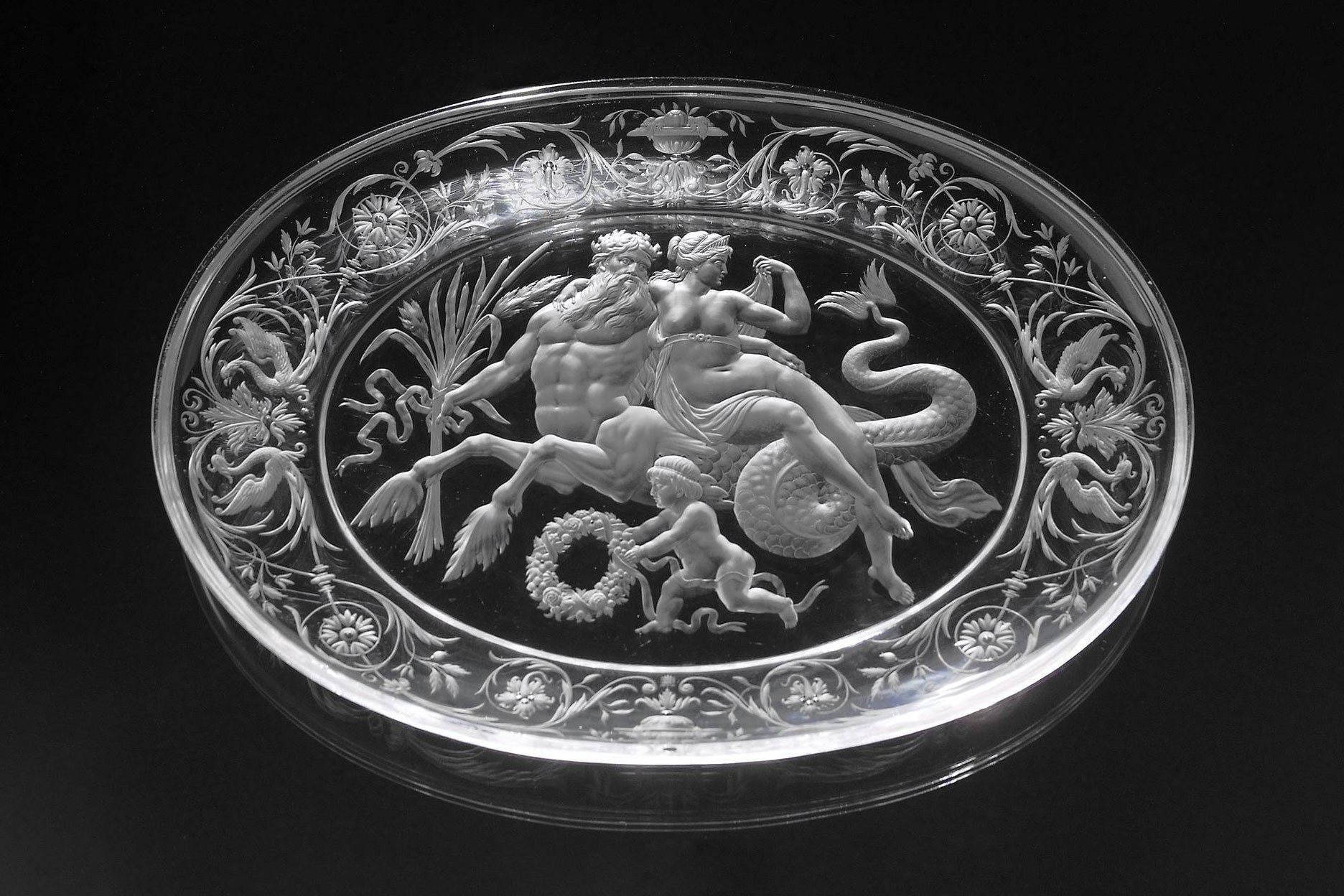
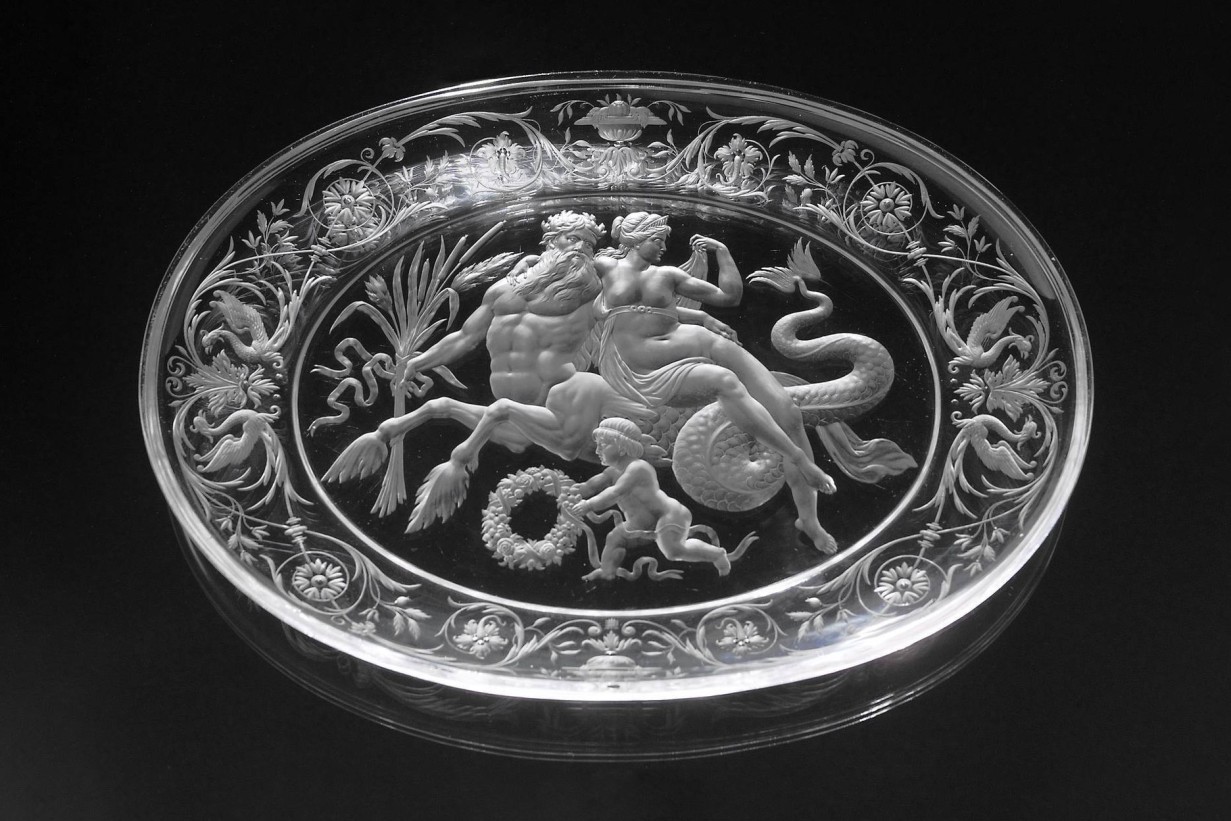
Oval platter with Triton und Nereids, August Eisenmenger, Josef Storck, Carl Pietsch for J. & L. Lobmeyr, before 1880, MAK, GL 1517 © MAK/Georg Mayr
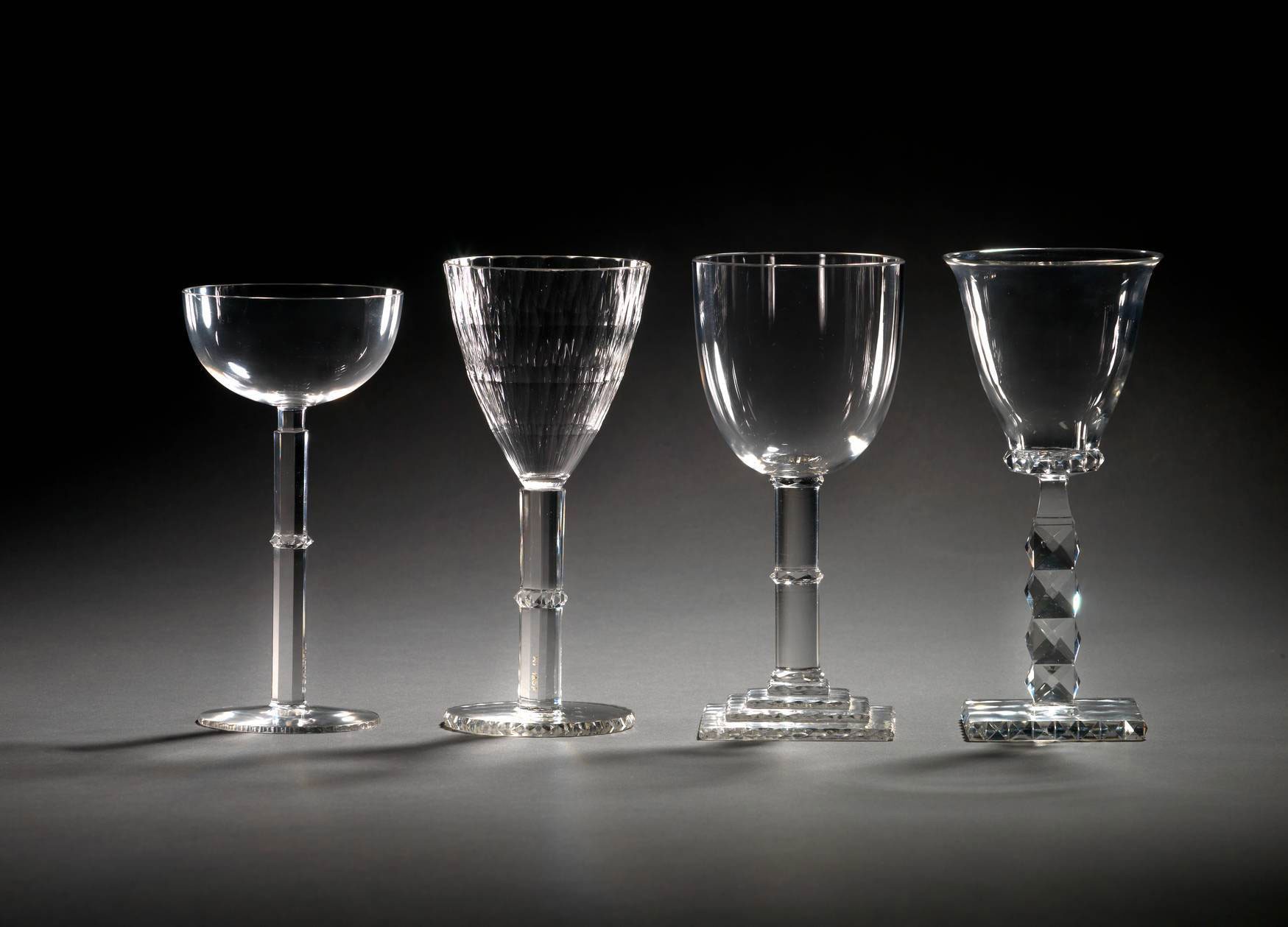
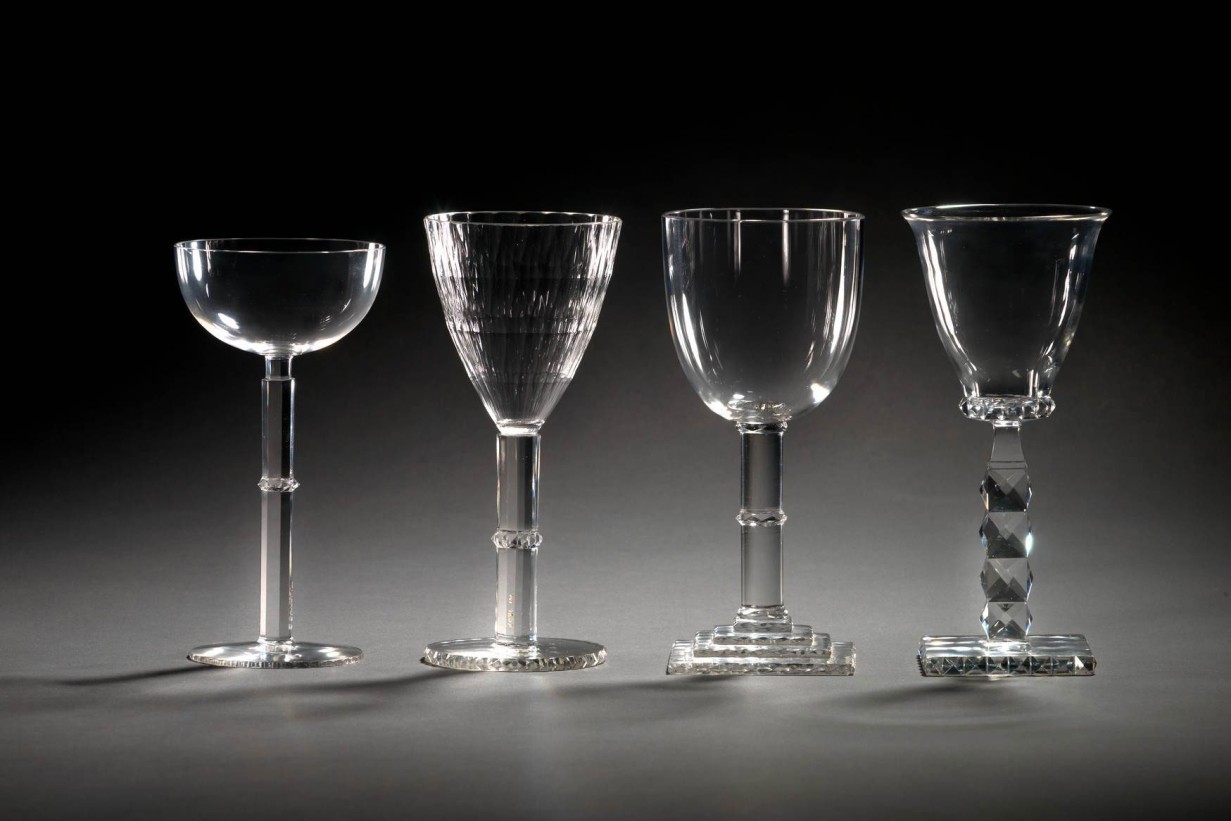
Josef Hoffmann, four goblets, J. & L. Lobmeyr, 1913, MAK WI 1630/1-4 © MAK/Georg Mayr
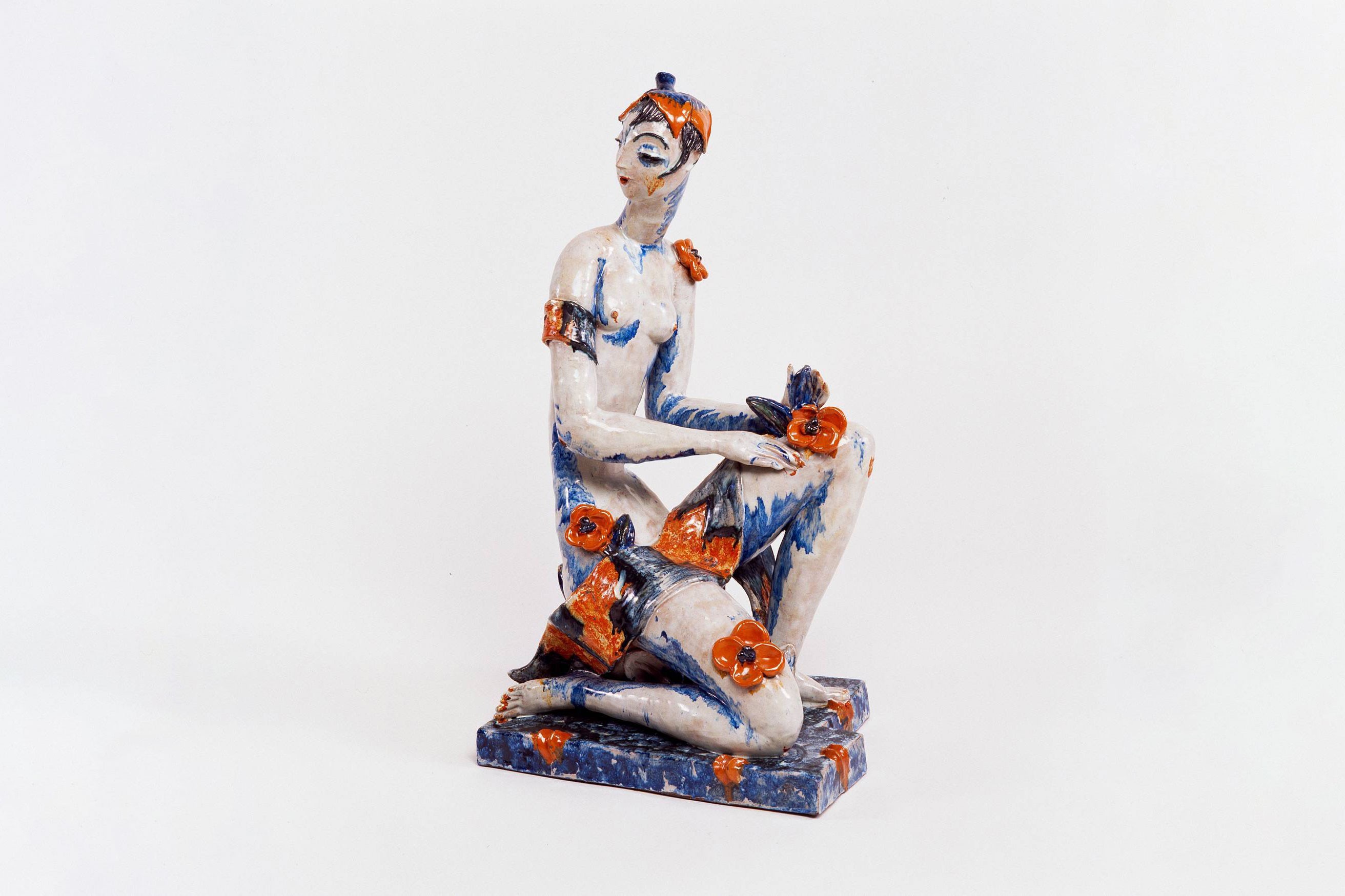
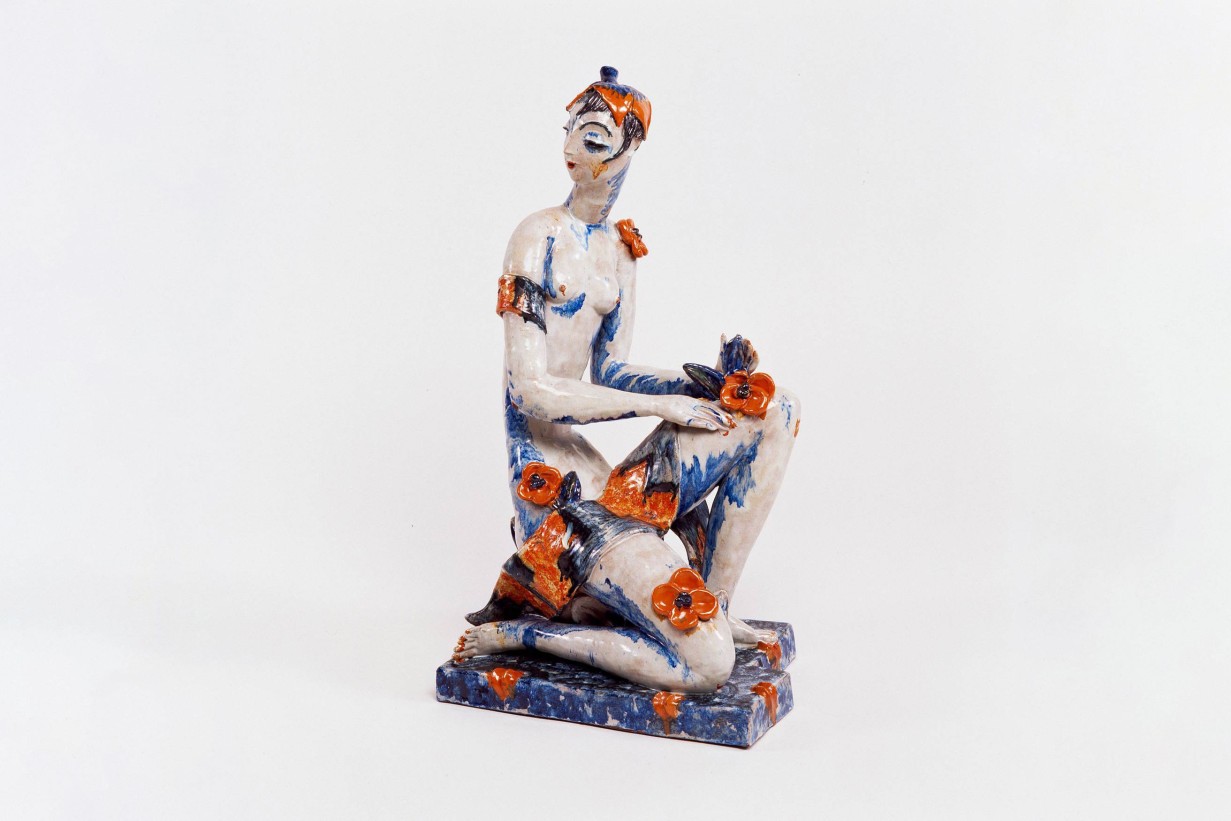
Vally Wieselthier, “Flora,” 1918, ceramic, glazed, MAK KE 7237 © MAK/Georg Mayr
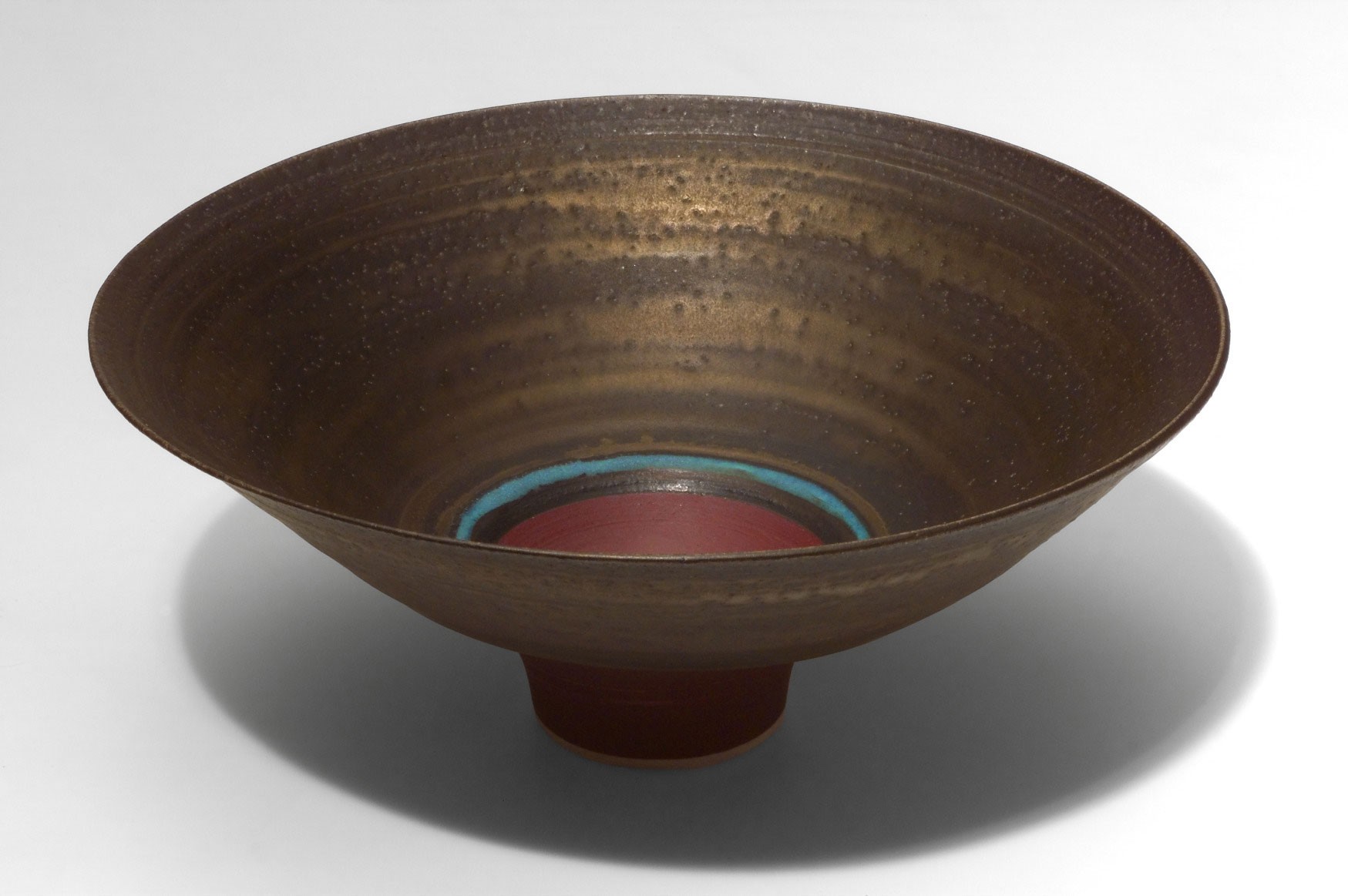
Lucie Rie, bowl, 1977, ceramic, glazed, MAK KE 10641 © MAK/Georg Mayr
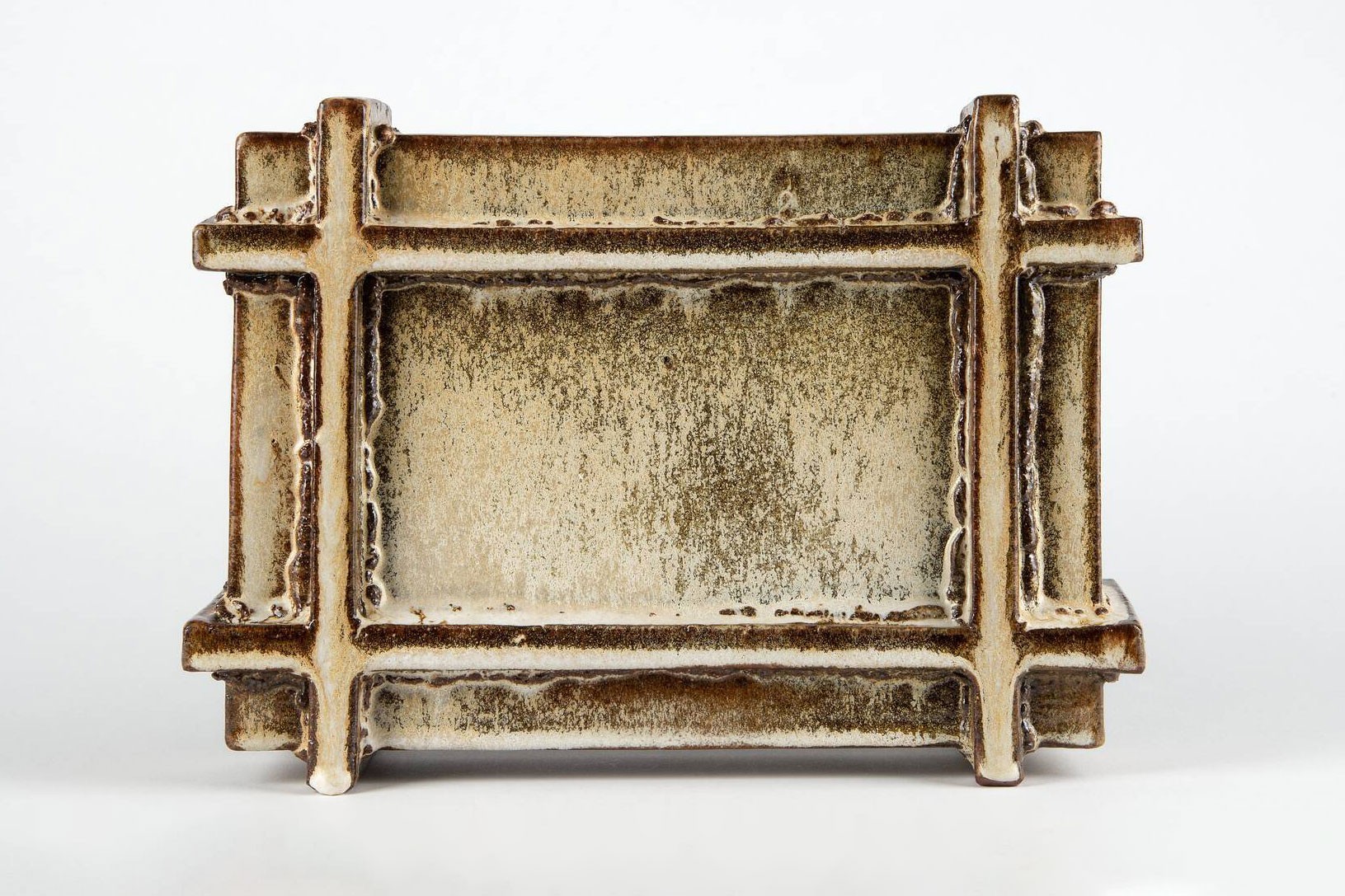
Franz-Josef Altenburg, object, 1983, MAK KE 10335 © MAK/Georg Mayr
Exhibitions