Metal Collection and Wiener Werkstätte Archive
Curator: Anne-Katrin Rossberg
© MAK
© MAK
© MAK
© MAK
© MAK
© MAK
© MAK
© MAK
© MAK
© MAK
© MAK
© MAK
© MAK
Previous Image
The MAK Metal Collection comprises around 12,000 objects. Most of the objects are historical and were made in the European cultural area, including tools from the Middle Ages as well as valuable Renaissance jewelry, measuring instruments, Biedermeier clocks, and Viennese silver from the 19th and 20th centuries.
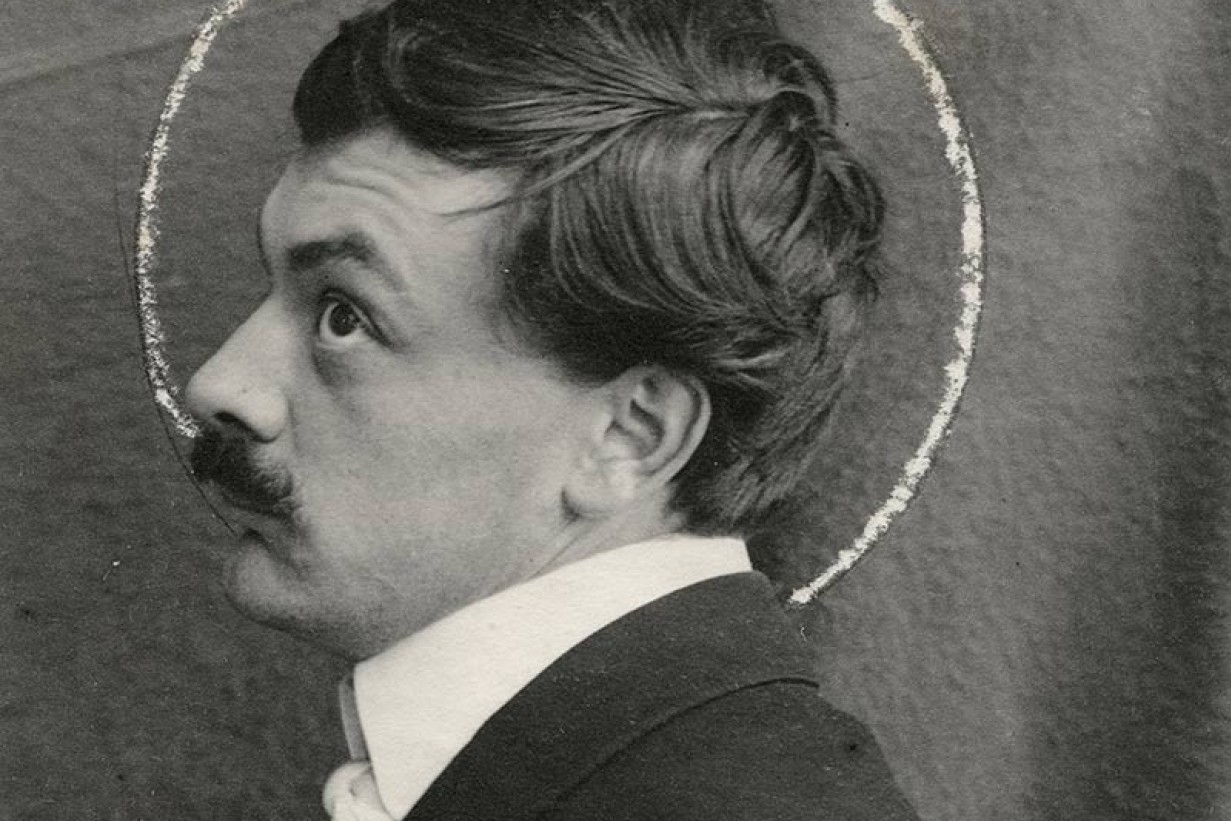
Further— literal—highlights are the metal objects from the Wiener Werkstätte based on designs by its founders Josef Hoffmann and Koloman Moser as well as by Dagobert Peche.
Figdor Collection, Dining Culture, and Wiener Werkstätte
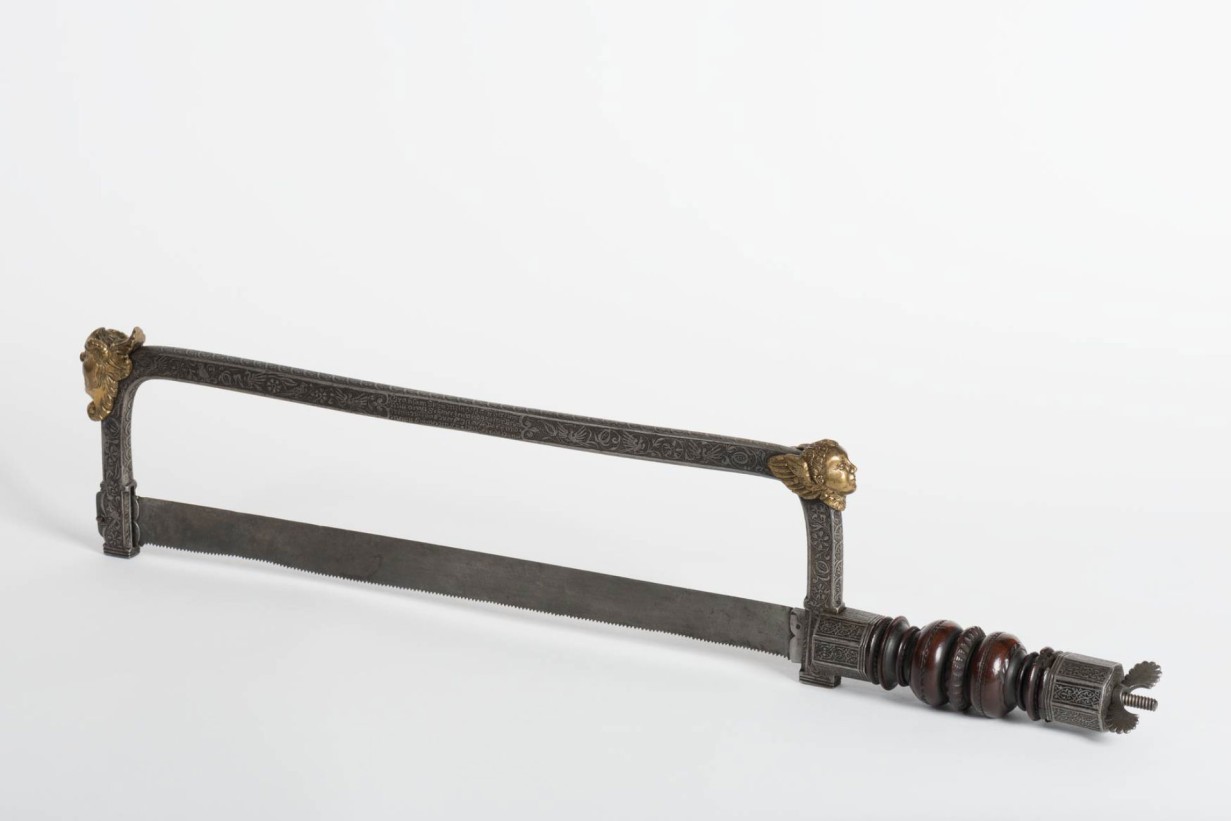
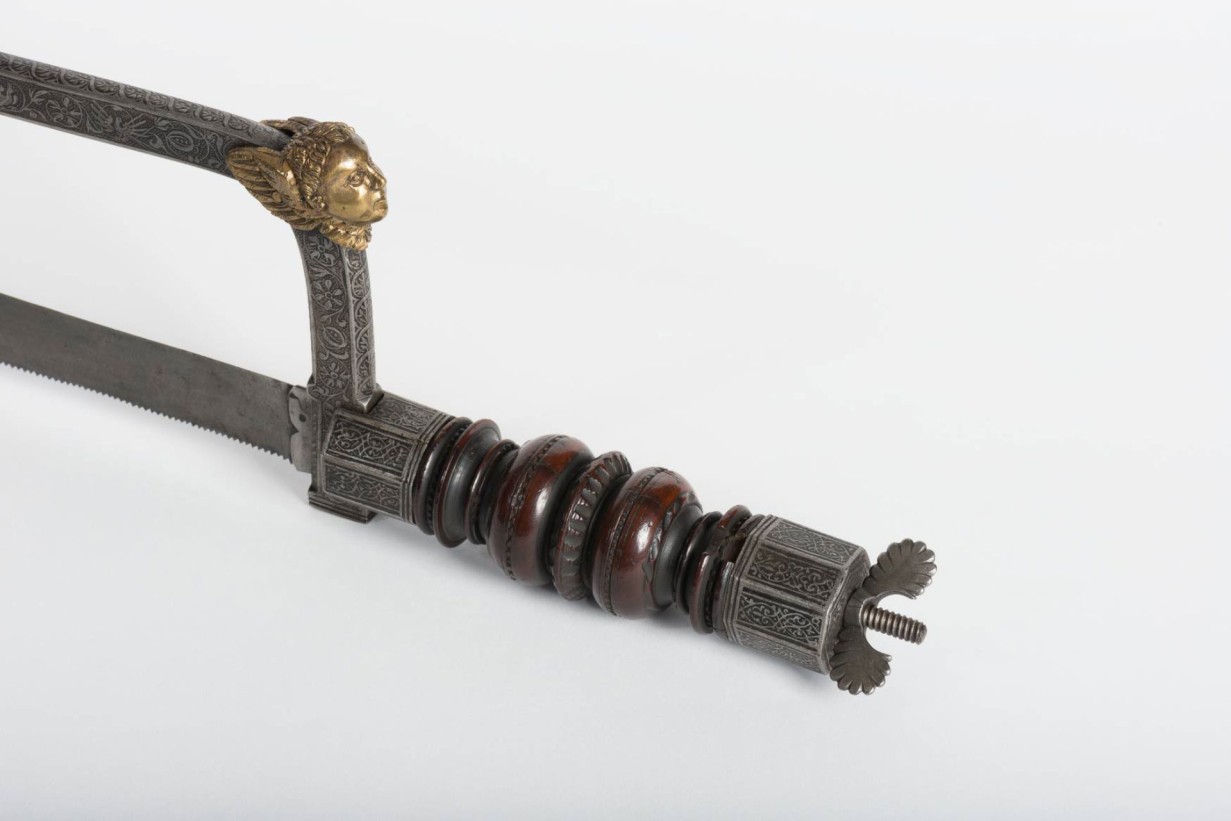
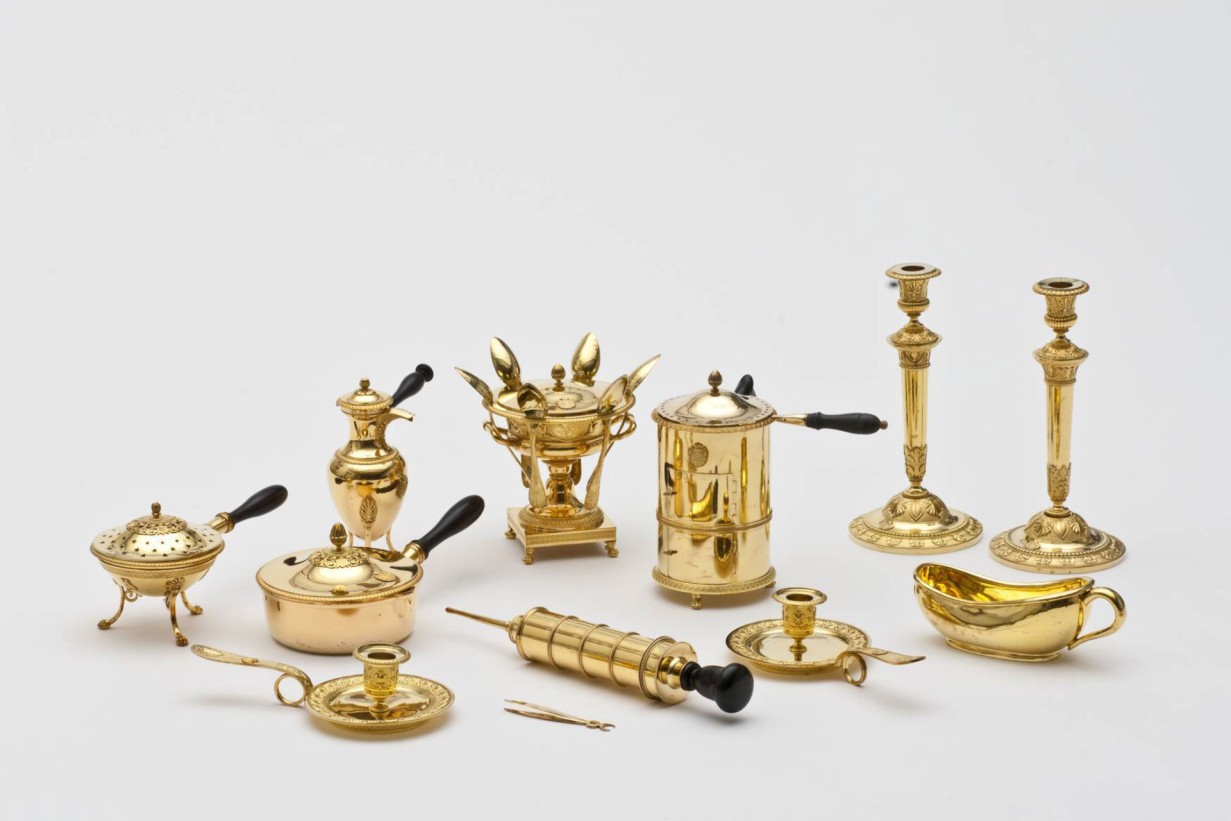
The amputation saw mentioned is one of around 1,000 metal works from the collection of the Viennese banker Albert Figdor and joined the museum in 1935. An important part of the Collection are objects belonging to the dining culture. They reflect the zeitgeist of the respective era. For example, the 17th century saw an increase in popularity of drinks such as tea, coffee, and chocolate, for which new types of vessels were developed. A highlight of the Collection is the Duke of Reichstadt’s gilt traveling service, which ensured the owner’s physical well-being with a cocoa pot and sugar bowl as well as a chamber pot and enema syringe.Further— literal—highlights are the metal objects from the Wiener Werkstätte based on designs by its founders Josef Hoffmann and Koloman Moser as well as by Dagobert Peche.
Renaissance Jewelry, Cast Iron, and Author Jewelry
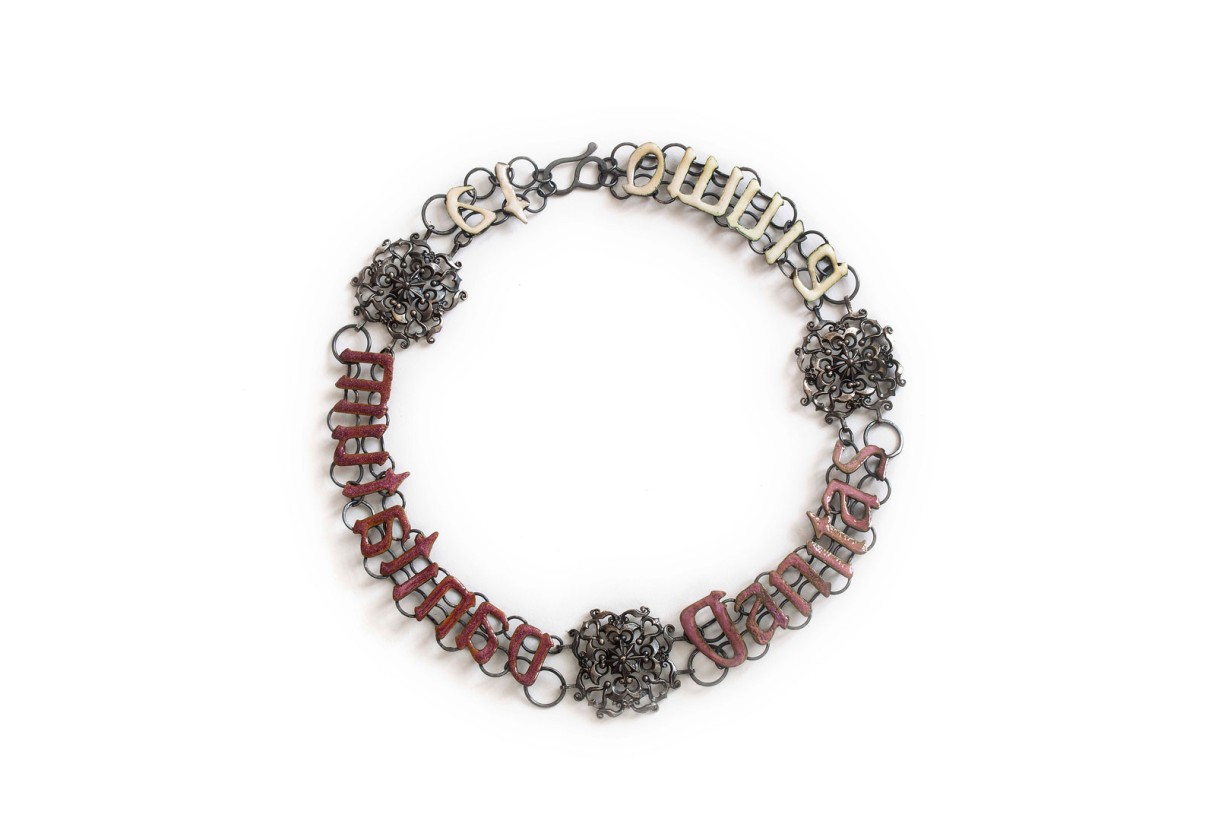
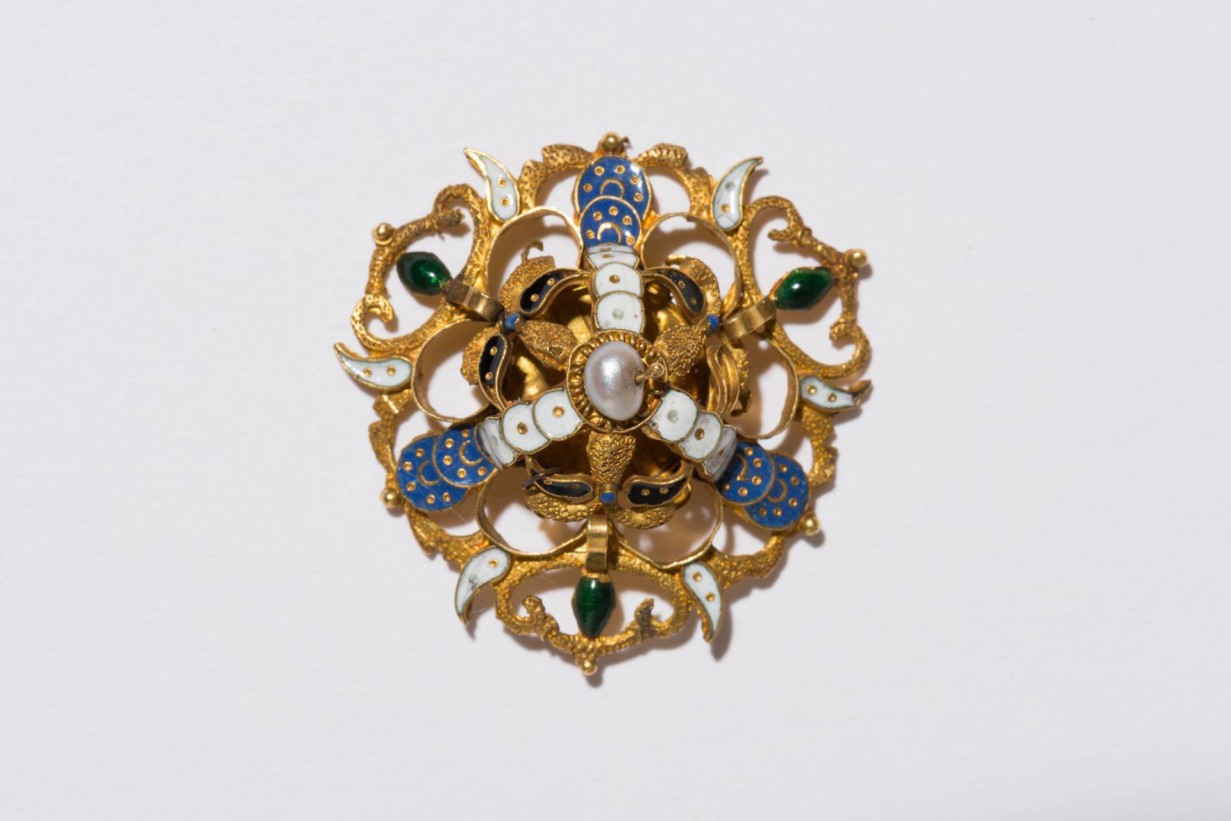
The so-called “Haller Schmuck” (Halle Jewelry) from the late 16th century is also of particular importance. Once jewelry on a wedding dress, it was later used as decoration for religious objects. In addition, there is also jewelry made of cast iron, a specialty of the 19th century. The artistic implementation determined the value of the black objects made of inferior material. Significant holdings were donated to the museum by Bertha Pappenheim, an important collector, patron, and women's rights activist. The so-called author jewelry brings the Collection into the present. The radical evolution of jewelry in Austria since the 1960s is reflected in works by artists such as Peter Skubic, Anna Heindl, Fritz Maierhofer, or Susanne Hammer.Wiener Werkstätte Archive
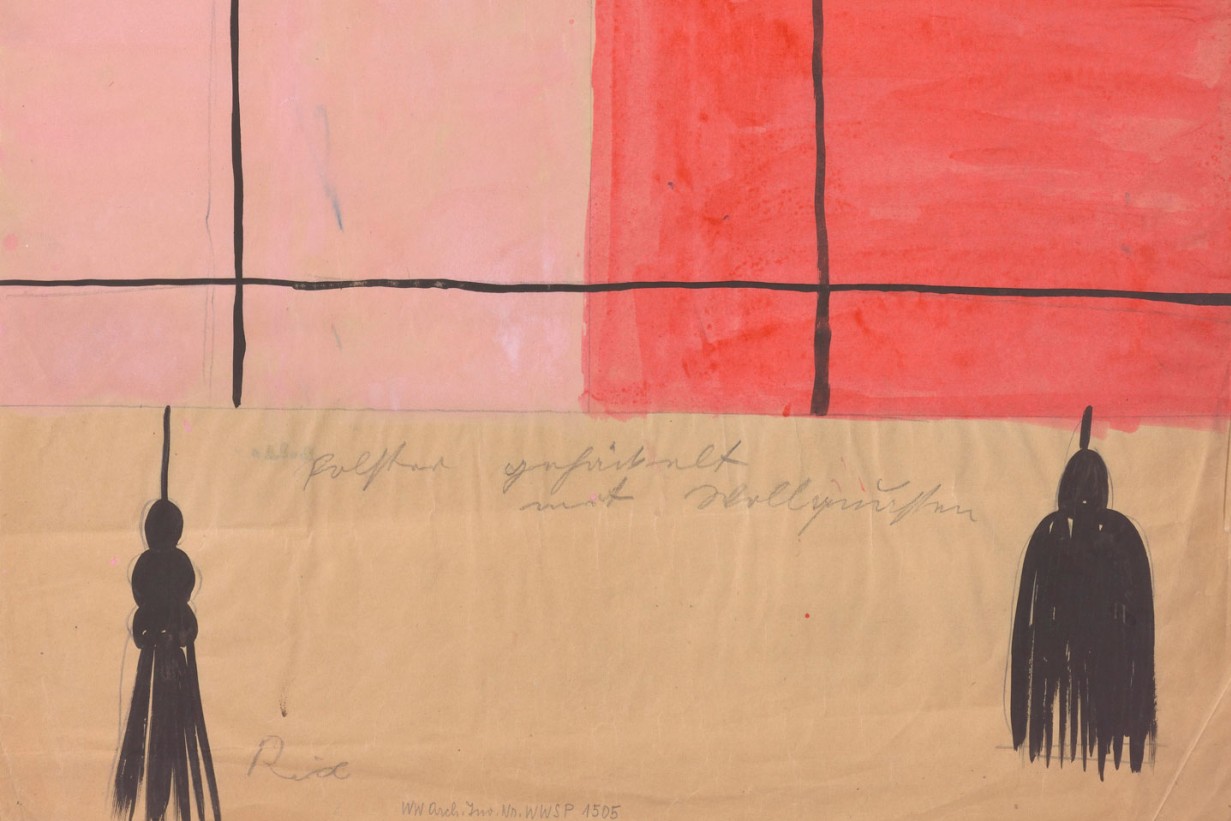
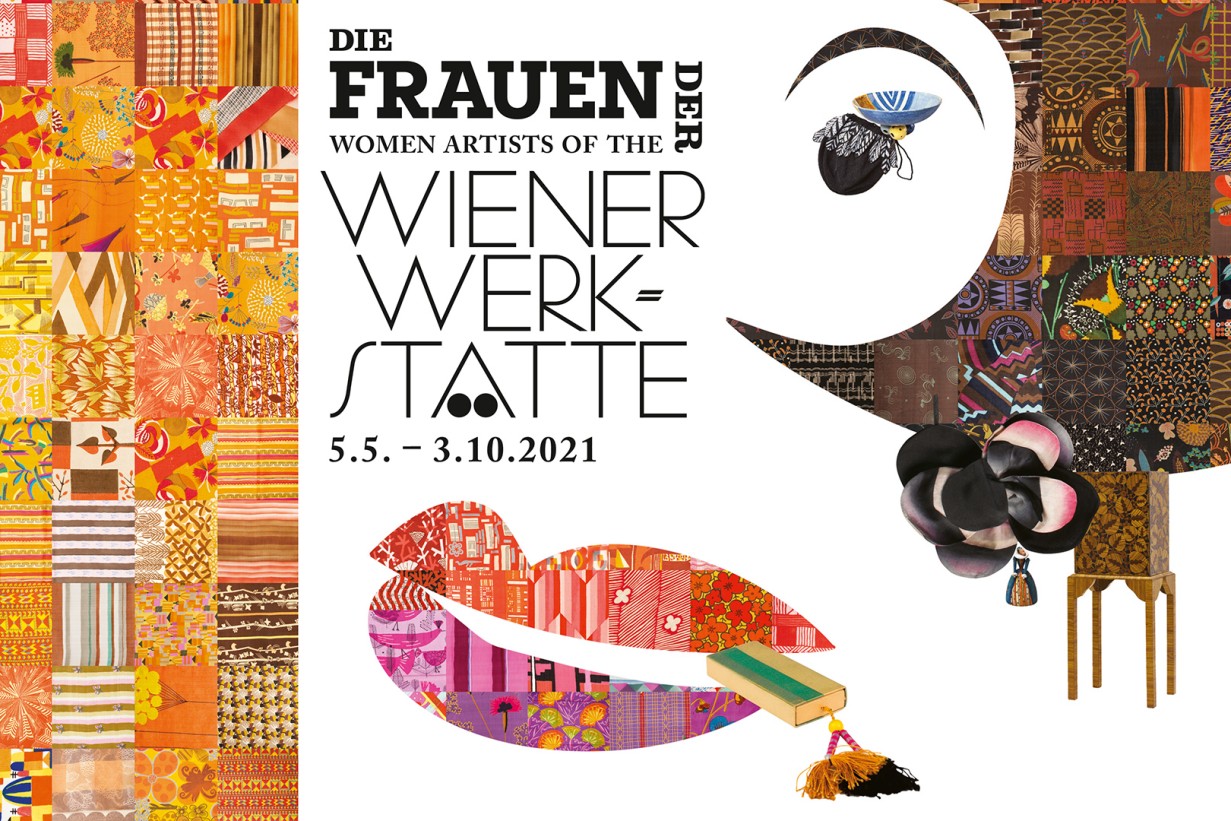
In 1955, the Wiener Werkstätte Archive was donated to the MAK. It contains roughly 16,000 design sketches, around 20,000 fabric designs, as well as posters, postcards, model books, photo albums, and pieces of business correspondence. The material was the foundation of extensive MAK exhibitions, for example, on Koloman Moser, Josef Hoffmann, or the Women Artists of the Wiener Werkstätte.Media
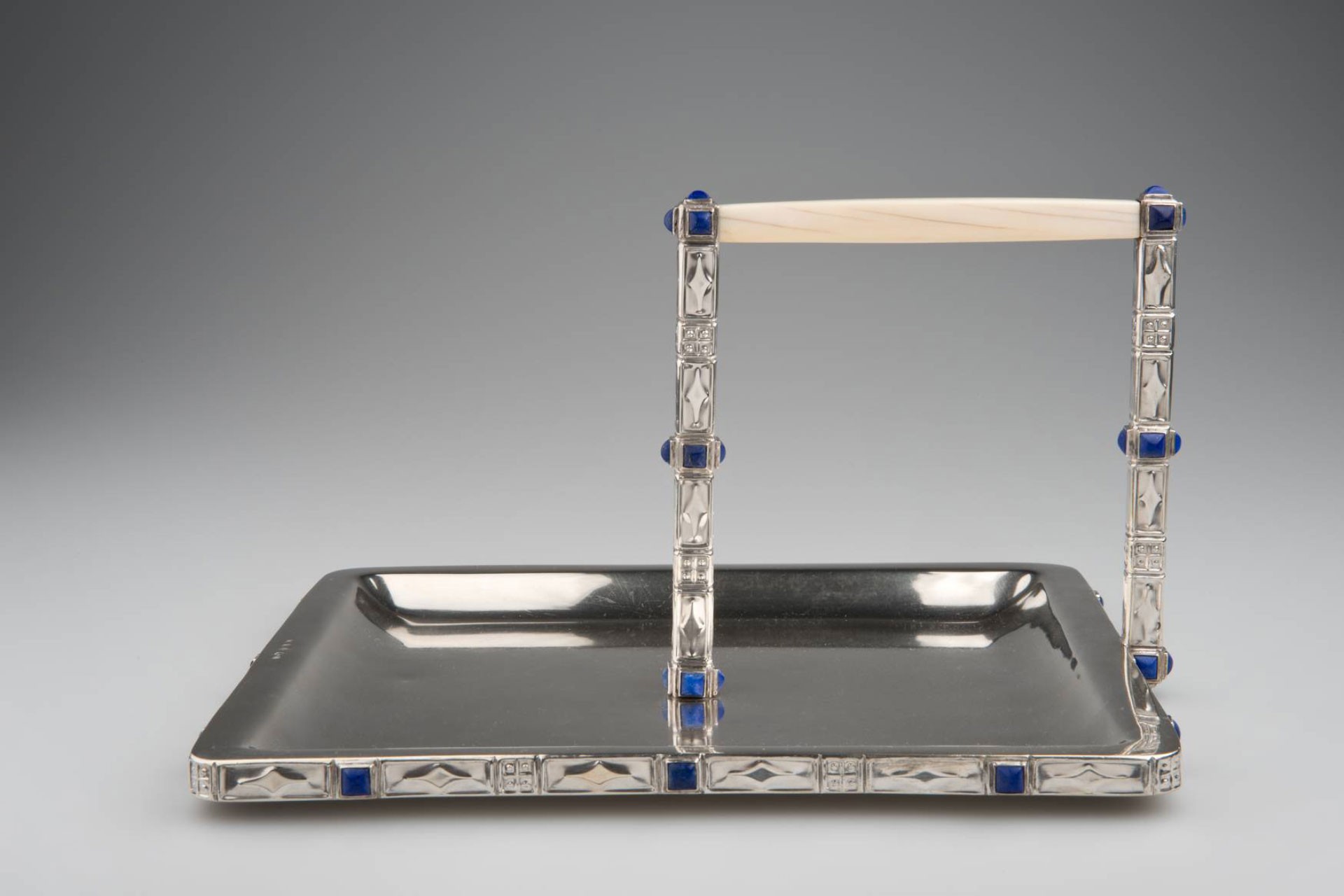
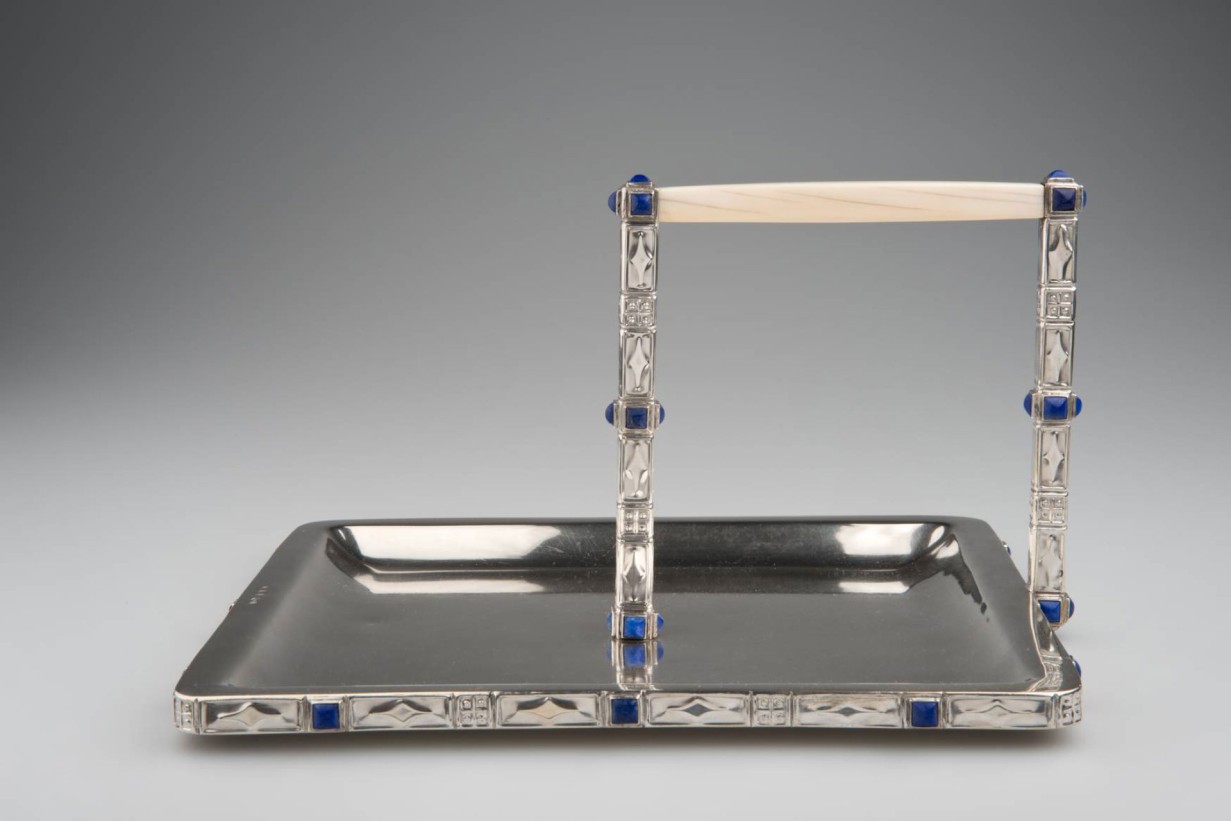
Koloman Moser, serving tray, 1904, execution: Wiener Werkstätte (Alfred Mayer), chased silver, ivory, Lapis lazuli, GO 2007 © MAK
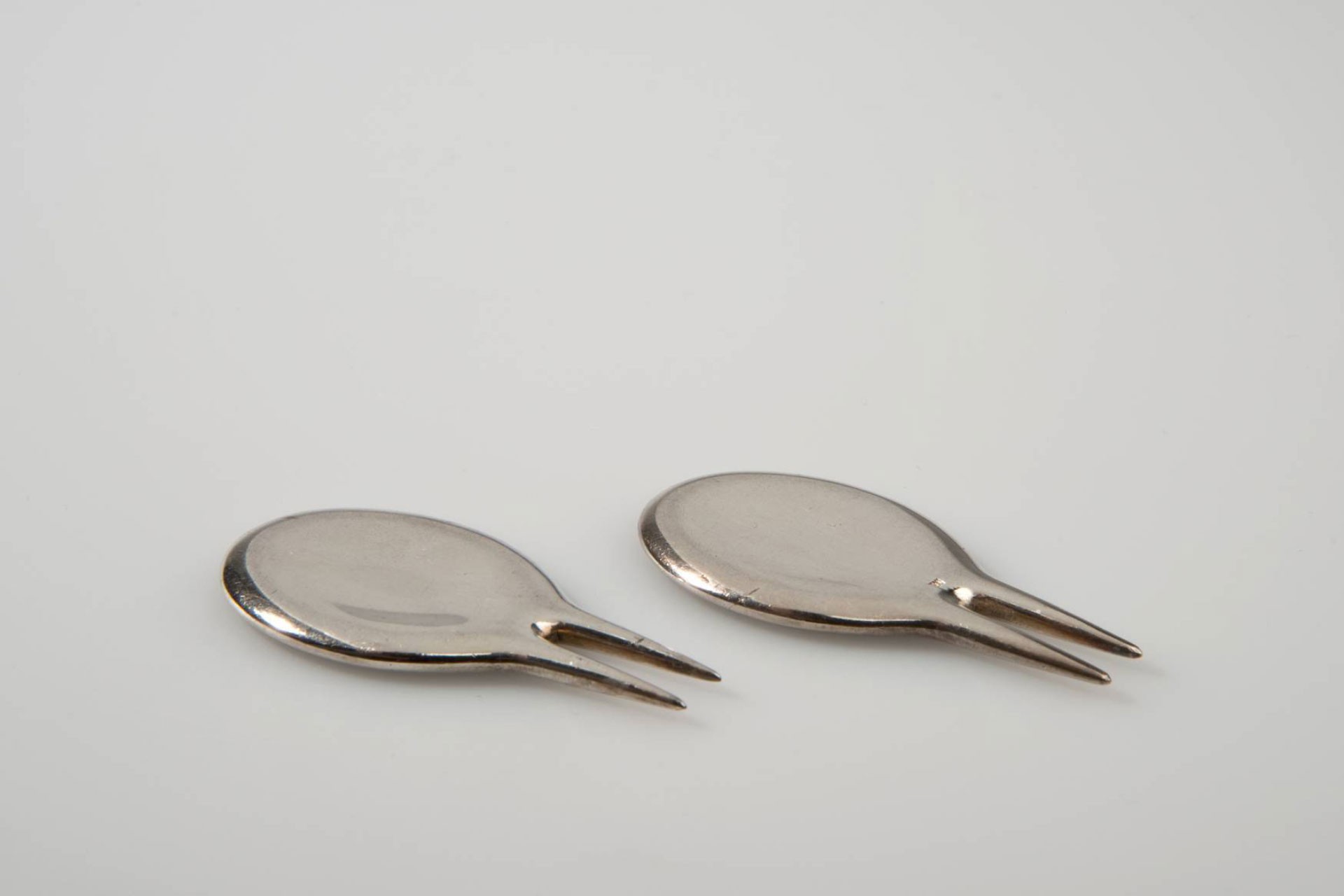
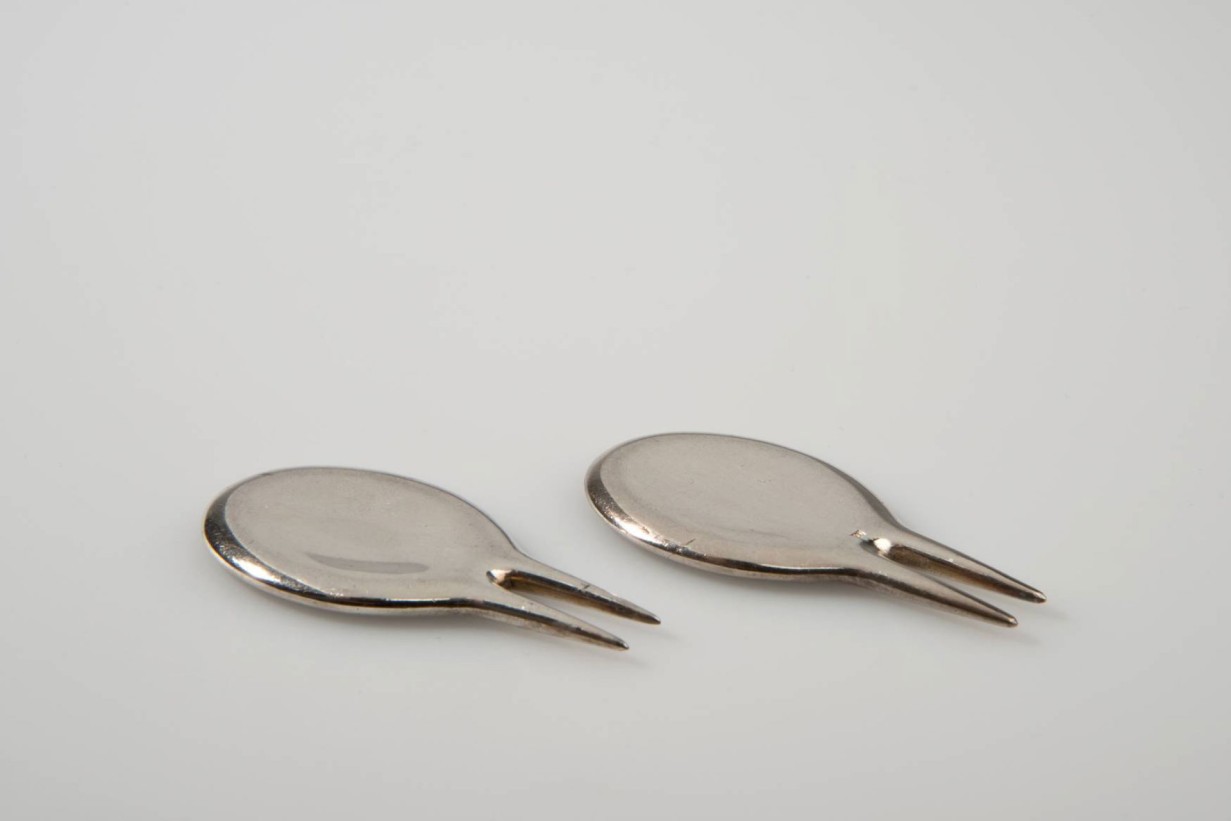
Josef Hoffmann, corn cob holders, 1906, execution: Wiener Werkstätte, alpaca, silver-plated, GO 1988-29 © MAK
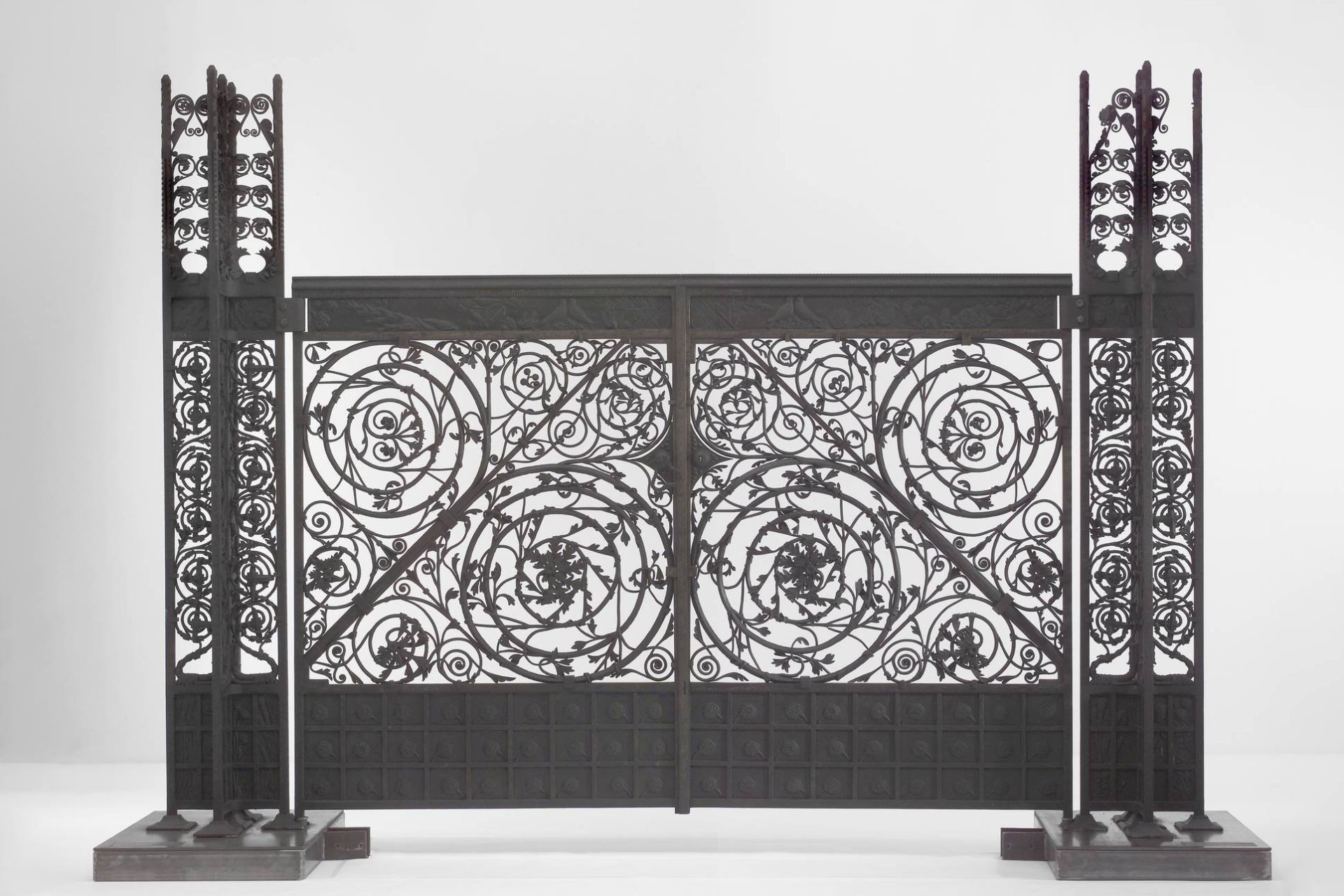
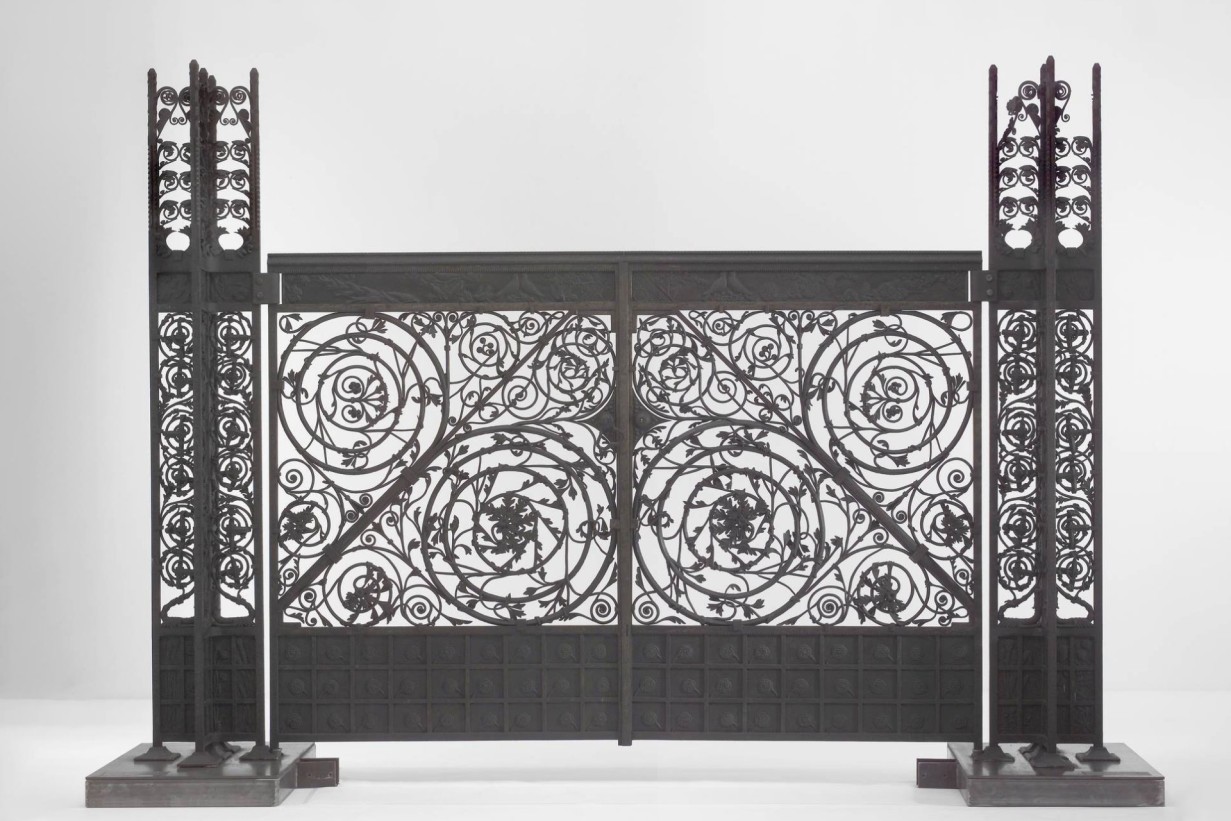
Thomas Jeckyll, trellised gate with gate posts, ca. 1867, execution: Barnard, Bishop & Barnards, Norwich, ca. 1867, iron, forged, EI 697 © MAK
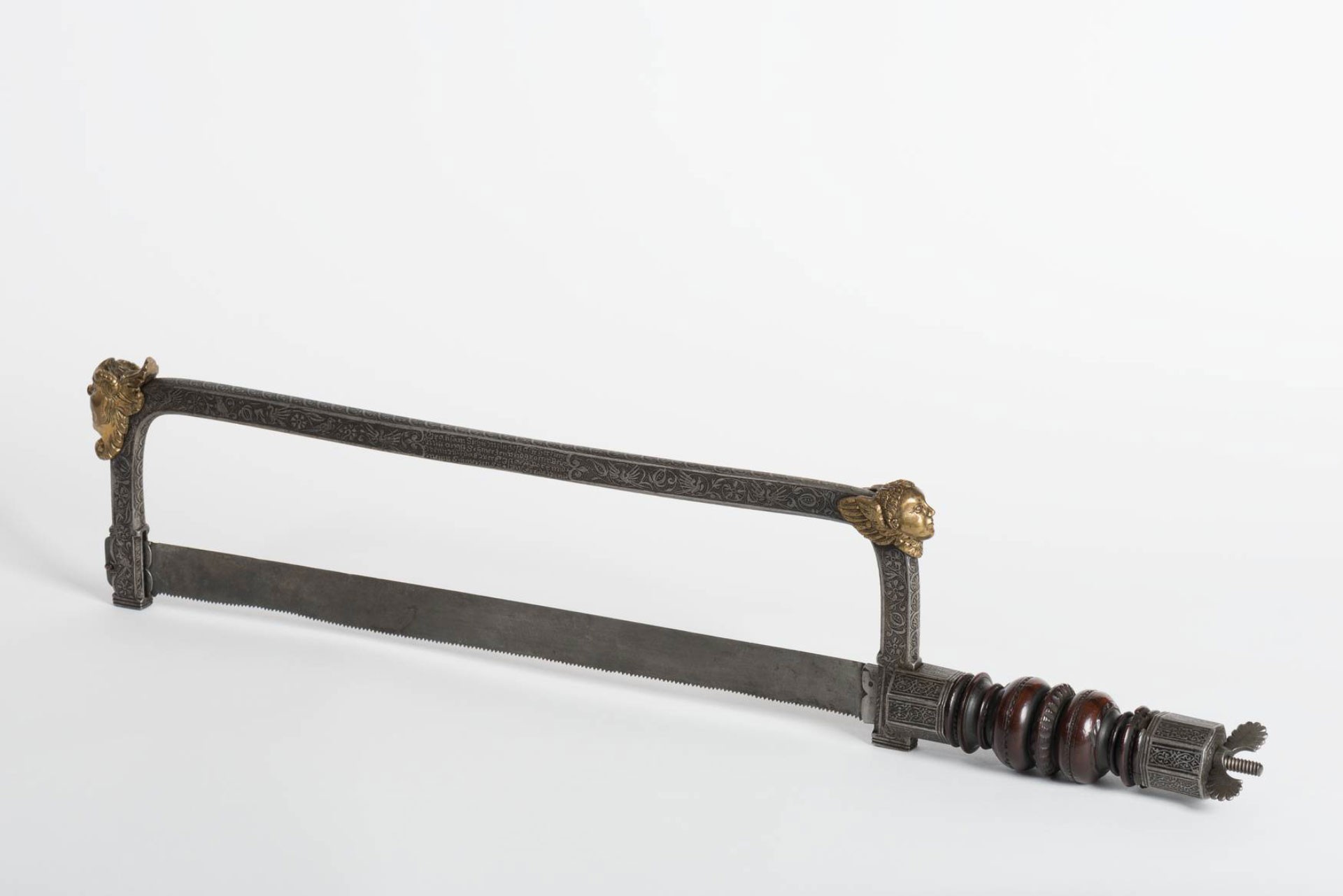
Amputation saw, 2nd half of the 16th century, execution: unknown, German-speaking regions, iron, wood, etched bronze, F 1033 © MAK
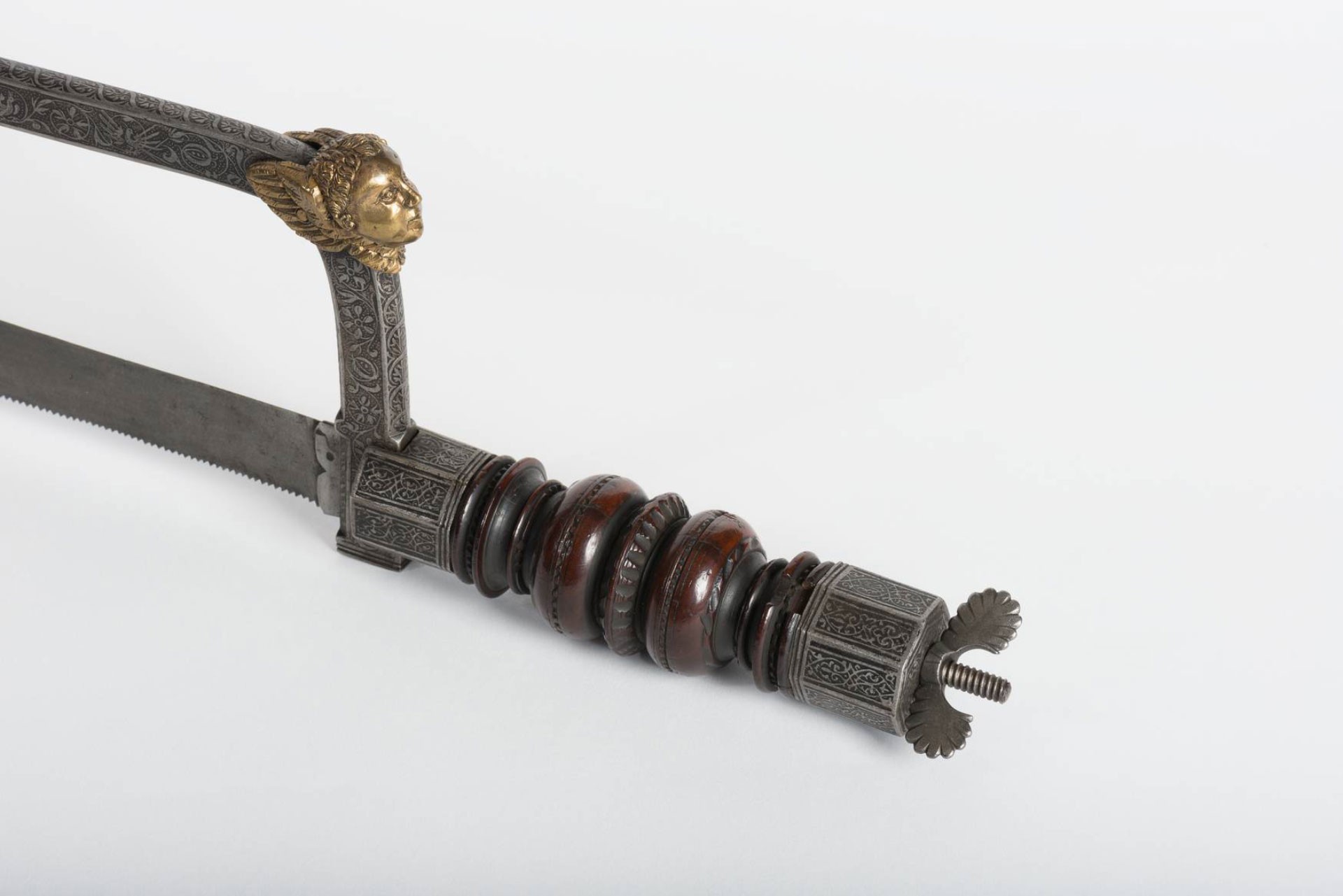
Amputation saw, 2nd half of the 16th century, execution: unknown, German-speaking regions, iron, wood, etched bronze, F 1033 © MAK
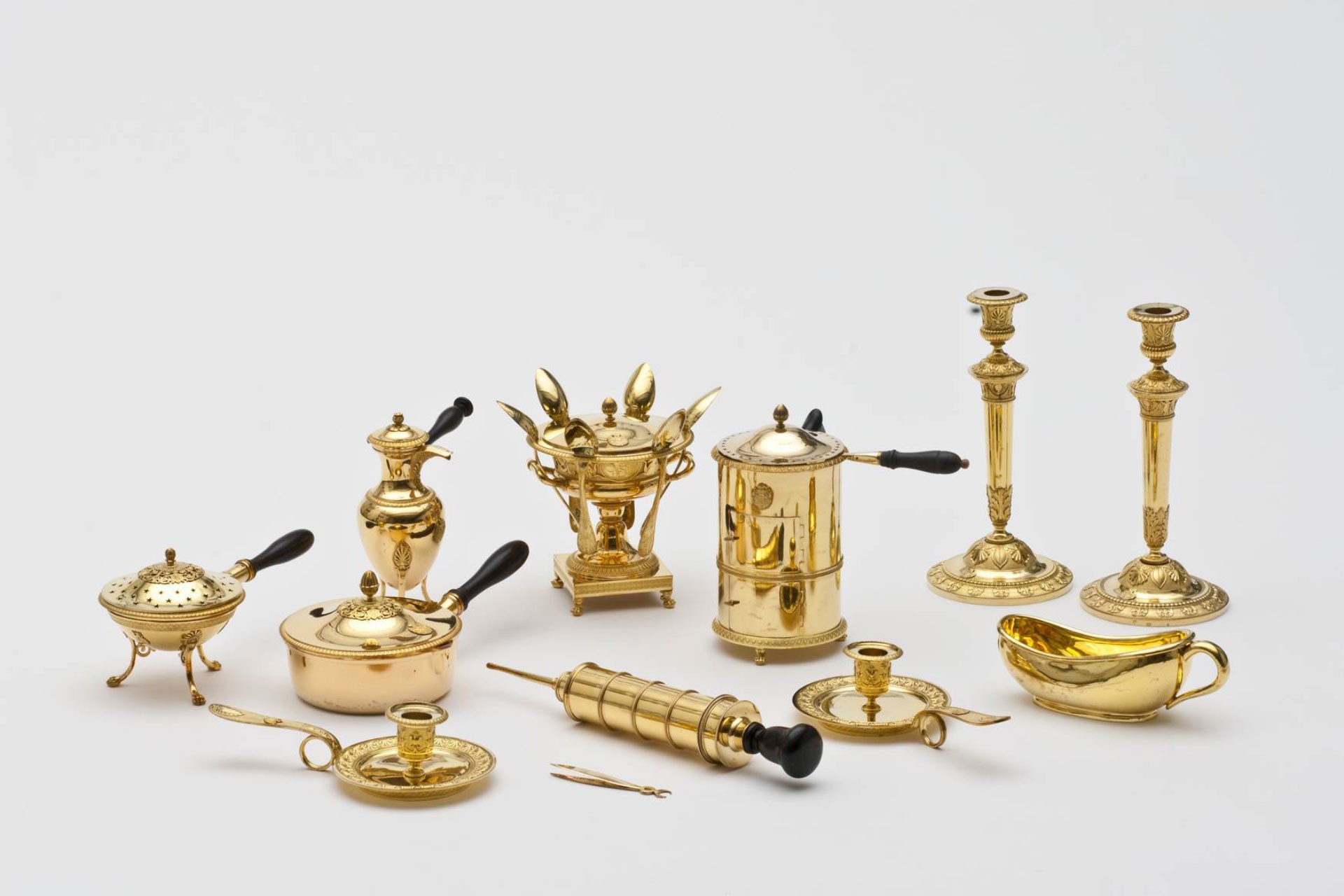
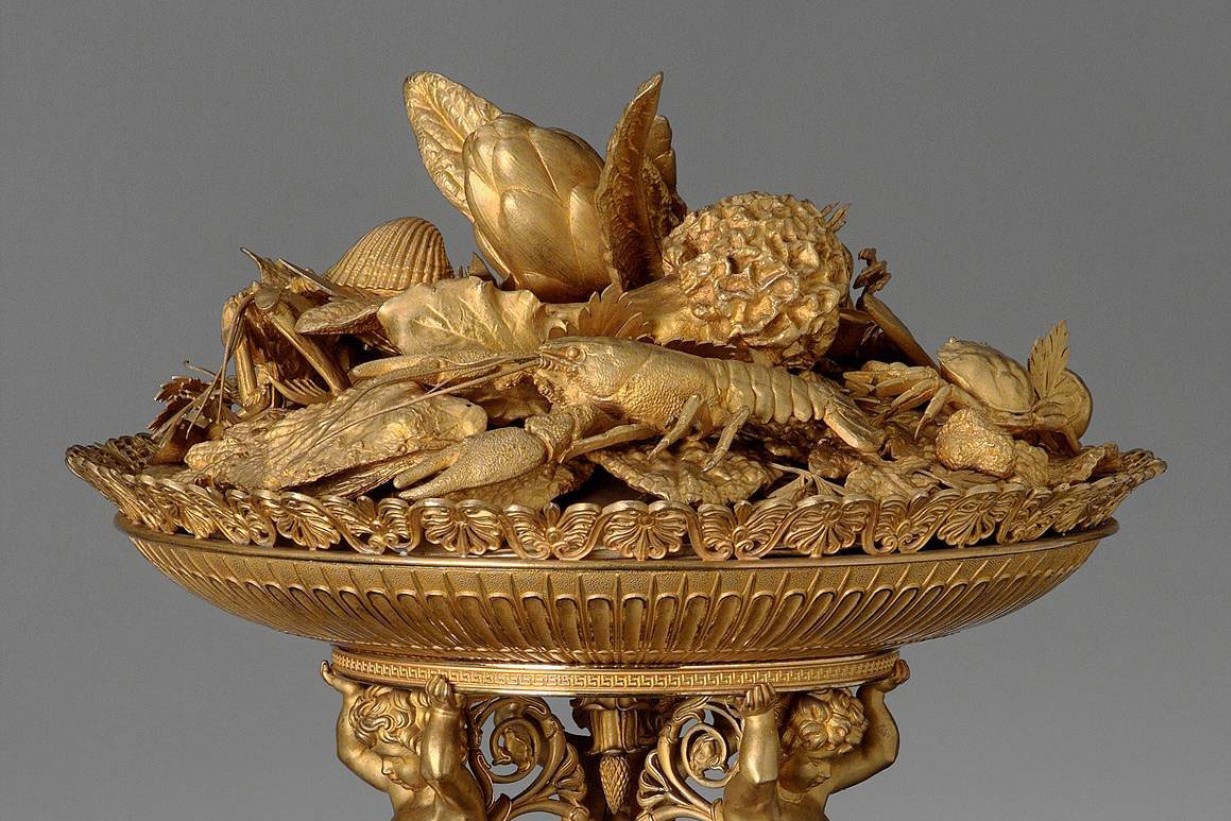
Martin Guillaume Biennais, parts of the Duke of Reichstadt‘s traveling service, Paris 1811, gilt silver, ebony, bone, ivory, GO 1214 © MAK
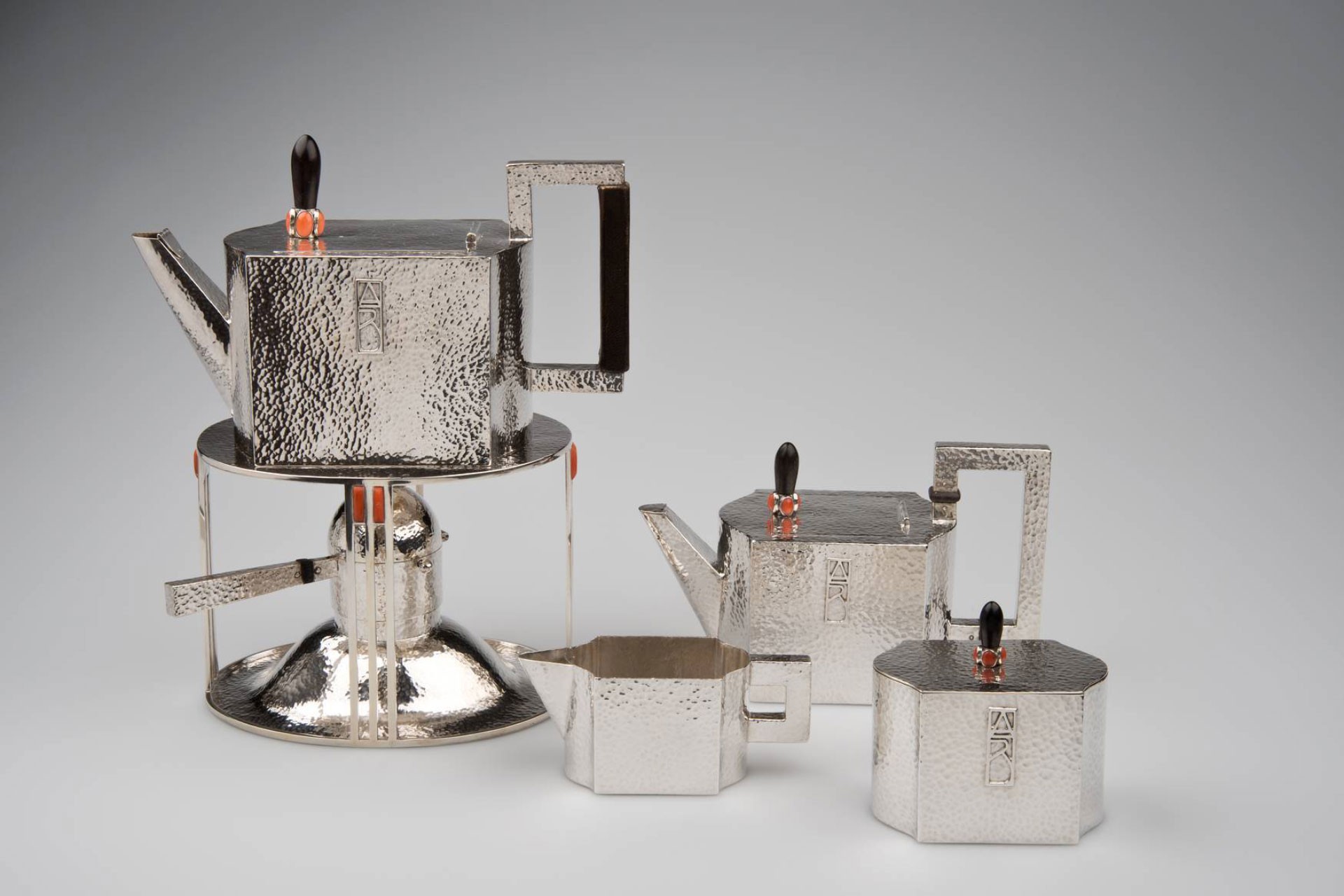
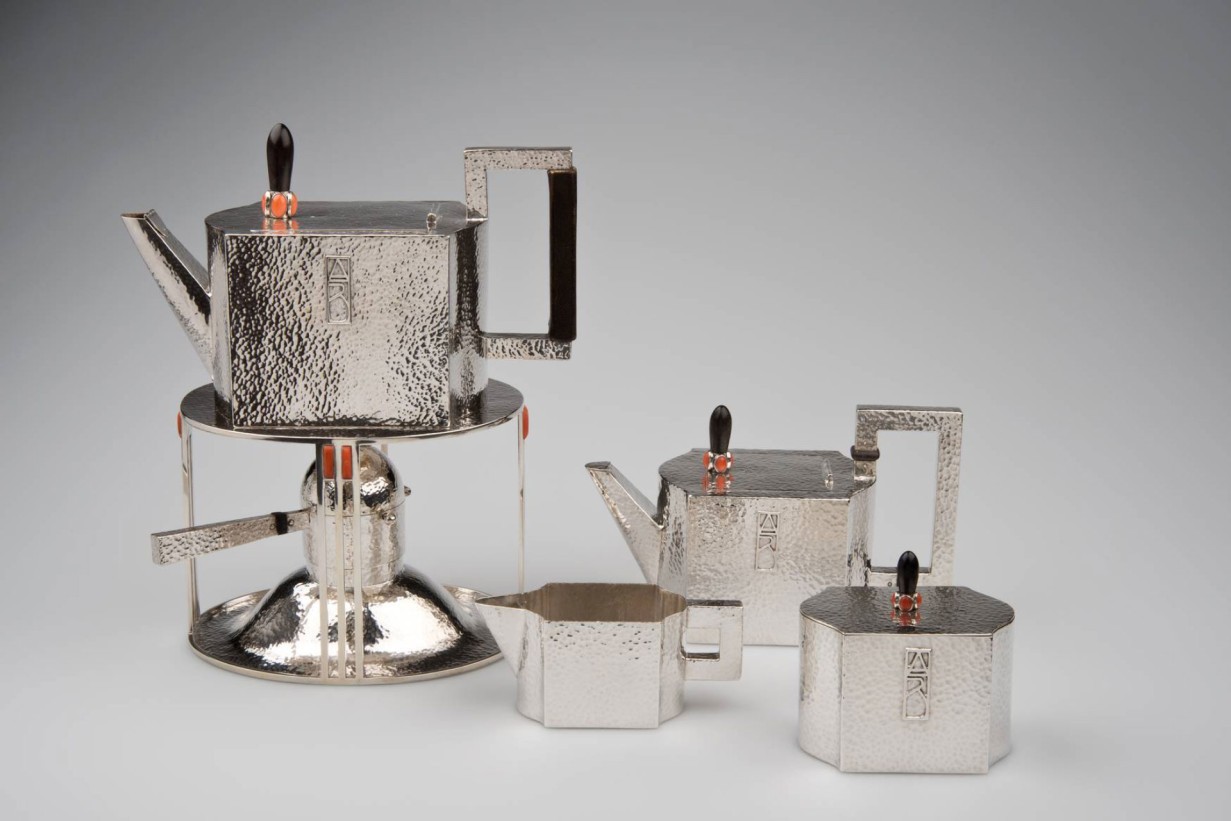
Josef Hoffmann, tea set, 1903, execution: Wiener Werkstätte (Konrad Koch), chased silver, wrought, wood, ivory, coral, GO 2005 © MAK
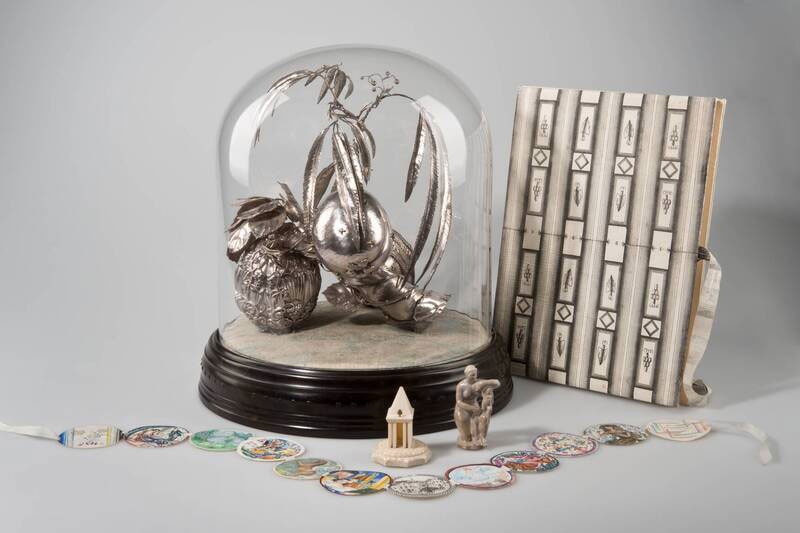
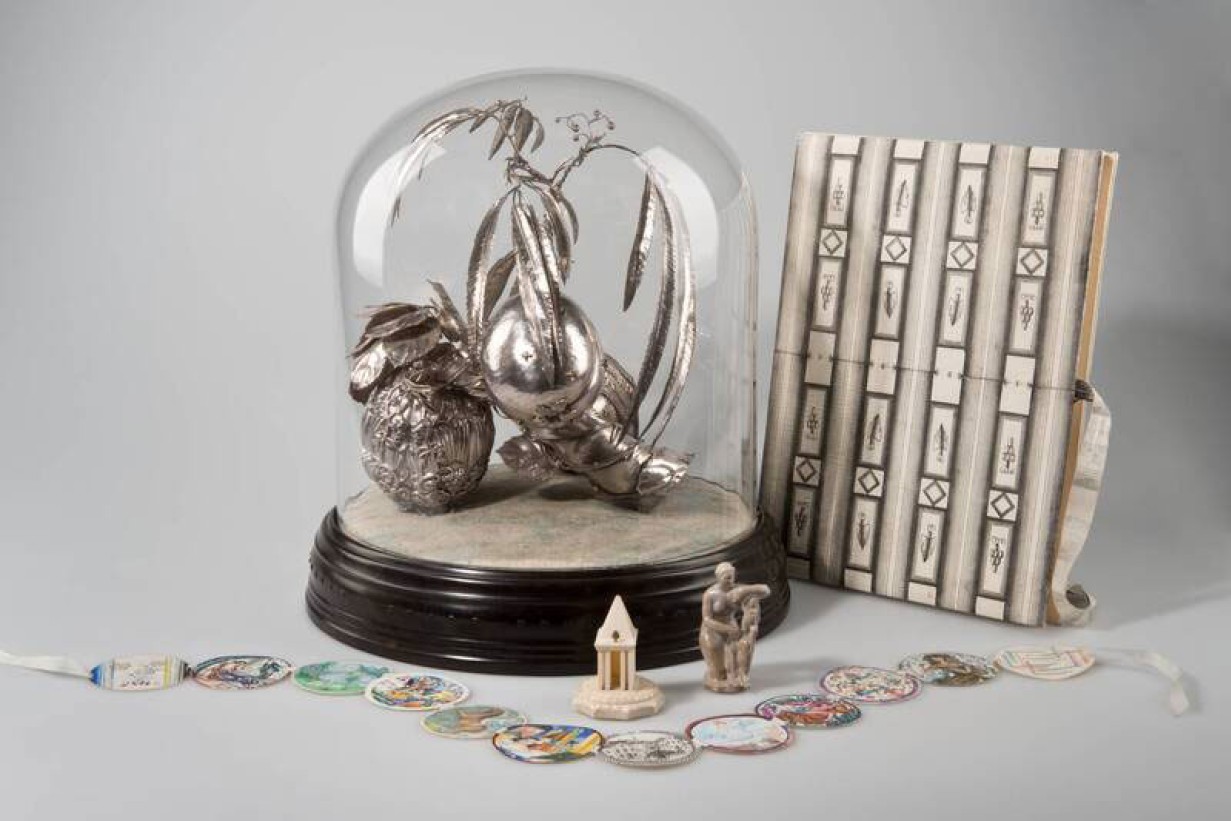
Dagobert Peche, honorary gift by the Wiener Werkstätte for Josef Hoffmann’s 50th birthday, 1920, execution: Wiener Werkstätte, chased silver, wood, textile, glass, GO 1788 © MAK
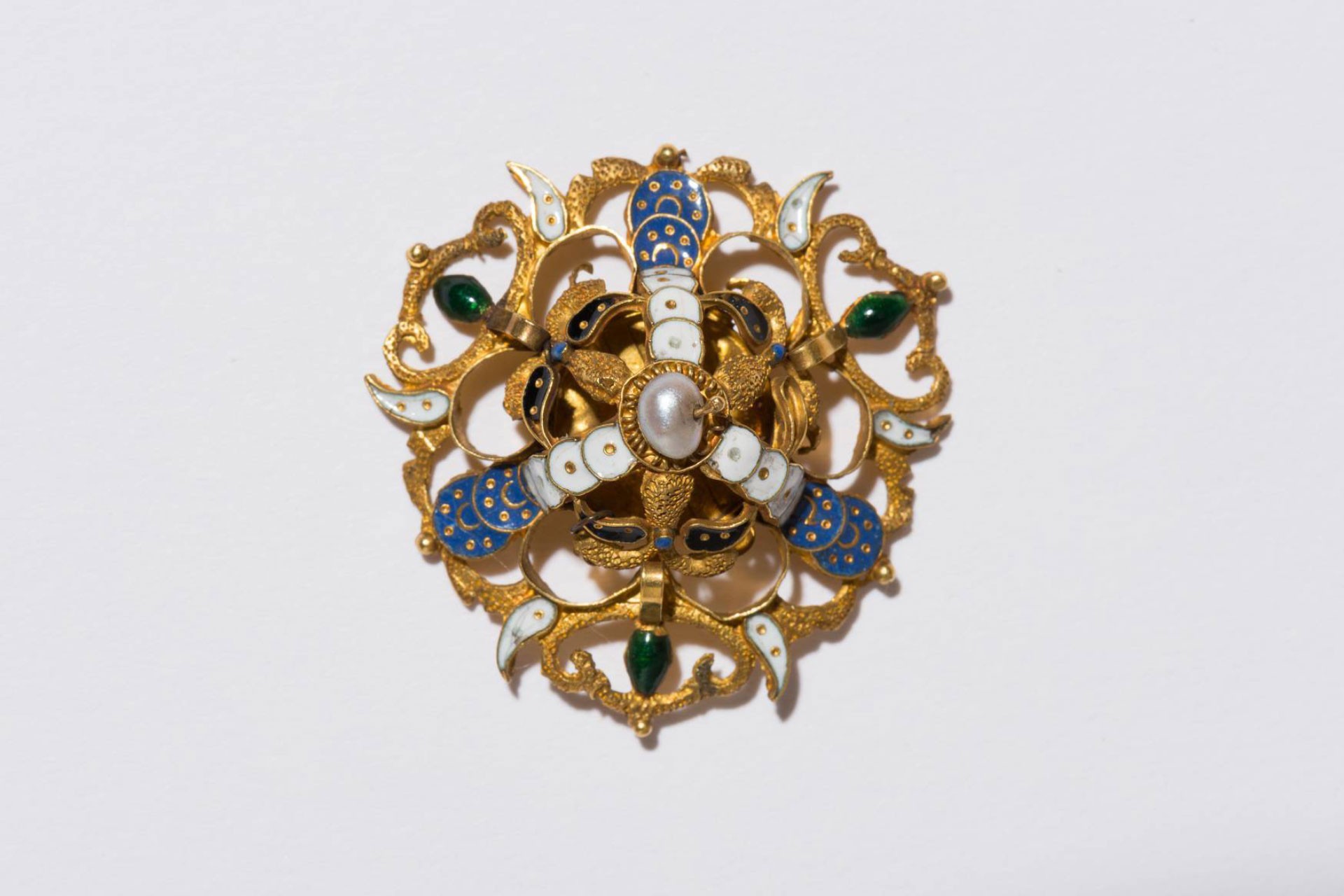
Halle Jewelry: rosette, 4th quarter of the 16th century, execution: unknown, Cluj-Napoca / Klausenburg / Kolozsvár, gold, copper wire, enamel, pearl. BJ 954-3 © MAK
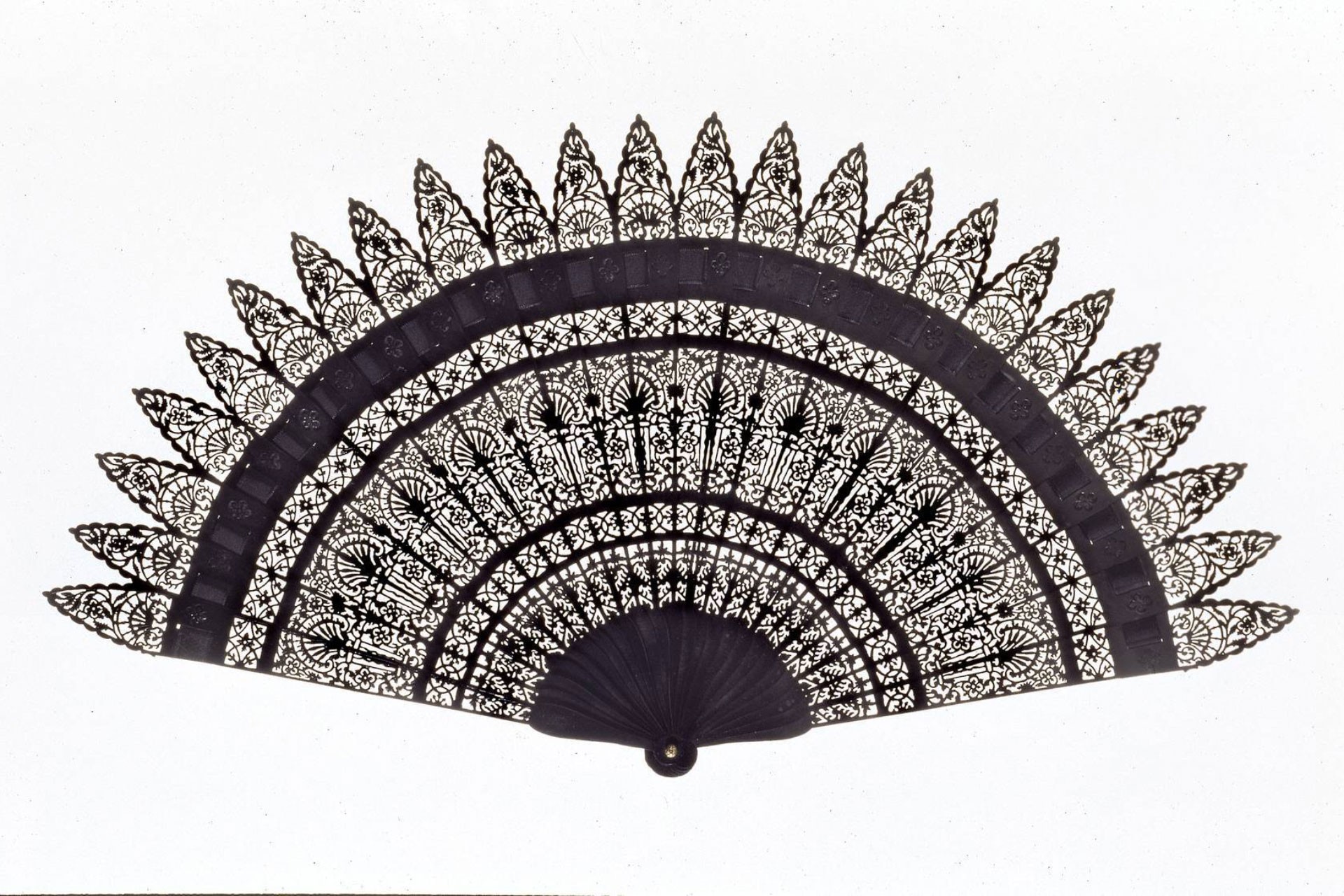
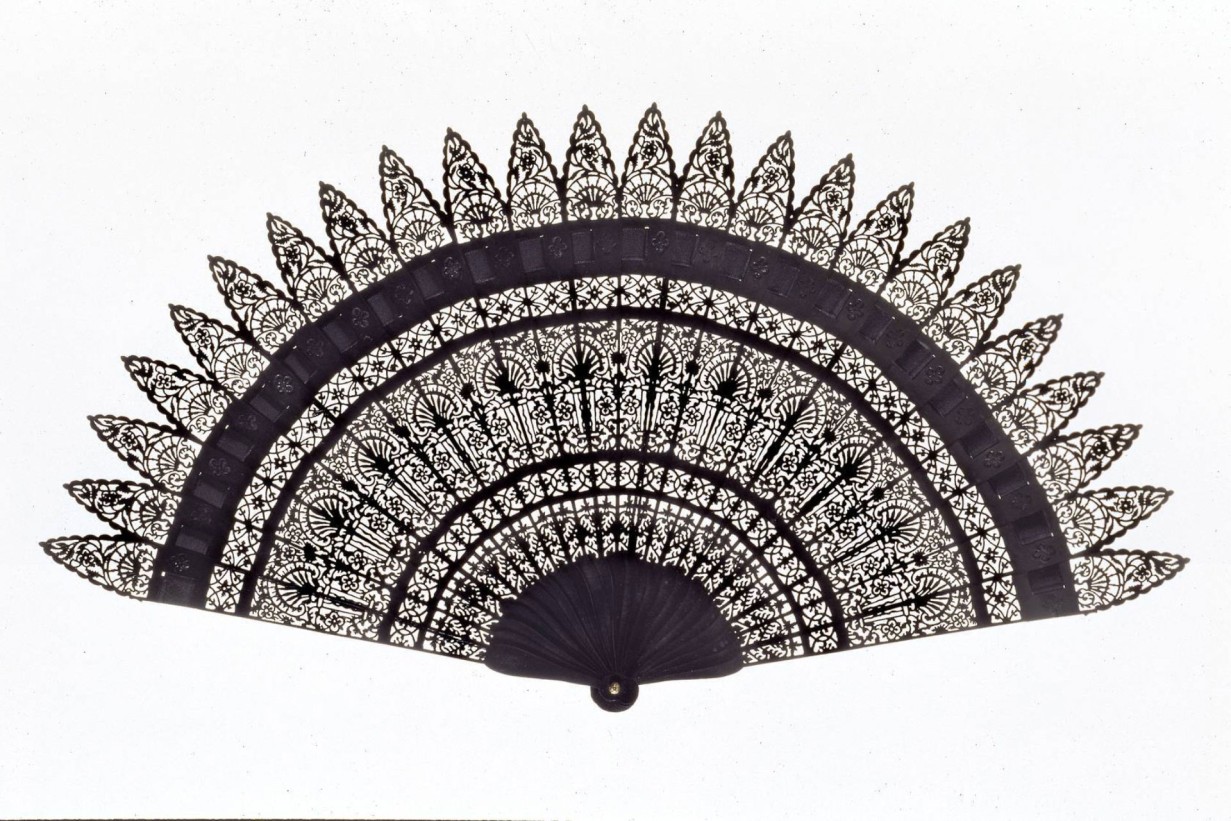
Hand fan, 2nd half of the 19th century, execution: Gräflich-Stolberg-Werningerodesche Eisengießerei, Ilsenburg, cast iron, EI 1016 © MAK
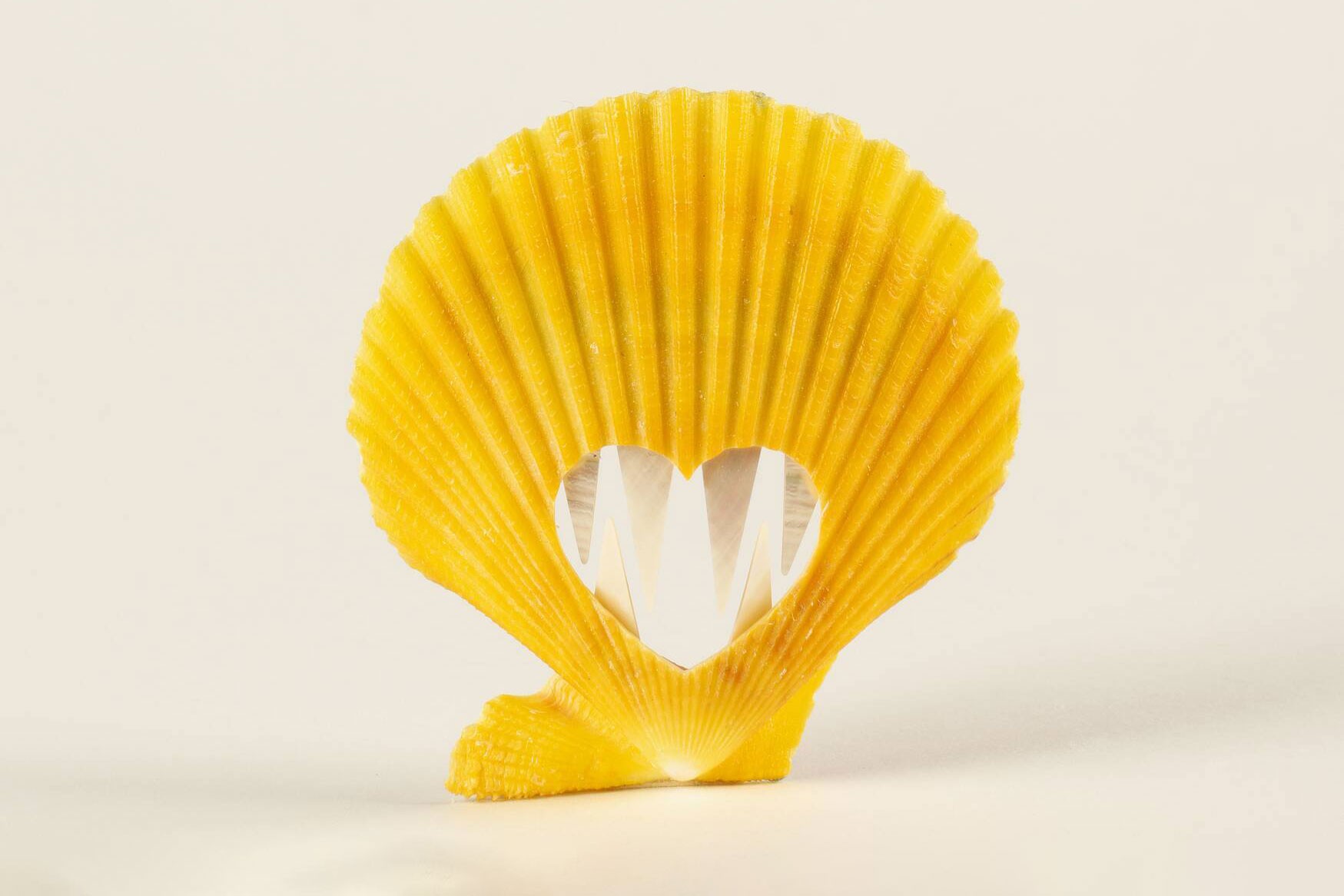
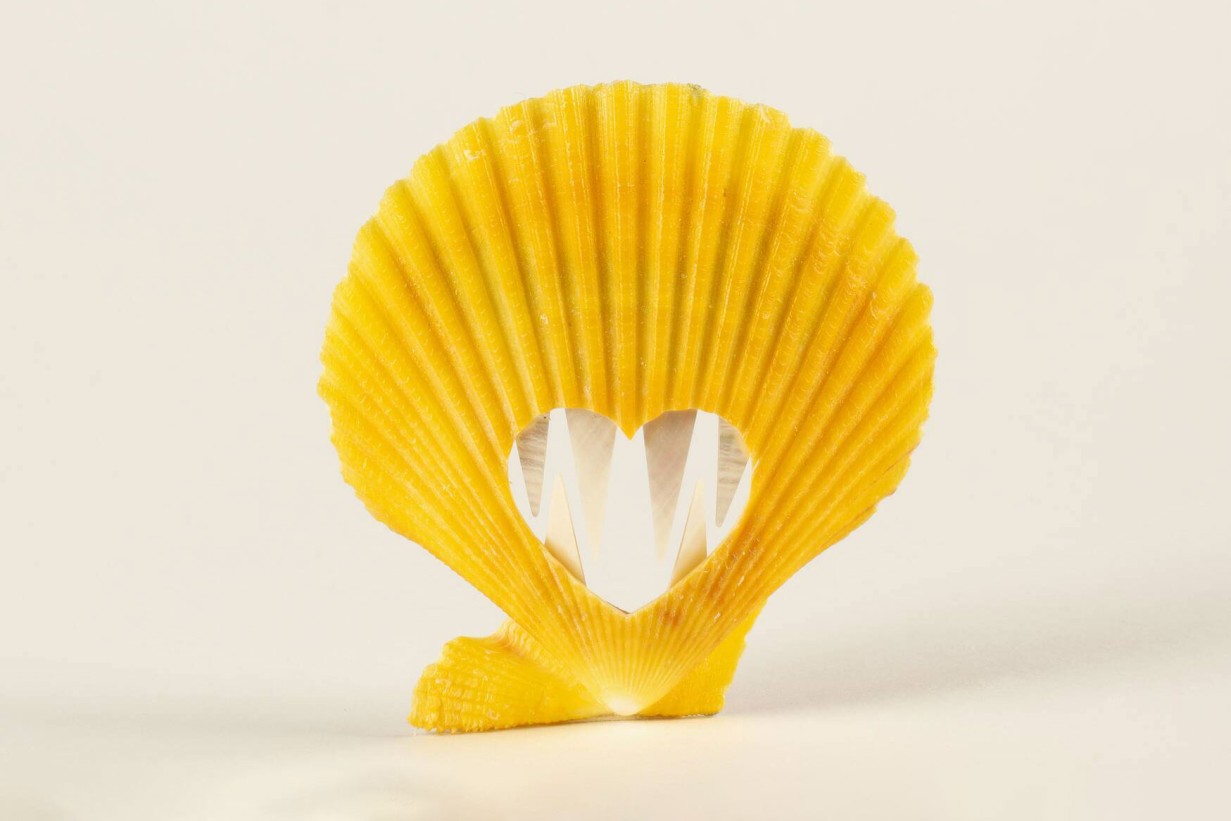
Benedikt Fischer, brooch from the series “Pearly Whites,” 2022, shell, mother-of-pearl, BJ 1852 © MAK
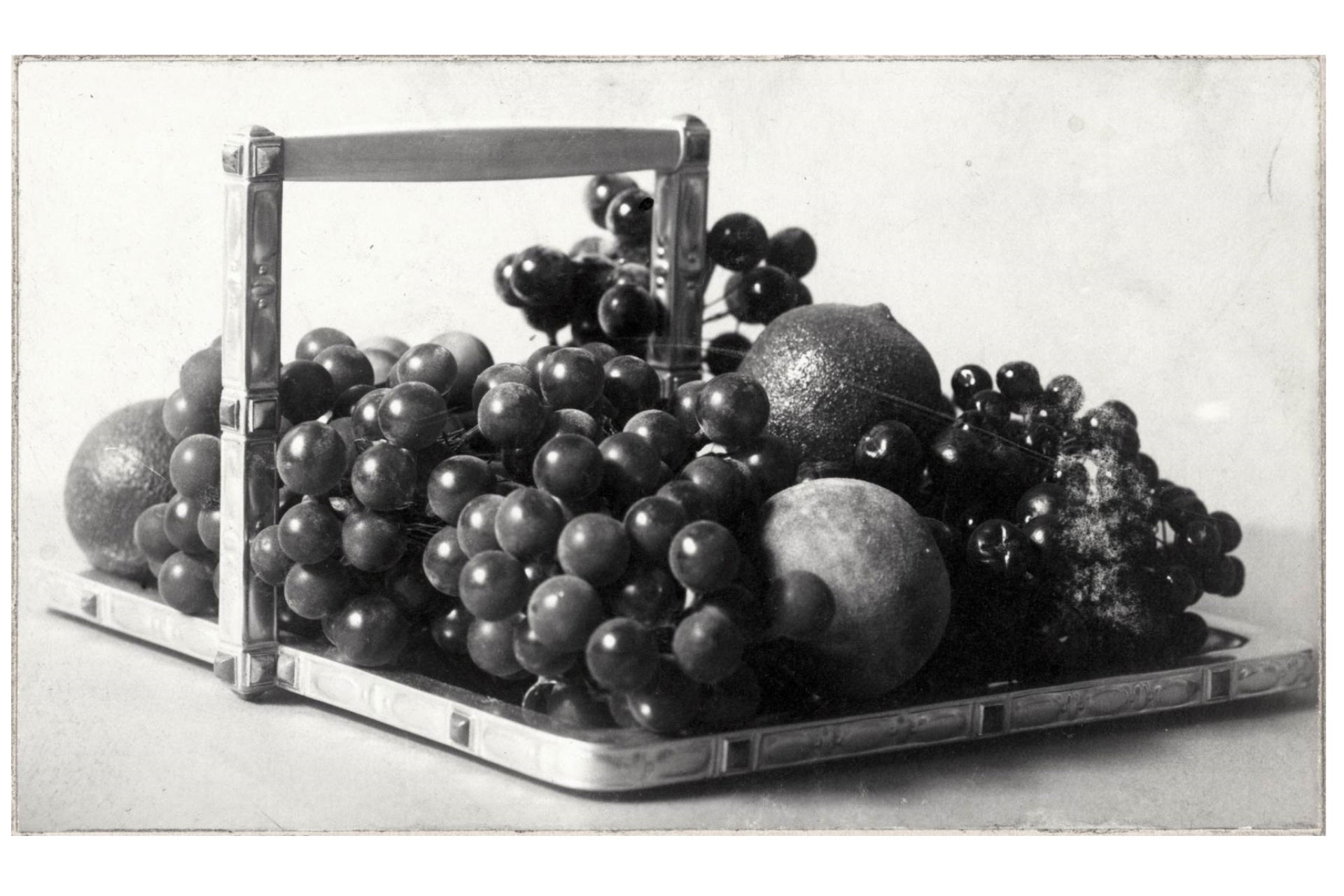
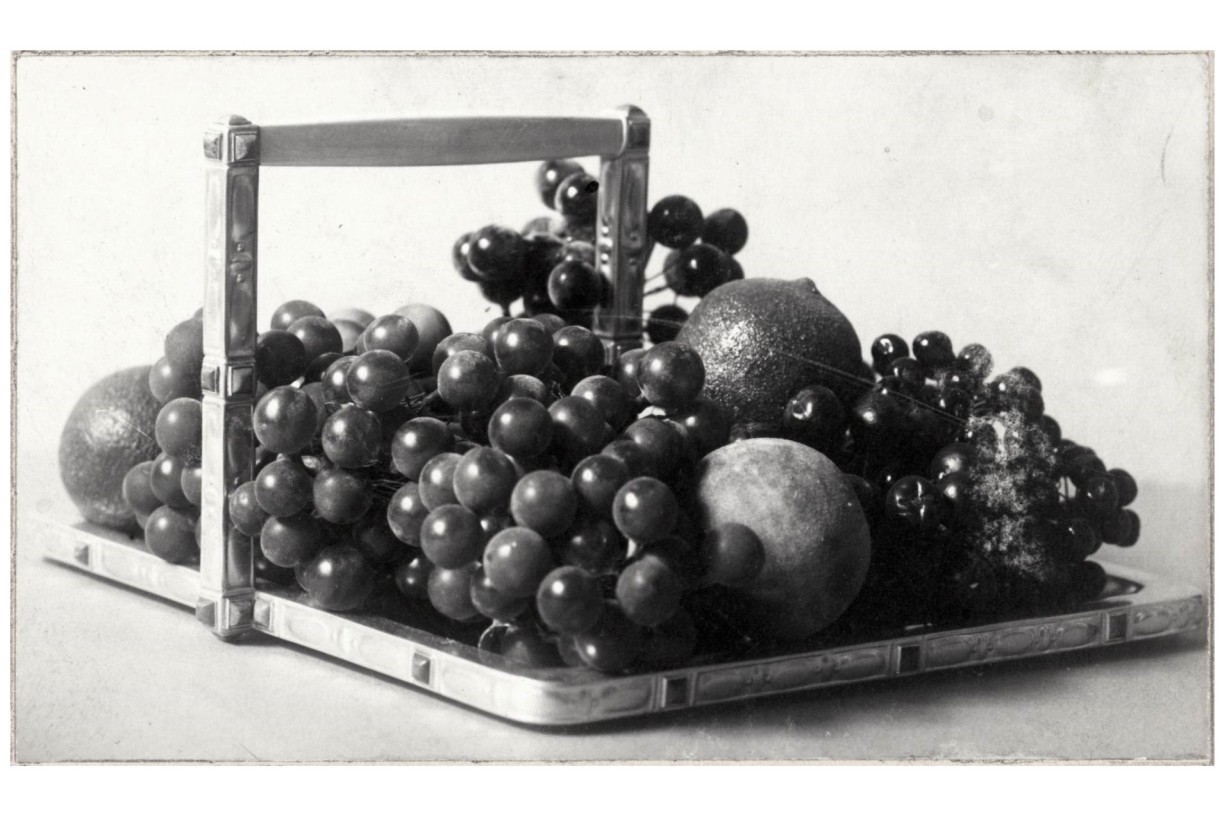
Photograph of a serving tray by Koloman Moser, 1904, photo: Wiener Werkstätte, WWF 93-7-7 © MAK
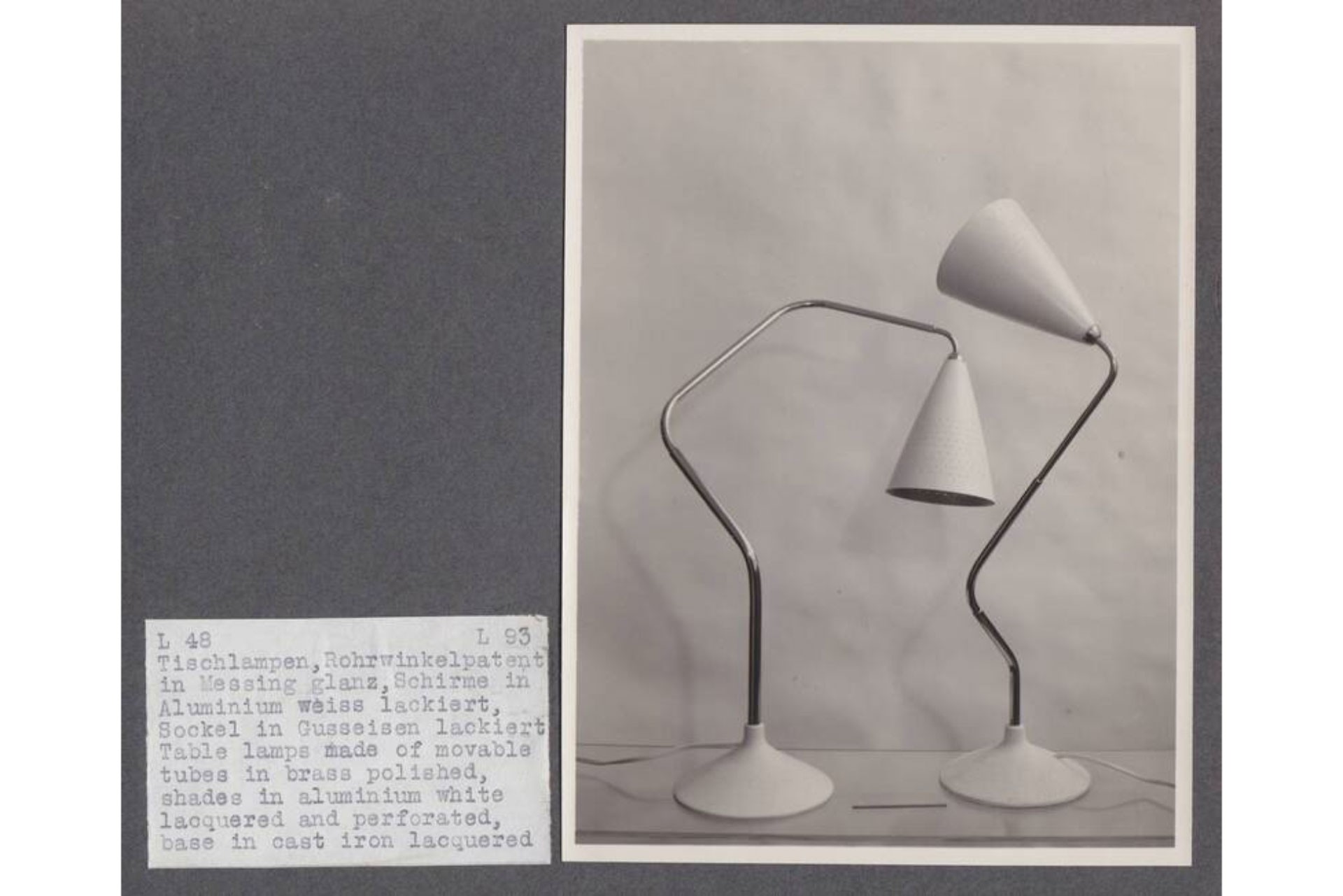
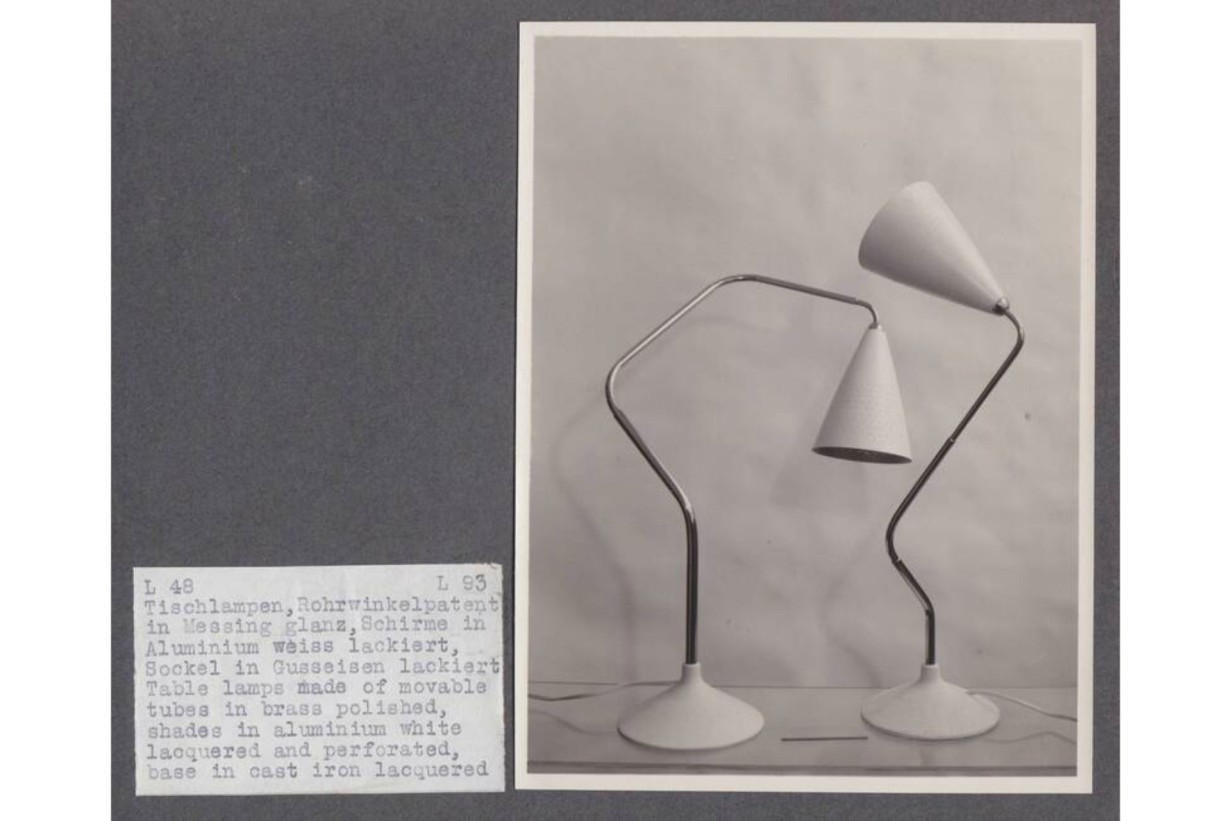
Photograph of two table lamps (tube angle patent) by Franz Hagenauer, 1950/51, HAF 10 © MAK
Exhibitions