Textiles and Carpets Collection
Curator: Lara Steinhäußer
© MAK
© MAK
© MAK
© MAK/Georg Mayer
© Lois Lammerhuber/MAK
© MAK
© MAK

© MAK/Georg Mayer
© MAK/Branislav Djordjevic
© MAK/Kristina Wissik
Previous Image
Focus Points and Showpieces of the Collection
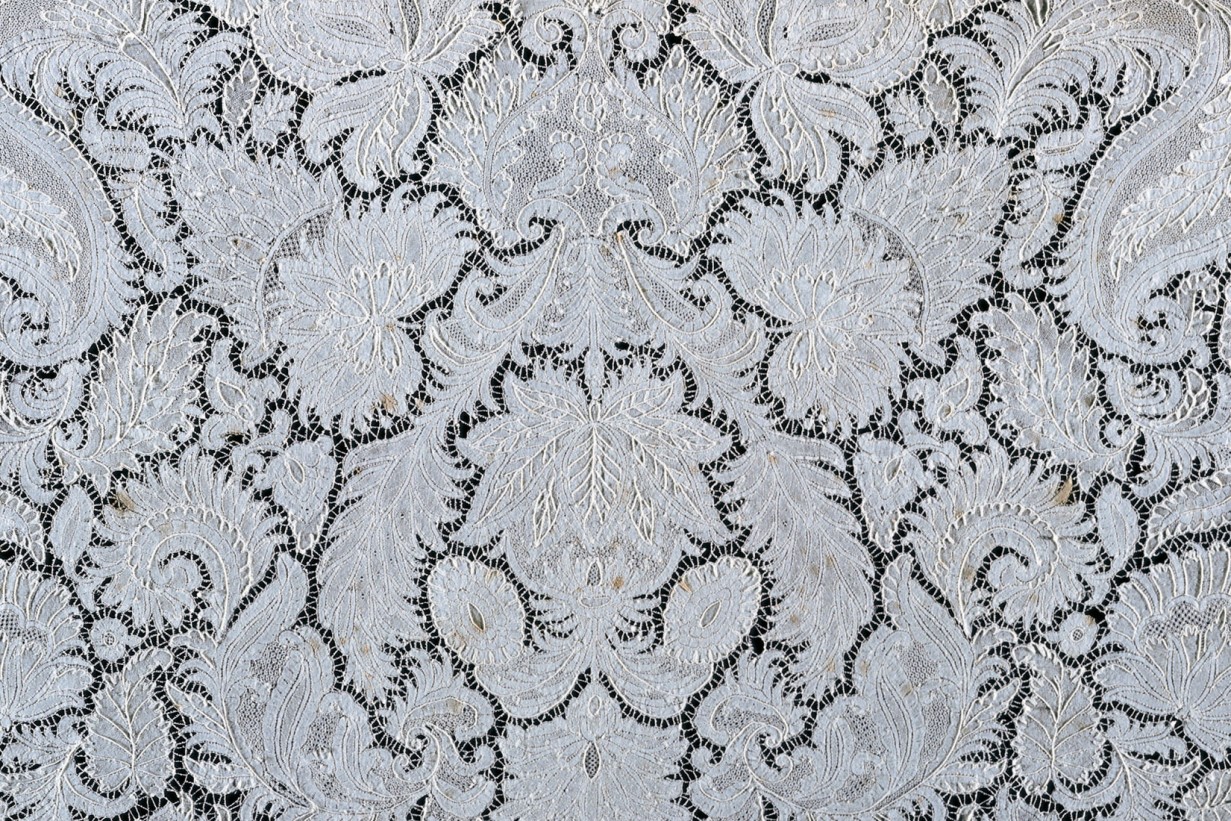
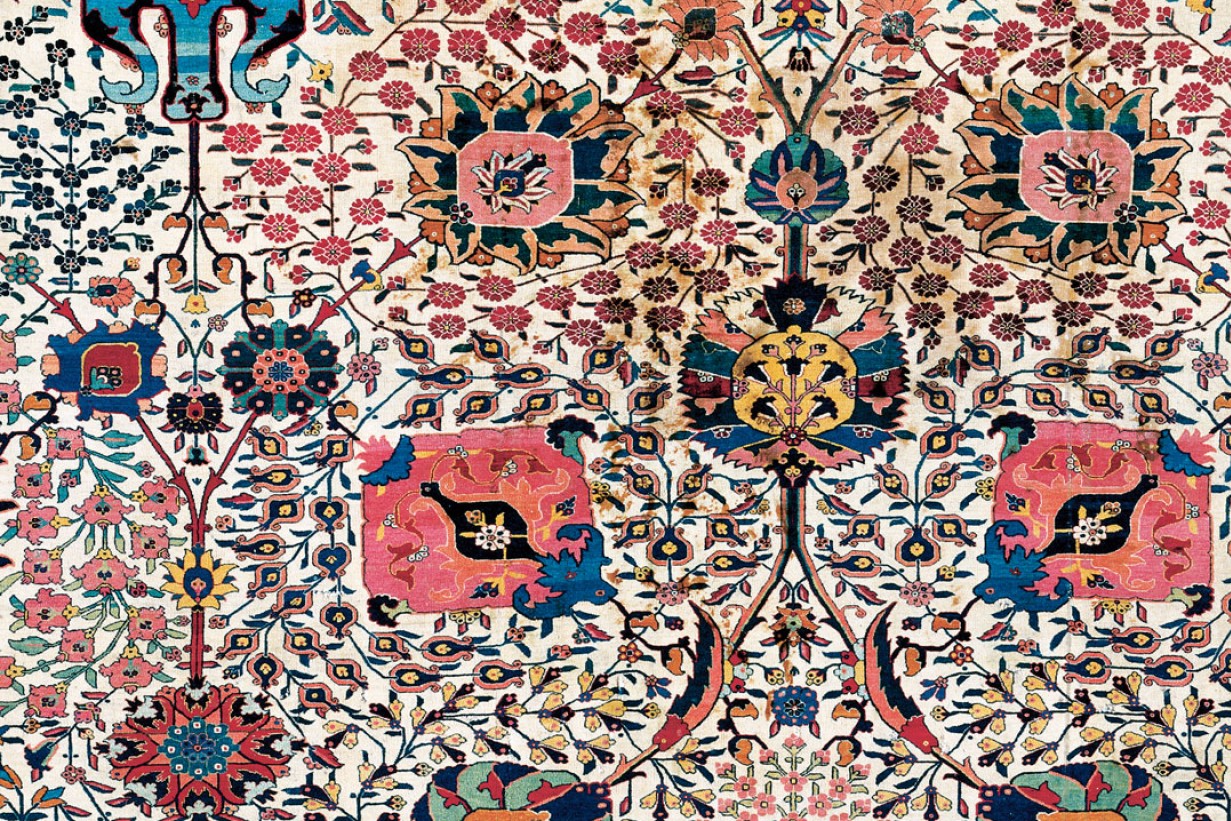
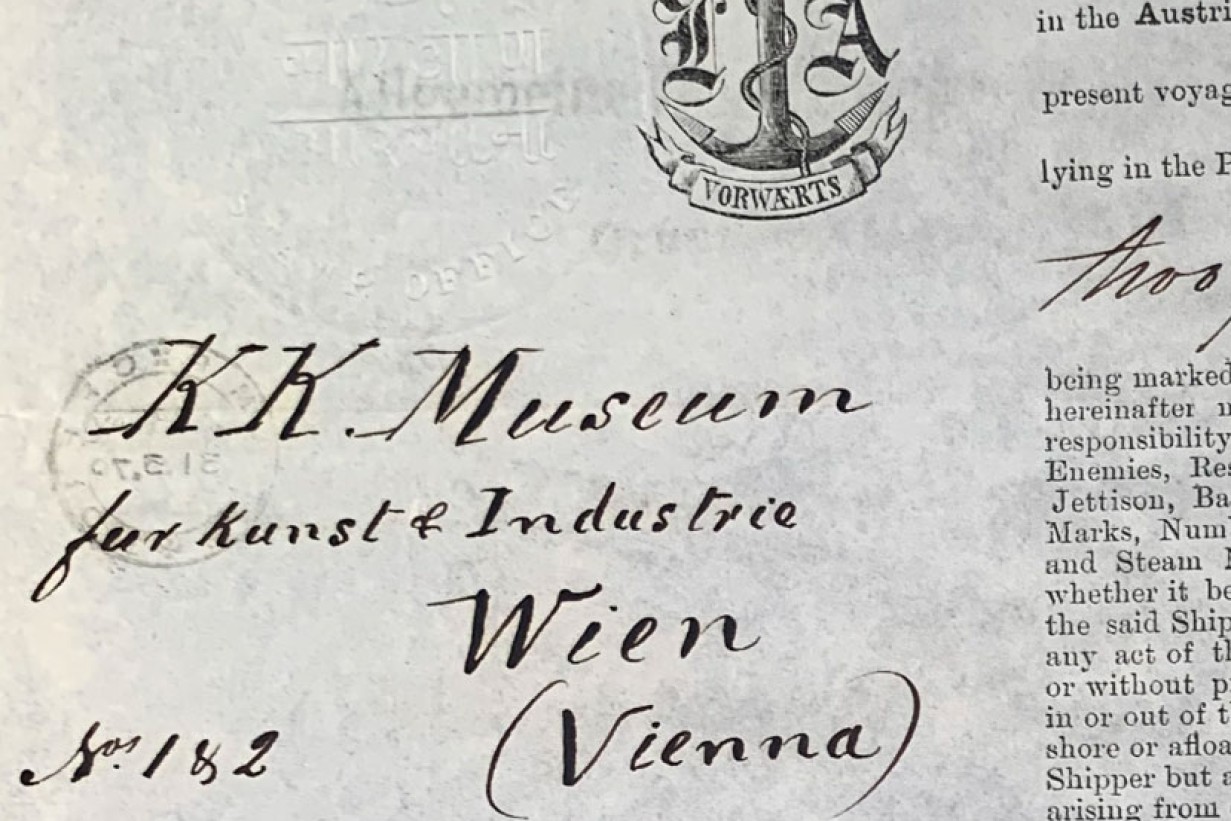
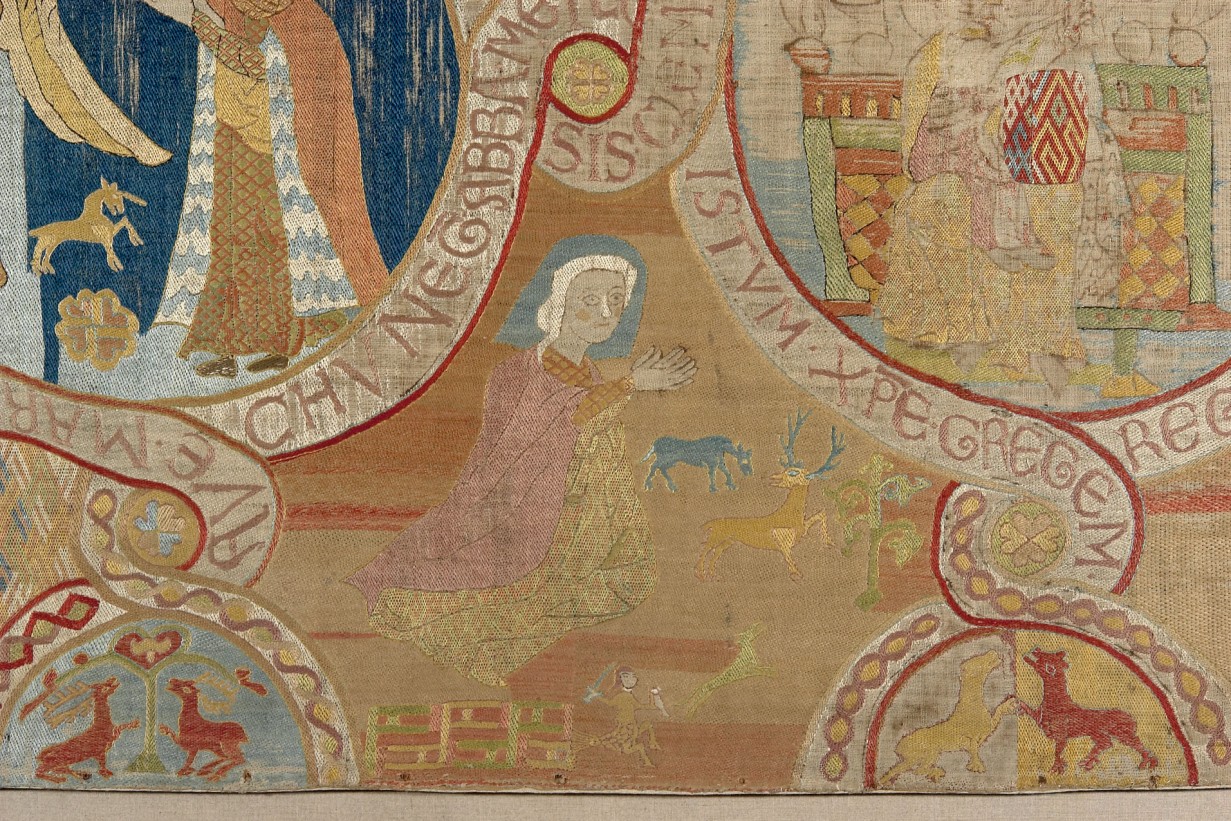
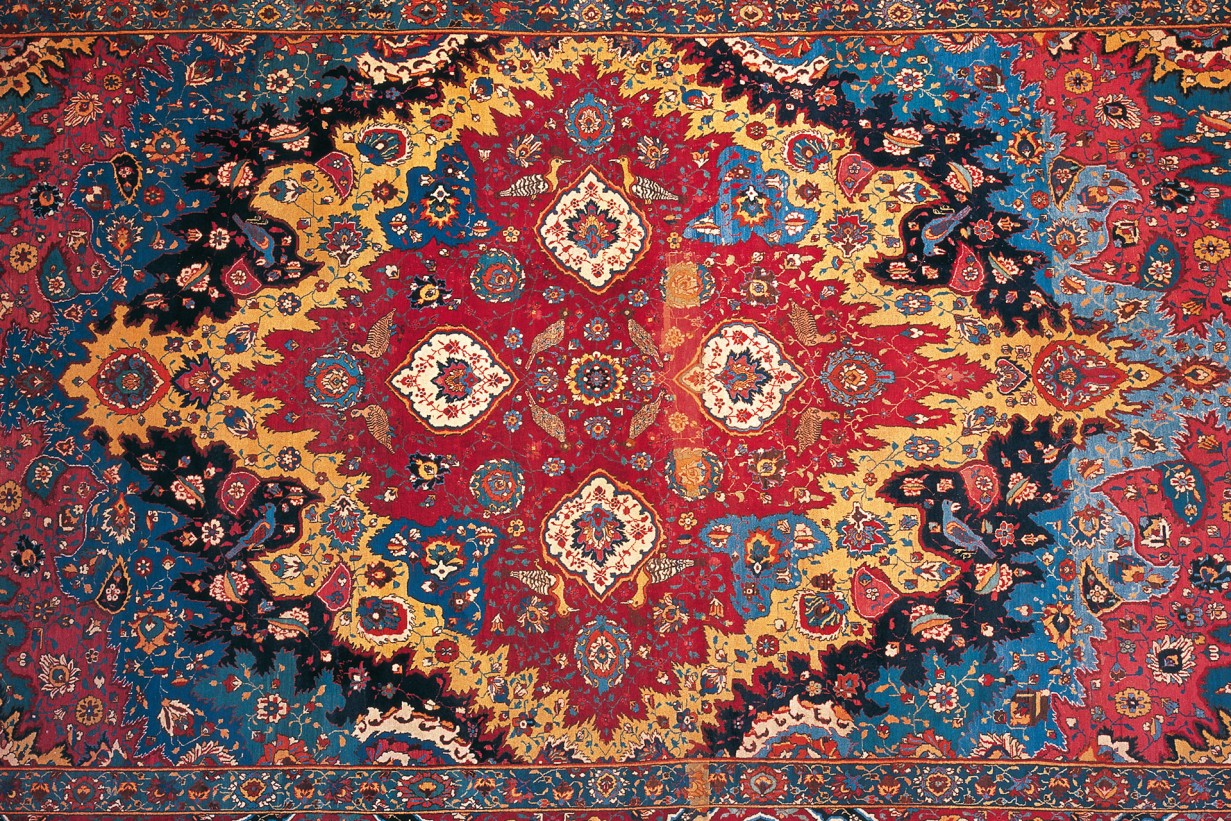
The oldest objects of the Collection include the so-called “Coptic” textile findings from Egyptian graves, which were inventoried in the 1880s by the curator at the time, Alois Riegl. One focus is placed on medieval textiles: The Gösser Ornat, created around 1260, is the earliest dated, completely preserved ensemble of liturgical textiles from the Middle Ages. The vestment depicts the founder of the monastery, Adala, as well as the abbess Kunigunde II, who made the robe together with other nuns and immortalized herself on it with embroidery. It is therefore also evidence of the range of possibilities of women in the medieval sacred context.In addition to Italian silks and velvets from the Renaissance era, the patterns and materials of which were heavily influenced by global trade, the permanently exhibited laces from the Renaissance and Baroque eras also belong to the highlights. Over 1,500 lace pieces in the Collection belonged to Bertha Pappenheim, a Jewish women’s rights activist, who is also known as Sigmund Freud’s patient “Anna O.” Further highlights of the Collection are knotted carpets from the 16th and 17th centuries from the estate of the Habsburgs like, for example, the world-wide only preserved silk Mamluk carpet or the famous Viennese hunting carpet. The exceptionally valuable MAK Collection includes around 200 carpets: alongside state-owned objects from the imperial family, these also include numerous items from the former Orient or Trade Museum. As of 2026, visitors will again be able to admire selected carpets in the Permanent Collection. Stylistic developments as well as developments in production techniques during the Biedermeier era in Austria can be traced through a large, precisely documented collection of textile patterns from the Technological Trade Museum.
Textile Objects since Modernism
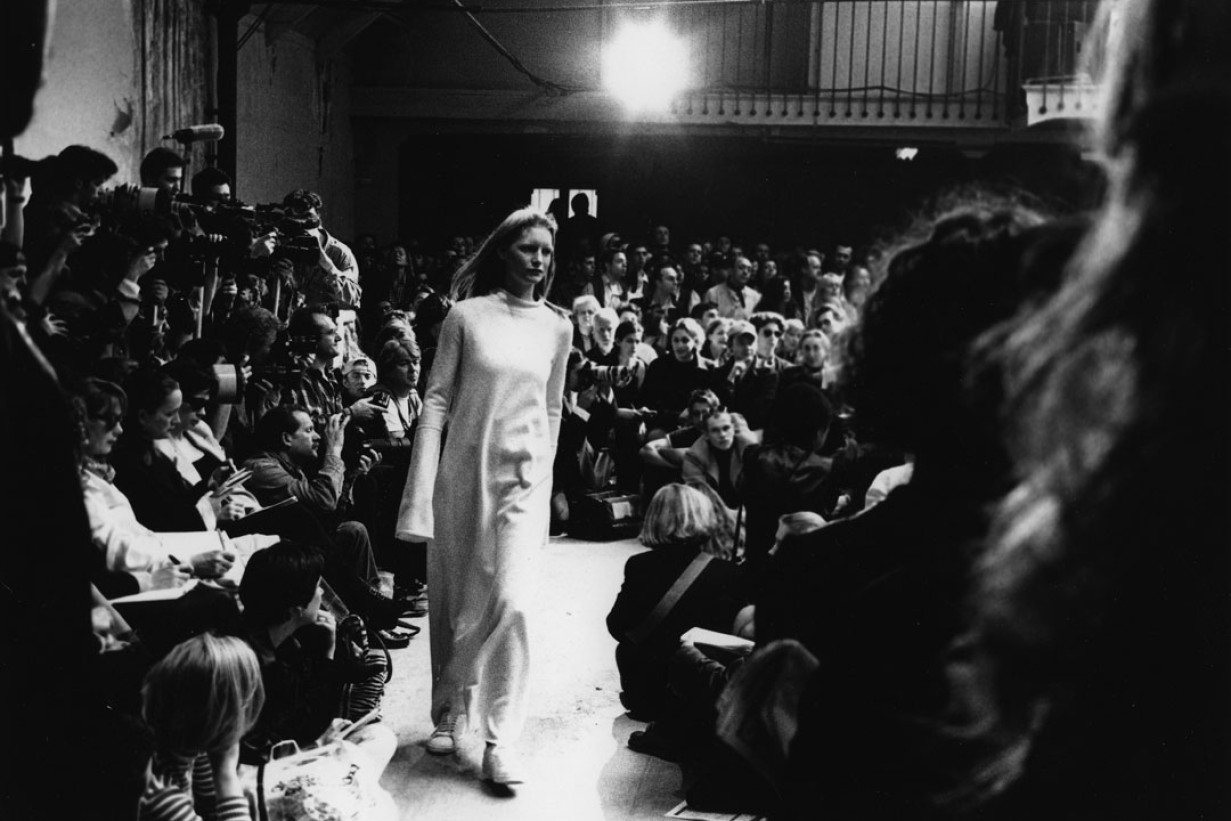
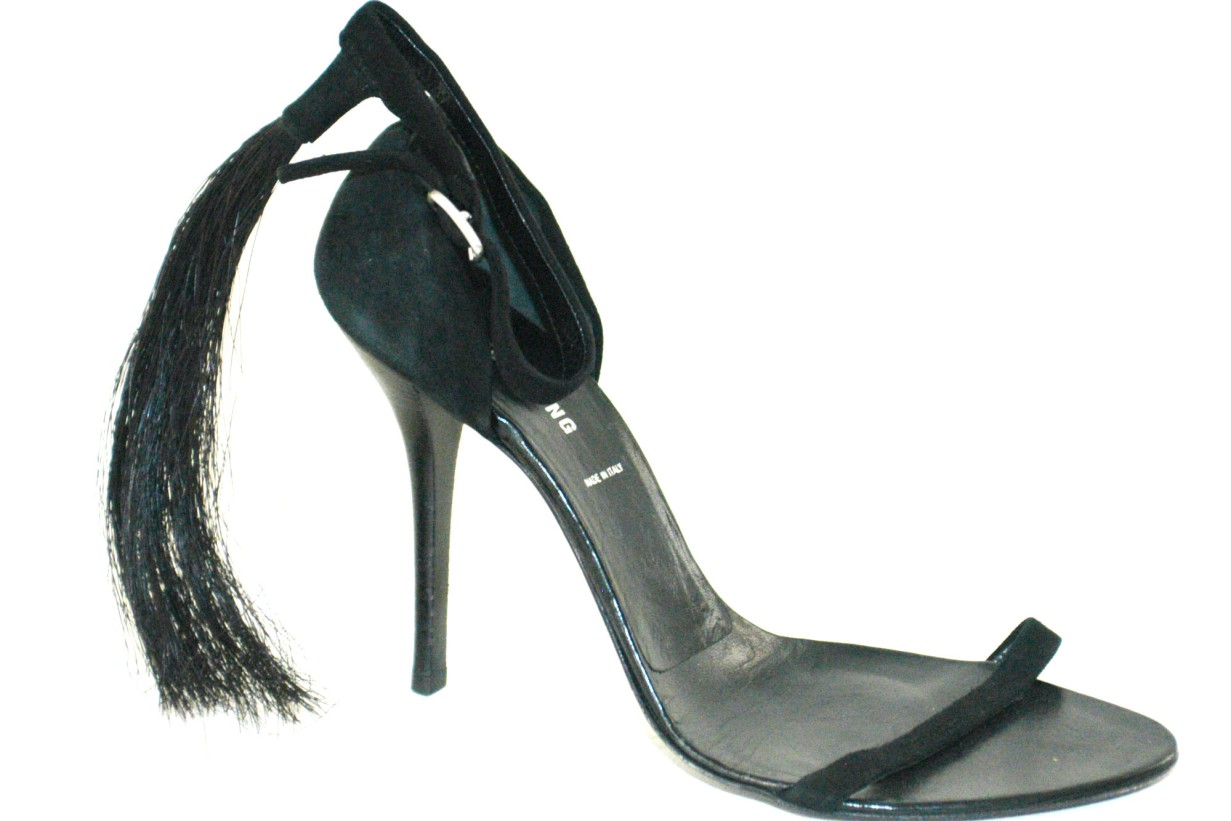
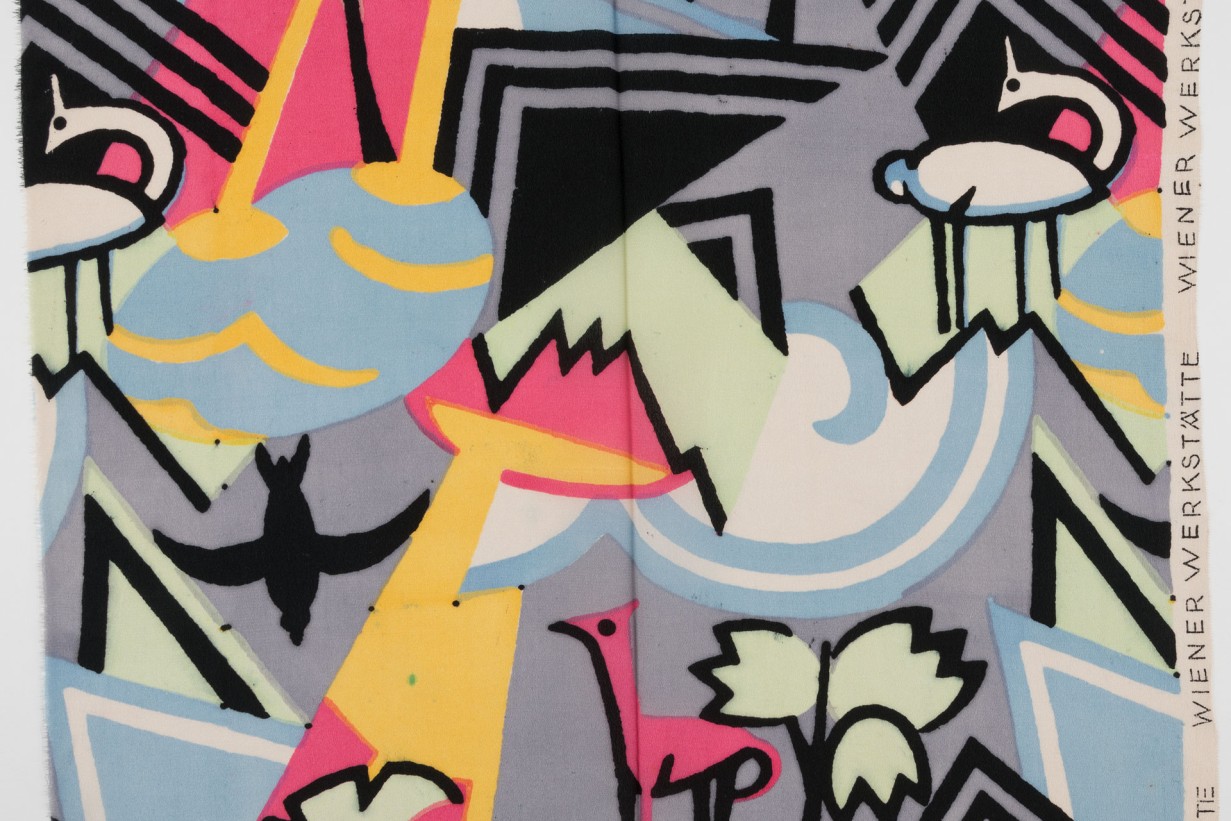
From the early 20th century, the MAK owns approximately 20,000 textile patterns from Wiener Werkstätte, which was internationally successful with fashion, textiles, and wallpapers. The various patterns by numerous designers like Maria Likarz, Felice Rix, or Dagobert Peche reflect the creative spectrum of this production. The second half of the 20th century and the period up until now are strongly represented by fashion, especially by the Helmut Lang Archive with more than 10,000 data sets, which is presented in the MAK Design Lab. Fashion as a phenomenon has become a focus point of this section of the Collection in the last years as is reflected, for example, in the series of fashion focused exhibitions at the MAK Geymüllerschlössel.Media
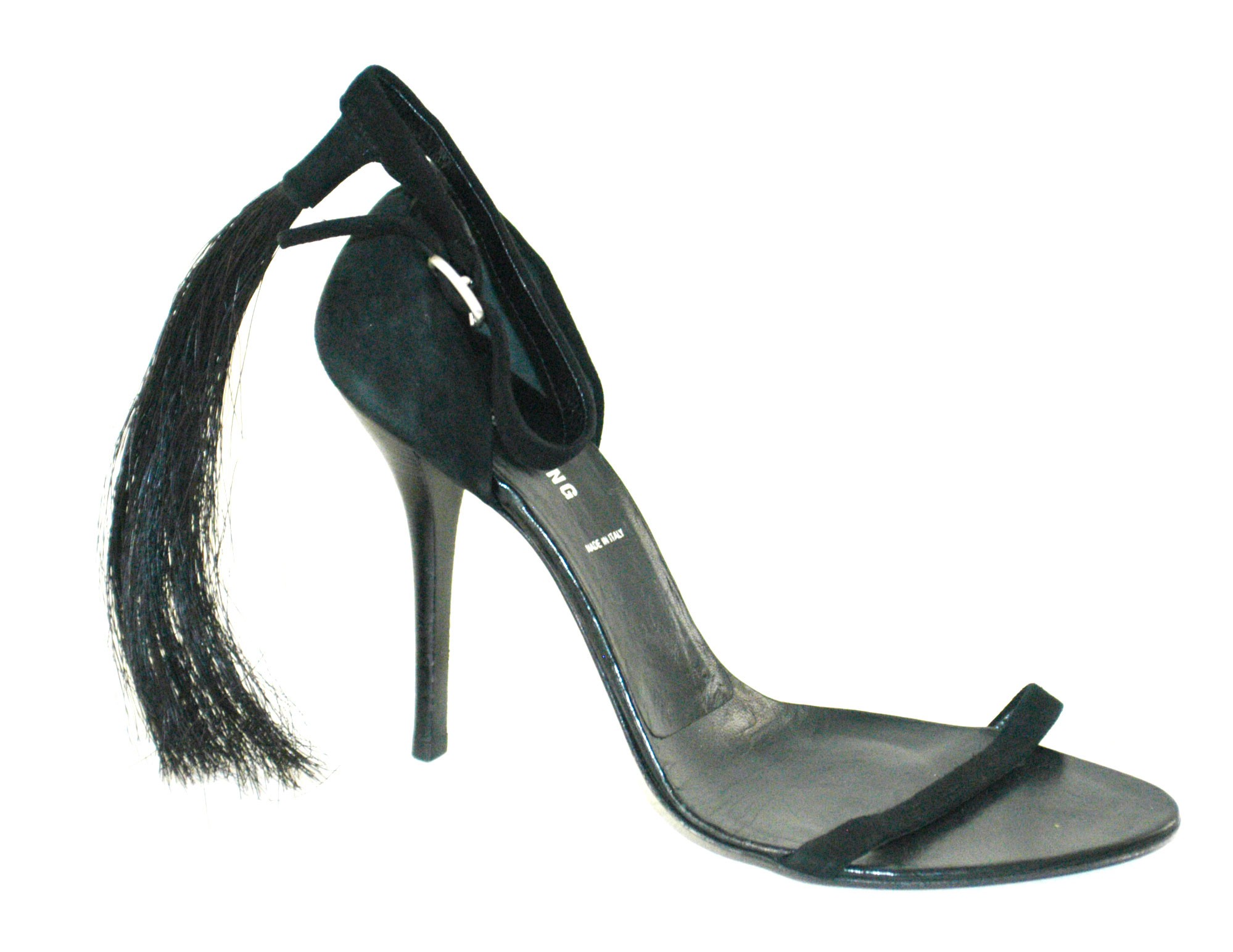
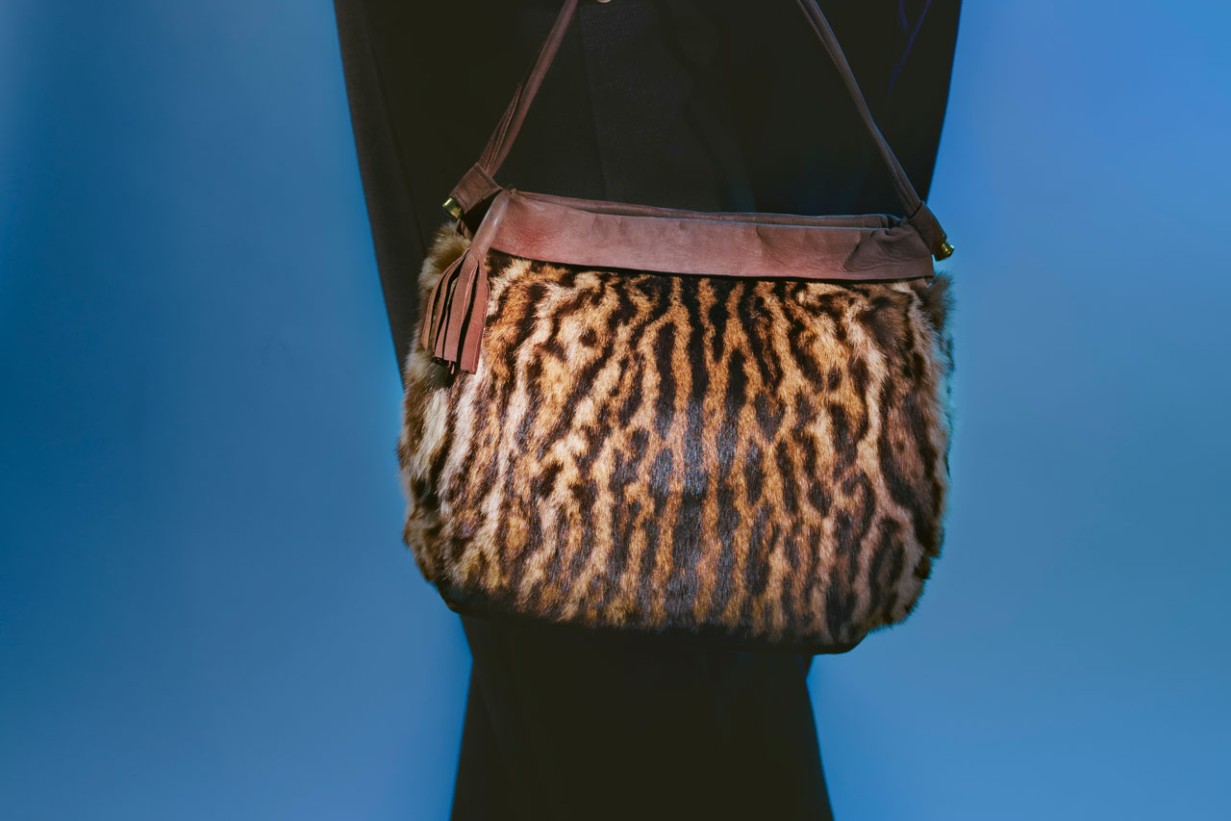
Helmut Lang, “d’orsay pump in horsehair and suede leather available in black,” 2004, execution: Prada, horsehair, full-grain leather, leather, metal, LNI 442 © MAK
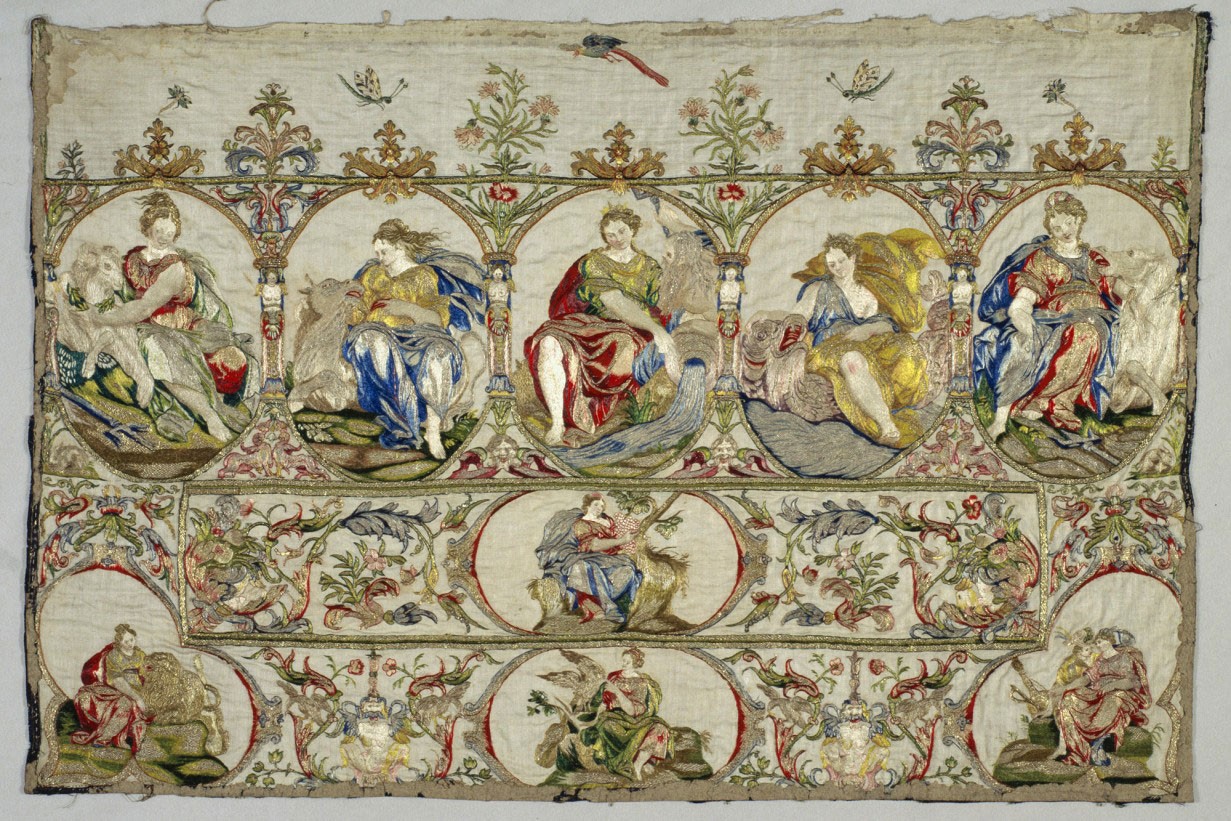
Camillo Procaccini (design), embroidery, fragment “The Loves of Neptune (Frutiera),” execution: Catterina Cantoni, Milan, ca. 1590, linen, silk, metal thread, T 4015 © MAK
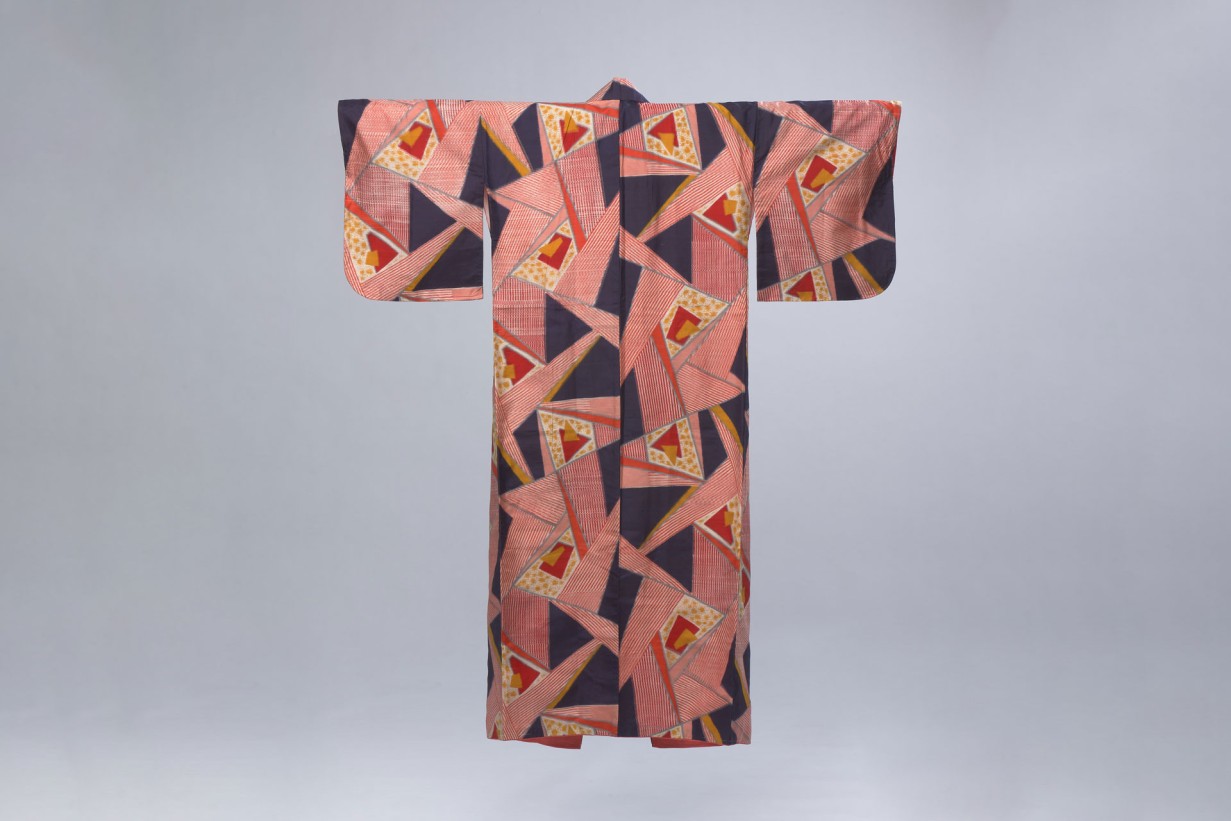
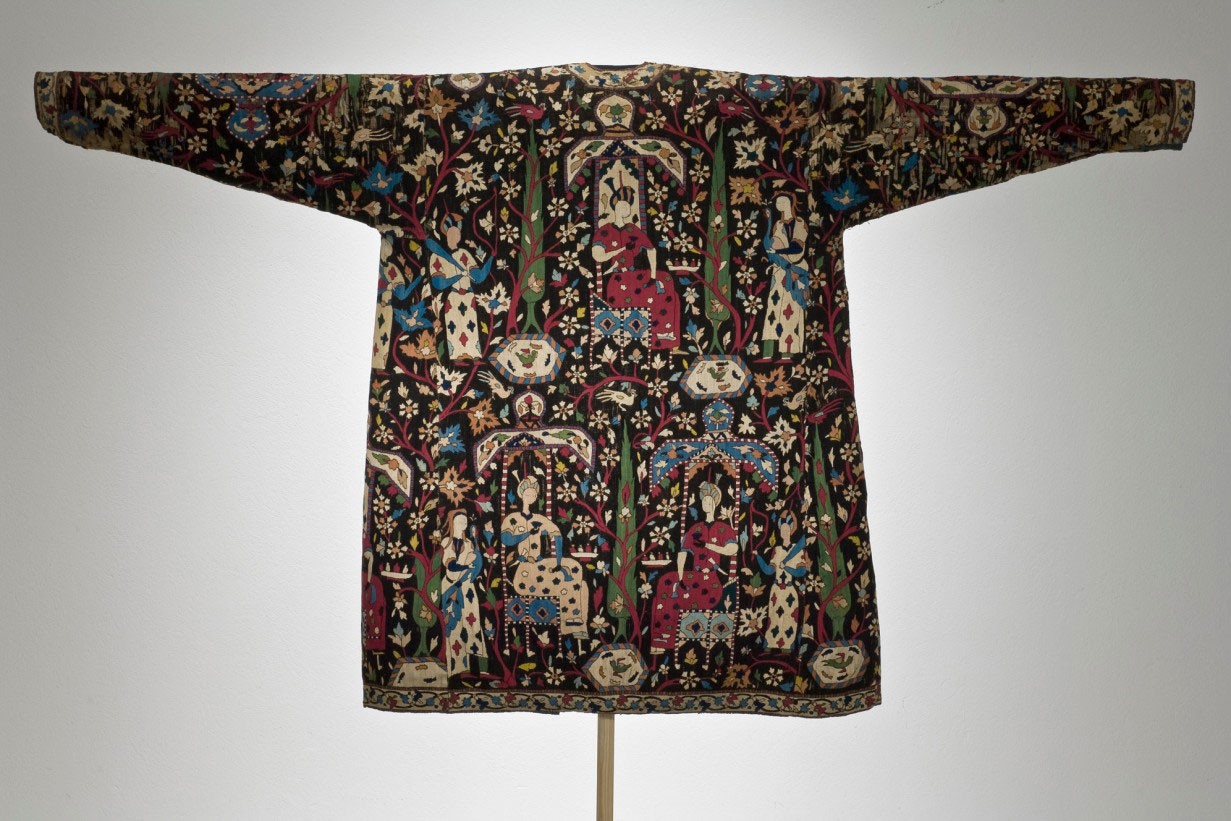
Persian robe, Iran, ca. 1600, cotton, silk, linen, T 4734 © MAK
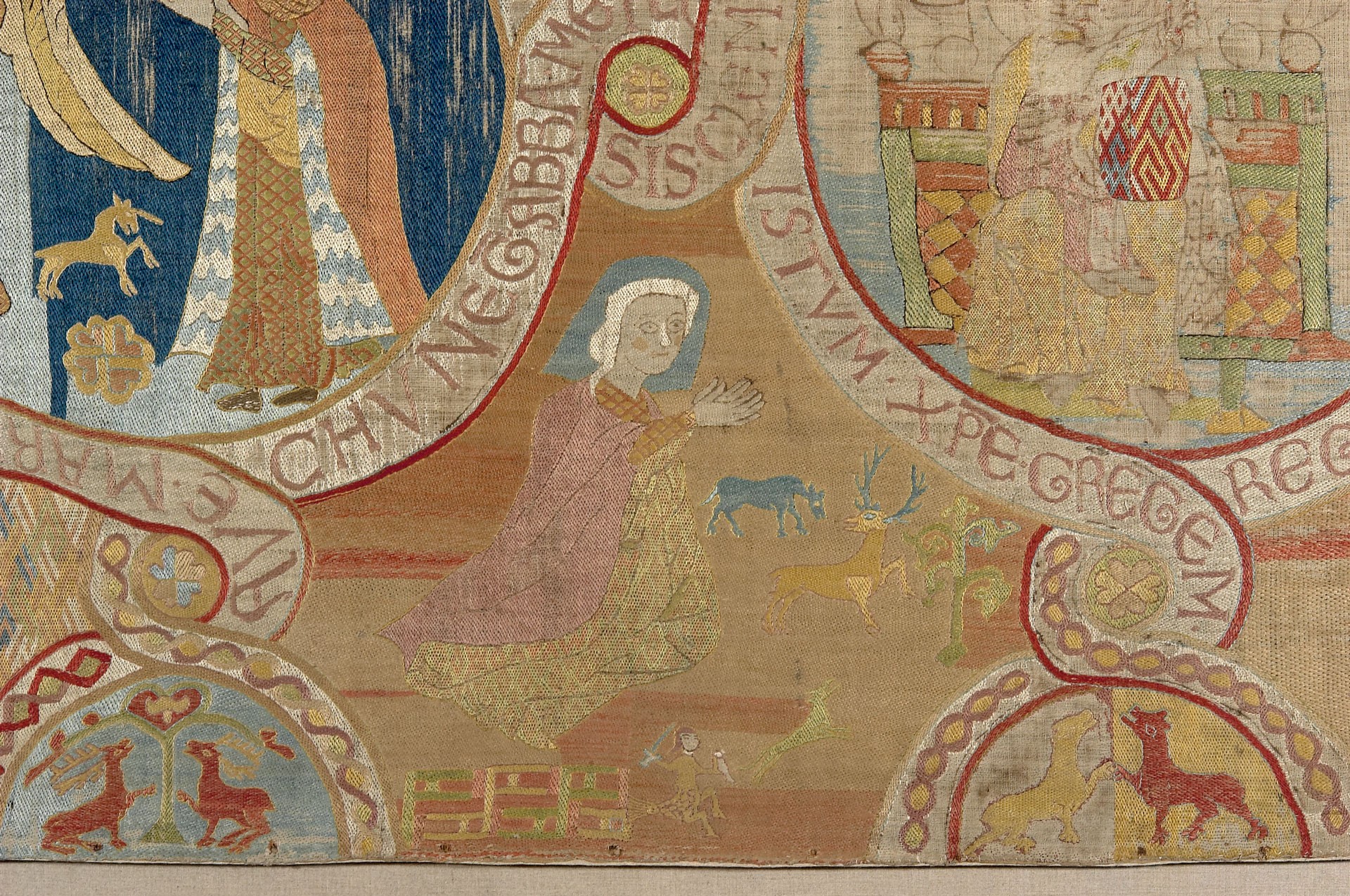
Antependium, Gösser Ornat, annunciation and adoration in 2 medallions, execution: Göss Abbey, Göss, ca. 1260, linen, silk, T 6902 © MAK/Georg Mayer
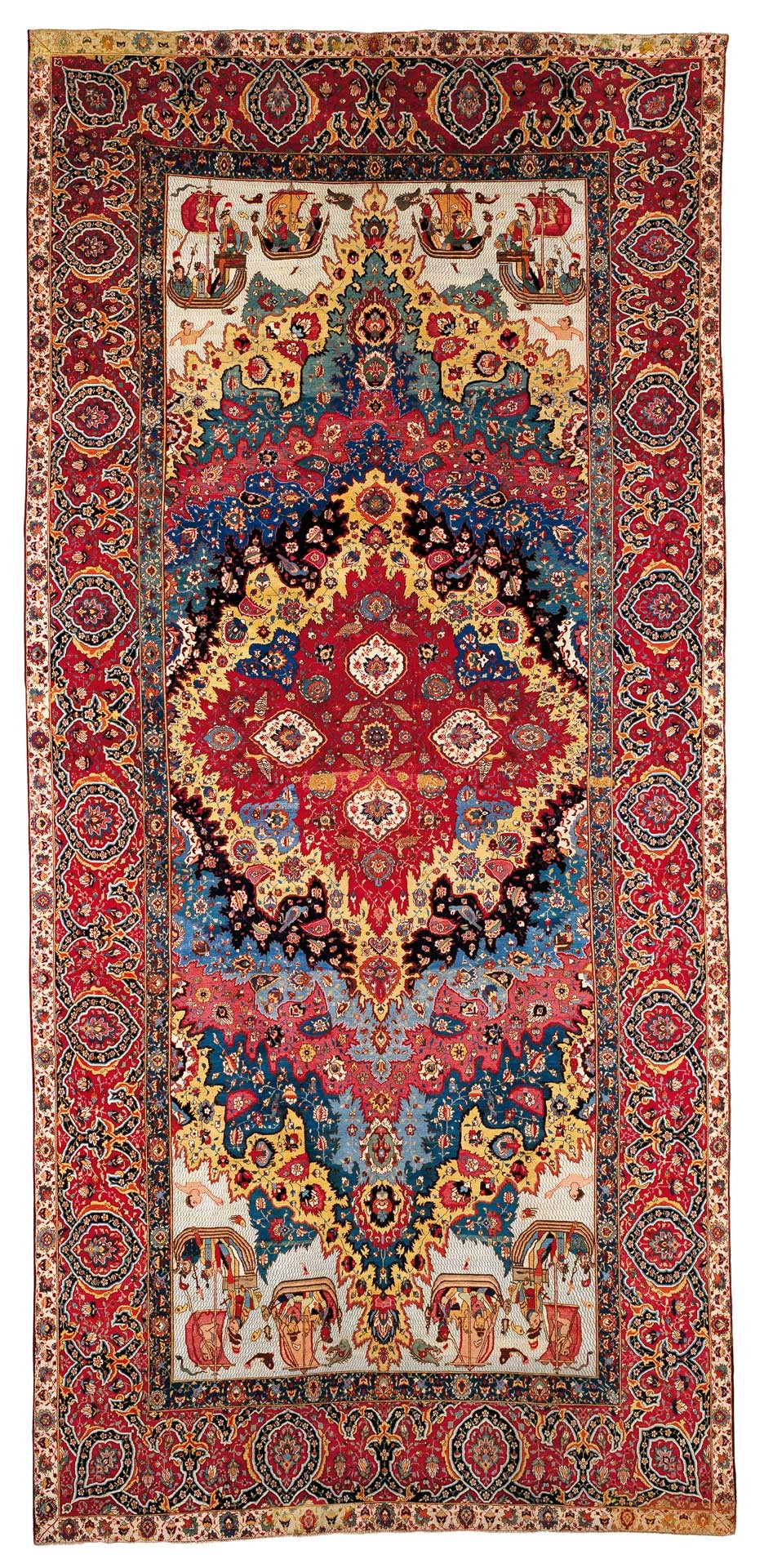
Carpet, Khorasan, beginning of the 17th century, cotton, wool, T 8339 © Lois Lammerhuber/MAK
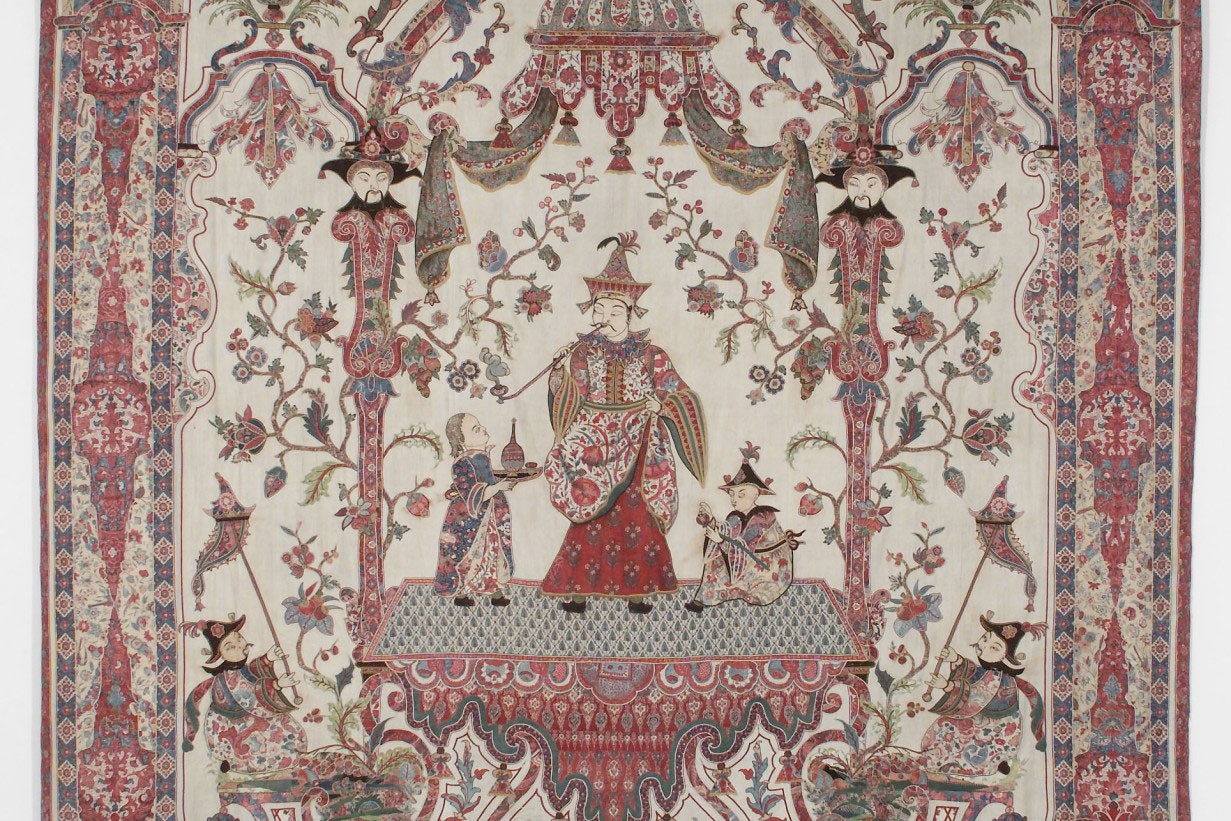
Hanging from the interior decoration of Schloss Hof for Prince Eugen, Coromandel Coast, ca. 1730, cotton, silk, linen, T 8425- © MAK
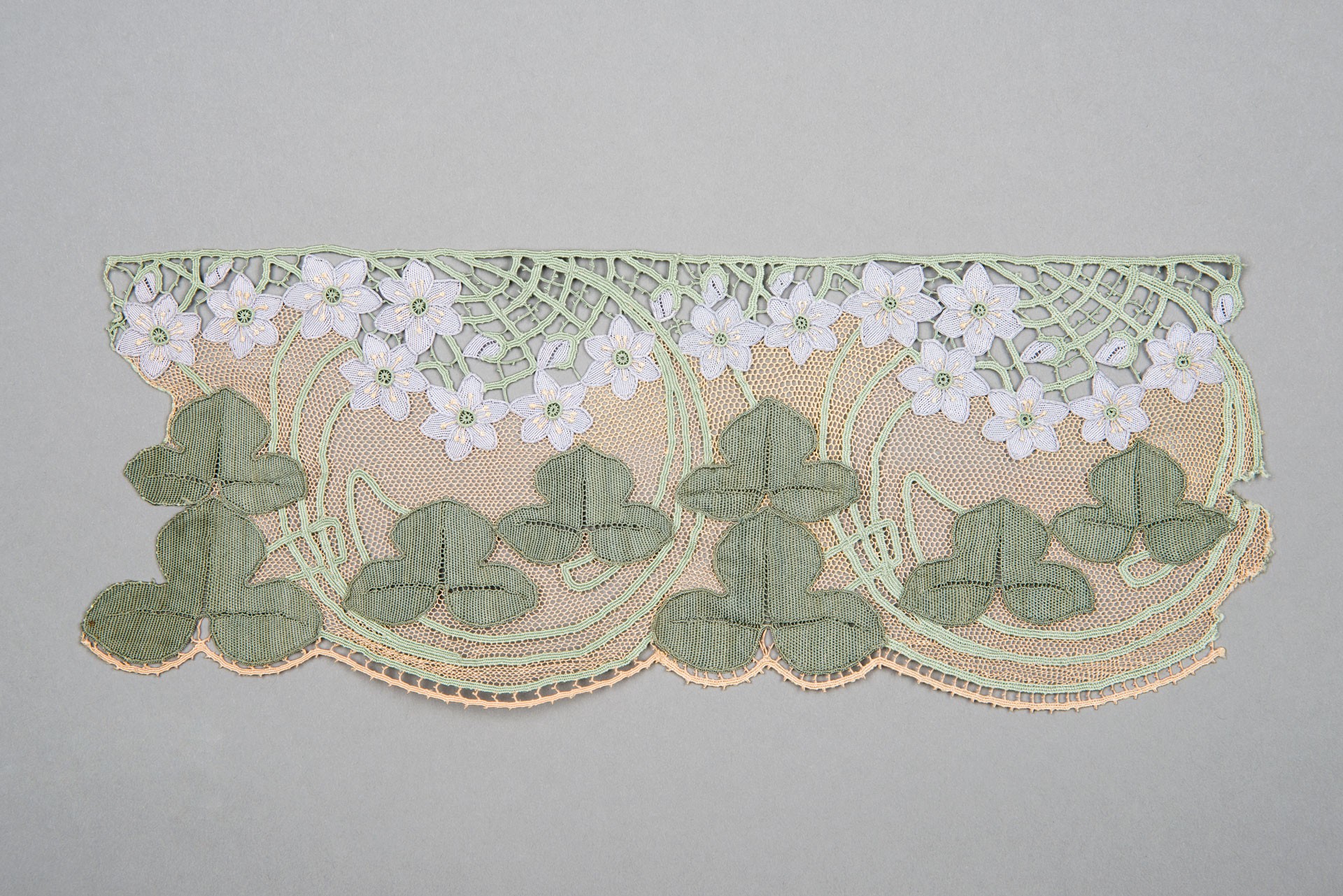
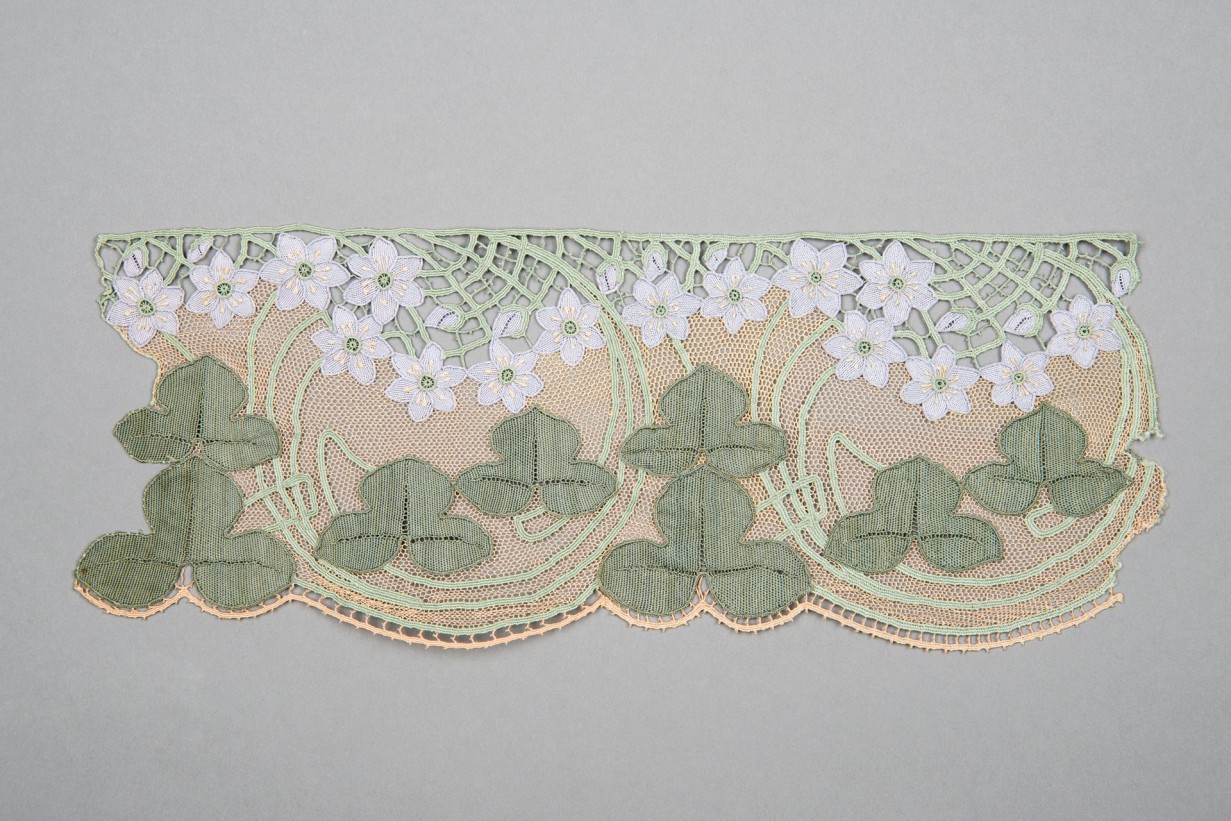
Franziska Hofmanninger (design), lace pattern, rows of flowers and ivy leaves, execution: K. k. Zentral-Spitzenkurs, Vienna, 1901, silk, T 10073-1021 © MAK
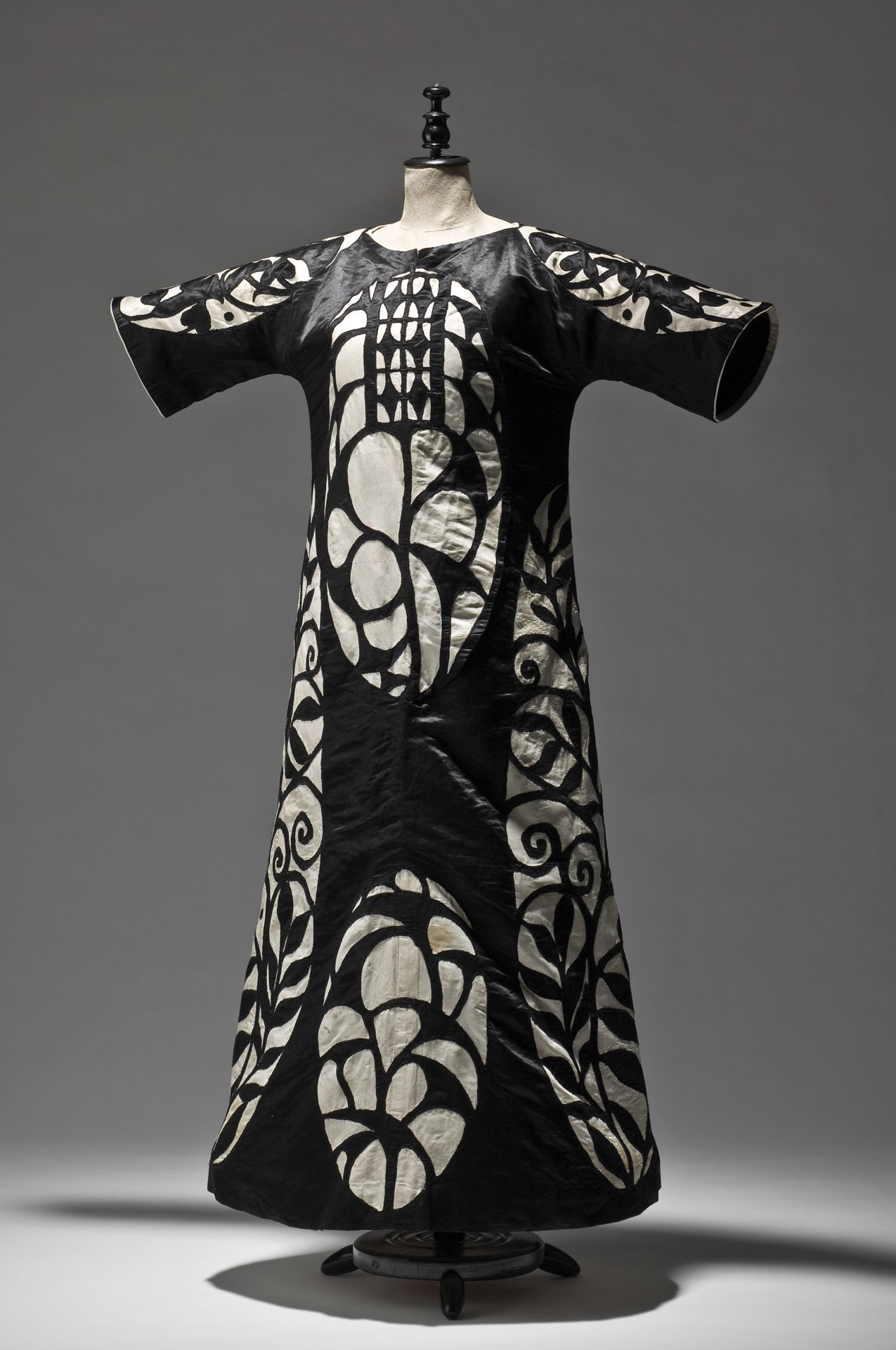
Josef Hoffmann, robe for a Redoute, manufacturer: Wiener Werkstätte, Vienna, ca. 1910, silk, cotton, metal, T 11827 © MAK/Georg Mayer
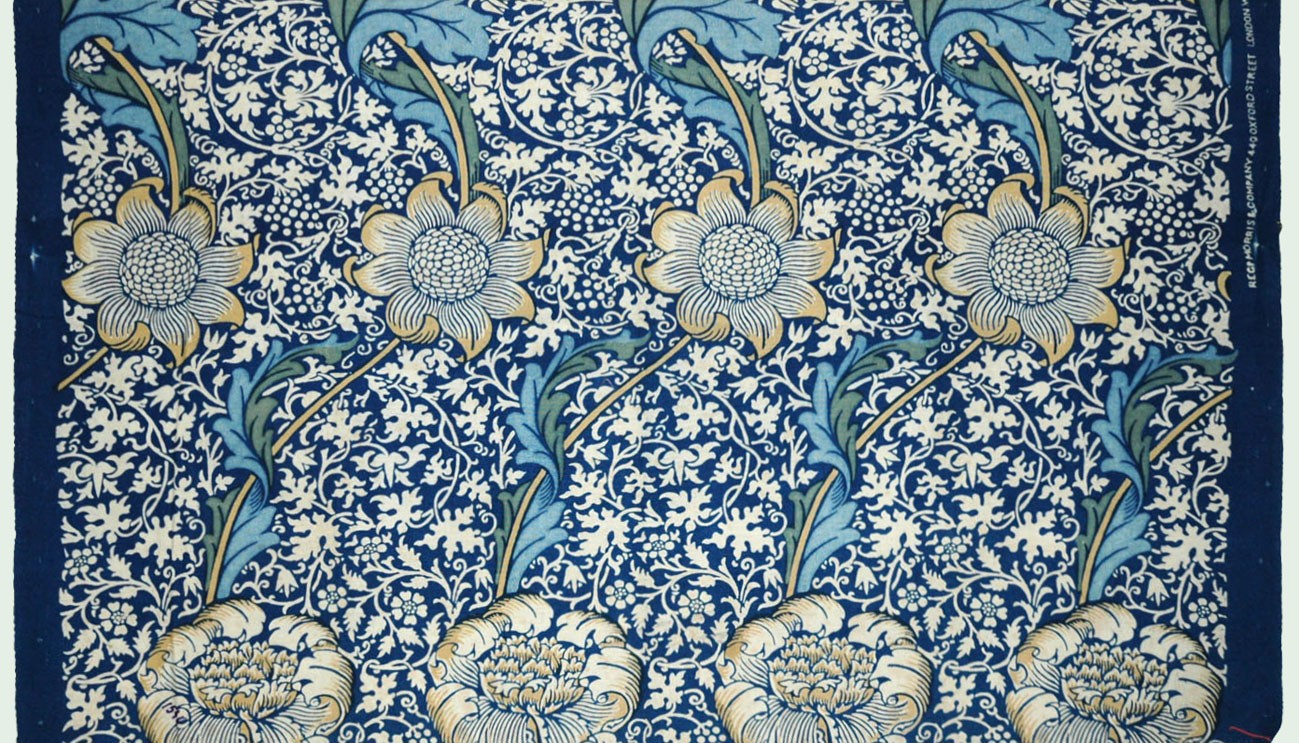
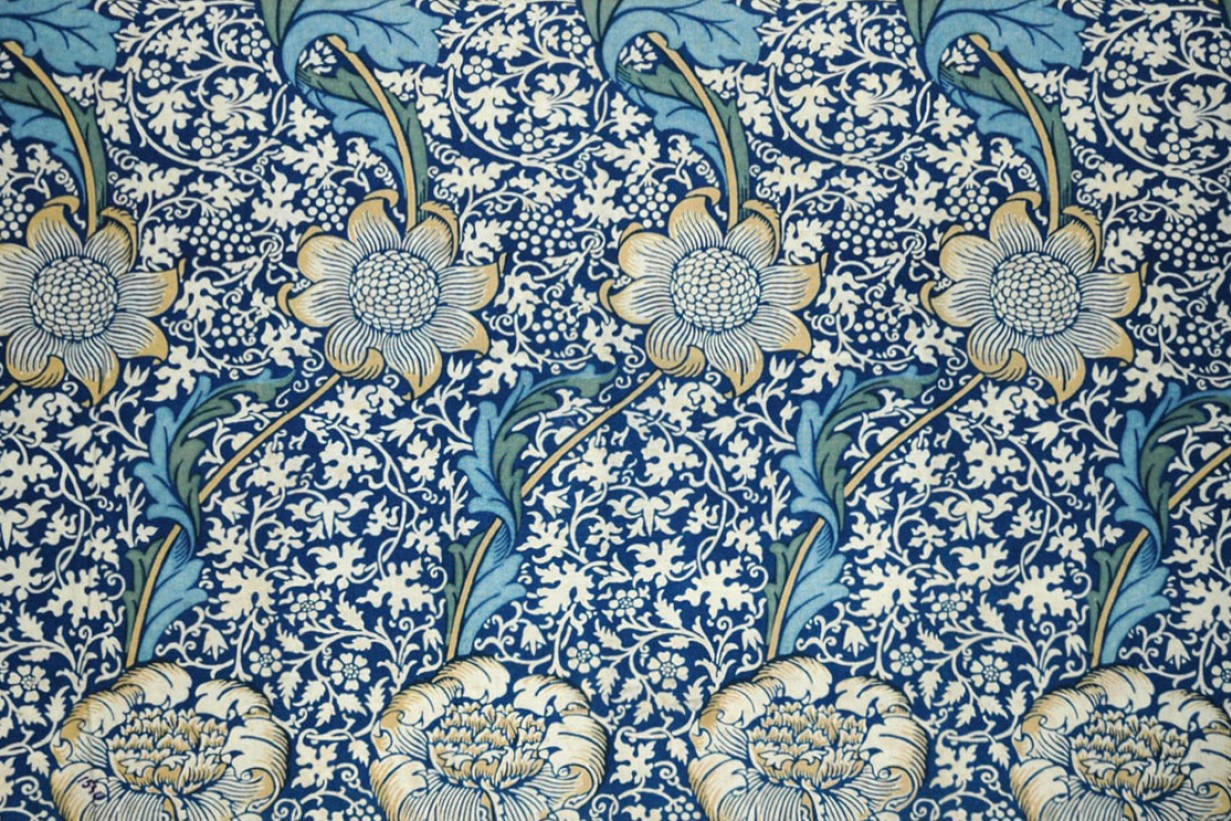
Robert Morris (design), decorative fabric “Kennet,” execution: Morris & Company, London, 1883, cotton, T 12461 © MAK/Branislav Djordjevic

Mizi Friedmann-Otten (design), textile pattern “Karst“ for the Wiener Werkstätte, Vienna, 1910–1928, execution: Gustav Ziegler, Vienna, Teltscher & Löwy, silk, WWS 363 © MAK/Kristina Wissik
Exhibitions