Design Collection
Curator: Marlies Wirth
© MAK/Kristina Wissik
© MAK/Kristina Wissik
© Alfredo Barsuglia (edited by MAK)
© Process (edited by MAK)
© Stephan Augustin (edited by MAK)
© mischer'traxler Studio
© Barbara Gollackner
© MAK/Georg Mayer
© Harm van den Dorpel/MAK
© MAK/Georg Mayer
© Superflux
© Jesse Howard
© Stephanie Kneissl
© EOOS NEXT
© MAK/Georg Mayer
© PEPE fotografia
Previous Image
An Expanded Concept of Design
Design changes the existing world and is an elementary tool for shaping the environment and society. It can be used to expand the possibilities of human agency and decision-making and to envision alternative futures together. Based on an expanded design approach that is socially and ecologically involved and includes both analogue and digital technologies, the objects in this collection appear more complex and comprehensive than a design collection would initially imply. They prompt thought processes for systemic change as well as production and consumption habits committed to sustainability. Key objects of the collection are those that also question their belonging to a design collection. Sometimes not even tangible as a physical object, they flirt with the historically established collection areas or open up entirely new perspectives due to their apparent distance to design.Democracy and Society
How do we design the way we live together? How can housing, work, leisure, but also the idea of property and identity be conceived through the lens of design? The Design Collection represents objects and concepts dedicated to the social, political, and economic questions of the present. These are often interdisciplinary, participatory, and conceptual.Technology and Ecology
The collection includes projects from the fields of product design, speculative design, social design, generative design, inclusive design, and circular design. It also conveys the idea of a more-than-human perspective on design. It explores ecologically motivated future perspectives that partly apply latest technologies to produce in a circular and resource-efficient way. This includes everyday objects made of unusual materials, projects that deal with reparability, renewable materials, or waste as a resource, and consequently a reappraisal of biodiversity including microorganisms and bacteria.Digital Culture
The MAK has a long history of pioneering engagement with new technologies, which has developed since the 1990s in various exhibition and research projects. Since 2016, the Design Collection has extended its research into “Digital Culture.” In this context, digital technologies are seen as contemporary expressions of a changing understanding of culture. The focus lies on design strategies and projects that critically examine the data and resources underlying technologies. The collection also includes augmented reality and virtual reality experiences, born-digital projects, as well as AI-generated projects.Media
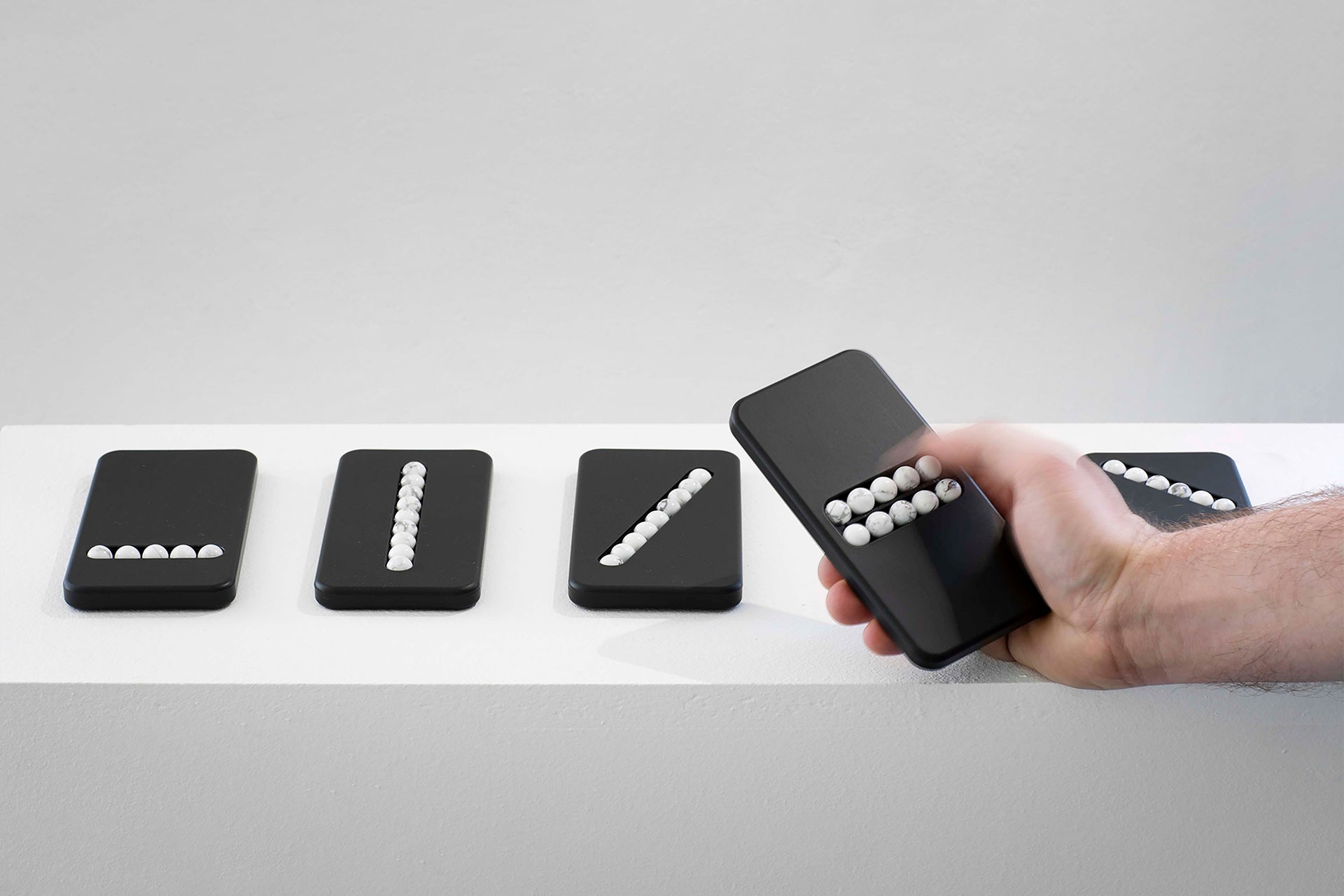
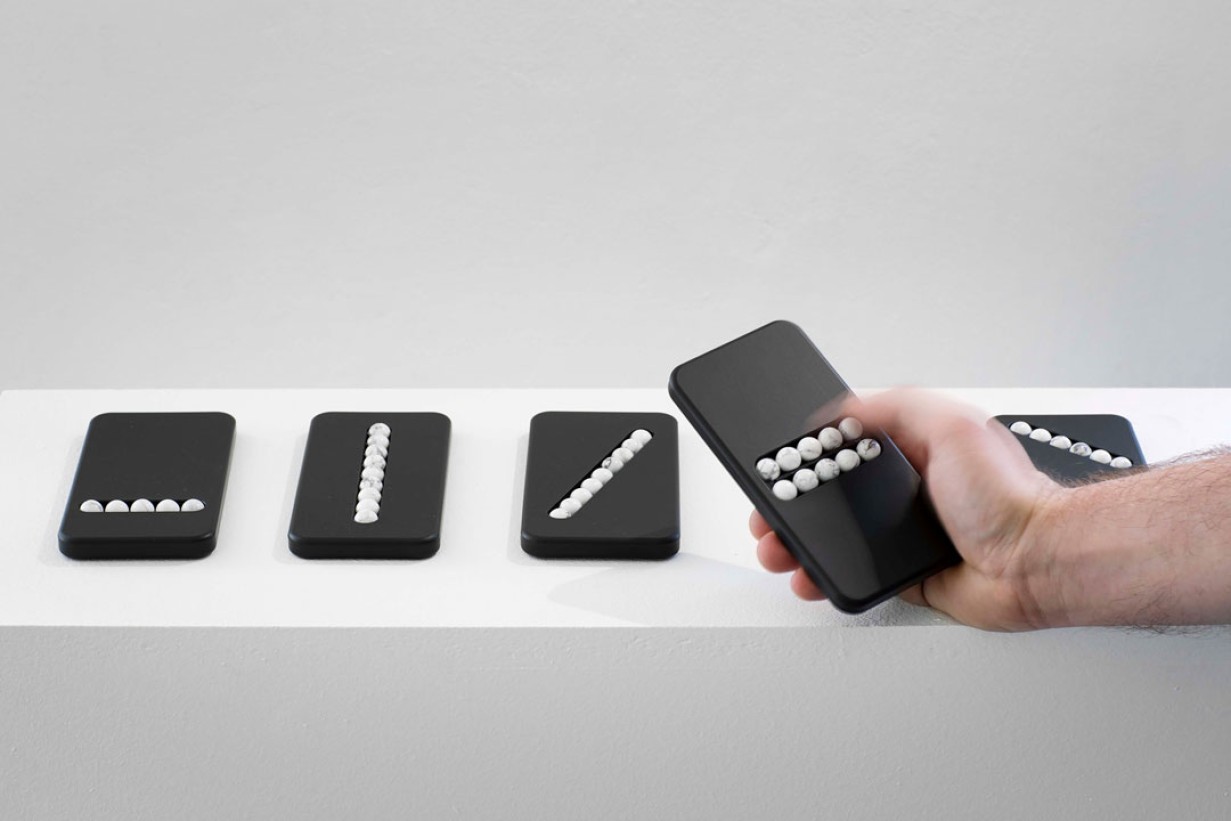
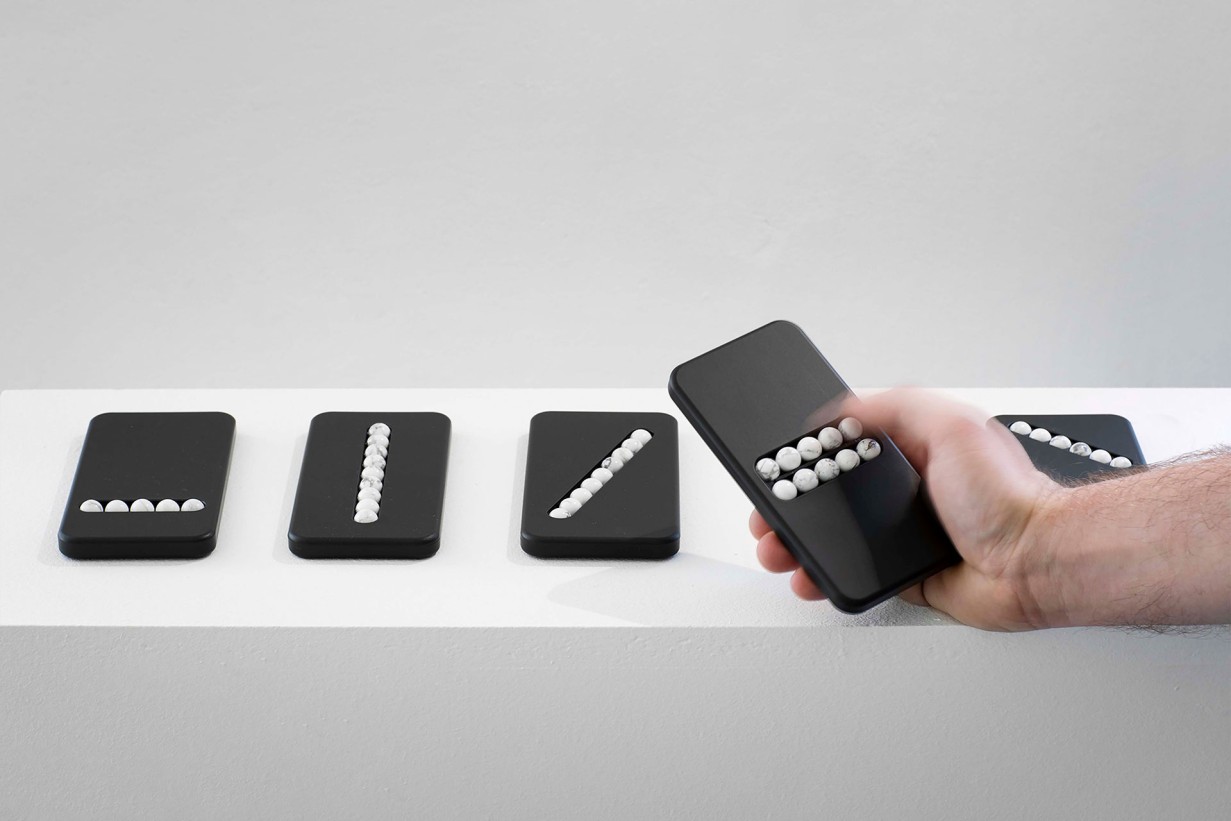
Klemens Schillinger, SUBSTITUTE PHONE, 2017, Ersatzobjekt für Smartphones, DS 386 © MAK/Kristina Wissik
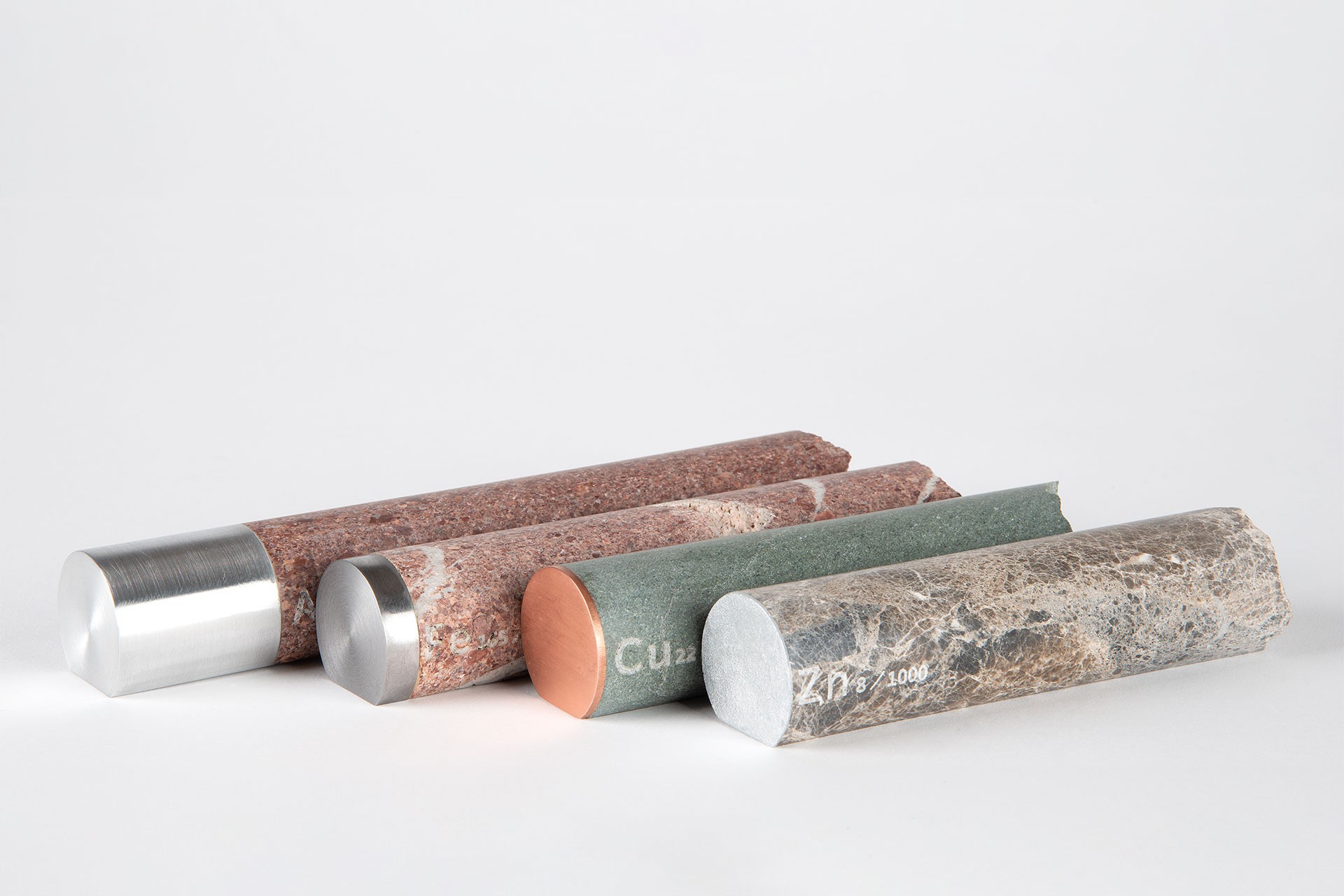
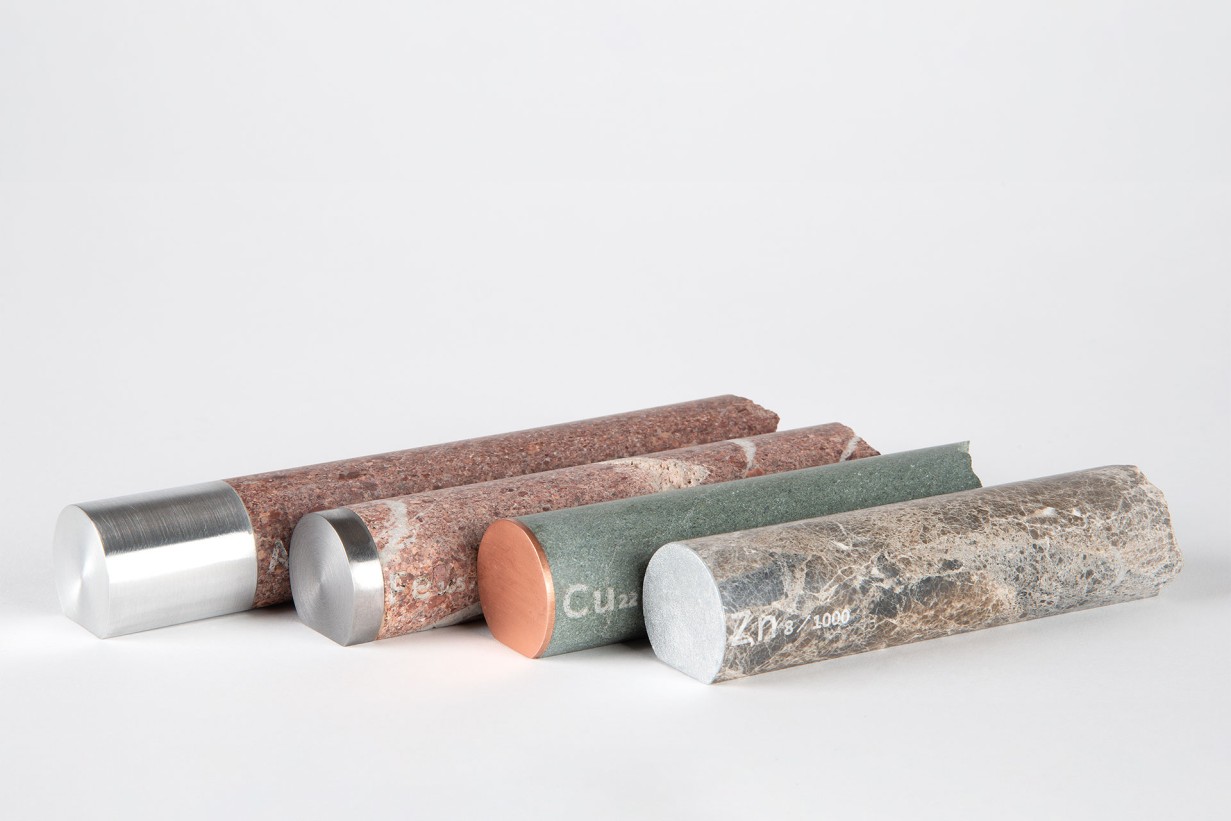
mischer'traxler Studio, RATIO-S, 2020, Artistic research/products, DS 446–449 © MAK/Kristina Wissik
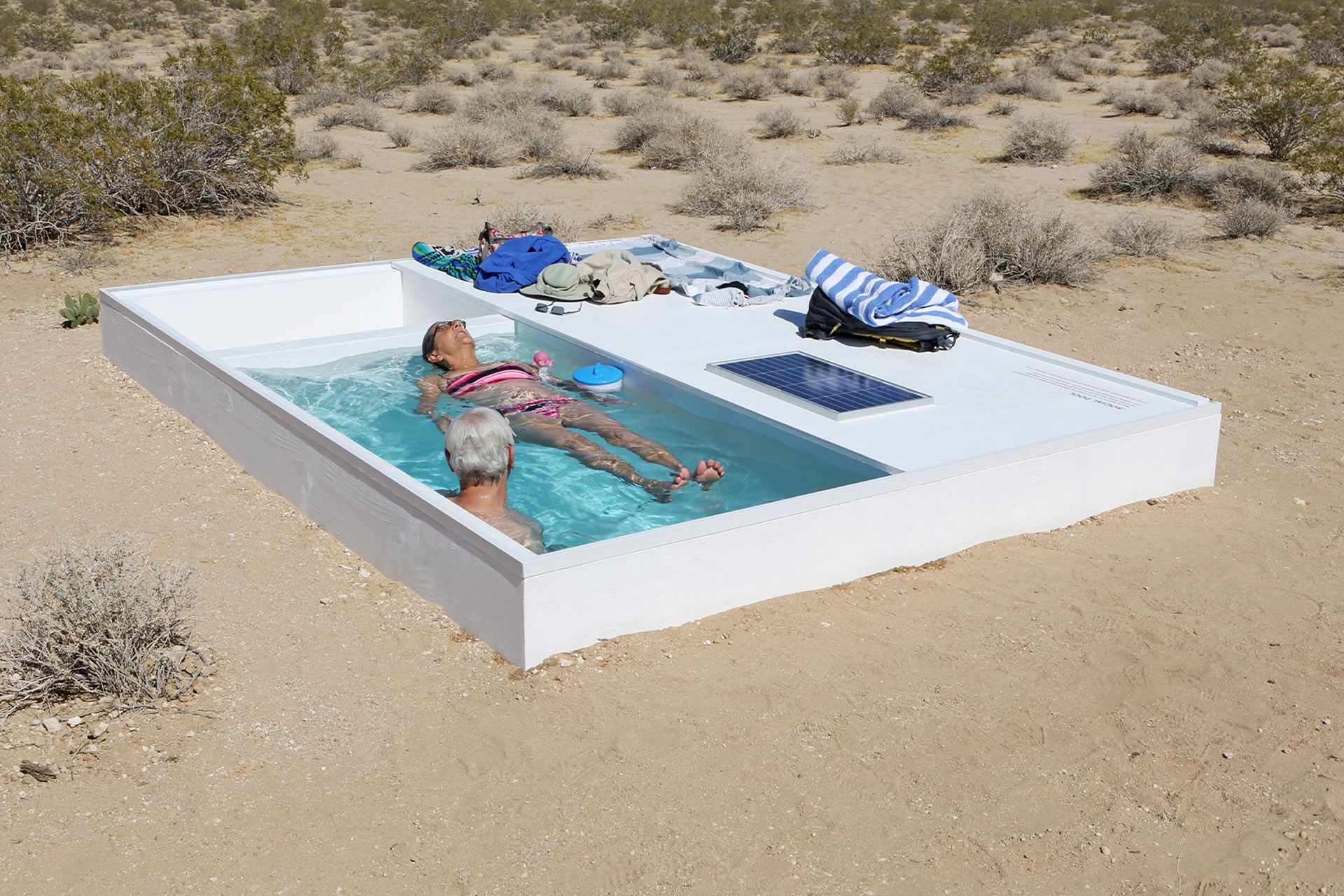
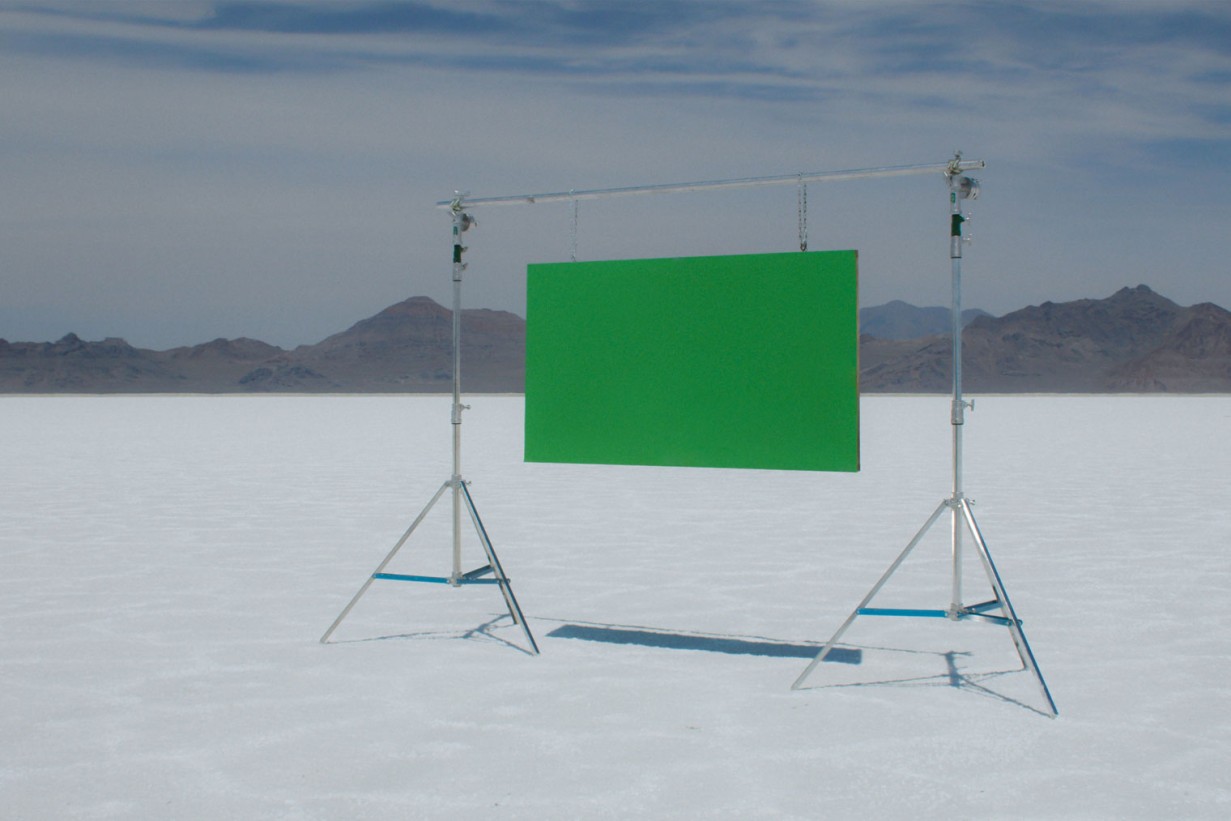
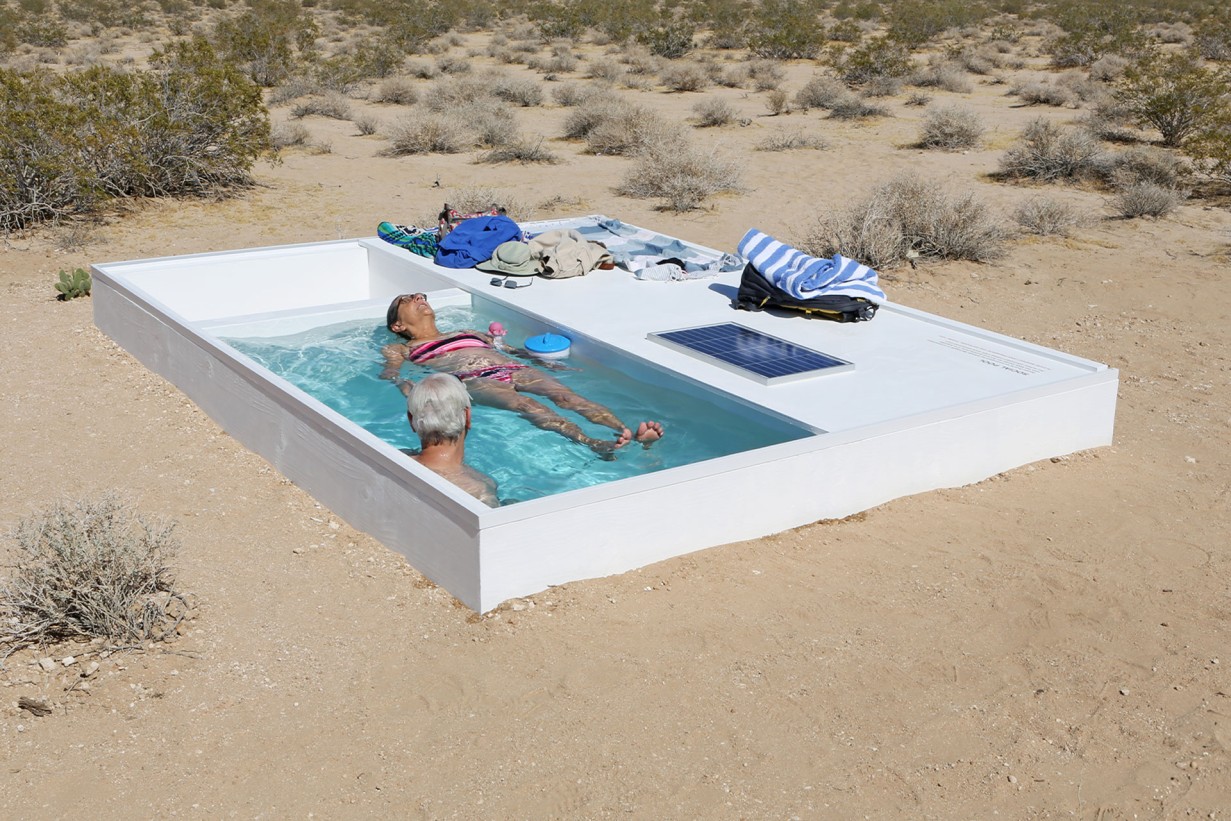
Alfredo Barsuglia, SOCIAL POOL, 2014, Video documentation of the sculpture in the Mojave Desert, DS 517 © Alfredo Barsuglia (edited by MAK)
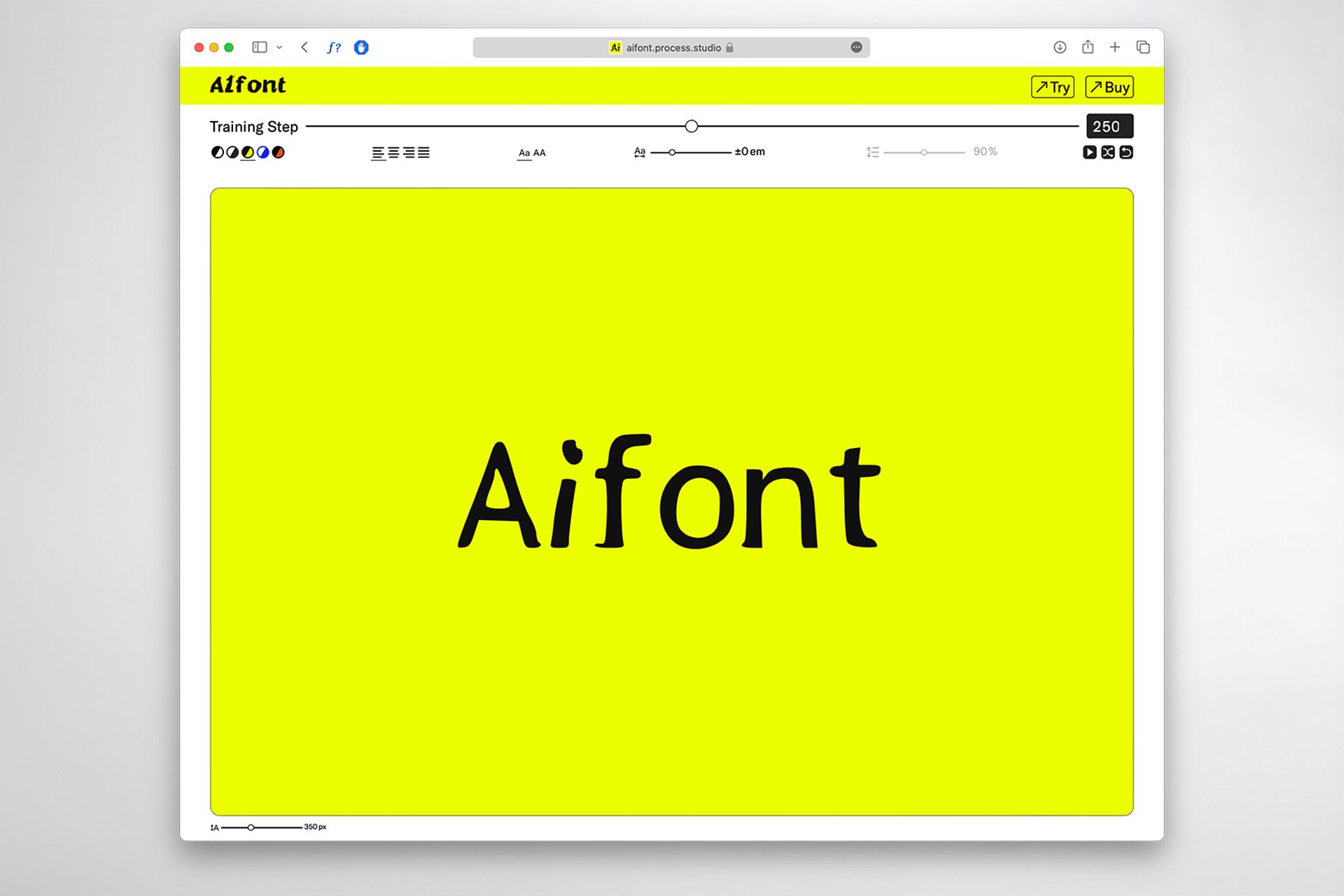
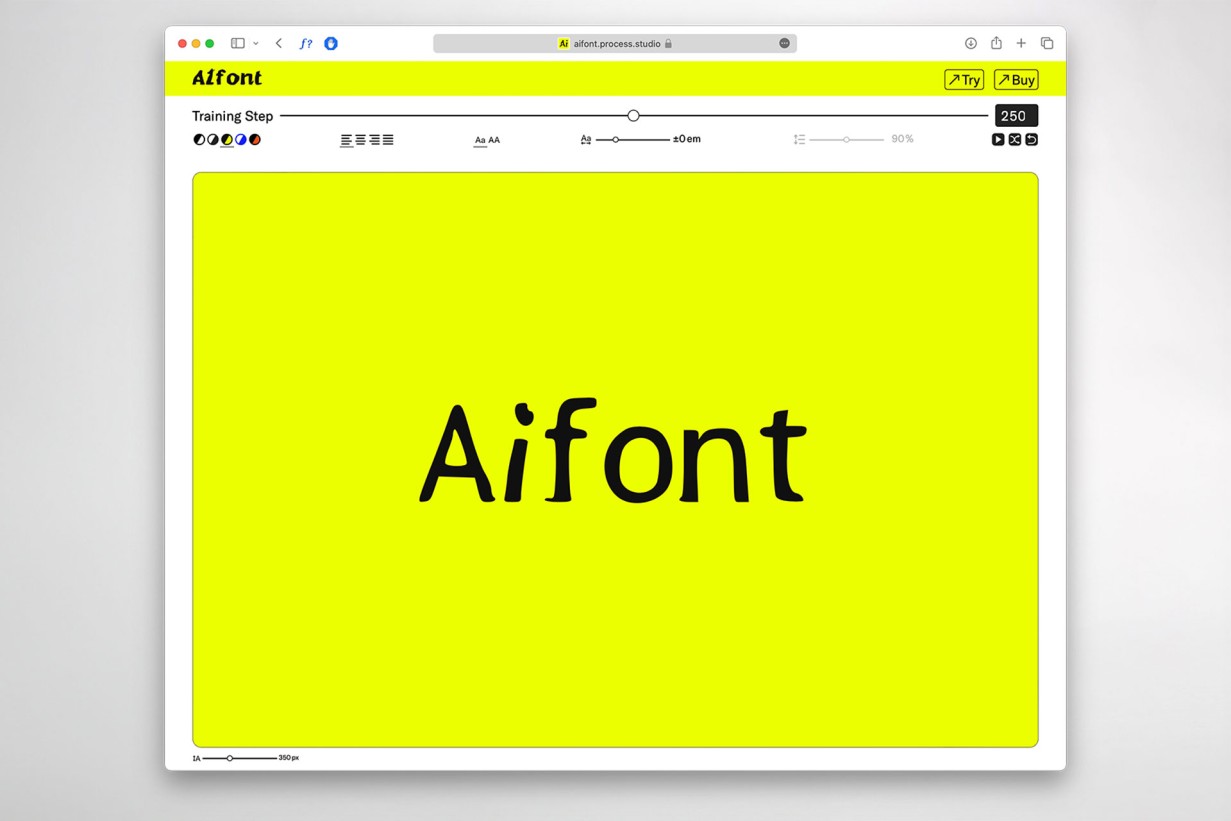
Process – Studio for Art and Design, AIFONT, 2023, Generative typeface, DS 520 © Process (edited by MAK)
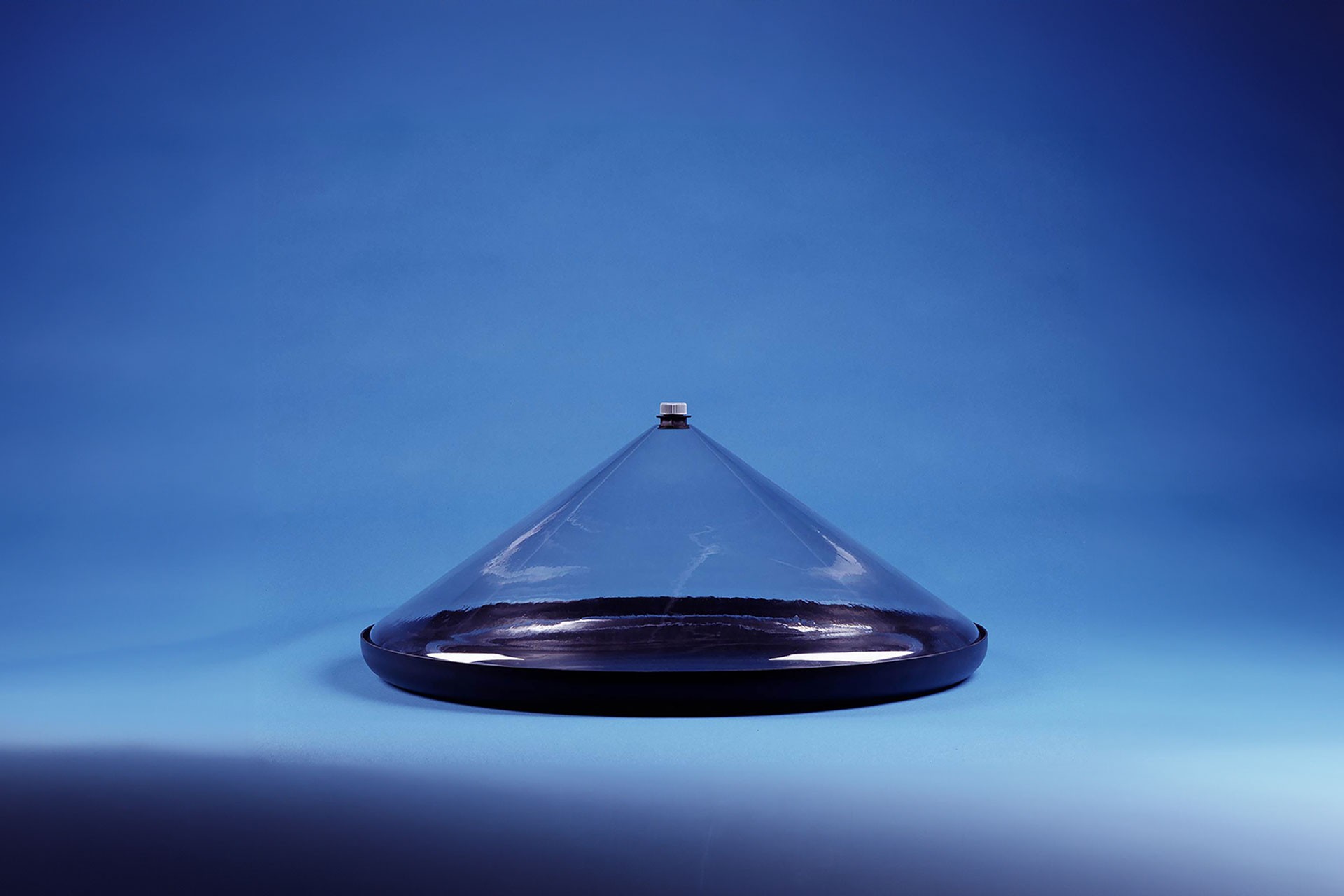
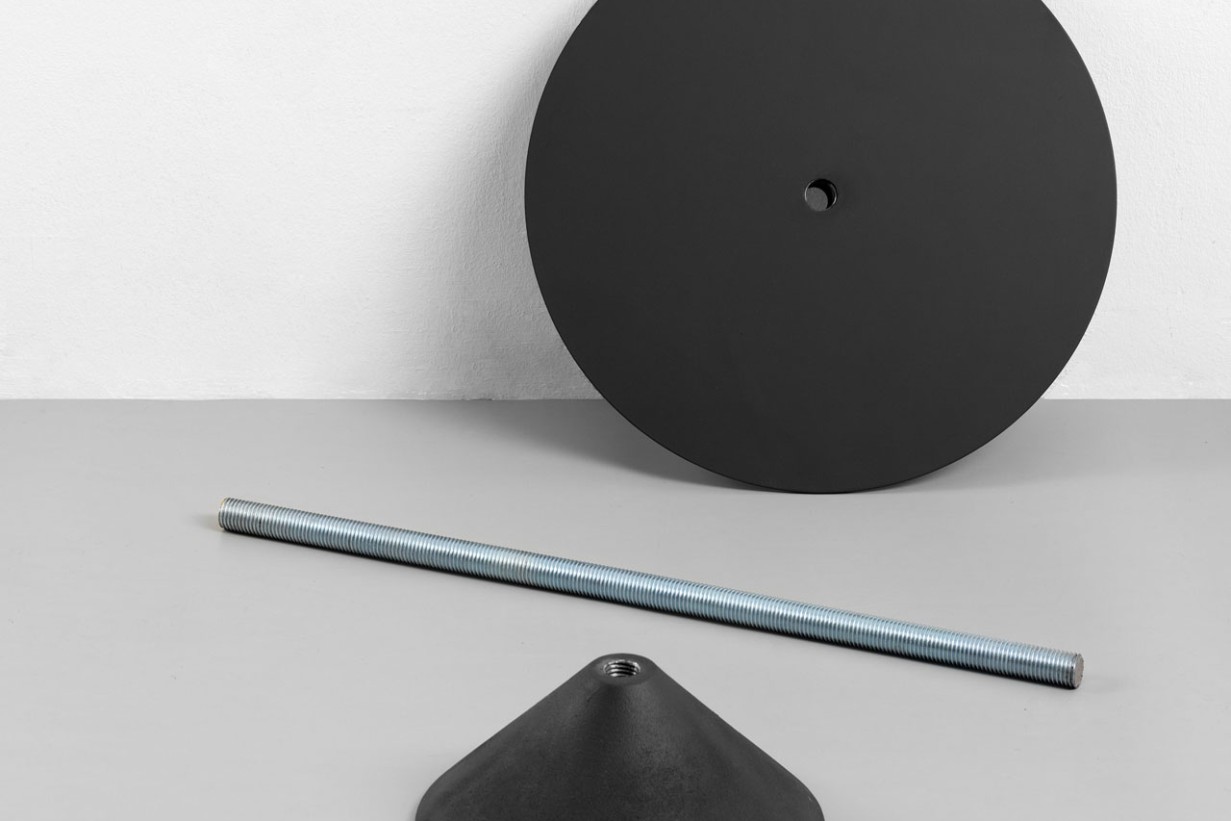
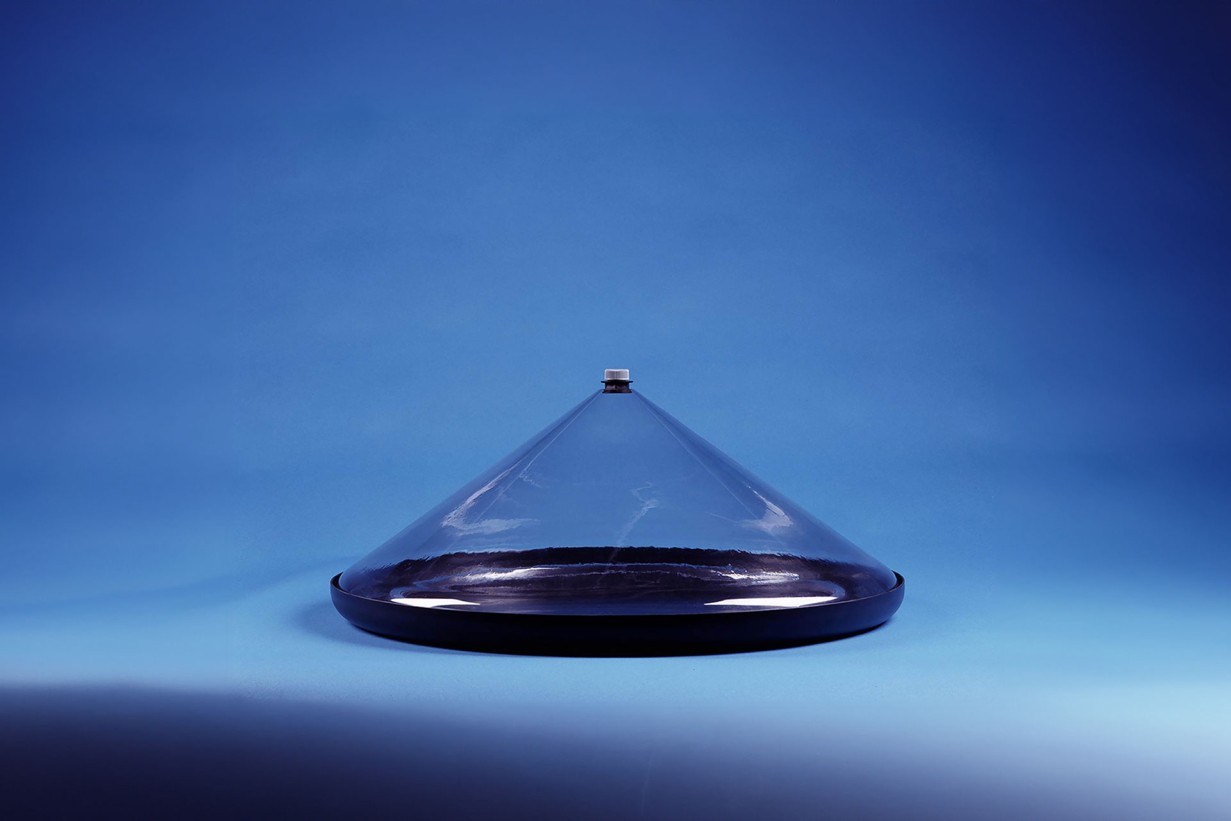
Stephan Augustin, WATERCONE, 2001, Water filter, DS 185 © Stephan Augustin (edited by MAK)
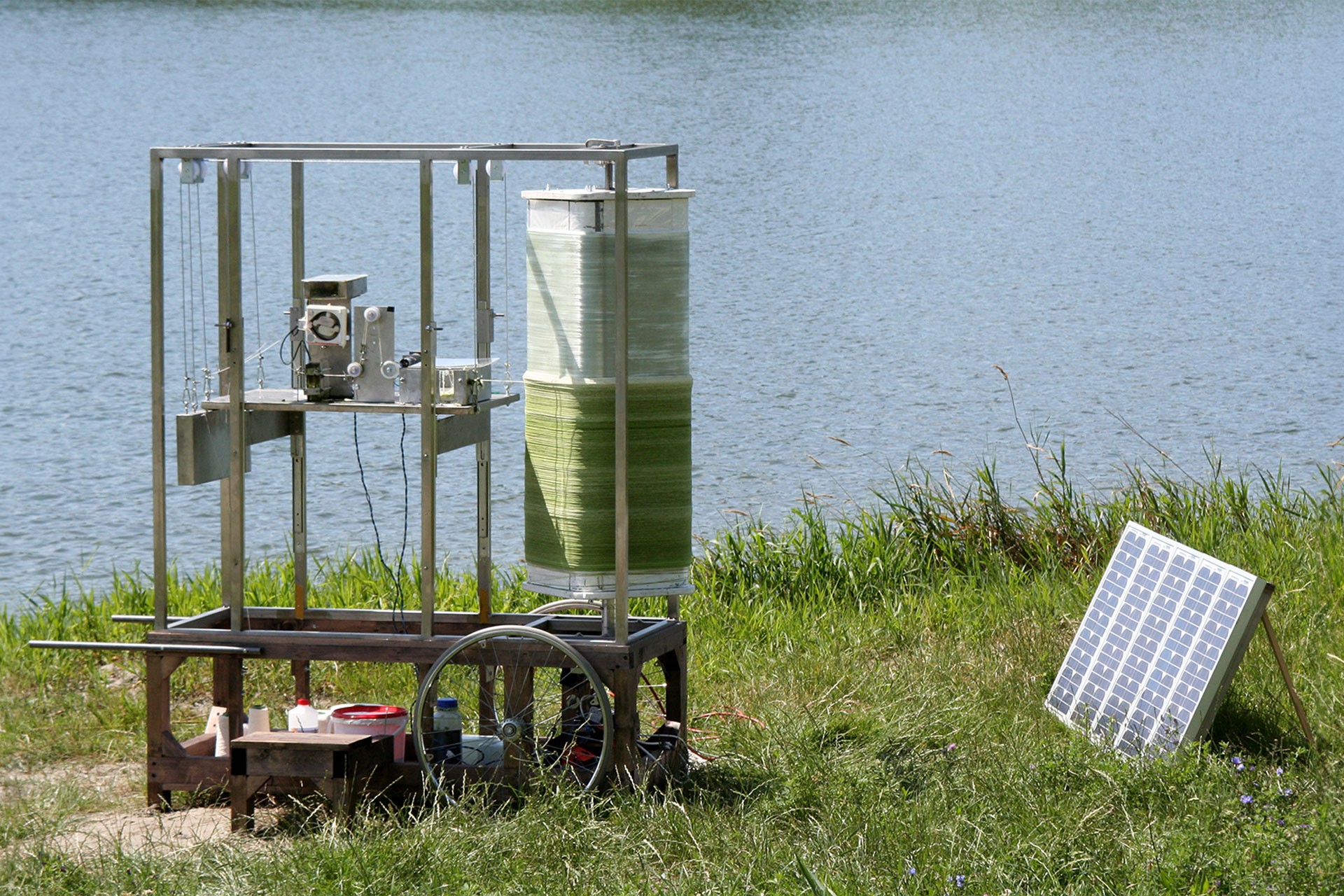
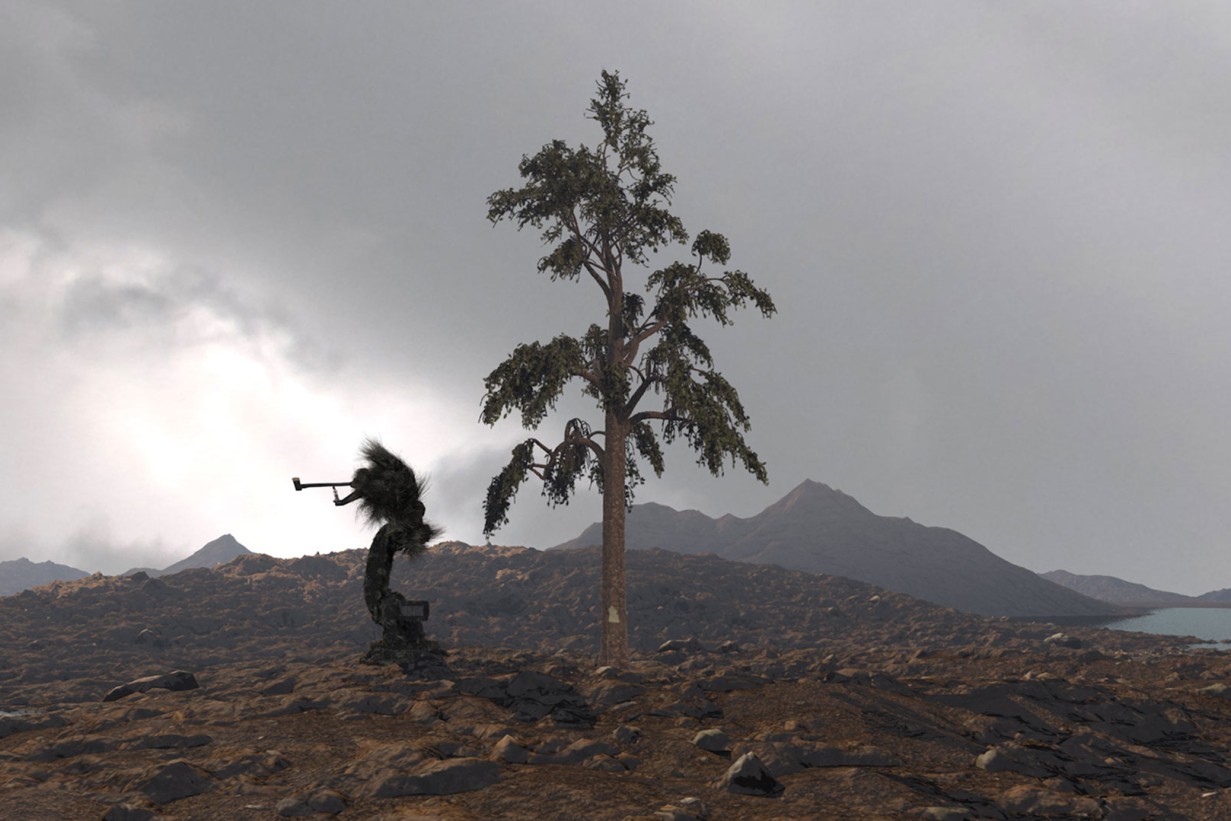
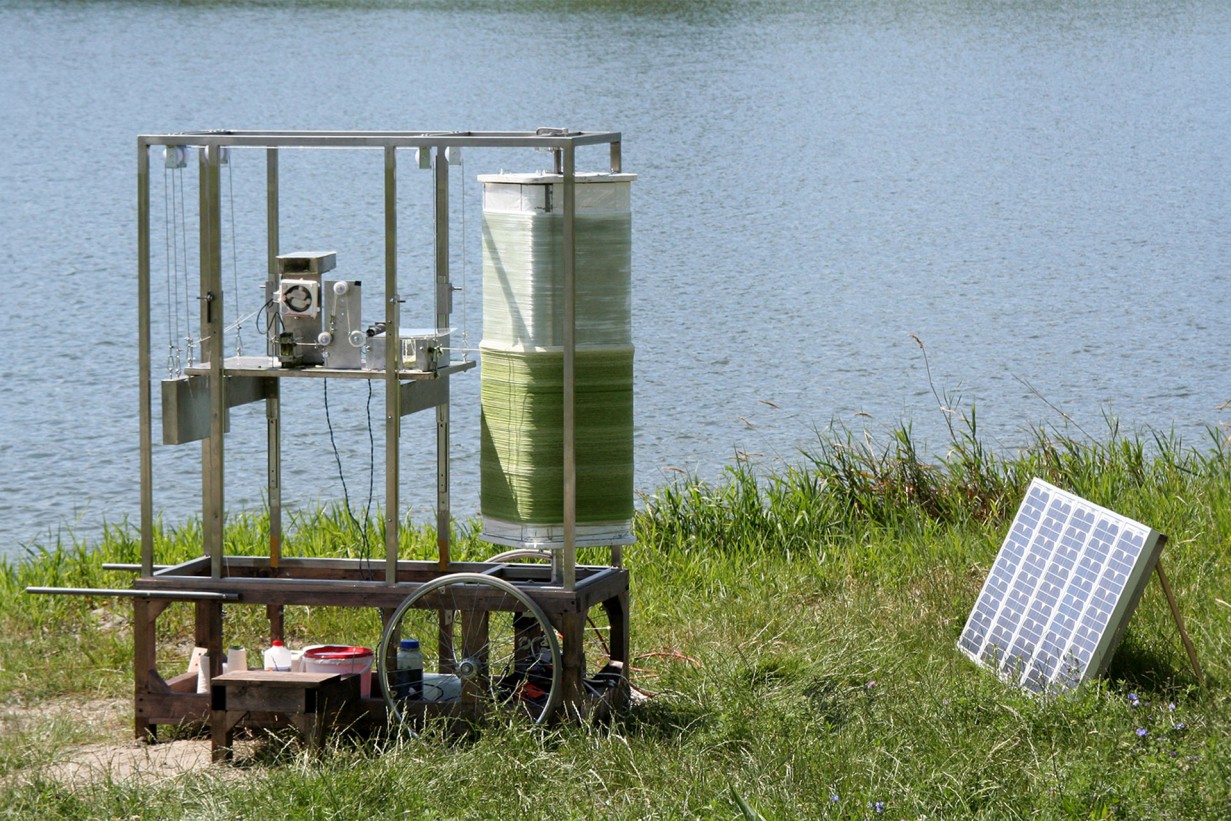
mischer'traxler Studio, THE IDEA OF A TREE – RECORDER ONE, 2009, Production process/machine, DS 374 © mischer'traxler Studio
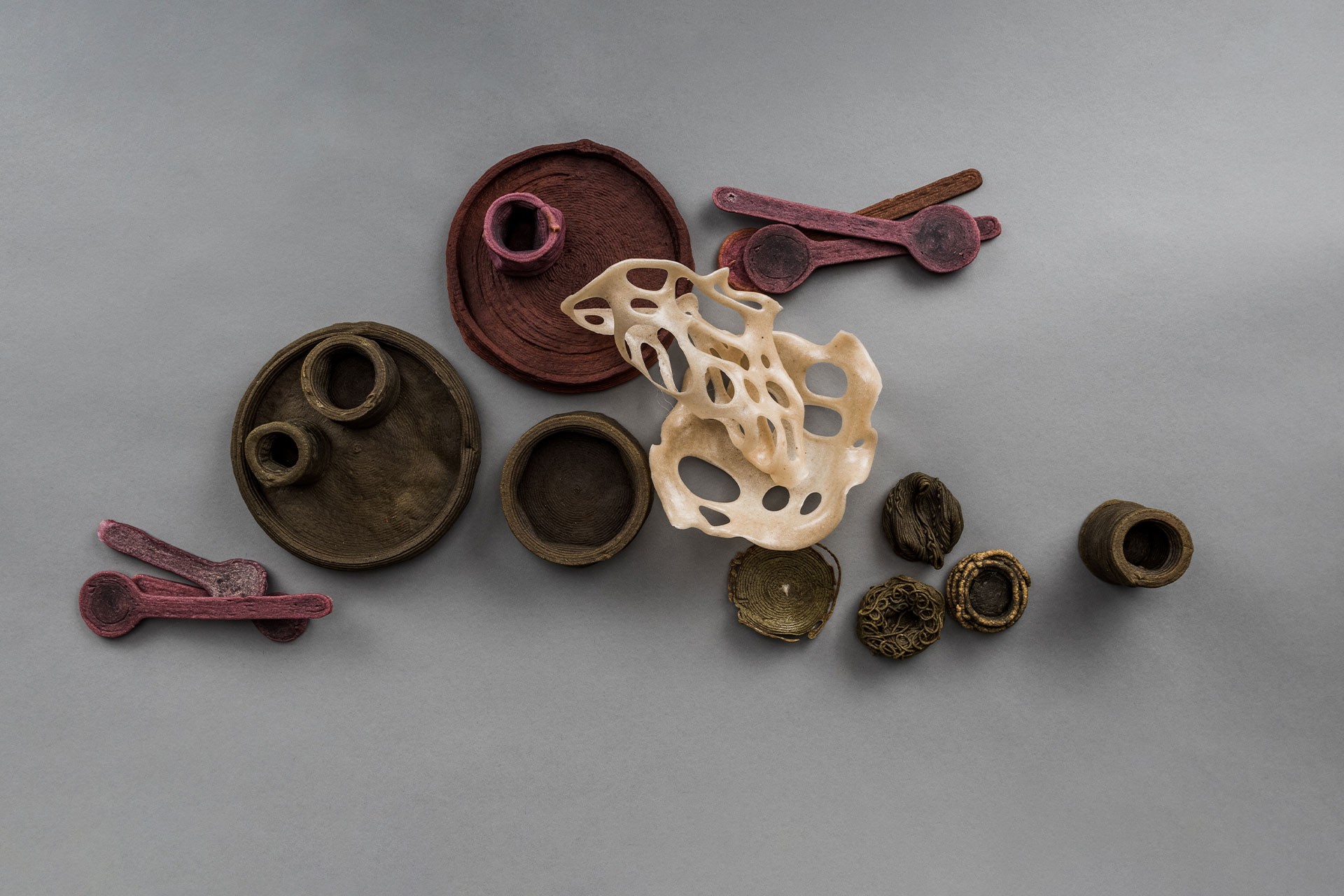
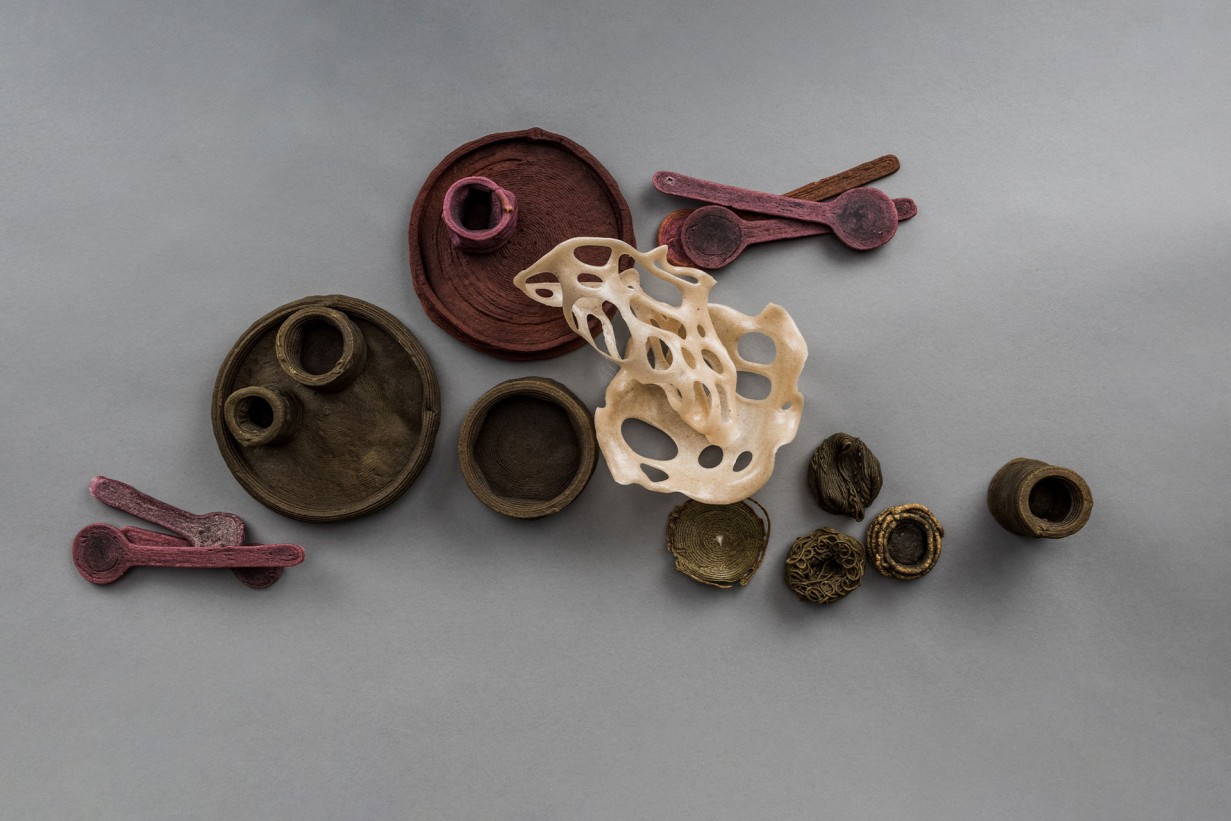
Barbara Gollackner, WASTE WARE, 2021, Material samples/3D-prints, DS 474 © Barbara Gollackner
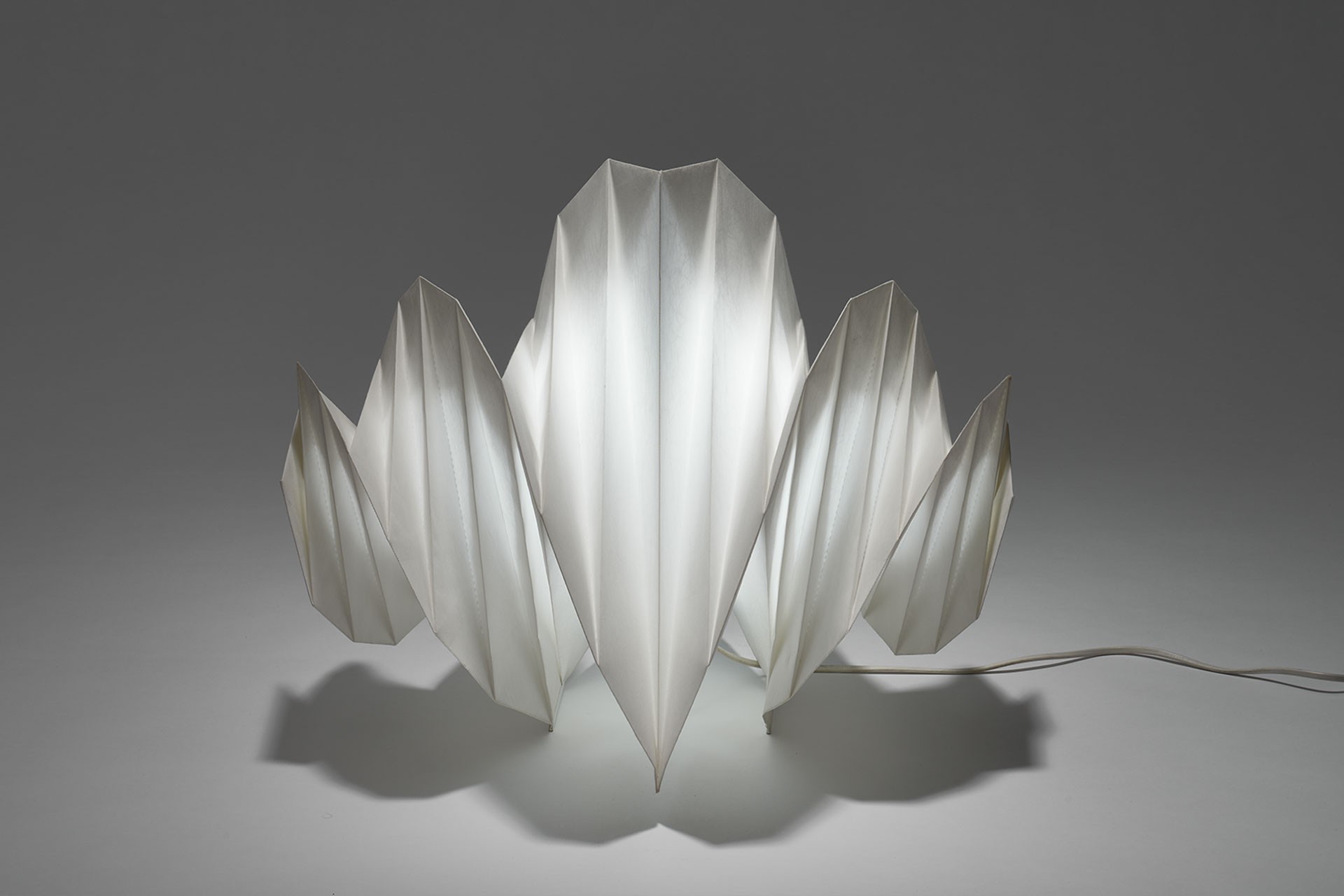
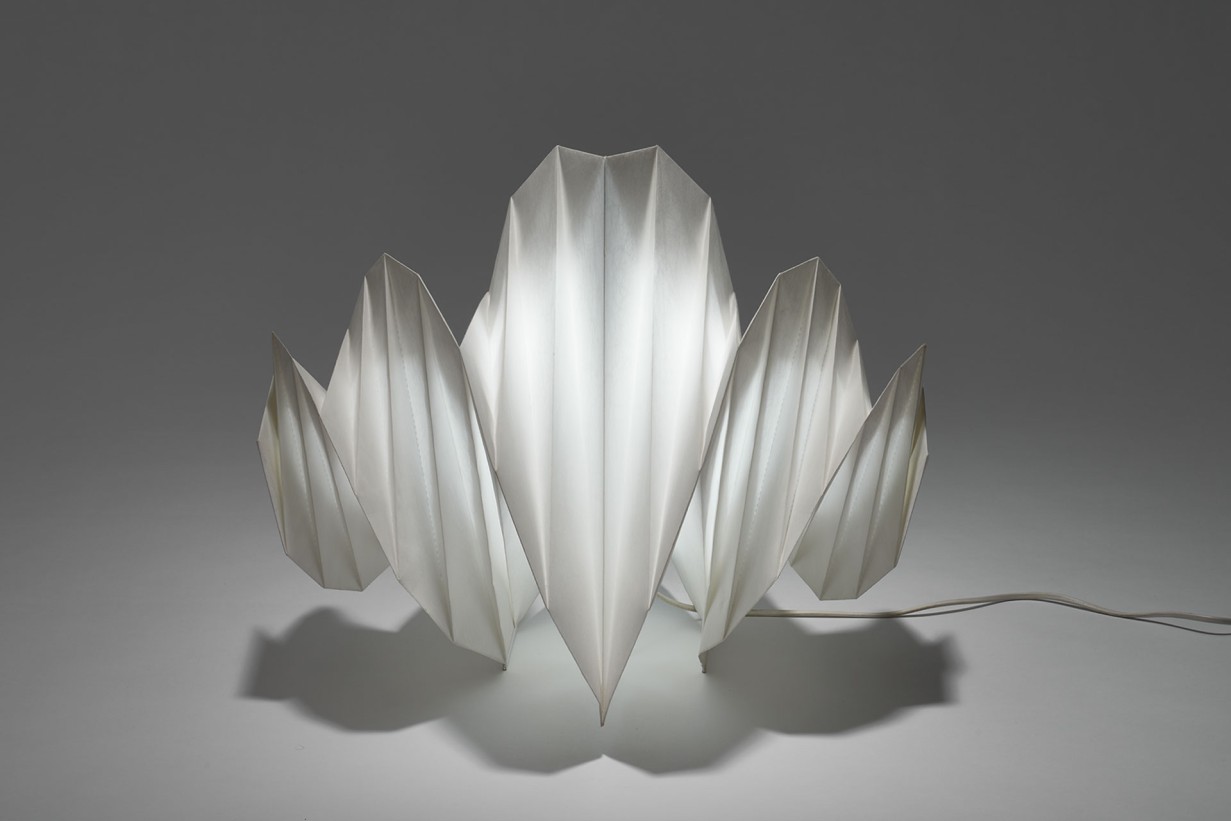
Issey Miyake, IN-EI MENDORI, 2013, Table lamp, DS 170 © MAK/Georg Mayer
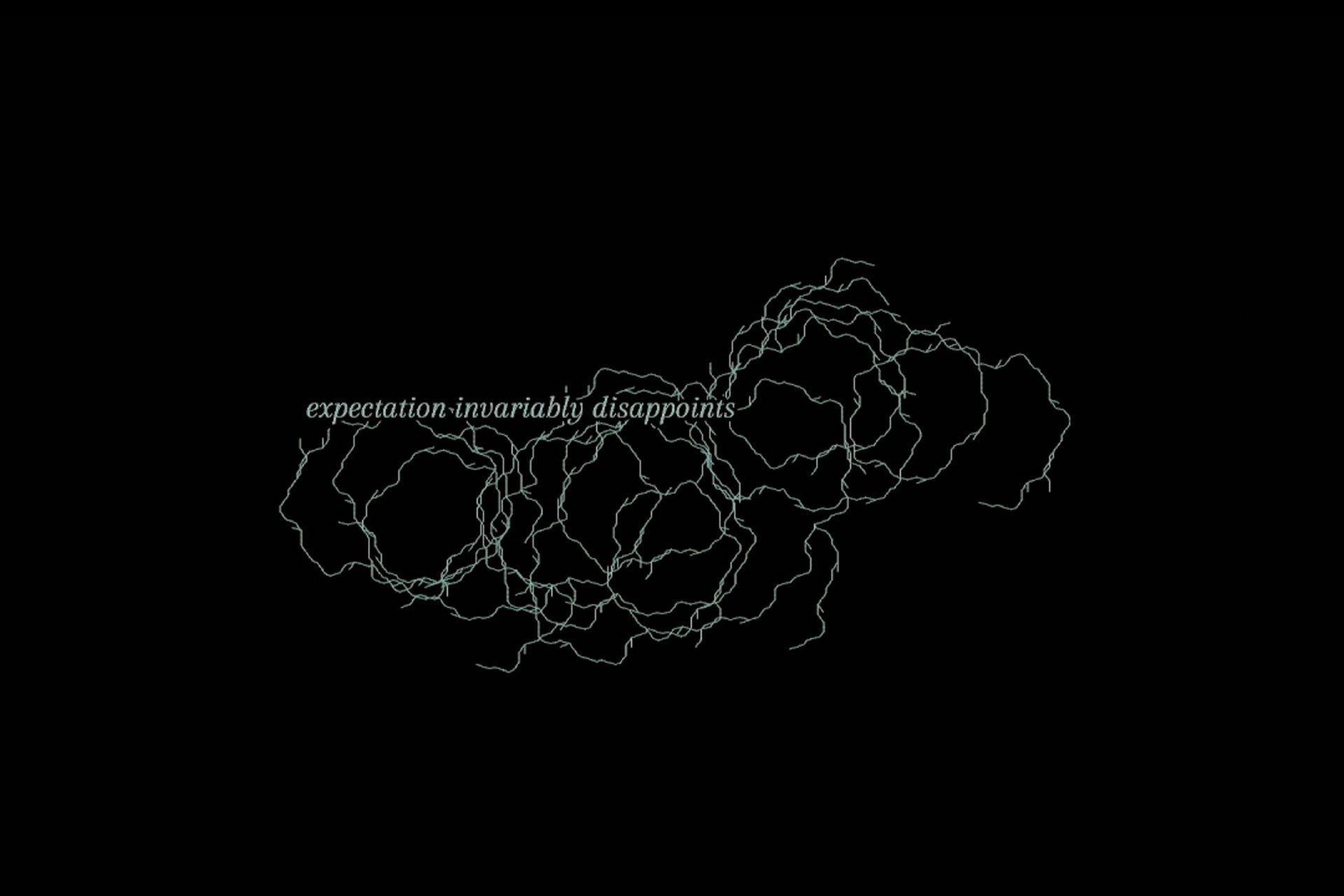
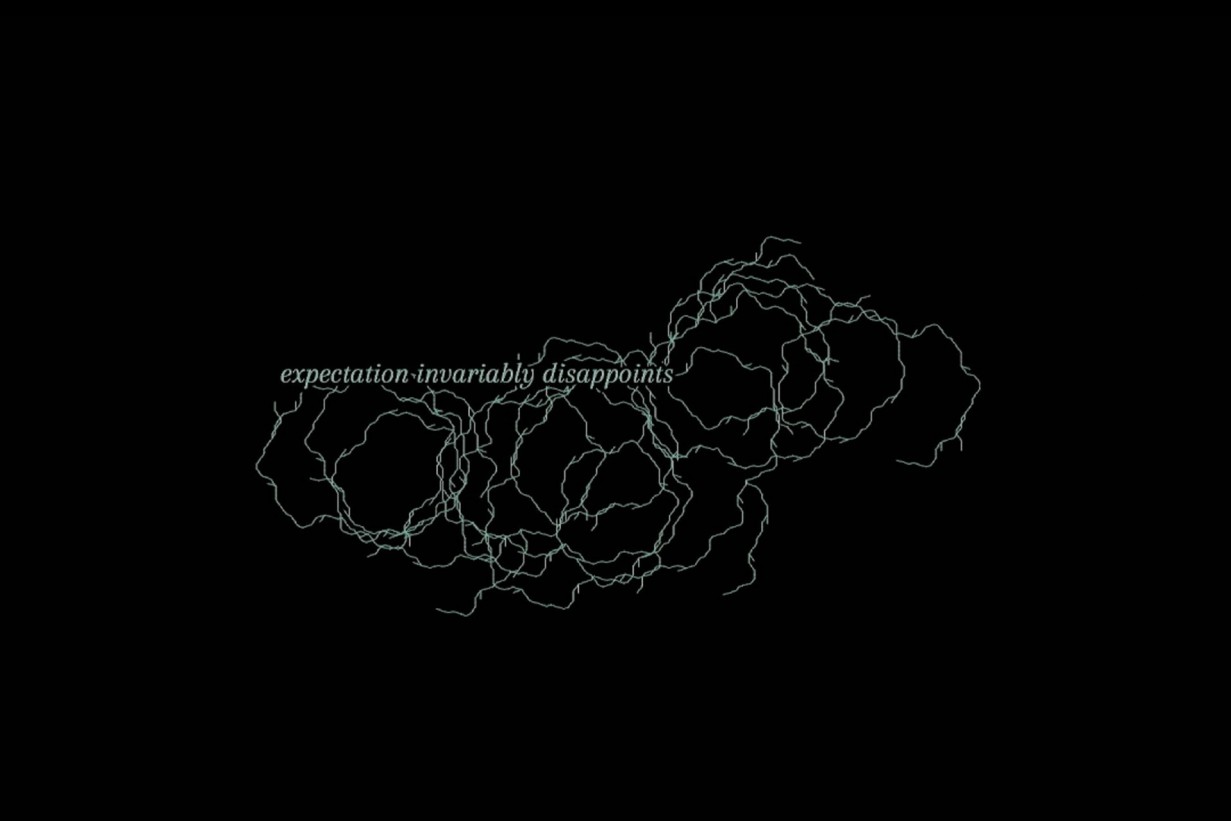
Harm van den Dorpel, EVENT LISTENERS, 2015, Software (screensaver for OS X), DS 443 © Harm van den Dorpel/MAK
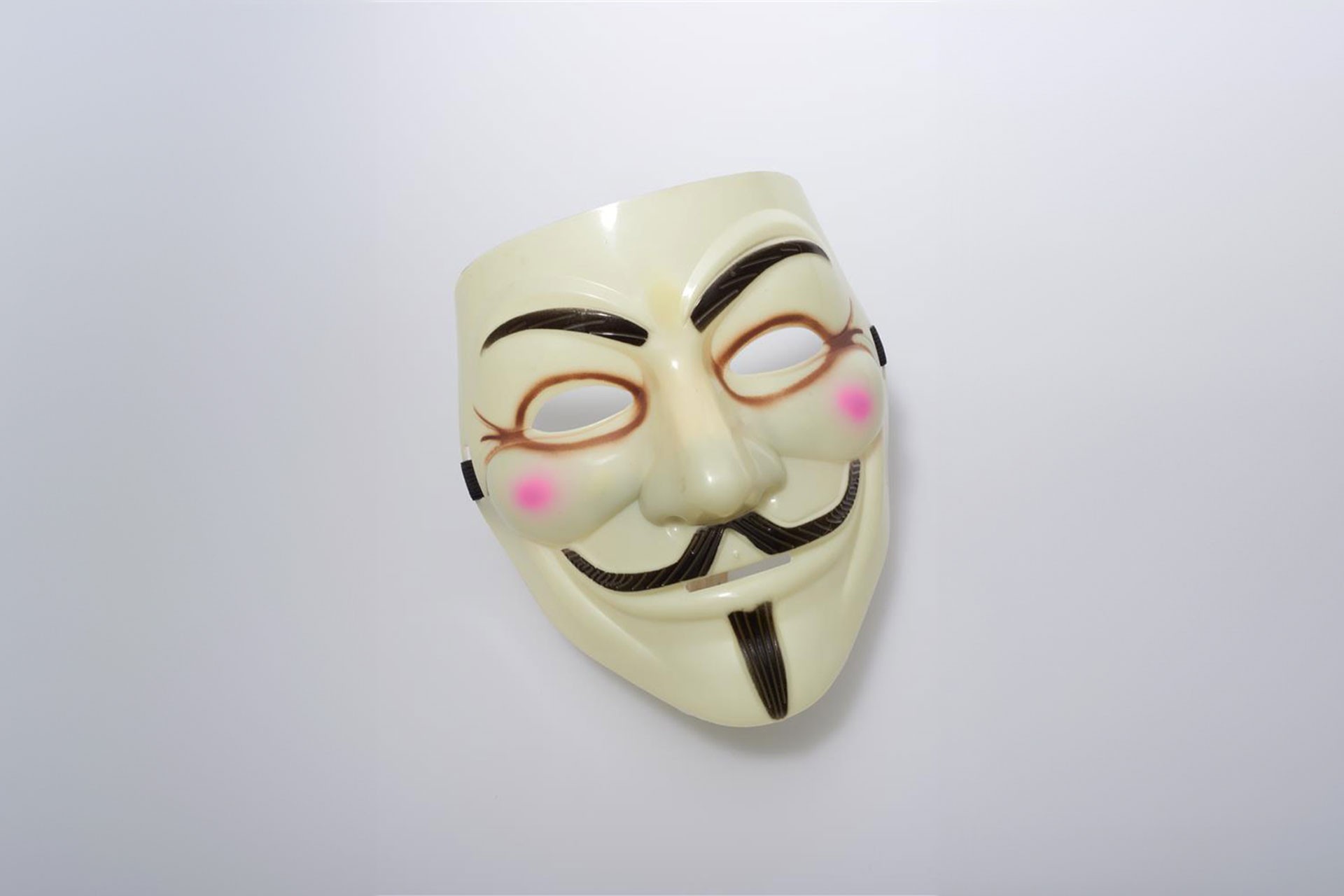
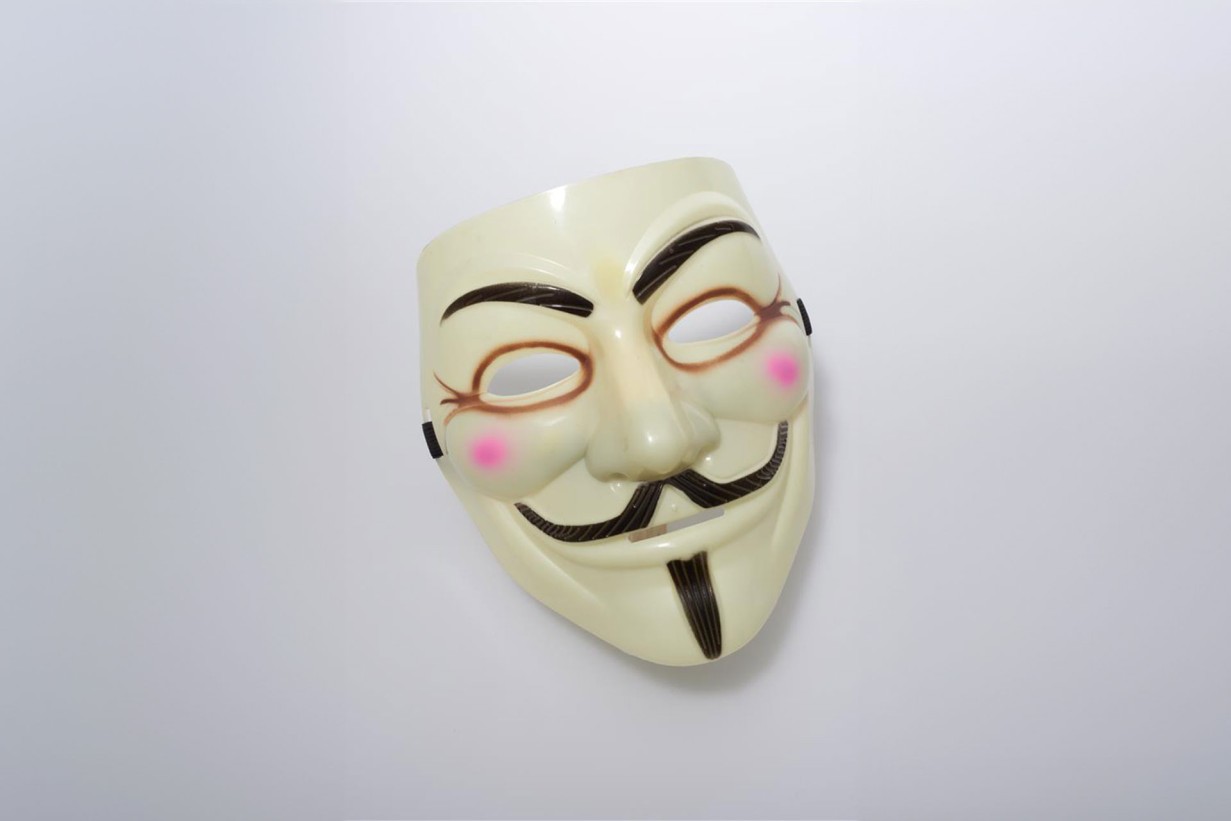
GUY FAWKES MASK, since 2006, Mask, DS 466 © MAK/Georg Mayer
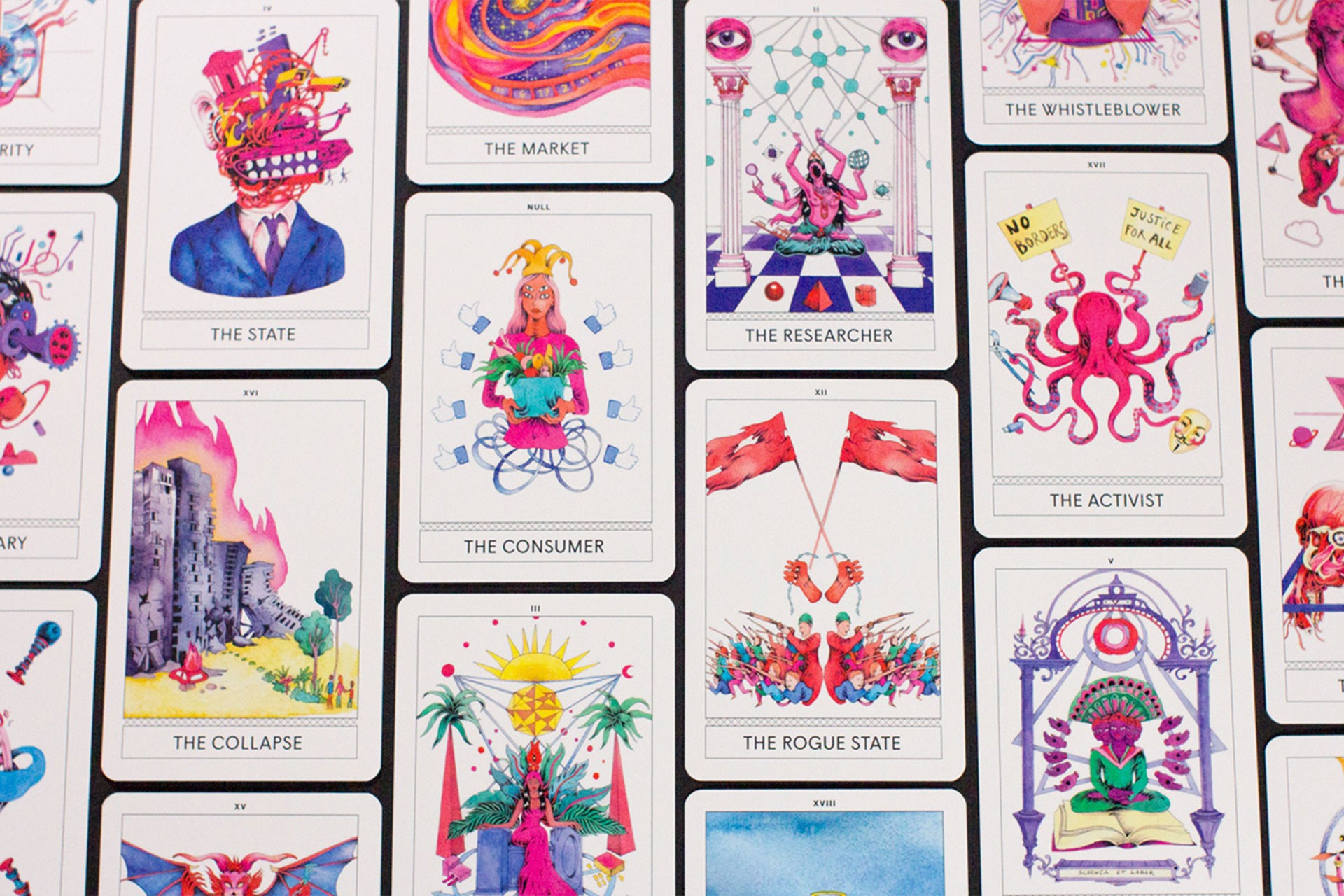
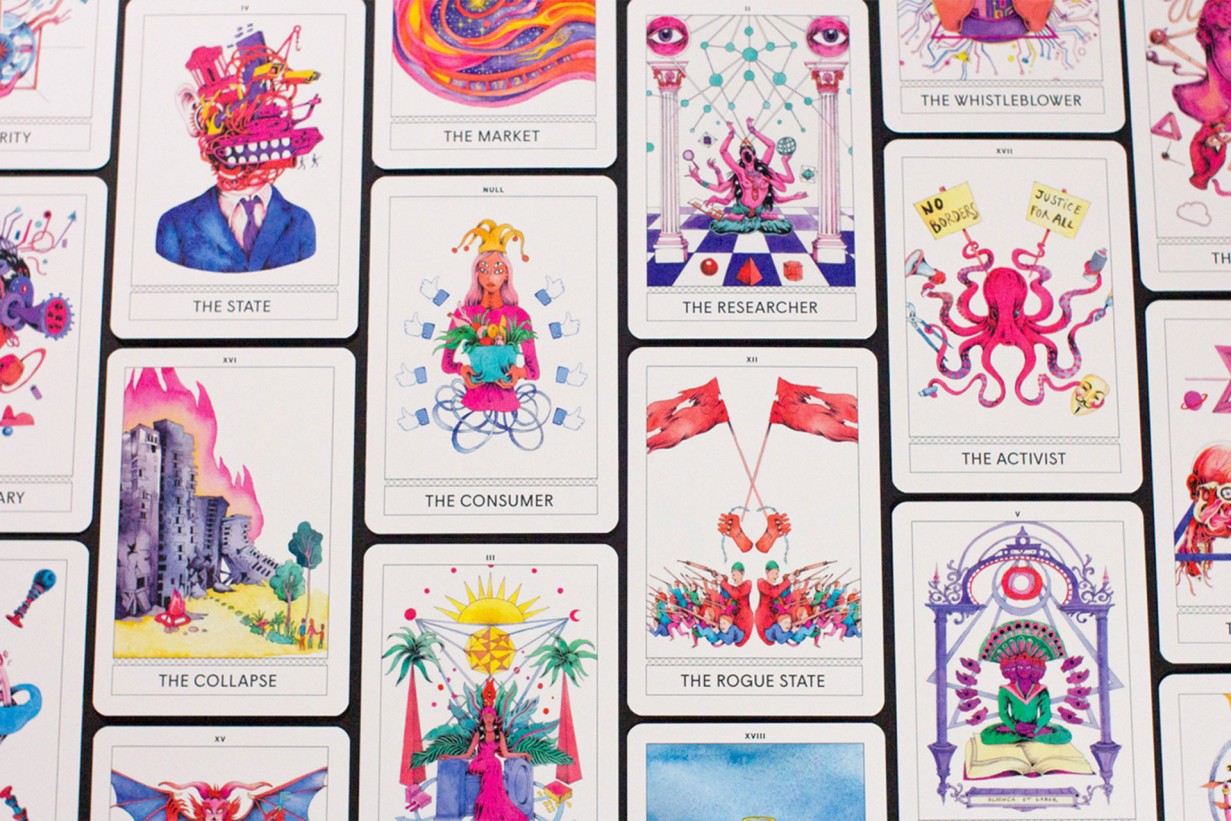
Superflux, INSTANT ARCHETYPES. A NEW TAROT FOR THE NEW NORMAL, 2018, Tarot cards, DS 424 © Superflux
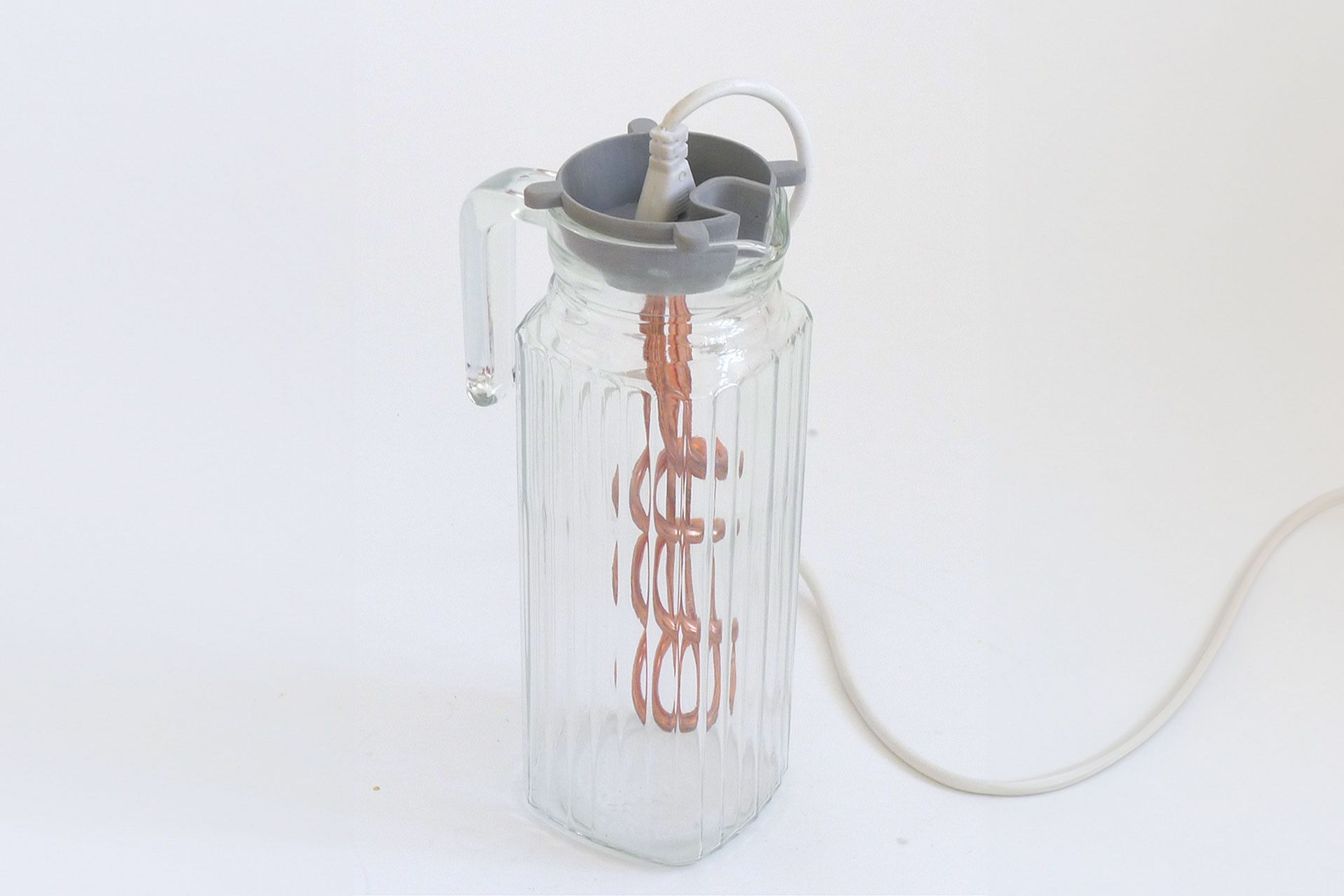
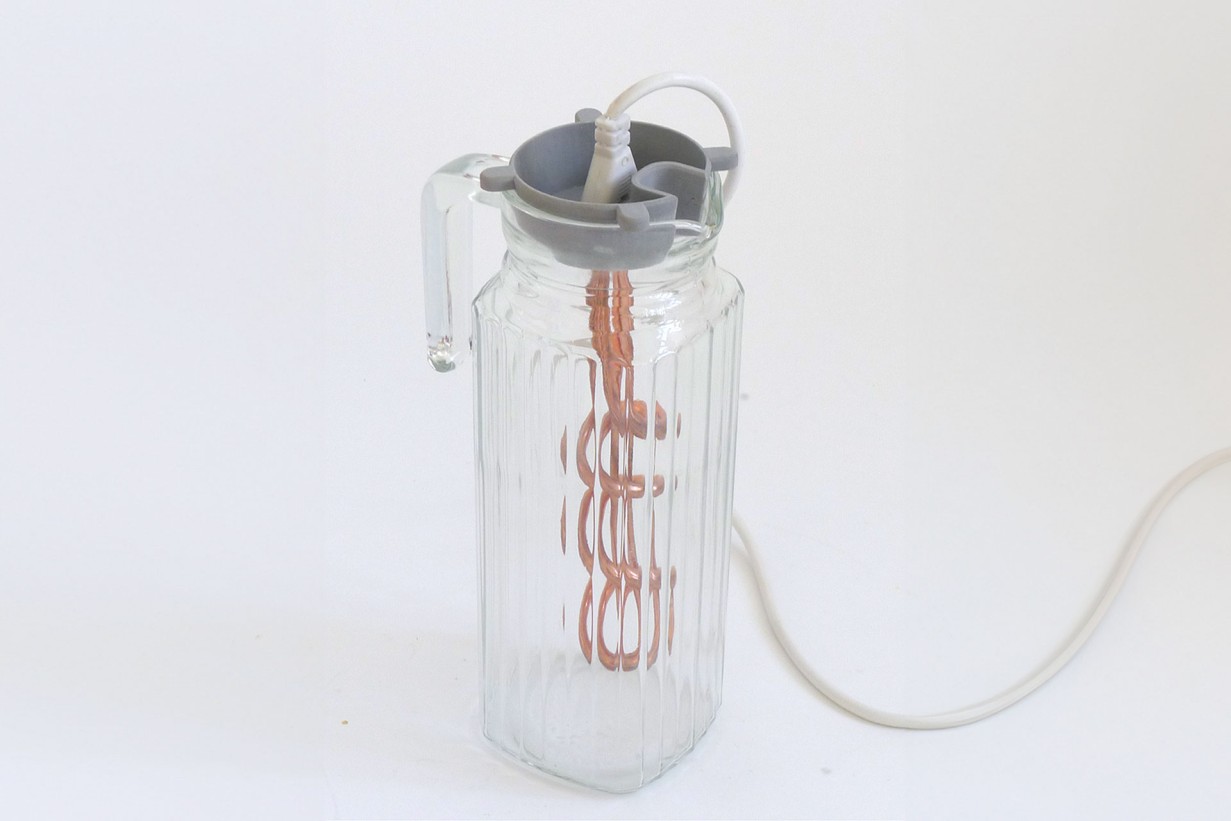
Jesse Howard, TRANSPARENT TOOLS: ELECTRIC KETTLE, 2012, Kettle, DS 235-2 © Jesse Howard
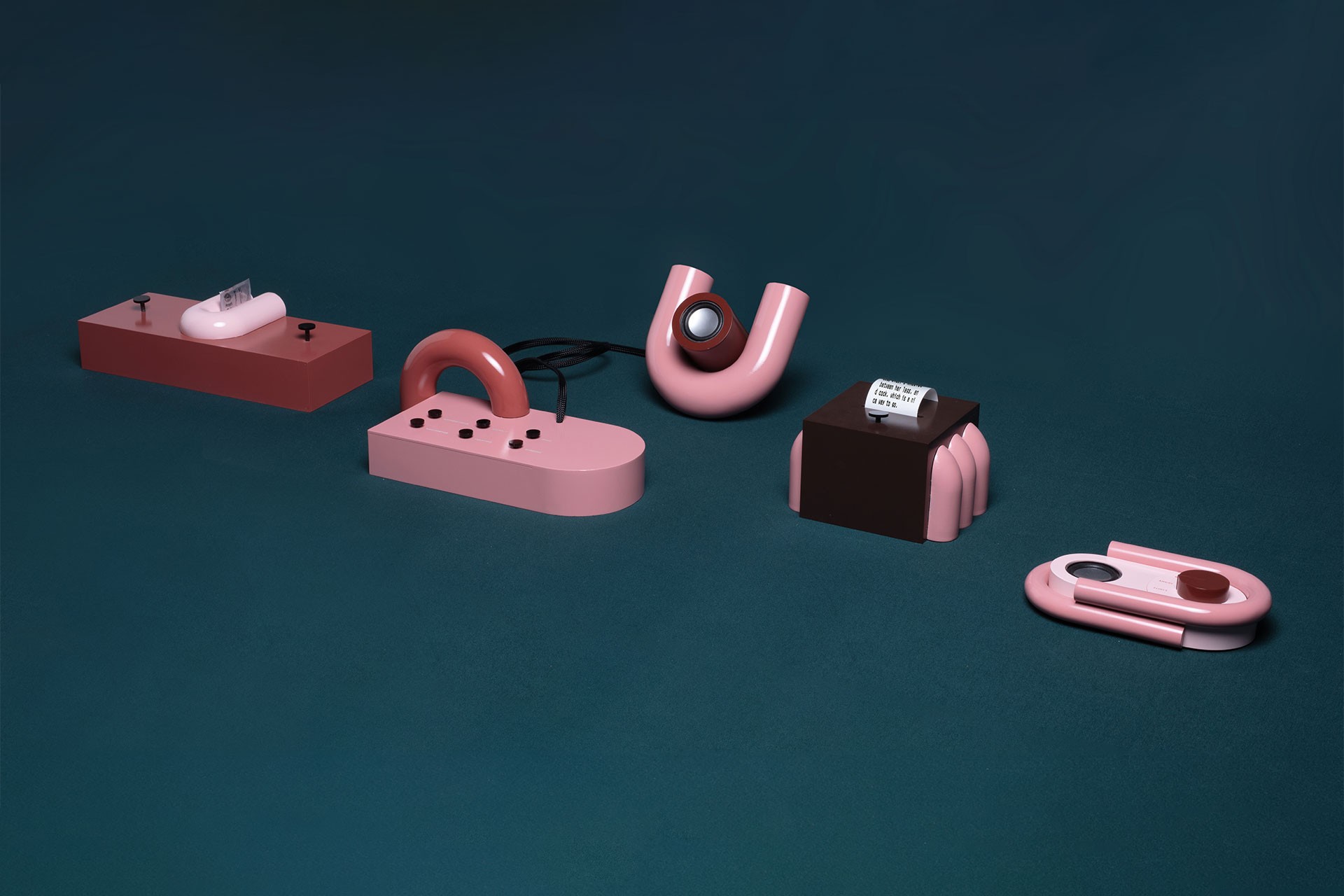
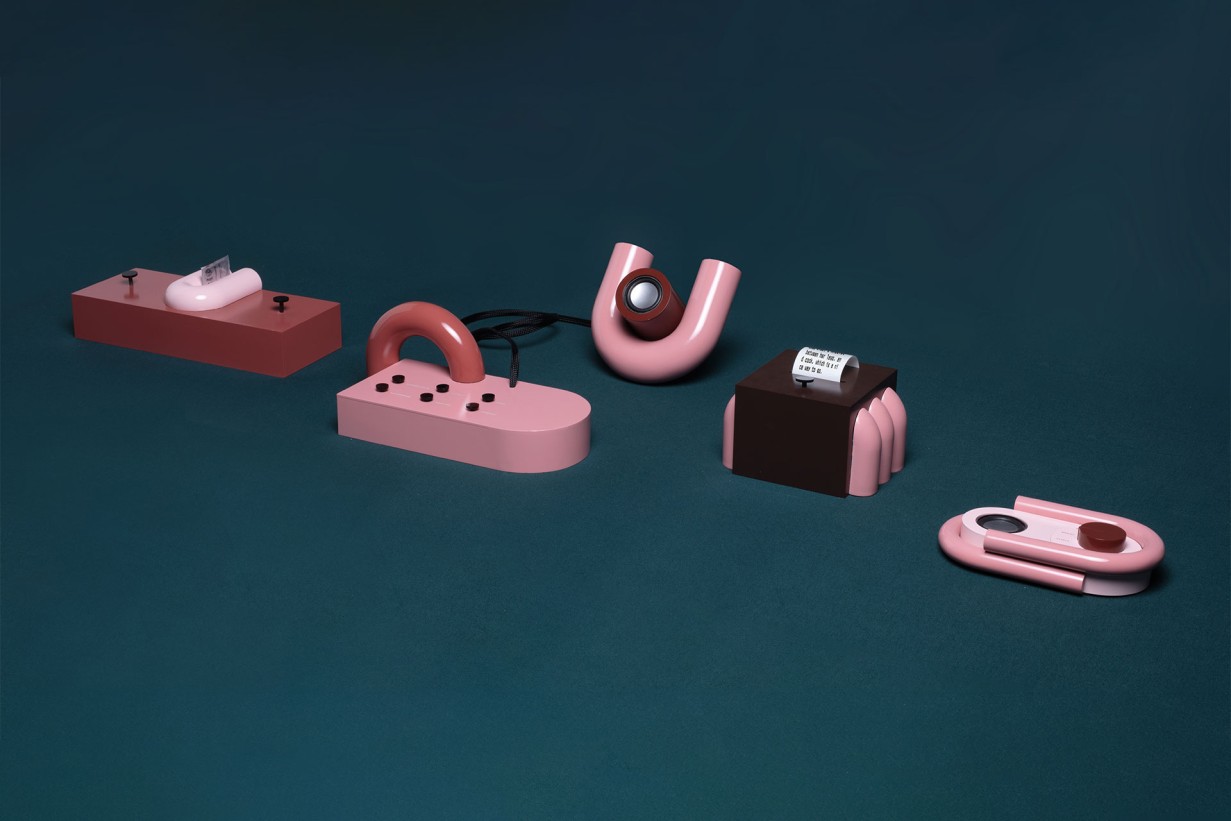
Stephanie Kneissl, PILLOW TALK – TECHNOLOGY FOR AWKWARD QUESTIONS, 2021, Model/concept, DS 478 © Stephanie Kneissl
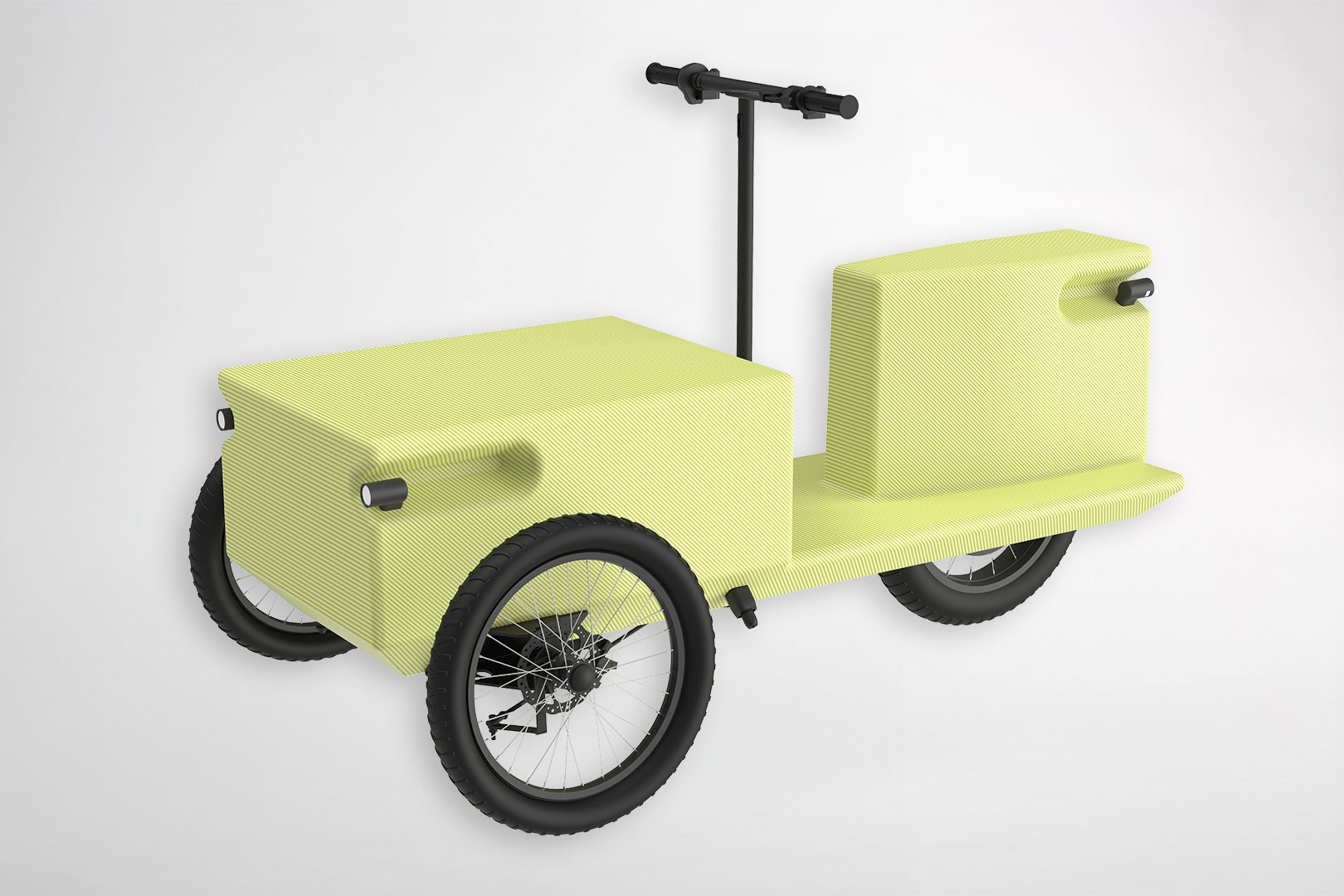
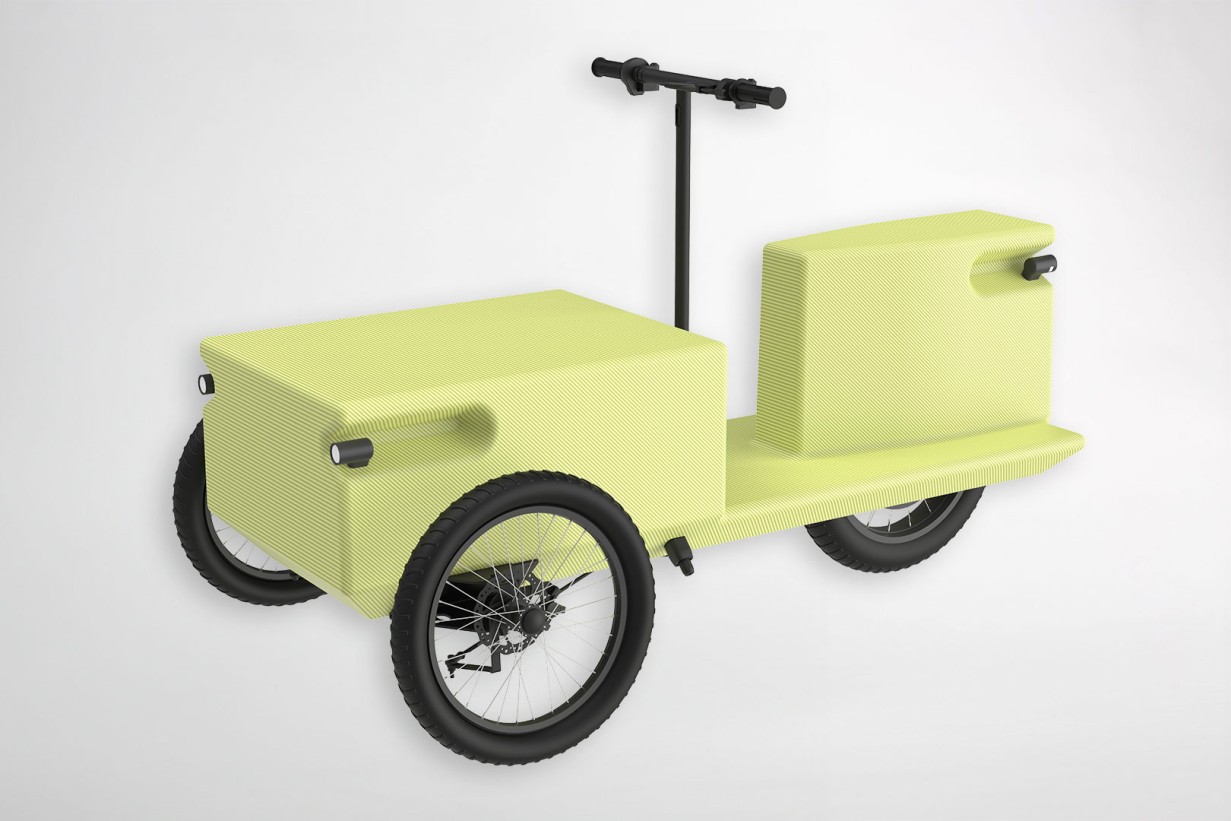
EOOS NEXT, ZUV (ZERO EMISSION UTILITY VEHICLE), 2021, Mobility concept, DS 472 © EOOS NEXT
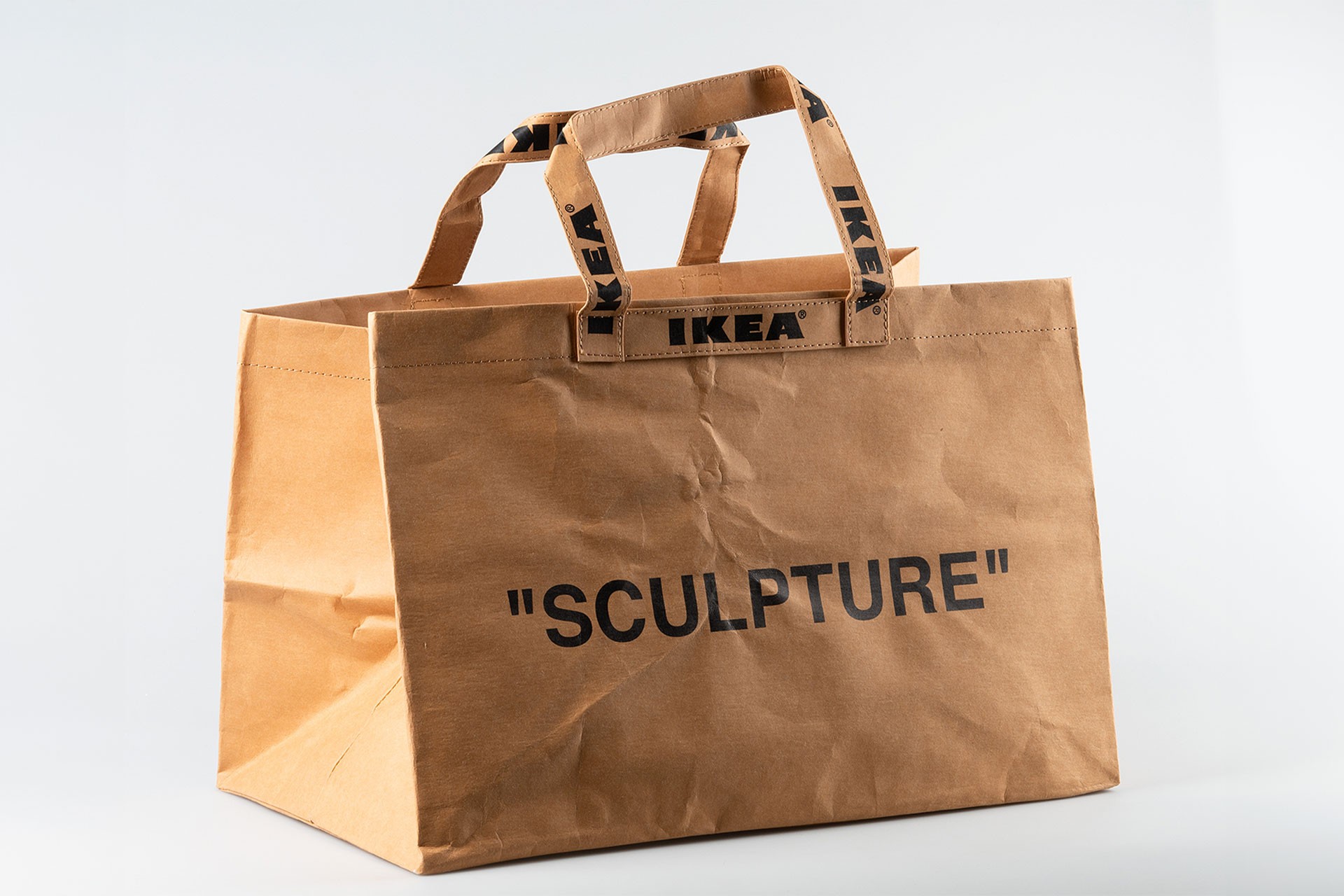
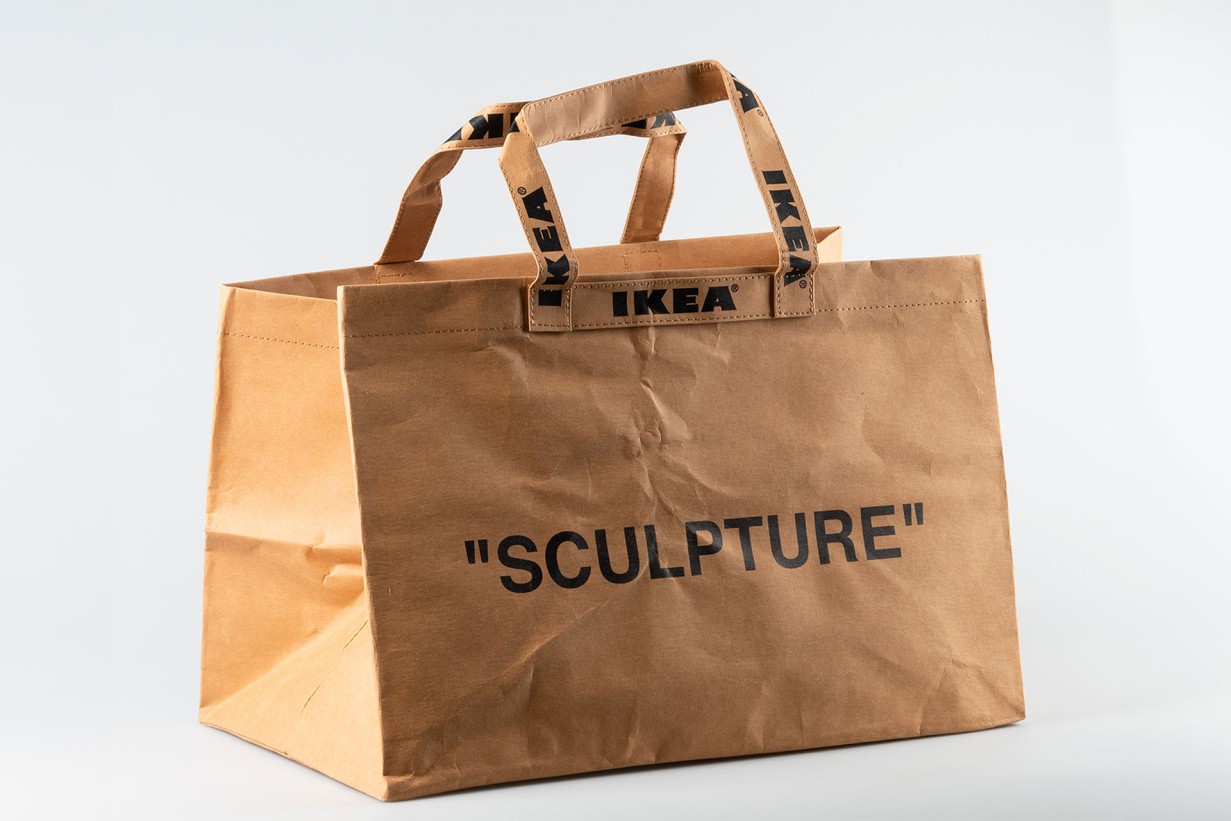
Virgil Abloh, MARKERAD "SCULPTURE" FOR IKEA, 2019, Bag, DS 421 © MAK/Georg Mayer
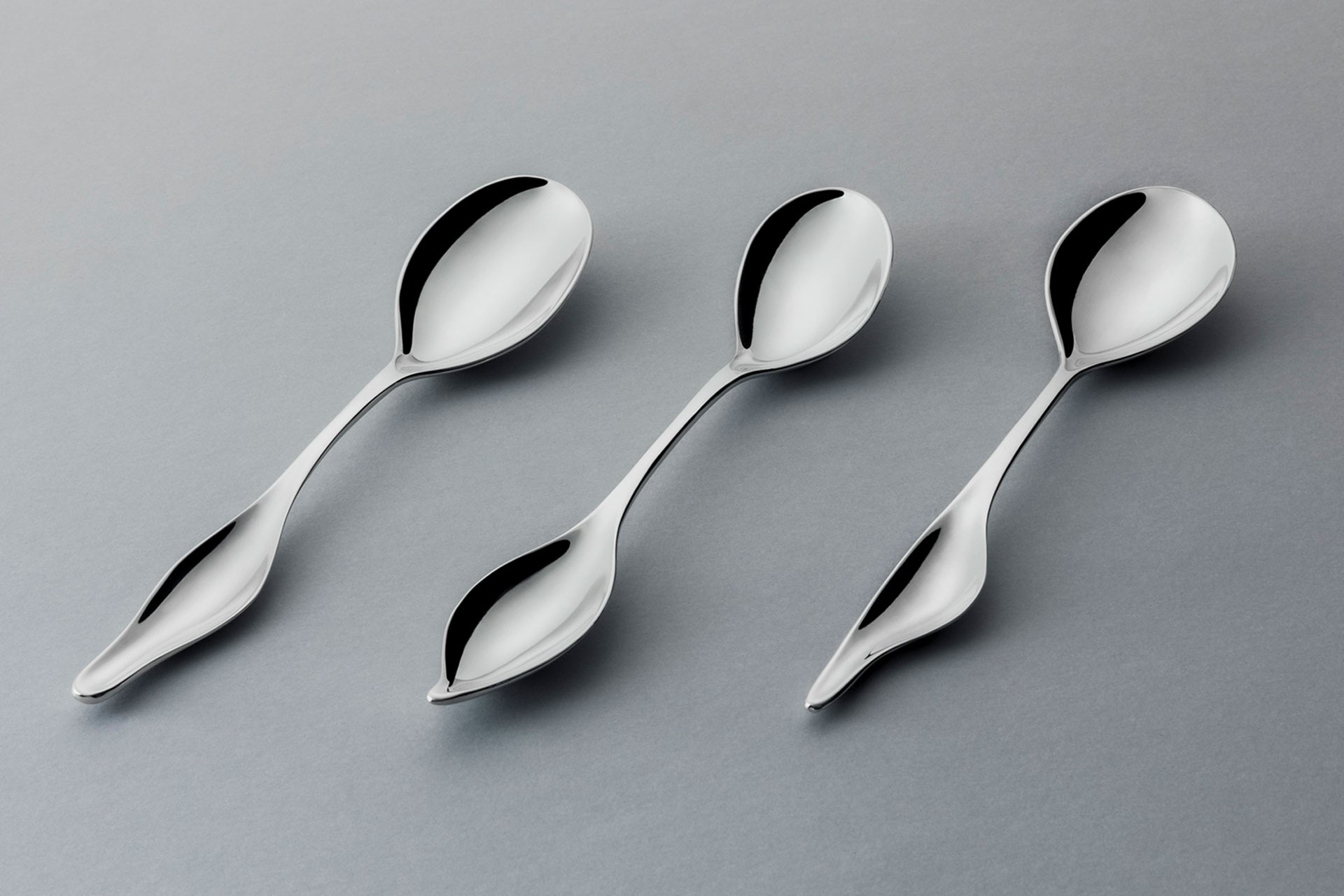
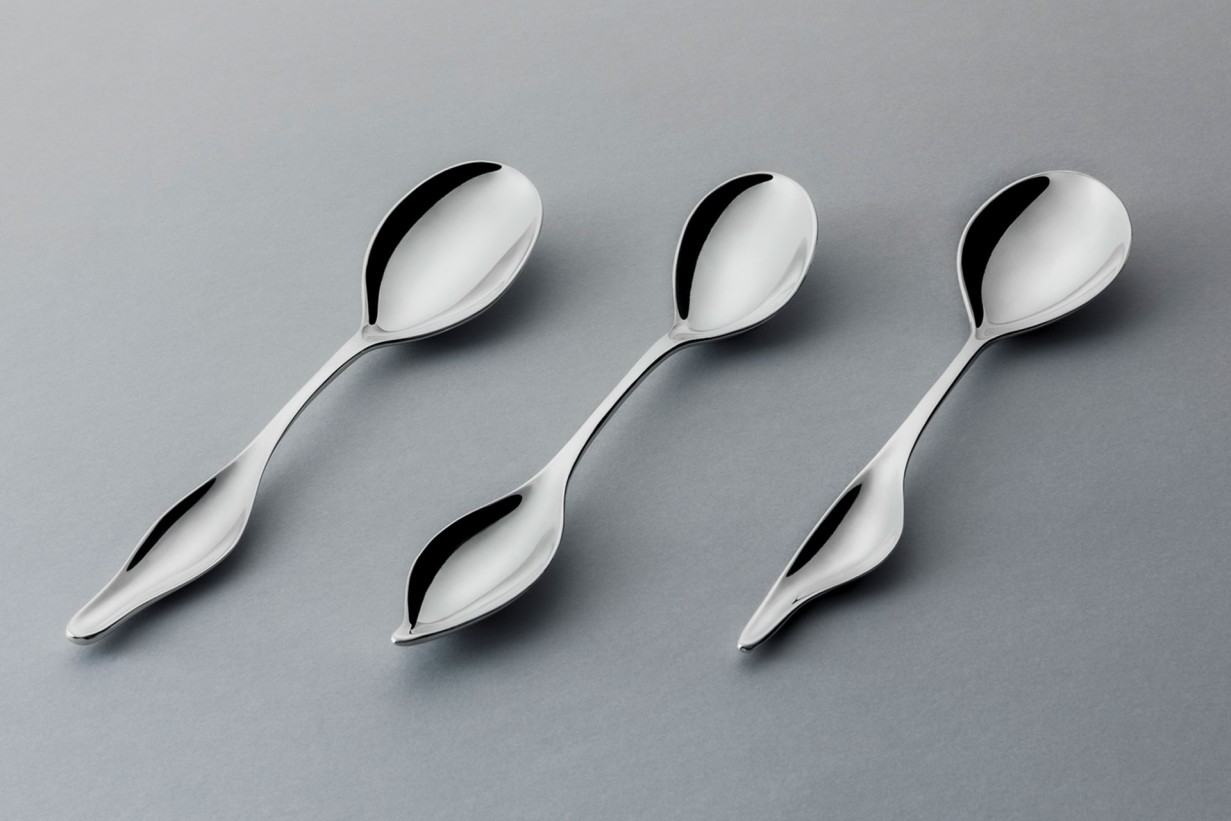
giosampietro and oio.studio, SPAWN #22, SPAWN #51, SPAWN #83, 2022, AI-generated spoons, DS 533-1–3 © PEPE fotografia
Exhibitions